
Performance cars and fuel economy are often seen as opposites, especially when premium gasoline is part of the equation. However, modern engineering has reshaped that expectation. Today, several high-performance engines are designed to deliver impressive power while still running on widely available 87-octane fuel.
This shift reflects advancements in engine management, combustion efficiency, and durability, allowing drivers to enjoy strong acceleration and reliability without the constant expense of premium fuel.
In this list of “8 Performance Engines That Are Famous for Running on 87 Octane Fuel,” you will find a diverse mix of powerplants ranging from classic V8s to advanced turbocharged four-cylinders.
Each engine demonstrates a unique approach to balancing performance and practicality, whether through smart ECU tuning, innovative fuel injection systems, or efficient cooling strategies. These engines prove that you no longer need to compromise daily usability for driving excitement, making them ideal for enthusiasts who want both power and affordability.
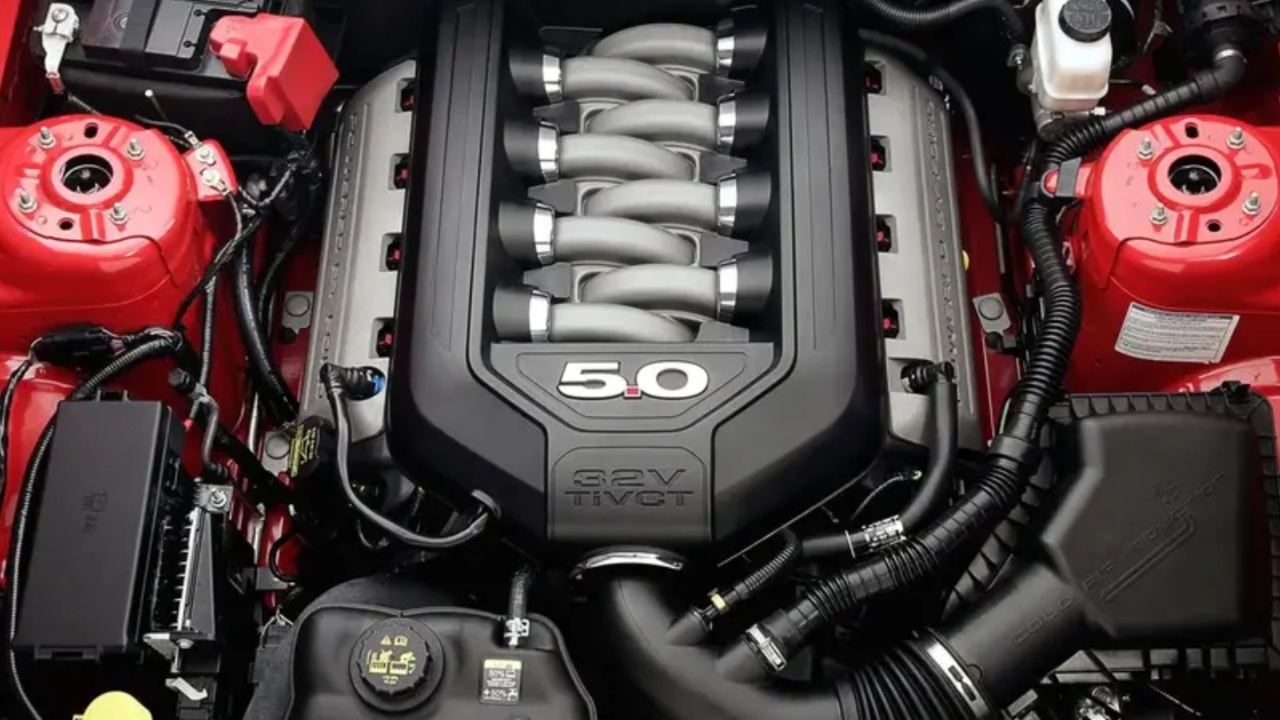
1. Ford 5.0L Coyote V8: Performance, Practicality, and Trade-Offs
The Ford 5.0L Coyote V8 is a modern engine that combines strong performance with everyday usability. Introduced in 2011, it quickly became known for its high-revving nature and advanced features like Twin Independent Variable Camshaft Timing (Ti-VCT).
One of its most practical advantages is its ability to run on 87-octane regular gasoline. While premium fuel allows the engine to reach its full output of over 480 horsepower, the Coyote is engineered to adapt.
Its knock sensors and engine control unit automatically adjust ignition timing when lower-octane fuel is used, preventing damage and maintaining reliability. This makes it a cost-effective option for daily driving without sacrificing the signature V8 sound.
Several technologies enable this fuel flexibility. The engine uses advanced management systems that monitor conditions in real time and optimize performance accordingly. Modern versions also feature efficient combustion systems, including direct and port fuel injection, which help maintain power even with regular gasoline.
In addition, durable internal components and improved cooling systems reduce heat buildup and the risk of pre-ignition. Although higher-octane fuel unlocks maximum horsepower and torque, the engine still performs well under normal driving conditions with 87 octane.
Despite its strengths, the Coyote V8 has some downsides. Ford’s pricing strategy has made it more expensive than the 3.5L EcoBoost V6, which can seem inconsistent given the V6’s more complex design. The engine also lacks strong low-end torque, meaning it needs higher RPMs to deliver peak performance.
This characteristic can be less ideal for towing or heavy-duty work that requires immediate power. Another concern is the inclusion of Active Fuel Management, a system that shuts down cylinders to improve fuel economy but adds mechanical complexity and is often criticized for potential long-term reliability issues.
There are also limitations in availability. Ford has restricted the Coyote V8 from certain high-end trims and vehicles, pushing buyers toward turbocharged or hybrid options. This trend suggests a gradual move away from naturally aspirated V8 engines.
Even with these drawbacks, the Coyote V8 remains highly respected. It offers solid fuel efficiency for its class, averaging around 20 miles per gallon. Its high-revving capability and distinctive sound create an engaging driving experience that many enthusiasts value. The engine also delivers strong towing capacity and improved reliability in newer models. It strikes a balance between performance, simplicity, and everyday practicality.
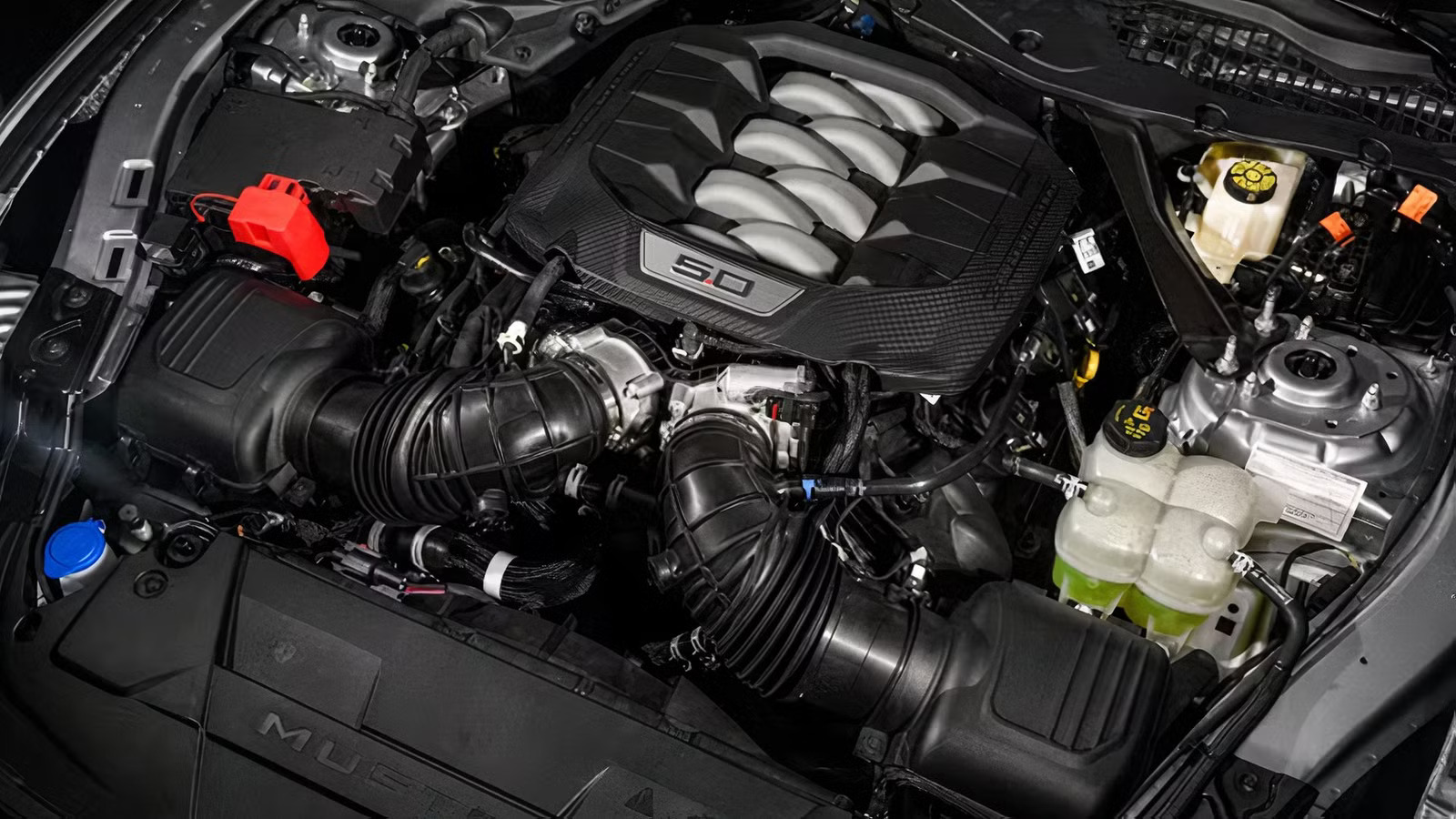
2. Chevrolet 3.6L LGX V6: High Compression Performance on Regular Fuel
The Chevrolet 3.6L LGX V6 is a modern, naturally aspirated engine that delivers strong performance while remaining efficient and cost-effective to operate. Introduced in 2016 as part of General Motors’ High Feature engine family, it produces up to 335 horsepower in vehicles like the Chevrolet Camaro.
What makes the LGX stand out is its ability to run optimally on 87-octane regular gasoline despite having a relatively high 11.5:1 compression ratio. Unlike many performance engines that require premium fuel or reduce performance on regular gas, the LGX is specifically tuned to achieve its peak output and efficiency using standard unleaded fuel.
This capability is made possible through several advanced engineering features. Direct fuel injection plays a major role by delivering fuel straight into the combustion chamber, allowing for more precise control and cooler combustion temperatures. This reduces the risk of engine knock even under high compression.
The engine also uses sophisticated variable valve timing paired with an intelligent engine control unit that continuously adjusts valve operation and ignition timing to maintain performance and protect the engine. In addition, a targeted cooling system directs coolant to the hottest parts of the engine, improving thermal management and further minimizing the chance of pre-ignition.
The LGX’s design emphasizes reliability and accessibility. Unlike turbocharged engines that generate higher heat and pressure, this naturally aspirated V6 is engineered to balance performance and durability without requiring premium fuel.
Its refined combustion process and improved cylinder head design allow it to handle high compression efficiently. As a result, drivers can enjoy strong acceleration and a high-revving character that reaches up to 7,000 RPM without incurring higher fuel costs.
In real-world use, the LGX offers solid performance figures, including quick acceleration and smooth power delivery. It can achieve 0 to 60 miles per hour in just over five seconds in certain applications. The engine also includes cylinder deactivation technology, which improves fuel economy during light driving by shutting down select cylinders. This contributes to its versatility as both a performance and a daily-use engine.
However, the LGX does require proper maintenance to ensure long-term reliability. Regular oil changes are essential, as neglect can lead to timing chain wear. Like many direct-injection engines, it may also experience carbon buildup on intake valves over time. Some drivers find the automatic start-stop system intrusive in city driving.
The Chevrolet 3.6L LGX V6 is a well-rounded engine that combines power, efficiency, and practicality. It offers an appealing balance of performance and affordability, especially for drivers who want strong output without the added cost of premium fuel.
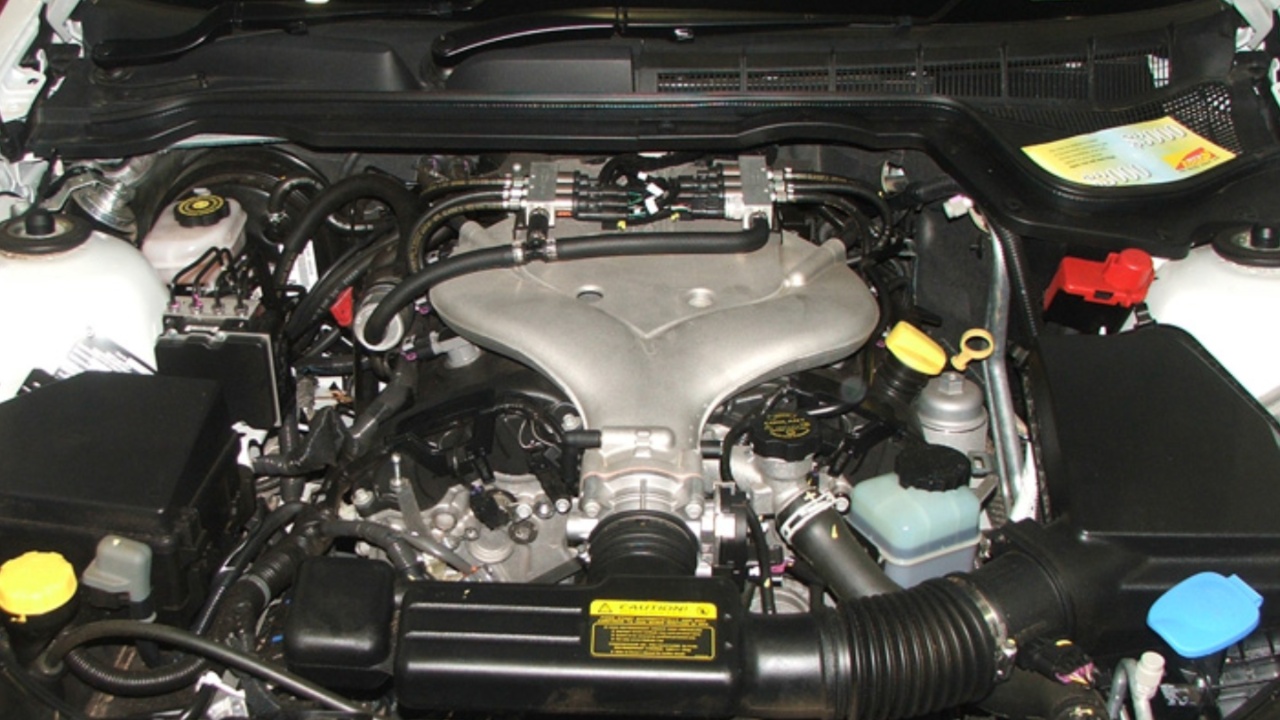
3. Ford 2.3L EcoBoost I4: Turbocharged Performance with Everyday Flexibility
The Ford 2.3L EcoBoost I4 is a modern turbocharged engine that delivers an impressive balance of performance, efficiency, and practicality. Found in vehicles like the Ford Mustang EcoBoost, Ford Explorer, Ranger, and Bronco, it produces between 270 and over 300 horsepower depending on the application.
Despite being a high-output turbocharged engine, it is engineered to run safely on 87-octane regular fuel, making it an appealing option for drivers who want strong performance without the added cost of premium gasoline.
Turbocharged engines typically require higher-octane fuel due to increased cylinder pressure and heat. However, the 2.3L EcoBoost overcomes this limitation through advanced engineering. Its adaptive engine control unit constantly monitors for knock and adjusts ignition timing and turbo boost levels in real time.
This allows the engine to protect itself while maintaining solid performance on regular fuel. While premium fuel such as 93 octane unlocks maximum horsepower and torque, the engine remains responsive and capable for everyday driving on 87 octane.
Several design features contribute to this flexibility. The engine uses direct fuel injection to precisely control combustion and reduce the likelihood of pre-ignition. It is also built with strong internal components, including a forged crankshaft and connecting rods, which allow it to handle the higher pressures associated with turbocharging. These elements ensure durability while supporting both efficiency and power.
In terms of driving experience, the 2.3L EcoBoost is known for its quick acceleration and strong low-end torque, thanks to the turbocharger.
This makes it suitable for a wide range of uses, from sporty driving in the Mustang to off-road capability in the Bronco and practical family use in the Explorer. Its lighter weight compared to larger engines also improves handling, making vehicles feel more agile and responsive, especially in corners.
Fuel efficiency is another advantage. The smaller displacement helps reduce fuel consumption compared to V6 or V8 engines, though actual mileage depends on driving habits and vehicle type. This balance of power and efficiency is a key reason for its popularity.
Reliability is generally solid, but proper maintenance is important. Like many direct-injection engines, it can develop carbon buildup on intake valves over time. Some early versions had issues such as head gasket concerns, though these are less common in later models.
The Ford 2.3L EcoBoost I4 stands out as a versatile and well-rounded engine. It delivers strong turbocharged performance, good efficiency, and the ability to run on regular fuel, making it a practical yet engaging choice for many drivers.
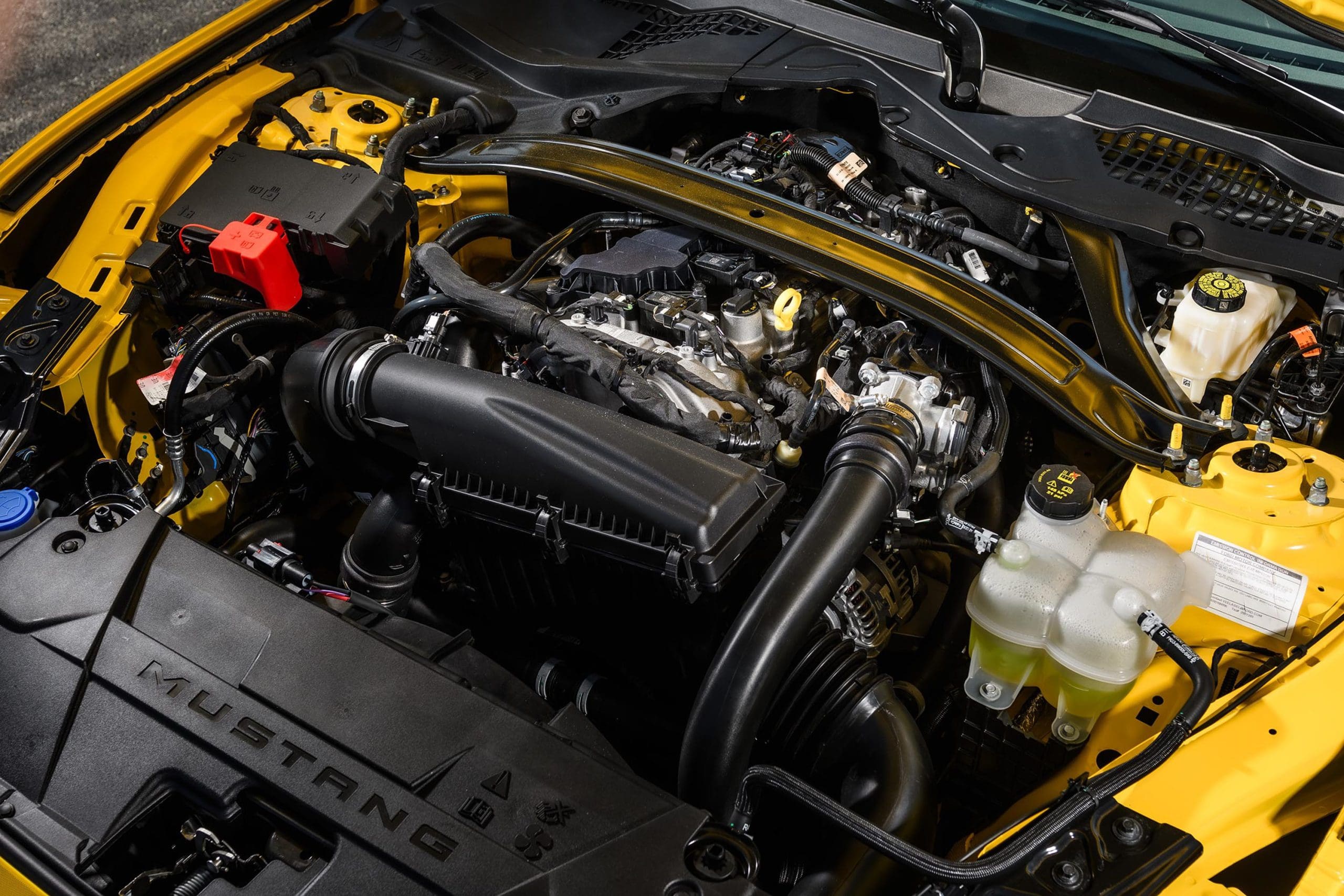
4. Dodge 5.7L HEMI V8: Classic Muscle with Everyday Practicality
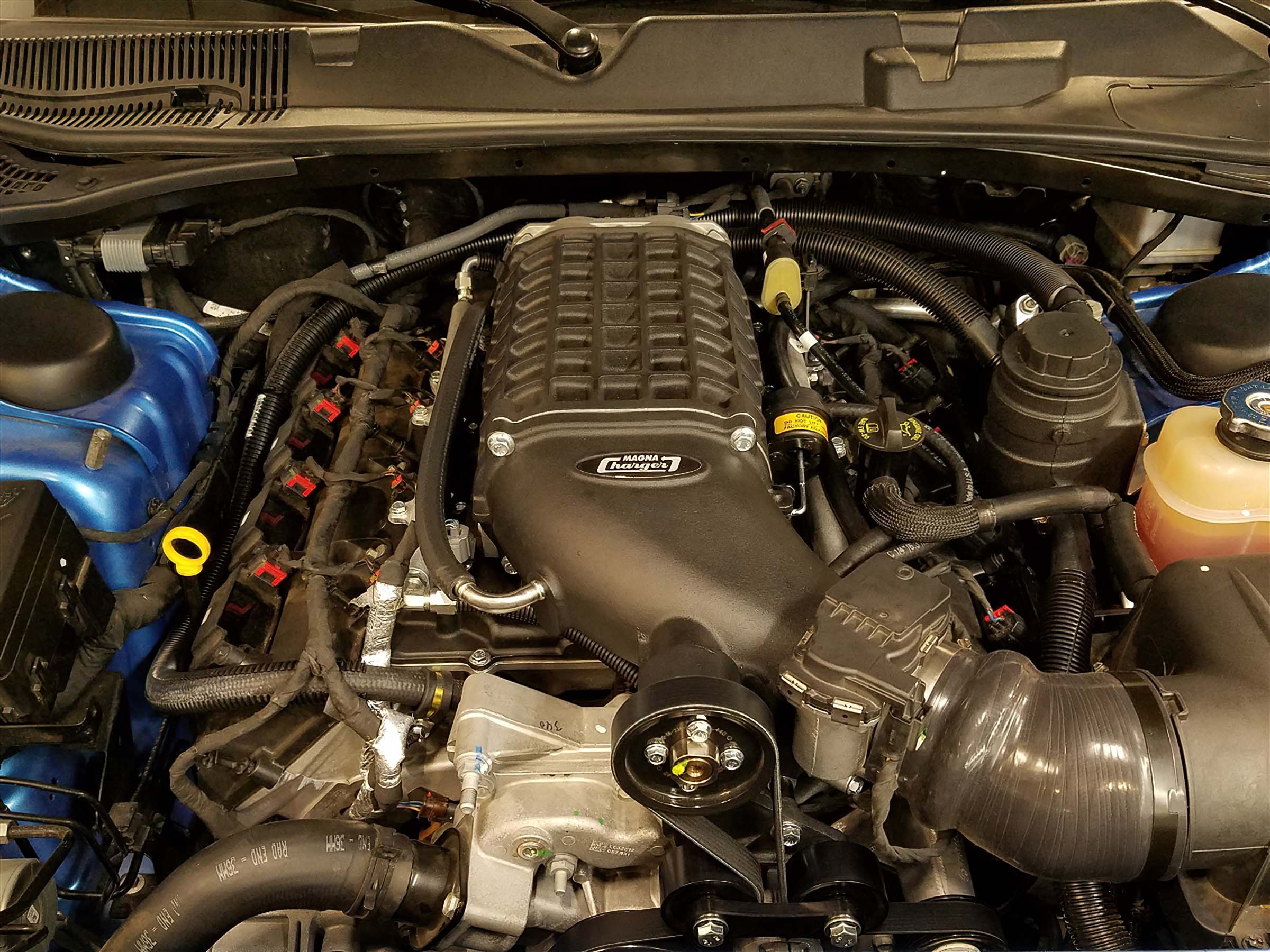
The Dodge 5.7L HEMI V8 is a defining engine of modern American muscle, combining strong performance with everyday usability. Found in vehicles like the Dodge Challenger R/T, it produces around 375 horsepower while maintaining the ability to run on 87-octane regular gasoline.
Although 89 octane is recommended for best performance, Dodge clearly states that regular fuel is acceptable for daily driving. This makes the 5.7L HEMI a practical choice for drivers who want V8 power without consistently paying for premium fuel.
A key reason for this flexibility is the engine’s moderate compression ratio, typically between 9.6:1 and 10.5:1. This allows it to generate strong power without the higher risk of engine knock seen in high-compression engines.
The engine is also equipped with advanced knock sensors and an intelligent control unit that constantly monitors combustion. If lower-octane fuel causes minor detonation, the system automatically adjusts ignition timing to protect the engine and maintain smooth operation.
The HEMI’s design further supports efficiency and durability. It uses dual spark plugs per cylinder to ensure a more complete and consistent burn, improving both power delivery and fuel efficiency. Variable valve timing enhances airflow and optimizes engine performance across different speeds.
Later updates, particularly in the “Eagle” generation, improved cylinder head design and cooling, allowing the engine to better manage heat and operate efficiently even on regular fuel.
First reintroduced in 2003, this third-generation HEMI replaced older V8 designs and quickly spread across a wide range of vehicles, including trucks, SUVs, and sedans. Its robust construction features a cast iron block, aluminum heads, and durable internal components, helping it earn a reputation as a dependable and versatile engine.
Despite its strengths, the 5.7L HEMI has experienced some issues over the years. The most well-known is the “HEMI tick,” often linked to lifter failure that can damage the camshaft.
Other concerns include early spark plug wear, weak exhaust manifold bolts in some early models, and stalling problems in certain production years. Models from 2005 to 2006 and some from 2011 to 2012 are often considered less desirable due to these problems.
The 5.7L HEMI continues to appeal to drivers who value strong performance, a deep V8 sound, and the convenience of using widely available fuel. It remains a solid blend of power, reliability, and everyday functionality.
Also read: 5 Cars With Excellent Air Conditioning for Hot Climates vs 5 That Struggle
5. Toyota 3.5L 2GR-FKS V6: Reliable Performance with Efficient Engineering
The Toyota 3.5L 2GR-FKS V6 is widely recognized as a durable and refined engine that blends performance with long-term reliability. Used in vehicles such as the Lexus ES 350, Camry, Tacoma, and Highlander, it produces between 278 and 311 horsepower depending on the application.
Despite its strong output and relatively high compression ratio, the engine is designed to operate on 87-octane regular fuel, making it both practical and cost-effective for everyday drivers.
A major factor behind this flexibility is Toyota’s D-4S dual-injection system. This setup combines direct injection and port injection, allowing the engine to precisely control fuel delivery and improve combustion efficiency.
Direct injection helps cool the combustion chamber, while port injection reduces carbon buildup and ensures smoother operation. Together, these systems minimize the risk of engine knock, even when using lower-octane fuel.
Another key feature is VVT-iW, or wide-range variable valve timing. This technology allows the engine to switch between the Atkinson cycle and the Otto cycle depending on driving conditions.
The Atkinson cycle improves fuel efficiency during light loads, while the Otto cycle provides stronger performance when needed. This adaptability helps manage cylinder pressure and temperature, reducing the likelihood of pre-ignition and enabling safe operation on regular gasoline.
The engine also uses adaptive engine management to monitor fuel quality and adjust ignition timing accordingly. While it is capable of running on 87 octane, premium fuel is typically recommended for achieving maximum performance.
When lower-octane fuel is used, the system may slightly reduce timing to protect the engine, which can result in minor decreases in power and efficiency. Even so, it continues to deliver smooth and consistent performance in daily driving.
In terms of driving experience, the 2GR-FKS is known for its linear power delivery and refined feel. Unlike many smaller turbocharged engines, it provides immediate throttle response without lag, making it well-suited for both city and highway use. Its Atkinson cycle operation also contributes to strong fuel efficiency for a V6 engine.
Reliability is one of its strongest attributes. With proper maintenance, many examples exceed 200,000 to 300,000 miles. However, some issues have been reported, including timing cover oil leaks and occasional early piston wear in pre-2018 models. Regular oil changes and routine inspections help prevent these problems.
The 2GR-FKS remains a strong choice for drivers seeking a balance of power, efficiency, and long-term dependability without the strict need for premium fuel.
6. GMC 5.3L EcoTec3 V8 (L84): Practical Power for Work and Daily Use
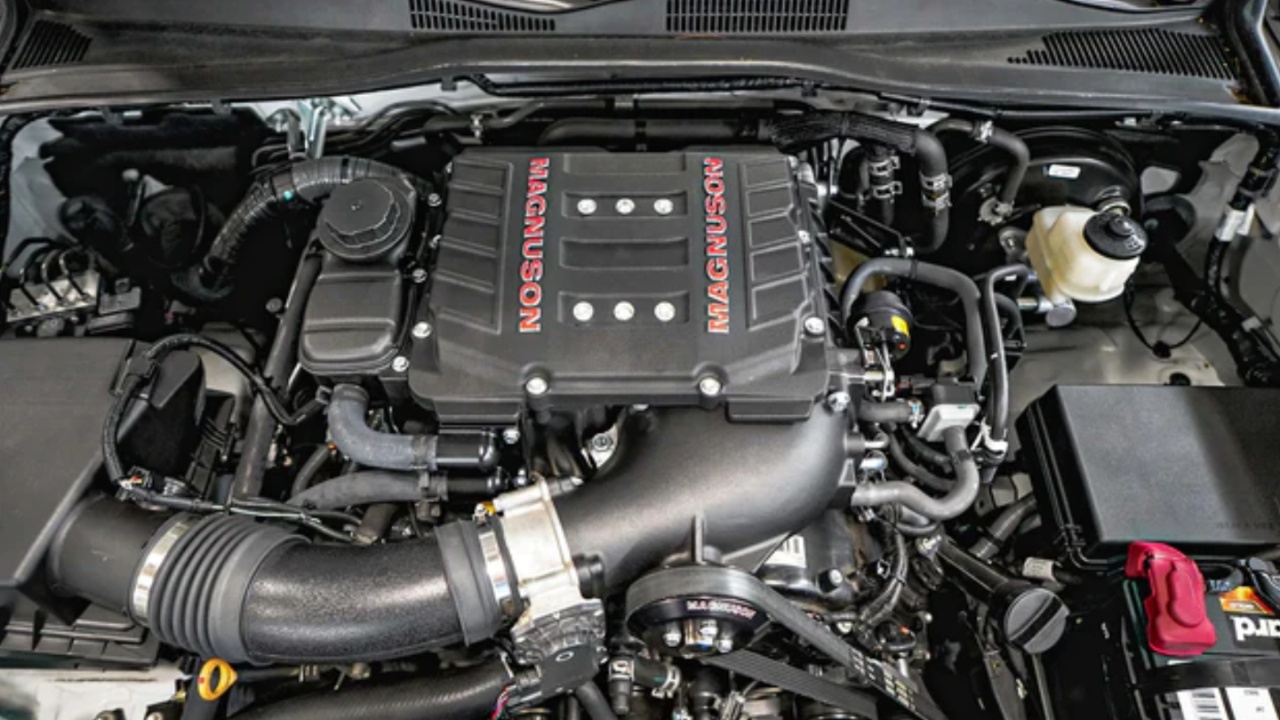
The GMC 5.3L EcoTec3 V8 (L84) is a modern truck engine designed to deliver strong performance while remaining efficient and affordable to operate. Commonly found in vehicles like the GMC Sierra and Yukon, it produces 355 horsepower and 383 lb-ft of torque.
One of its key advantages is its ability to run on 87-octane regular gasoline, which makes it a practical option for truck owners who prioritize fuel availability and lower operating costs.
This capability is largely due to its balanced engineering. The L84 uses an optimized compression ratio of around 11.0:1, which allows it to produce solid power without requiring premium fuel.
Advanced direct injection technology also plays a major role by delivering fuel directly into the combustion chamber. This improves combustion control, cools the intake charge, and reduces the likelihood of engine knock, even when using lower-octane gasoline.
A standout feature of the L84 is its Dynamic Fuel Management system. This technology allows the engine to operate in multiple cylinder configurations, ranging from two to eight cylinders, depending on driving conditions.
By adjusting the number of active cylinders in real time, the engine improves fuel efficiency without sacrificing performance when full power is needed. This system helps the L84 maintain a balance between capability and economy, especially during highway cruising or light-duty driving.
In terms of performance, the engine offers strong acceleration and solid towing capability. It can tow over 11,000 pounds when properly equipped, making it suitable for hauling trailers, boats, or work equipment.
Paired with modern transmissions such as a 10-speed automatic, it delivers smooth power delivery and improved responsiveness compared to older setups. Fuel economy is also reasonable for a V8, typically averaging in the high teens depending on driving conditions.
The L84 is generally considered reliable, especially with consistent maintenance. However, it does have some known concerns. The Dynamic Fuel Management system can be a weak point, with lifter failures occasionally reported.
These issues can lead to camshaft damage if not addressed. Like many direct-injection engines, it may also experience carbon buildup on intake valves over time. Regular oil changes and proper maintenance are essential to maintaining long-term durability.
The GMC 5.3L EcoTec3 V8 remains a strong choice for drivers who need dependable V8 performance without the added cost of premium fuel. It combines capability, efficiency, and accessibility in a way that suits both work and everyday driving needs.
7. Mazda 2.5L Skyactiv-G Turbo: Flexible Performance with Smart Engineering
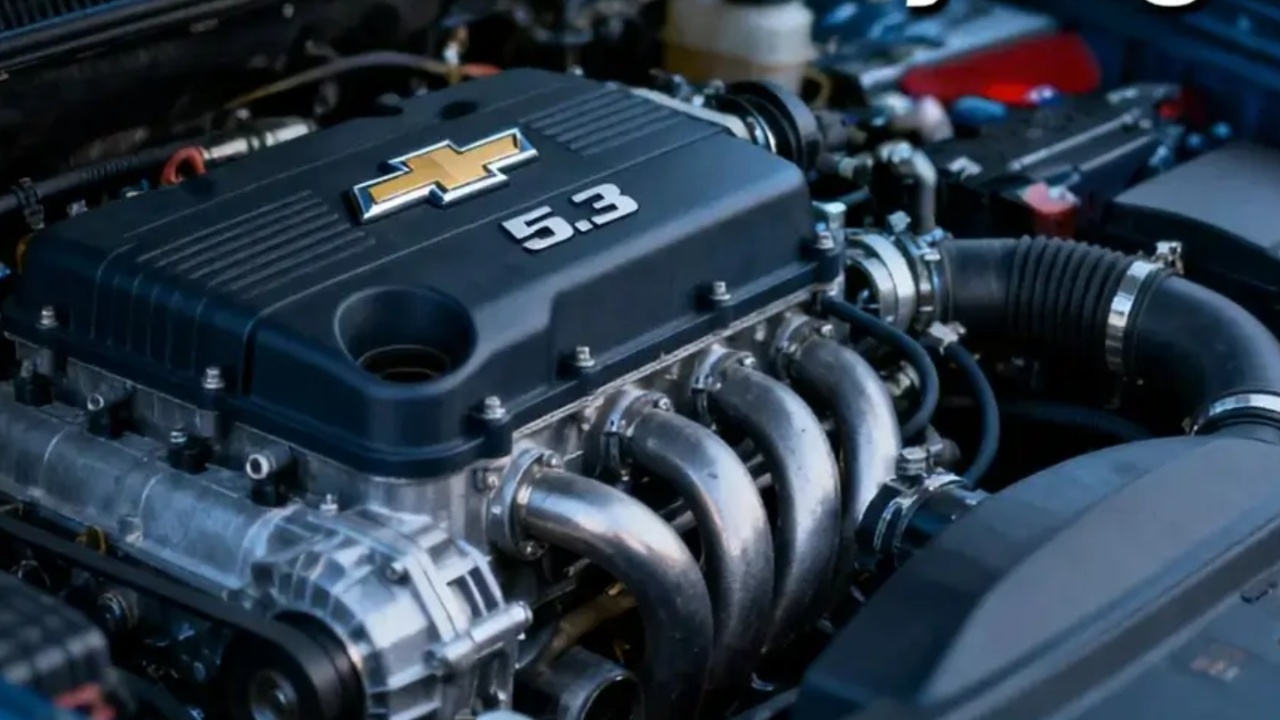
The Mazda 2.5L Skyactiv-G Turbo is a modern turbocharged engine that emphasizes real-world performance, efficiency, and flexibility. Found in vehicles like the Mazda3 Turbo, CX-5, and CX-9, it stands out for its ability to deliver strong power on both 87- and 93-octane fuel.
Mazda takes an unusually transparent approach by publishing two performance ratings. On premium fuel, the engine produces up to 250 horsepower, while on regular 87 octane, it delivers 227 horsepower. Despite this drop in peak output, torque remains nearly unchanged at over 310 lb-ft, ensuring strong everyday performance regardless of fuel choice.
A key factor behind this capability is Mazda’s Dynamic Pressure Turbo system. Unlike conventional turbochargers, this design adjusts exhaust flow depending on engine speed.
At low RPM, it increases exhaust velocity to spool the turbo quickly, reducing lag and providing immediate torque. At higher RPMs, it allows greater airflow to maximize power. This system helps the engine deliver responsive performance without relying heavily on high-octane fuel.
Another important feature is its unusually high compression ratio of 10.5:1 for a turbocharged engine. This improves efficiency and power output but typically increases the risk of engine knock. Mazda addresses this through high-pressure direct injection, which cools the combustion chamber and ensures precise fuel delivery. This reduces the likelihood of pre-ignition and allows the engine to operate safely on regular gasoline.
The engine also uses a cooled exhaust gas recirculation system. By reintroducing cooled exhaust gases into the intake, it lowers combustion temperatures and further reduces the risk of knocking.
Combined with an advanced engine control unit, the system continuously adjusts ignition timing and boost levels based on fuel quality. When premium fuel is used, the engine increases timing and unlocks additional horsepower. When regular fuel is used, it prioritizes efficiency and engine protection.
In everyday driving, the Skyactiv-G Turbo is known for its strong low-end torque, which peaks early and provides quick acceleration without needing high RPM. This makes it especially effective in city driving and passing situations. However, fuel economy can be lower than expected in heavier vehicles, and maximum performance requires premium fuel.
Reliability is generally solid, though early models had some oil consumption issues that were later addressed. Routine maintenance, including regular oil changes and intake cleaning, helps ensure longevity. The Mazda 2.5L Skyactiv-G Turbo offers a unique blend of performance and practicality, allowing drivers to choose between maximum power and cost-efficient operation without sacrificing everyday usability.
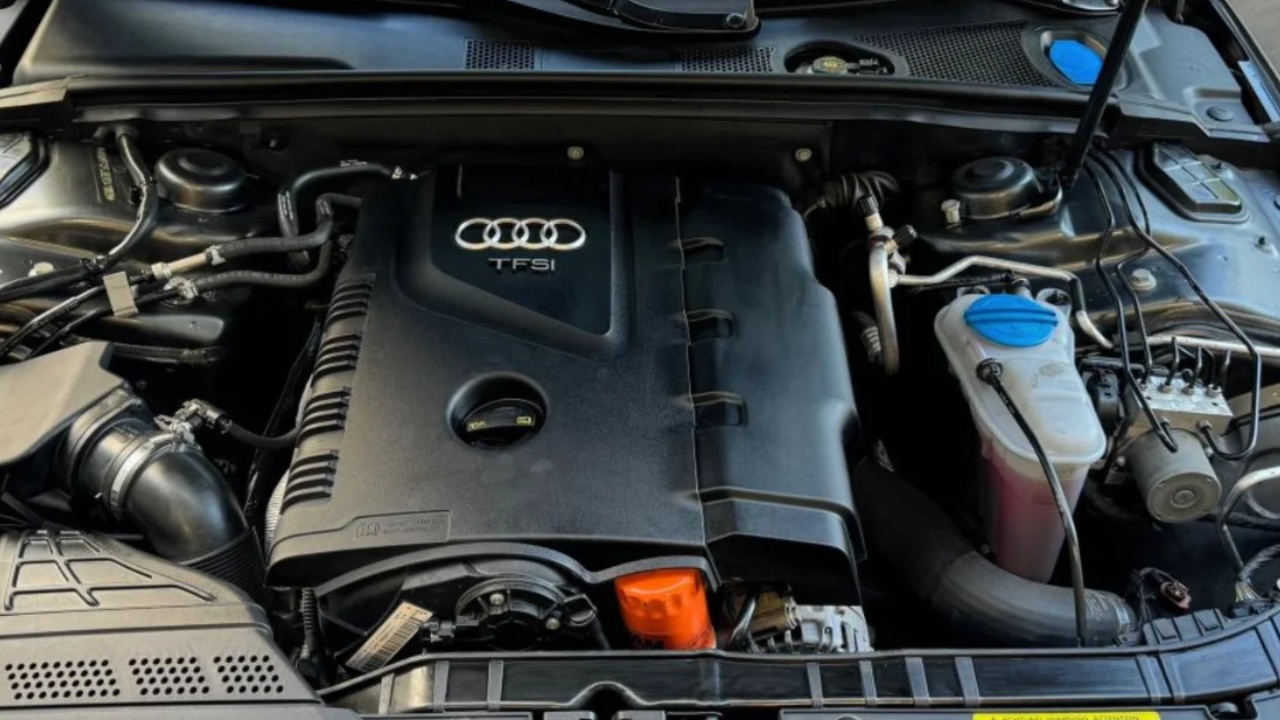
8. Audi 2.0L TFSI (EA888): Efficient Turbo Performance with Fuel Flexibility
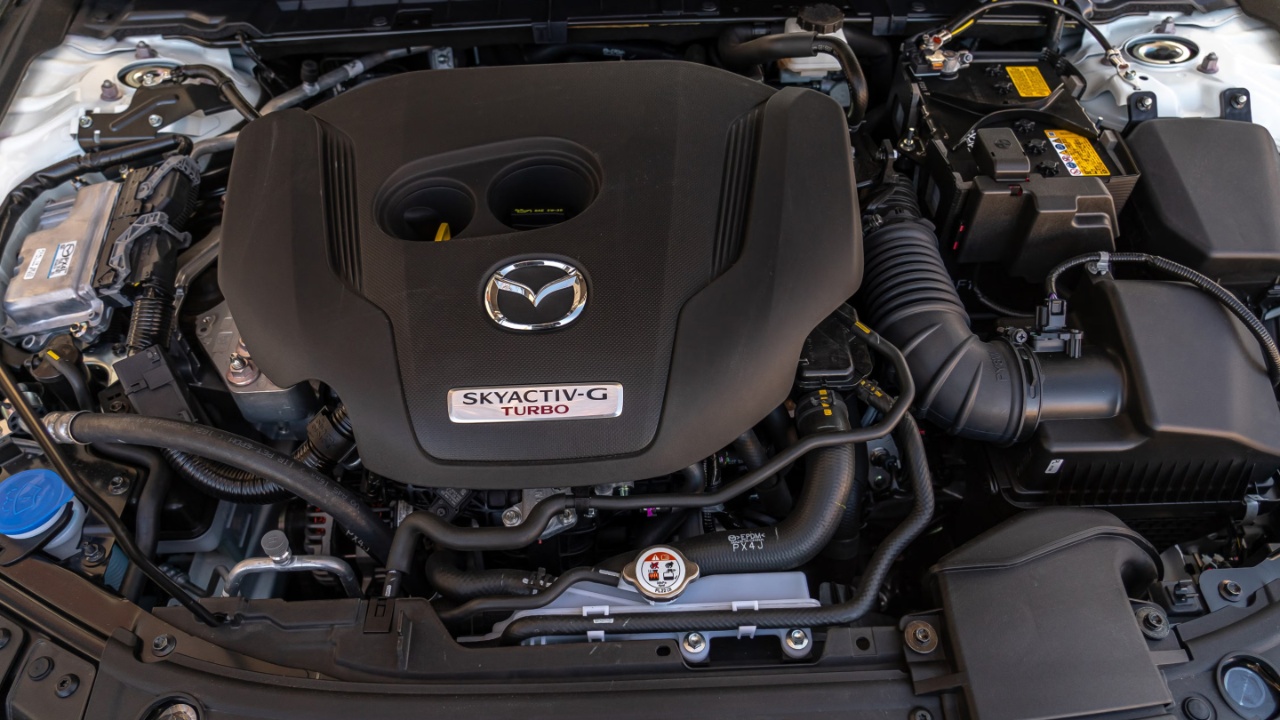
The Audi 2.0L TFSI EA888 engine is a modern turbocharged four-cylinder that balances performance, efficiency, and adaptability. Commonly found in vehicles like the Audi A3, it delivers strong power output while offering the flexibility to run on 87-octane regular fuel.
This is notable because many competing German engines require premium gasoline. Audi achieved this through advanced engineering that prioritizes efficiency and global usability without sacrificing the refined driving experience the brand is known for.
One of the key technologies behind this capability is the use of an advanced engine management system. The EA888 is equipped with highly sensitive knock sensors and a sophisticated engine control unit that constantly monitors combustion.
When lower-octane fuel is detected, the system adjusts ignition timing and reduces the likelihood of engine knock. While this can slightly reduce peak performance, it allows the engine to operate safely and reliably on regular gasoline.
Another major factor is its efficient combustion design. The engine uses direct fuel injection, which sprays fuel directly into the combustion chamber at high pressure. This helps cool the air-fuel mixture and improves combustion control, reducing the chances of premature detonation.
In newer versions, Audi has also introduced dual injection systems that combine direct and port injection. This not only improves efficiency but also helps reduce carbon buildup over time.
The EA888 also incorporates the B-Cycle, a variation of the Miller cycle, which improves thermal efficiency and lowers combustion temperatures. This design reduces stress on the engine and further minimizes the risk of knock when using lower-octane fuel. Combined with optimized compression ratios and carefully controlled turbo boost, the engine achieves a balance between power and fuel flexibility.
In terms of performance, the EA888 is known for its broad torque range and quick response. Power outputs vary depending on the version, typically ranging from around 200 horsepower to over 300 horsepower in higher-performance models.
The turbocharger provides strong low-end torque, making the engine feel responsive in both city and highway driving. Fuel efficiency is also improved compared to earlier generations.
Reliability has improved significantly in later versions, particularly Gen 3 and Gen 4 models. Earlier generations were known for issues such as oil consumption and timing chain tensioner failures. While newer models addressed many of these concerns, some maintenance considerations remain, including potential carbon buildup and occasional component wear.
The EA888 engine stands out as a versatile and refined option that delivers strong performance while accommodating a wider range of fuel types, making it practical for both enthusiasts and daily drivers.
The engines featured in this list highlight how far automotive technology has evolved. From naturally aspirated V8s with deep-rooted muscle car heritage to highly sophisticated turbocharged units, each one showcases a different solution to the same challenge: delivering strong performance without relying on premium fuel.
This flexibility not only reduces running costs but also makes these vehicles more accessible and practical for everyday use.
Choosing an engine that runs on 87 octane does not mean settling for less. As seen across these examples, many still offer impressive horsepower, torque, and driving engagement. Some even allow drivers to unlock additional performance with higher-octane fuel when desired, adding another layer of versatility.
These engines ultimately represent a smart middle ground between efficiency and excitement, proving that modern performance is not just about speed, but also about adaptability and real-world usability.
Also read: 10 Cars That Prove Gas Engines Still Make Sense in 2026
