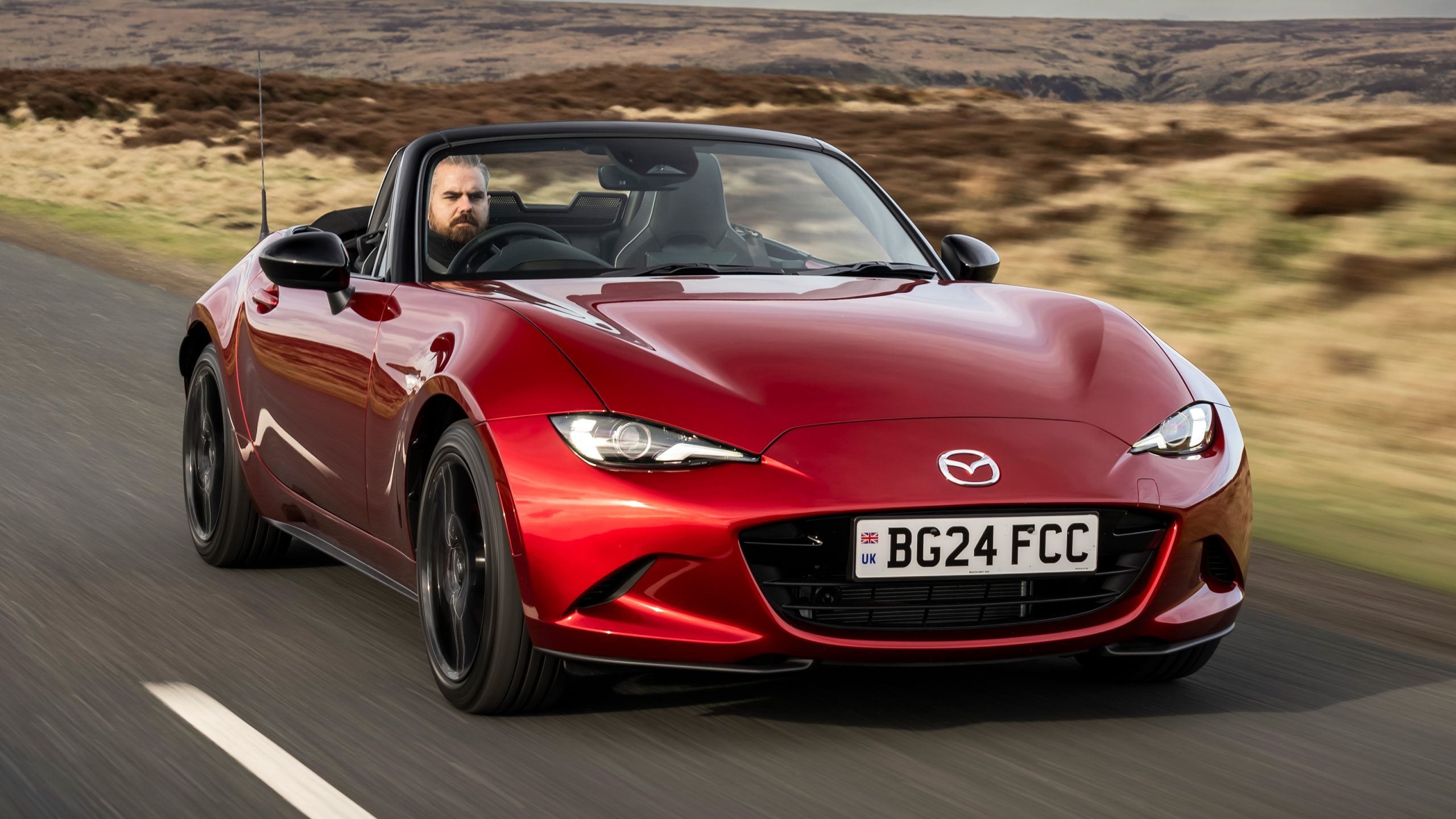
Choosing a sports car can be thrilling, but the high insurance premiums on many performance machines often put a damper on the excitement. Fortunately, there are several used sports cars that offer engaging driving experiences without breaking the bank on coverage. “10 Best Used Sports Cars That Will Not Double Your Insurance Premium” highlights vehicles that balance performance, practicality, and affordability.
From the lightweight, nimble Mazda MX-5 Miata (ND Generation) to the stylish Mini Cooper S, these cars deliver driver-focused fun while keeping insurance costs manageable.
The list includes rear-wheel-drive purist coupes like the Toyota 86 and Subaru BRZ, practical hot hatches such as the Volkswagen Golf GTI, rally-bred sedans like the Subaru WRX, and even sporty hybrids like the Honda CR-Z. Each car has been chosen for its blend of excitement, reliability, and everyday usability, proving that driving pleasure does not always have to come with a premium price tag.
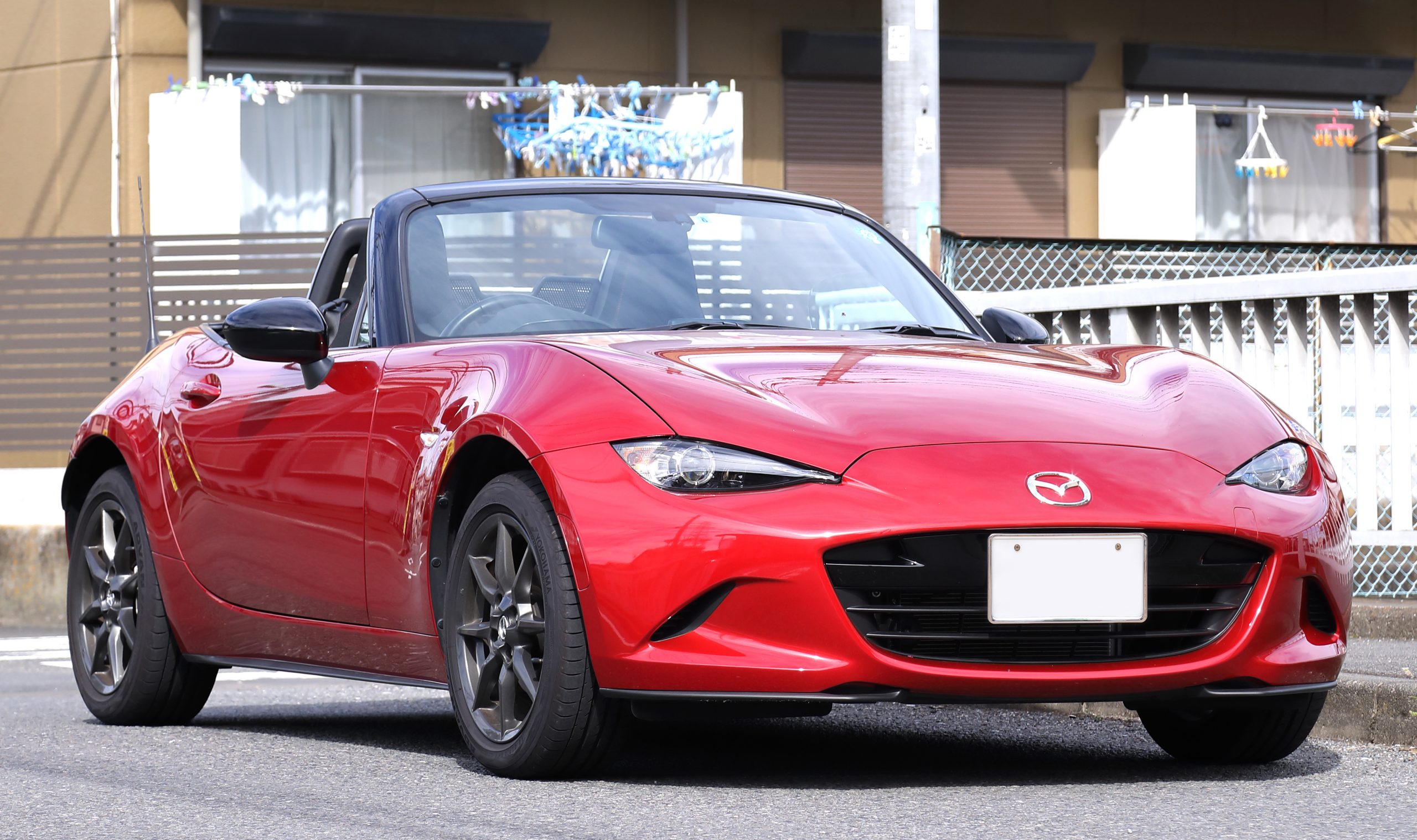
1. Mazda MX-5 Miata (ND Generation): A Practical and Engaging Sports Car
The Mazda MX-5 Miata (ND Generation, 2015 to present) is widely regarded as one of the best affordable sports cars available. Instead of focusing on high horsepower, it emphasizes lightweight design and balanced handling.
This approach creates a driving style often called momentum driving, where maintaining speed through corners is more important than straight-line acceleration. The result is a car that delivers excitement without needing extreme power.
One of the Miata’s biggest strengths is its low cost of ownership. Insurance premiums are typically much lower than average, at around $943 per year compared to the national average of about $1,311.
This is largely because the Miata’s modest engine output, ranging from 155 to 181 horsepower, presents less risk to insurers than more powerful sports cars. Maintenance costs are also relatively low, averaging about $429 annually, thanks to its simple and reliable engineering.
Reliability is another highlight. The ND Miata earns strong ratings, around 8.9 out of 10, and has an estimated lifespan of over 16 years or roughly 115,000 miles. It is considered one of the most dependable sports cars in its class, with only minor issues reported, such as occasional rear suspension noise.
Despite its focus on simplicity, the ND generation includes modern features. These include blind-spot monitoring, lane-departure warnings, LED headlights, and infotainment systems with Apple CarPlay and Android Auto in newer models. Buyers can choose between a traditional soft-top or the RF version, which features a retractable hardtop and improved insulation.
On the road, the Miata offers sharp steering, excellent balance, and a rewarding manual transmission. However, it does have some drawbacks. Interior space is tight, storage is minimal, and the ride can feel firm on rough roads. Cabin noise can also be noticeable at highway speeds.
The ND Miata combines driving fun, reliability, and affordability, making it an excellent choice for those seeking a practical yet thrilling sports car.
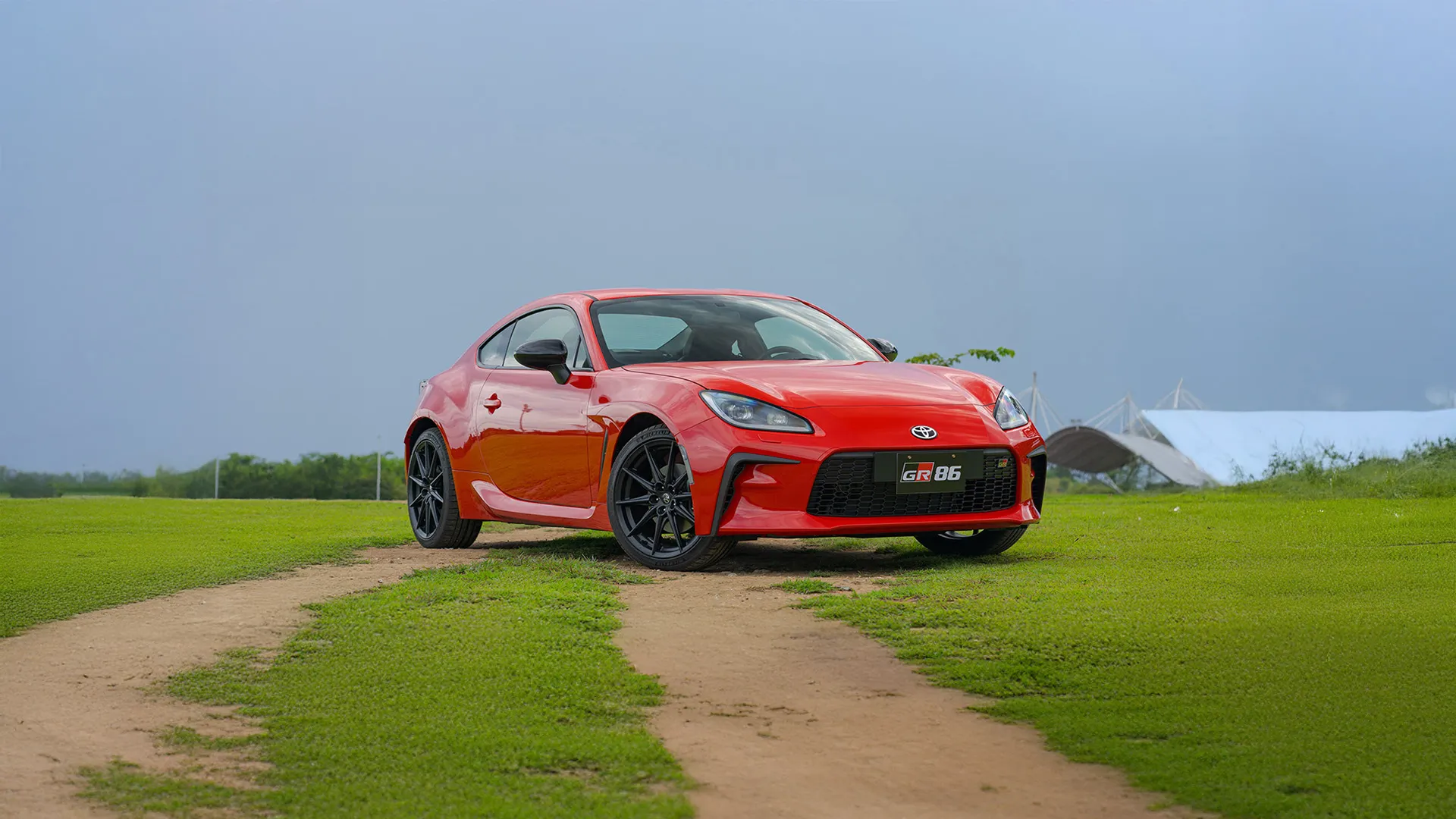
2. Toyota 86 / Subaru BRZ: Affordable Purist Sports Cars with Balanced Performance
The Toyota 86 and Subaru BRZ, often called the “Toyobaru” twins, are widely praised as some of the best affordable used sports cars for driving enthusiasts. Built with a focus on balance and driver engagement rather than raw power, these rear-wheel-drive coupes deliver a pure and rewarding experience behind the wheel.
A key reason for their popularity is their reasonable ownership cost, especially when it comes to insurance. With modest engine outputs of around 200 horsepower in earlier models and up to 228 horsepower in newer versions, they avoid the high-risk category associated with more powerful sports cars.
Insurers also consider that many owners use these vehicles as weekend cars rather than daily drivers, resulting in lower annual mileage and reduced premiums. Choosing an automatic transmission can sometimes lower insurance costs further, as it is statistically linked to lower-risk driving behavior.
Performance is centered on handling rather than speed. Both cars use a low-mounted boxer engine, which creates a low center of gravity and near-perfect weight distribution. This design results in sharp steering, excellent cornering ability, and a “go-kart-like” feel.
A 6-speed manual transmission enhances driver involvement, making these cars especially appealing to purists. While acceleration is respectable, they are designed to be enjoyable at legal speeds rather than overwhelming.
Reliability is generally strong, with proven engineering and manageable maintenance costs. However, proper upkeep is essential, especially for the Subaru-sourced engine. Early models experienced a valve spring recall, but most issues have been resolved. Buyers should also be cautious in the used market, as many examples have been modified or driven aggressively for drifting or track use.
Inside, the cabin is functional but simple, with limited rear-seat space and basic materials. Despite these drawbacks, the cars remain practical enough for daily use.
The Toyota 86 and Subaru BRZ strike an excellent balance between fun, reliability, and affordability, making them ideal entry-level sports cars for enthusiasts.
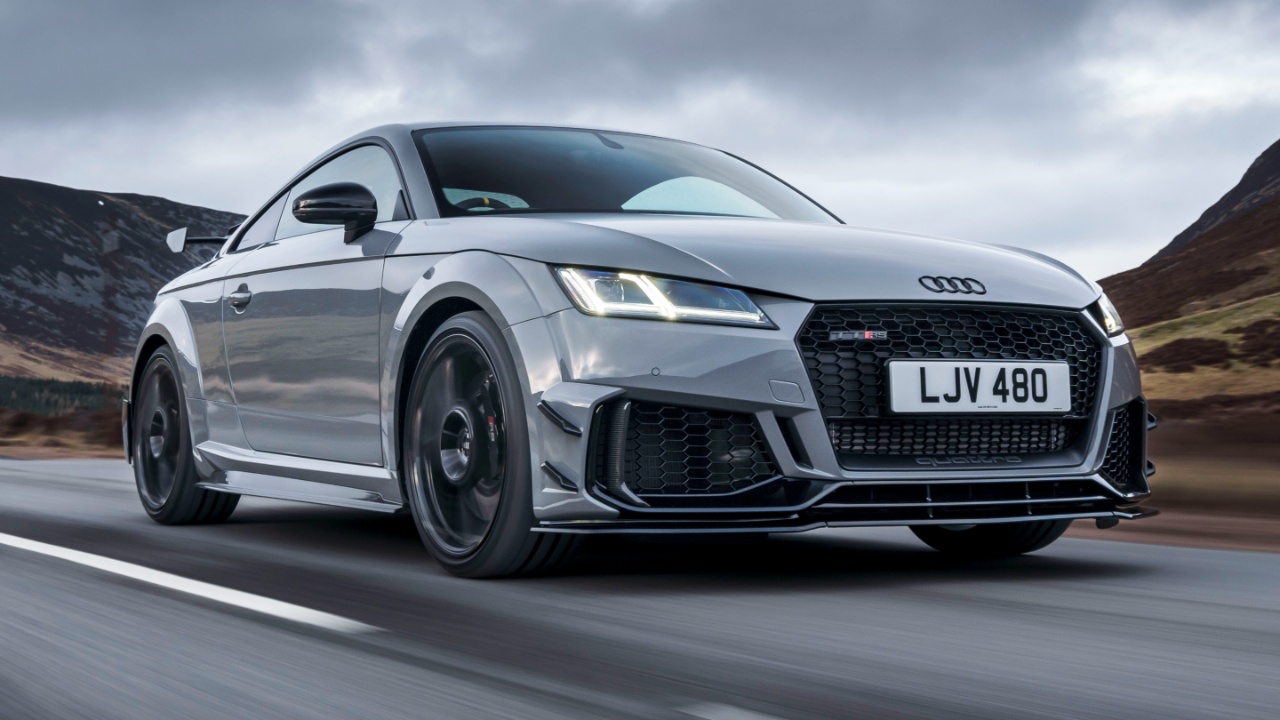
3. Audi TT Mk3: Stylish, Practical, and Insurance-Friendly German Sports Coupe
The third-generation Audi TT (2014–2024) is an excellent choice for used sports car buyers seeking a mix of premium design, reliable performance, and reasonable running costs. Unlike Audi’s higher-end R8 or RS models, the TT avoids extreme insurance premiums while still delivering the excitement of a sporty German coupe.
Its approachable 2.0-liter turbocharged engine provides brisk acceleration, reaching 0–60 mph in under six seconds, without triggering high-risk insurance categories. The Quattro all-wheel-drive system adds stability and safety in poor weather, further keeping insurance rates manageable.
One of the Mk3 TT’s key strengths is its balance of luxury and practicality. The cabin features Audi’s acclaimed “Virtual Cockpit,” a fully digital dashboard replacing a central infotainment screen, giving the interior a modern, high-tech look. Build quality is excellent, reflecting Audi’s attention to detail. Despite its compact sports car form, the hatchback layout adds surprising versatility, making it suitable for daily driving.
Reliability and running costs are also strong points. Owner surveys consistently rank the Mk3 TT highly for dependability, and its engines are efficient, offering around 47.1 mpg in some configurations. The car holds its value well, retaining roughly 53% of its purchase price after three years, which is high for a luxury sports coupe.
Most reported issues are minor, including occasional electronics glitches or air-conditioning problems. Buyers should check for early recalls on the fuel tank and ensure proper maintenance of the S tronic gearbox and Haldex all-wheel-drive system.
For buyers, the 2.0 TFSI engines, especially the 45 TFSI, strike the best balance between price, performance, and insurance costs. Even the entry-level 1.8 TFSI provides great value while keeping the TT’s engaging driving experience intact. Handling is sharp and communicative, though the ride can feel firm, and rear-seat space is limited.
The Audi TT Mk3 combines the elegance and refinement of a premium German sports car with everyday usability, dependable performance, and insurance-friendly specifications. It is ideal for enthusiasts who want a compact, fun-to-drive coupe without the high costs associated with more powerful luxury sports cars.
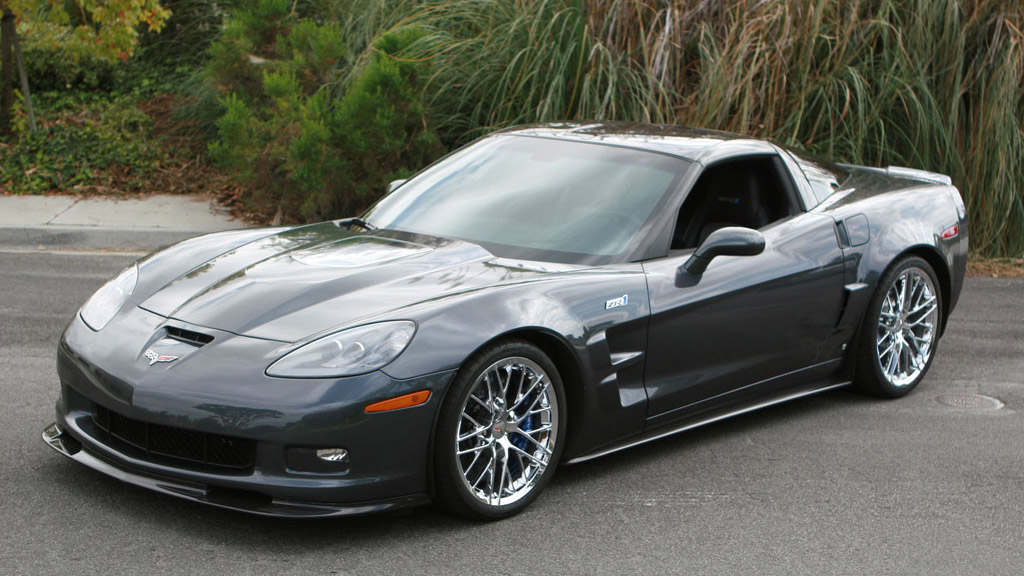
4. Chevrolet Corvette C6: American V8 Performance with Surprising Affordability
The sixth-generation Chevrolet Corvette (2005–2013) remains an iconic American sports car, offering supercar-level performance at a fraction of the cost of European rivals. Powered by GM’s LS-series V8 engines, the C6 delivers thrilling speed and a distinctive rumble, yet benefits from lower insurance costs than many high-performance imports.
This “demographic shielding” effect occurs because typical Corvette owners tend to be older, experienced drivers who maintain their cars meticulously and drive them sparingly, reducing accident rates compared with younger owners of hot hatches or pony cars.
Performance is one of the C6’s strongest attributes. The LS3 6.2-liter V8 produces over 430 horsepower, allowing a 0–60 mph sprint in around 4.8 seconds for coupe and Grand Sport models, with top speeds near 186 mph. More extreme variants, like the Z06 and ZR-1, push performance even further, with 505 to 638 horsepower and top speeds exceeding 200 mph, offering cut-price supercar thrills.
Handling is improved over previous generations thanks to a lighter, smaller chassis, double-wishbone suspension, and refined aerodynamics, though steering feedback can feel less communicative than European competitors. Ride quality is firm but controlled, with the convertible models performing as true sports cars rather than softened saloons.
Practicality is another strong point. The C6 coupe features a targa roof and a large hatchback trunk, with storage up to 634 liters, while convertibles offer a more conventional boot.
The interior combines a dual-cockpit layout with improved leather materials and higher-quality finishes, though some electronics, sat-nav, and trip computers feel outdated. The head-up display adds a modern touch, and the driving position is well-regarded.
Reliability is solid, with the LS engines known for longevity and parts widely available at reasonable cost. Fuel economy varies from 16 to 20 mpg, depending on driving style, while maintenance and servicing are generally more affordable than those of European sports cars. Depreciation is moderate, with C6 models retaining roughly 30% of their original value after three years.
The Chevrolet Corvette C6 offers an accessible entry into high-performance sports cars. Its combination of powerful V8 engines, precise handling, surprisingly practical design, and manageable insurance costs makes it an excellent choice for enthusiasts seeking the American sports car experience without the expense of European supercars. While not flawless, the C6 rewards drivers with a vivid, engaging, and unmistakably American driving experience.
5. Fiat 124 Spider: Italian Styling Meets Practical Reliability
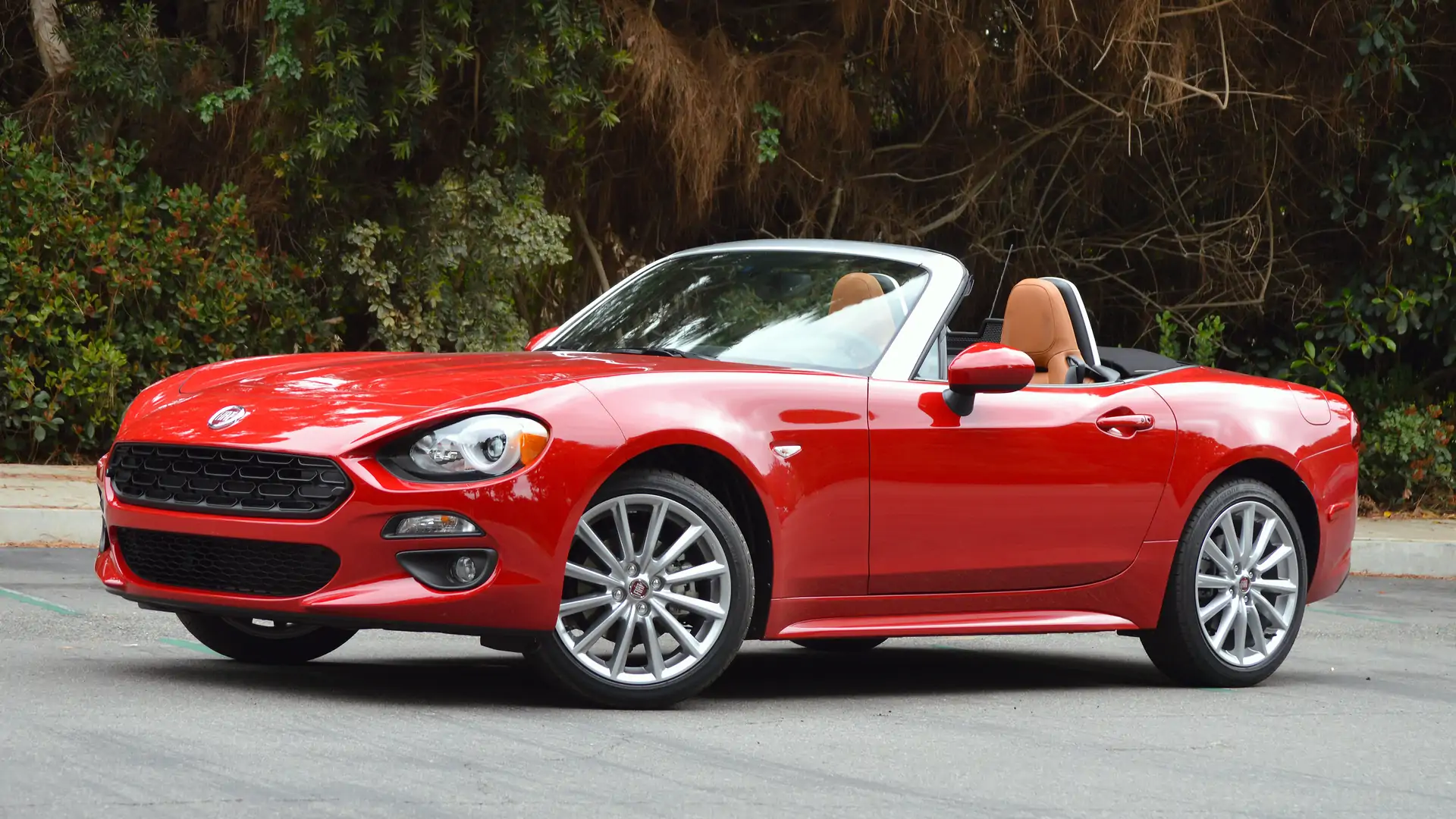
The Fiat 124 Spider is a two-seat Italian roadster that blends classic Italian styling with Mazda MX-5-based reliability. Often nicknamed the “Fiata,” it shares its chassis with the Miata, giving it proven underpinnings while adding Italian flair through distinctive exterior and interior design.
The 124 Spider offers a small but punchy 1.4-liter turbocharged MultiAir engine, delivering 138bhp in standard models and 168bhp in the sportier Abarth variant. This engine provides engaging performance while keeping insurance premiums relatively low, making it an appealing choice for drivers who want a stylish, affordable convertible.
The car’s low-risk profile is aided by its role as a secondary vehicle or weekend car rather than a family commuter. Its compact two-seat layout and modest engine size help maintain insurance groups around 25–26 in the UK, similar to the Mazda MX-5, and fuel economy is respectable at roughly 44 mpg.
Maintenance is straightforward, with service intervals at 9,000 miles or 12 months, and Fiat offers fixed-price servicing plans to help manage running costs. Despite being a small convertible, the 124 Spider offers slightly more boot space than the Miata, improving practicality for touring and light luggage.
Driving dynamics are a highlight. The 124 Spider features precise steering, balanced handling, and a comfortable ride. The turbocharged engine delivers good mid-range shove, though some turbo lag at low revs is noticeable.
Manual gearboxes are preferred for the most engaging experience, though an automatic is available in top trims such as Lusso Plus. Higher trims provide additional features, including a 7.0-inch infotainment system, heated leather seats, LED lighting, and Bose audio, making the car feel well-equipped for its size and price.
Interior design is compact but thoughtfully arranged, with controls easily accessible and a quality finish that feels more mature than its small size might suggest. Storage remains limited, consistent with most small convertibles, and luggage may require a boot rack for larger trips. The ride is smooth, and the car feels more refined than the Mazda MX-5 while retaining the fun, open-top driving experience.
Prices for used Fiat 124 Spiders start around $15,000 for early models, rising to $20,000–$22,000 for later 2018 examples. The Abarth 124 remains especially desirable, offering higher performance and strong resale value.
Competitors include the Mazda MX-5, BMW Z4, and Audi TT Roadster, but the Fiat stands out for its combination of Italian design, turbocharged performance, low running costs, and manageable insurance. The 124 Spider is ideal for enthusiasts seeking a stylish, compact, and fun-to-drive convertible without high long-term expenses.
Also read: 5 Used Luxury Wagons Worth the Risk vs 5 That Will Drain Your Savings Account
6. BMW Z4 sDrive30i: Luxury Roadster with Accessible Performance
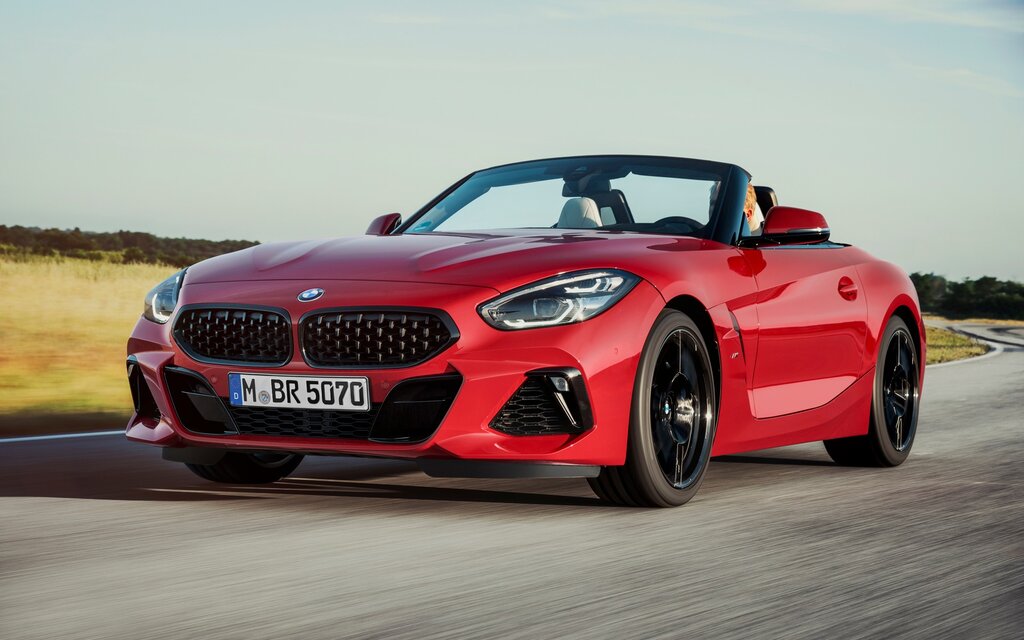
The BMW Z4 (2019–present) is a sophisticated and stylish premium roadster that balances engaging performance with everyday usability. Unlike BMW’s high-output M variants, the sDrive30i features a turbocharged 2.0-liter four-cylinder engine producing 255 hp, which allows it to sprint from 0–60 mph in approximately 5.2 seconds.
Its smaller engine size and lower performance rating keep insurance premiums manageable, making it an appealing option for drivers seeking a luxury badge without the “performance car” insurance penalty.
The Z4 sDrive30i offers a refined driving experience with rear-wheel-drive dynamics, a long-hood layout, and a responsive chassis. It comes equipped with a quick-folding soft top (or power-folding hardtop on earlier E89 models), allowing easy transitions from coupe-like comfort to open-top motoring.
While its handling is more cruiser-oriented than razor-sharp, the steering remains precise, and the suspension provides a balance between sporty engagement and everyday comfort. Ride quality is generally smooth, though some reviewers note the car can feel unsettled on rough pavement, and the steering lacks tactile feedback at high speeds.
Inside, the G29 Z4 boasts a premium cabin with high-quality materials and thoughtful ergonomics. Standard features include heated seats, advanced iDrive infotainment controls, and modern driver-assistance systems that contribute to its strong 5-star safety rating.
The trunk is a notable asset for a two-seater, offering 9.9 cubic feet of space that remains consistent whether the roof is up or down, making it more practical than many competitors. Fuel efficiency is respectable at roughly 27 mpg combined, enhancing its appeal as a daily driver.
Reliability is generally strong for the 2019+ G29 generation, provided regular maintenance is followed. Common complaints focus on the relatively high cost of options, an unrefined stop-start system in automatic models, and the somewhat insulated steering feel.
Despite these minor drawbacks, the Z4 sDrive30i excels as a refined, comfortable, and luxurious roadster that delivers sporty performance without excessive insurance or running costs.
The BMW Z4 sDrive30i is ideal for enthusiasts seeking a premium, stylish two-seater that combines engaging performance, high-quality interior, and everyday practicality. It is less of a track-focused sports car and more of a sophisticated cruiser, offering an accessible entry point into BMW’s iconic roadster lineup while maintaining manageable running costs and insurance rates.
7. Volkswagen Golf GTI Mk7: Practical Hot Hatch with Performance Edge
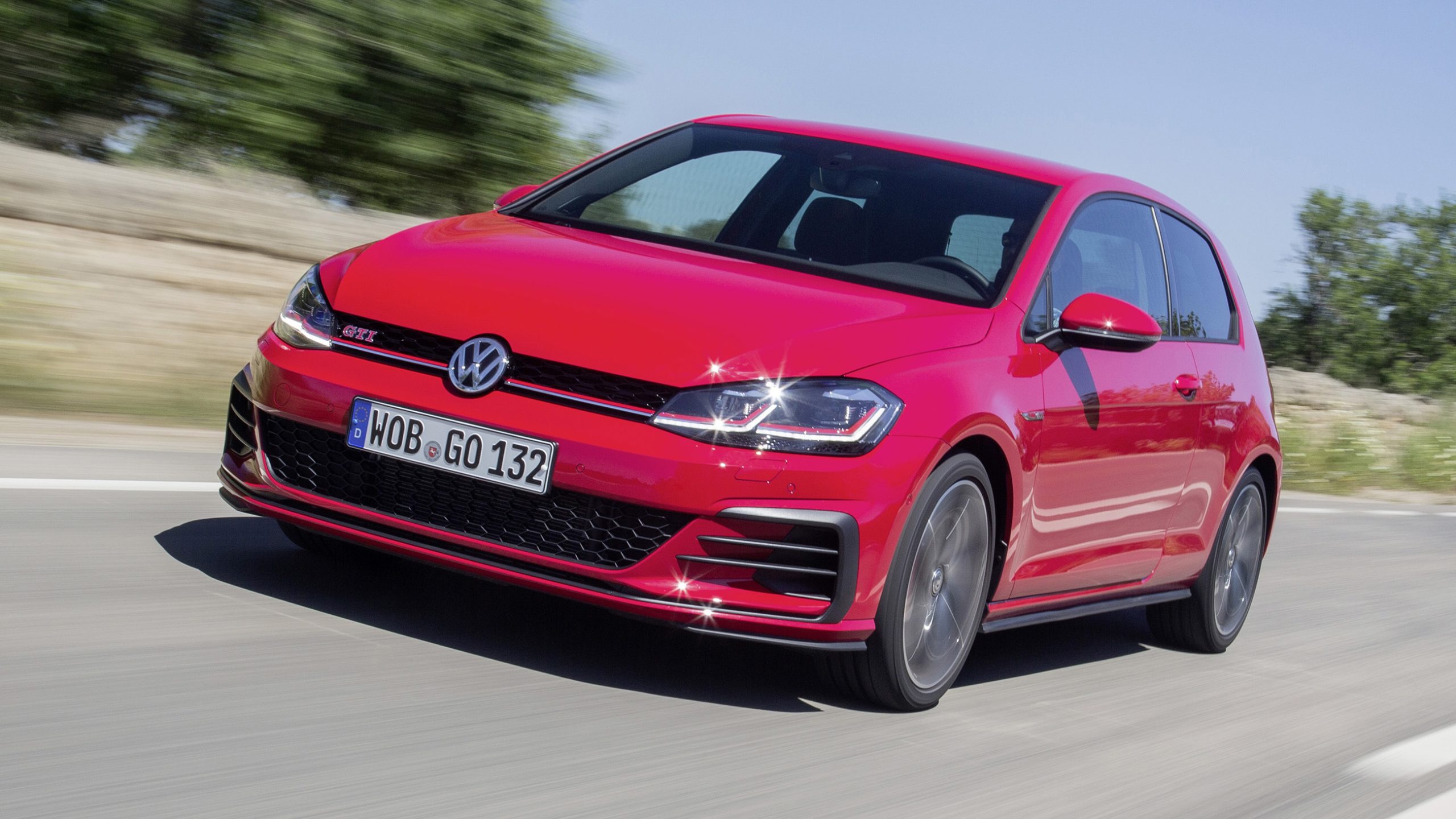
The Volkswagen Golf GTI is a standout choice for enthusiasts seeking sporty performance without the insurance penalties typically associated with high-powered sports cars. Its unassuming hatchback appearance allows it to slip under insurers’ radar, while under the hood, the 2.0-liter turbocharged TSI engine delivers 210–230 hp, providing strong acceleration and engaging driving dynamics.
Available as a three- or five-door model, and with either a six-speed manual or DSG automatic, the Mk7 combines practicality, safety, and spirited performance in a single package.
Built on the MQB platform, the Mk7 is lighter and more rigid than its predecessors, offering a firm yet controlled ride. Suspension includes MacPherson struts at the front and a multi-link setup at the rear, providing excellent wheel control and composure through corners.
For those opting for the Performance Pack, a mechanical, limited-slip differential enhances cornering stability, allowing confident driving on winding roads. Despite its sporty setup, the GTI maintains a comfortable ride for everyday use, and adaptive dampers in later models improve long-distance comfort without sacrificing handling precision.
Inside, the Mk7 features a high-quality, durable cabin with supportive seats and ample storage. The boot offers 380 liters of space, expandable to 1,270 liters with the rear seats folded, making it a functional daily driver.
Facelifted Mk7.5 models introduced updated LED lighting, larger touchscreens, and additional driver-assistance technologies, enhancing usability and safety. Euro NCAP ratings confirm its strong crash protection, complemented by systems like Automatic Post-Collision Braking, Pre-Crash system, and Front Assist.
Maintenance is generally straightforward, but buyers should check for typical concerns such as oil consumption, potential water pump or heater matrix issues, and DSG service history. The 2.0 TSI engine is robust, with cam chain tensioner issues from the previous generation largely resolved. Early models may require inspection for minor electronic or mechanical wear.
The Mk7 Golf GTI provides a rare combination of practicality, reliability, and engaging driving. It is capable of both daily commutes and spirited weekend drives, offering confident cornering, precise steering, and a well-balanced chassis.
With competitive fuel economy around 30 mpg under moderate driving and insurance rates lower than many dedicated performance cars, it is a versatile and compelling used hot hatch that blends German engineering, fun, and sensible ownership costs into one package.
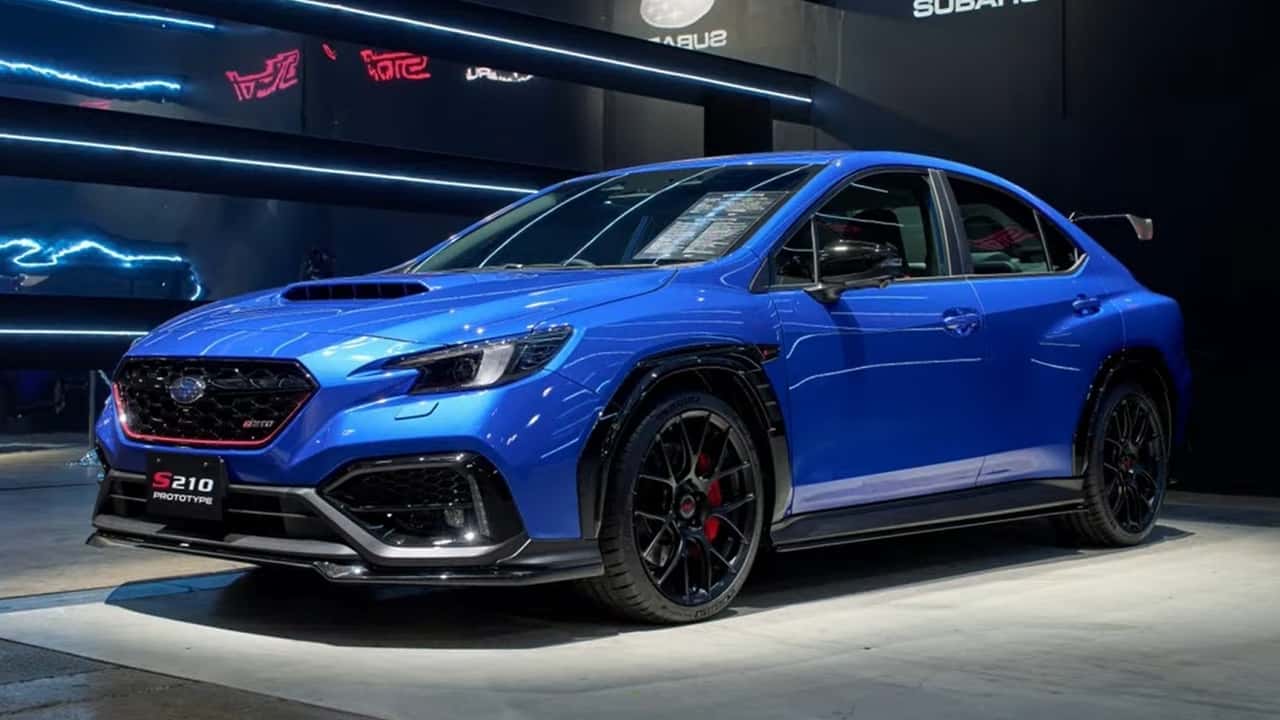
8. Subaru WRX (Standard): Rally-Bred Performance with Everyday Practicality
The Subaru WRX is a compelling choice for enthusiasts seeking sporty driving without prohibitive insurance costs. Unlike the high-performance WRX STI, the standard WRX offers turbocharged power and Subaru’s Symmetrical All-Wheel Drive in a practical four-door, five-seat sedan package.
Its all-weather capability, functional trunk, and understated appearance help it avoid the steep insurance premiums typically associated with high-powered rally cars, making it an accessible option for budget-conscious drivers.
Performance is a standout feature. Equipped with a 2.0–2.5L turbocharged Boxer engine, the WRX delivers brisk acceleration and responsive handling, while all-wheel drive ensures excellent grip in rain, snow, or on twisty roads.
Despite its rally-inspired dynamics, the car maintains everyday usability, with enough rear-seat space and cargo capacity to function as a daily driver. Its chassis and suspension are tuned to balance spirited driving with comfort, making the WRX suitable for both commuting and weekend enjoyment.
Insurance and running costs are comparatively modest for a sporty vehicle. While the WRX benefits from lower premiums than the STI, proper maintenance remains essential. Regular oil changes, premium fuel, and careful attention to the drivetrain ensure reliability, while avoiding heavily modified or abused examples is critical.
Known issues include potential clutch or drivetrain wear, occasional oil consumption, and interior rattles, highlighting the importance of a thorough pre-purchase inspection.
Later generation VA chassis models (2017–2021) are recommended, offering improved cabin materials, updated infotainment, and better reliability.
Early VA models from 2015–2016 and early 2000s WRXs are best approached cautiously due to higher reports of clutch, electrical, and engine problems, including head gasket failures in some older cars. Ensuring all recalls, such as those affecting reverse lights, handbrakes, or cameras, have been addressed adds peace of mind.
The Subaru WRX combines rally-bred excitement, all-wheel-drive confidence, and daily practicality into a single package. Stock, well-maintained examples provide a thrilling yet sensible sports sedan experience, bridging the gap between affordable performance and reliable transportation.
For drivers seeking a fun, capable, and insurance-friendly car, the WRX stands out as a versatile choice that performs well in diverse conditions while remaining budget-conscious for both insurance and maintenance.
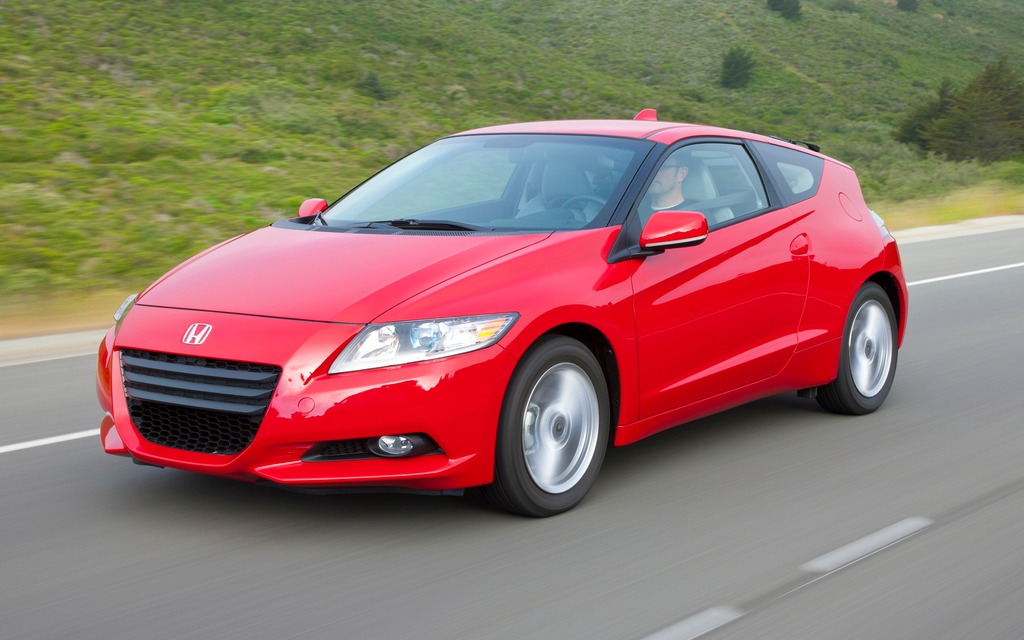
9. Honda CR-Z: Sporty Hybrid with Low Ownership Costs
The Honda CR-Z is a distinctive hybrid sports car that combines low insurance, excellent fuel efficiency, and engaging handling in a compact 2+2 layout. Unlike most hybrids, the CR-Z offers a six-speed manual transmission, giving drivers direct control and a genuine sporty feel.
Its modest power output keeps insurance premiums low while the hybrid system regularly achieves 40–45 miles per gallon, making it one of the most affordable cars on this list to insure and operate.
The CR-Z delivers surprisingly fun driving dynamics for a hybrid. Its 1.5-liter IMA system combines a gasoline engine with an electric motor that assists under acceleration, providing extra power without the complexity of full electric operation.
The low-slung seating and compact chassis give the car go-kart-like agility, ideal for city driving or twisty roads. Steering is precise, and the car feels responsive, although its top speed and straight-line acceleration are limited compared to traditional sports cars. The drivetrain’s compact design allows the manual gearbox to remain, which is rare for hybrids.
Practicality is moderate. The 2+2 seating accommodates four passengers, and the trunk offers 8 cubic feet of storage, expanding to approximately 14 cubic feet with the rear seats folded. Rear visibility is somewhat restricted by the split tailgate, and the ride is firm, which may feel uncomfortable on highways.
Maintenance is straightforward, with Honda’s timing chain avoiding costly belt replacements. Common wear items include rear brake calipers, suspension struts, and bearings, particularly on higher-mileage cars. Facelifted 2013 and newer models with Lithium-ion batteries provide a small power boost and an “S+” mode for improved acceleration.
Ownership costs are low. Sport trims offer the best combination of equipment, fuel economy, and insurance affordability. Annual registration is as low as $36, and fuel costs are minimal due to the hybrid setup. Later models can cost around $7,000, while early high-mileage examples may be found for $4,400 to $6,000. Servicing is best handled by Honda specialists to ensure proper hybrid care and software updates.
The Honda CR-Z is a rare choice for enthusiasts seeking a sporty, low-cost, and eco-friendly car. Its mix of fun driving, low running costs, and unique styling makes it appealing, although drivers seeking higher speed or long-distance comfort might consider alternatives such as the Audi TT or Ford Fiesta ST.
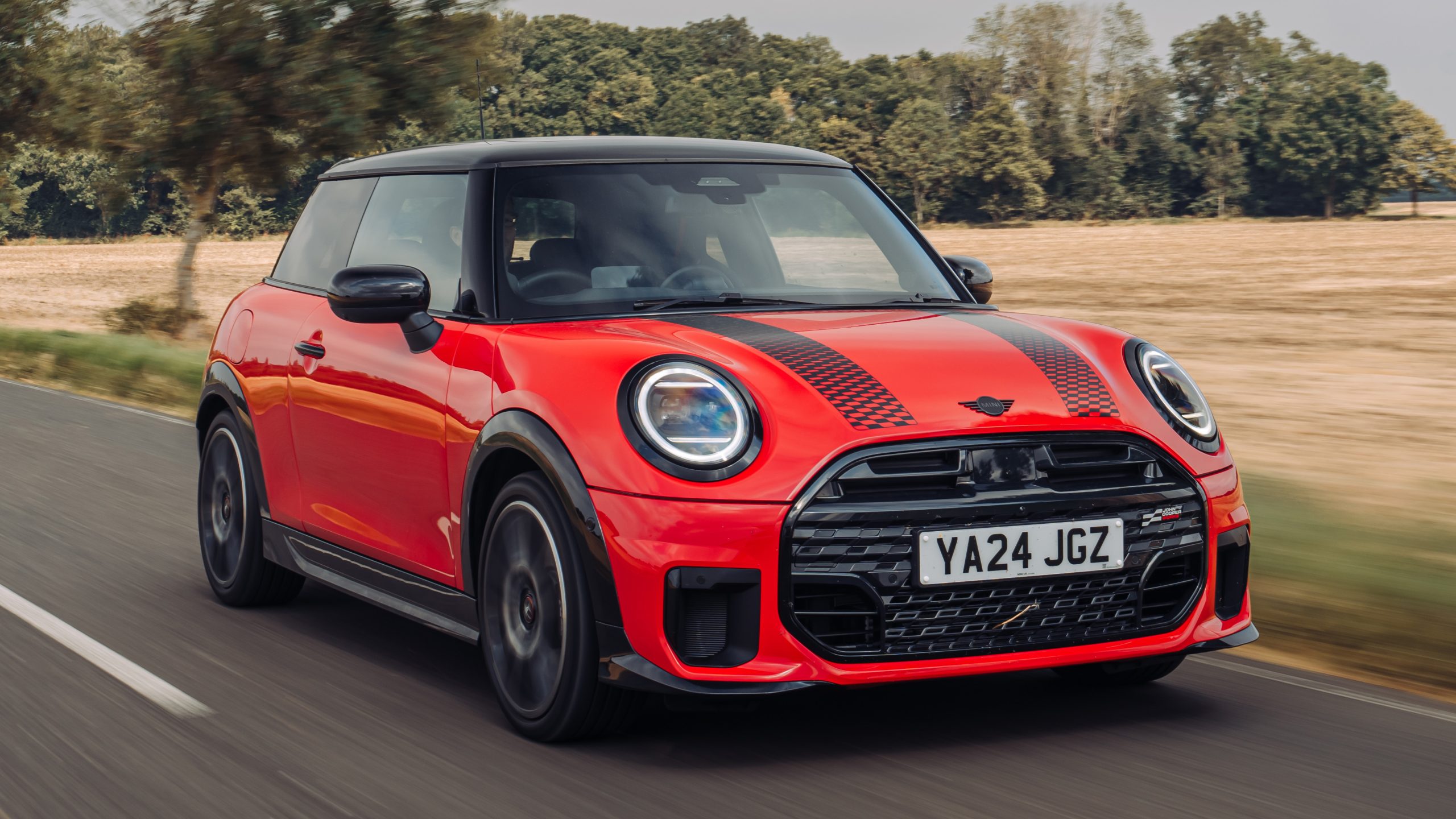
10. Mini Cooper S: Fun, Stylish, and Iconic but Demanding
The Mini Cooper S is a compact, fun-to-drive car that offers go-kart handling in a stylish package. Its 2.0-liter turbocharged inline-four engine delivers lively performance without the insurance penalties associated with larger or more powerful performance cars.
The Cooper S is widely regarded for its distinctive styling, responsive chassis, and playful driving dynamics, making it an appealing choice for enthusiasts who prioritize fun and image over ultimate practicality. Insurance costs are generally moderate because the car is classified as a subcompact hatchback and is driven by a broad demographic, keeping risk assessments reasonable.
The third-generation Mini includes several body styles: F55 for the 5-door hatch, F56 for the 3-door hatch, and F57 for the 2-door convertible. Significant updates came with the LCI (2018–2021) and LCI-2 (2021–2024) refreshes.
Mechanical improvements included the switch from a 6-speed torque-converter automatic to a 7-speed dual-clutch transmission on most Cooper S models, while cosmetic upgrades introduced LED headlights, Union Jack taillights, and refreshed bumpers. Cooper S and John Cooper Works models use the BMW-derived B48 engine, also found in several BMW models, delivering reliable yet spirited power.
Despite its charm, the Mini Cooper S has several common issues prospective buyers should know. Exterior problems include paint wear at the B-pillars, water leaks from faulty boot seals, brittle trim, and scuttle panel wear. Convertibles are particularly vulnerable, with folding roof mechanisms prone to failure.
Interior quirks include brittle plastics, rattles, and occasional infotainment glitches, such as dead pixels, infinite reboots, or connectivity problems with Apple CarPlay and Android Auto. Mechanically, the PCV valve, oil filter housing, VANOS sprockets, and plastic cooling components are prone to failure, sometimes leading to costly repairs if leaks or timing issues go undetected.
Ownership costs can be high, especially for repairs that reflect BMW pricing. Windscreens, sunroof mechanisms, and genuine replacement parts are expensive, emphasizing the need for careful maintenance and inspection. Despite this, the Cooper S offers a unique blend of image, style, and driving enjoyment that few cars in its segment can match.
The Mini Cooper S is recommended only for buyers who value brand appeal and driving fun over ultimate reliability or low ownership costs. Choosing a meticulously maintained example serviced ahead of schedule can maximize enjoyment while minimizing potential headaches. Convertibles are best avoided due to their higher risk of mechanical and water-related issues.
For enthusiasts seeking fun behind the wheel without financial stress, these ten used sports cars are compelling choices. They prove that thrilling handling, turbocharged acceleration, and iconic styling can coexist with reasonable insurance rates and running costs.
Whether you prefer a lightweight roadster like the MX-5 Miata, a balanced coupe like the Toyota 86, a practical hot hatch like the Golf GTI, or an iconic Mini Cooper S, there are options to suit different tastes and budgets. Each vehicle combines reliability, affordability, and engaging performance, making them ideal for drivers who want excitement on twisty roads, spirited city driving, or weekend adventures.
With careful selection and attention to maintenance, these cars provide years of enjoyable motoring while keeping insurance premiums from skyrocketing, offering a perfect balance between driving passion and financial sensibility.
Also read: Top 10 Used Cars That Look Much More Expensive Than Their Actual Price