

American backroads offer a unique driving challenge, with narrow, twisty lanes and uneven surfaces that test both skill and vehicle dynamics. Lightweight sports cars are perfectly suited for these conditions because their low mass, short wheelbase, and compact size provide exceptional agility and control.
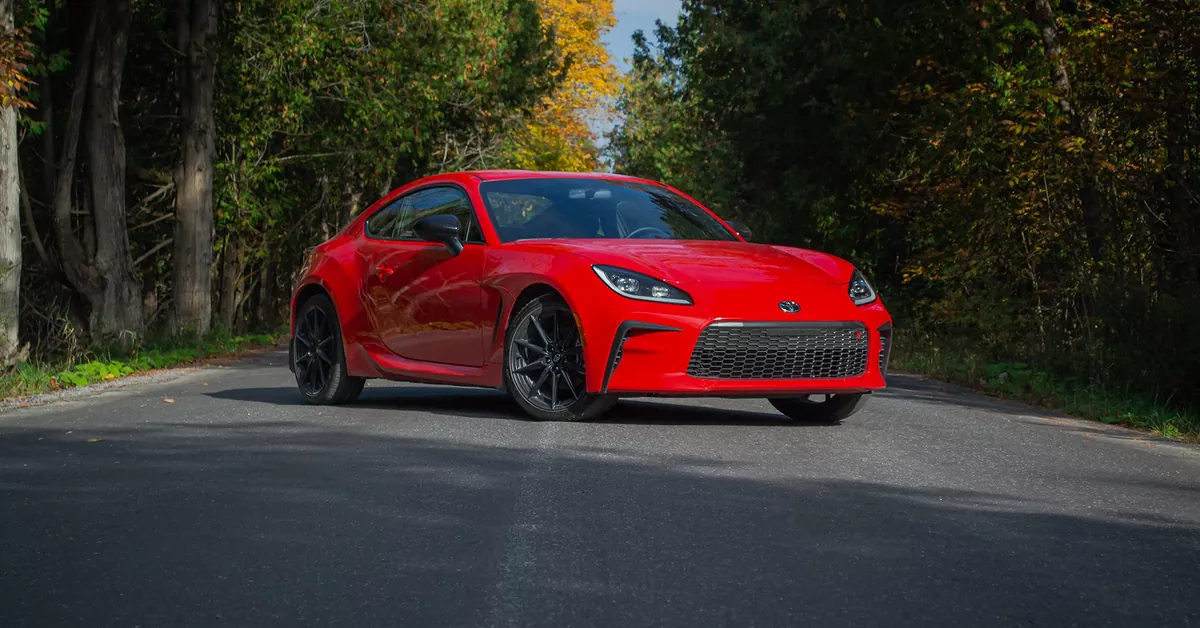
These cars allow drivers to place the vehicle precisely through tight corners, maintain momentum efficiently, and enjoy a highly connected driving experience. Unlike heavy muscle cars or high-powered supercars, lightweight models such as the Mazda MX-5 Miata, Toyota GR86, and Subaru BRZ deliver thrilling performance at legal speeds while minimizing wear on brakes and tires.
Superior cornering, braking, and feedback make them safer and more responsive on rural roads, turning every twist and turn into an engaging driving experience. Their efficiency, precision, and tactile feel make lightweight sports cars the ideal choice for backroad enthusiasts seeking both fun and control.
1. Superior Agility on Narrow Backroads
Lightweight sports cars excel on American backroads, where lanes are often narrow, winding, and lack shoulders. Their compact size and short wheelbase make them highly nimble, allowing drivers to place the car precisely within a lane.
Unlike wide SUVs or heavy muscle cars, these small vehicles rotate more easily, change direction with minimal resistance, and maintain momentum through tight corners. This agility provides a safer and more enjoyable driving experience, particularly on hilly or twisty rural roads where precise control is critical.
One of the main advantages of lightweight cars on narrow lanes is optimal lane positioning. Their narrow footprint gives drivers extra space to maneuver around overgrown roadside foliage, ditch edges, or narrow bridges. This precision also enhances visibility and safety, allowing drivers to spot potential hazards earlier and react more effectively to oncoming traffic, including large trucks and SUVs.
Superior maneuverability is another key benefit. Short wheelbases enable quick rotation through frequent hairpins and sharp curves, allowing drivers to navigate backroads with confidence. Coupled with momentum management, lightweight sports cars such as the Mazda MX-5 or Toyota GT86 maintain speed through corners by relying on agility rather than raw power, making the ride more engaging and precise.
Additionally, lighter vehicles exert less stress on tires and brakes, improving traction and stability while contributing to a “tossable” driving feel. This characteristic not only makes handling more predictable but also reduces wear and tear, keeping running costs lower than heavier alternatives.
In essence, the combination of compact dimensions, responsive steering, and light weight makes these cars ideal for challenging rural environments. Drivers benefit from increased control, enhanced safety, and a more thrilling connection with the road.
For anyone seeking an engaging, practical sports car experience on the narrow, twisty lanes common to American backroads, lightweight vehicles offer unmatched precision, efficiency, and driving enjoyment.
This blend of maneuverability, visibility, and momentum-focused performance explains why lightweight sports cars are the go-to choice for backroad enthusiasts who value both safety and driving pleasure.
2. Enhanced Braking and Cornering Physics
Lightweight sports cars excel on twisty backroads because reduced mass directly improves braking and cornering performance. On rural roads with tight turns, uneven pavement, and sudden obstacles, weight becomes a critical factor in how a car responds.
Lighter vehicles have less momentum, which shortens stopping distances, reduces heat buildup in brakes, and minimizes body roll, giving the driver superior control. This makes them more responsive and “tossable” than heavier cars, which struggle with inertia and slower directional changes.
Superior Braking Physics is one of the key advantages of lightweight cars. Less mass translates into reduced kinetic energy, meaning the brakes require less force to stop the vehicle. This allows for shorter, safer stopping distances on unpredictable roads.
Lighter cars also reduce brake fade because the braking system experiences less stress, even during repeated stops on downhill stretches or tight curves. Lower unsprung weight, lighter wheels, and brake components further improve braking responsiveness, allowing wheels to decelerate more efficiently.
Enhanced Cornering Physics is another major benefit. With less inertia, lightweight cars resist pushing wide through turns and maintain higher cornering speeds with better precision.
Reduced body roll keeps tires planted, optimizing grip, while lower tire loads increase friction and allow for faster, more controlled cornering. Vehicles like the Mazda MX-5 or Lotus Elise illustrate how agility and handling efficiency can turn mass into a performance advantage.
On narrow, winding backroads, these characteristics are amplified. Small, light cars allow precise lane positioning, helping drivers avoid obstacles, ditches, or oncoming traffic. The “go-kart” feel makes low-speed, technical driving more engaging, and lightweight cars can complete extended spirited sessions without prematurely wearing brakes or tires, unlike heavier muscle or luxury sports cars.
In short, lightweight sports cars transform reduced mass into a tangible advantage. By combining superior braking, sharper cornering, and efficient tire use, they offer a safer, more responsive, and thoroughly engaging driving experience on challenging rural roads. For enthusiasts who value precision, fun, and control on twisty lanes, light, nimble cars are unmatched in performance and practicality.
Also read: 5 Reasons Why Sealed Transmissions Are Leading to Premature Failures in US SUVs
3. Improved Consumable Longevity in Lightweight Sports Cars
Lightweight sports cars have a clear advantage over heavier vehicles when it comes to the durability of consumable parts like tires, brake pads, and rotors. Aggressive driving on twisty American backroads places extreme stress on these components, and heavier cars such as the Dodge Challenger or Ford Mustang can wear through a set of tires or brakes in a single weekend of spirited driving.
Lighter vehicles such as the Mazda MX-5 Miata, Toyota GR86, or Subaru BRZ exert much less strain on their parts, allowing drivers to enjoy multiple seasons of spirited driving on one set of consumables while keeping maintenance costs lower.
Less Energy and Momentum to overcome is a key factor in this longevity. Reduced weight generates less momentum, which decreases friction on tires during cornering and slows tread wear.
Brakes require less force to stop the vehicle, producing less heat transfer to pads and rotors and extending their lifespan. Suspension components and wheel bearings experience less strain, which is especially helpful on uneven or rough rural roads.
Lower Cost of Passionate Driving makes lightweight cars ideal for enthusiasts. Because tires and brakes last longer, drivers can push the car harder without rapidly depleting consumables. Lighter weight also requires less engine power to accelerate out of corners, improving fuel efficiency even during spirited driving, which reduces both fuel costs and the frequency of refueling.
Practicality on Backroads is enhanced by the smaller, lighter footprint. Narrow, rough roads with gravel, potholes, and tight turns are easier to navigate, and lighter vehicles are simpler to stop and maneuver. This reduces the risk of damage from emergency braking or abrupt handling. With slower wear on consumables, drivers spend more time enjoying the road and less time performing maintenance.
Lightweight sports cars provide a driving experience that is both fun and sustainable. By placing less stress on tires, brakes, and suspension components, they allow enthusiasts to tackle winding backroads with confidence while keeping running costs manageable. The combination of durability, agility, and efficiency makes these cars particularly well-suited for drivers who value spirited driving over brute force.
4. Thrilling Driving Without Breaking the Law
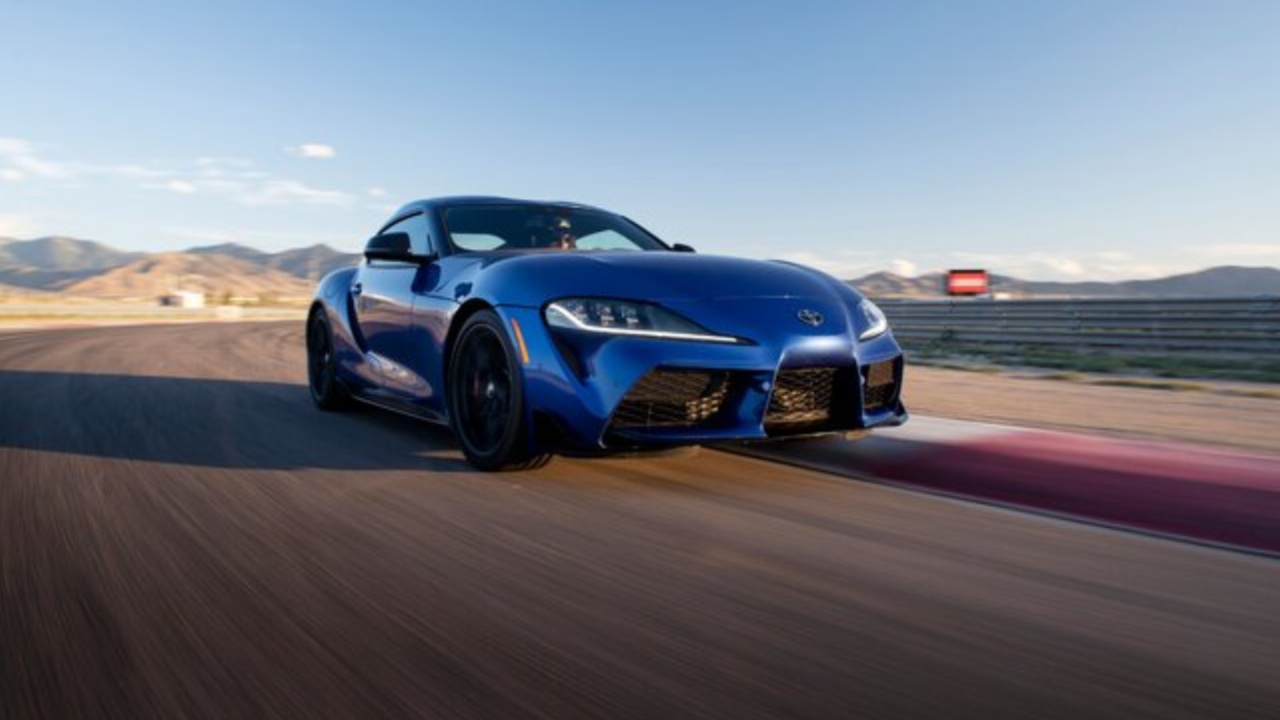
Lightweight sports cars excel on U.S. backroads because they provide engaging performance at legal speeds, allowing drivers to experience the car’s full potential without relying on extreme horsepower. High-powered supercars often require dangerous speeds to feel exciting, leaving drivers frustrated and underutilizing the vehicle.
In contrast, cars like the Mazda MX-5 Miata, Toyota GR86, or Subaru BRZ combine low weight with rev-happy engines, enabling drivers to fully exploit the powerband from idle to redline while remaining within speed limits. This approach turns every corner, gear change, and throttle input into a more rewarding and controlled driving experience.
Maximizing Potential Legally is a core benefit. On winding country roads or canyon backroads, the law and safety concerns prevent high-speed driving. Lightweight cars allow drivers to reach 80 to 90 percent of the vehicle’s performance potential while staying within legal limits.
High-horsepower supercars, in comparison, often operate at only 20 to 30 percent of their capacity in the same conditions, which reduces driver engagement and enjoyment.
Slow Car Fast Fun emphasizes precision over brute force. Cars under 3,000 pounds encourage the driver to wring out every last RPM, creating the sensation of high-speed excitement even at moderate velocities. Reduced mass also improves handling, allowing the vehicle to change direction more quickly and maintain momentum through corners, which is the main source of enjoyment on tight backroads.
Visceral Feedback and Momentum Management further enhance the driving experience. Lightweight vehicles offer analog steering feel, minimal insulation, and a closer connection to the road, making the driver more attuned to the vehicle’s dynamics.
Less inertia means braking distances are shorter before turns, encouraging smooth, momentum-based driving that is both fun and easier on consumables like brakes and tires.
For backroad enthusiasts, lightweight sports cars provide a perfect balance of excitement, precision, and safety. They allow drivers to fully engage with the car’s capabilities, delivering a thrilling, go-kart-like experience without the need for reckless speeds.
These vehicles maximize enjoyment on twisty, narrow roads where high-powered supercars cannot be safely or legally exploited, proving that fun is not measured by horsepower alone but by how well a car communicates with its driver.
5. Enhanced Driver Feedback and Connection
Lightweight sports cars excel on U.S. backroads because they deliver a highly engaging and connected driving experience, providing drivers with precise feedback and control that heavier vehicles cannot match. With less mass for the suspension to manage, these cars respond more quickly to bumps, potholes, or uneven surfaces commonly found on rural roads.
Reduced unsprung weight, such as lighter wheels, allows the suspension to react almost instantly, transmitting critical information from the road to the driver through the steering wheel and chassis. This immediate sensory input enables confident handling and precise maneuvering, even on narrow, winding lanes.
Heightened Physical Feedback is a key advantage. Lightweight cars allow drivers to feel the interaction between tires, suspension, and road surface, improving confidence on tight corners or loose gravel. This direct connection enhances both safety and enjoyment, as the driver can sense traction limits and respond accurately.
Superior Maneuverability arises from the car’s low mass. Steering inputs are faster and more precise, allowing sharper cornering and agile direction changes on technical backroads.
Drivers experience a “strapped on” sensation, where the vehicle feels like an extension of their body rather than a large, cumbersome machine. Reduced inertia also means the car accelerates, brakes, and rotates with minimal effort, maintaining a balanced and responsive dynamic that heavier sports cars struggle to achieve.
Improved Visibility and Placement further benefit drivers. Smaller vehicles allow for better positioning on narrow, unshouldered roads, giving a clearer view of obstacles and oncoming traffic. This makes negotiating tight turns safer and more controlled.
The combination of rapid suspension response, low mass, and precise steering transforms ordinary backroad drives into highly rewarding experiences. Lightweight sports cars turn twisty, technical roads into a playground for enthusiasts, where the driver’s inputs translate directly into vehicle behavior.
On rural U.S. roads, where lane widths are limited and surfaces are unpredictable, this level of connection allows for both confident performance and maximum enjoyment.
By providing immediate feedback, superior agility, and a “strapped on” driving feel, lightweight vehicles make backroad driving more immersive and engaging. They allow drivers to feel fully in command, making even challenging rural routes safe, exhilarating, and highly satisfying. The tactile, responsive nature of these cars ensures that every twist, bump, and turn becomes part of the driving experience rather than an obstacle.
Lightweight sports cars offer unmatched performance, control, and engagement on U.S. backroads. Their small size and reduced weight provide sharper cornering, shorter braking distances, and longer-lasting consumables, allowing drivers to enjoy spirited driving without excessive maintenance.
Momentum-focused handling and immediate feedback deliver a rewarding “strapped on” connection to the car, making every turn, incline, and curve a precise and engaging experience.
These vehicles maximize driving enjoyment within safe and legal limits, outperforming heavier or high-horsepower cars in practical performance and responsiveness. For drivers who value control, efficiency, and a visceral driving feel on rural roads, lightweight sports cars remain the ultimate choice for backroad adventures.
Also read: 10 Reasons to Document Every Step of Your Restoration for Resale Value
