
Few eras in automotive history feel as romantic and refined as the 1960s, a time when long-distance driving became an experience shaped by comfort, speed, and unmistakable style. Europe led this transformation with a class of vehicles designed for effortless cross-country journeys.
These machines were not built merely to move from one destination to another. They were crafted to turn travel itself into a pleasure, blending performance with elegance in a way that still inspires admiration today.
Grand tourers, often called GT cars, represented a special philosophy. Drivers expected power, yet also demanded quiet cabins, supportive seating, and craftsmanship that matched fine furniture. Engineers and designers responded by creating vehicles that could cruise for hours at high speed while keeping occupants relaxed and composed.
From Italian artistry to British sophistication and German precision, each country brought its own interpretation of what luxury travel should feel like. Throughout this decade, several models rose above the rest, setting standards that would influence generations to come.
These cars captured the imagination of those who valued both performance and refinement, making them enduring icons. Each one tells a story about ambition, innovation, and the desire to make every mile memorable.
Below, you will find eight remarkable European grand tourers that defined the spirit of 1960s luxury travel, each offering its own distinct take on comfort, engineering, and timeless appeal.
1. Ferrari 250 GT Lusso
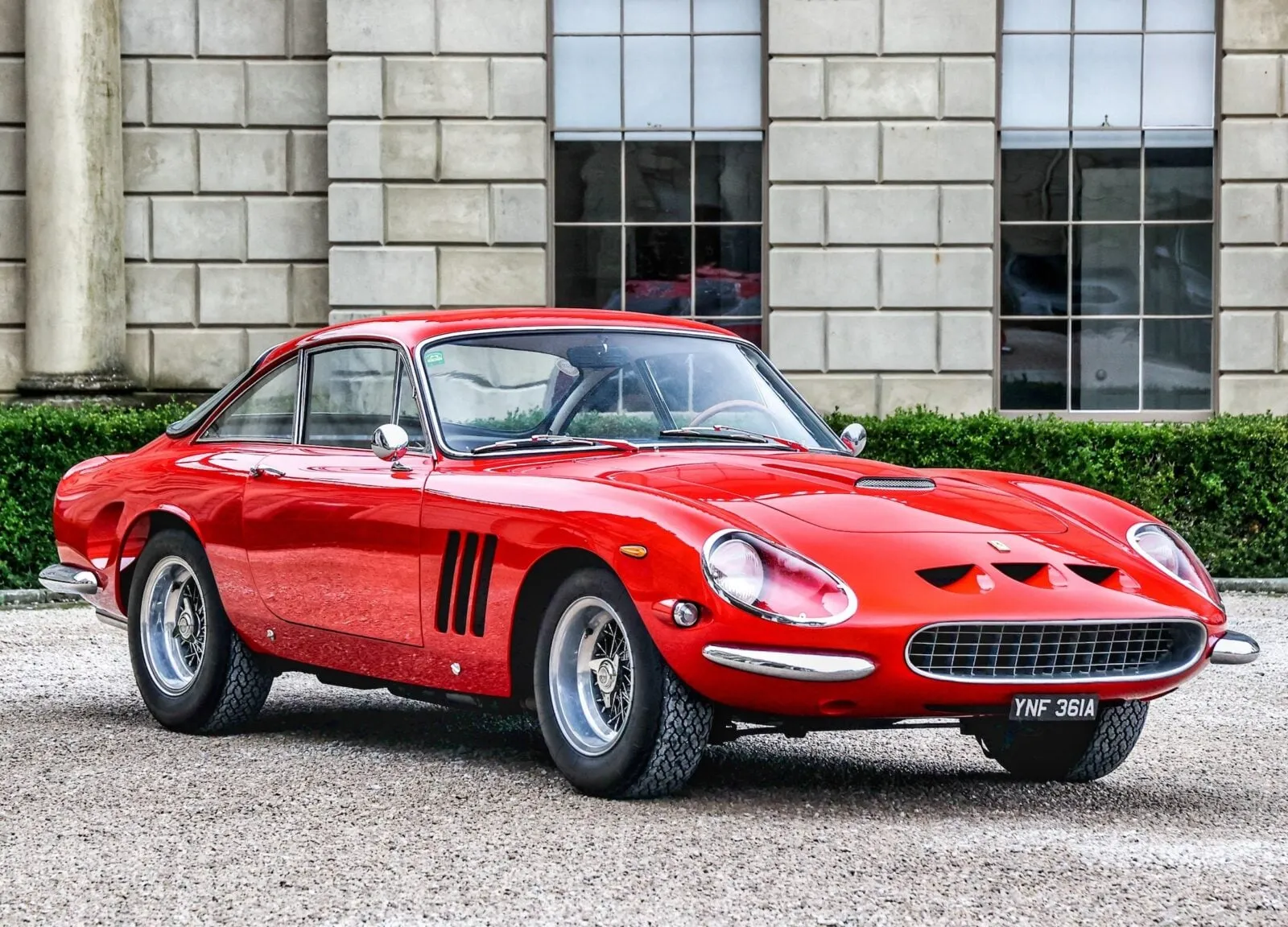
Refined Italian craftsmanship found an exceptional expression in the Ferrari 250 GT Lusso, a motor car that combined artistic beauty with high-performance capability in a manner that remained enduringly respected. Its exterior proportions revealed a careful relationship between assertive presence and graceful styling, resulting in a form that attracted admiration without appearing excessive.
The elongated bonnet, smoothly contoured roofline, and precisely shaped body panels contributed to an appearance widely regarded as one of the finest automotive designs of its period. Each visual element appeared deliberate, reflecting a disciplined approach to both aesthetics and engineering.
Within the interior, the arrangement reflected a strong commitment to driver engagement and comfort. Instruments were positioned directly within the driver’s line of sight, ensuring clarity and ease of use. A centrally placed tachometer served as a constant indication of the vehicle’s performance capability, reinforcing its sporting character.
Upholstery finished in fine leather provided both comfort and warmth, while carefully applied chrome accents and wood trim introduced an added sense of refinement. The cabin environment demonstrated how functionality and visual appeal could be harmoniously integrated without unnecessary excess.
Mechanical performance was delivered by a 3.0-litre V12 engine, which offered smooth and consistent power suitable for extended travel. Power delivery remained controlled and progressive, allowing acceleration to build in a composed manner.
This characteristic encouraged drivers to undertake long journeys with confidence, whether on winding rural routes or open highways. Suspension engineering complemented this performance by effectively managing road irregularities, thereby maintaining stability even at higher speeds.
Such engineering decisions ensured that comfort was not sacrificed in pursuit of performance. Driving experience in the Ferrari 250 GT Lusso was marked by precision and predictability. Steering response remained accurate, allowing the driver to maintain full command of the vehicle’s direction.
Braking performance contributed to a sense of assurance, particularly during prolonged journeys where consistency was essential. This integration of control and comfort reflected the core principles of grand touring, where ease of operation and driving satisfaction are equally valued.
Enduring appreciation for the Lusso continues among collectors and automotive enthusiasts who recognize its balanced character. While several performance vehicles of its era emphasized speed alone, this model demonstrated that elegance and mechanical capability could coexist successfully.
It encouraged a more measured approach to travel, where attention could be given to the surrounding environment rather than the mere pursuit of a destination. Its legacy remains firmly established as a representation of harmony between design, engineering, and driving pleasure.
2. Aston Martin DB5
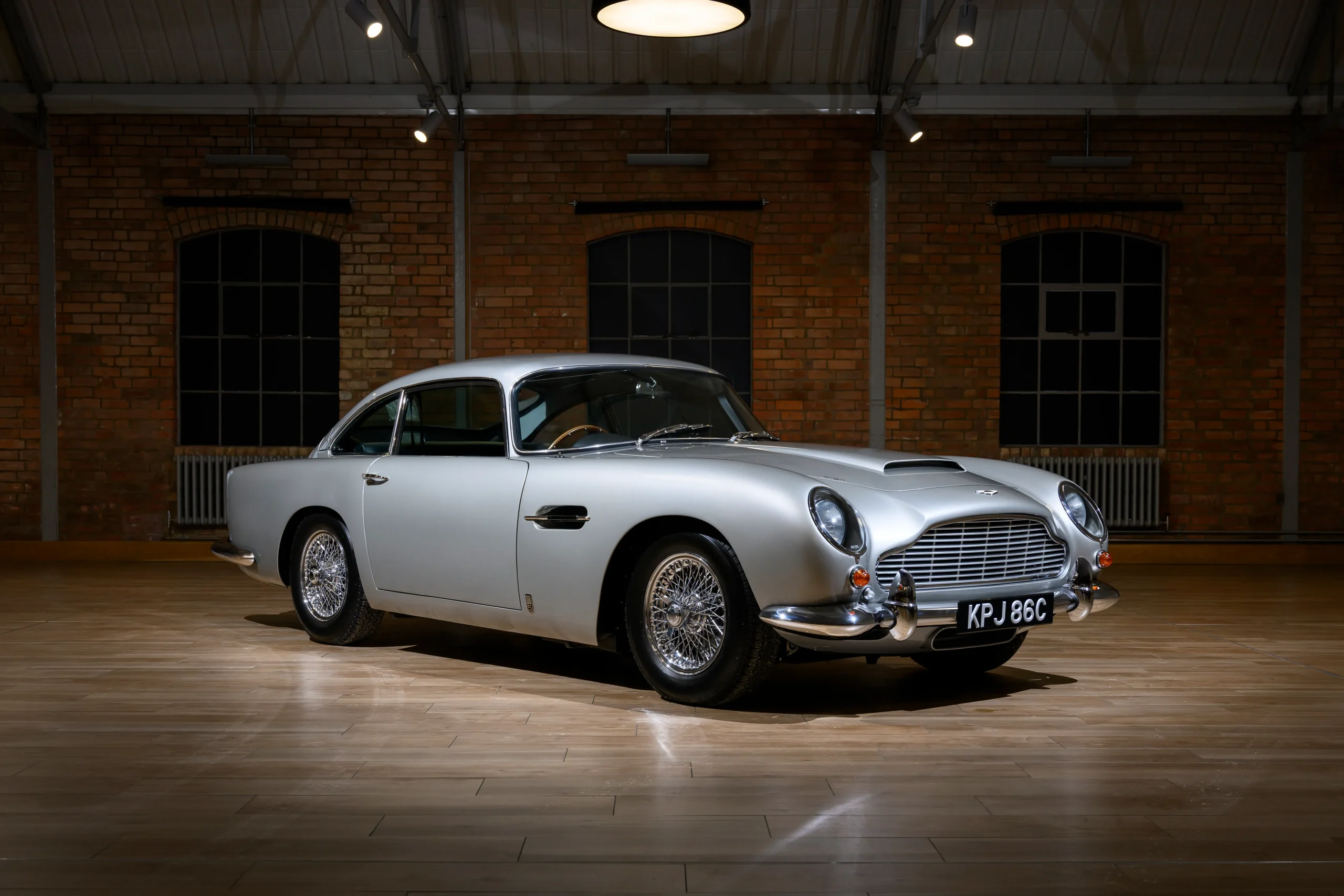
Refinement took a distinctly British form with the Aston Martin DB5, a car that carried an air of sophistication from every angle. Its clean lines and understated presence gave it a timeless quality, while its reputation grew through appearances in popular culture, reinforcing its status as a symbol of elegance and performance.
Open the door, and a sense of craftsmanship immediately stands out. Leather seats offered comfort during extended drives, while the dashboard featured polished wood and carefully arranged instruments. Nothing felt excessive, yet everything felt complete. The cabin created a quiet, composed atmosphere that encouraged relaxed cruising.
Power came from a 4.0-liter inline-six engine, delivering strong performance without sacrificing smoothness. Acceleration felt controlled and deliberate, allowing drivers to maintain composure even at higher speeds. This balance made the DB5 particularly suited for long-distance travel, where consistency mattered as much as outright speed.
Handling leaned toward stability rather than sharpness. Steering inputs produced predictable responses, making it easy to maintain confidence on unfamiliar roads. Suspension tuning prioritized comfort, soaking up bumps while keeping the car composed during extended journeys.
A sense of prestige surrounded the DB5, yet it never felt out of reach in its character. Instead, it offered an approachable form of luxury, one that valued ease and enjoyment rather than excess. Drivers could spend hours behind the wheel without fatigue, appreciating both the journey and the destination.
Even decades later, the DB5 remains a reference point for what a grand tourer should deliver. Its combination of style, comfort, and performance continues to influence modern interpretations of luxury travel.
Also Read: 8 Used Luxury Coupes That Are Surprisingly Easy to Modify for More Power
3. Jaguar E-Type Series 1 4.2 Fixed Head Coupe
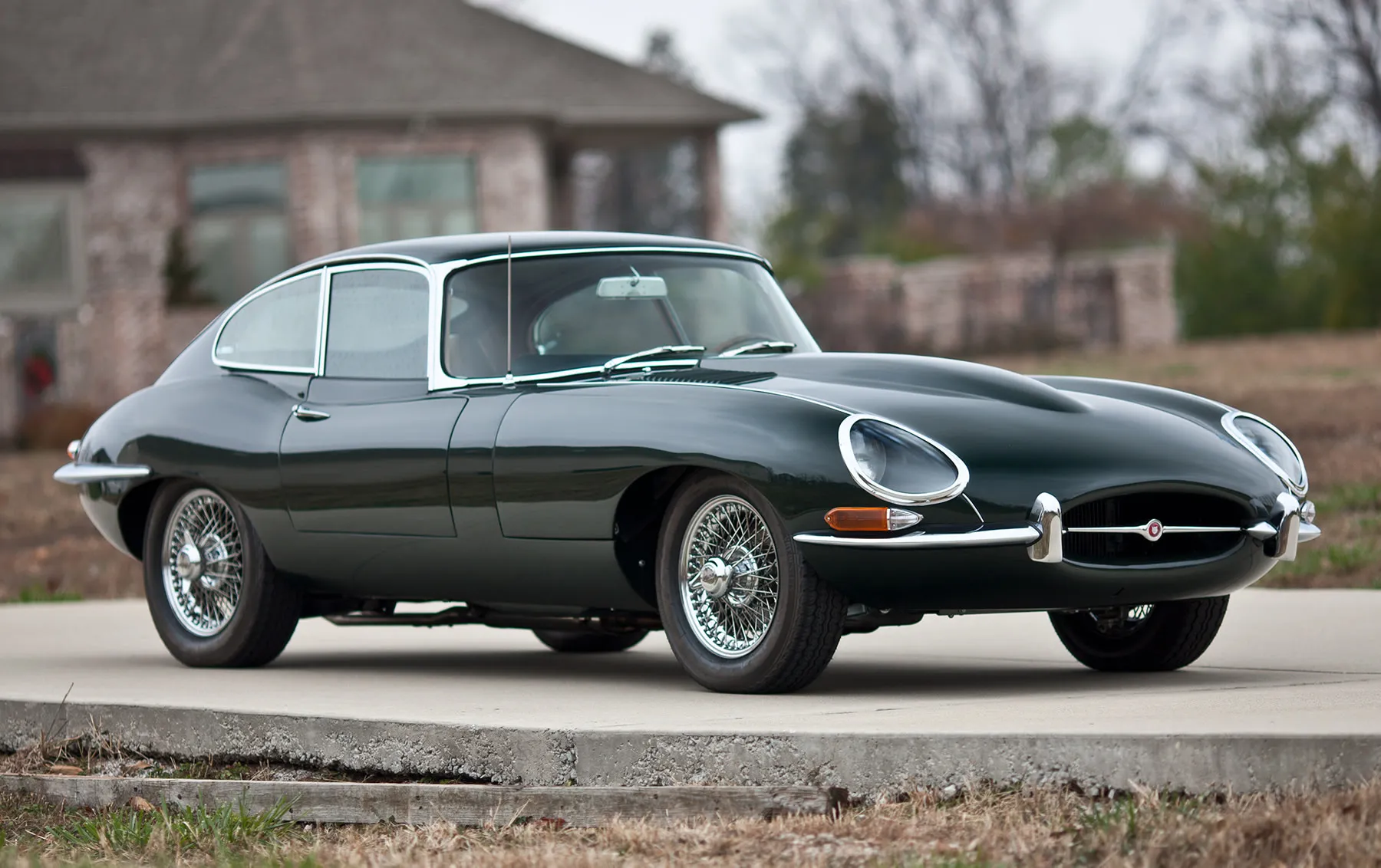
Distinguished by its flowing silhouette and unmistakable proportions, the Jaguar E-Type Series 1 4.2 Fixed Head Coupe presented a bold statement during the 1960s. Its elongated bonnet and low-slung body gave it an appearance that suggested speed even while stationary.
Designers achieved a fine balance between visual appeal and functional engineering, ensuring that its beauty was supported by genuine mechanical capability. At the time of its release, the model drew admiration from both enthusiasts and industry observers, who regarded it as a forward-looking expression of automotive design.
Within the cabin, attention was clearly directed toward the driver’s experience. Carefully arranged toggle switches, classic analog instrumentation, and a purposeful dashboard layout created an environment that encouraged engagement.
Seating, upholstered in quality leather, provided adequate comfort for extended journeys, though the interior maintained a slightly performance-oriented character rather than an emphasis on indulgence alone. This combination allowed the vehicle to appeal to individuals who desired both excitement and practical usability for long-distance travel.
Power delivery was managed by a 4.2-litre inline-six engine, known for its smooth operation and dependable torque. Acceleration responded promptly to driver input, offering a sense of control and confidence. While capable of spirited performance, the engine also demonstrated composure during steady cruising, making it well-suited for prolonged travel across varied road conditions.
Such versatility contributed to its enduring reputation among grand touring vehicles of the era. Handling characteristics reflected a careful balance between responsiveness and comfort. Independent suspension enabled the vehicle to maintain stability while absorbing irregularities on the road surface.
Steering feedback remained clear and consistent, allowing the driver to remain connected to the driving experience without undue effort. This harmony between control and ride quality enhanced its suitability for both relaxed and enthusiastic motoring.
Recognition for the E-Type has remained strong through the decades, often cited as one of the most aesthetically pleasing automobiles ever produced. Its lasting appeal lies not only in its design but also in its ability to deliver a rewarding driving experience while supporting long-distance comfort.
4. Maserati 3500 GT
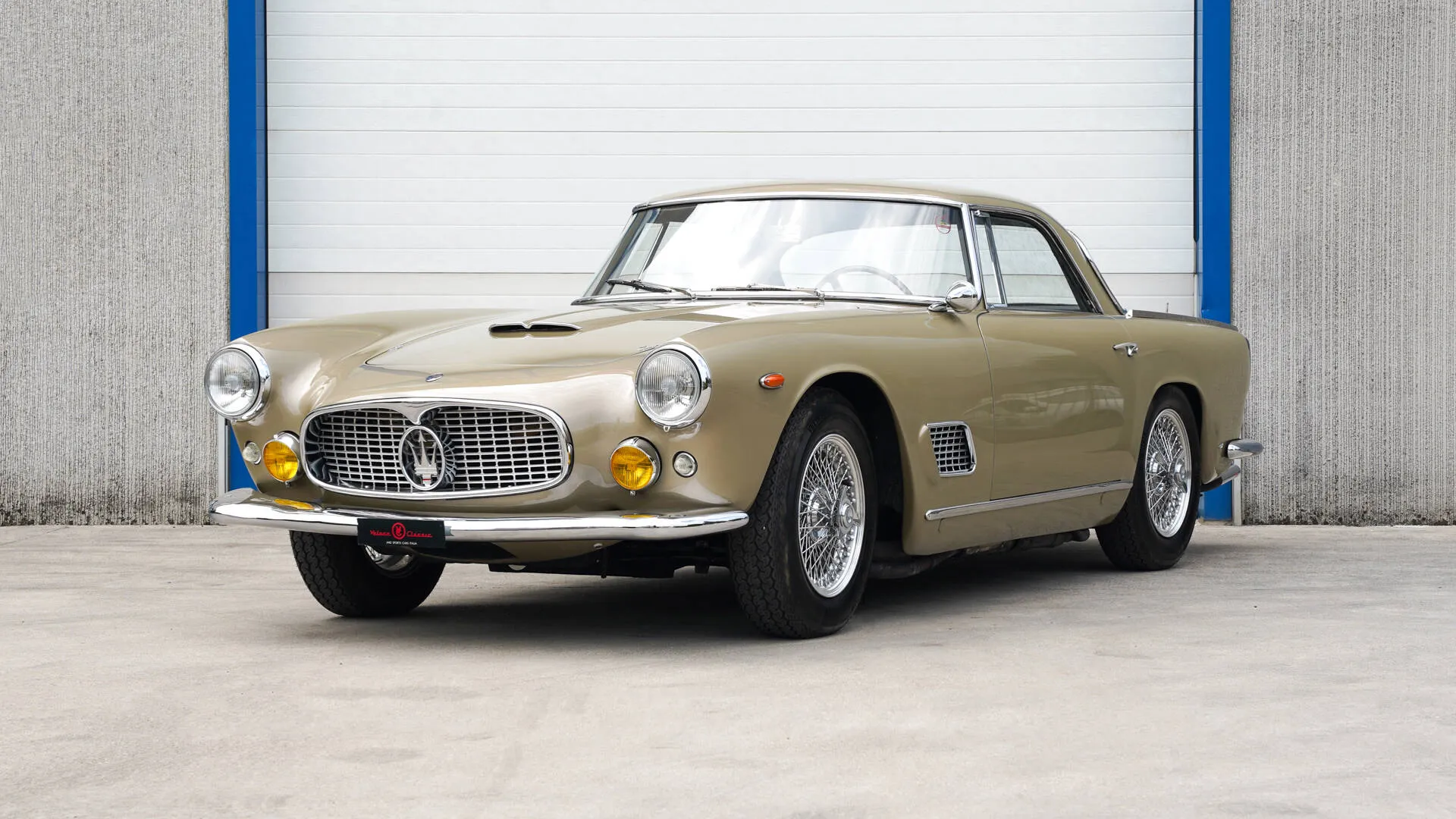
Refinement and mechanical precision were brought together effectively in the Maserati 3500 GT, a model that played a defining role in shaping the manufacturer’s grand touring identity. Its exterior design emphasized clean lines and well-proportioned dimensions, resulting in a composed appearance suitable for both urban settings and extended highway travel.
The understated elegance of its styling allowed it to remain visually appealing without reliance on excessive ornamentation. Inside the vehicle, a clear emphasis was placed on comfort and craftsmanship. Seating was generously padded, while materials were selected with care to provide both durability and aesthetic appeal.
The arrangement of controls and instruments reflected thoughtful planning, ensuring ease of use for the driver. Passengers also benefited from a spacious and welcoming environment, which contributed to a sense of ease during long journeys.
The 3.5-litre inline-six engine provided reliable and smooth performance, aligning well with the car’s refined character. Acceleration developed in a steady and controlled manner, allowing drivers to execute overtaking maneuvers with confidence while maintaining a relaxed pace during sustained cruising. This measured approach to performance reinforced its suitability for covering considerable distances without strain.
Driving behaviour was characterized by stability and composure. Suspension tuning allowed the vehicle to absorb road imperfections effectively, resulting in a ride quality that remained comfortable across varying conditions. Steering response was predictable, offering reassurance to the driver, while braking performance contributed to a sense of security, particularly during extended travel.
Maserati’s achievement with the 3500 GT lay in its ability to deliver both luxury and capability in a unified package. The model avoided unnecessary flamboyance, instead prioritizing consistency and driver satisfaction. Its reputation among enthusiasts continues to endure, as it represents a thoughtful interpretation of what a grand touring automobile should provide.
5. Mercedes-Benz 300SE Coupe W112
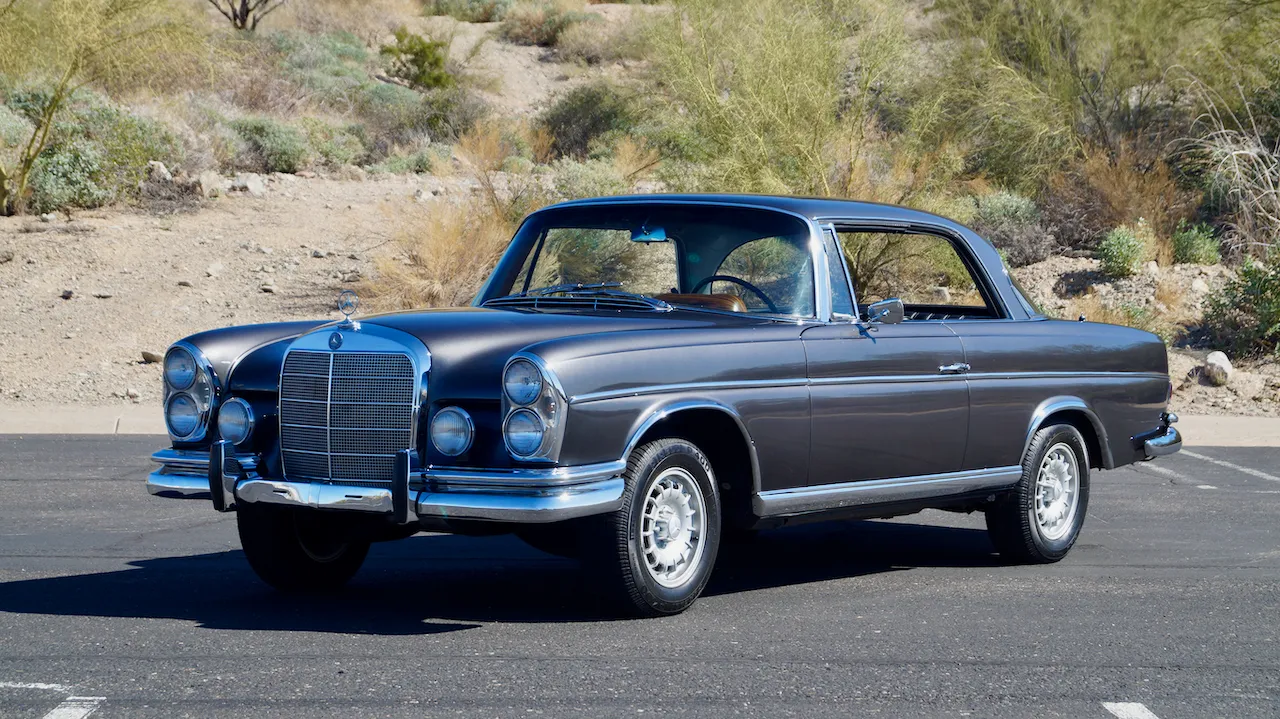
Among the most distinguished motor cars produced during the early 1960s, the Mercedes-Benz 300SE Coupe W112 represents a convergence of aesthetic elegance and mechanical refinement that very few manufacturers of any nationality achieved with comparable consistency during that period.
Conceived and executed within the engineering culture of the Stuttgart-based manufacturer, this vehicle reflected a philosophical commitment to quality that extended from the outermost body panel to the finest detail of the interior appointments, leaving no element of the design to chance or commercial compromise.
Visually, the W112 Coupe presented itself with an authority that derived from restraint rather than ostentation. Its pillarless coupe configuration eliminated the structural B-pillar between the front and rear door apertures, producing a roofline of remarkable visual continuity that gave the passenger compartment an open and generous character when the windows were lowered.
Chrome brightwork was applied with the precision that characterised German coachbuilding practice of the period, accentuating the body’s carefully considered proportions without introducing decorative elements that would have disrupted its fundamental elegance. Interior appointments reflected the same disciplined approach to luxury that defined the exterior presentation.
Fine leather upholstery of demonstrable quality covered the seating surfaces, while polished wood veneers applied to the instrument cluster surround and door cappings provided warmth and textural richness appropriate to a vehicle positioned at the highest level of the manufacturer’s civilian production range.
Acoustic insulation was treated as a primary engineering concern rather than an afterthought, and the resulting cabin environment permitted conversation at normal speaking volume even during sustained highway operation.
Mechanical specification corresponded to the vehicle’s positioning within the Mercedes-Benz range. A 3.0-litre inline-six cylinder engine, refined through iterative development across several production years, delivered power with the smoothness and progressive character that long-distance touring demanded.
Acceleration was purposeful rather than aggressive, appropriate to a car designed to transport its occupants across considerable distances in conditions of sustained composure. The air suspension system, which distinguished the SE specification from less generously equipped members of the W112 family, maintained ride quality across varying road surfaces with a consistency that fixed-rate suspension systems of the period could not approach.
Steering calibration provided the precision necessary for confident directional control without demanding physical effort disproportionate to the vehicle’s size, reflecting Mercedes-Benz’s understanding that effortless operation was itself a dimension of luxury that deserved engineering investment. Brake specification and pedal feel similarly reflected the manufacturer’s belief that control systems should inspire confidence rather than merely function adequately.
Considered from the perspective of subsequent decades, the 300SE Coupe W112 established standards of integrated luxury design that continued to inform the Mercedes-Benz brand’s identity long after its production concluded, representing the manufacturer’s pre-eminent achievement in the grand touring category during a decade of exceptional automotive ambition.
6. Lamborghini 400 GT 2+2
Ferruccio Lamborghini’s determination to establish his young manufacturing enterprise as a credible challenger to the most celebrated names in Italian automotive production found particularly persuasive expression in the 400 GT 2+2, a vehicle that advanced his company’s reputation through a combination of genuine engineering capability and design confidence that belied the relative youth of the organisation responsible for producing it.
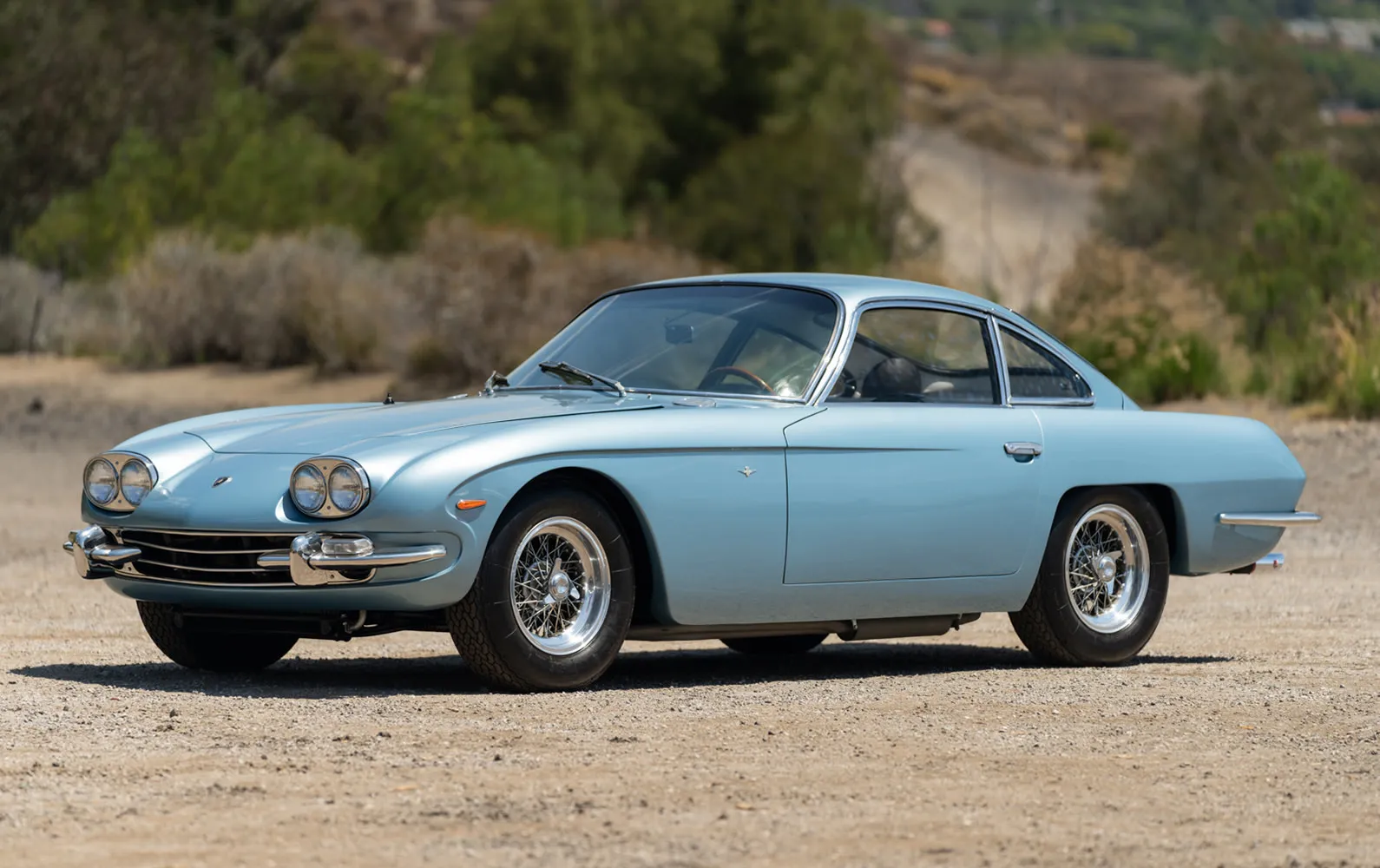
Introduced as a refined development of the earlier 350 GT, the 400 GT 2+2 demonstrated that Lamborghini’s design and engineering teams possessed the skill to address practical requirements without sacrificing the performance character that had attracted initial attention to the brand. Exterior design achieved a balance between structural drama and surface refinement that characterised the finest Italian coachbuilding tradition of the period.
Sharp lateral lines defined the vehicle’s profile with authority, while the sculptural treatment of the bonnet and rear haunches communicated mechanical ambition through visual means before any engagement with the vehicle’s technical specification had taken place.
Giugiaro’s body design for this model generation possessed a coherence of intent that ensured the 400 GT 2+2 presented itself as a complete aesthetic statement rather than a collection of individually interesting design elements. Interior accommodation addressed the practical requirements of grand touring with greater thoroughness than the preceding 350 GT had managed.
Rear seating provision, while appropriately described as suitable primarily for younger passengers or for occasional use by adults on journeys of moderate duration, substantially increased the vehicle’s versatility relative to its predecessor and extended its appeal to buyers whose circumstances included family obligations alongside personal enthusiasm for high-performance motoring.
Front seat comfort reflected the quality of materials and construction that the vehicle’s price positioning demanded, with leather upholstery and careful attention to occupant support over extended distances demonstrating that Lamborghini’s interior designers understood the requirements of sustained grand touring as well as the priorities of short performance drives.
Mechanical performance centred upon a 4.0-litre V12 engine of Lamborghini’s own design and manufacture, an engineering achievement that confirmed the company’s capability to produce powerplants of international competitive standing independently of external supply arrangements.
Power delivery combined genuine acceleration capability with sufficient tractability for relaxed operation in conditions that did not demand maximum engine output, a balance that distinguished a true grand tourer from a vehicle whose capabilities were accessible only during exceptional driving circumstances.
Chassis and suspension engineering provided stability and directional precision appropriate to the performance potential of the drivetrain, while steering calibration offered sufficient feedback to engage a skilled driver without creating demands that would discourage less experienced occupants from enjoying the vehicle’s capabilities.
Through the 400 GT 2+2, Lamborghini demonstrated with considerable conviction that performance and refinement were not competing objectives but complementary qualities that disciplined engineering could achieve within a single well-considered design.
7. BMW 3200 CS
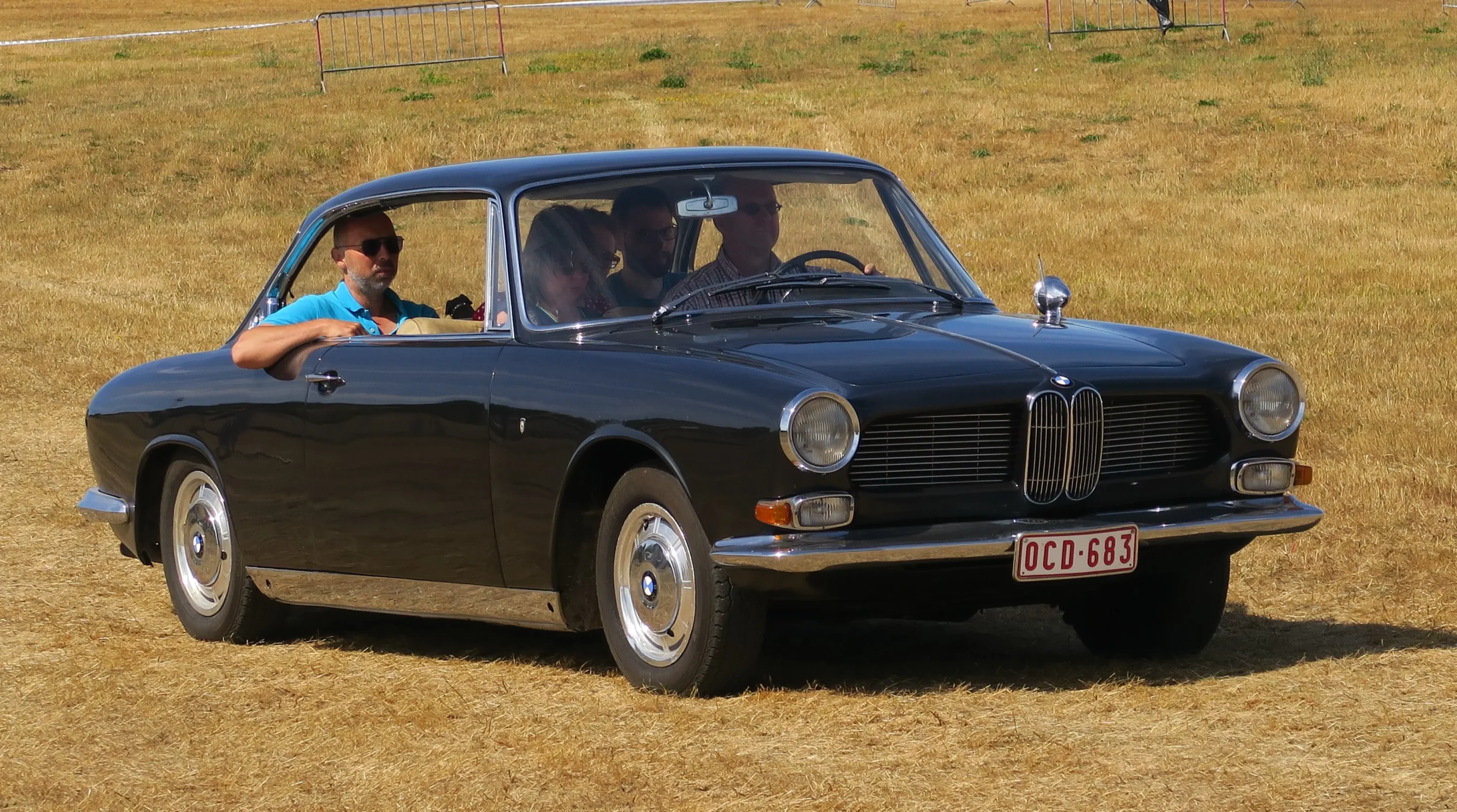
Characterized by a refined blend of style and engineering discipline, the BMW 3200 CS presented a distinctive contribution to the grand touring category during the 1960s. Its external appearance reflected the influence of the Italian design house Bertone, which introduced crisp lines and an elegant roof profile that differed from the more conservative styling often associated with German automobiles of that period.
This collaboration resulted in a vehicle that conveyed both sophistication and individuality, allowing it to stand apart within a competitive segment. Within the cabin, attention was directed toward clarity and functional efficiency.
The instrument panel was arranged in a manner that ensured ease of reading, thereby supporting the driver’s focus during extended journeys. Seating was designed to provide sustained comfort, accommodating long hours behind the wheel without undue strain.
Materials selected for the interior demonstrated quality and restraint, avoiding excessive ornamentation while still conveying a sense of refinement. Such an approach created an environment that was both practical and dignified.
The mechanical foundation of the BMW 3200 CS rested on a 3.2 litre V8 engine, which delivered smooth and consistent performance suitable for grand touring purposes. Acceleration developed in a controlled manner, enabling drivers to undertake overtaking maneuvers with confidence. At cruising speeds, the engine maintained composure, supporting a relaxed driving experience that aligned with the expectations of long-distance travel.
Road behaviour reflected a well-considered balance between comfort and control. Suspension systems were engineered to absorb irregularities on the road surface, thereby enhancing ride quality. Steering response remained steady and predictable, allowing the driver to maintain a reliable connection with the vehicle’s movement.
This combination ensured that the car remained approachable to a wide range of drivers, regardless of their level of experience. BMW’s execution of the 3200 CS illustrated a commitment to practicality alongside luxury.
Rather than relying on excessive power or dramatic styling elements, the vehicle emphasized consistency and driver satisfaction. Its influence can be observed in subsequent models, where the principles of balance and engagement continue to define the brand’s approach to grand touring automobiles.
Also Read: 10 Iconic 1960s Luxury Car Rooflines That Defined Design
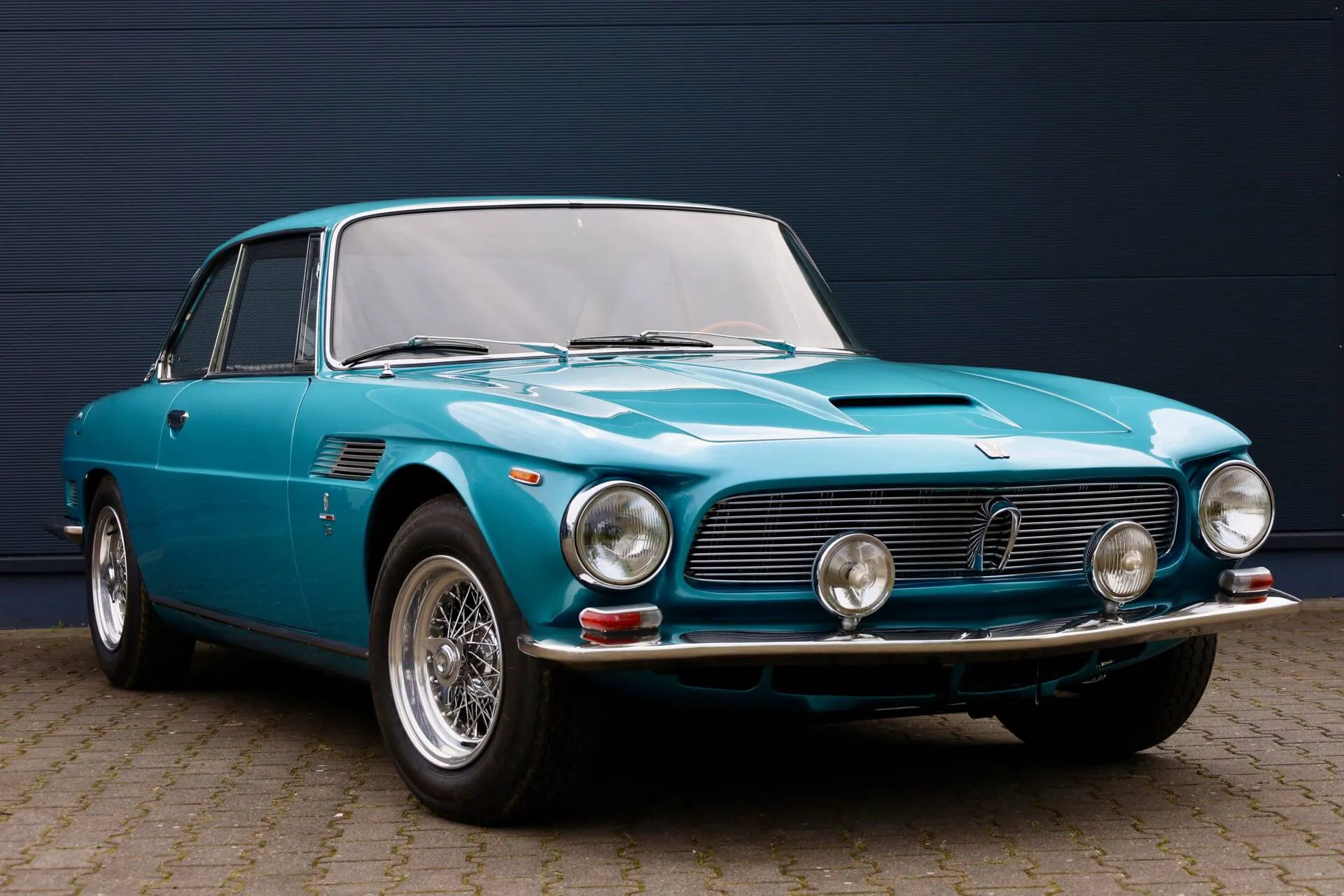
8. Iso Rivolta IR 300
A distinctive fusion of design philosophies defined the Iso Rivolta IR 300, a grand touring automobile that combined Italian aesthetics with American mechanical engineering. Its exterior form displayed clean lines and balanced proportions, reflecting careful attention to visual harmony.
Construction methods emphasized durability alongside style, ensuring that the vehicle could meet the practical demands of extended travel while maintaining an elegant presence. Interior design placed strong emphasis on comfort and usability.
Seating arrangements were spacious, providing adequate support for both driver and passengers during long journeys. High-quality materials contributed to a welcoming atmosphere, while the layout of controls remained straightforward and intuitive. This simplicity ensured that occupants could focus on the experience of travel without unnecessary distraction.
Performance was delivered through a 5.4 litre V8 engine sourced from Chevrolet, a choice that provided both strength and reliability. Power delivery was steady and dependable, allowing the driver to maintain confidence under various driving conditions. This combination of Italian design and American engineering created a unique driving character that blended refinement with robust performance.
Driving dynamics were carefully tuned to achieve a balance between comfort and capability. Suspension systems managed uneven road surfaces effectively, contributing to a smooth ride quality. Steering response remained consistent, offering reassurance and control during extended journeys.
As a result, the vehicle allowed drivers to cover considerable distances with minimal fatigue, enhancing its suitability as a grand tourer. Iso Rivolta’s approach resulted in a vehicle that differed from traditional European offerings.
By integrating diverse influences, the IR 300 achieved a distinctive identity that appealed to individuals seeking originality. Its continued recognition among enthusiasts reflects an appreciation for thoughtful design and engineering innovation, demonstrating how varied influences can produce a lasting and respected automobile.
