American V8 engines have earned a global reputation for durability, simplicity, and the ability to survive extreme mileage when properly maintained.
While modern engines often focus on efficiency and downsizing, many traditional American V8 designs were built with long term mechanical strength as a primary goal.
Thick engine blocks, large bearing surfaces, simple valvetrain designs, and relatively low stress tuning helped many of these engines achieve legendary reliability records.
One reason these engines often cross the 300,000 mile mark is their conservative engineering philosophy. Many of these powerplants were not pushed to their mechanical limits from the factory.
Instead, manufacturers prioritized torque, low RPM strength, and serviceability. Engines that do not constantly operate near maximum stress levels tend to accumulate wear more slowly, which is a major factor in their longevity.
Another advantage comes from their relatively simple architecture. Pushrod V8 engines in particular often have fewer moving parts compared to complex overhead cam designs. Fewer components can mean fewer failure points.
This simplicity also makes maintenance easier, which encourages owners to keep up with repairs rather than abandoning the vehicle when problems appear.
Material choice also plays a major role. Many long lasting American V8 engines used cast iron blocks and strong forged internal components.
These materials can tolerate heat cycles and heavy use over long periods without losing structural integrity. Even when wear does occur, these engines are often rebuildable rather than disposable.
Lubrication capacity is another overlooked strength. Many of these engines hold large amounts of oil, which helps maintain stable lubrication and temperature control. Consistent oil supply protects bearings and cam surfaces from premature wear, especially during heavy use such as towing or long highway driving.
The following engines have developed strong reputations among mechanics, fleet operators, and high mileage drivers. While maintenance always determines the final lifespan, these V8 engines repeatedly demonstrate that reaching 300,000 miles is not unusual when they are cared for properly.
Also Read: 5 Engines With Sodium Filled Valves Built for Continuous High Speed Use
1. Chevrolet 5.3L LS V8 (LM7)
The Chevrolet 5.3 liter LM7 from the LS family is often described as one of the most dependable truck engines ever built in the United States. Used widely in Silverado and Sierra trucks, this engine became known not because of extreme performance but because of its ability to tolerate years of hard work without major internal failure.
A key factor behind its survival record is the deep skirt cast iron block. This design strengthens the lower portion of the engine and keeps the crankshaft stable under load. Stability at the bottom end of the engine reduces uneven bearing wear and helps maintain oil pressure consistency even after very high mileage accumulation.
Another reason this engine lasts is its relatively low specific output. Instead of extracting maximum horsepower per liter, GM tuned it for steady torque. Lower stress levels per combustion cycle help internal components such as pistons and rods survive longer.
Oil system design also contributes to longevity. The engine uses a straightforward lubrication path that prioritizes main bearing oil supply. Engines that consistently protect the crankshaft bearings usually maintain structural health longer than engines that sacrifice lubrication stability for efficiency gains.
Many mechanics also praise how tolerant the LS architecture is to imperfect maintenance. While regular oil changes are always important, these engines often survive occasional neglect better than many modern designs. This tolerance makes them especially common in high mileage work trucks.
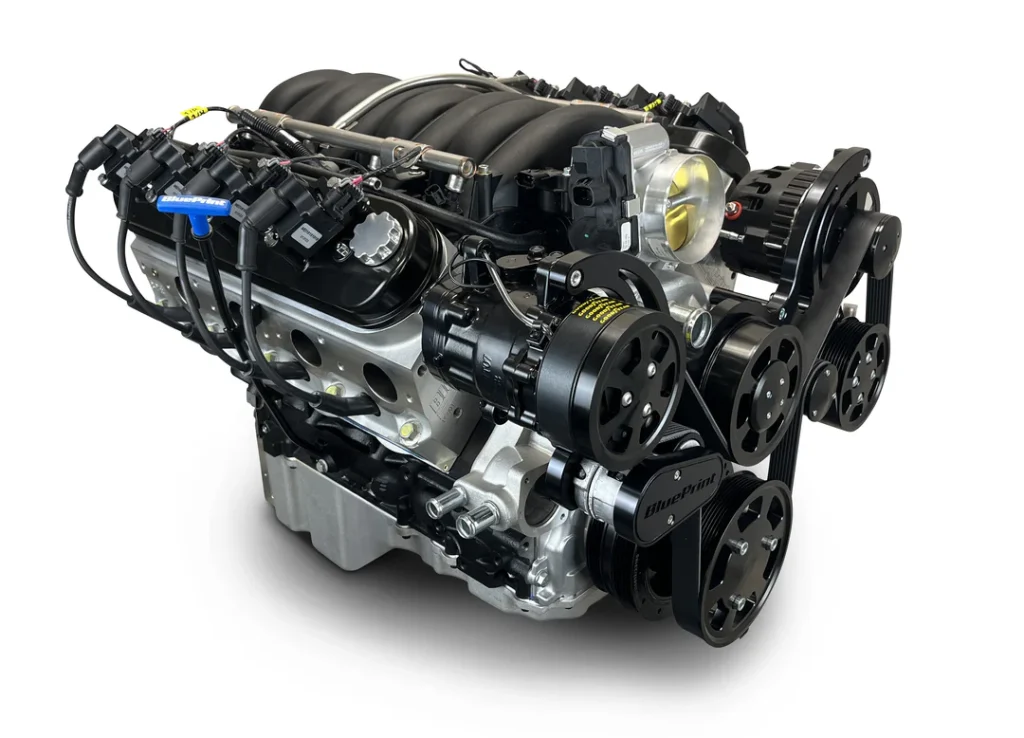
The cylinder heads also play a role. Their airflow design allows efficient combustion without requiring aggressive cam timing. This keeps valvetrain stress relatively low, which helps lifters and pushrods survive long service intervals.
Another strength is the engine’s rebuild potential. Even after hundreds of thousands of miles, many of these engines can be refreshed rather than replaced. This rebuild friendly nature contributes to their reputation for extreme lifespan.
In real world use, it is common to find LM7 engines still running smoothly in aging trucks that continue to perform daily tasks. This consistency shows how a balanced design focused on durability rather than peak numbers can create an engine capable of truly exceptional mileage.
2. Ford 4.6L Modular V8 (2 Valve)
Ford’s 4.6 liter two valve Modular V8 became famous through Crown Victoria police cars and taxi fleets, environments where engines often operate almost continuously. These severe duty conditions unintentionally created one of the largest real world durability tests any American engine has experienced.
Unlike many performance oriented V8 engines, this engine focused heavily on structural rigidity. The iron block versions used in many fleet vehicles provided excellent long term cylinder stability. Maintaining round cylinder walls helps preserve piston ring sealing even after years of constant operation.
Another reason for its reputation comes from the overhead cam design being intentionally conservative. The cam profiles were not aggressive, which reduced valvetrain stress. Lower spring pressure and moderate lift characteristics help timing components last longer.
Cooling system reliability also deserves attention. The engine was designed to maintain stable operating temperatures during extended idle periods, which is critical for police vehicles. Engines that avoid overheating during idle often experience less head gasket stress over time.
The intake manifold design was also refined over the years after early issues were identified. Later improved versions helped eliminate common weak points, allowing the engine to achieve much better long term durability.
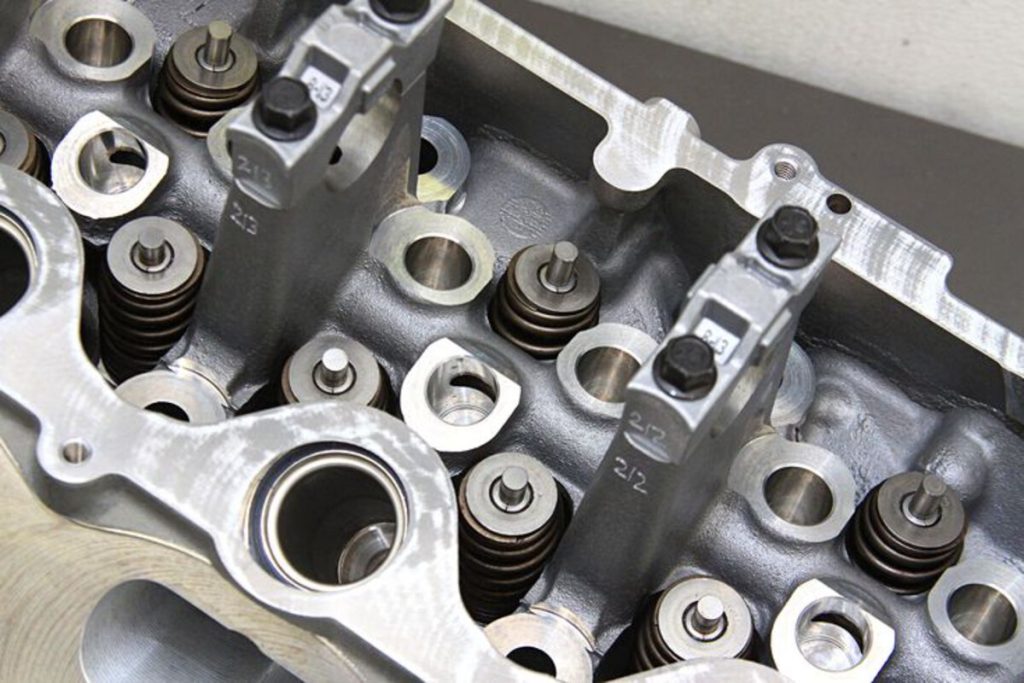
Many high mileage examples show that the rotating assembly holds up remarkably well. Crankshafts in these engines rarely fail when lubrication is maintained. This reflects Ford’s focus on ensuring strong bottom end reliability.
Fleet maintenance data often showed these engines crossing extremely high mileage without needing internal repairs. This kind of real world evidence contributed heavily to the engine’s reputation among mechanics.
The 4.6 Modular V8 demonstrates how designing for harsh service conditions can result in an engine that easily survives normal personal use. What was built to survive police duty often ends up lasting even longer in civilian ownership.
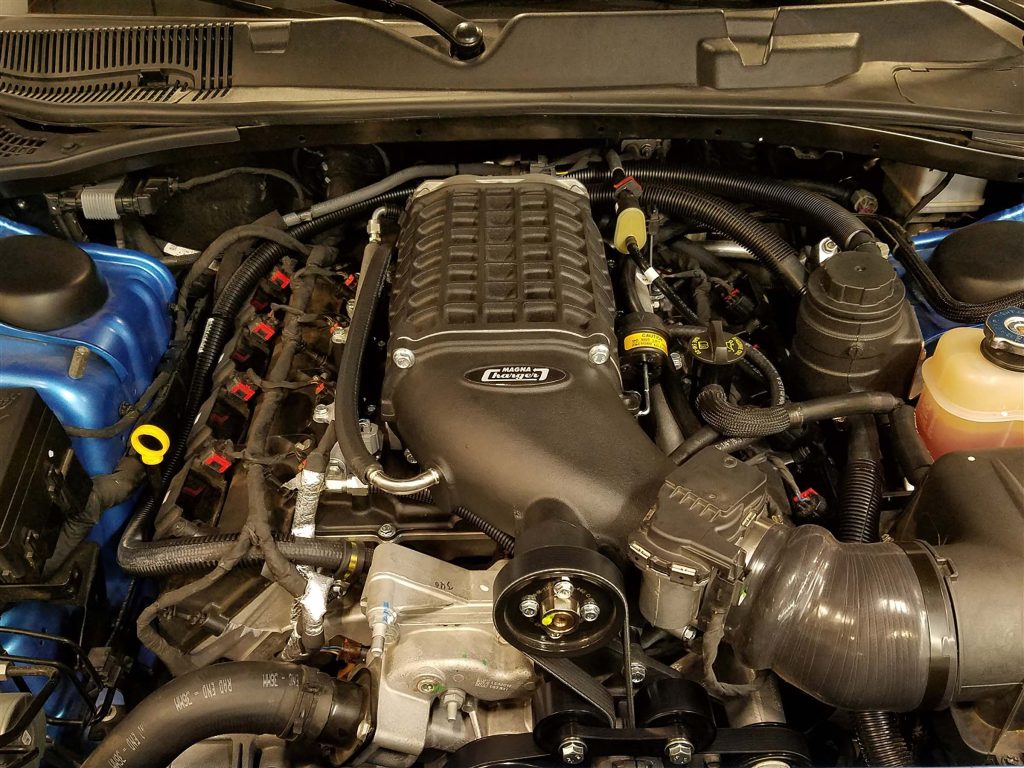
3. Dodge 5.7L HEMI V8 (Early Non MDS Versions)
The early versions of the 5.7 liter HEMI built before widespread cylinder deactivation systems became common earned a particularly strong durability reputation. These engines became known for their ability to accumulate serious mileage in trucks and large sedans where consistent torque mattered more than peak performance figures.
One of the biggest reasons these engines survive long term use is the strength of the block casting. Chrysler engineered the block with thick cylinder walls and strong main bearing supports. This allows the engine to handle repeated load cycles without developing structural fatigue, especially in vehicles used for towing or highway travel.
Another important factor is how the engine delivers its power. The HEMI design promotes efficient combustion chamber shape, allowing the engine to make strong torque without requiring excessive RPM.
Engines that produce power at lower speeds often experience less cumulative wear compared to engines that must rev higher to perform the same work.
The lubrication system also plays a strong role in survival rates. Oil passages were designed to maintain steady pressure to the valvetrain and crankshaft. Engines that maintain consistent oil film protection tend to show less scoring and bearing fatigue as mileage increases.
Owners and technicians often note that these engines respond well to consistent but simple maintenance. Regular oil changes and cooling system care often allow these engines to operate for many years without requiring internal repairs. This predictability helps them reach extreme mileage more often than more complicated designs.
Another strength is the relatively simple pushrod layout. With fewer moving valvetrain components than many overhead cam engines, there are fewer wear points that can cause catastrophic failures. Simplicity often becomes an advantage over very long ownership periods.
Long distance drivers frequently report that these engines maintain steady oil pressure and smooth operation even after extensive use. These signs usually indicate that the internal structure remains healthy.
The early HEMI shows how combining strong materials, moderate tuning, and mechanical simplicity can produce an engine capable of surviving well beyond expectations when used in demanding real world conditions.
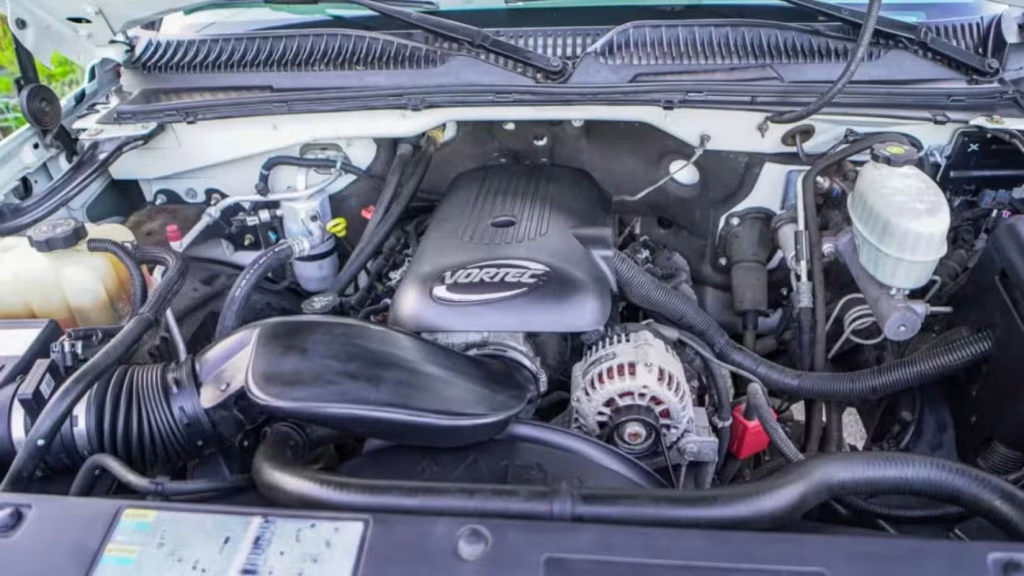
4. Chevrolet 6.0L Vortec V8 (LQ4)
The Chevrolet 6.0 liter LQ4 Vortec represents another example of how truck focused engineering often leads to exceptional durability. Built primarily for heavy duty pickups and commercial vehicles, this engine was designed with strength margins that often exceed what most private owners will ever demand.
Its cast iron block is one of the most important reasons for its longevity. Iron blocks resist cylinder distortion even after years of thermal cycling and heavy loads. This stability allows the engine to maintain compression quality and reduce oil consumption even as mileage climbs.
Unlike engines designed for sports performance, the LQ4 was calibrated for steady output and reliability. It operates comfortably within its mechanical limits, which helps reduce fatigue on internal parts. This kind of conservative tuning is often the hidden reason certain engines become high mileage legends.
The rotating assembly is also notably strong. The crankshaft and connecting rods were built to handle commercial duty cycles, which often involve heavy hauling. Because many consumer vehicles never push the engine this hard, the components often experience less stress than they were designed to tolerate.
Cooling system capacity is another overlooked strength. Trucks equipped with this engine often feature large radiators and strong coolant flow rates. Stable operating temperatures significantly slow gasket wear and help maintain head sealing over many years.
Another factor is service accessibility. Spark plugs, coils, and accessories are relatively easy to replace. This encourages preventative maintenance rather than delayed repairs. Engines that receive timely service usually last far longer.
High mileage examples often show a pattern of gradual wear rather than sudden failure. Water pumps, sensors, and external components may require replacement, but the internal structure often remains solid.
Work fleet data frequently shows these engines continuing service well past mileage levels that retire many other vehicles. Their continued use in demanding applications reinforces their durability credentials.
The LQ4 demonstrates that when an engine is designed to survive commercial workloads, it often becomes nearly unstoppable in normal use, allowing it to accumulate extremely high mileage with proper care.
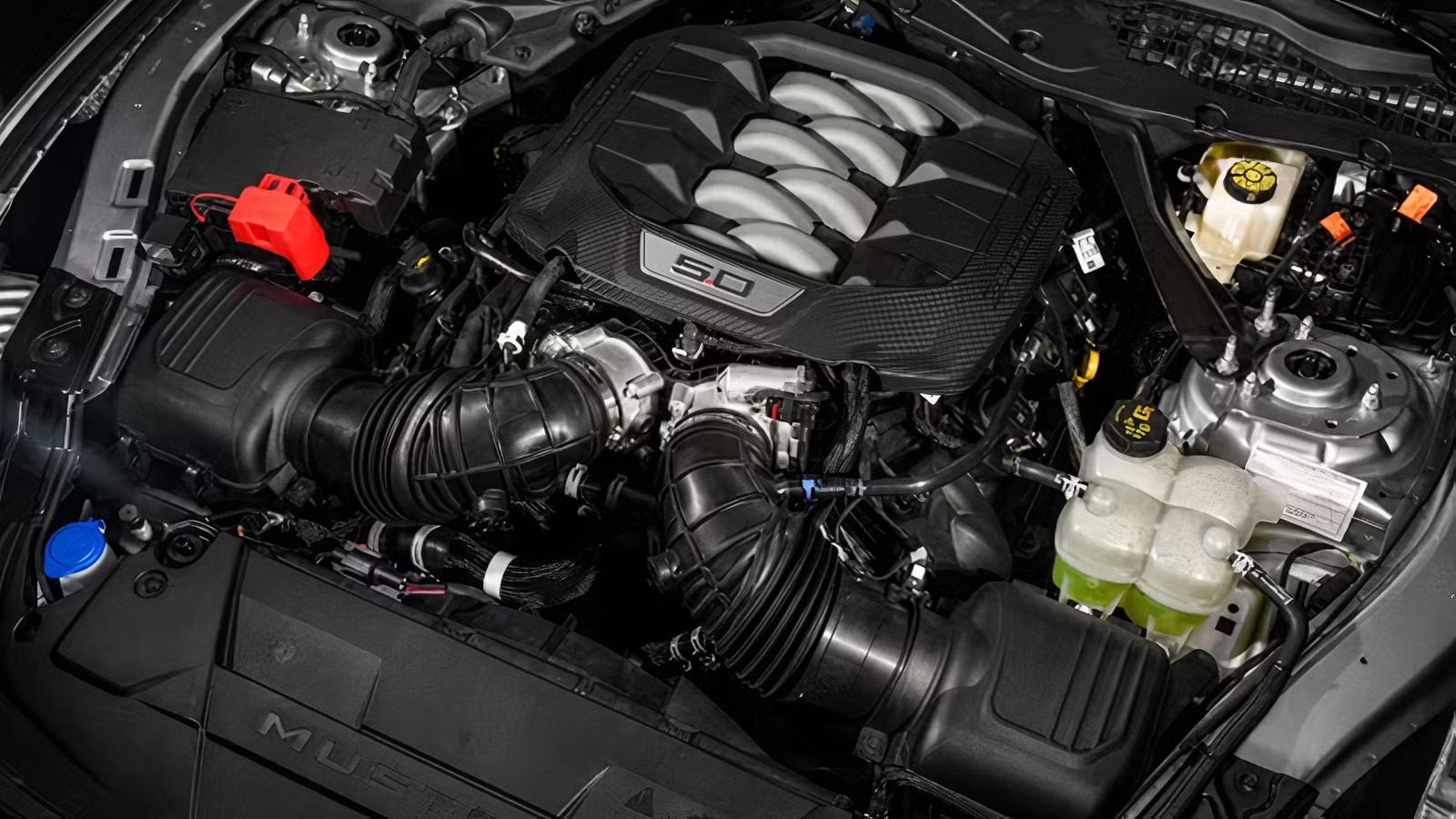
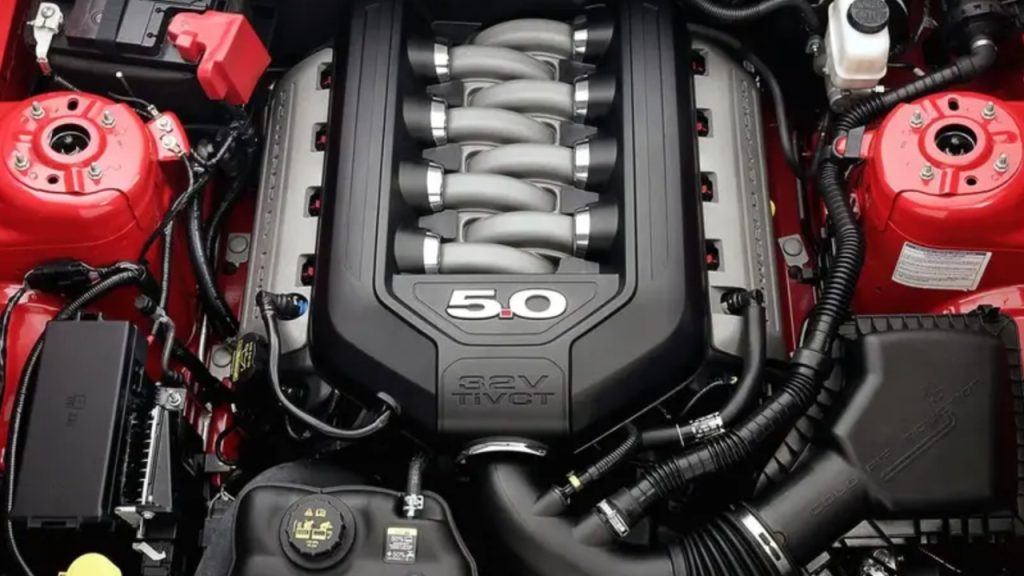
5. Ford 5.0L Coyote V8 (First Generation)
When Ford reintroduced the 5.0 liter Coyote V8, the focus was not only performance but also structural strength to support long term use.
Although widely known for its Mustang applications, the engineering behind this engine shows clear evidence of durability planning. It was built to handle far more stress than most stock versions ever experience.
One reason this engine survives high mileage is its rigid aluminum block with cross bolted main caps. This structure keeps the crankshaft stable even during aggressive acceleration. Over time, proper crankshaft alignment helps prevent uneven bearing wear, which is one of the most common causes of engine failure in high mileage vehicles.
Ford also gave the Coyote a forged steel crankshaft, which is not always common in mass production engines. Strong crank materials reduce the chances of fatigue cracks forming after years of repeated load cycles. Components that resist fatigue usually define how long an engine can realistically last.
The dual overhead cam setup might seem complex, yet Ford engineered the timing components for long service intervals. Strong timing chains and durable guides help prevent the kinds of failures that sometimes affect less robust overhead cam engines.
Another major strength is the engine’s breathing efficiency. Because airflow is well managed, the engine does not need extreme internal stress to produce power. Efficient breathing reduces heat buildup and keeps combustion pressures within reasonable limits.
Some high mileage owners report that these engines maintain compression quality surprisingly well. Consistent compression usually reflects stable piston ring condition and minimal cylinder wall wear.
The oiling system also contributes to durability. With proper oil viscosity and change intervals, the engine maintains good valvetrain protection. Overhead cam engines depend heavily on lubrication quality, and the Coyote performs well when this basic requirement is met.
Another interesting observation is that many Coyotes used in highway driven vehicles show very little internal wear. Long steady RPM operation is generally easier on engines than repeated short trips.
This engine proves that modern performance V8 designs can also achieve impressive lifespan potential when built with strong internals and maintained properly.
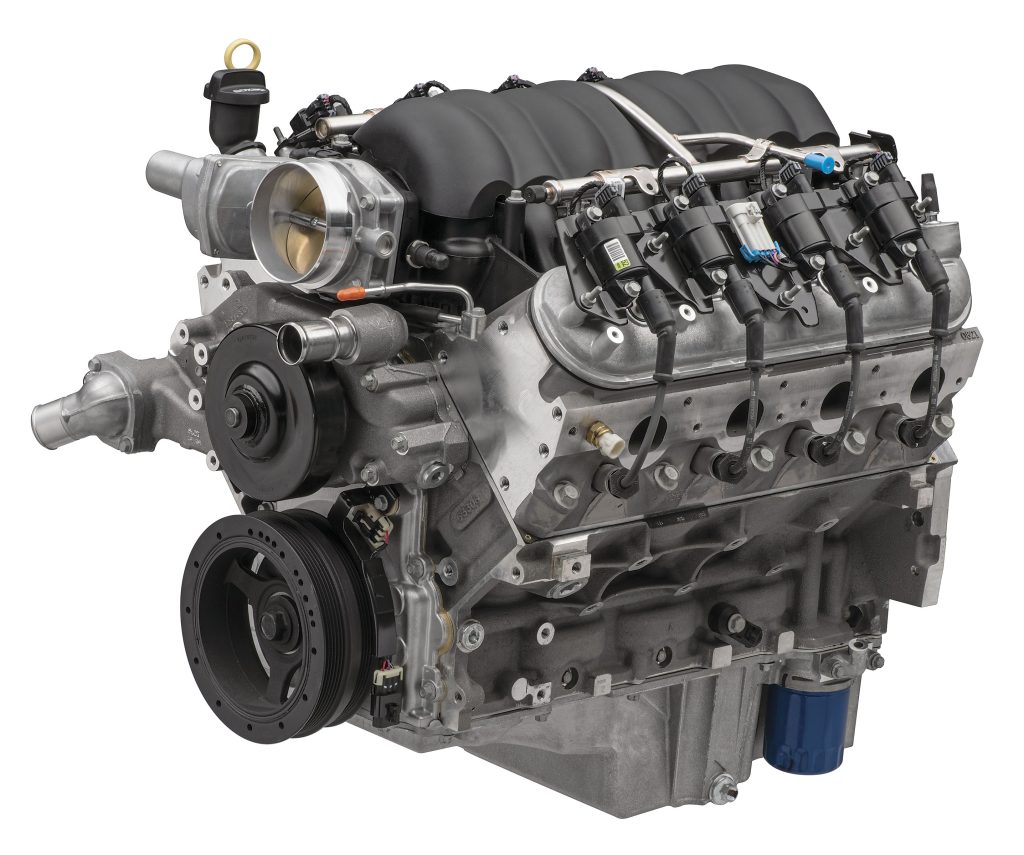
6. Cadillac 6.2L LS3 V8
The LS3 engine became well known not just for performance cars but also for its structural durability. Although often associated with sports vehicles, its design shares much of the same rugged architecture found in GM truck engines. This connection explains why it often survives long term use better than many expect from a high output engine.
One of the defining features is its aluminum block with cast iron cylinder liners. This combination reduces weight while still protecting against long term bore wear. Cylinder durability is essential for engines expected to maintain performance over many years.
The LS3 also benefits from a relatively simple pushrod valvetrain despite its high output. Pushrod systems often allow strong torque production without requiring extremely high RPM operation. Lower RPM limits help reduce long term stress on valve springs and camshaft lobes.
Another important factor is combustion stability. The LS3 uses efficient chamber geometry that promotes smooth ignition. Smooth combustion events reduce shock loading on pistons and rods, which helps extend component life.
Many long term owners report that the LS3 rarely develops internal oil consumption problems when properly maintained. This indicates strong piston ring sealing and good cylinder wall condition, both signs of a well engineered rotating assembly.
The cooling system design also deserves recognition. Balanced coolant flow helps maintain even temperature distribution across the cylinder heads. Engines that avoid hot spots usually maintain gasket reliability much longer.
Another strength comes from parts availability. Because the LS platform is widely supported, maintenance and replacement components remain accessible. Engines that remain easy to service often stay on the road longer simply because repairs remain practical.
Mechanics often remark that the LS3 shows predictable aging patterns. Instead of catastrophic internal failures, most issues tend to involve external accessories. This kind of reliability profile is often associated with engines that surpass extreme mileage.
The LS3 demonstrates that a performance capable V8 does not have to sacrifice durability. When engineering balances strength and efficiency correctly, it is possible for a powerful engine to also become a long term survivor.
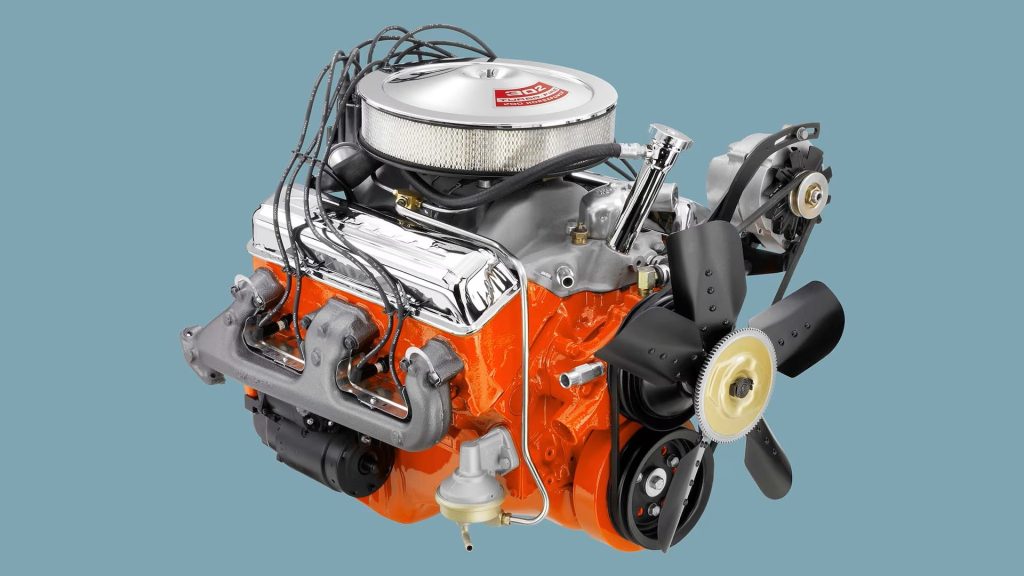
7. Chevrolet 5.7L Small Block V8 (350 TBI)
Few American engines have a durability reputation as strong as the Chevrolet 350 small block, particularly the throttle body injected versions produced in the late fuel injection transition era.
This engine became famous not through marketing claims but through decades of real world survival in trucks, vans, and utility vehicles that simply refused to stop running.
The strength of this engine begins with its extremely simple mechanical layout. The pushrod design, two valve cylinder heads, and modest operating speeds create a mechanical environment where parts are rarely pushed to their limits. Engines that avoid mechanical extremes usually develop wear slowly rather than suddenly.
Another important factor is the engine’s tolerance for imperfect conditions. Whether dealing with inconsistent fuel quality or long idle times, this engine often continues operating without complaint. This resilience made it especially popular in rural and commercial environments where reliability mattered more than refinement.
Fuel delivery through throttle body injection also helped its survival rate. Compared to early complex fuel injection systems, TBI systems were relatively easy to maintain and diagnose. Fewer electronic complications often meant fewer reasons for vehicles to be retired early.
The engine’s large oil capacity also deserves mention. A generous oil supply helps maintain temperature stability and lubrication consistency. Engines with stable lubrication environments usually show less camshaft and bearing wear over decades of use.
Another overlooked advantage is how easily this engine can be repaired. Almost every component can be accessed without major disassembly. When engines are easy to fix, owners are more likely to maintain them rather than replace them.
High mileage examples often show that even when performance declines slightly, the engine continues to operate reliably. This ability to remain functional despite wear is often a sign of a very forgiving design.
Many mechanics consider the small block 350 one of the most rebuildable engines ever made. Even after extreme mileage, machining and new internals can often restore performance.
This engine represents an era when mechanical simplicity and strong materials defined durability. Its continued presence on the road decades later shows how effective that philosophy was.
8. Ford 7.3L Godzilla V8
Ford introduced the 7.3 liter Godzilla V8 as a modern heavy duty gasoline engine, yet its design philosophy clearly reflects old school durability thinking. Instead of focusing on complexity, Ford built this engine to survive commercial duty cycles, which naturally gives it strong potential for very long lifespan in lighter use.
The first thing that stands out is the cast iron block. While many modern engines moved to aluminum, Ford chose iron for strength and durability. This decision improves cylinder longevity and helps the engine tolerate heavy loads without structural fatigue.
Another durability focused decision involves the pushrod valvetrain. Ford deliberately avoided a complex overhead cam system to keep the engine simple and robust. Fewer moving timing components often result in lower long term maintenance risks.
The forged steel crankshaft also adds to its long term strength. Components built to handle commercial workloads usually experience less stress in everyday use. This margin of safety often defines engines that eventually reach extreme mileage.
Cooling capability is another strong point. The engine was designed to maintain temperature stability even under sustained heavy work conditions. Engines that remain thermally stable tend to protect gaskets and seals over many years.
The camshaft placement inside the block also helps reliability. This traditional design reduces the number of long timing chains and guides. Fewer timing components usually mean fewer potential wear points.
Early service reports suggest that the engine maintains excellent oil pressure stability. Consistent lubrication performance is one of the strongest predictors of long engine life.
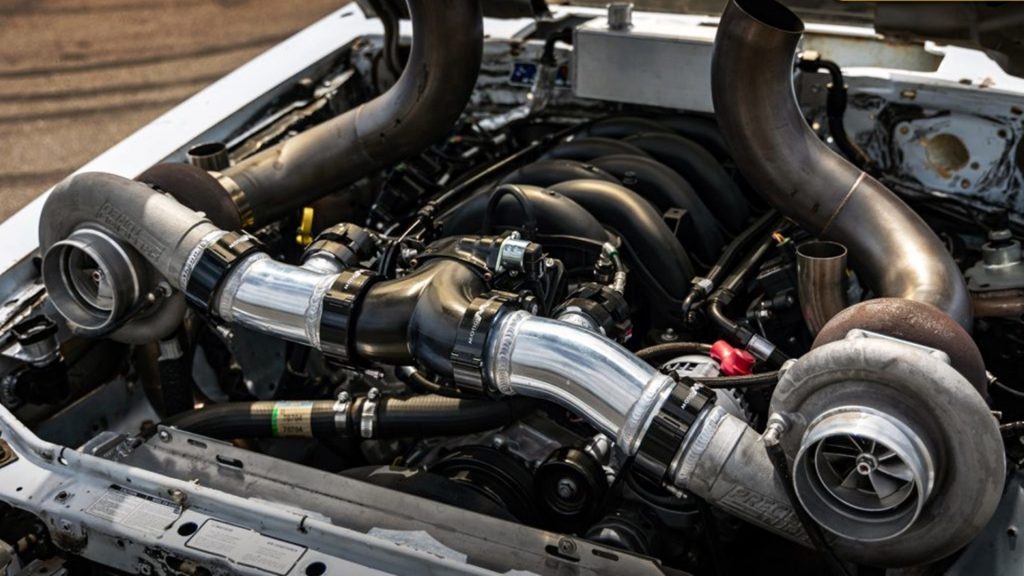
Another interesting characteristic is how relaxed the engine feels during normal driving. Because it produces strong torque at low RPM, it rarely needs to work hard. Engines that operate comfortably below their limits often accumulate less internal fatigue.
The Godzilla V8 shows that modern engines can still achieve traditional durability standards when manufacturers focus on strength, simplicity, and long term service expectations rather than chasing technical complexity.
9. Chrysler 5.9L Magnum V8
The Chrysler 5.9 liter Magnum V8 built its reputation in Dodge Ram trucks and large SUVs where endurance mattered more than refinement. Owners who depended on these vehicles for daily hauling often discovered that the engine would continue operating reliably long after other parts of the vehicle began to show age.
A major contributor to this engine’s durability is its heavy cast iron construction. The block was designed with thick cylinder walls and strong main journals, allowing it to tolerate repeated heat cycles without losing structural alignment.
Maintaining proper cylinder shape over time is one of the key reasons engines retain compression after very high mileage.
Another factor is the engine’s relatively relaxed operating behavior. Peak torque arrives early, which means the engine rarely needs to spin at high speeds to move heavy vehicles. Low RPM workload reduces long term stress on pistons, rods, and valvetrain components.
The Magnum also uses a traditional pushrod layout that simplifies maintenance and reduces the number of parts that can fail. Over many years, this mechanical simplicity becomes an advantage. Fewer complex timing components often means fewer expensive failures that might otherwise end an engine’s service life early.
Fuel system design also helped the engine remain dependable. Multi point fuel injection improved combustion consistency compared to earlier carbureted designs, while still remaining straightforward enough to diagnose and repair easily.
Another long term advantage comes from how forgiving the engine is toward gradual wear. Many high mileage examples develop minor oil seepage or sensor failures, yet the internal structure often remains strong. This ability to continue operating despite minor issues contributes to its high survival numbers.
Technicians frequently note that regular cooling system care makes a major difference in lifespan. When kept at proper temperature, these engines often show very slow internal wear progression.
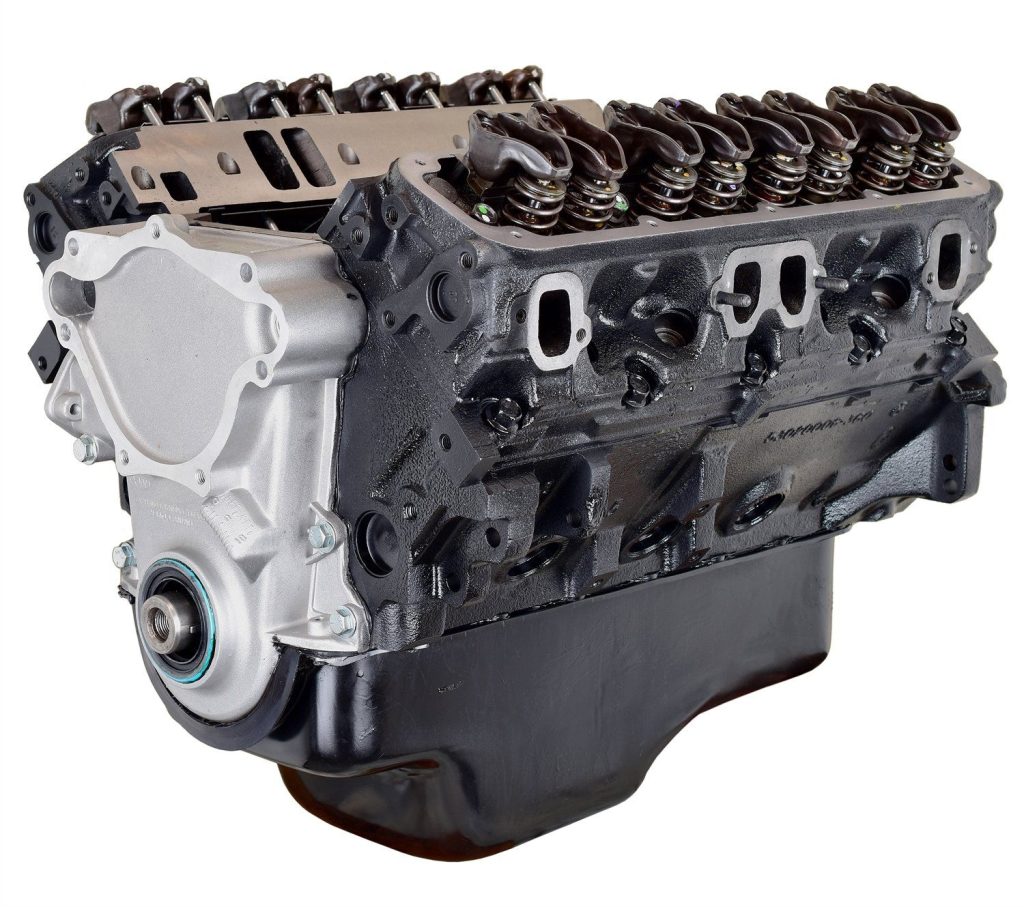
Many trucks equipped with this engine continued working well past expected retirement mileage. Their continued operation in farming and construction environments helped confirm their durability.
The 5.9 Magnum stands as a reminder that engines built with strength and mechanical simplicity often outlast more advanced designs when the goal is long term survival rather than technical sophistication.
10. Chevrolet 8.1L Vortec V8 (L18)
The Chevrolet 8.1 liter Vortec V8 was designed for heavy duty trucks and commercial applications where reliability under load was absolutely essential. Because it was engineered for demanding environments, it often proves extremely durable when used in less severe conditions such as personal towing or highway travel.
This engine’s massive cast iron block forms the foundation of its durability. Large displacement combined with strong materials means internal components are rarely pushed near their limits. When engines operate with this kind of safety margin, wear tends to occur slowly even after extensive mileage.
Another key factor is the engine’s very low stress power delivery. Because of its size, the engine can move heavy vehicles without high RPM. This low speed strength reduces friction cycles and helps preserve internal surfaces.
The rotating assembly was also built with heavy duty use in mind. Large diameter bearings and strong connecting rods allow the engine to tolerate continuous load. In normal use, this often translates into extremely long service life.
Cooling capacity is another major advantage. Vehicles equipped with this engine typically include robust cooling systems designed for towing. Stable temperature control over long periods helps prevent cylinder head warping and gasket deterioration.
The fuel system calibration also plays a role. By focusing on steady combustion rather than aggressive efficiency targets, the engine avoids the lean operating conditions that sometimes accelerate wear in smaller engines.
Another interesting characteristic is how predictable the engine’s aging process tends to be. Most issues that appear over time involve external accessories rather than the internal engine structure. This kind of reliability pattern is often seen in engines built with commercial durability standards.
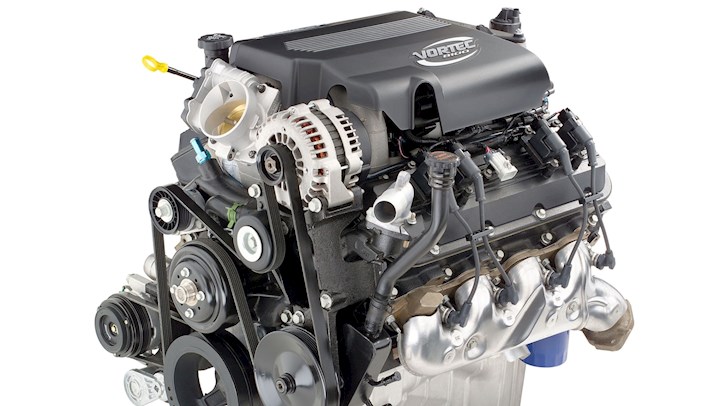
Owners often report that these engines remain smooth even after extreme mileage, especially when used primarily for highway driving. Smooth operation at high mileage often indicates that crankshaft balance and internal clearances remain within healthy limits.
The 8.1 Vortec represents the peak of traditional American big displacement durability thinking. Built for hard labor but often used more gently, it has become one of the V8 engines most capable of surpassing extreme mileage milestones with proper maintenance.
Also Read: 7 Signs Your Variable Displacement Engine Is Starting to Have Internal Wear