
Small displacement turbocharged engines have become the backbone of modern automotive engineering as manufacturers try to balance fuel efficiency, emissions regulations, and performance expectations.
These engines typically range from around 1.0 liters to 2.0 liters in displacement, yet they often produce power figures that were once only possible with much larger naturally aspirated engines.
While early turbo engines developed a reputation for complexity and potential long term reliability concerns, several manufacturers have proven that with proper engineering, these compact powerplants can easily last well beyond a decade.
One of the biggest misconceptions about small turbo engines is that they are automatically less durable because they operate under higher pressure and heat.
While it is true that turbocharging increases thermal and mechanical stress, many modern engines are built with forged internals, advanced cooling strategies, improved lubrication systems, and highly refined engine management software.
These improvements allow certain engines to remain reliable even after 15 years of regular use when properly maintained.
Longevity in these engines often depends on multiple factors including conservative tuning, strong block construction, timing chain durability, effective oil cooling, and carbon buildup management.
Some manufacturers intentionally designed their turbo engines with lower boost pressure to improve reliability margins, while others focused on overengineering internal components to withstand prolonged stress cycles. These decisions often separate engines that last from those that develop costly problems early.
Another overlooked factor is how predictable stress management contributes to durability. Engines that avoid extreme boost spikes and maintain stable operating temperatures tend to age much more gracefully.
In many cases, engines that appear modest on paper actually survive longer because they prioritize consistency rather than maximum output figures.
The following engines have built strong reputations among mechanics, long term owners, and reliability analysts for surviving extended ownership periods.
While no engine is completely immune to wear, these examples show that small displacement turbocharged engines can be both efficient and remarkably durable when designed with long term ownership in mind.
Also Read: 5 Modern Engines That Are Easy for DIY Mechanics to Service in the US
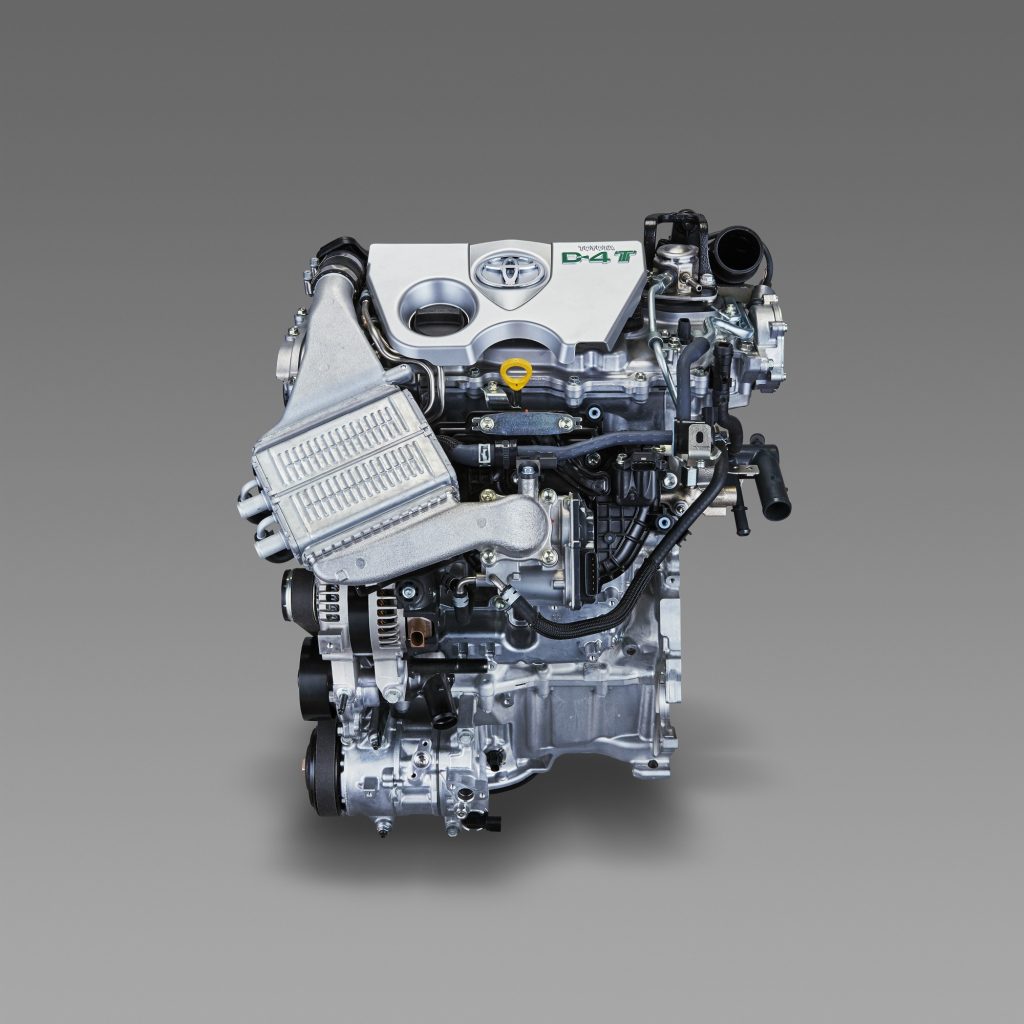
1. Toyota 1.2L 8NR-FTS Turbo Engine
Toyota built the 8NR FTS engine with a very different philosophy compared to many aggressively tuned small turbo engines. Instead of chasing maximum horsepower numbers, this engine was engineered to deliver smooth, predictable performance with a strong emphasis on thermal stability.
The result is an engine that rarely feels stressed even during highway driving, which plays a major role in its long term durability reputation.
A major strength of this engine is its advanced cooling approach. Toyota integrated a water cooled turbocharger and a carefully designed exhaust manifold that helps control heat concentration.
By reducing temperature spikes, the engine avoids many of the gasket failures and oil degradation problems that affect poorly cooled turbo engines after years of use.
Another important factor is Toyota’s conservative boost mapping. Rather than allowing aggressive pressure spikes, the system delivers boost progressively. This reduces strain on pistons, connecting rods, and crankshaft bearings. Over thousands of heat cycles, this gentle approach to forced induction helps internal parts maintain proper tolerances.
The direct injection system also deserves attention because Toyota worked extensively to minimize carbon buildup. Precise injector timing and airflow management reduce deposit formation compared to many early direct injection turbo engines.
Owners who follow regular oil change intervals often report very stable performance even after high mileage accumulation.
From a maintenance perspective, the engine benefits from Toyota’s traditionally strong timing chain design. Unlike some small turbo engines that experienced early chain stretch issues, this unit generally maintains timing accuracy for many years when oil service intervals are respected.
Long term ownership reports often highlight how rarely this engine develops catastrophic failures. Instead of sudden breakdowns, it tends to show gradual wear patterns that can be addressed through normal maintenance. This predictable aging pattern is often considered one of the strongest indicators of a well engineered engine.
Another durability advantage comes from how the engine handles daily driving conditions. Stop and go traffic, which usually accelerates turbo wear, seems to have less impact because the turbo operates at relatively modest pressure levels most of the time. This reduces bearing fatigue inside the turbo assembly.
Taken together, the 8NR FTS demonstrates how restraint in engineering decisions can produce impressive long term reliability. It may not be the most powerful engine in its category, but its balanced design allows it to remain dependable long after many competitors begin to show major wear.
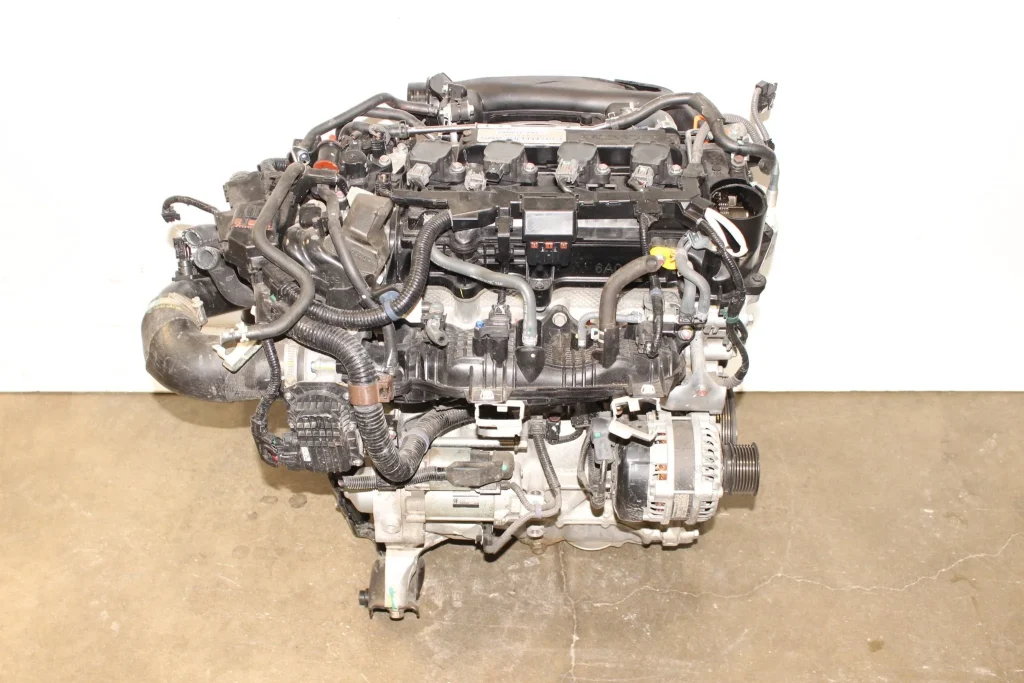
2. Honda 1.5L L15B7 Turbo Engine
Honda approached the L15B7 turbo engine with its traditional high precision engineering mindset. Instead of focusing purely on turbocharging, the company concentrated on reducing friction throughout the engine.
This friction reduction strategy plays a major role in why many of these engines continue running smoothly after years of operation.
One standout feature is the low friction piston design combined with carefully machined cylinder walls. Honda used plateau honing techniques to ensure that oil retention remains consistent even after extended use. This helps prevent premature cylinder wear and maintains compression stability over time.
Unlike some competitors that struggled with oil dilution problems, later refinements to this engine included software updates and improved fuel management strategies. These updates allowed better control over fuel spray during cold operation, reducing the chances of excess fuel washing oil from cylinder walls.
The turbocharger itself is relatively small and quick spooling, which actually helps durability. Because it reaches target boost quickly, it does not need to operate at extreme speeds for extended periods. This reduces long term bearing fatigue and helps maintain turbo efficiency even as mileage increases.
Another interesting reliability aspect comes from Honda’s crankshaft balancing approach. By minimizing vibration at various RPM ranges, the engine reduces cumulative stress on seals and rotating assemblies. Less vibration over many years often translates directly into fewer oil leaks and fewer component fatigue failures.
Cooling efficiency also plays a significant role. Honda ensured stable coolant flow around combustion hot spots, preventing uneven expansion that could otherwise lead to head gasket stress. Engines that maintain consistent temperature distribution typically show better long term structural integrity.
Many technicians also note that this engine rarely develops severe timing related issues. The chain system is designed with strong guides and tensioners that maintain alignment stability. This contributes to consistent valve timing even after prolonged use.
Real world usage patterns further support its durability claims. Many owners report that even after extensive commuting cycles, the engine maintains smooth idle quality and stable fuel consumption. These are often early indicators that internal wear is progressing slowly rather than rapidly.
Perhaps the most defining strength of the L15B7 is how it combines efficiency with mechanical discipline. Instead of pushing engineering limits, Honda focused on balance. That philosophy often explains why certain engines quietly accumulate years of dependable service without attracting attention for major failures.
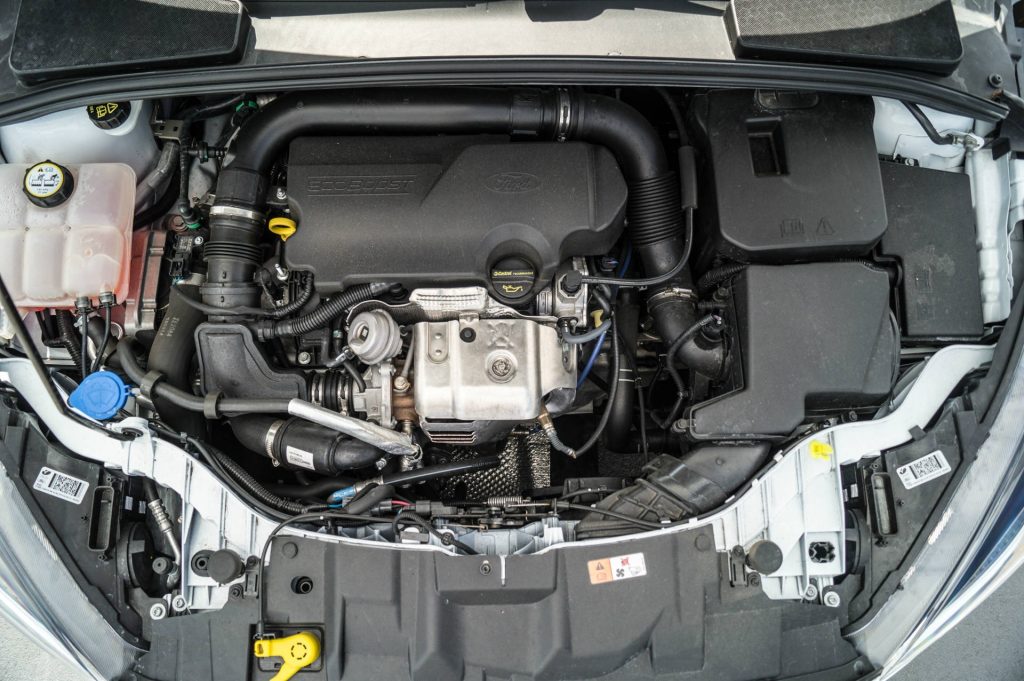
3. Ford 1.0L EcoBoost Engine
When Ford introduced the 1.0 liter EcoBoost engine, many observers doubted whether such a small three cylinder turbo engine could survive long term use. Surprisingly, this engine proved that intelligent engineering can sometimes matter more than engine size.
Its durability comes from a mixture of clever material choices, smart thermal management, and a design that spreads stress evenly rather than concentrating it.
One unusual feature that contributed to reliability is the integrated exhaust manifold cast directly into the cylinder head. This design allows the engine to warm up faster while also controlling exhaust temperatures more effectively.
By shortening the distance between combustion and turbocharger, heat loss is controlled and thermal shock is reduced. Over many years, this reduces the risk of cracking and warping.
Ford also paid special attention to vibration control, which is critical in three cylinder engines. Instead of relying on heavy balancing shafts, engineers optimized the flywheel and crankshaft design to control oscillations. This approach reduced complexity while still protecting internal components from long term fatigue stress.
The engine block itself uses high strength compacted graphite iron in some versions, which offers better rigidity than traditional aluminum blocks. A rigid block helps maintain bearing alignment, which is essential for engines expected to last many years. Consistent alignment means less uneven wear on rotating parts.
Another smart decision was limiting turbocharger size. Rather than pushing extreme boost, Ford chose a turbo that emphasizes responsiveness over peak output. This means the turbo operates within a safer efficiency range most of the time, helping it survive extended use without major degradation.
Oil flow design also plays a big role. Engineers focused on ensuring that the turbo receives proper lubrication immediately after startup. Since many turbo failures occur due to oil starvation during cold starts, this careful lubrication routing helps protect the most vulnerable components.
Long term users often report that the engine remains surprisingly smooth even after years of operation. This consistency is usually a sign that internal tolerances were properly engineered from the start rather than relying on software corrections later.
Another interesting durability factor is how the engine handles load variation. Because it produces strong low RPM torque, drivers do not need to push it hard to maintain speed. Engines that avoid frequent high RPM stress often last significantly longer.
In the end, the 1.0 EcoBoost demonstrates that even very small turbo engines can achieve impressive longevity when engineers focus on stability, controlled stress levels, and smart simplification rather than chasing extreme performance figures.
4. Volkswagen 1.4L EA211 TSI Engine
Volkswagen refined the EA211 series as a response to earlier turbo engine challenges, and the improvements made in this generation significantly improved long term reliability. The company focused on weight reduction without sacrificing strength, which resulted in a very balanced engine structure capable of handling years of consistent operation.
One of the biggest upgrades was the move to an aluminum block with a carefully engineered cooling layout. Instead of simply reducing weight, Volkswagen redesigned coolant passages to ensure even temperature distribution. Engines that avoid localized overheating tend to maintain gasket integrity and head flatness much longer.
The EA211 also benefits from a dual circuit cooling system. This allows the cylinder head and block to warm at different rates, which reduces internal stress during cold starts. Since cold starts are responsible for a large percentage of total engine wear, this feature significantly improves long term survival chances.
Volkswagen also redesigned the timing drive system for this generation. Earlier timing chain concerns led engineers to adopt a belt in oil system in some variants. This approach reduces friction and noise while maintaining durability when proper oil specifications are followed.
Another detail that helps longevity is the intercooling strategy. By maintaining lower intake temperatures, the engine avoids detonation risk and reduces piston crown heat stress. Engines operating within safe combustion temperatures generally maintain compression quality for longer periods.
The fuel delivery system is also calibrated to prioritize smooth combustion rather than aggressive output. By preventing knock conditions and unstable ignition events, the engine protects connecting rods and bearings from shock loads that often shorten engine lifespan.
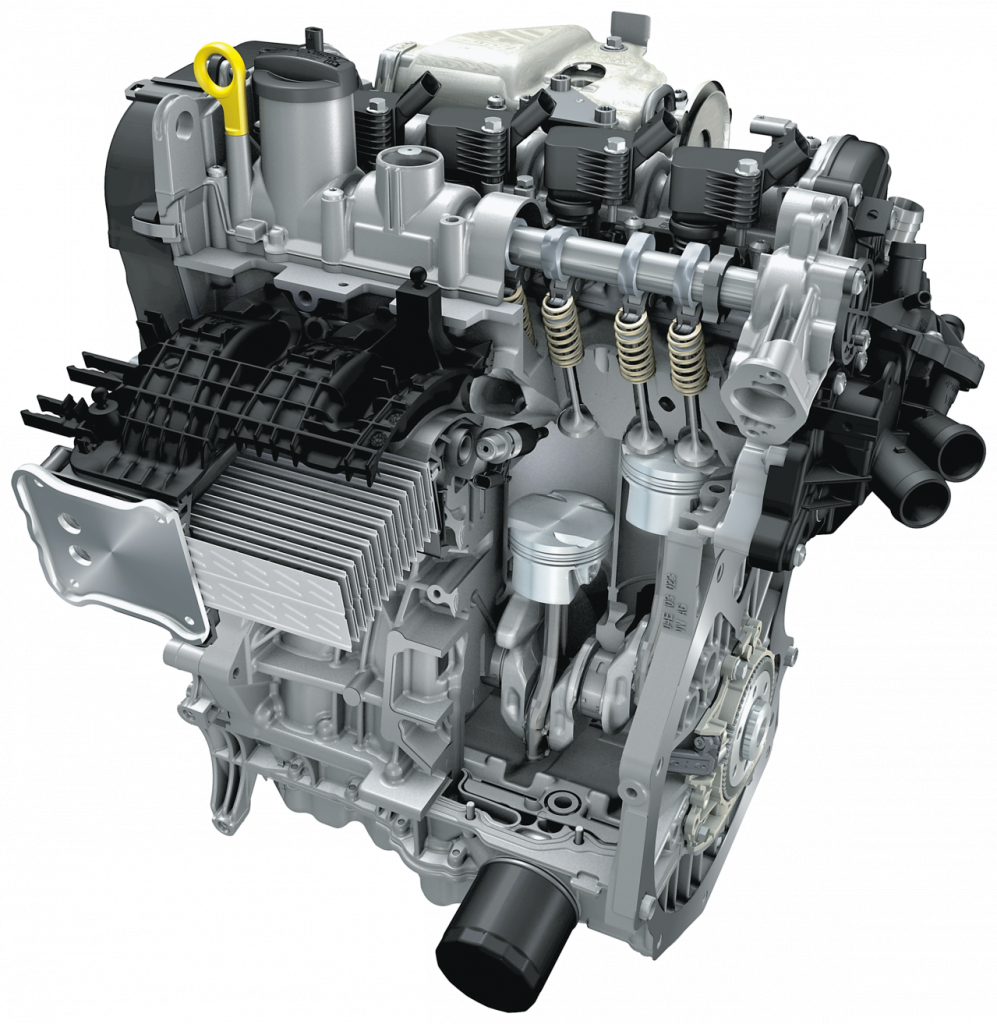
Technicians often observe that engines from this family tend to show gradual aging characteristics instead of sudden mechanical failures. Components such as water pumps and coils may require replacement over time, but the core engine structure usually remains intact.
Another durability advantage is the engine’s flexible operating behavior. It performs efficiently in both city and highway environments without needing aggressive throttle input. This balanced workload distribution reduces repeated extreme stress cycles.
The EA211 demonstrates how iterative engineering improvements can transform a manufacturer’s reliability reputation.
By focusing on cooling precision, controlled combustion, and structural balance, Volkswagen created a small turbo engine capable of delivering many years of dependable performance when maintained correctly.
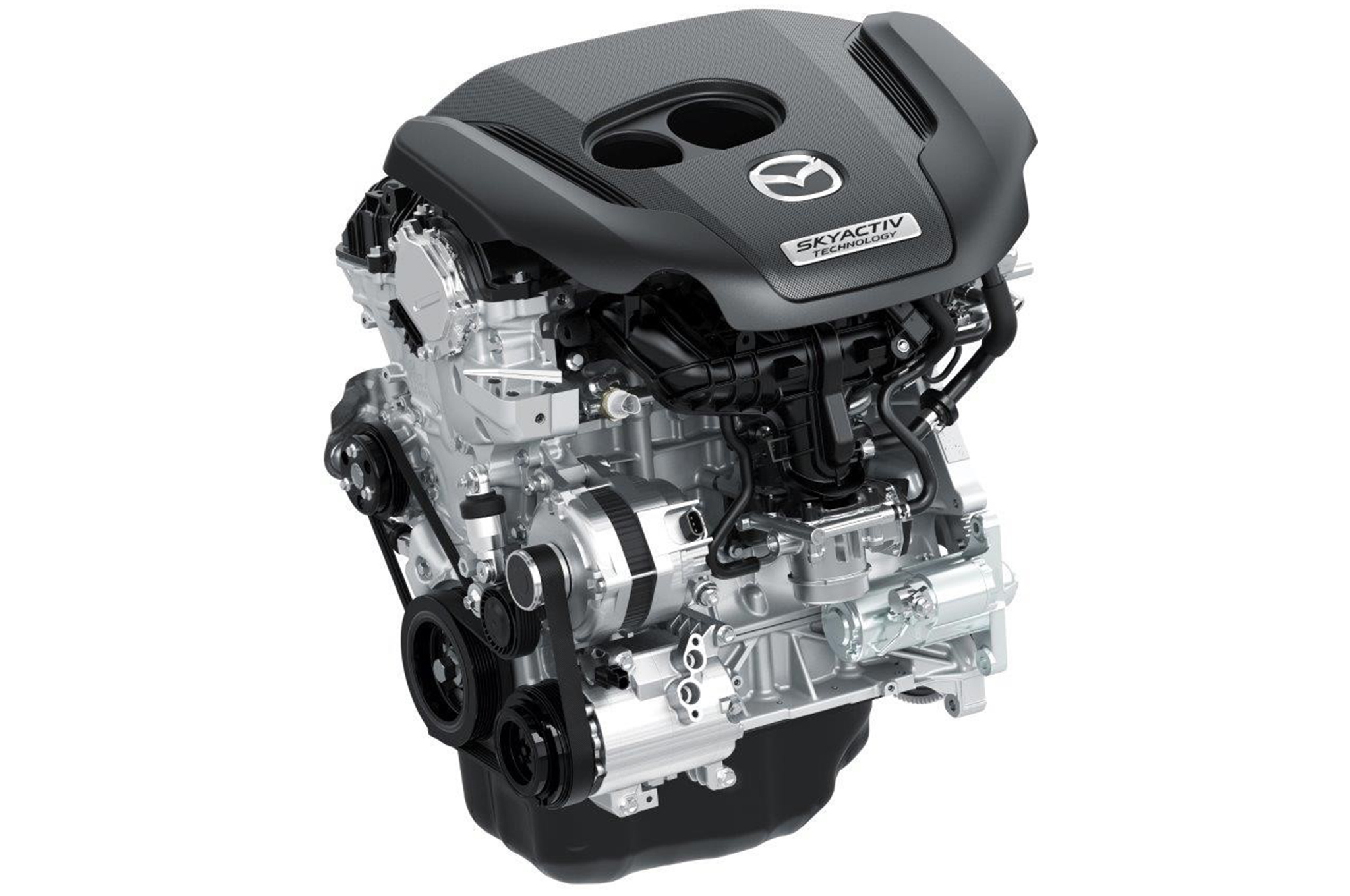
5. Mazda 2.5L Skyactiv-G Turbo Engine
Mazda took a very unconventional route while developing its Skyactiv turbo engines. Instead of relying purely on downsizing like many competitors, the company focused on strengthening combustion efficiency and reducing internal stress.
This approach allowed the engine to produce strong torque without requiring extremely high boost pressure, which directly benefits long term durability.
One of the defining characteristics of this engine is its relatively high compression ratio for a turbocharged design. Mazda made this possible through precise fuel delivery and a sophisticated exhaust gas control strategy.
By carefully managing combustion temperatures, the engine avoids the kind of detonation stress that often shortens the lifespan of smaller highly boosted engines.
The dynamic pressure turbo system used in this engine is also quite different from typical small turbo setups. It focuses on delivering immediate low RPM torque instead of chasing high RPM horsepower. Because the turbo spends most of its life operating in moderate boost conditions, wear on the turbine shaft and bearings tends to progress slowly.
Mazda also invested heavily in strengthening the engine block structure. Reinforced main bearing supports and carefully engineered oil passages help maintain lubrication stability even under heavy loads. This results in consistent oil film protection between moving components, which is critical for long service life.
Another important durability advantage is how the engine handles heat. Mazda engineered an efficient exhaust routing system that prevents excessive heat from accumulating near sensitive components. This reduces long term degradation of seals, wiring, and nearby plastic components.
Owners frequently report that this engine maintains its quiet operation even after years of use. Reduced mechanical noise over time is often a strong indicator that wear is occurring evenly rather than rapidly.
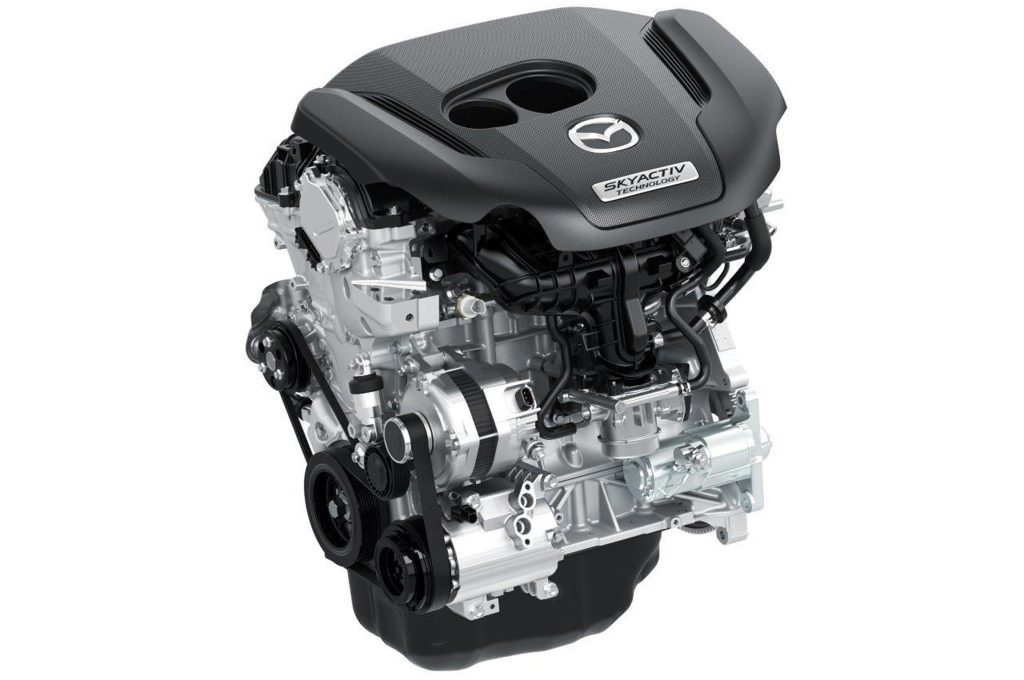
Mazda’s philosophy with this engine shows that durability sometimes comes from avoiding extremes.
By combining moderate boost, strong mechanical construction, and very controlled combustion behavior, the Skyactiv turbo engine has proven capable of maintaining reliability well into long ownership periods.
6. Hyundai 1.6L Gamma T-GDI Turbo Engine
Hyundai significantly improved its engineering reputation with the Gamma T GDI turbo engine by focusing on strengthening components that previously showed weaknesses in earlier designs. This engine reflects a transition toward more robust internal construction and better long term stress tolerance.
A major improvement lies in the strengthened piston and ring design. Hyundai modified the ring lands to better withstand the higher pressures associated with turbocharging. This helps maintain compression stability and reduces oil consumption as the engine ages.
Another important durability feature is the upgraded cooling system. Engineers added improved coolant flow near exhaust valves, which are among the hottest areas inside any turbo engine. By keeping these zones under control, the engine reduces valve seat wear and prevents long term sealing problems.
Hyundai also placed strong emphasis on electronic boost control. Instead of allowing uncontrolled pressure spikes, the system carefully regulates turbo activity to match driving conditions. This prevents sudden mechanical shock that can shorten the life of rotating components.
The fuel injection system also contributes to the engine’s ability to age gracefully. High precision injectors help ensure clean combustion cycles, reducing soot formation and minimizing deposit related performance decline. Engines that maintain clean combustion tend to retain efficiency for many years.
Service technicians often point out that this engine responds very well to consistent maintenance routines. Regular oil changes and proper spark plug intervals appear to significantly extend the engine’s usable life. This predictability makes it easier for owners to keep the engine healthy over time.
Structural rigidity is another advantage. Hyundai improved block reinforcement compared to earlier small turbo engines, which helps maintain crankshaft alignment. This reduces uneven bearing wear and helps the engine maintain smooth operation as mileage increases.
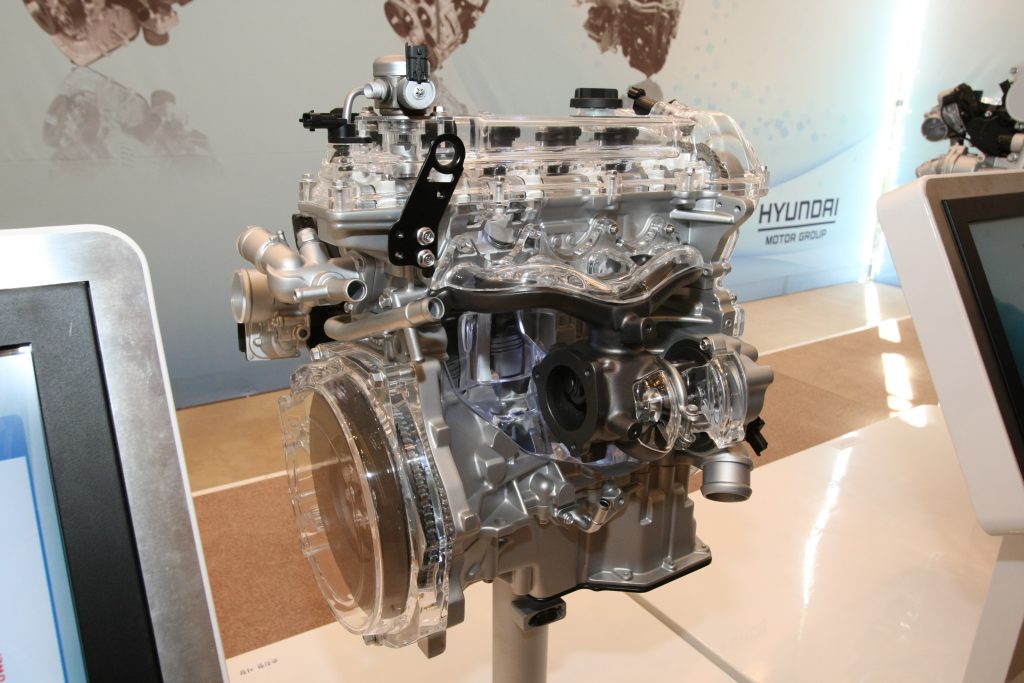
What ultimately makes this engine notable is how it represents steady engineering progress. Rather than relying on radical redesigns, Hyundai improved key durability areas step by step.
This gradual refinement resulted in a small turbo engine that can realistically remain dependable for well over a decade when treated properly.
7. BMW 2.0L B48 Turbo Engine
BMW designed the B48 engine as part of its modular engine family, and this strategy helped improve long term durability because many internal components were standardized and overbuilt to handle different power outputs.
Instead of designing a fragile high strung turbo engine, BMW created a structure capable of handling more stress than most versions actually produce.
One of the most important strengths of the B48 comes from its closed deck block design. This type of construction provides additional support around the cylinders, which helps maintain shape under high combustion pressure. Over long periods, this structural rigidity prevents cylinder distortion and helps preserve piston ring sealing.
The engine also uses a sophisticated thermal management module that carefully controls coolant flow depending on load and temperature.
Rather than running at one fixed temperature, the engine adapts its cooling strategy. This prevents unnecessary thermal cycling stress, which is one of the hidden causes of long term fatigue in many turbo engines.
BMW also invested heavily in improving oil circulation efficiency. The variable flow oil pump ensures that lubrication matches engine demand rather than running at constant pressure. This reduces parasitic losses while ensuring critical parts always receive proper lubrication, particularly during high load conditions.
Another interesting durability factor is the integrated exhaust manifold design. By placing the manifold within the cylinder head, BMW reduced external heat exposure and improved warm up efficiency. This helps reduce cold start wear, which contributes significantly to total lifetime engine degradation.
The timing chain system in this engine also benefited from lessons learned from earlier BMW engines. Stronger chain guides and improved tensioning mechanisms help maintain accurate valve timing even as the engine accumulates years of operation.
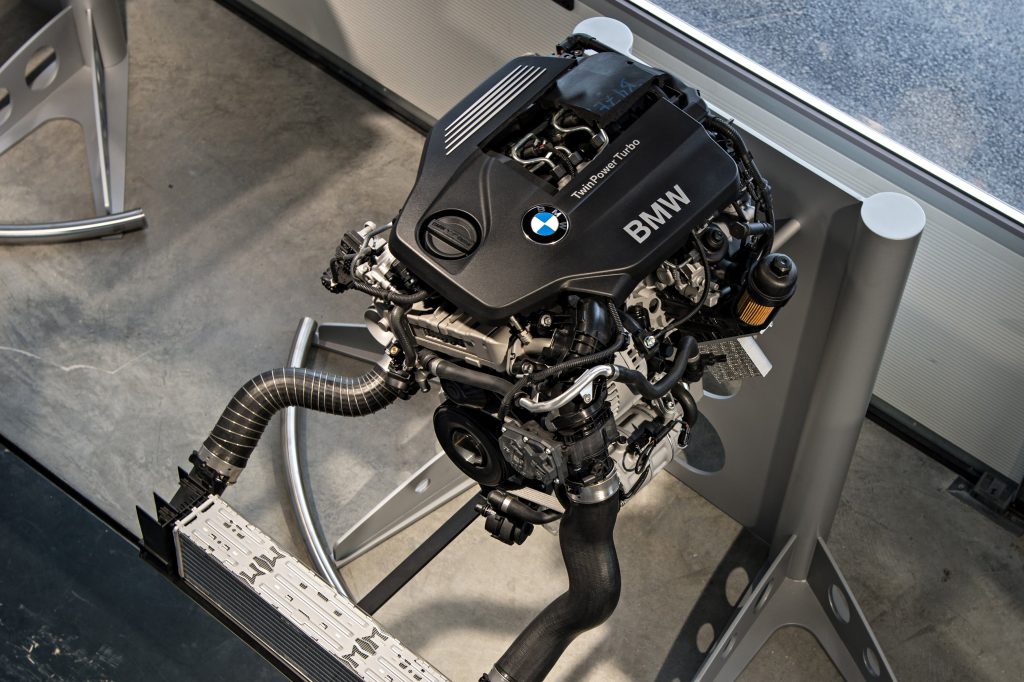
Drivers often notice that the B48 maintains very consistent power delivery even after long use. Engines that do not lose performance quickly usually indicate that internal sealing and turbo efficiency are holding up well.
A key reason this engine survives extended ownership is that BMW did not push it to the edge mechanically in most applications. Because the same architecture supports higher performance versions, lower output variants operate with a comfortable reliability margin.
This engine shows how designing for scalability can improve longevity. When an engine platform is built to handle more than its base configuration demands, it often ends up lasting significantly longer in everyday use.
8. Subaru 2.0L FA20DIT Turbo Engine
Subaru approached the FA20DIT with its traditional focus on balance and stability. As a horizontally opposed boxer engine, it distributes weight differently than inline engines. This layout provides natural balance, which reduces vibration related wear and helps internal parts last longer under continuous use.
One major advantage of the boxer configuration is the lower center of gravity and evenly distributed mechanical loads. Because opposing pistons move in opposite directions, vibration forces cancel each other out. Over many years, this reduced vibration environment helps protect bearings, seals, and fasteners from fatigue.
Subaru also strengthened the piston design compared to earlier turbo boxer engines. Improved piston cooling channels help remove excess heat from critical areas. Managing piston temperature is essential in turbo engines because overheating can lead to ring failure or detonation damage.
The direct injection system in this engine was also carefully calibrated to avoid unstable combustion. By ensuring controlled ignition timing and precise fuel atomization, Subaru reduced the risk of knock related stress. Smooth combustion events help connecting rods and crank journals maintain structural health.
Another factor contributing to longevity is Subaru’s intercooling effectiveness. By maintaining lower intake air temperatures, the engine reduces combustion volatility. Stable intake conditions help prevent performance decline as the engine ages.
Owners who maintain proper oil quality often report very consistent operation from this engine. Because boxer engines rely heavily on proper lubrication across horizontally positioned cylinders, Subaru emphasized reliable oil routing to ensure all moving parts receive protection.
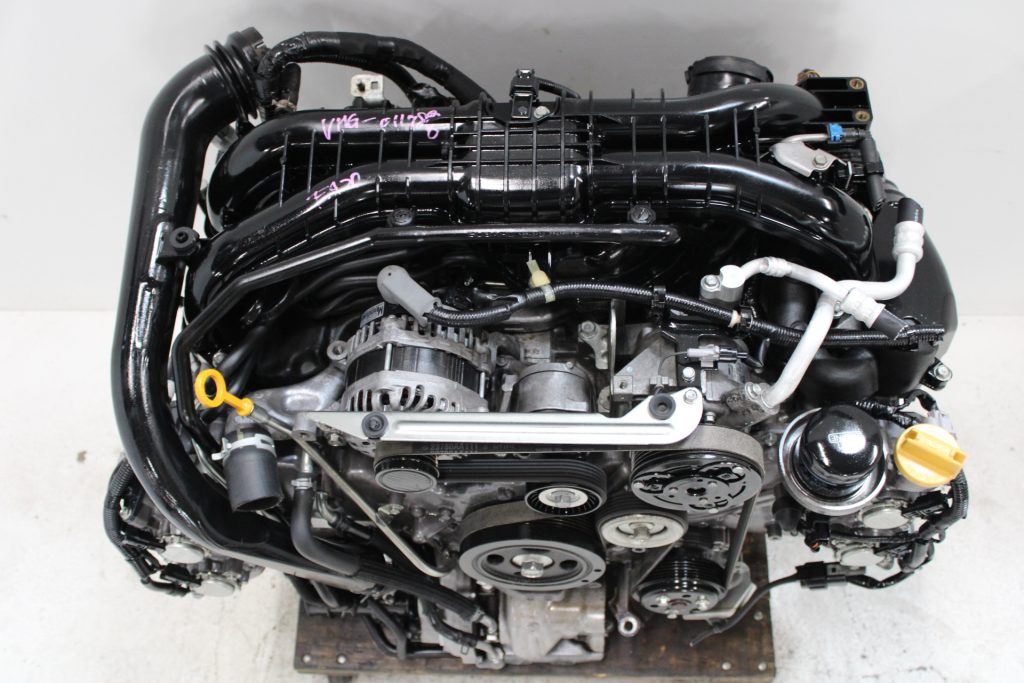
The turbo system itself operates within relatively controlled boost levels compared to some aggressively tuned competitors. This measured approach helps extend turbo bearing life and reduces thermal fatigue within the turbine housing.
What makes the FA20DIT stand out is how its mechanical layout naturally supports durability. By combining inherent balance with improved cooling and careful boost management, Subaru created a turbocharged engine that can maintain stable operation far beyond what many people expect from performance oriented designs.
9. General Motors 1.4L Ecotec Turbo Engine
General Motors developed the 1.4 liter Ecotec turbo engine during a time when the company was heavily focused on improving global small engine reliability.
Unlike some earlier compact turbo engines that prioritized output figures, this engine was engineered with durability targets that reflected long term ownership expectations across multiple markets and driving conditions.
One of the most important strengths of this engine comes from its cast iron block construction in several variants. While heavier than aluminum, cast iron provides excellent resistance to long term cylinder wear. This helps the engine maintain compression consistency even after many years of daily commuting and temperature cycling.
The Ecotec also benefits from a relatively simple turbocharging strategy. Instead of pushing high boost pressure, the engine operates within a moderate performance window.
This helps reduce cumulative fatigue on pistons, valves, and the turbocharger itself. Engines that operate within moderate pressure ranges often demonstrate more predictable aging patterns.
Cooling system design also contributes to its survival record. GM focused on keeping coolant circulation steady around combustion chambers, reducing the likelihood of localized overheating. Maintaining stable temperatures allows metal expansion and contraction to occur more gradually, which protects gaskets and sealing surfaces.
Another factor that helps this engine last is its conservative ignition timing calibration. By avoiding aggressive spark advance, the engine reduces internal shock loads. Smooth combustion events over thousands of cycles play a large role in preserving connecting rod bearings and crankshaft journals.
The PCV system design is another small but important detail. Proper crankcase ventilation helps reduce internal moisture and contaminant buildup in engine oil. Cleaner oil environments significantly slow internal wear progression, especially in turbocharged engines where lubrication quality is critical.
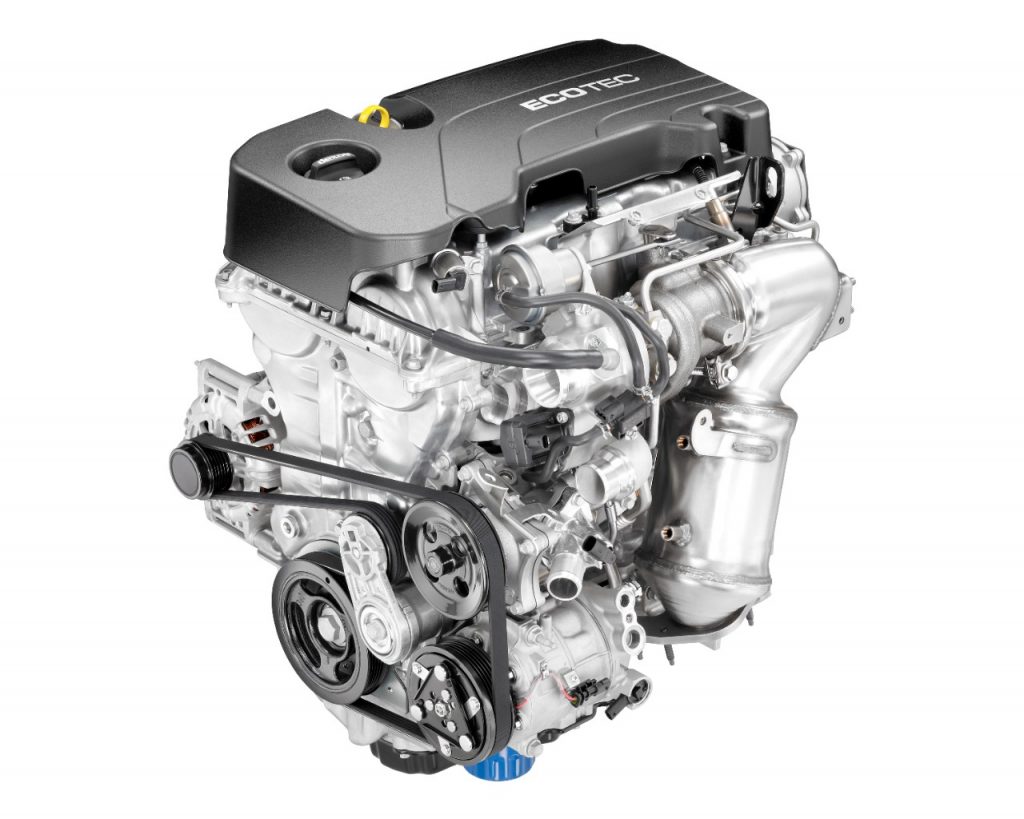
Technicians often note that this engine usually gives warning signs before major issues develop. Instead of sudden failures, components such as water pumps or sensors typically show gradual wear. This gives owners time to address maintenance before problems escalate.
Another long term advantage is the engine’s tolerance for regular driving patterns. It performs well without needing aggressive throttle inputs, meaning many drivers unknowingly operate it within very safe stress limits.
The Ecotec 1.4 turbo demonstrates how conservative engineering, stable materials, and predictable operating behavior can result in a small turbo engine capable of delivering many years of dependable service when properly maintained.
10. Mercedes Benz 2.0L M274 Turbo Engine
Mercedes Benz designed the M274 engine to combine efficiency with the brand’s traditional emphasis on structural strength. Although it delivers strong performance for its size, the engine was also engineered to handle extended use through careful material selection and advanced control systems.
A major durability feature is the use of high strength aluminum alloys reinforced at critical stress points. Mercedes focused on maintaining block rigidity while still achieving weight reduction. This balance helps ensure that internal components remain properly aligned even after prolonged thermal expansion cycles.
The engine also uses an advanced multi spark ignition strategy in certain operating conditions. By optimizing combustion stability, the system reduces incomplete burning and minimizes carbon accumulation. Cleaner combustion chambers tend to maintain efficiency and reliability longer.
Another interesting engineering decision involves the engine’s variable oil pump. By adjusting lubrication pressure according to demand, the engine avoids both excessive friction and insufficient protection. Maintaining the correct lubrication balance is essential for long term bearing survival.
Mercedes also placed strong focus on acoustic refinement, which indirectly benefits durability. Engines designed to minimize harshness often include better vibration damping. Reduced vibration levels over time help prevent loosening of fasteners and reduce fatigue in auxiliary components.
The twin scroll turbocharger design also contributes to longevity. By separating exhaust pulses, the turbo operates more efficiently and with less turbulence. This reduces heat stress and allows the turbo to function without constantly operating near its maximum limits.
Service data from long term users often shows that the engine maintains stable idle quality even after extended use. Consistent idle behavior is often a sign that fuel delivery, compression balance, and ignition timing remain healthy.
Another durability aspect comes from how the engine manages warm up cycles. By carefully controlling temperature rise after startup, the system reduces rapid expansion stress. Gradual warm up characteristics are often associated with engines that remain structurally sound after many years.
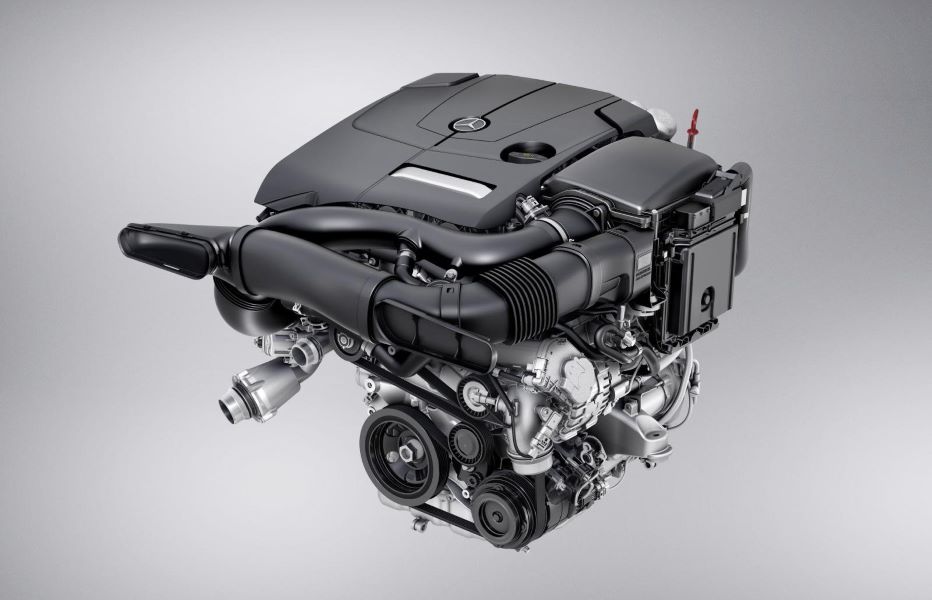
The M274 ultimately reflects Mercedes Benz’s philosophy of combining performance with mechanical discipline.
By integrating strong materials, intelligent lubrication control, and refined combustion management, the engine has demonstrated that small displacement turbocharged designs can still meet long term durability expectations.
Also Read: 7 Signs Your Variable Displacement Engine Is Starting to Have Internal Wear
