
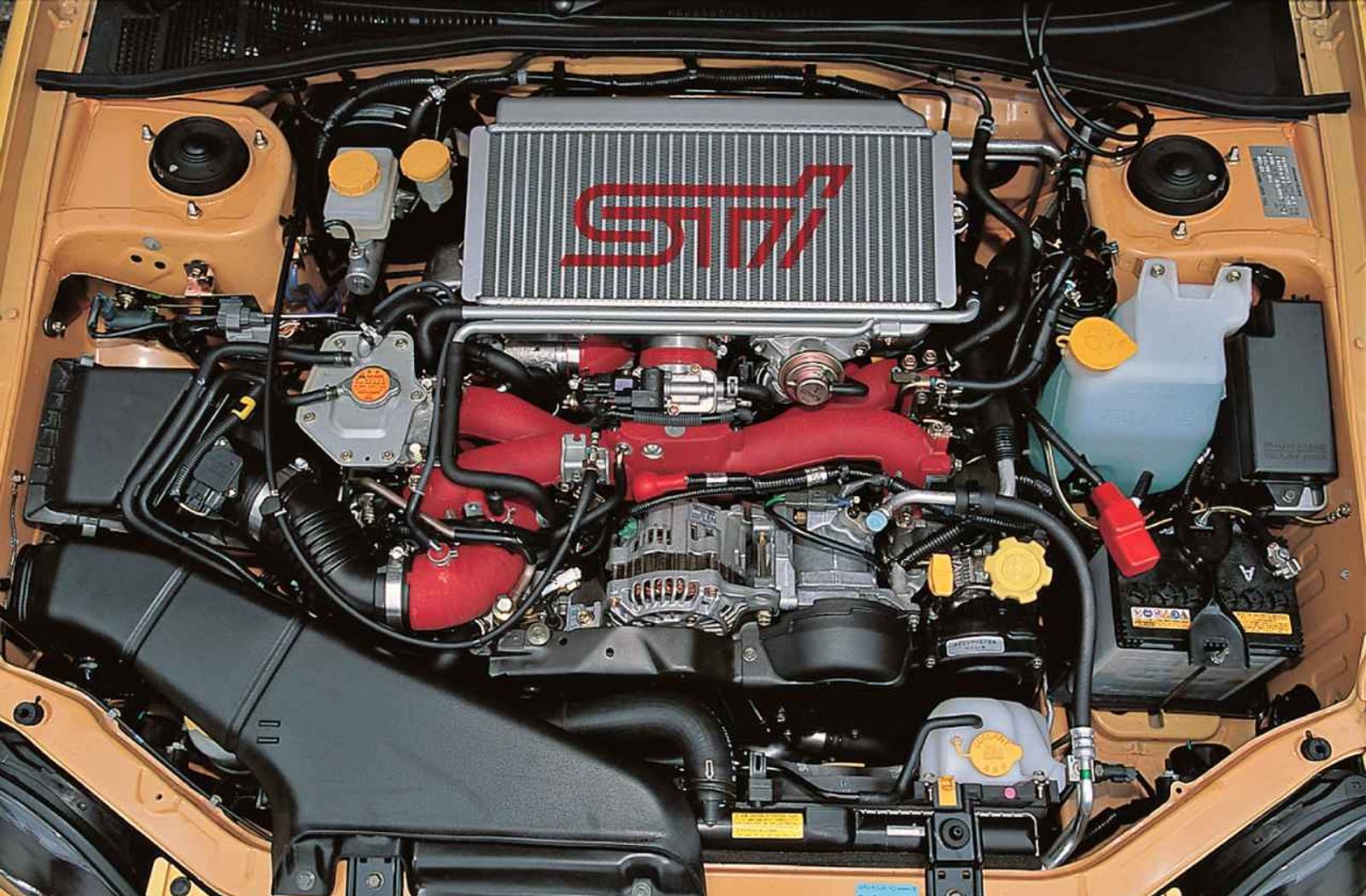
Most drivers never think about what is happening inside their engine until something goes wrong. Modern engines are incredibly complex machines with dozens of moving parts working in perfect synchronization.
Among the most critical components in this system is the timing mechanism, which keeps the crankshaft and camshaft rotating in precise coordination. When this synchronization fails, the consequences can be extremely expensive depending on the type of engine design.
This is where the difference between interference and non-interference engines becomes very important. In an interference engine, the valves and pistons share the same physical space inside the cylinder but at different times.
If the timing belt or timing chain fails, the pistons can strike the valves, often causing bent valves, damaged pistons, and sometimes complete engine failure. Repairs in such cases can easily cost thousands of dollars and may even require a full engine replacement.
Non-interference engines are designed differently. In these engines, even if the timing belt or chain breaks, the pistons and valves never occupy the same space.
This means that a timing failure usually results in the engine simply stopping rather than destroying itself internally. While the repair still involves replacing the failed timing components, the owner is usually spared catastrophic internal damage.
For people who keep their cars for many years or buy used vehicles, this design difference can mean the difference between a manageable repair and a financial disaster. Drivers who sometimes delay timing belt maintenance also benefit from this added safety margin.
While maintenance should never be ignored, having a non-interference engine provides peace of mind that a single missed service interval will not automatically destroy the engine.
Another advantage of many non-interference engines is their reputation for durability. Many of these engines were designed during periods when manufacturers prioritized mechanical simplicity and long term reliability over squeezing out maximum horsepower.
As a result, these engines often became known for surviving hundreds of thousands of miles with basic maintenance.
It is important to understand that non-interference does not mean maintenance free. Timing belts still need replacement, oil changes remain essential, and cooling systems must still be maintained.
The benefit is simply that the consequences of a timing failure are usually far less severe. Think of it as a mechanical safety net rather than an excuse to ignore service schedules.
Many well known engines from Japanese and American manufacturers have used non-interference designs, especially in naturally aspirated four cylinder and some V6 engines from the late 1990s through the early 2010s.
These engines powered some of the most dependable daily drivers ever sold and continue to be popular choices in the used car market today.
In this article, we will look at five engines known for their non-interference designs that help protect owners from catastrophic internal damage.
Each of these engines comes from a different engineering philosophy and was used in vehicles known for reliability. Instead of focusing only on specifications, we will also explore why these engines earned trust among mechanics and long term owners.
Understanding which engines offer this kind of protection can help buyers make smarter decisions, especially when searching for used vehicles where maintenance history may not always be perfect. Sometimes the best engineering is not about performance numbers but about protecting owners from worst case scenarios.
Let us begin with the first two engines that built strong reputations not just for reliability but also for forgiving design choices that saved many owners from expensive mistakes.
Also Read: 5 Engines With Sodium Filled Valves Built for Continuous High Speed Use
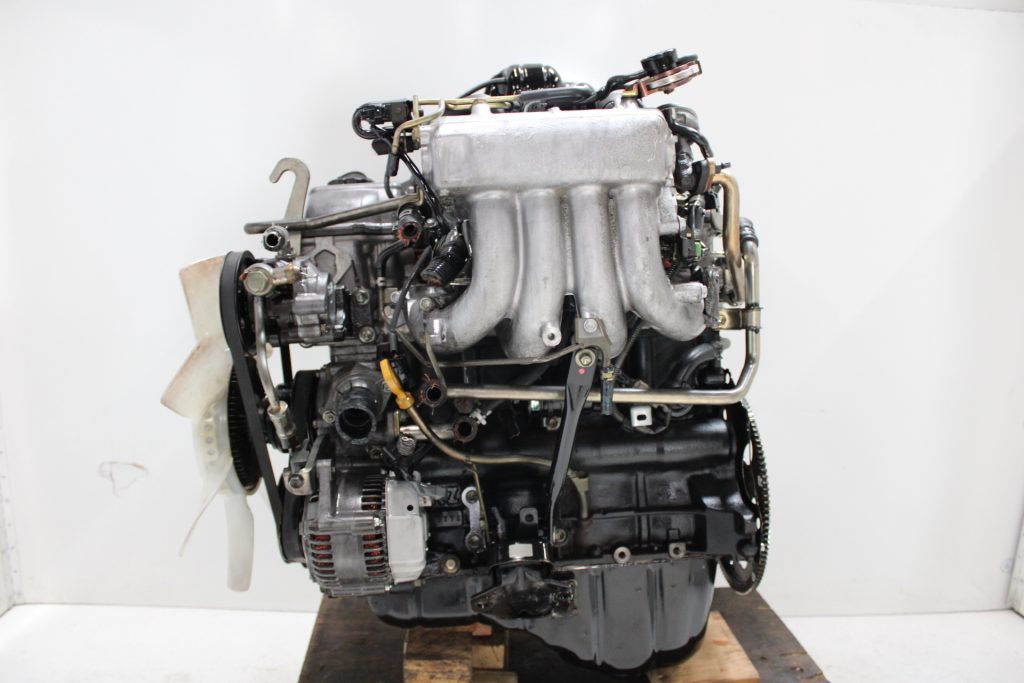
1. Toyota 3RZ FE 2.7L Inline Four
The Toyota 3RZ FE engine represents a time when Toyota engineering focused heavily on strength rather than complexity.
Introduced in the mid 1990s, this 2.7 liter four cylinder became famous for its truck like durability despite being a relatively simple gasoline engine. Its non-interference design only added to its reputation as a practical long term ownership choice.
What makes this engine interesting is how overbuilt it feels compared to many modern four cylinders. The block construction is extremely robust, originally intended for light truck duty rather than just commuter cars. Because of this, the engine developed a reputation for tolerating neglect better than many smaller high strung engines of its era.
Owners of Toyota Tacoma and 4Runner models equipped with this engine often report extremely high mileage figures. Stories of these engines crossing 300,000 miles are common in enthusiast communities.
While good maintenance plays a role, the conservative engineering tolerances and non-interference layout certainly contribute to this long life potential.
The timing chain system used in the 3RZ FE also deserves mention. Unlike timing belts that require scheduled replacement, the chain setup was designed for longevity. Combined with the non-interference design, this created a situation where even rare timing issues were less likely to cause catastrophic damage compared to many competitors.
Another reason mechanics often praise this engine is accessibility. The layout allows relatively straightforward servicing compared to tightly packaged modern engines.
Spark plug access, accessory replacement, and general maintenance tasks can often be completed without extensive disassembly. This reduces labor costs and encourages proper maintenance.
Interestingly, this engine was never about speed. With modest horsepower figures, it focused instead on torque delivery and dependability. That focus shaped the engine’s personality. It became known as an engine that simply does its job every day without drama rather than one that tries to impress with acceleration numbers.
Heat management also played a role in its durability. Toyota engineered a cooling system capable of handling demanding conditions including towing and off road driving. Engines that maintain stable temperatures tend to last longer, and this one benefited from that philosophy.
From a design perspective, Toyota also avoided pushing compression ratios too aggressively. Conservative tuning helped reduce stress on internal components. This kind of restraint often separates engines that last a decade from those that last multiple decades.
Drivers who used these engines in work environments appreciated another quality: predictability. The engine rarely developed sudden catastrophic failures. Instead, wear typically appeared gradually, giving owners warning signs rather than unexpected breakdowns.
Fuel economy was acceptable for its time, though nobody bought a 3RZ FE vehicle expecting hybrid like efficiency. Buyers chose it because they valued reliability over fuel savings. In many ways, this engine reflects an era when buyers prioritized mechanical trustworthiness above all else.
Even today, used vehicles with this engine remain desirable among buyers seeking simple dependable transportation. The combination of strong construction, non-interference safety, and Toyota’s conservative engineering mindset created a powerplant that continues to earn respect decades after its introduction.
For anyone wanting an engine designed with mechanical forgiveness in mind, the 3RZ FE stands as one of the clearest examples of how thoughtful engineering can prevent small problems from becoming financial disasters.
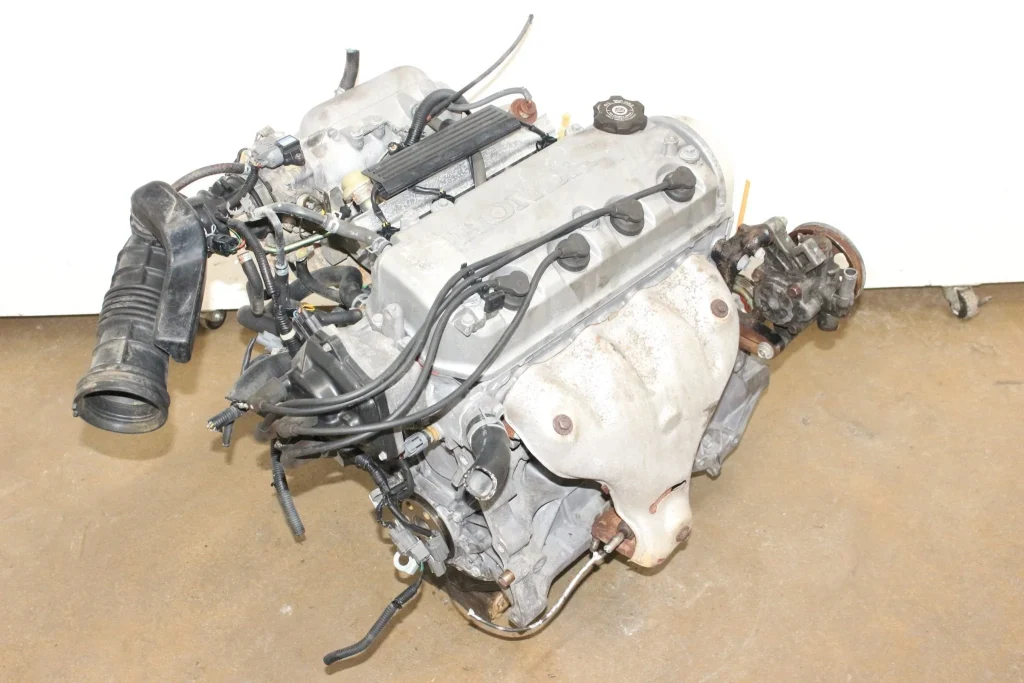
2. Honda D16Y7 1.6L SOHC Engine
Honda built its reputation on small displacement engines that balanced efficiency with surprising longevity. The D16Y7 engine is a perfect example of this approach. Found in late 1990s Civic models, this engine combined simplicity, efficiency, and a non-interference layout that made it particularly attractive to budget conscious drivers.
Unlike some Honda engines known for high revving performance, the D16Y7 focused on dependable everyday driving.
It used a straightforward single overhead camshaft configuration without the more complex VTEC system found in other Honda engines. This reduced mechanical complexity and helped keep maintenance simpler.
This engine became popular among first time car buyers, students, and commuters who needed affordable transportation.
Because the engine was forgiving in its design, it often survived situations where maintenance may not have been perfect. That forgiving nature helped many Civics remain on the road far longer than expected.
One interesting aspect of the D16Y7 story is how widely it spread across global markets. Honda used variations of the D series architecture around the world, creating a large knowledge base among mechanics. When an engine platform becomes widely understood, repairs become easier and cheaper because solutions are well documented.
The driving experience of this engine was defined by smoothness rather than power. Acceleration was adequate, but the real strength was consistency. It started reliably, ran smoothly, and rarely produced unpleasant surprises. That kind of predictable behavior is often more valuable than extra horsepower in daily driving.
From a mechanical philosophy standpoint, Honda emphasized efficiency through intelligent design rather than pushing materials to their limits. Lightweight internal components reduced stress while careful engineering ensured the engine could handle daily use without excessive wear.
The non-interference design added an extra layer of ownership confidence. Timing belt replacement was still necessary, but owners who accidentally delayed the service were less likely to face catastrophic valve damage. This feature quietly saved many owners from major repair bills over the years.
Another noteworthy strength was fuel economy. Even by modern standards, the efficiency of these engines remains respectable. For drivers covering long daily commutes, the balance of low fuel consumption and dependable operation made the engine particularly appealing.
Many examples also benefited from Honda’s precise manufacturing standards. Tight tolerances and consistent quality control helped ensure that engines performed similarly across production runs. This consistency is a major reason Honda developed such a strong reliability reputation during this era.
Enthusiasts sometimes overlook the D16Y7 because it lacks performance branding, yet mechanics often respect it precisely because of its simplicity. Fewer complex systems usually mean fewer failure points. In long term ownership, this often proves more valuable than advanced technology.
Over time, the D16Y7 became known as one of those engines that simply refuses to quit when given basic care.
Oil changes, coolant maintenance, and occasional belt service were usually enough to keep it running for years. That kind of durability made it a quiet success story rather than a headline grabbing one.
In the broader story of dependable non-interference engines, the D16Y7 deserves recognition not for groundbreaking technology but for demonstrating how thoughtful simplicity can sometimes be the smartest engineering decision.
3. Ford 2.3L Lima Engine
If there is one American four cylinder engine that earned a reputation for toughness through decades of real world punishment, it is the Ford 2.3L Lima engine.
Named after the Lima Engine Plant in Ohio where it was produced, this engine became one of Ford’s longest serving powerplants and proved its value across multiple types of vehicles.
This engine did not live a single type of life. It powered compact sedans, small pickup trucks, and even performance oriented models like the Mustang in certain years.
That kind of versatility says a lot about the flexibility of its engineering foundation. Few engines manage to serve both economy and performance roles without major redesigns.
The design philosophy behind the Lima engine was straightforward durability. Engineers prioritized thick castings, strong internal parts, and mechanical layouts that could tolerate stress. This resulted in an engine that sometimes felt agricultural in its toughness rather than delicate like some modern aluminum heavy designs.
An interesting chapter in this engine’s story comes from its use in fleet vehicles. Delivery services and government fleets often chose vehicles with this engine because it could tolerate constant use. Engines that survive fleet service usually do so because they can handle long idle times, frequent starts, and inconsistent driving patterns.
Unlike engines designed to impress with refinement, the Lima engine focused on dependability first. It was not the quietest or the smoothest, but it had a workhorse personality. Drivers often described it as an engine that would keep running even when the rest of the vehicle started to show its age.
From a maintenance perspective, the simple overhead cam layout helped reduce complications. Mechanics often found it refreshingly straightforward compared to more complicated multi cam engines. When repairs are easier to perform, owners are more likely to keep up with maintenance rather than postpone it.
The non-interference design added another layer of practicality. If the timing belt failed, the engine usually just stopped running instead of destroying itself internally. For owners who depended on their vehicles for work, this meant a repair rather than a financial disaster.
Another reason this engine lasted so long in production was adaptability. Ford updated fuel systems, emissions equipment, and electronics over time while keeping the basic mechanical structure intact. This kind of evolutionary development often results in highly refined reliability because problems get solved gradually.
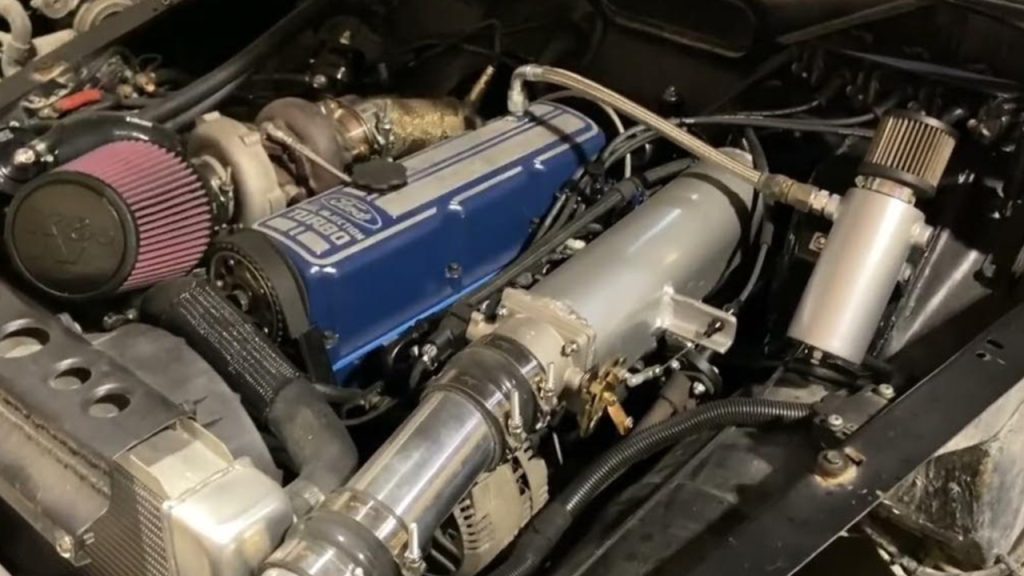
Turbocharged versions of the Lima engine even proved its strength in performance applications. The fact that the same base design could handle forced induction in some models shows how much structural margin was built into the original engineering.
Owners often recall how these engines tolerated high mileage with basic care. Regular oil changes and cooling system maintenance usually kept them running. Even when issues developed, they were often gradual rather than catastrophic, giving owners time to plan repairs.
Another subtle advantage was parts availability. Because the engine was produced for so many years, replacement components remained widely available and affordable. This kept ownership costs reasonable even as vehicles aged.
Looking back, the Ford 2.3L Lima engine represents a period when durability sometimes mattered more than refinement. Its non-interference layout, simple design, and proven strength allowed it to become one of the quiet heroes of Ford’s engineering history.
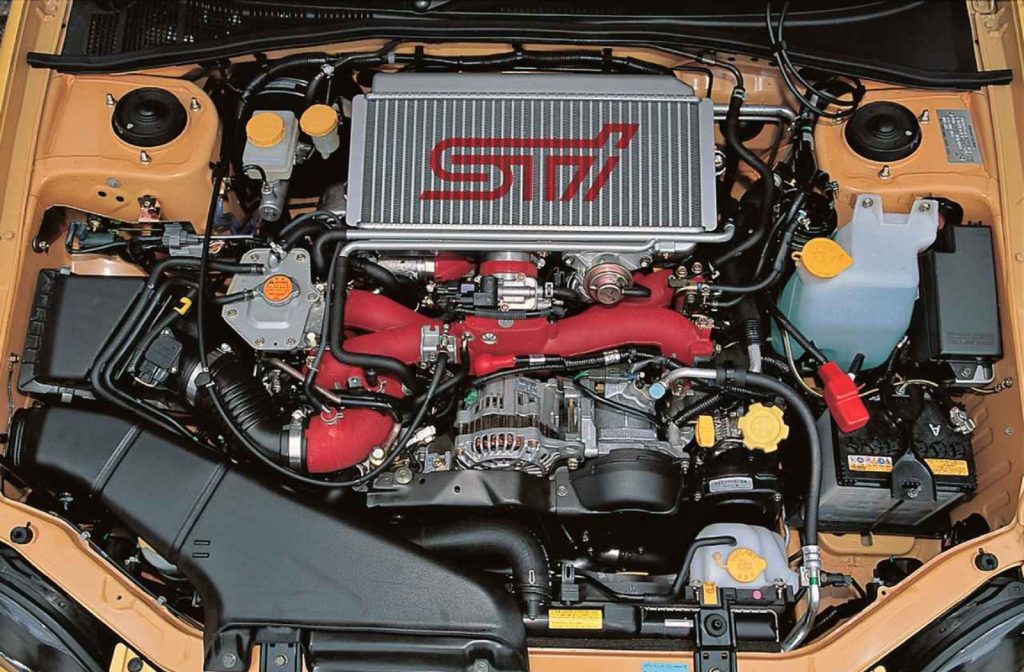
4. Subaru EJ22 2.2L Boxer Engine
Subaru has long followed its own engineering path, and the EJ22 engine shows how that independent thinking sometimes produced extremely durable results. Introduced in the early 1990s, this 2.2 liter boxer engine became known as one of Subaru’s most dependable powerplants and is still praised by enthusiasts today.
The horizontally opposed layout gives this engine a completely different character compared to inline engines. By placing the cylinders flat, Subaru lowered the vehicle’s center of gravity and improved balance. While most buyers never thought about this engineering detail, it contributed to the stable driving feel Subaru became known for.
What really makes the EJ22 special is its reputation for surviving situations that damaged other engines. Among Subaru communities, this engine is often described as nearly indestructible when properly maintained. That is high praise considering the demanding weather conditions many Subaru vehicles experience.
The engine’s non-interference design in early versions gave owners an extra sense of security. Timing belt failures were far less likely to destroy the engine compared to later interference Subaru designs. For drivers in remote or snowy regions, this added reassurance was particularly valuable.
Another strength came from conservative tuning. Subaru did not push extreme power figures from this engine. Instead, the focus remained on balanced performance and long term dependability. This restraint often helps engines avoid the thermal and mechanical stress that can shorten lifespan.
Cold weather reliability also became part of the EJ22 story. Owners in northern climates frequently reported dependable starting even in harsh winter conditions. Strong internal construction and good fuel management calibration helped make this possible.
Mechanics often point out that the EJ22 avoided some of the head gasket problems that affected certain later Subaru engines. While no engine is completely immune to problems, this particular design gained a better reputation than some of its successors.
Another factor that helped longevity was balanced vibration characteristics. Boxer engines naturally cancel certain vibrations, reducing stress on internal components. Less vibration over time can contribute to longer component life and fewer fatigue related failures.
Drivers who used EJ22 powered vehicles often describe a sense of mechanical honesty. The engine did not try to be flashy. It simply delivered consistent performance year after year. That kind of predictable behavior is often what builds long term customer loyalty.
Fuel economy remained reasonable while still providing enough power for all wheel drive systems. Subaru managed to balance efficiency with the extra demands of driving four wheels, which is not always easy.
Today, older Subaru models with the EJ22 engine are still sought after by buyers who value durability over modern features. The engine’s combination of unique layout, conservative engineering, and non-interference safety helped it earn a lasting place in Subaru history.
5. Volkswagen 2.0L ABA Engine
There was a period when Volkswagen focused heavily on making naturally aspirated engines that emphasized everyday usability rather than complicated engineering.
The 2.0L ABA engine from the 1990s reflects that mindset perfectly. It was not built to break performance records, but it was designed to deliver dependable transportation with a mechanical layout that reduced the risk of catastrophic failure.
This engine became widely known through models like the Jetta, Golf, and Passat. What made it stand out was not speed but a certain mechanical honesty. It delivered steady performance without demanding constant attention, which made it popular among drivers who simply wanted their cars to work every morning without surprises.
Unlike some European engines that leaned toward complexity, the ABA followed a relatively straightforward single cam eight valve configuration. This decision helped reduce the number of moving parts involved in valve operation. Simpler valve trains often mean fewer things that can go wrong as mileage increases.
One of the defining advantages of this engine was its non-interference layout. In the event of a timing belt failure, the internal geometry usually prevented piston to valve contact.
Instead of internal destruction, owners typically faced a repair that involved restoring timing components. That difference alone saved many vehicles from being scrapped prematurely.
Rather than presenting its strengths through technical specifications, the ABA engine proved itself through long term ownership stories. Many drivers reported that the engine continued running smoothly even as other parts of the vehicle aged. This kind of consistency is often a stronger indicator of good engineering than laboratory numbers.
The torque characteristics also made daily driving easier. Instead of needing high engine speeds to feel responsive, the engine delivered usable power at normal city driving speeds. This helped reduce driver fatigue and contributed to a relaxed driving character.
Looking at the design from another angle reveals Volkswagen’s practical intentions. The engine bay layout allowed relatively logical servicing paths. Technicians who worked on these engines often appreciated the reasonable access compared to some tightly packaged competitors from the same era.
Durability also came from material choices. Strong iron block construction provided a stable foundation capable of handling long term wear. While aluminum blocks offer weight savings, iron blocks often win when it comes to resisting long term distortion under heat cycles.
Owners who maintained these engines properly often discovered another benefit. The engine aged gradually rather than suddenly. Small oil leaks or sensor issues might appear over time, but sudden catastrophic mechanical failure was not typical behavior for this design.
The ABA also developed a quiet following among enthusiasts who appreciated its tuning potential. While it was never marketed as a performance engine, its strong bottom end allowed mild modifications without sacrificing reliability when done carefully.
Another element worth noting is how well the engine tolerated daily commuting patterns. Short trips, stop and go traffic, and temperature changes did not seem to disturb its basic dependability. Engines that tolerate varied usage patterns tend to remain practical choices for used buyers.
In many ways, the ABA represents a type of engineering that is becoming less common. It belongs to a generation where mechanical safety margins were often more generous. Combined with its non-interference safety characteristic, this created an engine that rewarded sensible ownership with long service life.
For buyers looking back at older Volkswagen models, the ABA remains one of the safer choices from a mechanical risk perspective. Its simple architecture and protective internal geometry made it a reassuring option in an era before extreme downsizing and turbocharging became the norm.
Non interference engines represent a practical engineering approach that focuses on reducing the risk of catastrophic internal damage when timing components fail.
Unlike interference engines where piston and valve contact can destroy the engine, these designs ensure that such failures usually result only in engine shutdown rather than expensive internal repairs. This makes them especially valuable for long term owners and used car buyers.
The engines discussed in this article each demonstrate this philosophy through different engineering approaches. The Toyota 3RZ FE shows how strong construction and conservative tuning can create an engine known for extreme durability.
Honda’s D16Y7 highlights the benefits of mechanical simplicity and efficient design that helped many Civic models achieve long service lives.
Ford’s 2.3L Lima engine proved that a well built four cylinder could survive demanding work environments and fleet use. Its adaptability across different types of vehicles showed how strong engineering fundamentals can support both economy and performance applications.
Subaru’s EJ22 demonstrated how unique boxer engine architecture combined with careful tuning could produce impressive longevity and dependable operation.
Volkswagen’s 2.0L ABA engine completed the list by showing how straightforward design and solid material choices can result in an engine that ages gradually instead of failing suddenly. Its predictable behavior and simple layout made it a dependable choice for daily transportation.
A key takeaway from all these engines is that reliability often comes from balance rather than pushing limits. Conservative power output, manageable operating temperatures, and sensible engineering margins often result in engines that last longer and cost less to maintain over time.
While non interference design provides extra protection, proper maintenance remains essential. Regular oil changes, cooling system care, and timing component service still determine how long any engine will last.
These engines ultimately show that the best designs are often those that protect owners from worst case scenarios while delivering consistent performance throughout years of everyday use.
Also Read: 5 New Safety Laws in 2026 That Will Change How You Drive on the Highway
