
Oil pumps rarely receive the same attention as engines or transmissions, yet they are among the most critical components in any vehicle. Without proper lubrication flow, even the strongest engine can fail quickly.
In recent years, many manufacturers have introduced electronically controlled or variable displacement oil pumps designed to improve efficiency and reduce fuel consumption. While these systems can work well, they also introduce complexity that sometimes affects long term durability.
Mechanical oil pumps, on the other hand, continue to earn respect for their simplicity and predictable operation. These pumps are typically driven directly by the crankshaft or timing components and operate with fewer electronic dependencies.
Because they rely on straightforward mechanical movement rather than sensors and actuators, they often prove more durable over very long ownership periods.
One of the biggest advantages of traditional mechanical oil pumps is consistency. They provide steady oil pressure based on engine speed, which creates a predictable lubrication environment.
Engines that receive stable lubrication often experience slower bearing wear and better internal longevity. This is especially important in high mileage vehicles where lubrication consistency matters more than marginal efficiency gains.
Another benefit comes from failure patterns. Mechanical pumps usually show gradual wear signs such as declining oil pressure rather than sudden electronic faults.
This gives owners time to address maintenance issues before serious damage occurs. Electronic pump failures can sometimes appear without warning due to sensor or control module issues.
Manufacturers that prioritize durability often continue using proven mechanical oil pump designs, particularly in vehicles expected to see heavy use or long ownership cycles. These designs may sacrifice a small amount of efficiency but often gain reliability through reduced complexity.
The following modern vehicles stand out for continuing to use strong mechanical oil pump designs that have demonstrated long term durability. Through robust lubrication strategies and proven engineering choices, they highlight how simplicity can still be a major advantage in modern automotive design.
Also Read: 8 Vehicles With Cooling Systems Overbuilt for Extreme 110 Degree Heat
1. Toyota Camry (2.5L A25A-FKS)
Toyota designed the A25A FKS engine in the modern Camry with a focus on efficiency without abandoning proven durability practices.
One of the reasons this engine maintains strong long term reliability is the continued use of a mechanically driven oil pump system that emphasizes stable lubrication rather than complicated control strategies.
The oil pump in this engine is driven directly by engine rotation, ensuring that lubrication increases naturally with engine speed. This predictable behavior helps maintain proper oil film thickness across bearings and cam surfaces. Engines with consistent lubrication patterns often demonstrate reduced long term internal wear.
Toyota also engineered the oil passages carefully to reduce pressure drop across the system. Efficient routing helps ensure that critical components receive lubrication quickly after startup. Quick oil delivery during cold starts is one of the most important factors in engine longevity.
Another strength is the durability of the pump materials. Toyota used hardened internal pump components designed to resist wear from long term oil circulation. Strong internal clearances help maintain pressure stability even after years of service.
The system also benefits from Toyota’s conservative engineering philosophy. Instead of pushing the pump to operate at the edge of efficiency, the company allowed extra durability margin. Components operating below their maximum stress levels often last much longer.
Maintenance behavior also plays a role. This engine tends to respond very well to consistent oil changes. Clean oil helps mechanical pumps maintain proper clearances and reduces internal scoring.

Technicians often note that these engines maintain healthy oil pressure even after extensive mileage. Stable pressure readings are usually a sign of strong oil pump condition and minimal bearing wear.
Another advantage is the pump’s resistance to electronic failure risks. Because it relies primarily on mechanical motion, it avoids the sensor related problems that sometimes affect more complex systems.
The Camry demonstrates how combining modern engine design with proven mechanical lubrication strategies can produce a vehicle capable of long dependable service without unnecessary complexity.
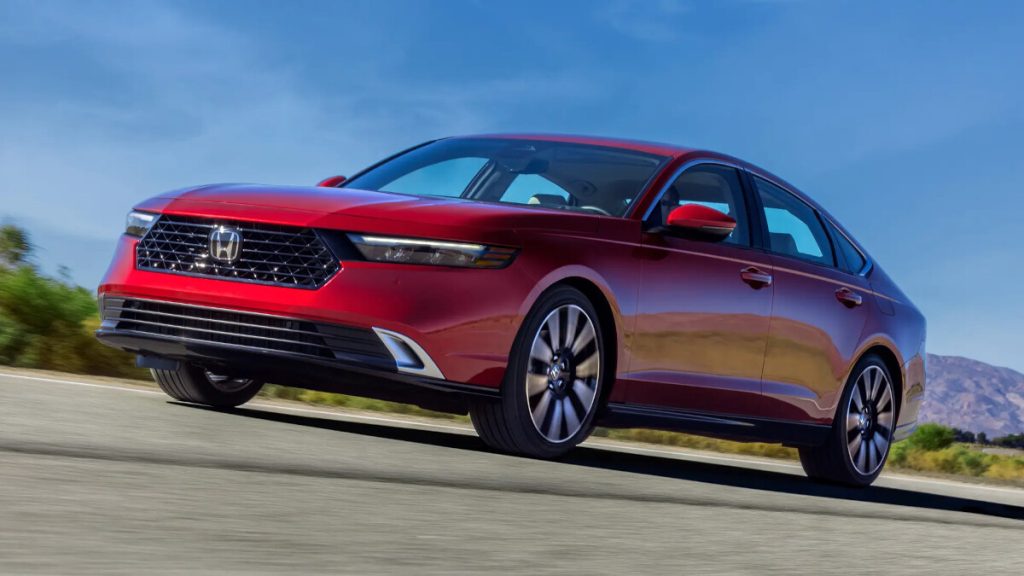
2. Honda Accord (2.0L K20C4)
Honda’s K series engines have long been respected for their durability, and the turbocharged K20C4 continues that tradition by retaining a strong mechanically driven oil pump. Honda’s approach shows that even in modern turbocharged applications, traditional lubrication strategies can still provide reliability advantages.
One reason this system works well is Honda’s focus on friction reduction combined with steady lubrication supply. By ensuring that oil pressure rises naturally with RPM, the system maintains protection during both low speed driving and high load conditions.
Another strength is the pump’s compact but strong design. Honda engineered the oil pump to minimize internal friction while still maintaining strong pressure output. Efficient design without excessive complexity often leads to better long term performance.
The engine also benefits from precise oil control around turbocharger components. Turbo engines depend heavily on lubrication quality, and a reliable mechanical pump helps ensure the turbo bearings receive steady oil flow. Proper turbo lubrication often determines whether these components last many years or fail early.
Honda also designed the oil pickup system to maintain supply during aggressive driving. Stable oil pickup prevents pressure drops that could otherwise damage internal components.
Another durability factor is Honda’s manufacturing precision. Tight tolerances inside the pump help maintain efficiency over time. When internal parts wear evenly, the pump can maintain pressure much longer.
Long term ownership reports often show that these engines rarely develop oil starvation issues when maintained properly. This consistency reflects both pump reliability and overall engine design balance.
Another interesting aspect is how predictable maintenance remains. Without complex oil pump electronics, diagnosis becomes straightforward. Simpler systems are often easier to keep functioning long term.
The Accord’s lubrication system shows how traditional mechanical solutions can continue to support modern performance requirements while still maintaining the long term durability Honda engines are known for.
3. Mazda CX5 (2.5L Skyactiv G)
Mazda followed a very deliberate engineering path with the Skyactiv G engine used in the CX5. Instead of relying heavily on electronic complexity, Mazda focused on strengthening core mechanical systems, including the oil pump. This decision reflects the company’s long standing philosophy that durability often comes from reducing unnecessary complication.
The mechanical oil pump in this engine operates with a straightforward crank driven layout. This ensures oil pressure builds proportionally with engine speed, which helps maintain stable lubrication across the crankshaft and camshafts.
Systems that operate in direct mechanical relationship with engine motion often provide more predictable long term results.
Another advantage comes from Mazda’s attention to internal oil routing. Engineers worked to minimize pressure losses by shortening oil passages and improving flow paths. This allows the pump to maintain adequate lubrication without needing excessive pressure, reducing internal strain on the pump itself.
Material durability also plays an important role. Mazda selected pump gears designed to resist micro wear caused by long term oil flow. Even minor improvements in wear resistance can extend pump life significantly over many years.
The Skyactiv design also benefits from relatively low internal friction, which reduces the demand placed on the lubrication system. Engines that operate efficiently often place less stress on oil pumps, which indirectly increases their lifespan.
Another factor is the engine’s predictable thermal behavior. Stable operating temperatures help maintain oil viscosity within the intended range. Oil pumps tend to last longer when lubrication properties remain consistent rather than fluctuating excessively.

Technicians who service high mileage Mazda engines often note that oil pressure stability remains strong well into long ownership cycles. This usually reflects both pump durability and strong internal engine tolerances.
Another interesting benefit is how this mechanical system avoids electronic calibration problems. Without dependency on complex control modules, the pump continues to operate reliably even as the vehicle ages.
The CX5 shows how Mazda’s commitment to mechanical efficiency allows traditional oil pump designs to remain competitive in modern vehicles while still providing the long term dependability many owners expect.
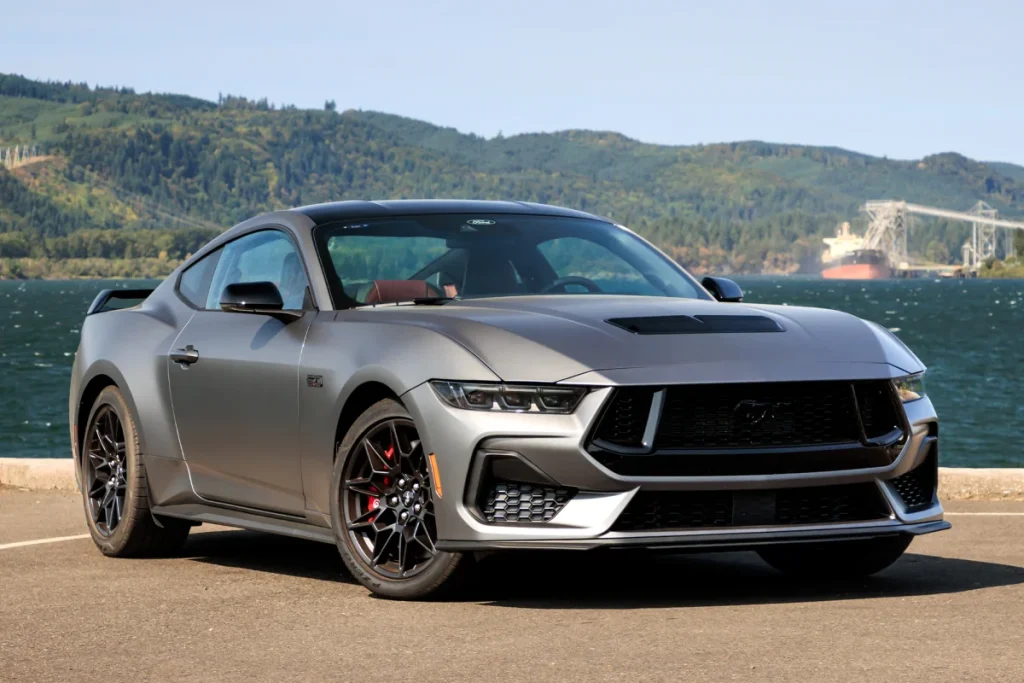
4. Ford Mustang GT (5.0L Coyote)
The Ford Mustang GT equipped with the 5.0 liter Coyote engine demonstrates how even performance oriented vehicles can benefit from robust mechanical oil pump design. Ford engineered this engine to handle both daily driving and track use, which required a lubrication system capable of maintaining stability under varied conditions.
A major strength of the Coyote’s lubrication system is its crankshaft driven oil pump design. This direct connection ensures that lubrication supply remains proportional to engine demand. Under high RPM conditions, the pump increases oil flow naturally without requiring electronic intervention.
Ford also strengthened the internal pump gears to handle performance use. High strength materials help the pump tolerate repeated high speed operation without premature wear. Durability improvements like these are essential in engines expected to handle spirited driving.
Another advantage is the engine’s oil control strategy. Carefully designed oil return paths help prevent oil pooling in the cylinder heads during aggressive acceleration. Maintaining proper oil distribution protects both the pump and internal engine components.
The oil pan design also contributes to reliability. Performance oriented baffling helps maintain oil supply during hard cornering or rapid acceleration. Consistent oil pickup prevents pressure fluctuations that could shorten pump life.
Another reliability benefit comes from the engine’s strong bearing design. When internal components maintain proper clearances, the oil pump does not have to compensate for excessive leakage. This helps preserve pump efficiency over time.
Owners who maintain these engines properly often report stable oil pressure readings even after extended use. Consistent pressure is often the clearest indicator that the lubrication system remains healthy.
Another reason this system lasts is its relative independence from electronic failure risks. Without relying on variable electronic pump controls, the system remains dependable even as sensors and modules age.
The Mustang GT shows that performance vehicles do not always need complicated lubrication systems. Sometimes a well engineered mechanical pump can provide the strength and reliability needed to support both power and longevity.
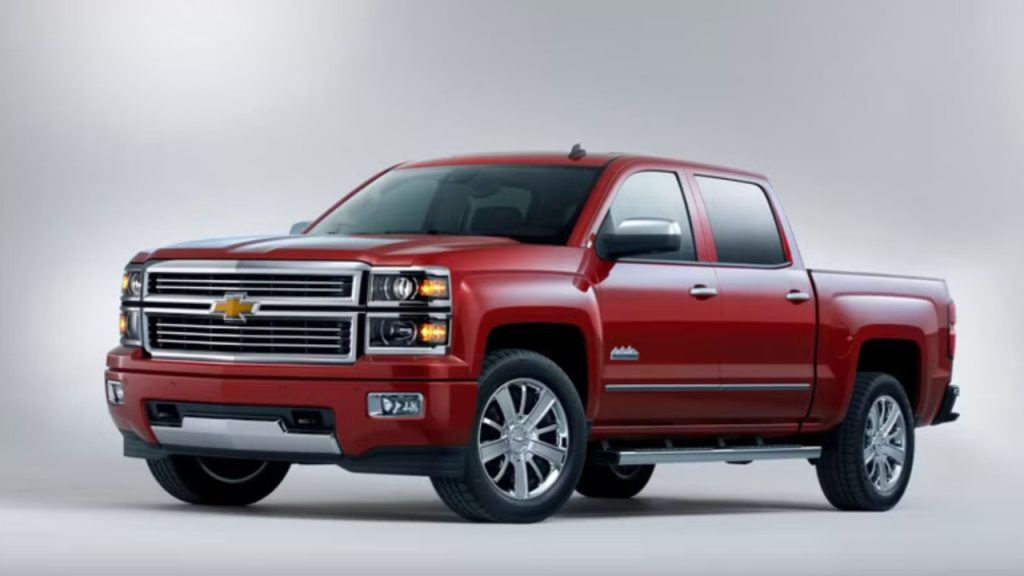
5. Chevrolet Silverado 1500 (5.3L EcoTec3 V8)
The Chevrolet Silverado equipped with the 5.3 liter EcoTec3 V8 shows how truck engines often retain traditional mechanical solutions because reliability is considered more important than marginal efficiency gains.
In work trucks, lubrication failure can mean serious downtime, so GM continued to rely on a mechanically driven oil pump known for predictable long term behavior.
The oil pump in this engine is mounted in a way that allows it to maintain consistent lubrication flow even under heavy load conditions. Because trucks often experience towing stress and extended operating hours, the pump was engineered to operate with significant durability reserves.
Another strength is the simplicity of the pump drive mechanism. With fewer intermediate control devices, the pump operates with fewer failure points. Systems that minimize unnecessary complexity often prove easier to maintain over many years.
The engine also benefits from well designed oil filtration support. Clean oil reduces internal scoring inside the pump gears and helps maintain proper pressure output. A clean lubrication environment is often one of the most important factors in keeping mechanical oil pumps functioning properly.
Another interesting durability advantage comes from the truck’s relatively low operating RPM. Engines that produce strong torque at lower speeds usually place less continuous demand on lubrication components. Lower average stress levels help mechanical pumps survive longer.
Cooling integration also helps the oil system. Stable engine temperatures allow the oil to maintain correct viscosity. When oil remains within its ideal temperature range, the pump can operate without excessive resistance or thinning effects.
Fleet usage data often shows that these engines maintain healthy oil pressure even after long service periods. Trucks that accumulate significant mileage while maintaining lubrication stability often reflect strong pump durability.
Another benefit is service accessibility. Routine maintenance such as oil changes and filter replacements can be performed easily, encouraging proper care that extends pump life.
The Silverado demonstrates how mechanical oil pumps remain a practical choice in vehicles expected to endure heavy workloads. By prioritizing consistent lubrication and proven engineering, GM ensured this engine could maintain reliability through extended service use.
6. Subaru Outback (2.5L FB25)
Subaru approached the FB25 engine in the Outback with a strong emphasis on balanced durability, particularly because boxer engines depend heavily on reliable lubrication. The company chose a mechanical oil pump design that would ensure consistent oil delivery across the horizontally opposed layout.
One of the most important challenges in boxer engines is ensuring that oil reaches all cylinders evenly. Subaru addressed this through a strong mechanically driven pump capable of maintaining pressure stability regardless of engine orientation.
Another advantage is how the oil pump supports the engine’s low center of gravity design. Because boxer engines spread components horizontally, consistent lubrication becomes critical. A dependable mechanical pump ensures that oil reaches critical bearing surfaces without delay.
Subaru also improved internal oil channel routing to support long term durability. By ensuring that lubrication reaches camshafts and crank journals efficiently, the system reduces dry start wear, which is often responsible for gradual internal degradation.
The engine also benefits from moderate tuning. Instead of pushing maximum output, Subaru focused on steady performance. Engines operating within comfortable limits tend to place less strain on lubrication components.
Another factor that helps pump longevity is the engine’s predictable operating temperature. Stable thermal behavior helps oil maintain consistent thickness, which allows the pump to operate within its intended pressure range.
Technicians often note that Subaru’s mechanical oil pumps rarely fail when proper oil grades are used. Consistent lubrication quality plays a major role in pump lifespan.

Another strength is how the system avoids dependence on complex oil pressure control electronics. By focusing on mechanical reliability, Subaru reduced the chances of unexpected lubrication system faults.
The Outback illustrates how certain engine layouts benefit from the reliability of traditional mechanical oil pumps. By combining a balanced engine design with dependable lubrication hardware, Subaru ensured the vehicle could maintain durability over long ownership periods.
7. Lexus GX 460 (4.6L 1UR FE V8)
The Lexus GX 460 represents a category of vehicles where long term durability is expected as part of the brand identity. Built on a platform related to global durability focused SUVs, the vehicle continues to use a strong mechanically driven oil pump that reflects Toyota’s traditional engineering mindset.
One of the reasons this lubrication system remains dependable is its emphasis on steady pressure delivery instead of efficiency optimization.
Rather than constantly adjusting oil pressure electronically, the system focuses on maintaining a consistent lubrication environment. Engines that receive predictable lubrication often show less internal wear over time.
Another factor contributing to pump longevity is the large displacement V8 engine itself. Because the engine produces strong torque without needing high RPM operation, the oil pump often works under relatively stable conditions. Lower average stress levels help mechanical components last longer.
Toyota also engineered strong internal tolerances in the pump assembly. High quality machining ensures that internal clearances remain stable for long periods. Pumps built with precise tolerances usually maintain pressure stability even after extended mileage.
Another advantage is the vehicle’s strong cooling integration. By maintaining stable engine temperatures, the oil remains within proper viscosity ranges. Oil that does not overheat helps prevent pump wear caused by thinning lubrication.
The GX 460 also benefits from conservative engine calibration. The engine was tuned to prioritize smooth operation and durability instead of aggressive output. This helps reduce extreme lubrication demands that might otherwise shorten pump lifespan.
Long term reliability reports frequently show these engines maintaining healthy oil pressure even after years of use in harsh environments. Such consistency usually reflects strong lubrication system design.

Another benefit is the simplicity of diagnosis. Without complicated oil pump electronics, maintenance technicians can easily monitor oil pressure and detect wear trends early.
The GX 460 shows how luxury vehicles designed with durability in mind often continue to rely on mechanical oil pumps because they provide predictable long term reliability that matches the expectations of long ownership cycles.
8. Dodge Challenger R T (5.7L HEMI V8)
The Dodge Challenger R T equipped with the 5.7 liter HEMI V8 demonstrates how traditional American V8 engineering continues to favor mechanical oil pumps for their strength and simplicity. Performance vehicles with large displacement engines often benefit from these systems because they provide reliable lubrication during varied driving conditions.
A key advantage of the HEMI lubrication system is its straightforward pump drive arrangement. The oil pump operates directly with engine rotation, ensuring lubrication increases naturally as engine demand rises. This direct relationship helps maintain stable bearing protection.
Another durability factor is the robust internal pump construction. Chrysler used hardened internal components designed to tolerate long term oil circulation without developing significant wear. Strong internal gear construction often determines how long a pump can maintain pressure.
The engine’s relatively low operating RPM compared to smaller high revving engines also helps. Large displacement engines can produce strong acceleration without constant high speed operation. This reduces continuous stress on lubrication components.
Another interesting advantage comes from the engine’s oil capacity. Larger oil volumes help maintain temperature stability and reduce contamination concentration. Clean and stable oil environments support pump durability.
Owners who maintain regular oil service often report consistent oil pressure behavior even after long ownership periods. Stable pressure readings usually indicate that the oil pump continues to operate within proper tolerances.

Another benefit is how the mechanical pump avoids dependence on variable pressure electronics. Without these additional systems, the lubrication setup remains easier to maintain as the vehicle ages.
The Challenger R T highlights how traditional performance vehicles can still benefit from proven mechanical solutions. By focusing on strong materials and predictable lubrication behavior, the vehicle maintains durability while still delivering the performance expected from a V8 coupe.
9. Toyota 4Runner (4.0L 1GR FE V6)
The Toyota 4Runner has built a long standing reputation as a vehicle designed to survive difficult environments and extended ownership. One of the hidden reasons behind this reputation is the use of a strong mechanically driven oil pump that prioritizes consistent lubrication over complex efficiency strategies.
Toyota designed the 1GR FE engine with durability as a primary goal, and this philosophy extends to the lubrication system. The mechanical oil pump provides a steady oil pressure curve that increases naturally with engine speed. This helps maintain proper oil film protection across bearings and cam surfaces.
Another strength of the system is the simplicity of its operation. Without heavy reliance on electronically controlled pressure adjustments, the pump avoids the types of calibration or actuator failures sometimes seen in more complex systems. Simpler designs often age more predictably.
The 4Runner also benefits from strong oil routing design. Engineers ensured that critical wear areas receive lubrication quickly after startup. Quick oil circulation is especially important in engines expected to survive many cold start cycles.
Another factor supporting pump longevity is the engine’s moderate tuning. The V6 produces steady torque without extreme performance targets. Engines that operate within comfortable performance limits often place less demand on their lubrication systems.
The vehicle’s cooling system also supports oil system durability. Stable coolant temperatures help prevent oil overheating, which helps maintain correct viscosity. When oil maintains its intended thickness, the pump operates with less internal strain.
Another advantage is how the engine responds to regular maintenance. Owners who maintain oil quality often report extremely long service life from the lubrication system. Mechanical pumps often reward consistent maintenance with predictable reliability.
Off road users frequently note that even during demanding trail use, the engine maintains stable oil pressure. This suggests strong pump pickup design and reliable internal clearances.

The 4Runner shows how vehicles built for durability often retain mechanical oil pumps because they deliver the kind of long term consistency required for vehicles expected to remain in service for many years.
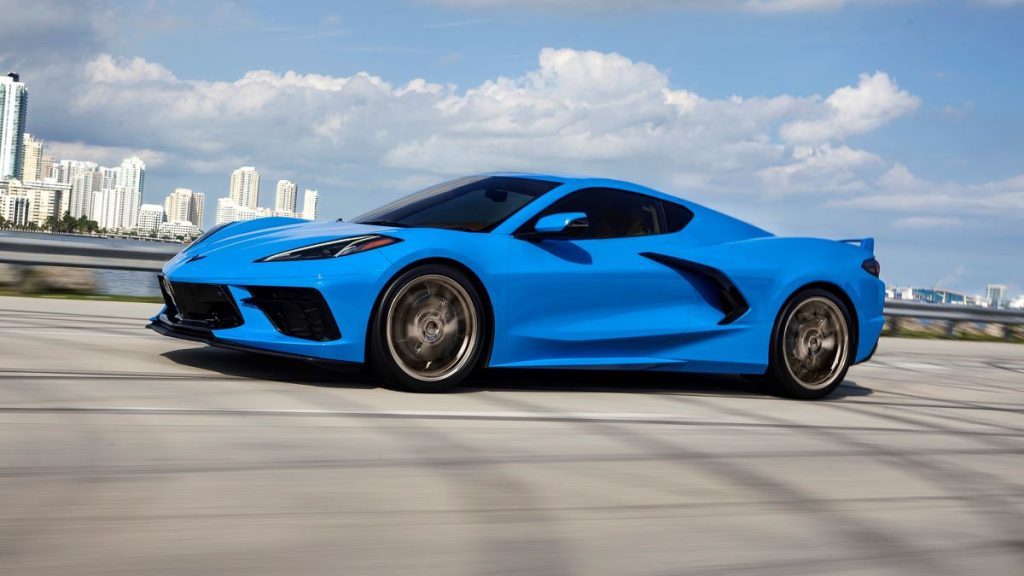
10. Chevrolet Corvette Stingray (6.2L LT2 V8)
The Chevrolet Corvette Stingray may be known primarily as a sports car, yet its LT2 V8 engine reflects many traditional durability practices, including the use of a strong mechanical oil pump. Even in a high performance environment, GM recognized that predictable lubrication remains essential for long term reliability.
The LT2 uses a mechanically driven oil pump designed to provide consistent lubrication during both normal driving and high performance use. By tying lubrication output directly to engine speed, the system maintains reliable oil flow without relying heavily on electronic intervention.
Another advantage comes from the engine’s performance lubrication planning. Engineers ensured that oil reaches critical areas such as crankshaft bearings and valvetrain components without delay. Rapid lubrication response helps protect expensive performance components.
The Corvette also benefits from advanced oil control strategies within the engine block. Careful oil return paths prevent accumulation in upper engine areas, ensuring the pump always has a steady supply available.
Another durability factor is the engine’s strong internal construction. When bearing clearances remain stable, the oil pump can maintain proper pressure without overworking. Strong internal tolerances often help pumps remain effective for many years.
The vehicle’s cooling integration also helps maintain oil quality. By keeping engine temperatures controlled, the lubrication system avoids excessive thermal stress. Oil that remains within its correct temperature range helps preserve pump efficiency.
Owners who maintain proper oil service intervals often observe stable oil pressure even after years of driving. This kind of consistency is often one of the strongest indicators of a healthy lubrication system.
Another important benefit is how mechanical pumps provide predictable warning signs if wear begins. Gradual pressure changes allow preventative maintenance before serious damage occurs.
The Corvette Stingray demonstrates that even modern sports cars can benefit from traditional mechanical oil pump design. By combining performance engineering with proven lubrication strategies, the vehicle achieves both speed capability and long term mechanical confidence.
Also Read: 10 Used Cars That Are Cheap to Buy but Impossible to Insure for Teens
