Heavy towing places extraordinary stress on an engine, far beyond what normal commuting or highway driving demands.
When a vehicle is pulling trailers, construction equipment, boats, or campers, the engine must withstand higher combustion pressures, elevated temperatures, and continuous load conditions.
This is why engines designed for towing often rely on strong internal steel components rather than lighter materials that prioritize fuel economy over durability.
Steel crankshafts, forged connecting rods, reinforced camshafts, and hardened cylinder liners are some of the key features that separate heavy duty towing engines from standard passenger vehicle powerplants.
These components are engineered to resist deformation under torque stress while maintaining structural integrity over hundreds of thousands of kilometers. In towing situations, this strength becomes critical because engine failure under load can lead to expensive repairs and dangerous roadside situations.
Another major advantage of steel internal components is fatigue resistance. Towing often involves long uphill climbs, stop and go strain, and heat buildup that can weaken lesser materials.
Steel, especially when forged or heat treated, offers superior resistance to cracking and wear. This allows these engines to maintain consistent performance even after years of demanding use.
Manufacturers that build engines for towing also tend to combine these steel components with heavy duty cooling systems, robust lubrication design, and conservative tuning.
Rather than chasing maximum horsepower numbers, these engines often focus on torque delivery, reliability, and long service intervals. This philosophy results in engines trusted by contractors, farmers, transport operators, and RV owners who depend on their vehicles daily.
In this list, we will examine ten engines known for their steel internal construction and proven ability to handle demanding towing duties. Each engine represents a different engineering approach, but all share a common goal of durability under stress.
These engines have earned reputations not just for power, but for surviving the kind of workloads that quickly wear out less robust designs.
Also Read: 8 Reasons Why You Need a Block Heater If You Live in North Dakota or Maine
1. Cummins 6.7L Turbo Diesel (Ram Heavy Duty)
The 6.7L Cummins turbo diesel has built its reputation on brute strength and mechanical simplicity. Designed primarily for heavy duty Ram trucks, this inline six cylinder engine is widely respected for its industrial grade construction.
Unlike many light duty diesel engines, it uses a forged steel crankshaft and strong connecting rods specifically designed to tolerate continuous torque loads.
One of the defining characteristics of this engine is its block structure. The cast iron block combined with steel internal rotating components creates a foundation capable of handling extreme cylinder pressures.
This becomes particularly important during towing because diesel engines generate massive torque at low RPM. Without strong steel internals, that torque could quickly cause internal fatigue.
Another important feature is the engine’s conservative operating philosophy. Rather than pushing extreme RPM ranges, the Cummins focuses on steady torque production.
This reduces stress cycles inside the engine and allows the steel components to operate within safe mechanical limits. The result is an engine known for exceeding high mileage expectations even under commercial workloads.
Cooling also plays a major role in towing reliability. The Cummins uses a large capacity cooling system and piston oil squirters to manage heat generated under heavy loads. Steel pistons and reinforced wrist pins further contribute to durability when temperatures rise during long towing climbs.
What makes this engine particularly attractive to towing users is its predictable durability pattern. Owners frequently report long service lives when proper maintenance is followed. This consistency is not accidental but the result of design decisions that prioritize steel strength over lightweight efficiency.
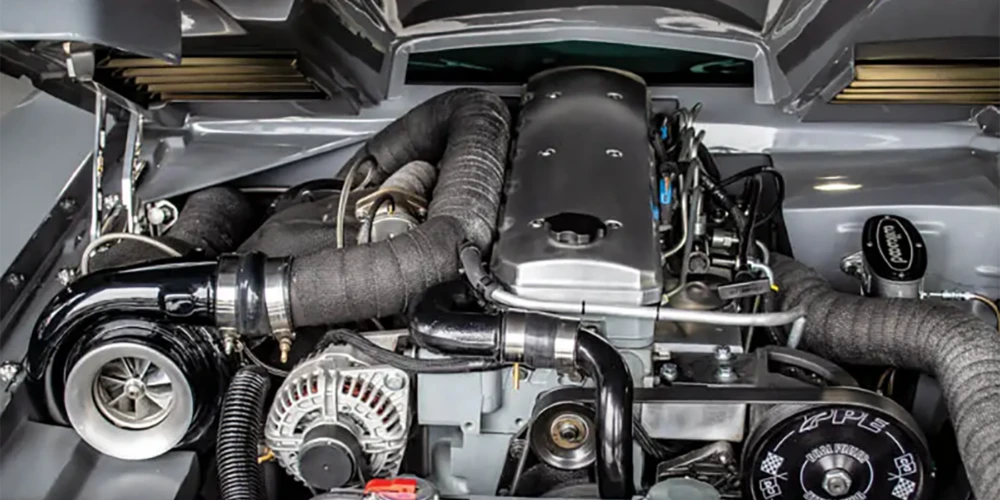
Another factor worth noting is the engine’s tolerance for aftermarket towing upgrades. Many engines struggle when additional torque tuning is applied, but the Cummins steel internals often provide a safety margin that allows modest performance upgrades without immediately compromising reliability.
This engine represents a traditional heavy duty engineering mindset. Strength comes first, and efficiency improvements come second. For people who tow frequently, this approach often proves more valuable than engines that focus primarily on fuel savings.
2. Ford 7.3L Godzilla V8 (Ford Super Duty)
Ford developed the 7.3L Godzilla V8 to deliver a modern gasoline alternative to diesel towing engines. While many modern gas engines rely heavily on aluminum construction, this engine returned to a heavy duty philosophy using a cast iron block and forged steel crankshaft to improve long term strength.
One of the reasons this engine performs well in towing environments is its large displacement strategy. By producing torque through displacement rather than high boost pressure, the engine avoids excessive internal stress.
Steel connecting rods and a robust valvetrain further support this design, allowing the engine to deliver reliable power without needing extreme tuning.
The Godzilla engine also reflects a durability first mindset in its bearing design. Large main bearings help distribute load forces more evenly across the crankshaft. This reduces localized stress and improves long term wear resistance, especially important when towing near maximum rated capacity.
Ford also paid attention to oil system reliability. High capacity oil flow combined with strong steel rotating components helps maintain lubrication even under sustained load. This becomes particularly important during hot weather towing where oil breakdown can accelerate wear in weaker engines.
Another interesting aspect is how the engine manages simplicity. Instead of complex turbocharging systems, Ford focused on naturally aspirated reliability. Fewer high pressure components mean fewer potential failure points when the engine is used for demanding towing tasks.
Serviceability also contributes to its reputation. The pushrod design allows a compact structure with fewer moving parts compared to overhead cam alternatives. Combined with steel durability, this simplicity makes the engine attractive for fleet users who value uptime more than cutting edge technology.
This engine demonstrates how traditional American V8 engineering can still remain relevant. By combining steel internals with modern fuel management, Ford created a gasoline engine capable of handling workloads that were once considered diesel territory.
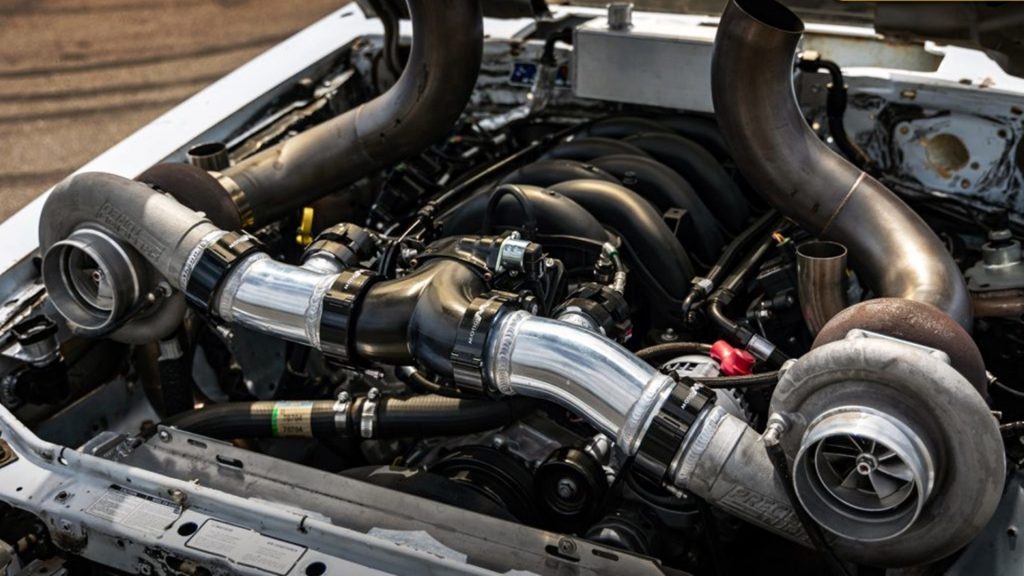
The Godzilla V8 proves that with the right materials and design priorities, gasoline engines can still compete in demanding towing roles traditionally dominated by compression ignition platforms.
3. Duramax 6.6L LBZ V8 (Chevrolet Silverado HD)
Among diesel enthusiasts, the LBZ version of the Duramax 6.6L has earned a reputation as one of the most balanced heavy duty engines ever produced.
Built during a time when emissions complexity was lower, this engine focused heavily on mechanical strength. A forged steel crankshaft and durable connecting rods allowed it to tolerate sustained towing without internal distress.
One factor that separates the LBZ from many competitors is how it balances refinement with durability. While some heavy duty diesels prioritize ruggedness at the cost of smoothness, this engine manages both. Precision balancing of the steel rotating assembly helps reduce vibration during high load operation, which indirectly contributes to longer component life.
Thermal stability is another strength. The engine uses aluminum cylinder heads paired with a rigid cast iron block, while the internal steel components maintain dimensional stability even during extreme temperature fluctuations.
This is particularly valuable when towing heavy trailers through mountainous terrain where engine temperatures can vary rapidly.
Fuel delivery also plays a role in durability. The high pressure common rail system provides precise fuel control, which prevents excessive combustion shock. This controlled combustion helps protect steel pistons and crank components from unnecessary impact loads that can shorten lifespan in poorly tuned engines.
From a long term ownership perspective, this engine became known for predictable wear patterns. Mechanics often note that when properly maintained, internal failures are rare even after extensive towing use. This type of reliability comes from engineering decisions that leave a comfortable strength margin within the steel components.
Another advantage is the engine’s ability to maintain performance consistency. Some engines gradually lose efficiency under repeated towing strain, but the LBZ often maintains steady output due to its robust internal architecture. This makes it popular among users who depend on consistent performance rather than peak numbers.
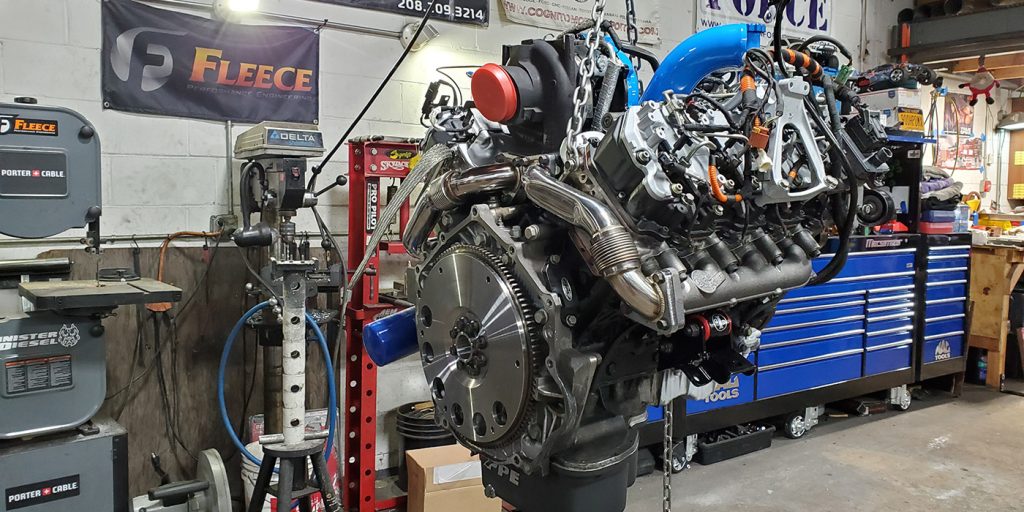
Instead of relying on aggressive technology, this engine represents careful engineering balance. Strong materials, sensible tuning, and attention to mechanical stress distribution all contribute to its long standing reputation in the towing community.
4. Power Stroke 6.7L V8 (Ford Super Duty Diesel)
The Ford 6.7L Power Stroke represents a more modern interpretation of heavy duty diesel engineering. While it includes advanced technology such as variable geometry turbocharging, its core durability still depends heavily on steel internal components designed to withstand high torque production.
A key feature of this engine is its forged steel crankshaft supported by large main journals. This provides the structural backbone necessary to handle the extreme torque levels expected from modern diesel trucks. Under towing conditions, this strength prevents crank flex and helps maintain bearing alignment.
The connecting rods are also engineered with heavy duty use in mind. Built from high strength steel alloys, they are designed to survive the immense cylinder pressures produced during high boost operation.
These pressures can exceed what older diesel engines experienced, making material strength more important than ever.
Ford also incorporated advanced piston cooling strategies. Oil jets spray the underside of the pistons to reduce heat concentration. This works together with steel wrist pins and reinforced piston structures to prevent heat related deformation during long towing sessions.
Another unique aspect is the reverse flow cylinder head layout. While this primarily improves emissions and turbo efficiency, it also helps manage heat distribution across the engine. More consistent temperature management reduces uneven expansion that can otherwise stress internal steel components.
This engine also reflects how modern diesel reliability depends on software as much as hardware. Torque management programming helps prevent sudden shock loads from reaching the rotating assembly. By smoothing torque delivery, Ford protects the steel internals from abrupt stress spikes.
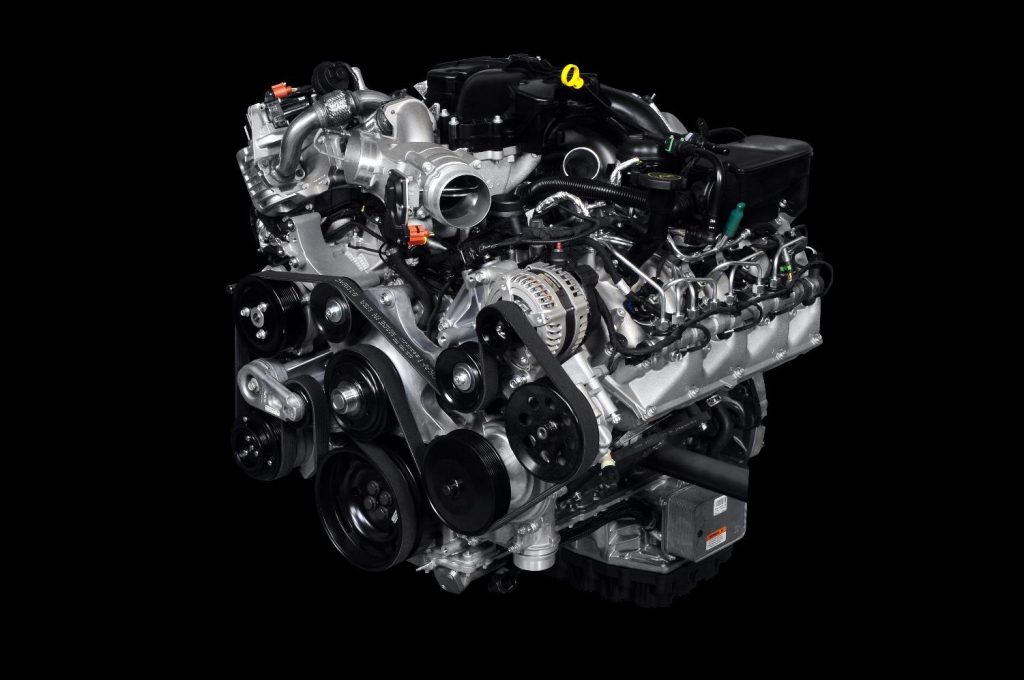
Despite its technological complexity, the foundation remains traditional heavy duty engineering. Strong materials combined with intelligent control systems allow this engine to handle workloads that would have overwhelmed older designs.
For operators who regularly tow large trailers, this engine demonstrates how modern design can still maintain the durability principles that made older diesel engines respected, while adding efficiency and emissions improvements expected in newer vehicles.
5. Toyota 5.7L i-Force V8 (Toyota Tundra)
Toyota approached the 5.7L i-Force V8 with a very different philosophy compared to most American heavy duty engines.
Instead of designing purely for maximum towing figures, Toyota focused on building an engine that could tolerate abuse, inconsistent maintenance, and long term stress. Steel internal components play a central role in achieving this reliability goal.
At the center of the engine sits a forged steel crankshaft engineered to handle repeated torque loading without developing stress fractures.
This becomes important when towing because gasoline engines often operate at higher RPM than diesels when pulling weight. The crankshaft must therefore tolerate both rotational speed and load pressure simultaneously.
Toyota also used strong forged connecting rods that emphasize durability over weight reduction. While lighter rods can improve efficiency, Toyota prioritized strength margins. This design choice allows the engine to tolerate heat buildup and sustained throttle conditions without risking rod distortion.
Another factor that supports towing durability is the engine’s conservative tuning. Rather than pushing extreme compression ratios or aggressive boost strategies, the i-Force V8 produces torque through displacement and stable combustion characteristics. This reduces peak internal shock loads and extends the lifespan of the steel rotating assembly.
The engine’s cooling strategy also deserves attention. Large coolant passages and an efficient water pump help maintain temperature balance. Heat is one of the biggest enemies of engine metals, and controlling it allows the steel components to maintain their structural properties over long periods.
Reliability history is another reason this engine appears on this list. Many high mileage examples continue operating smoothly after years of towing boats and work trailers. This kind of durability is rarely accidental and usually reflects careful material selection combined with conservative engineering margins.
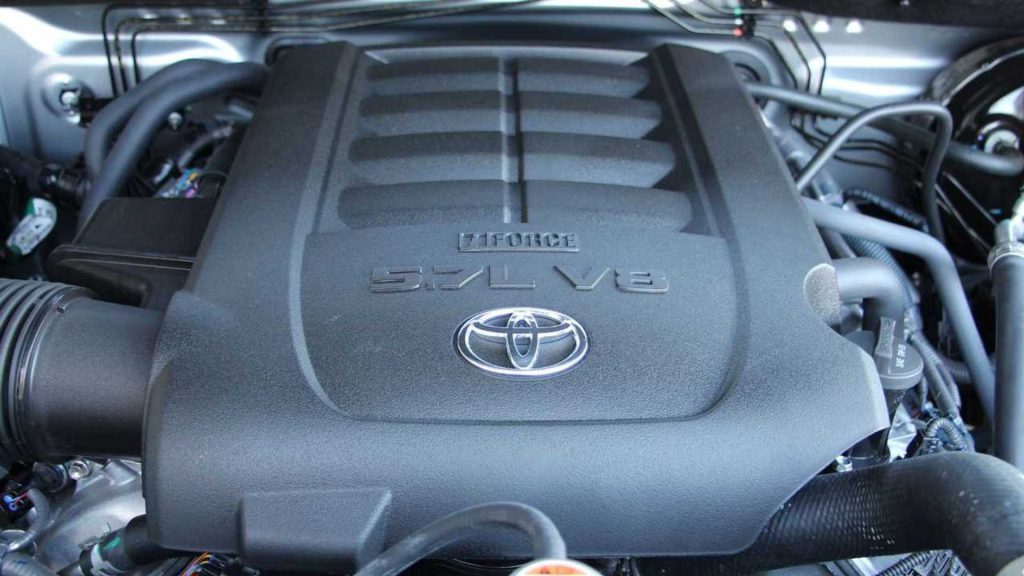
Instead of chasing the latest efficiency trends, Toyota built this engine around predictability. Owners often describe it as an engine that feels unstressed even when working hard. That character comes directly from the strength of its internal construction.
For towing users who prioritize longevity over cutting edge performance, this engine represents a design philosophy centered on mechanical confidence rather than marketing numbers.
6. GM 8.1L Vortec V8 (Chevrolet Heavy Duty Platforms)
The GM 8.1L Vortec V8 represents an older but extremely robust approach to gasoline towing engines. Developed during a period when displacement was the primary solution for heavy work, this engine relied on massive internal components rather than advanced forced induction systems.
The most noticeable feature is its large displacement architecture. With over eight liters of capacity, the engine produces torque without requiring high stress operation. This reduces the strain placed on the steel crankshaft and connecting rods, allowing them to operate well within their mechanical limits even when towing substantial loads.
GM engineered the rotating assembly with heavy forged steel components designed for commercial workloads. These parts were not designed with lightweight performance goals in mind. Instead, they were built to survive repeated load cycles, which is exactly what towing demands.
The block itself also contributes to durability. Thick cylinder walls combined with steel internal components create a structure that resists flexing under load. Structural rigidity is important because even small amounts of block movement can increase wear on internal parts during heavy operation.
Another interesting strength of this engine is its low stress operating behavior. Because of the large displacement, the engine rarely needs to operate at high RPM to maintain pulling power. Lower engine speeds reduce frictional wear and extend the service life of steel bearings and journals.
This engine also became popular in commercial fleets because of its predictable maintenance profile. Instead of sudden failures, wear tends to occur gradually, giving operators time to address issues before catastrophic damage develops. This predictability is often associated with engines that have generous strength margins.
Fuel consumption was never its strongest advantage, but that was never the primary mission. The Vortec 8.1L was built to work, not to set efficiency records. In heavy towing situations, that design priority often proves beneficial because durability becomes more important than saving fuel.
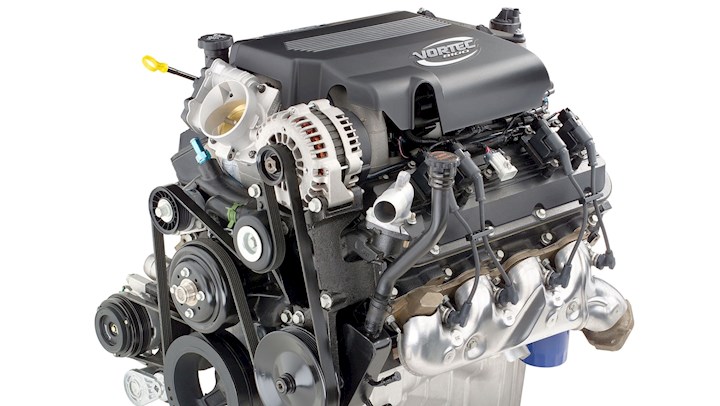
Although newer engines have replaced it, the Vortec 8.1L remains a good example of how strong steel internals combined with simple engineering can create an engine capable of surviving extremely demanding towing environments.
7. HEMI 6.4L V8 Heavy Duty (Ram 2500 Power Wagon / Heavy Duty)
The 6.4L heavy duty HEMI V8 was engineered to serve as a durable gasoline alternative for buyers who wanted strong towing ability without moving to diesel ownership.
Unlike performance oriented HEMI variants, this version focuses more on structural strength and thermal stability. Steel internal components form the backbone of this durability focused design.
One of the core strengths of this engine is its forged steel crankshaft, which is designed to absorb repeated torque pulses without developing fatigue stress. Towing creates constant load transitions, especially in hilly terrain, and this type of crankshaft helps maintain internal alignment under those changing forces.
Chrysler also designed the connecting rods with towing duty in mind. These rods are built to tolerate extended high load operation rather than short bursts of acceleration. This reflects a shift in engineering priorities from speed to endurance, which is essential in vehicles expected to haul equipment or trailers regularly.
The engine also uses sodium filled exhaust valves, which help manage heat leaving the combustion chamber. Lower exhaust valve temperatures indirectly protect surrounding steel components by reducing thermal stress accumulation.
Managing heat flow is just as important as managing torque when it comes to engine survival under towing use.
Another design choice that supports durability is the engine’s relatively moderate redline. By avoiding extremely high RPM capability, engineers reduced the maximum stress exposure on the rotating assembly. This keeps the steel crank and rods operating in a safer mechanical window.
Lubrication engineering is another quiet strength. The oiling system prioritizes consistent pressure delivery under load. Steel camshaft components depend heavily on proper lubrication, and stable oil supply prevents premature wear when engines operate for long periods under towing strain.
Instead of trying to compete with turbocharged torque numbers, this engine succeeds through resilience. It may not produce diesel level torque, but it delivers reliable pulling strength with fewer complexity concerns.
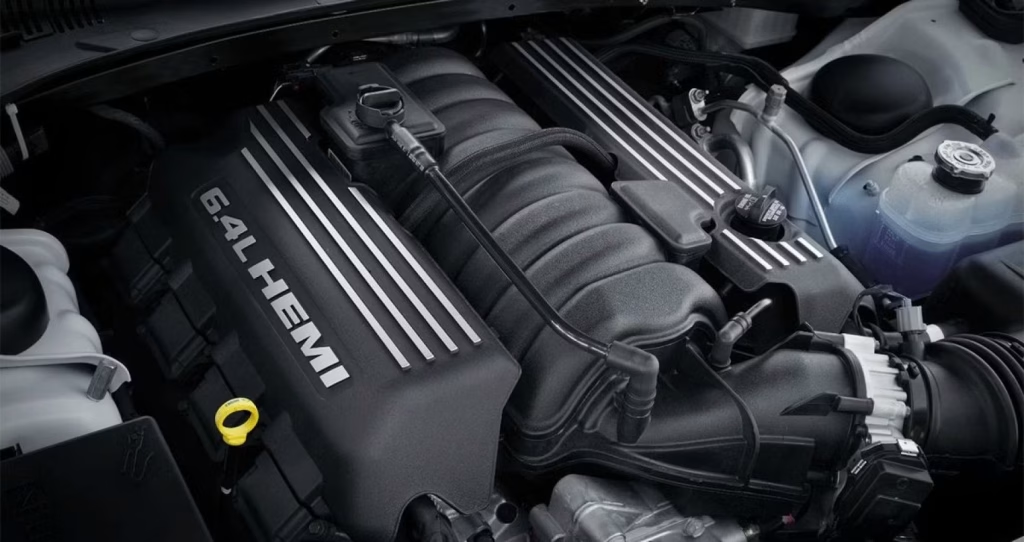
This engine highlights how material quality and sensible design choices can allow a gasoline V8 to perform demanding work roles. Its durability reputation largely comes from the decision to emphasize steel strength and heat management instead of focusing purely on peak output figures.
8. Detroit Diesel Series 60 12.7L (Commercial Truck Applications)
Moving into the commercial trucking world, the Detroit Diesel Series 60 demonstrates what true long haul durability looks like. Designed for semi trucks that routinely pull tens of thousands of kilograms, this engine depends heavily on forged steel internal components built for extreme longevity.
The crankshaft in this engine is built from high strength forged steel designed for million kilometer service expectations. Unlike light duty engines, this crankshaft is designed with rebuild cycles in mind. It can often be reconditioned rather than replaced, reflecting the industrial philosophy behind its construction.
Another defining trait is the massive connecting rods. These are engineered not just for strength but also for rebuild capability. Steel rods that can survive multiple overhaul cycles highlight the difference between commercial and consumer engine design priorities.
Cylinder pressure management is also carefully controlled. Instead of chasing extreme horsepower numbers, the Series 60 focuses on steady torque production across long operating hours. This approach reduces peak stress on steel internals and allows them to survive continuous highway hauling.
The engine braking system also plays a durability role. By using engine compression for vehicle deceleration, the design reduces brake wear while also distributing mechanical load through components designed to handle it. Steel valvetrain components must be strong enough to tolerate this additional function.
Maintenance philosophy further supports its reputation. These engines are built with service access in mind, allowing internal inspection and replacement of wear components. Steel construction makes this possible because the core structure often remains sound even after extensive use.
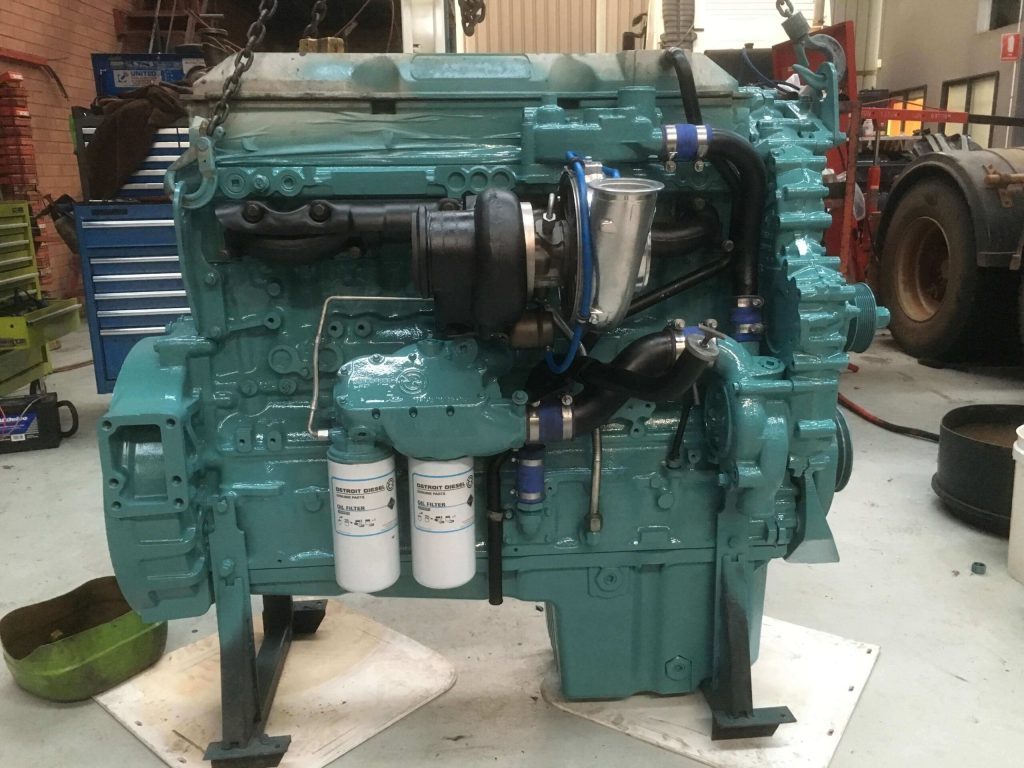
Perhaps the most important lesson from this engine is how durability scales with design intention. When an engine is built from the start to handle continuous heavy load operation, the choice of steel internals becomes a necessity rather than an upgrade.
Although it belongs to the commercial sector, this engine perfectly illustrates what happens when engineering priorities focus entirely on endurance. Strength, serviceability, and predictable wear behavior define its legacy as one of the most respected heavy hauling engines ever produced.
9. Navistar 7.6L DT466 Diesel (International Medium Duty Trucks)
The Navistar DT466 is widely regarded as one of the most durable medium duty diesel engines ever produced, largely because of its steel intensive internal construction and rebuild friendly architecture.
Designed for delivery trucks, school buses, and vocational vehicles, this engine was expected to operate under constant load rather than occasional stress.
A defining feature is its forged steel crankshaft supported by a deep skirt cast iron block. This design minimizes flex during heavy hauling and keeps internal tolerances stable even after years of operation. Stability like this is essential when engines spend most of their life moving heavy cargo rather than running empty.
Another important durability factor comes from its wet sleeve cylinder design. While the sleeves themselves are replaceable, the steel rotating assembly is built to survive multiple rebuild cycles. This reflects a long term ownership philosophy where the engine is maintained rather than discarded.
The camshaft and valvetrain components are also made with hardened steel designed to tolerate constant mechanical motion. Since medium duty trucks often operate in stop start delivery routes while carrying weight, these parts must handle continuous stress cycles without rapid wear.
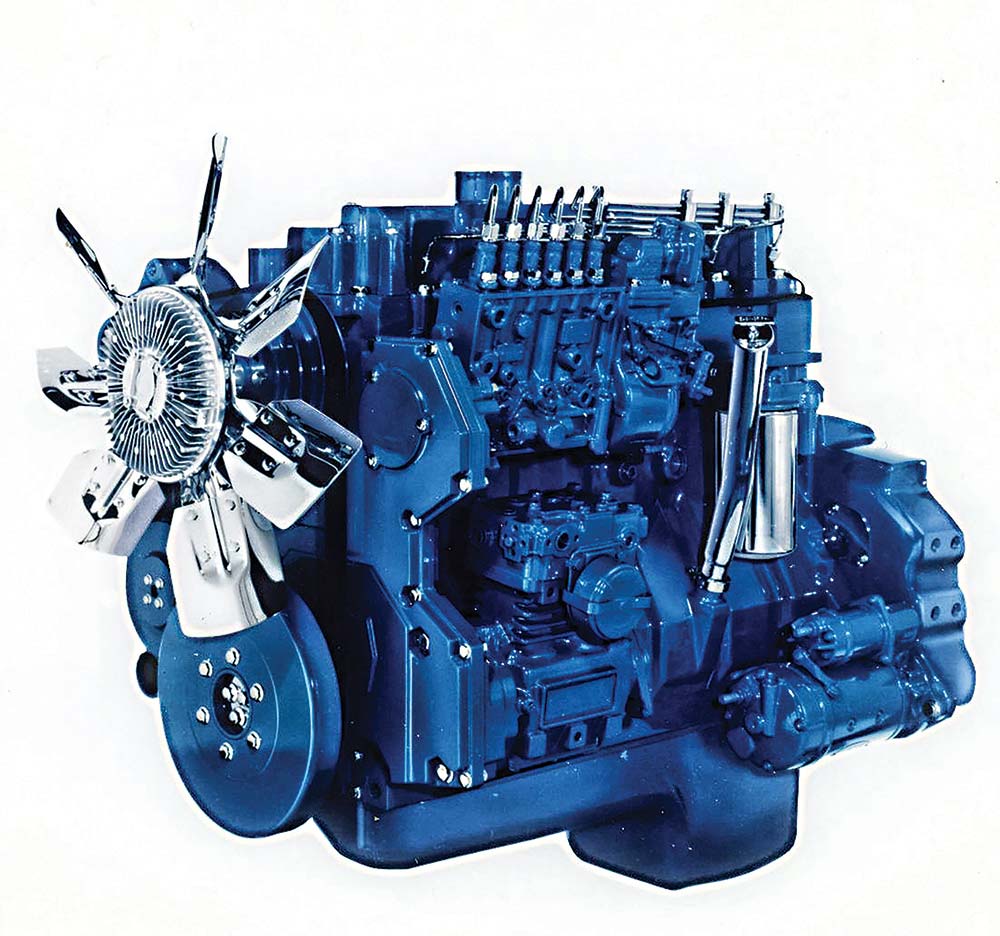
Unlike modern engines focused heavily on electronics, the DT466 earned its reputation through mechanical resilience. Many operators valued its predictable behavior and the way it tolerated hard work without developing sudden internal failures.
This engine shows how proper material selection and serviceable design can create a platform capable of decades of use. For towing and hauling applications, that kind of engineering mindset makes all the difference.
10. Caterpillar C7 Diesel (Vocational and Towing Equipment)
The Caterpillar C7 diesel represents another example of industrial grade engine construction adapted for heavy hauling and towing equipment. Known for its strong steel internal components, this inline six cylinder engine was built for reliability in construction transport and recovery vehicles.
Its forged steel crankshaft forms the structural core, designed to withstand continuous torque loads without fatigue. In heavy towing situations such as equipment transport, this strength ensures the engine maintains internal balance even under extreme strain.
The connecting rods are also built from high strength steel alloys selected for long fatigue life. These rods are intended to survive constant pressure loads rather than performance spikes. This difference reflects the engine’s purpose as a work platform rather than a performance engine.
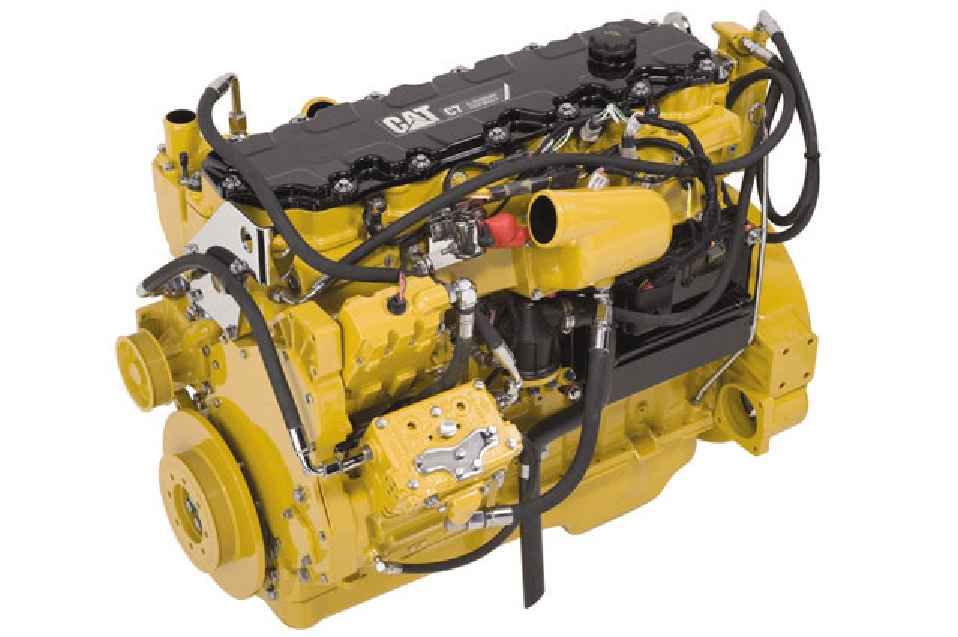
Another reason for its durability is its robust lubrication design. Caterpillar engineered the oil flow system to maintain protection during steep grade towing and uneven terrain operation. Proper lubrication allows steel internals to resist scoring and premature wear.
Heat management also plays a major role. Heavy duty cooling passages help maintain stable operating temperatures, preventing heat related expansion that could otherwise stress internal components.
The C7 ultimately represents industrial durability thinking applied to hauling environments. Strength margins, steel construction, and predictable performance helped it become trusted in demanding towing operations where reliability matters more than anything else.
Also Read: 8 Modern Features That Cost 3000 Dollars to Fix Once the Warranty Ends