
Modern engines have become incredibly advanced, with turbocharging, direct injection, variable valve timing, and complex emissions systems all working together to improve performance and fuel efficiency.
However, not every advancement has been perfect from a long term ownership perspective. One of the most discussed issues among mechanics and long term owners is carbon buildup caused by direct fuel injection systems.
Direct injection sprays fuel directly into the combustion chamber instead of the intake port. While this improves efficiency and power, it also removes the natural cleaning effect that gasoline used to provide when it passed over the intake valves.
Over time, oil vapors from the PCV system stick to these valves and form carbon deposits. These deposits can eventually cause rough idling, power loss, poor fuel economy, and expensive maintenance procedures like walnut blasting.
This is why many experienced buyers still look for engines that retain traditional port fuel injection. In these systems, fuel is sprayed into the intake port before entering the cylinder. This allows gasoline detergents to continuously wash the intake valves, preventing carbon buildup from becoming a serious long term reliability concern.
Some manufacturers have moved to dual injection systems combining both direct and port injection to solve this problem.
However, there are still several modern vehicles that either rely on proven port injection designs or prioritize simplicity over maximum efficiency numbers. These vehicles often appeal to buyers who value durability, lower maintenance costs, and predictable long term ownership experiences.
Simple port injected engines also tend to have fewer high pressure fuel components. Direct injection systems require expensive high pressure pumps and specialized injectors that operate under extreme pressure.
Port injection systems operate at much lower pressure, which often means lower replacement costs and easier servicing over the life of the vehicle.
Another overlooked advantage is thermal stability. Port injected engines often run cooler intake valve temperatures because fuel enters earlier in the airflow path. This can contribute to smoother long term operation and fewer deposit related drivability complaints compared to some early direct injection only designs.
Reliability trends over the last decade have shown that sometimes simpler designs age better than more complex ones.
While modern direct injection engines are improving and many issues have been reduced, buyers who plan to keep vehicles for ten years or more often still prioritize engines with proven fuel delivery designs.
The vehicles in this list focus on modern models that either continue to use port injection or use engine designs known specifically for avoiding carbon related intake problems.
These are not necessarily the most powerful engines in their class, but they represent smart engineering choices focused on longevity and ownership stability rather than chasing maximum output numbers.
Each vehicle below demonstrates a slightly different philosophy. Some prioritize naturally aspirated durability. Others balance efficiency with proven engineering. Some focus on fleet reliability while others focus on consumer trust built over decades.
What they all share is a design philosophy that avoids one of the most talked about maintenance concerns in modern engines. For buyers planning long ownership cycles, these vehicles represent some of the safest bets in today’s market.
Below are five modern vehicles that continue to prove that simple fuel injection design can still be one of the smartest engineering decisions for real world drivers.
Also Read: 5 Modern Engines That Still Use Simple Hydraulic Lifters to Avoid Adjustments
1. Toyota Corolla
The Toyota Corolla has built a global reputation not by chasing extreme performance numbers but by refining mechanical simplicity year after year.
While many competitors rushed toward small turbocharged direct injection engines, Toyota continued offering naturally aspirated engines with proven port fuel injection in several Corolla variants. This decision reflects a long term reliability mindset rather than a marketing driven horsepower race.
At the center of this philosophy is Toyota’s naturally aspirated 1.8 liter and 2.0 liter four cylinder engine families. These engines emphasize smooth operation, predictable wear patterns, and low stress internal components.
Without the extreme pressures associated with direct injection turbo engines, the internal environment remains more stable over high mileage use.
A major benefit owners notice is consistent idle quality even after years of use. Vehicles with heavy carbon accumulation often develop vibration issues at stoplights, but the Corolla typically maintains stable combustion characteristics because its intake valves stay cleaner through continuous fuel washing.
This is one of the quiet advantages that does not appear in brochures but becomes obvious after long ownership.
Maintenance behavior also tends to be more predictable. Oil change intervals remain conventional, spark plug life remains consistent, and there are fewer surprise service procedures compared to some modern turbo engines that may require intake cleaning services as mileage climbs.
This predictability is one of the reasons the Corolla remains popular among high mileage commuters.
Another important factor is heat management. Naturally aspirated port injected engines typically produce more gradual temperature cycles compared to small turbocharged engines that experience rapid heat spikes. Over time, this can reduce gasket stress, sensor fatigue, and plastic component aging under the hood.
Toyota also focuses heavily on conservative engine tuning. Instead of pushing maximum specific output, the Corolla engine operates comfortably below its stress limits.
This often results in engines that feel just as smooth at 150,000 miles as they did when new. Many owners report that the driving character changes very little with age when maintenance is performed regularly.
Fuel system durability also benefits from simplicity. Lower fuel pressure means less strain on pumps and injectors. Replacement parts are typically less expensive and easier to source because the design remains close to traditional fuel system architecture used for decades.
From an ownership psychology perspective, the Corolla appeals to people who want to avoid experimental technology risks. It attracts buyers who prefer mechanical predictability over cutting edge engineering complexity.
This group often includes daily commuters, small families, and drivers who prioritize uninterrupted transportation over excitement.
Even driving feel reflects this engineering approach. Power delivery is linear rather than aggressive, throttle response is predictable, and the engine sound remains consistent instead of fluctuating under boost conditions. This type of character often ages better because it avoids pushing components into high stress zones regularly.

Toyota also benefits from massive real world data collection. Because the Corolla sells in such large numbers globally, engineering decisions tend to be based on real durability feedback rather than theoretical projections.
This leads to conservative but proven solutions like maintaining port injection where it continues to provide ownership advantages.
The Corolla proves that modern does not always mean complicated. Sometimes the smartest engineering decision is continuing to refine something that already works extremely well instead of replacing it with something more complex.
This approach explains why the Corolla continues to be seen not just as transportation, but as a long term ownership strategy built around minimizing mechanical surprises.
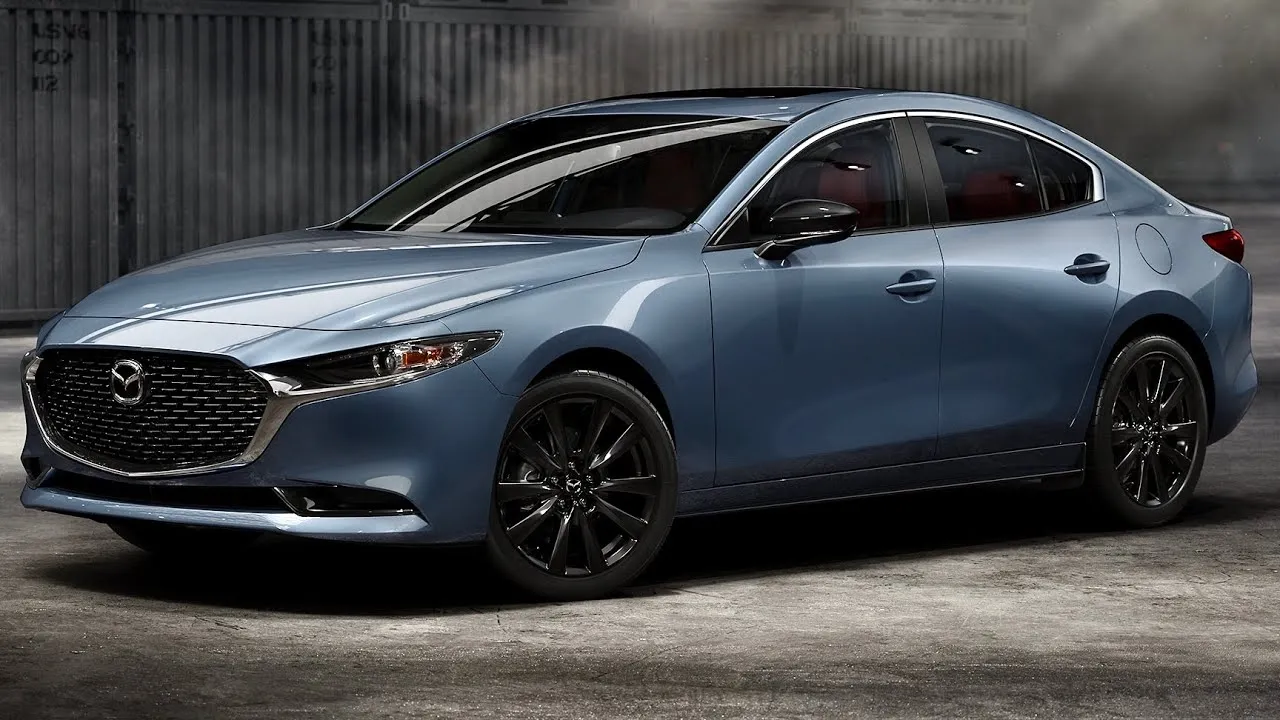
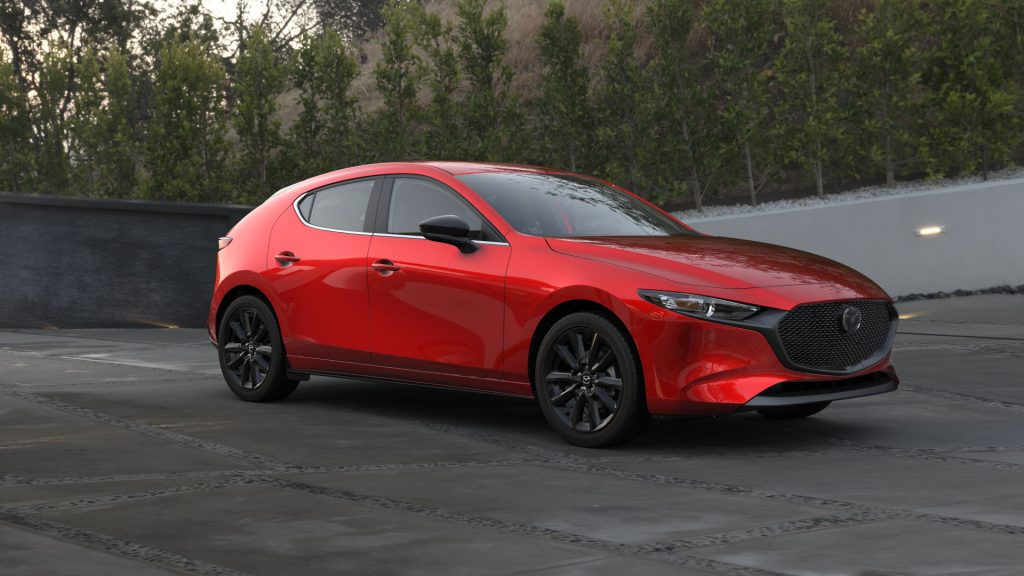
2. Mazda3 (2.5L Naturally Aspirated Skyactiv-G)
Mazda took a very different path compared to most automakers during the industry wide shift toward small displacement turbo engines. Instead of downsizing aggressively, Mazda invested heavily in improving naturally aspirated engine efficiency.
The Skyactiv G 2.5 liter engine found in the Mazda3 represents this alternative engineering philosophy.
Rather than relying on turbocharging and direct injection complexity alone, Mazda focused on combustion efficiency, higher compression ratios, and carefully controlled fuel delivery using port injection in certain configurations. This allowed the company to balance fuel economy with mechanical simplicity while still delivering responsive performance.
One interesting aspect of the Mazda approach is how the engine feels under load. Instead of a sudden surge of torque like many turbocharged engines, the Mazda3 delivers power progressively.
This reduces drivetrain shock and long term stress on transmission components. Over time, this smoother torque delivery can contribute to better durability across the powertrain.
Mazda engineers also placed strong emphasis on reducing internal friction. Special piston shapes, optimized oil flow paths, and carefully designed cooling channels help the engine operate efficiently without needing extreme fuel system pressures. This supports longevity while maintaining competitive efficiency numbers.
Another benefit of this engine design is reduced deposit sensitivity. Because the intake system continues receiving fuel spray, valve contamination remains limited even in urban stop and go driving conditions.
This is particularly helpful for drivers who primarily use their vehicles for short commutes where engines rarely reach extended high temperature cleaning cycles.
The Skyactiv design also focuses heavily on airflow behavior. Mazda engineers spent significant time optimizing intake runner shapes to promote stable combustion. This results in engines that often feel unusually smooth for their class, even after extended mileage accumulation.
From a driver engagement perspective, the Mazda3 stands apart because it combines reliability focused engineering with an enjoyable driving experience. Steering response, throttle calibration, and engine sound tuning all create a more connected feel compared to many economy cars that prioritize isolation over feedback.
Mazda also benefits from keeping engine designs relatively consistent across multiple model years. This allows the company to refine durability improvements gradually rather than introducing completely new architectures frequently. Long production cycles often allow small reliability improvements to accumulate quietly.
Owners who keep maintenance records often report that these engines maintain compression health very well as mileage increases. Stable combustion combined with cleaner intake valves helps preserve performance consistency over time.
Another overlooked factor is reduced dependency on expensive fuel system cleaning additives. While all engines benefit from good fuel quality, port injected designs are generally less sensitive to minor fuel deposit variations because of their natural washing effect.
Mazda’s strategy shows that avoiding carbon buildup does not mean sacrificing driving enjoyment. By refining traditional engine concepts instead of abandoning them, the Mazda3 manages to deliver a balance of reliability, efficiency, and driver satisfaction.
The Mazda3 demonstrates that innovation does not always require complexity. Sometimes innovation comes from improving fundamental engineering principles rather than replacing them.
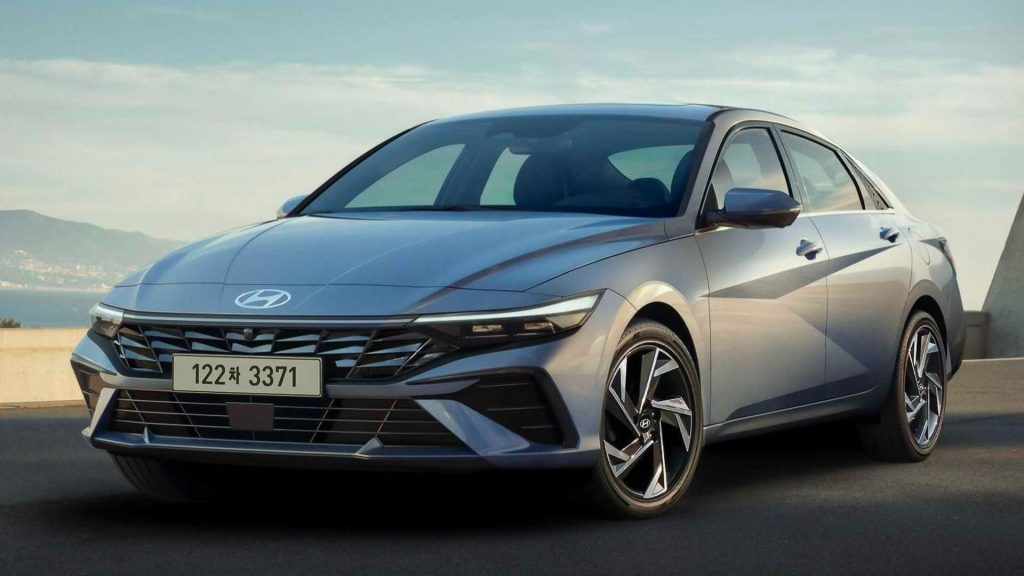
3. Hyundai Elantra (2.0L MPI Engine)
While Hyundai has embraced direct injection in many of its turbocharged models, the company has quietly continued offering its 2.0 liter MPI naturally aspirated engine in the Elantra for buyers who prioritize durability over outright performance.
MPI stands for Multi Point Injection, which is simply another term for modern port fuel injection. This engine represents Hyundai’s practical side, focusing on cost stability and real world ownership ease.
Instead of trying to impress with peak horsepower figures, this engine focuses on consistent everyday usability. The tuning emphasizes smooth city driving, easy cold starts, and gradual acceleration characteristics that reduce mechanical shock.
These characteristics are especially beneficial for drivers who spend most of their time in traffic rather than on open highways.
One of the biggest ownership advantages shows up after several years rather than during the test drive. Engines that avoid intake carbon buildup tend to maintain throttle smoothness as mileage increases.
Many Elantra owners notice that their vehicles continue to respond cleanly to accelerator inputs even after extended use, which is often not the case in engines that develop valve deposits.
Hyundai also designed this engine with accessibility in mind. Routine service items are positioned for straightforward maintenance access.
This reduces labor time during common services and indirectly lowers ownership costs across the life of the vehicle. Mechanics often appreciate designs that do not require excessive disassembly just to reach basic components.
Another area where the Elantra benefits is fuel tolerance. Port injected engines generally adapt better to variations in fuel quality, which can be important in regions where fuel consistency varies. The lower injection pressure and traditional spray pattern can make combustion behavior more forgiving over long term use.
Hyundai’s durability testing has also increasingly focused on long mileage validation rather than short cycle testing. As the brand worked to improve its reliability reputation over the last decade, engines like this became important because they offered fewer high risk failure points compared to more complex fuel systems.
The Elantra also benefits from relatively relaxed specific output. Engines producing extreme power from small displacement often rely on tighter tolerances and higher internal pressures.
By keeping output moderate, Hyundai allows the engine to operate with a larger durability margin. This often translates into less wear acceleration over time.
From a refinement standpoint, this engine is designed to minimize harshness rather than maximize excitement. Engine mounts, intake acoustics, and throttle calibration are tuned to reduce vibration transfer into the cabin.
These comfort focused choices often help vehicles feel newer for longer because drivers notice refinement loss before they notice mechanical wear.
Hyundai also made improvements in piston ring design and oil control strategies in recent years. Better oil control reduces the amount of vapor entering the intake system, which further limits the material that could otherwise contribute to deposit formation in other engine designs.
Another practical benefit appears in insurance and fleet usage. Vehicles with simpler engines are often preferred in fleet environments because predictable maintenance matters more than peak performance. The Elantra’s engine architecture reflects this philosophy by focusing on minimizing unexpected repair events.
The Elantra proves that sometimes the smartest engineering decision is not the most advertised one.
By continuing to offer a simple MPI engine, Hyundai provides an option for buyers who care more about long term stability than technology headlines. This vehicle represents the idea that reliability often comes from restraint rather than complexity.
4. Nissan Sentra (2.0L Naturally Aspirated Port Injection Engine)
Nissan’s approach with the Sentra has been centered around rebuilding trust through mechanical dependability.
While the brand experimented with various technologies over the years, the current Sentra’s naturally aspirated 2.0 liter port injected engine reflects a deliberate return toward proven fundamentals.
One of the most noticeable characteristics of this engine is its balanced behavior. Instead of focusing heavily on any single performance metric, Nissan tuned the engine to behave predictably across a wide range of operating conditions. This includes stable warm up cycles, gradual thermal expansion behavior, and consistent fuel delivery mapping.
An interesting engineering priority here is combustion stability rather than maximum efficiency extraction.
By avoiding aggressive combustion strategies, Nissan reduces the likelihood of uneven deposit formation and stress related wear patterns. The result is an engine that may not lead comparison charts but tends to age gracefully.
This engine also reflects lessons learned from high mileage fleet usage. Vehicles used in rental and corporate environments generate large data sets on wear behavior. Nissan has used this information to emphasize durability margins, including maintaining traditional injection strategies that reduce maintenance variability.
Another subtle advantage is how the engine handles repeated short trips. Many modern engines struggle when constantly driven in short cycles because they never reach full operating temperature long enough to burn off deposits. Port injected designs like this Sentra engine tend to be more tolerant of this type of usage pattern.
Noise behavior also tends to remain stable over time. Some direct injection engines develop ticking sounds from high pressure injectors, but traditional port systems generally maintain consistent acoustic behavior throughout their lifespan. This contributes to the perception of long term mechanical health.
The Sentra’s engine also benefits from straightforward airflow routing. Simpler intake routing reduces turbulence zones where oil vapor might otherwise collect. Combined with fuel spray cleaning action, this helps maintain internal cleanliness over extended mileage.
Nissan also focused on improving electronic throttle mapping to ensure predictable response. This is not directly related to injection design but reflects a broader philosophy of making the vehicle feel consistent year after year. Drivers often interpret consistency as reliability, even when they cannot identify the mechanical reasons.
Cooling system calibration also plays a role. By managing warm up speed and operating temperature carefully, Nissan reduces thermal stress cycles that can accelerate aging in hoses, seals, and plastic components surrounding the engine.
Another overlooked ownership factor is diagnostic simplicity. Traditional injection systems are often easier to troubleshoot because they rely on well understood fuel delivery behavior. This can reduce diagnostic time when issues do appear, which indirectly lowers repair costs.

Nissan’s decision to keep this engine simple also aligns with global market needs. Many regions prioritize serviceability and durability over advanced technology adoption. Designing engines that can survive varied maintenance environments requires conservative engineering choices.
The Sentra demonstrates that reliability can also be about restoring confidence. By choosing proven fuel delivery architecture, Nissan shows that sometimes progress means returning to what works best. This car highlights how thoughtful engineering does not always need to be complicated to be effective.
5. Kia Forte (2.0L MPI Naturally Aspirated Engine)
The Kia Forte represents a careful balance between modern design expectations and mechanical simplicity.
While the exterior and interior reflect contemporary styling trends, underneath the hood Kia continues to offer a naturally aspirated 2.0 liter MPI engine that focuses on ownership stability.
This contrast between modern appearance and traditional engineering is part of what makes the Forte an interesting case study.
Instead of building the Forte around aggressive engine specifications, Kia built it around predictable daily behavior. The goal was not to create the fastest compact sedan, but to create one that owners could depend on without worrying about specialized maintenance procedures becoming necessary as mileage increases.
One of the most noticeable benefits shows itself in long term drivability consistency. Engines with heavy intake deposits often slowly lose their original throttle smoothness, but the Forte tends to preserve its original response characteristics.
This means the car often feels mechanically familiar even after years of use, which strengthens owner confidence.
Kia also focused heavily on reducing the number of variables that could introduce long term maintenance surprises. By sticking with port injection, the company avoids the need for ultra high pressure fuel pumps and complex injector calibration strategies. Fewer extreme operating conditions often translate into fewer unexpected repair scenarios.
Another design advantage is how the engine handles temperature cycling. Engines that operate under lower peak stress tend to experience more gradual material expansion and contraction. Over time this can help reduce micro fatigue in seals and gaskets, which are often the hidden causes behind aging vehicle problems.
Kia engineers also emphasized oil control improvements to support long term cleanliness. Modern piston ring packages and improved crankcase ventilation management help reduce the amount of oil vapor entering the intake path.
Combined with the cleaning action of port injection, this helps limit the formation of sticky residue that can affect airflow in other engine types.
Instead of emphasizing raw acceleration numbers, Kia tuned the Forte’s engine for progressive torque delivery.
This type of calibration reduces sudden load spikes through the drivetrain. Smoother torque application can contribute to transmission longevity and reduce cumulative stress on engine mounts and driveline joints.
There is also a financial ownership advantage. Simpler engines tend to maintain more stable maintenance cost curves over time. Owners are less likely to encounter sudden expensive fuel system services, which can make long term budgeting easier. This is particularly important for buyers planning to keep their vehicles well beyond warranty periods.
Kia’s improvements in manufacturing consistency have also played a role. Better machining precision and quality control mean that even simple engines benefit from tighter tolerances and improved durability compared to similar designs from a decade ago. Simplicity combined with modern manufacturing can be a powerful reliability combination.
Another subtle benefit is long term fuel system cleanliness. Lower injection pressures mean less mechanical strain on injector seals and less sensitivity to minor fuel contamination. This contributes to the type of quiet reliability that rarely makes headlines but matters deeply to long term owners.
The Forte shows that modern cars do not need complicated fuel systems to meet the needs of most drivers. By combining updated materials, careful calibration, and traditional injection methods, Kia created a vehicle that prioritizes real world ownership experience rather than laboratory specification victories.
This vehicle demonstrates that sometimes the smartest modernization strategy is improving what already works rather than replacing it entirely.
The automotive industry often equates progress with complexity, but real world ownership experience sometimes tells a different story.
While direct injection technology offers clear advantages in performance and efficiency, it also introduced new maintenance considerations that many long term owners did not previously have to think about.
Port fuel injection represents a reminder that engineering success is not always about adopting the newest technology first.
Sometimes success comes from knowing which proven systems still offer meaningful advantages. The natural intake valve cleaning effect provided by port injection remains one of those advantages even today.

The five vehicles discussed here each represent a slightly different interpretation of this philosophy. Toyota focuses on proven global durability. Mazda emphasizes combustion efficiency through careful engineering.
Hyundai highlights cost stability and usability. Nissan demonstrates a return to dependable fundamentals. Kia shows how modern manufacturing can enhance simple designs.
What connects all of them is not performance ranking or feature lists. The common theme is risk reduction. These vehicles reduce the likelihood of carbon related maintenance, reduce exposure to high pressure fuel system failures, and reduce the chances of unpredictable ownership costs appearing later in the vehicle’s life.
Another important lesson is that simple does not mean outdated. Modern port injected engines benefit from better materials, improved engine management software, and more precise manufacturing than ever before.
This means buyers can still enjoy modern refinement without necessarily accepting the maintenance risks associated with more complex fuel systems.
Buyers planning to keep their vehicles for extended periods often benefit the most from these designs.
When ownership stretches beyond five or ten years, maintenance predictability becomes more important than small differences in fuel economy or acceleration numbers. Simpler fuel delivery systems often provide this predictability.
There is also a psychological benefit to proven engineering. Owners who trust their vehicles tend to maintain them better, drive them more confidently, and keep them longer. This creates a positive ownership cycle where reliability encourages better care, which in turn supports longevity.
As engine technology continues to evolve, dual injection systems may eventually become the industry standard solution by combining the benefits of both systems. Until then, vehicles that continue using well developed port injection designs remain attractive options for practical buyers.
The key takeaway is simple. The best engine for many drivers is not the most advanced one on paper. It is the one designed to minimize problems, control long term costs, and deliver consistent performance year after year.
These five vehicles prove that sometimes the smartest automotive technology is the technology that quietly prevents problems before they ever begin.
Also Read: 5 Vehicles With the Best Air Conditioning Systems for the Deep South
