
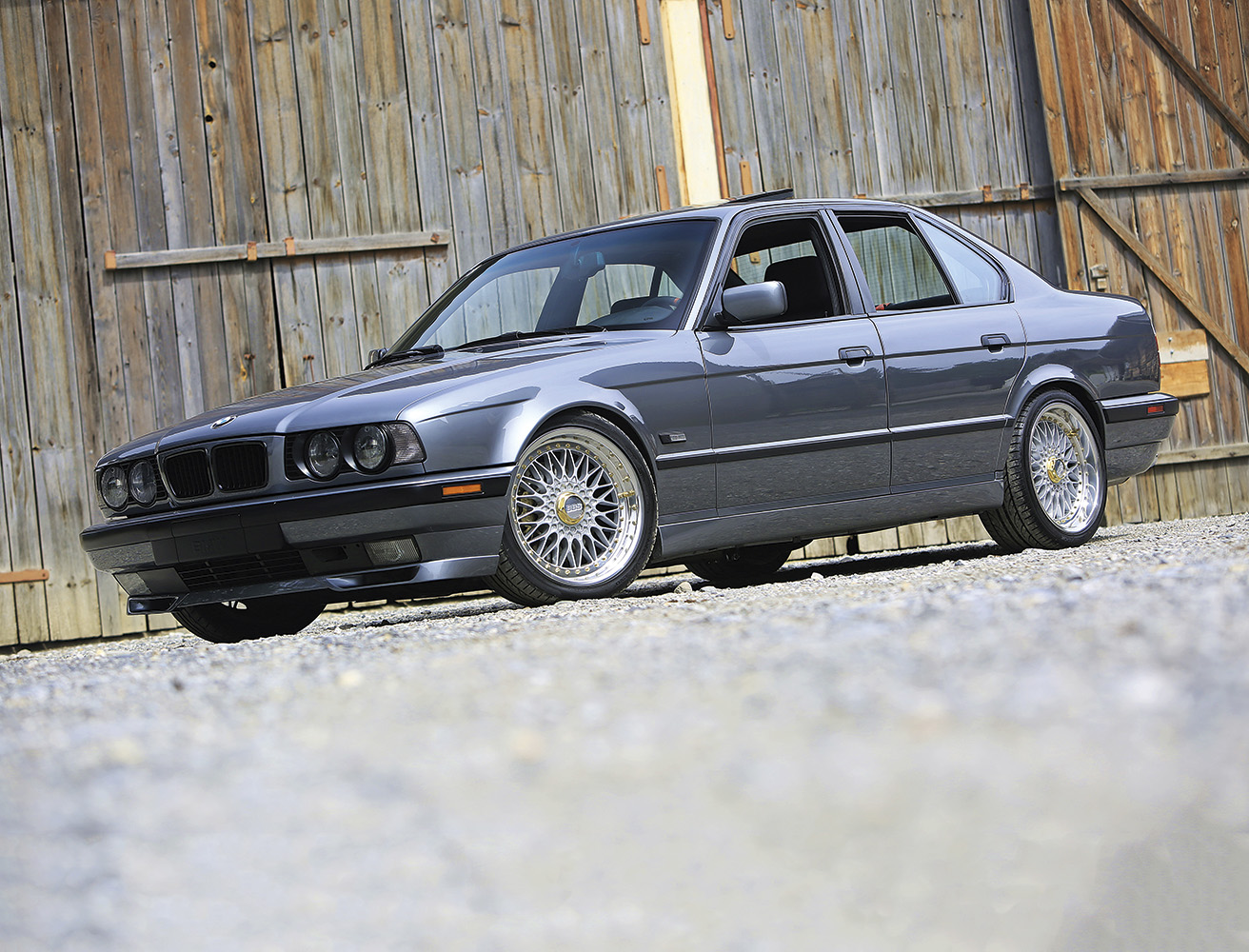
Luxury cars are often associated with complex engineering, advanced electronics, and expensive maintenance requirements.
Many buyers assume that owning a used luxury vehicle automatically means dealing with complicated mechanical systems that require specialized tools and costly repairs. While this is true for some models, not every luxury car follows this pattern.
In fact, several well engineered luxury vehicles were built with surprisingly straightforward mechanical layouts that make them easier to maintain than their reputations suggest.
Mechanical simplicity in luxury cars usually comes from proven engine designs, naturally aspirated powertrains, conventional automatic transmissions, and accessible engine bays.
Some manufacturers intentionally avoided overcomplication in certain models to prioritize reliability and long term ownership satisfaction. Others achieved simplicity by refining existing platforms rather than introducing entirely new experimental technologies.
Another reason some luxury cars remain mechanically approachable is the use of shared components with non luxury models.
When manufacturers adapt reliable engines and transmissions from their mainstream divisions, the result is often a luxury vehicle that delivers comfort and refinement without introducing unnecessary mechanical risk.
This approach can significantly reduce long term ownership stress compared to models filled with first generation technology.
Service accessibility also plays a role. Some luxury cars were engineered with maintenance practicality in mind, allowing common service procedures to be performed without removing major components. This kind of thoughtful engineering can make a major difference once these vehicles enter the used market.
It is also important to understand that simplicity does not mean lack of quality. Many of these vehicles still deliver premium interiors, smooth ride quality, and strong performance. The difference is that their mechanical foundations rely on proven engineering rather than experimental complexity.
This list highlights ten used luxury cars that stand out because of their relatively straightforward mechanical designs. These vehicles show that it is possible to enjoy luxury ownership without necessarily facing the mechanical complexity that often discourages second hand buyers.
Each of these models demonstrates how smart engineering decisions can balance sophistication with long term serviceability.
Also Read: 8 Best Used Half Ton Trucks With Indestructible Rear Differentials
1. Lexus LS430
The Lexus LS430 represents a philosophy of engineering where refinement was achieved through precision rather than complexity.
Introduced during a period when Lexus was focused heavily on long term dependability, this flagship sedan relied on a naturally aspirated V8 engine known for its conservative design and predictable maintenance needs.
Instead of relying on turbocharging or complicated variable systems, the LS430 used a well proven V8 architecture that emphasized smoothness through balance.
The engine bay layout also reflects careful planning, with logical placement of components that makes routine maintenance more manageable than many competing European luxury sedans from the same era.
What makes this car particularly interesting is how it achieves luxury through isolation rather than mechanical complication. Extensive sound insulation, high quality bushings, and excellent manufacturing tolerances create the quiet ride experience.
These improvements do not increase mechanical risk, which helps explain why many examples remain reliable years later.
Transmission design also contributes to the simplicity story. The automatic gearbox used in this vehicle focuses on smooth operation rather than aggressive performance programming. This reduces internal stress and contributes to long term durability when properly maintained.
Ownership reports often highlight how predictable the LS430 feels from a maintenance perspective. Instead of sudden electronic surprises, most service needs tend to follow normal aging patterns. This predictability is often a sign of well balanced engineering rather than overcomplicated design.
Another reason this vehicle stands out is the philosophy behind its development. Lexus engineers aimed to eliminate unnecessary failure points rather than chase experimental innovation. That mindset is visible in the straightforward mechanical systems that continue to perform well in the used market.
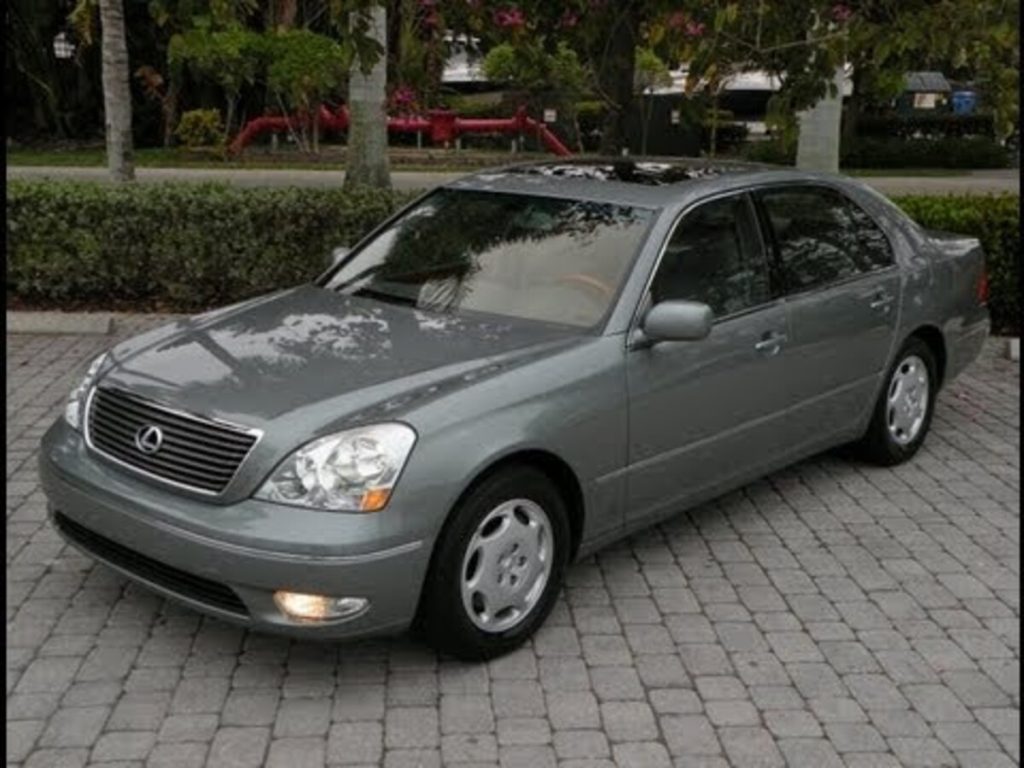
For buyers seeking an introduction to used luxury ownership without overwhelming mechanical risk, the LS430 often serves as an example of how thoughtful engineering can make a premium car surprisingly manageable over time.
2. Acura RL (2005–2012)
Unlike many luxury sedans that attempted to impress buyers with mechanical complexity, the Acura RL from this era followed a different path. It focused on engineering balance rather than excessive technology, resulting in a vehicle that remains relatively approachable from a mechanical standpoint.
At the heart of the RL is a naturally aspirated V6 engine known for its durability across multiple Honda and Acura products.
Because this engine family was widely used, parts availability and service knowledge remain strong advantages. This shared engineering heritage helped reduce ownership uncertainty compared to more exotic luxury platforms.
One interesting aspect of the RL is how it integrates its all wheel drive system. While all wheel drive often increases mechanical complication, Acura designed the system with reliability as a priority. Instead of chasing extreme off road capability, the system focuses on stability and predictable torque distribution.
From a structural standpoint, the car benefits from Honda’s reputation for mechanical efficiency. Engineers often favor designs that minimize unnecessary complexity, and this philosophy shows in the engine layout and supporting systems.
Routine maintenance procedures generally remain straightforward compared to more complicated luxury competitors.
The RL also avoids the trap of excessive forced induction. By using natural aspiration, the engine avoids additional heat and pressure stresses that turbocharged engines must manage. This often results in fewer long term mechanical concerns when the car ages.
Another strength is how the car balances luxury features with mechanical restraint. It delivers leather interiors, premium audio, and advanced safety technology for its time without introducing fragile experimental systems that could become liabilities later.
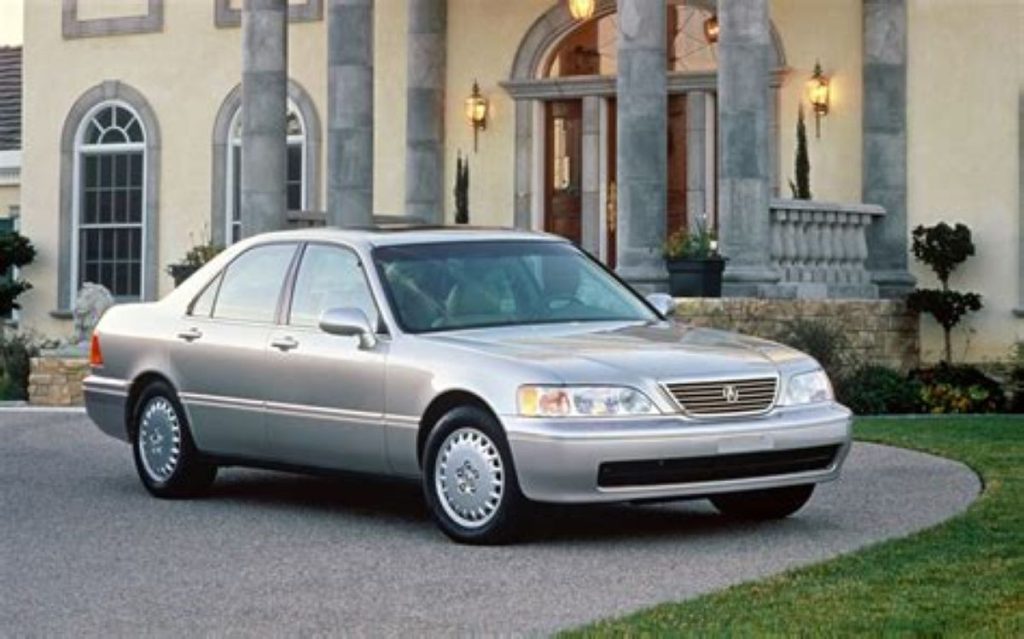
For used buyers, this vehicle represents a practical interpretation of luxury. It shows how refinement can exist alongside mechanical common sense, making it a compelling option for those who want comfort without excessive engineering risk.
3. Mercedes Benz E320 (W211 Naturally Aspirated Models)
During the early 2000s, Mercedes was still building some vehicles with a strong focus on mechanical longevity rather than technological overload.
The naturally aspirated E320 from the W211 generation stands as a good example of this balance. While the car certainly delivers the expected luxury experience, its core mechanical structure remains surprisingly traditional.
Power comes from a V6 engine that avoids turbocharging complexity. This decision alone removes several long term risk factors such as boost leaks, intercooler failures, and turbo lubrication concerns. Instead, the engine focuses on steady power delivery and durability through well understood engineering practices.
Another aspect worth mentioning is how Mercedes engineered accessibility into many service areas. While it is still a luxury car, the layout does not feel unnecessarily crowded.
Routine items such as filters, belts, and ignition components can typically be reached without major disassembly, which is not always the case with European luxury vehicles.
The transmission also reflects a durability focused approach. Rather than aggressive shift programming, the gearbox emphasizes smooth transitions and moderate internal stress. This contributes to long term reliability when fluid service is performed on schedule.
What really makes this car stand apart is how it feels engineered for endurance rather than novelty. Many of its systems rely on refined versions of older Mercedes designs rather than experimental first generation technologies. That often translates into fewer unpredictable repair situations for used owners.
Interior luxury is achieved through material quality and ride comfort rather than complex mechanical gimmicks. This separation between comfort and mechanical complication helps explain why many of these cars remain roadworthy long after their original ownership period.
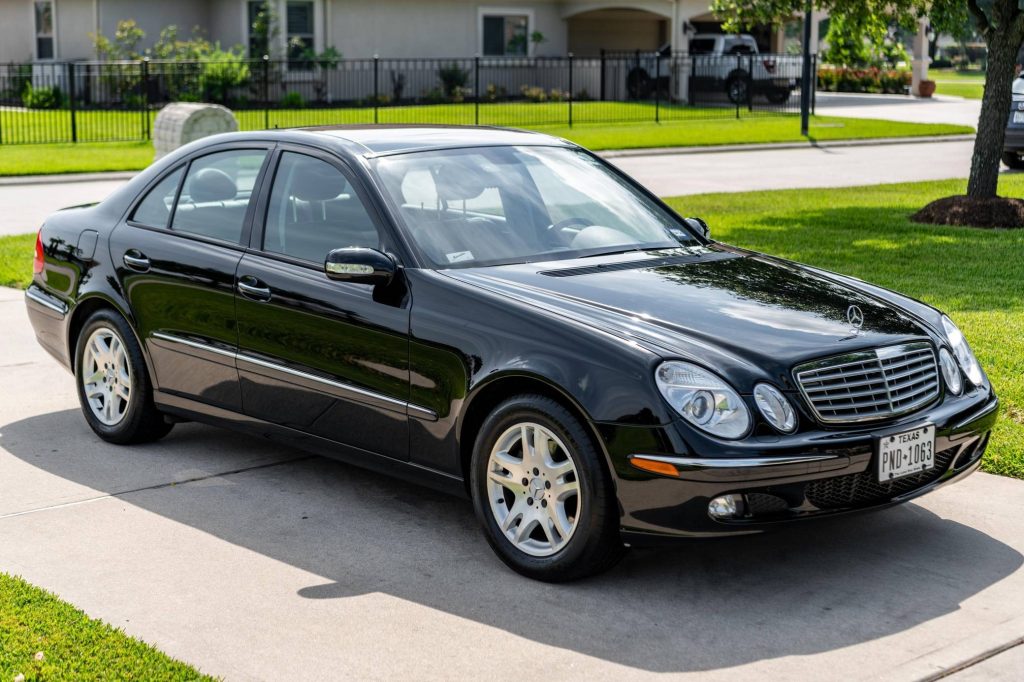
Buyers who research carefully often discover that this model offers a more manageable ownership experience than its reputation might suggest. Beneath the premium badge is a vehicle built on fairly understandable mechanical principles.
4. BMW 530i (E60 Naturally Aspirated Inline Six)
BMW built much of its reputation on inline six engines, and the naturally aspirated 530i from the E60 generation demonstrates why this layout remains respected. While BMW is sometimes associated with complicated engineering, this particular configuration shows how simplicity can still exist within a premium sports sedan.
The inline six design itself contributes to mechanical clarity. This layout naturally balances engine vibrations without requiring complex countermeasures. Fewer balancing components mean fewer potential wear points, which is an advantage once the vehicle enters the used market.
This engine also avoids forced induction, which reduces heat related stress and pressure related maintenance concerns. By relying on smooth power delivery rather than turbocharged output, BMW created a driving experience that feels refined without increasing mechanical burden.
Looking deeper into the structure, the engine bay reflects organized packaging rather than excessive layering.
While still engineered to tight tolerances, the design allows trained technicians to service major components without extreme labor procedures. This makes the vehicle less intimidating compared to some later turbocharged BMW models.
Another factor worth noting is how BMW tuned this engine for responsiveness rather than outright stress. The power delivery feels progressive and controlled, which helps reduce shock loads on internal components. Over time, this type of tuning can contribute to longer component life.

Suspension engineering also plays a role in the ownership experience. BMW achieved its famous driving balance through geometry and tuning rather than overly complicated active systems in this model. This reduces the number of high cost mechanical variables as the car ages.
This car shows how luxury performance does not always require excessive complication. Through smart use of a naturally balanced engine layout and restrained engineering decisions, BMW created a vehicle that can remain approachable for second hand ownership when properly maintained.
5. Audi A6 3.2 FSI (C6 Naturally Aspirated V6)
Audi has often been associated with advanced technology and complex engineering, but the A6 equipped with the naturally aspirated 3.2 FSI V6 represents a more grounded mechanical approach. While it still delivers the premium feel expected from the brand, its core mechanical systems rely more on solid fundamentals than experimental design.
This engine stands out because it produces smooth power without turbochargers. By avoiding forced induction, the design eliminates several heat management challenges that can complicate long term ownership. Instead, the focus remains on consistent performance through precise fuel delivery and stable combustion behavior.
The mechanical layout also reflects Audi’s gradual evolution strategy. Rather than introducing completely new engine architecture, the company refined an existing platform. This helped reduce unexpected reliability concerns because many of the engine’s design principles were already well understood before this version reached production.
Another interesting element is how the vehicle balances technology with practicality. While the car does include premium electronics, the underlying mechanical systems such as the engine block, timing components, and drivetrain follow fairly conventional engineering patterns. This separation helps keep mechanical servicing manageable even as electronic features age.
Quattro all wheel drive is often assumed to be complex, but in this application it was engineered for predictable road use rather than extreme performance tuning. This helps reduce stress on drivetrain components during everyday driving, which benefits long term reliability.
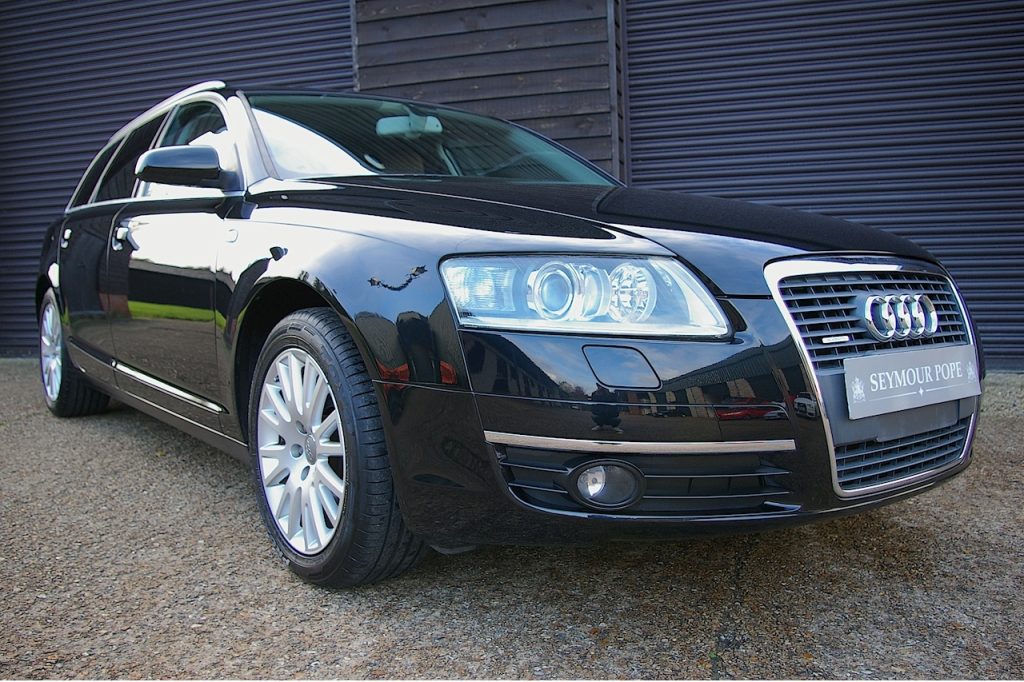
Ownership discussions often point out that this model feels mechanically honest compared to later downsized turbo Audi engines. It does not attempt to extract extreme output from a small displacement platform, which helps explain its relatively stable mechanical reputation.
For buyers looking at used German luxury cars, this model demonstrates how choosing naturally aspirated configurations can sometimes result in a more manageable ownership experience without sacrificing the refinement expected from the brand.
6. Infiniti M35
The Infiniti M35 approaches luxury from a performance first perspective, yet its mechanical layout remains grounded in proven Nissan engineering. This combination makes it an interesting option for buyers who want both driving engagement and mechanical familiarity.
Instead of chasing complicated hybrid systems or experimental powertrains, Infiniti built this sedan around the well known VQ series V6 engine. This engine family has been used across numerous Nissan and Infiniti vehicles, which means its behavior, strengths, and service requirements are widely understood by mechanics.
One advantage of this approach is parts ecosystem maturity. Because the engine was not exclusive to a single luxury model, replacement components remain relatively accessible compared to engines developed only for limited production luxury vehicles.
The car also benefits from a straightforward rear wheel drive platform in many versions. This traditional layout simplifies drivetrain understanding compared to vehicles that rely on complex torque vectoring systems. The result is a performance oriented sedan that still follows familiar mechanical principles.
Cooling and lubrication strategies in this car reflect performance durability rather than fragility. Engineers expected enthusiastic driving, so the systems were designed with safety margins that also benefit long term ownership. This kind of durability often translates well when the car enters the used market.
Another notable point is how Infiniti balanced technology introduction. While the car includes driver comfort features, it avoids some of the experimental suspension technologies that appeared in certain European competitors during the same period.
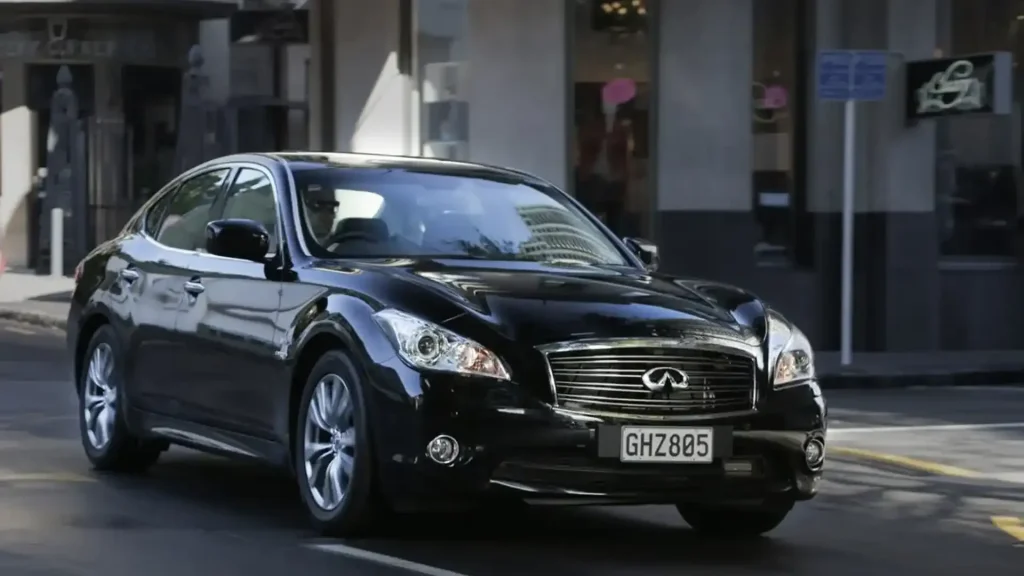
Taken as a whole, the M35 demonstrates how shared engineering heritage can make a luxury car less intimidating to own. Underneath its premium presentation lies a structure that many technicians already understand, which can make a meaningful difference in long term maintenance confidence.
7. Cadillac DTS
The Cadillac DTS represents a very different philosophy compared to European luxury sedans. Instead of emphasizing aggressive innovation, Cadillac focused on comfort, durability, and proven engineering. This approach resulted in a car that may look traditionally luxurious but is mechanically less complicated than many of its global rivals.
At the center of the DTS is the Northstar V8 in its later refined form. Earlier versions had known issues, but by the time this model matured, many of the major weaknesses had been addressed through improved materials and revised engineering processes. The result was a smoother and more stable version of a once controversial engine.
What makes the DTS interesting is how conventional much of the engineering feels. The front wheel drive layout may not sound exciting, but it simplifies packaging and reduces drivetrain complexity compared to rear wheel drive performance luxury sedans. Fewer drivetrain components can often mean fewer long term mechanical variables.
Instead of relying on complicated forced induction, the V8 focuses on steady power delivery. This helps avoid the extra plumbing and heat management challenges associated with turbocharged luxury engines. For second hand owners, fewer pressurized systems often means fewer unexpected repair scenarios.
The car also reflects an era when Cadillac prioritized ride comfort through suspension tuning rather than complicated adaptive hardware. While some trims did offer electronic dampers, the base mechanical structure remained fairly traditional and understandable from a service perspective.
Maintenance accessibility is another quiet strength. The engine layout allows several routine service items to be handled without excessive labor complexity. This kind of design consideration often becomes more valuable as luxury vehicles age beyond their warranty period.
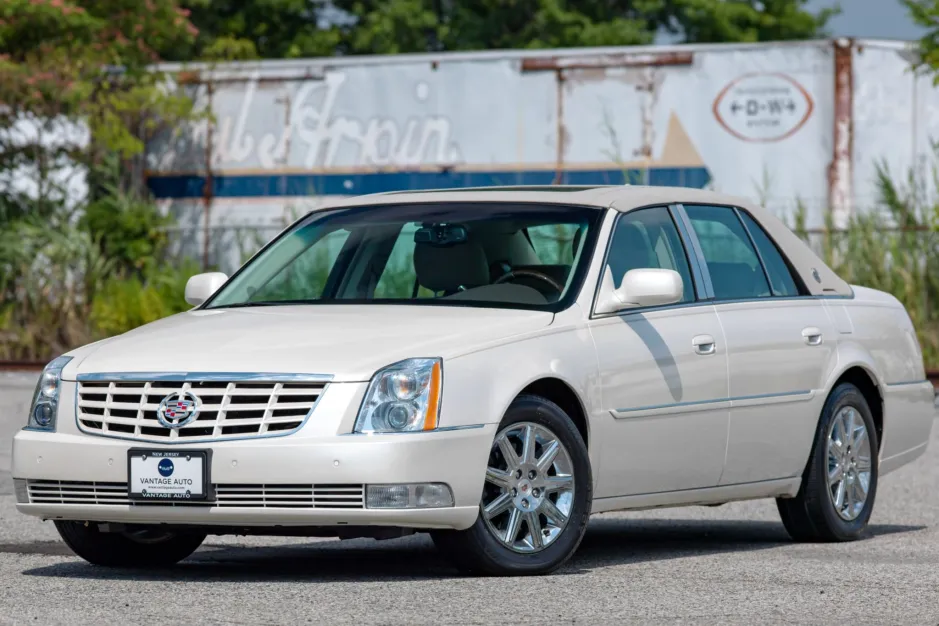
This model shows how traditional American luxury sometimes prioritized long term usability over technological experimentation. For buyers seeking a comfortable used luxury sedan with relatively understandable mechanical systems, the DTS represents a surprisingly practical choice.
8. Volvo S80 (3.2 Naturally Aspirated Inline Six)
Volvo has long built its reputation on safety innovation, yet the S80 equipped with the naturally aspirated 3.2 liter inline six shows the company also understood the value of mechanical stability. This particular configuration avoids many of the complications found in turbocharged luxury platforms.
The inline six engine design naturally provides smooth operation due to its inherent balance. Because the layout reduces vibration without needing complex counterbalancing systems, fewer wear sensitive components are required. This can help simplify long term maintenance compared to more complicated engine geometries.
This engine also avoids turbochargers, which helps reduce both heat concentration and pressure related stress. By allowing the engine to operate in a naturally aspirated state, Volvo prioritized predictable performance rather than maximum output figures. This decision benefits durability.
Another detail worth examining is Volvo’s approach to accessibility. While still packaged as a luxury sedan, the vehicle’s mechanical design avoids excessive layering of components. This allows certain maintenance tasks to be completed without extensive disassembly procedures.
The transmission pairing also reflects conservative engineering. Instead of aggressive performance calibration, the focus remains on smooth power delivery and long term drivability. This type of calibration reduces internal stress accumulation as the vehicle ages.
Volvo also separated its safety technology from core mechanical systems. Advanced safety features operate largely independently of the engine and drivetrain. This helps ensure that mechanical reliability is not directly tied to aging electronic systems.
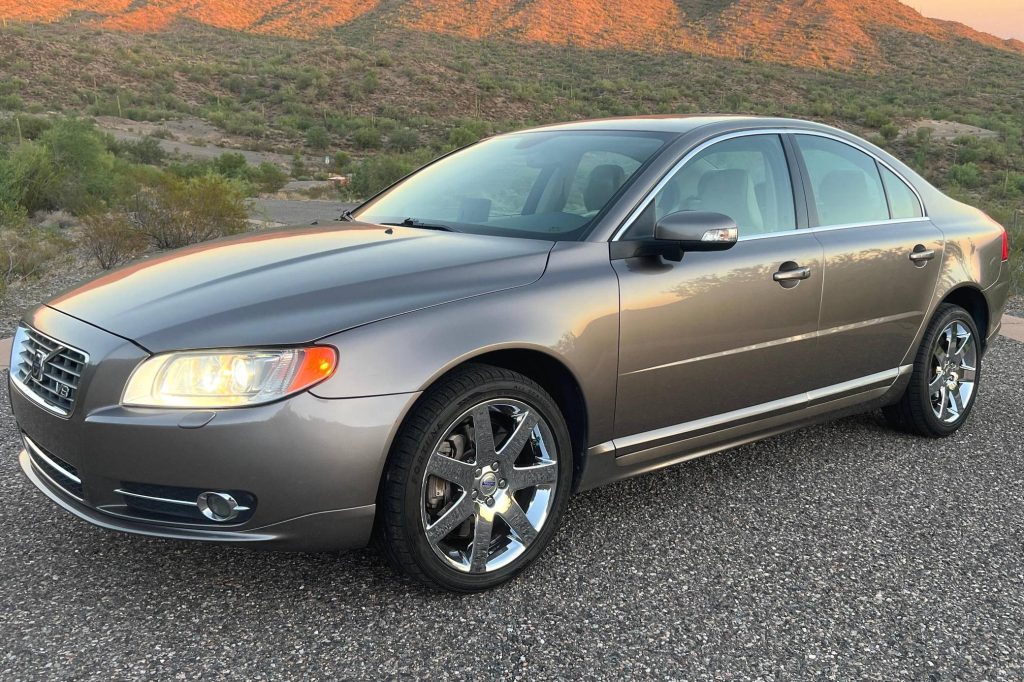
For buyers searching the used luxury market, this model demonstrates how selecting naturally aspirated variants can sometimes provide a simpler ownership experience. It stands as an example of how Volvo balanced safety leadership with mechanical practicality.
9. Jaguar XJ8 (X350 Generation)
Jaguar has often been perceived as a brand associated with complicated engineering and demanding maintenance, but the XJ8 from the X350 generation tells a different story. While it certainly delivers the classic luxury presence expected from the brand, its mechanical layout is far more straightforward than many people expect.
One of the biggest reasons is the naturally aspirated AJ V8 engine. Rather than using turbocharging, Jaguar relied on displacement and smooth engineering to produce power. This decision helped avoid the additional mechanical layers that often complicate long term ownership in performance luxury vehicles.
An interesting engineering decision was the aluminum body structure. While this may sound complex, it actually helped reduce strain on suspension and drivetrain components because of the lighter overall weight. Lower vehicle mass often translates into reduced mechanical stress over time.
Looking at the engine design itself, Jaguar focused on smooth operation rather than extreme output. Internal components were engineered to operate within comfortable tolerances rather than pushing material limits. This type of design philosophy often results in engines that age more gracefully.
Another factor that works in this car’s favor is drivetrain simplicity. The rear wheel drive configuration follows a traditional layout that many technicians already understand. Because Jaguar did not attempt to introduce experimental drivetrain concepts here, the mechanical systems remain relatively conventional beneath the luxury presentation.
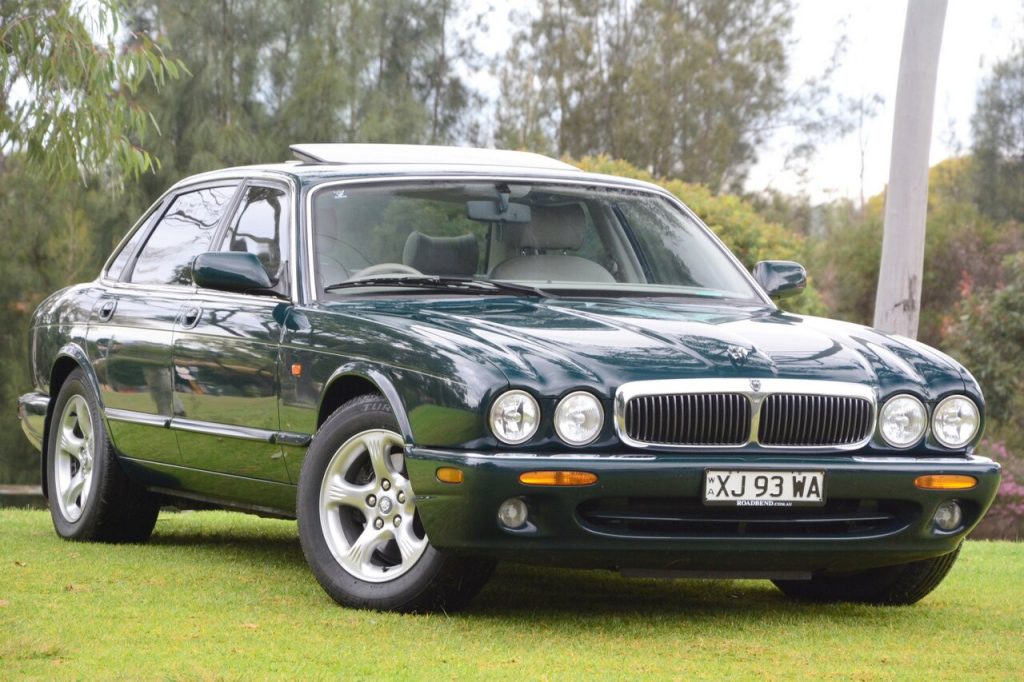
The car also achieves its luxury character through craftsmanship rather than mechanical complication. Wood trim, leather quality, and ride comfort define the ownership experience more than complex mechanical innovation. This separation helps keep the core engineering manageable.
Buyers who research this generation often discover that its reputation is harsher than reality. With proper care, it can deliver a classic luxury experience without the extreme mechanical unpredictability often associated with older luxury vehicles.
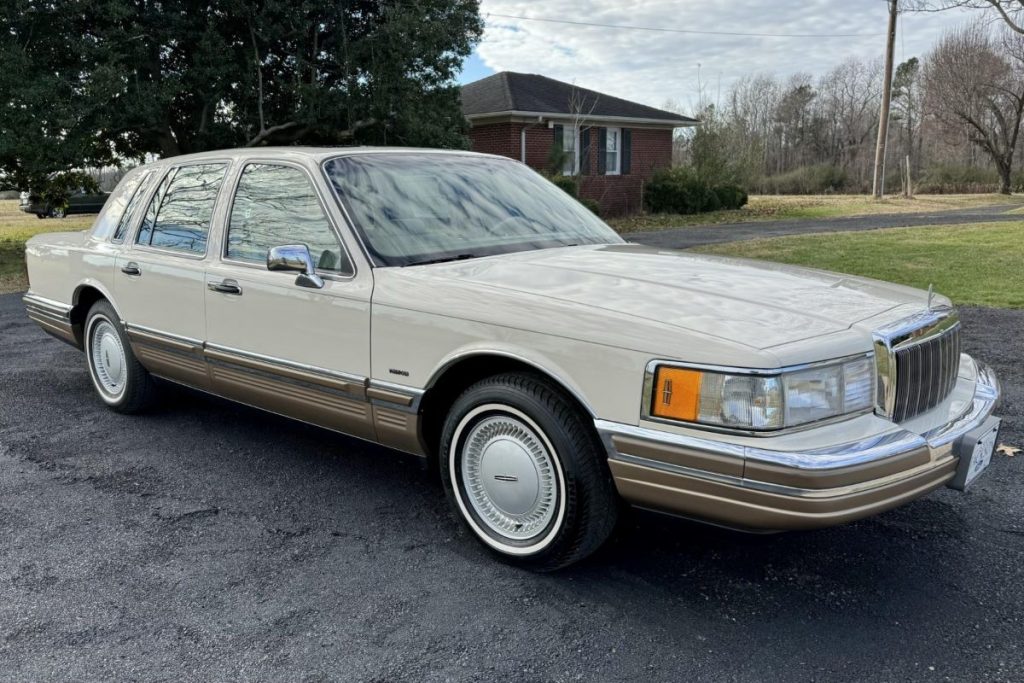
10. Lincoln Town Car (Final Generation)
Few luxury cars demonstrate mechanical simplicity better than the final generation Lincoln Town Car. Built on the long running Panther platform, this sedan represents a traditional approach to luxury that emphasizes durability, accessibility, and proven mechanical architecture.
The foundation of this car is its body on frame construction. While uncommon in modern luxury cars, this design simplifies structural repairs and isolates drivetrain components in a very traditional way. This construction method also proved its durability through decades of fleet and limousine use.
Power comes from the well known 4.6 liter modular V8, an engine designed with longevity as a priority. It avoids complicated forced induction and instead focuses on steady, reliable performance. Because this engine family was used extensively across Ford products, service knowledge remains widespread.
The rear wheel drive layout also contributes to the simplicity story. With a traditional driveshaft and differential arrangement, the drivetrain avoids the complexity found in many modern all wheel drive luxury cars. This makes long term mechanical understanding easier for technicians.
Another advantage comes from how the vehicle was used commercially. Taxi fleets and executive transport companies favored this model because repairs were predictable and parts were easy to source. That type of real world usage often reveals how practical a vehicle truly is beneath its luxury image.
Suspension design also reflects practical thinking. Instead of complicated multi mode adaptive systems, the car relies on durable conventional components designed to prioritize ride comfort. This reduces the number of expensive mechanical variables as the car ages.
The Town Car ultimately represents the end of an era. It proves that luxury does not always require complicated engineering. Sometimes, refinement can come from doing simple things extremely well.
Luxury cars do not always have to mean complicated ownership. As these examples show, some premium vehicles were engineered around proven mechanical foundations rather than experimental complexity.
Choosing naturally aspirated engines, traditional drivetrains, and well understood platforms can significantly reduce long term ownership uncertainty.
A clear pattern appears across these vehicles. Many come from periods when manufacturers balanced innovation with caution. Instead of introducing risk heavy new systems, they refined existing designs. That careful evolution often results in cars that remain manageable even after many years.
Another important lesson is that simplicity often hides beneath reputation. Some brands known for complexity have produced certain models that are far more straightforward than expected. Careful research can reveal these exceptions.
For used buyers, understanding mechanical layout matters just as much as brand image. A well designed luxury car with a simple mechanical structure can often provide a far more satisfying ownership experience than a newer but overly complicated alternative.
These vehicles demonstrate that with the right choices, it is possible to experience premium comfort, strong build quality, and respectable performance without accepting overwhelming mechanical risk.
Also Read: 8 Ways to Protect Your Underbody From Modern Liquid Road Pretreatment Chemicals
