
Electrical reliability is one of the most overlooked aspects of long term vehicle ownership.
While engines and transmissions usually receive the most attention, components like alternators and starter motors play an equally important role in whether a vehicle remains dependable over many years.
When these parts fail, the vehicle can become completely inoperable without warning, which is why durability in these systems matters so much.
The alternator is responsible for maintaining battery charge and powering electrical systems while the engine is running. A well built alternator must withstand constant heat, vibration, and electrical load cycles.
Poorly designed units often fail due to worn bearings, failed voltage regulators, or heat damage. However, some manufacturers engineered these systems with exceptional durability margins, allowing them to last hundreds of thousands of kilometers without replacement.
Starter motors face a different challenge. Every time a vehicle starts, the starter must deliver high torque instantly while tolerating repeated heat cycles and electrical stress.
Vehicles known for long lasting starters usually benefit from strong internal contacts, quality winding insulation, and proper mounting positions that reduce heat exposure.
Another important factor is electrical system design. Vehicles with stable voltage regulation, sensible wiring layouts, and good grounding systems tend to protect alternators and starters from premature wear.
When engineers design electrical systems with realistic load expectations rather than pushing components to their limits, reliability improves significantly.
Environmental protection also matters. Proper shielding from water intrusion and debris helps extend component life. Some manufacturers paid special attention to this detail, particularly in vehicles intended for long term ownership or fleet use.
This list highlights ten vehicles known for having alternators and starter motors that frequently last the operational life of the vehicle when maintained properly.
These models developed reputations not because the parts never fail, but because their designs significantly reduce the likelihood of early replacement compared to industry averages.
Also Read: 8 Reasons Why You Need a Block Heater If You Live in North Dakota or Maine
1. Toyota Land Cruiser (100 Series / 200 Series)
The Toyota Land Cruiser has built its reputation around durability in extreme environments, and this engineering philosophy extends beyond the engine and drivetrain into the electrical system.
Alternators and starters in these vehicles are known for long service lives because they were designed with harsh conditions in mind.
One reason these components last so long is conservative electrical loading. Toyota typically avoids pushing alternators to maximum output during normal operation.
By keeping a safety margin in electrical demand, the alternator operates under less thermal stress, which helps bearings and internal regulators last longer.
Placement also plays a role. In many Land Cruiser configurations, the alternator is mounted in a position that minimizes exposure to water splash and mud intrusion. For vehicles often used off road, this protection becomes critical. Reduced contamination directly translates into longer bearing and brush life.
The starter motor also benefits from Toyota’s overbuilt philosophy. Designed to function in remote environments where reliability is essential, the starter uses durable internal contacts and strong engagement mechanisms. This reduces the chances of failure even after years of daily starts.
Another factor is wiring quality. Toyota’s grounding systems are typically very robust, which prevents voltage spikes that can damage electrical components. Stable voltage supply allows both alternator and starter assemblies to operate within safe electrical ranges.

Maintenance patterns also contribute. Because these vehicles often receive regular servicing due to their high value, electrical inspections help catch small issues before they damage major components. This indirect effect also helps extend component life.
Many owners report original alternators lasting well beyond typical expectations. This consistency is rarely coincidence. It reflects Toyota’s philosophy of designing components for worst case scenarios rather than average conditions.
The Land Cruiser shows how durability culture within a manufacturer can influence even smaller components. When every part is engineered with reliability in mind, even wear items like starters and alternators can exceed expectations.
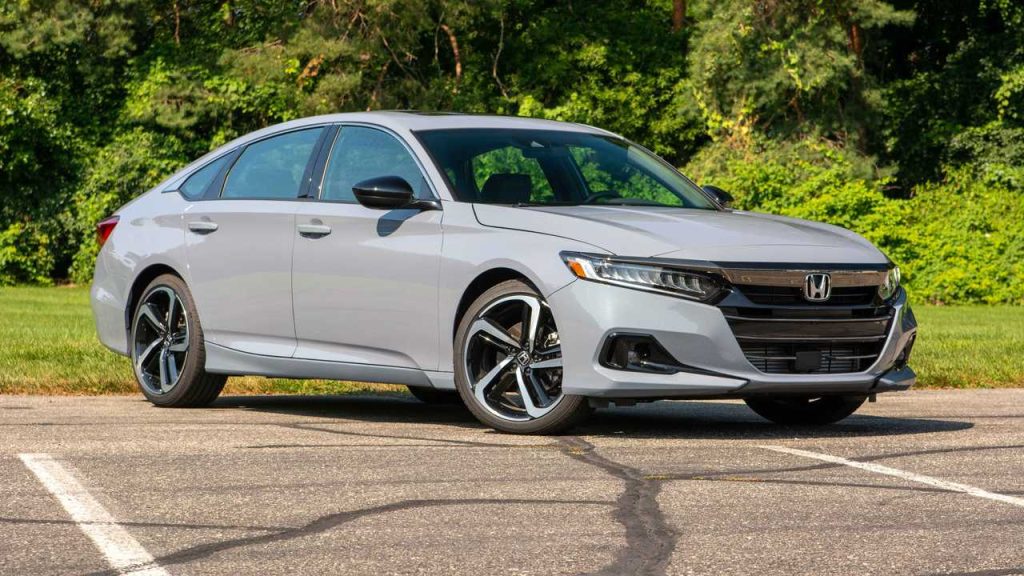
2. Honda Accord (2003–2007 Four Cylinder Models)
The Honda Accord from this generation demonstrates how thoughtful electrical engineering can produce long lasting components even in high volume family vehicles.
While not marketed as a heavy duty platform, the car benefits from Honda’s reputation for efficient and balanced design.
A key reason alternators last in these models is controlled electrical demand. Honda avoided excessive electrical complexity during this era, which meant the alternator was not constantly operating near its capacity limits. Lower stress levels typically result in longer internal component life.
Heat management is another advantage. The engine layout allows decent airflow around the alternator housing, which helps prevent heat buildup. Since heat is one of the primary causes of diode and regulator failure, this design detail can significantly influence longevity.
The starter design also reflects Honda’s efficiency mindset. Rather than oversizing the unit unnecessarily, Honda focused on reducing engine resistance during startup.
Efficient engine design means the starter motor does not need to work as hard, which reduces wear on internal gears and electrical contacts.
Electrical consistency also helps. Honda vehicles from this period are known for stable charging behavior.
When voltage regulation remains steady, alternator components experience fewer damaging fluctuations. This stability helps prevent premature internal failures.
Another interesting point is how predictable aging tends to be. When failures do occur, they usually happen after long service lives rather than unexpectedly early. This pattern reflects balanced engineering rather than cost cutting.
This vehicle highlights how reliability does not always require heavy duty construction. Sometimes it comes from efficiency, smart electrical planning, and avoiding unnecessary strain on components.
The Accord proves that even mainstream vehicles can achieve exceptional component longevity when the overall system is designed with mechanical and electrical harmony in mind.
3. Lexus GX470
If durability had to be summarized through one engineering philosophy, the Lexus GX470 would represent it well.
Built with a focus on long term ownership rather than short term innovation, this SUV benefits from an electrical system designed with the same caution as its mechanical components. The result is a vehicle where alternators and starters frequently remain original even after very high mileage.
Unlike many modern luxury SUVs filled with excessive electrical demand, this vehicle comes from a period when Lexus focused on reliability first.
The alternator capacity was selected with generous headroom instead of minimal tolerance. Because the unit rarely operates near its peak output, internal heat buildup remains controlled, allowing bearings and voltage regulators to age slowly.
A detail often overlooked is vibration control. The GX470 uses engine mounts tuned to reduce harsh vibration transfer. Electrical components mounted to the engine therefore experience less physical stress. Over time this helps protect internal solder joints and rotating assemblies inside the alternator.
The starter motor benefits from similar thinking. Instead of designing for aggressive quick start marketing claims, Lexus focused on smooth engagement. The starter gear engagement system is known for gradual contact rather than harsh mechanical shock, which helps preserve gear teeth and solenoid operation.
Environmental sealing also deserves attention. These SUVs were expected to see off road use, so electrical connectors were built with strong sealing characteristics. Protection from moisture reduces corrosion risk, which is one of the main reasons electrical components fail in aging vehicles.

Service history patterns show something interesting. Failures in these parts usually occur due to extreme mileage rather than design weakness. That distinction matters because it shows the components typically reach the end of their natural wear life rather than failing prematurely.
This SUV reflects a design culture where reliability is built into every system. When electrical parts are engineered with the same seriousness as engines and transmissions, the results often show decades later.
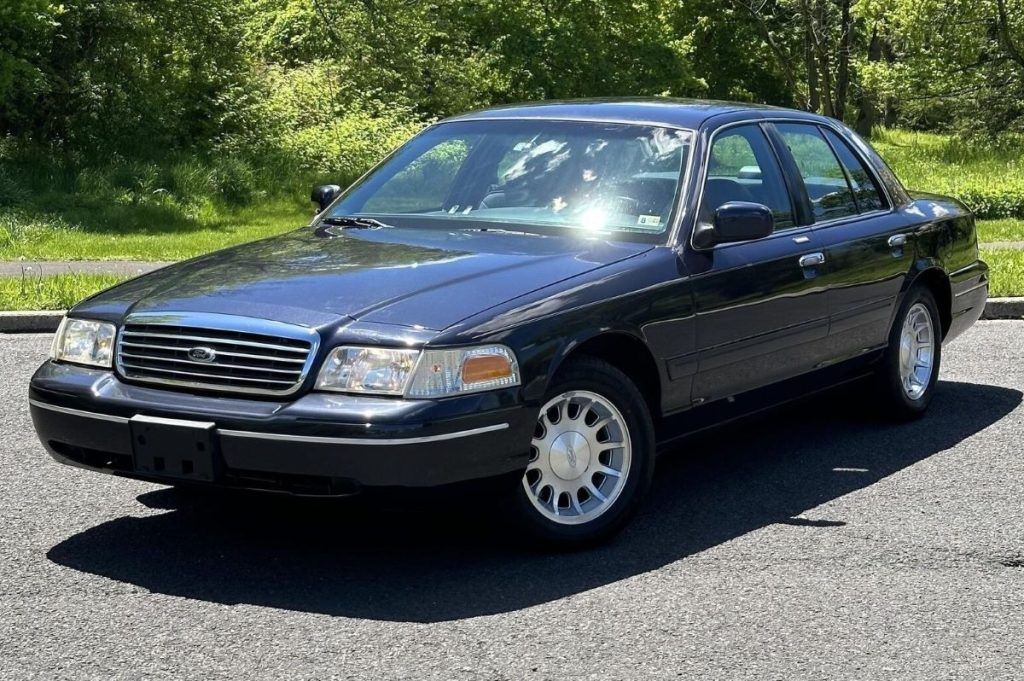
4. Ford Crown Victoria (Panther Platform)
Few vehicles prove electrical durability through real world evidence better than the Ford Crown Victoria. Used extensively as police vehicles and taxis, these cars often accumulated enormous mileage while retaining original alternators and starters. That kind of service environment provides a strong test of component design.
One major advantage comes from simplicity. The electrical system is straightforward compared to many modern cars. With fewer electronic accessories constantly drawing power, the alternator operates in a relatively stable environment. This reduces stress cycles and helps internal parts last longer.
The alternator itself was designed with fleet durability in mind. Since police vehicles often idle for long periods while powering lights and communication equipment, Ford engineered charging systems capable of tolerating continuous operation. That durability also benefits civilian versions of the car.
Starter motors in these vehicles also gained a reputation for toughness. The 4.6 liter V8 engine used in the platform was designed with easy rotation characteristics, meaning the starter does not encounter excessive resistance during engagement. Reduced load during startup translates directly into longer starter life.
Cooling plays a part as well. The large engine bay leaves generous space around electrical components. More airflow helps prevent heat saturation, which is one of the most common reasons alternators degrade over time.
Another overlooked advantage comes from parts accessibility. Because these cars were intended for fleet service, Ford ensured that electrical components could be easily inspected and replaced. This encouraged preventive maintenance, which indirectly helped many components last longer.
The Crown Victoria shows how designing for commercial durability often benefits everyday owners. When a car is built to survive police duty, its electrical components naturally develop a reputation for longevity in normal driving situations.
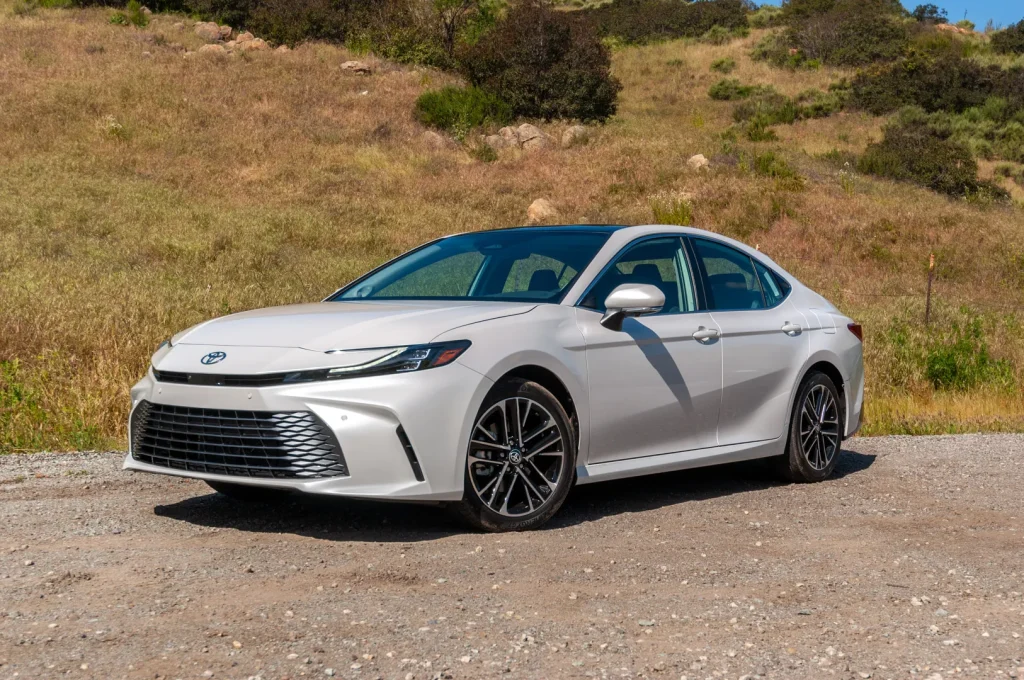
5. Toyota Camry (2002–2006 Four Cylinder)
Not every vehicle earns its reliability reputation through extreme engineering. Sometimes consistency and balance are enough. The early 2000s Toyota Camry shows how stable electrical design can allow alternators and starters to quietly last for decades without drawing attention to themselves.
The alternator durability in this generation is often credited to Toyota’s conservative electrical strategy. Instead of equipping the car with excessive electronic features, the company focused on stability. This meant the charging system rarely faced sudden spikes in demand, allowing the alternator to operate within comfortable limits throughout its life.
Design efficiency also contributed. The four cylinder engine used in these models is known for smooth startup characteristics.
Because the engine does not require excessive torque to begin rotation, the starter motor is subjected to less strain each time the vehicle is started. Over thousands of cycles, this reduction in effort becomes significant.
Another small but important factor is component quality control. Toyota during this period emphasized supplier consistency. Alternators and starters were sourced from manufacturers with strict durability testing standards. The result was fewer early life failures compared to industry averages.
What makes this car particularly interesting is how quietly these components perform. Owners often forget about them because they rarely demand attention. Unlike vehicles where electrical parts become routine replacement items, this Camry tends to keep its original hardware functioning well into high mileage territory.
Environmental protection also deserves mention. The alternator placement avoids excessive exposure to road splash. While not designed as an off road vehicle, this thoughtful positioning reduces contamination that can shorten bearing life.
Looking at long term ownership patterns, this vehicle demonstrates that reliability often comes from avoiding unnecessary risks. Toyota did not attempt to introduce experimental electrical architecture. Instead, they refined proven designs and allowed quality manufacturing to do the rest.
The Camry serves as a reminder that dependable engineering does not always require complexity. Careful planning and restrained design choices can sometimes produce the longest lasting results.
6. Chevrolet Silverado 2500 HD (Duramax Era)
Heavy duty trucks often reveal the difference between average and exceptional electrical design, and the Chevrolet Silverado 2500 HD equipped with the Duramax diesel provides a strong example.
Built to support towing and commercial workloads, this truck uses charging and starting systems designed for sustained stress rather than occasional use.
A key strength lies in alternator capacity planning. Engineers anticipated that these trucks would power trailer lighting, brake controllers, and work equipment.
Because of this, the alternator was built with higher durability margins than typical passenger vehicle units. Operating below maximum output most of the time helps extend service life.
The starter motor also benefits from diesel specific engineering. Diesel engines require strong starters because of higher compression, so manufacturers typically build these components with stronger internal windings and engagement systems. This extra strength often means they last longer when used in normal conditions.
Another factor is structural mounting. Heavy duty mounting brackets reduce vibration transfer from the diesel engine. Since vibration can damage electrical components internally, reducing that stress helps improve longevity.
Maintenance culture also plays a role. Owners of heavy duty trucks often follow strict service schedules due to the cost of downtime. Regular battery checks and electrical inspections help ensure that starters and alternators operate under healthy conditions, which extends their life.
Cooling is another hidden advantage. Larger engine compartments allow better airflow compared to tightly packaged modern vehicles. This prevents electrical components from operating in extreme heat zones.
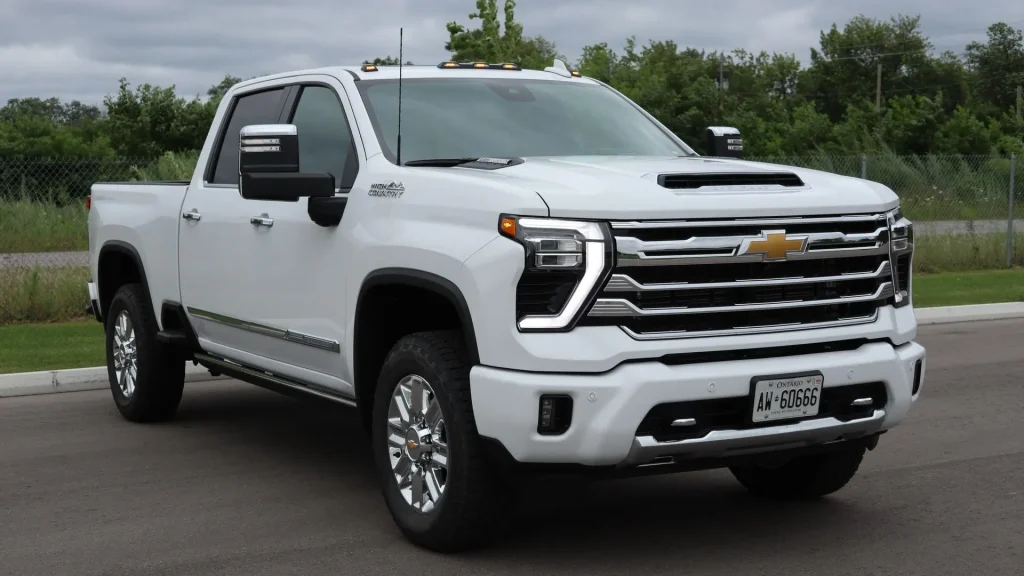
This truck demonstrates how designing for demanding work often results in exceptional longevity even in parts that many people consider routine wear items. When electrical systems are engineered for commercial reliability, they often exceed expectations in everyday ownership.
7. Subaru Outback (2005–2009 Naturally Aspirated Models)
Durability sometimes comes from thoughtful layout rather than heavy duty construction. The Subaru Outback from this era shows how intelligent packaging and balanced electrical demand can allow alternators and starters to survive for very long periods without becoming problem areas.
The horizontally opposed engine plays an indirect role here. Because the boxer layout sits lower in the engine bay, Subaru had flexibility in positioning electrical accessories away from the hottest zones. Lower heat exposure helps preserve alternator diodes and insulation materials that often degrade in high temperature environments.
Another advantage comes from Subaru’s moderate electrical load philosophy during this generation. While the vehicle offered comfort features, it did not yet rely on the extremely complex electrical networks seen in later models. With fewer continuous loads, the alternator operates in a more stable output range.
Looking at the starter motor from a design perspective reveals another interesting detail. The boxer engine configuration allows relatively smooth initial rotation.
Because the pistons oppose each other, engine balance helps reduce resistance spikes during starting. This means the starter motor often works under more predictable load conditions compared to some inline engines.
Subaru also built a reputation for good electrical grounding practices. Proper grounding reduces voltage irregularities, which protects both alternators and starters from internal electrical stress. Vehicles with inconsistent grounds often experience premature electrical component failures, something Subaru largely avoided here.

The Outback also benefits from realistic engineering goals. Rather than trying to maximize electrical output for marketing features, Subaru focused on reliability suitable for long term ownership. This mindset often leads to components that last longer simply because they are not constantly pushed to their limits.
Long term owner experiences frequently show original starters lasting well into high mileage ranges. This pattern reflects the benefit of balanced design rather than any single extraordinary component.
This vehicle shows how good engineering sometimes means knowing when not to overcomplicate systems. By keeping electrical demands reasonable and layouts practical, Subaru created a vehicle where these critical components often remain dependable for many years.
8. Nissan Frontier (2005–2019)
Pickup trucks built for durability often reveal their strengths in unexpected places. The Nissan Frontier developed a quiet reputation for having electrical components that simply keep working, even after years of use in demanding environments. This includes alternators and starter motors that frequently outlast expectations.
The alternator’s durability is partly linked to Nissan’s straightforward truck engineering. This vehicle was not overloaded with luxury electronics, which meant the charging system operated under manageable electrical demand. Lower constant stress tends to extend bearing and regulator lifespan.
Component placement also helps. The alternator is mounted in a position that avoids excessive exposure to road contaminants. While not completely isolated, the placement helps reduce the frequency of dirt and water intrusion that often shortens component life in harsher climates.
From a starting system perspective, the Frontier benefits from Nissan’s long experience with durable truck engines. The starter motors were designed to tolerate frequent use, including job site operation where vehicles may be started repeatedly throughout the day.
A practical benefit comes from electrical system predictability. Nissan kept the wiring architecture relatively traditional, which reduces the chance of complex electrical faults affecting charging performance. Simpler systems often prove more durable because there are fewer cascading failure risks.
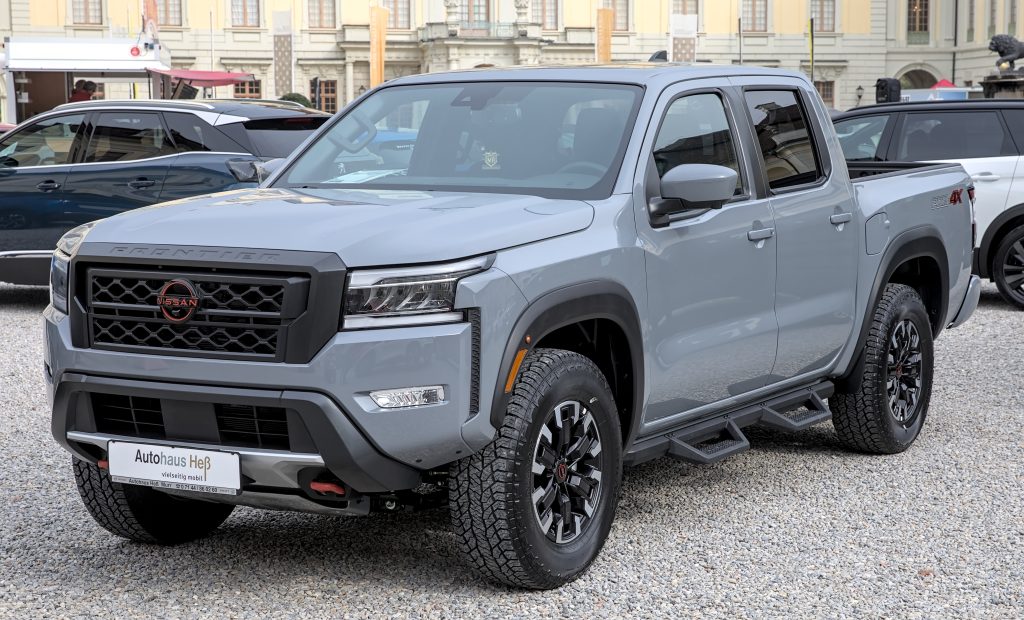
Another interesting observation comes from fleet usage. Some commercial users reported original alternators lasting through extremely high usage cycles. Vehicles that survive fleet service usually demonstrate strengths that everyday drivers also benefit from.
The Frontier highlights an important truth about reliability. When a manufacturer focuses on function rather than novelty, even ordinary components can develop a reputation for extraordinary durability.
9. Lexus ES330
The Lexus ES330 shows how electrical reliability can come from refinement rather than over engineering. Built during a period when Lexus strongly emphasized long term ownership quality, this sedan benefited from careful electrical system calibration that helped protect both the alternator and the starter motor from unnecessary stress.
One of the main advantages comes from the vehicle’s stable electrical demand curve. Instead of aggressive power draw fluctuations, the ES330 maintains very consistent charging behavior.
This allows the alternator to function in a steady operating range, which helps reduce internal heat cycling that often shortens component life.
Another important factor comes from Lexus supplier selection. During this era the company placed heavy emphasis on component testing and supplier durability standards. Alternators and starters were often built with quality internal bearings and insulation materials that aged slowly when exposed to normal driving conditions.
The V6 engine used in the ES330 also contributes to starter longevity. The engine is known for smooth and predictable startup characteristics, which means the starter does not encounter sudden resistance spikes. Over thousands of start cycles, this smooth engagement pattern helps extend the life of the solenoid and drive gear.
Noise reduction engineering also has a hidden reliability benefit. Lexus invested heavily in vibration isolation, and reduced vibration exposure can help protect electrical components from internal fatigue damage. While buyers usually associate this with comfort, it also helps durability.

Ownership experiences often reveal a pattern where these components are replaced only as preventive maintenance rather than because of failure. This distinction matters because it shows the parts often remain functional even after long service lives.
The ES330 demonstrates how reliability culture can extend to every part of a vehicle. When engineering focuses on long term consistency rather than short term performance targets, even simple components like starters and alternators can achieve exceptional longevity.
10. Ford F150 (2009–2014 Naturally Aspirated V8)
The Ford F150 from this generation demonstrates how designing for widespread use can naturally lead to durable electrical components. As one of the most heavily used trucks in North America, the vehicle needed charging and starting systems capable of handling varied workloads ranging from commuting to towing.
One strength comes from the electrical system’s adaptability. Ford designed the alternator to handle optional equipment packages without operating constantly at maximum output. Because many trucks run below the highest electrical load configuration, the alternator often benefits from this built in capacity buffer.
The V8 engines offered during this period also support starter durability. Naturally aspirated designs avoid the higher compression resistance often seen in boosted engines. This reduces the mechanical load placed on the starter motor during ignition, helping preserve internal components over repeated use.
Ford also improved connector durability during this generation. Better sealing and stronger terminal materials helped reduce corrosion related resistance problems. Electrical resistance is a common cause of alternator strain, so improved connections indirectly protect charging components.
Looking at usage patterns gives further insight. Many of these trucks accumulate significant mileage while maintaining original electrical hardware. This type of real world durability often reflects thoughtful component sizing rather than luck.
Another overlooked advantage comes from service familiarity. Because the F150 is so widely used, technicians are very familiar with its electrical systems. Proper battery maintenance and timely replacement help ensure alternators and starters are not forced to compensate for weak batteries, which extends their lifespan.
This truck illustrates how building for large scale reliability can produce long lasting components. When a vehicle is expected to perform across millions of units, durability becomes essential rather than optional.
Alternators and starter motors rarely receive attention until they fail, yet their durability often reflects the broader engineering philosophy of a vehicle.
As shown by these examples, manufacturers that emphasize balanced electrical loads, stable voltage control, and realistic durability margins often produce vehicles where these components last far longer than expected.

A common thread among these vehicles is restraint. Instead of pushing electrical systems to their limits, engineers allowed safety margins. That decision alone often determines whether components last five years or fifteen.
Another lesson is that system design matters more than individual parts. Strong wiring, proper grounding, and effective cooling can allow even ordinary components to deliver extraordinary service life.
For buyers seeking dependable used vehicles, electrical reliability should be part of the evaluation process. Choosing models known for stable electrical architecture can reduce unexpected downtime and maintenance costs.
These vehicles demonstrate that when engineering discipline extends beyond major mechanical systems into supporting components, the ownership experience becomes far more predictable and dependable over the long term.
Also Read: 8 Tips for Protecting Your Car Paint From Intense High Altitude UV Rays
