
Modern engines are far more complex than those built twenty or thirty years ago. Turbochargers, direct injection systems, multiple sensors, electronic throttle control, and tightly packaged engine bays have changed how vehicles are designed and serviced.
While these advances improved efficiency and emissions, they also made many engines harder for independent owners to maintain on their own.
Despite this trend, some manufacturers still design engines with serviceability in mind. These engines may not always get attention in marketing materials, but they earn strong reputations among DIY mechanics, independent repair shops, and long term owners who prefer doing their own maintenance.
Accessibility, logical component placement, and mechanical simplicity often matter more to these buyers than peak performance figures.
DIY friendly engines usually share several important characteristics. One of the biggest factors is space. Engines that leave room around common service items like the alternator, starter motor, spark plugs, oil filter, and serpentine belt make routine maintenance significantly easier.
Tight packaging may look impressive from an engineering perspective, but it can turn a simple repair into a multi hour disassembly process.
Another important factor is the use of proven designs rather than experimental architecture. Engines that stay in production for many years often develop strong parts availability, large knowledge communities, and extensive documentation.
This creates confidence for home mechanics because problems are already well understood and solutions are widely available.
Electronic complexity also plays a role. While modern vehicles cannot avoid electronics, some engines are designed with more straightforward sensor layouts and easier diagnostic access. Engines that avoid unnecessary layers of complexity often allow faster troubleshooting when something goes wrong.
Parts cost is another overlooked consideration. DIY maintenance only makes sense when replacement parts remain affordable and widely available.
Engines used across multiple models often benefit from large aftermarket support. This keeps prices reasonable and gives owners multiple options instead of forcing dealership only purchases.
Another critical aspect is routine maintenance design. Something as simple as the placement of the oil filter can determine whether an oil change takes twenty minutes or turns into a messy and frustrating process.
Engines designed with top mounted filters or clear drain access show that engineers considered real world service scenarios.
Durability margins also matter. Engines that are easy to service often become favorites among DIY mechanics because they are forgiving. They tolerate minor maintenance delays better, respond well to preventative care, and often reach high mileage without requiring specialized procedures.
The US market in particular has a strong DIY culture. Many owners grew up working on vehicles or prefer maintaining them as a way to reduce ownership costs.
Manufacturers that continue building engines with this audience in mind often gain loyal followings, even if those engines are not the most technologically advanced.
Another advantage of simple serviceable engines is learning value. For people interested in understanding how cars work, accessible engines provide an entry point into automotive knowledge. This creates a stronger connection between owner and machine, something that highly sealed modern designs sometimes remove.
The engines listed below stand out not because they are the newest designs, but because they respect the reality that many owners still want to work on their own vehicles. They demonstrate that modern engineering can still support mechanical accessibility.
Each one represents a different approach to serviceability. Some prioritize physical space. Others rely on long proven architecture. Some emphasize modular components while others focus on minimizing repair steps.
All of them show that even in today’s technology heavy automotive world, there are still engines that reward owners who like to pick up their own tools.
Also Read: 5 Best Cars for Living in the Pacific Northwest Where It Always Rains
1. Toyota 2GR FE 3.5L V6
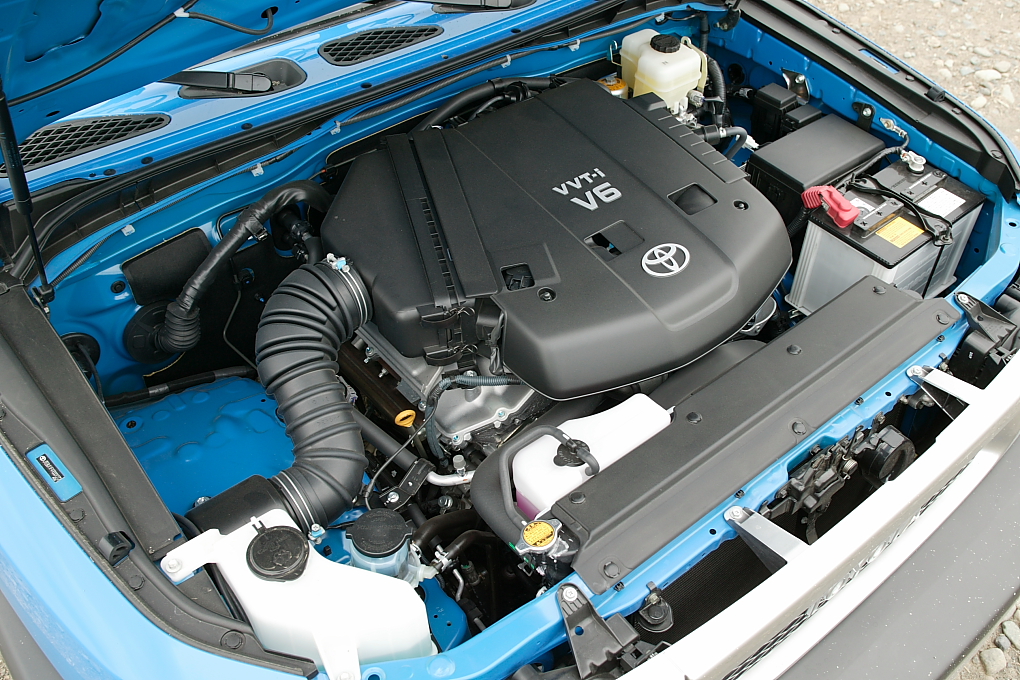
Among modern V6 engines, the Toyota 2GR FE stands out as one of the most respected designs for hands on owners. Found in vehicles such as the Camry, Avalon, Highlander, Tacoma, and several Lexus models, this engine built its reputation not just on reliability but also on how approachable it is for basic and intermediate maintenance work.
One of the first things DIY mechanics notice is the logical layout. Toyota designed the accessory placement in a way that feels traditional rather than experimental.
The alternator sits in a visible location, belt routing is straightforward to understand, and the cooling system hoses are positioned in predictable locations. This may sound minor, but it removes much of the guesswork when performing repairs.
Oil maintenance is also friendly for home service. The filter housing design, while cartridge based, remains accessible without requiring removal of surrounding components. The drain plug is also positioned to allow clean draining without oil hitting suspension components, which is a small detail that experienced mechanics appreciate immediately.
Spark plug service is another area where this engine shows thoughtful design. While transverse V6 engines often make rear bank access difficult, Toyota kept enough clearance to make the job manageable with standard tools.
It may not be the fastest spark plug replacement in the industry, but it remains realistic for a home garage project.
Cooling system service also benefits from clear routing. The water pump, thermostat housing, and radiator connections follow conventional layouts rather than hidden integrated modules. This allows individual part replacement instead of forcing large assembly replacements.
Another major strength is documentation availability. Because this engine has been used across many Toyota products for years, repair procedures are extremely well documented online.
DIY mechanics rarely encounter unknown problems because most common issues have already been discussed in forums and repair guides.
The engine also avoids excessive use of fragile plastic components in critical service areas. While modern emissions requirements force some plastic use, Toyota maintained metal components in several high heat areas, which improves long term service durability.
A practical advantage appears in gasket replacement work. Valve cover gaskets, intake gaskets, and timing cover sealing procedures follow predictable steps rather than requiring specialized dealer only procedures. This reduces the intimidation factor for mechanics who want to attempt deeper maintenance tasks.
Another reason this engine remains popular is its tolerance for preventative maintenance upgrades. Many owners install improved ignition coils, upgraded cooling components, or improved oil choices without needing reprogramming.
This flexibility makes the engine attractive to people who like maintaining their vehicles proactively.
Tool requirements are also refreshingly normal. Most routine work can be completed with basic metric socket sets, torque wrenches, and standard pullers. There is little need for specialized electronic calibration tools compared to many European engines.
The timing chain design also removes the need for periodic timing belt replacement, which is often seen as a major service hurdle. Timing chains generally last much longer and reduce the number of major scheduled services owners must plan.
Long term wear behavior also contributes to its DIY reputation. Engines that develop predictable wear patterns allow owners to plan maintenance rather than react to sudden failures. The 2GR FE is known for gradual aging characteristics rather than sudden catastrophic issues.
Perhaps most importantly, the engine rewards attention. Owners who perform regular fluid changes and inspections often see extremely high mileage results. This feedback loop encourages DIY involvement because the benefits of good maintenance become visible over time.
This engine represents a balance between modern engineering and traditional service logic. It shows that even a relatively sophisticated V6 can still be approachable for owners who are willing to learn basic mechanical procedures.
2. Ford 5.0L Coyote V8
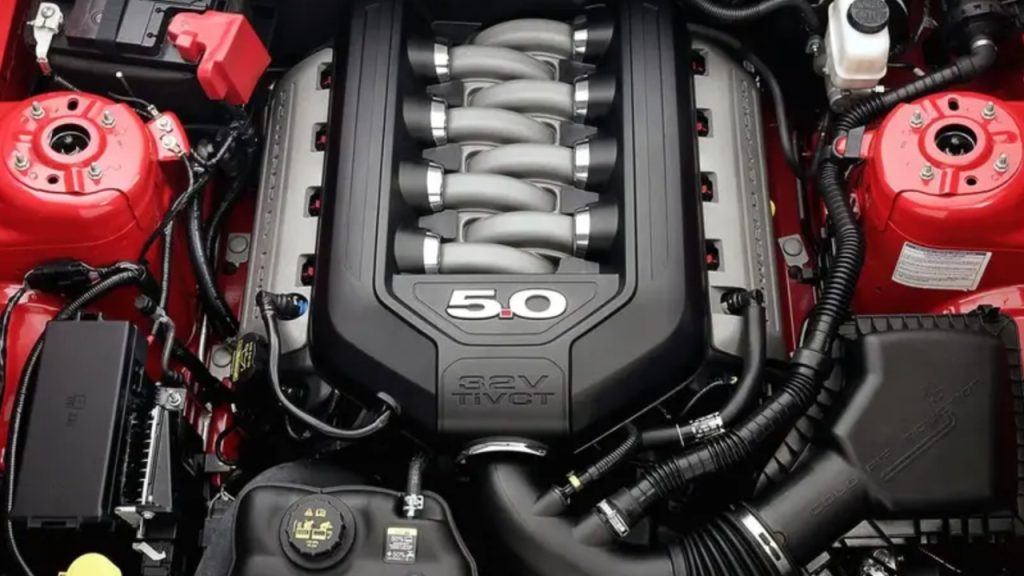
Ford’s 5.0 liter Coyote V8 represents a completely different kind of DIY friendly engine. Where the Toyota V6 focuses on predictable packaging in a family vehicle environment, the Coyote benefits from something even more valuable for home mechanics. Space.
Installed in the Ford Mustang and F 150, this engine often sits in engine bays designed to accommodate larger powertrains. This gives mechanics physical room to work, which can make an enormous difference during maintenance.
Simply being able to reach components without removing unrelated parts can turn intimidating repairs into manageable weekend projects.
The layout also benefits from Ford’s performance heritage. Performance engines often receive more enthusiast attention, which leads to better aftermarket support.
The Coyote engine benefits from one of the largest knowledge bases in the modern engine world. Almost any service task has multiple guides, videos, and walkthroughs available.
Another factor that helps DIY owners is modular design. Components such as ignition coils, injectors, and sensors are individually accessible. Instead of replacing large combined assemblies, mechanics can isolate and replace individual parts. This reduces cost and improves troubleshooting efficiency.
Oil changes are also straightforward due to clear filter placement and good drain access. Many owners appreciate that routine maintenance does not require underbody panel removal or complicated procedures. This encourages consistent maintenance habits.
The engine also supports visual diagnostics well. Because many components remain visible, leaks and wear can often be identified early through simple inspection. This contrasts with engines that hide everything under covers, making early problem detection difficult.
Cooling system access is another strong point. Radiator hoses, coolant reservoir placement, and fan access remain relatively direct compared to tightly packaged turbocharged engines. This helps when replacing wear items like hoses or thermostats.
Electrical serviceability also benefits from good harness routing. Connectors are generally reachable and use durable clip designs that tolerate removal better than some fragile modern connectors. This reduces frustration during sensor replacement.
The Coyote also benefits from enthusiast driven parts availability. Because of its popularity in performance builds, parts are widely available at different price levels. This includes both factory replacement parts and upgraded alternatives, giving owners flexibility depending on their goals.
Another advantage comes from engine management accessibility. While modern computers control the engine, the tuning community has created extensive support tools. Even owners not interested in performance tuning benefit because diagnostic understanding becomes widespread.
The exhaust layout also contributes to service friendliness. Manifold access remains achievable without removing the engine, which is not always the case with tightly packaged turbo engines. This matters when replacing gaskets or addressing exhaust leaks.
Belt drive service is another area where the engine remains practical. The serpentine belt path is visible and tensioner access is realistic without removing multiple brackets. Jobs that take minutes instead of hours encourage preventative maintenance.
The Coyote V8 shows that performance and serviceability do not have to conflict. By keeping physical access reasonable and supporting modular repairs, Ford created an engine that appeals not just to performance enthusiasts but also to independent mechanics.
This engine demonstrates how thoughtful layout decisions can make even a powerful modern V8 approachable for people who prefer turning their own wrenches.
3. General Motors 5.3L EcoTec3 V8 (LS Based Architecture)
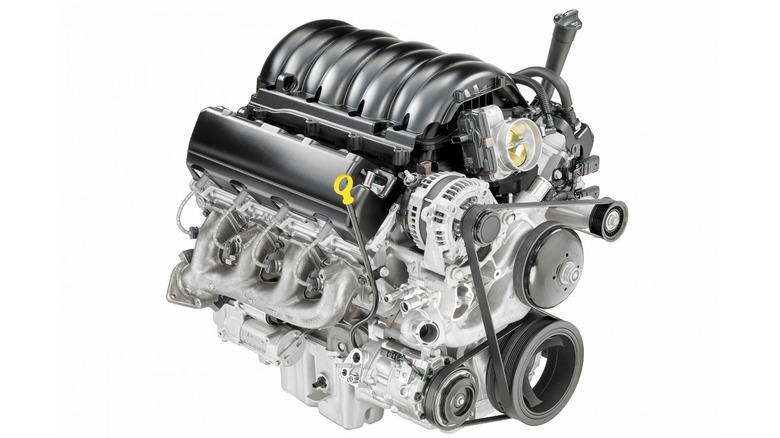
If there is one engine family that mechanics in the United States almost universally understand, it is the GM small block V8. The 5.3 liter EcoTec3 V8 continues this long lineage while incorporating modern updates, yet it still maintains the service friendliness that made earlier LS engines legendary among DIY communities.
What makes this engine unique is not just physical accessibility but familiarity. Many mechanics already understand the architecture because GM intentionally evolved the design instead of replacing it completely. This continuity means procedures feel intuitive even to people who learned on older GM trucks.
The pushrod design plays a major role here. Unlike overhead cam engines that require complex timing component access, the camshaft placement inside the block simplifies the upper engine structure. Fewer moving parts on top of the engine means fewer components to remove when performing certain repairs.
Coil on plug ignition modules are individually mounted and easy to replace. A misfire diagnosis often becomes a simple process of swapping coils between cylinders. This kind of straightforward troubleshooting is exactly what DIY mechanics value because it removes unnecessary complexity.
Truck installation also provides generous working space. In vehicles like the Silverado and Sierra, the engine bay allows direct access to many service items from above without requiring awkward angles. This reduces fatigue and makes longer repair tasks more manageable.
Oil system maintenance also reflects practical thinking. The filter location is easy to reach and the oil pan design allows clean draining. Small details like this help encourage frequent maintenance, which directly supports engine longevity.
One interesting advantage is how well the engine supports staged repairs. Instead of requiring complete teardown procedures for moderate issues, many components can be replaced independently. Water pumps, alternators, sensors, and throttle bodies can usually be serviced without disturbing unrelated systems.
Parts pricing also works in favor of owners. Because GM produces these engines in large numbers, replacement parts remain widely available and competitively priced. This helps keep repair decisions practical instead of forcing owners to abandon vehicles due to high repair costs.
Another factor is tool simplicity. Many jobs can be completed using common SAE and metric hand tools without needing specialized locking fixtures or calibration equipment. This lowers the entry barrier for newer DIY mechanics.
Cooling system work also benefits from conventional routing. Hoses, reservoirs, and pump placement follow traditional truck design patterns. This makes repairs more predictable compared to engines where cooling systems are integrated into complex modules.
One area where DIY mechanics particularly appreciate this engine is top end work. Valve cover removal, rocker inspection, and lifter access follow logical steps rather than requiring deep disassembly. This keeps intermediate level repairs realistic for experienced home mechanics.
The engine also benefits from extensive aftermarket learning resources. Decades of GM small block evolution mean knowledge has accumulated continuously. This makes troubleshooting easier because someone has almost always encountered the same issue before.
Even modernization features like direct injection were added without abandoning the engine’s service roots. While the fuel system became more advanced, the overall mechanical structure remained recognizable.
This engine proves that evolution can sometimes be smarter than revolution. By improving an already service friendly architecture instead of replacing it, GM preserved the qualities that made these engines favorites among people who maintain their own vehicles.
4. Honda K24 2.4L Inline Four
Some engines become popular among DIY mechanics because of space. Others because of simplicity. The Honda K24 became popular because of something different. Logical engineering behavior.
Honda designed this engine in a way that makes mechanical sense when you work on it. Bolts are placed where you expect them.
Components are layered logically. Disassembly often follows a natural sequence instead of forcing unusual steps. This may sound abstract, but experienced mechanics immediately recognize this difference.
Instead of focusing on raw size, the K24 benefits from efficient packaging. The intake manifold can be removed without disturbing half the engine bay. The accessory drive follows a visible path. Even the wiring harness routing tends to stay organized rather than tangled.
Maintenance rhythm is another area where this engine stands out. Oil changes, filter access, and spark plug replacement all follow clean procedures that reward careful work rather than brute force. Owners often describe the experience as cooperative rather than frustrating.
Timing chain durability also adds to its appeal. Unlike older timing belt Honda engines that required strict replacement intervals, the K24 timing chain generally lasts much longer. This removes one of the most intimidating major services from the ownership equation.
Another interesting advantage is how well the engine responds to careful maintenance. Clean oil tends to keep the variable valve timing system operating smoothly. Regular servicing often results in engines that continue running smoothly far beyond average mileage expectations.
Sensor access is also thoughtfully handled. Cam sensors, crank sensors, and temperature sensors are reachable without removing unrelated assemblies. This allows accurate diagnostics without turning small problems into major projects.
The K24 also developed a strong following among learning mechanics. Many automotive students practice on these engines because they demonstrate good engineering habits. This educational value indirectly strengthens the DIY ecosystem around the engine.
Cooling system maintenance is also manageable. Radiator access, thermostat housing placement, and hose routing allow replacement without deep disassembly. This keeps aging maintenance realistic even as vehicles accumulate years of service.
Another advantage comes from predictable failure patterns. Instead of random failures, these engines tend to show warning symptoms early. Minor oil consumption changes or sensor warnings often appear before serious issues develop, allowing preventative repairs.
The engine also benefits from excellent rebuild potential. Machine shops are familiar with the platform, internal parts remain available, and rebuild procedures are well understood. This makes engine refresh projects realistic rather than theoretical.
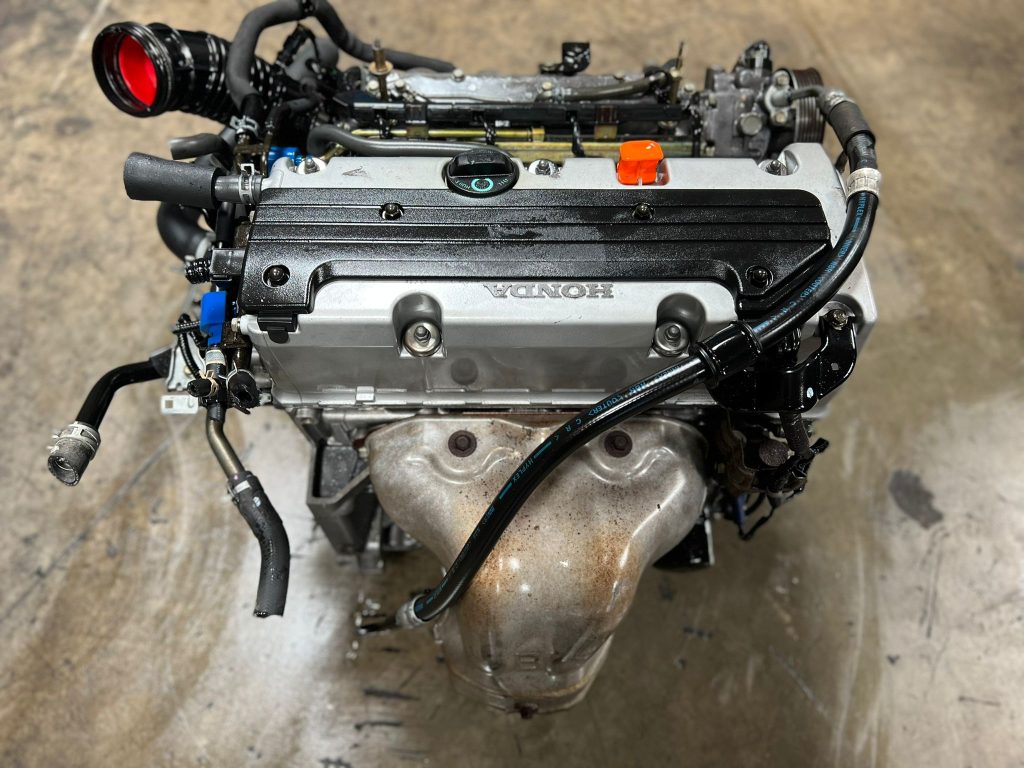
Fuel system work also remains manageable because of traditional injector placement. Removing the fuel rail does not require deep intake removal, which simplifies injector replacement and cleaning procedures.
Perhaps the biggest compliment DIY mechanics give this engine is simple. It feels fair to work on. Effort applied usually produces results without hidden obstacles appearing unexpectedly.
The Honda K24 shows that good engineering is not always about adding features. Sometimes it is about designing systems that respect the people who will eventually have to repair them.
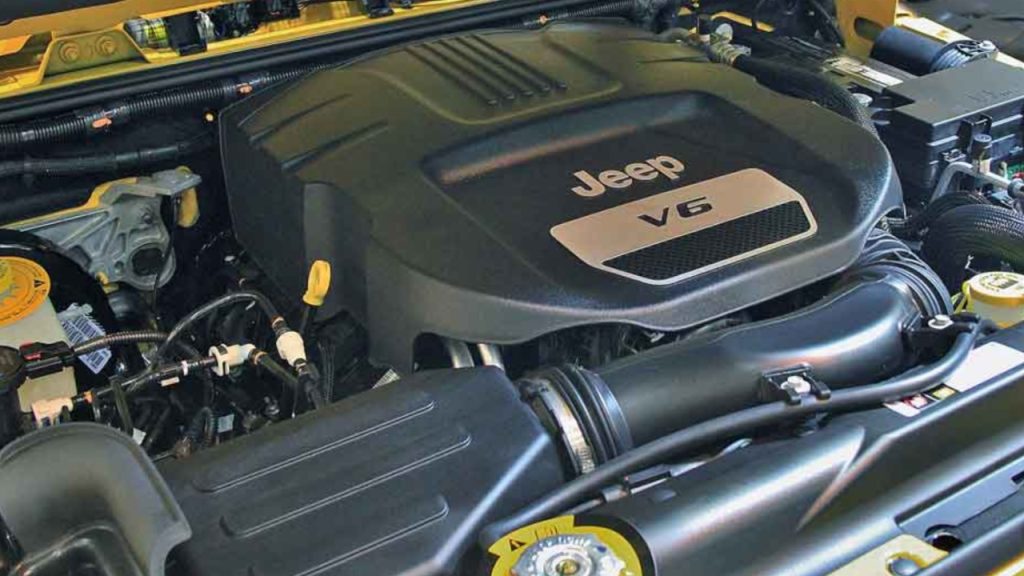
5. Chrysler 3.6L Pentastar V6
The Chrysler 3.6 liter Pentastar V6 represents a different kind of DIY friendly engine story. Instead of being known primarily for physical simplicity or old school architecture, this engine earns its place because of how widely it is used and how predictable its service patterns have become across the American market.
This engine appears in a wide range of vehicles including the Dodge Charger, Challenger, Jeep Grand Cherokee, Wrangler, Ram 1500 (earlier models), and Chrysler Pacifica. Because of this wide usage, parts distribution is extremely strong. A DIY mechanic rarely faces situations where basic service parts are difficult to find.
One of the strongest advantages shows up before the wrench even touches the engine. Information availability is excellent.
Service procedures, torque specifications, repair experiences, and technical bulletins are widely discussed across owner communities. This reduces uncertainty, which is often the biggest barrier for people attempting their own repairs.
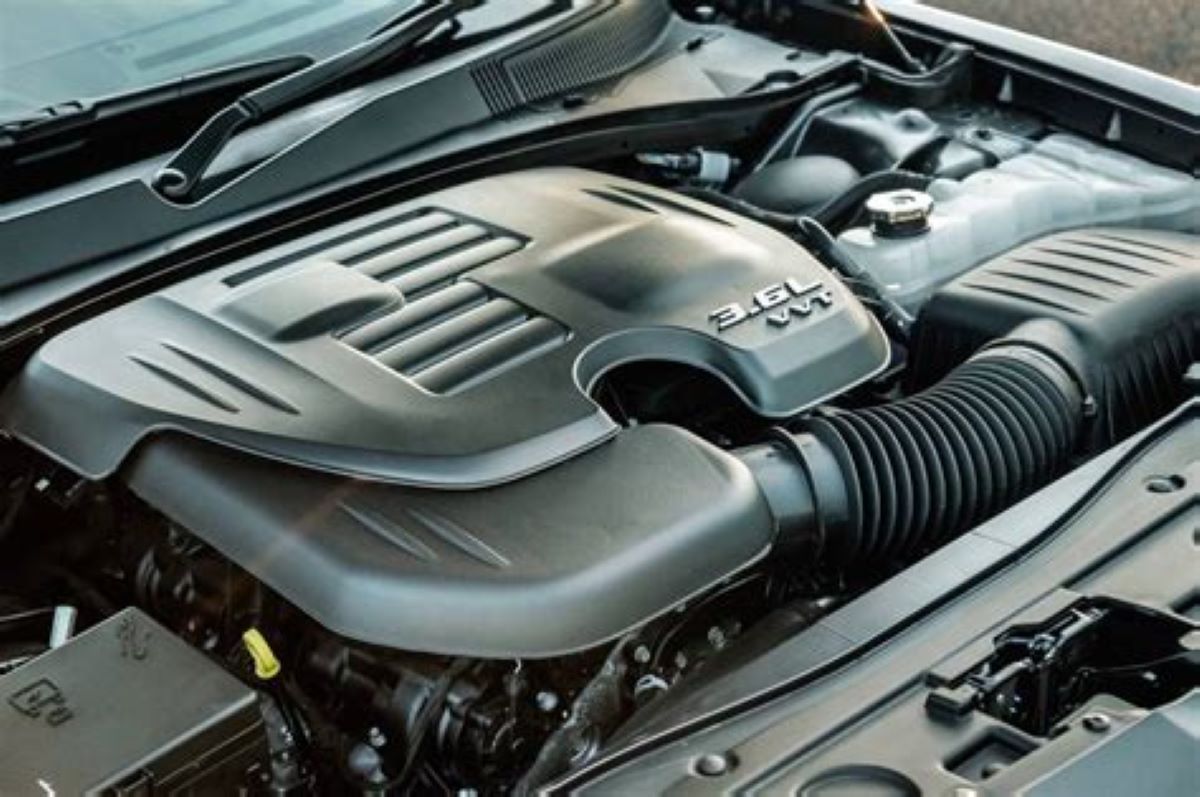
Unlike some engines that hide everything under decorative covers, the Pentastar presents a relatively open top layout once the plastic engine cover is removed. Coil packs, intake runners, and fuel rails become visible in a way that helps mechanics visually understand the engine before beginning work.
Another practical advantage is spark plug service intervals. Although the intake manifold must be removed to access one bank, the process itself is straightforward and well documented. The design avoids unusual fasteners or hidden brackets, which makes the process more time consuming than difficult.
The oil cooler housing design is one of the few known maintenance areas, but even this has become manageable due to improved aftermarket aluminum replacement parts. What was once seen as a weakness has become predictable preventative maintenance that many DIY owners now perform proactively.
Cooling system layout also supports gradual repair approaches. Instead of forcing complete system replacement, individual components like the thermostat housing and hoses can be replaced independently. This supports staged maintenance rather than large repair bills.
Another strength is diagnostic transparency. The engine control system tends to produce clear fault codes when sensors fail. This helps DIY mechanics narrow down problems without expensive diagnostic equipment. Affordable scan tools can often provide enough information for accurate troubleshooting.
Mounting design is another overlooked benefit. Engine mounts and surrounding components are placed in ways that allow access without requiring engine removal. This becomes important as vehicles age and rubber components eventually need replacement.
The Pentastar also benefits from conventional fuel system service procedures. Injectors, throttle body cleaning, and intake cleaning follow familiar steps. Owners transitioning from older vehicles often find the learning curve manageable.
Another advantage is how the engine handles gradual wear. Instead of sudden failures, many Pentastar engines show early symptoms such as minor ticking sounds or sensor warnings. This gives attentive owners time to address issues before they become major failures.
Electrical connector design is also relatively robust compared to some fragile modern connectors. Clips generally tolerate careful removal and reinstallation without breaking, which reduces frustration during sensor replacement work.
The engine also responds well to organized maintenance habits. Owners who maintain coolant quality, change oil regularly, and inspect the cooling system often see long service lives. This reinforces the DIY philosophy because effort invested produces measurable durability results.
What makes the Pentastar particularly interesting is that it shows how an engine can become DIY friendly over time. Not because it started as the simplest design, but because widespread use created familiarity, parts availability, and proven repair pathways.
This engine demonstrates that serviceability is not only about engineering. It is also about ecosystem support.
The idea that modern engines cannot be serviced by independent owners is not entirely true. While many new designs prioritize packaging efficiency and emissions integration, several engines still demonstrate that accessibility and logical design remain possible in today’s automotive world.
The five engines discussed here each reached DIY popularity through different paths. Toyota focused on predictability and durability.
Ford created space and modular service design. GM continued a familiar architecture. Honda emphasized logical engineering flow. Chrysler benefited from widespread adoption and knowledge growth.
This diversity shows there is no single formula for creating a DIY friendly engine. Some succeed because they are physically easy to access. Others succeed because their repair processes are well understood. Some benefit from strong aftermarket support while others benefit from conservative engineering decisions.
A common pattern connects all of them. They respect maintenance reality. Engineers who consider how parts will be replaced years later often create engines that age better. Small decisions such as bolt placement, wiring routing, and component spacing can determine whether an engine becomes loved or avoided by independent mechanics.
Another important lesson is that serviceability improves ownership confidence. Owners who know they can maintain their vehicles are more likely to keep them longer. This often results in better maintenance habits, fewer neglected problems, and longer overall vehicle life.
The US market continues to value this philosophy because of its strong independent repair culture. Many buyers still choose vehicles based on whether they can realistically maintain them outside dealership networks. Engines that support this independence often build loyal followings.
There is also a financial argument. Vehicles that remain serviceable outside dealership environments tend to have more stable long term ownership costs. When repair choices remain flexible, owners can make practical decisions instead of being forced into expensive single option repairs.
Modern technology will continue advancing, but the best designs will always balance innovation with maintainability. An engine that performs well but cannot be serviced easily may not deliver the best real world ownership experience.
These engines prove something important. Good engineering is not just about how an engine performs when new. It is also about how it behaves after ten years, after thousands of heat cycles, and after countless maintenance decisions.
The engines that earn the most respect are often the ones that continue working with their owners rather than against them.
Also Read: 5 Vehicles With the Best Air Conditioning Systems for the Deep South
