
Oil leaks are one of the most common problems that appear as engines age. Even well maintained vehicles often begin to develop small seepage around valve covers, timing covers, oil pans, or crankshaft seals after years of heat cycles and vibration.
For many owners, this becomes an expected part of long term ownership. However, some engines have built reputations for remaining impressively dry even after a decade of use.
Engines that resist oil leaks usually share certain engineering traits. High quality gasket materials, carefully machined sealing surfaces, stable crankcase ventilation systems, and conservative operating temperatures all play important roles.
When these factors are combined with precise manufacturing tolerances, the result is an engine that maintains sealing integrity far longer than average designs.
Material selection is especially important. Engines known for staying leak free often use multi layer steel gaskets, high grade rubber compounds, and rigid engine blocks that resist warping. When the structure of the engine remains stable, seals experience less distortion and therefore last longer.
Another overlooked factor is crankcase pressure control. Engines with effective positive crankcase ventilation systems prevent pressure buildup that can force oil past seals. Poor pressure control is one of the main reasons some engines develop leaks early in life.
Maintenance habits also contribute. Engines that tolerate longer service intervals without sludge buildup tend to protect seals better. Clean oil helps prevent gasket deterioration, which is why some engine designs seem more resistant to leaks when properly serviced.
This list focuses on engines that have developed strong reputations for staying dry over long ownership periods. While no engine is completely immune to aging, these designs are often recognized by technicians and long term owners for their resistance to chronic oil seepage.
Each of these engines demonstrates how careful engineering decisions can influence long term sealing performance just as much as they influence power and efficiency.
Also Read: 5 Engines With Non Interference Designs That Save You From Major Damage
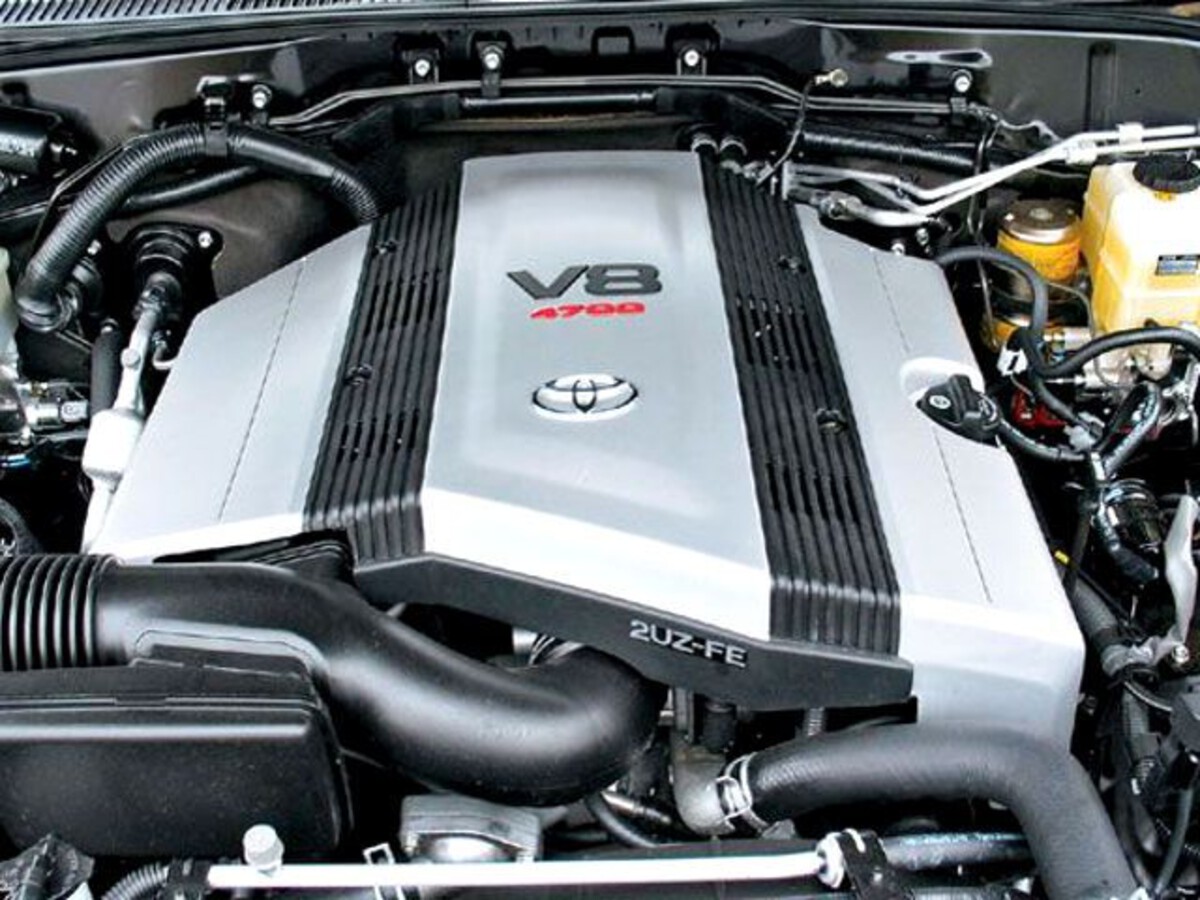
1. Toyota 2UZ FE V8
The Toyota 2UZ FE V8 stands as one of the most respected examples of long term durability, and part of that reputation comes from its resistance to chronic oil leakage. Designed originally for trucks and utility vehicles, this engine emphasizes structural strength and conservative engineering over lightweight performance design.
A major reason this engine stays dry over long periods is its cast iron block construction. This type of block resists thermal distortion better than some lightweight alternatives. When the engine structure remains stable during heating and cooling cycles, gasket sealing surfaces remain consistent, reducing the chance of oil seepage.
Toyota also invested heavily in gasket quality for this engine. Valve cover gaskets in particular are known for maintaining flexibility longer than average. Instead of hardening quickly from heat exposure, they tend to age gradually, which delays the development of leaks.
Another strength lies in the crankcase ventilation design. This engine manages internal pressure very effectively, preventing excessive blow by gases from forcing oil past seals. Stable internal pressure is often the hidden factor behind engines that remain leak free for many years.
Bolt torque distribution also deserves mention. Toyota engineers paid careful attention to how fasteners clamp sealing surfaces. Even pressure distribution prevents localized gasket stress, which helps avoid small leak paths that often develop in engines with uneven clamping force.
Maintenance tolerance is another reason this engine performs well. Even when oil change intervals are slightly extended, the engine tends to resist sludge formation. Cleaner internals help preserve gasket condition and prevent seal degradation.
Technicians often comment on how uncommon major oil leaks are in this engine compared to many others of similar age. When leaks do appear, they usually occur after very high mileage rather than early in the engine’s life.
This engine demonstrates how durability focused engineering can influence even minor ownership details. By combining strong materials, stable design, and effective pressure management, Toyota created a V8 known not just for longevity but also for staying clean externally.
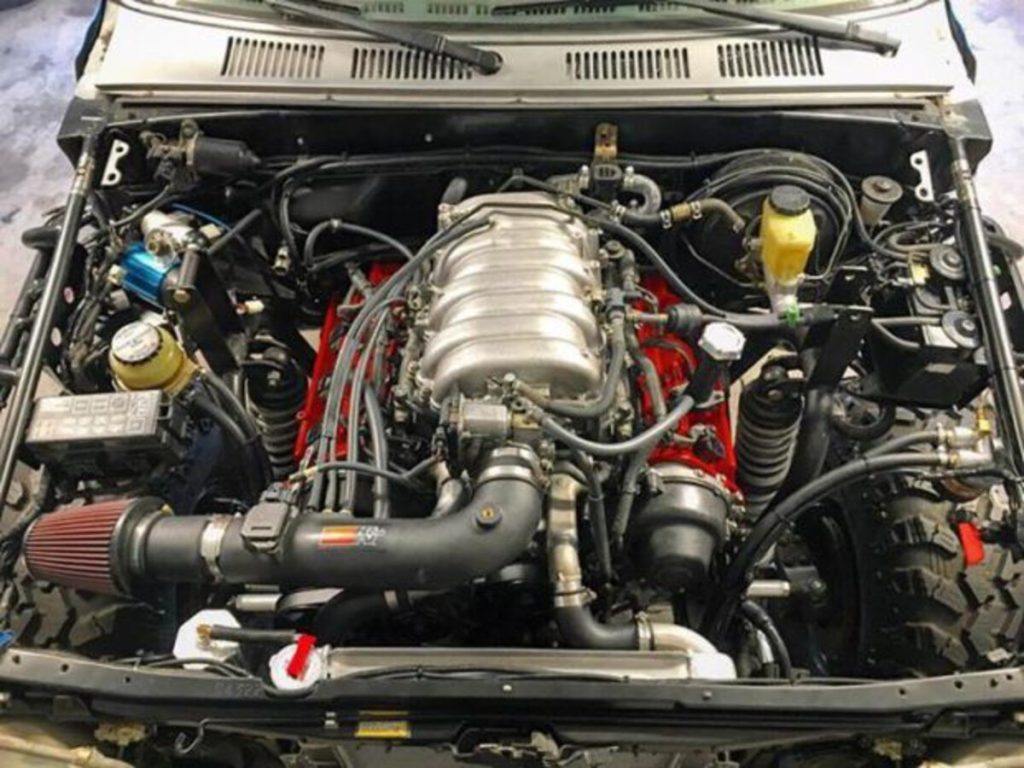
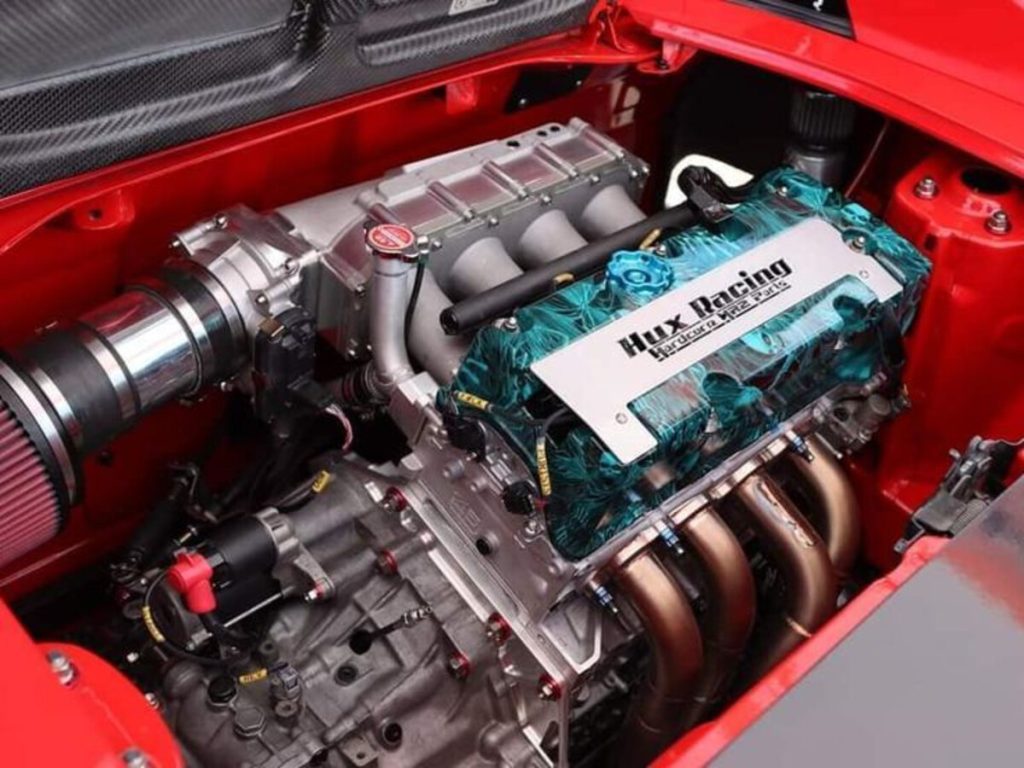
2. Honda K24 Inline Four
The Honda K24 engine family has earned widespread respect for reliability, and its resistance to oil leaks is part of that story. Developed with a focus on efficiency and mechanical balance, this inline four cylinder engine benefits from careful sealing design and thoughtful component layout.
One factor that helps this engine remain leak resistant is its aluminum block design with strong structural reinforcement. While aluminum can expand more than iron, Honda engineered the block to maintain sealing stability through precise machining and rigid construction methods.
Valve cover sealing is another area where this engine performs well. The gasket design uses durable rubber compounds that resist hardening. Combined with even bolt torque patterns, this helps prevent the small leaks that often develop around aging valve covers.
The timing chain design also indirectly helps reduce leaks. Because the engine does not require periodic timing belt replacement, fewer major disassembly procedures are performed. Less frequent disturbance of sealing surfaces can contribute to long term gasket stability.
Oil flow management also contributes to the engine’s dry reputation. Honda designed the lubrication system to minimize oil pooling in upper engine areas. Reduced oil accumulation lowers the chance of seepage developing at gasket edges.
Another subtle strength is vibration control. Smooth engine operation reduces long term stress on seals and fasteners. Engines with excessive vibration often develop leaks earlier because gaskets experience constant micro movement.
Owners frequently report that these engines remain clean externally even after many years. When leaks do develop, they are usually minor and occur after extended service life rather than early ownership.
This engine shows how precision manufacturing and balanced design can reduce the likelihood of oil leaks. Rather than relying on heavy materials, Honda achieved durability through engineering accuracy and controlled operating conditions.
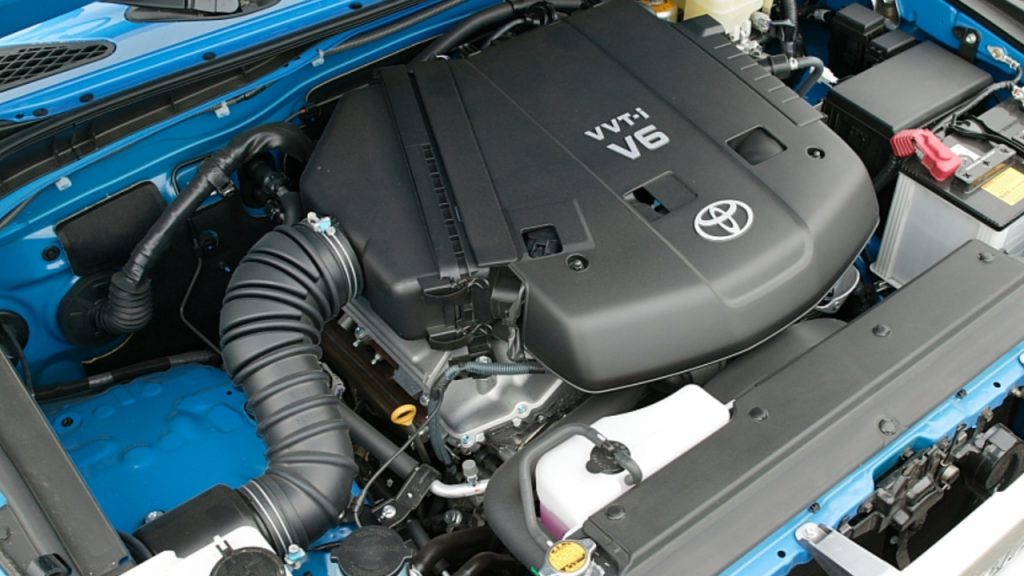
3. Toyota 1GR FE V6
Some engines earn their reputation through power figures, others through longevity. The Toyota 1GR FE V6 belongs to the second category. Known for its consistent durability in demanding environments, this engine also developed recognition for maintaining dry external surfaces even after many years of use.
One of the biggest reasons comes from its conservative sealing strategy. Toyota avoided overly complex gasket layouts and instead focused on wide sealing surfaces with consistent clamping pressure. This approach reduces the likelihood of small seepage paths forming as the engine ages.
Another engineering advantage appears in the timing cover design. Many engines develop oil leaks from poorly sealed timing covers after repeated heat cycles. In this engine, the cover uses carefully machined mating surfaces combined with durable sealant application methods that hold up well over time.
Internal pressure management also contributes significantly. The positive crankcase ventilation system is designed to prevent pressure spikes that can stress seals. When crankcase gases are properly controlled, oil is less likely to be pushed through gasket edges or shaft seals.
There is also the benefit of predictable operating temperatures. This engine rarely runs excessively hot when properly maintained. Controlled thermal behavior helps preserve gasket elasticity and reduces the hardening that often leads to leaks.
Looking at long term ownership patterns reveals another interesting observation. Even in regions with high temperatures, this engine tends to develop fewer oil leaks compared to many competitors. This consistency suggests careful material testing during development.
Fastener reliability also plays a role. High quality bolts and proper torque retention help maintain sealing pressure across years of operation. Loss of clamping force is one of the hidden causes of aging engine leaks, and this design seems to resist that issue well.
Technicians often note that when leaks eventually appear, they usually involve simple wear items after extended mileage rather than systemic sealing problems.
This engine reflects how methodical engineering decisions can prevent common aging issues. Instead of chasing complexity, Toyota focused on stability, which helped create a V6 known for staying dry long after many engines begin showing oil residue.
4. GM LS3 V8
The GM LS3 V8 represents a different approach to reliability. Known primarily for performance capability, it also gained respect among mechanics for its surprisingly clean long term sealing behavior. Despite being used in high output applications, it often resists oil leakage better than many lower stress engines.
Part of this success comes from the LS engine family’s deep skirt block design. This structure improves rigidity and helps maintain consistent sealing surfaces. When the engine block resists flexing, gaskets are less likely to experience uneven pressure.
Another strength lies in the simplicity of the pushrod valvetrain layout. Fewer camshafts and related components mean fewer potential leak points. Overhead cam engines often require more sealing surfaces, which increases long term leak probability.
The rear main seal design also contributes to the engine’s reputation. GM used improved sealing materials and precise machining processes that help prevent one of the most feared leak locations in many engines.
Oil pan sealing is another area where this engine performs well. The use of structural oil pans with rigid mounting designs reduces movement between mating surfaces. Reduced movement helps preserve gasket integrity.
Cooling consistency also indirectly helps sealing. Engines that maintain stable operating temperatures reduce thermal stress on seals. The LS3 benefits from effective cooling flow design, which helps prevent the temperature spikes that accelerate gasket aging.
Another factor is aftermarket experience. Even in modified applications producing higher power, these engines often remain relatively leak free when assembled correctly. This suggests the base design includes strong sealing fundamentals.
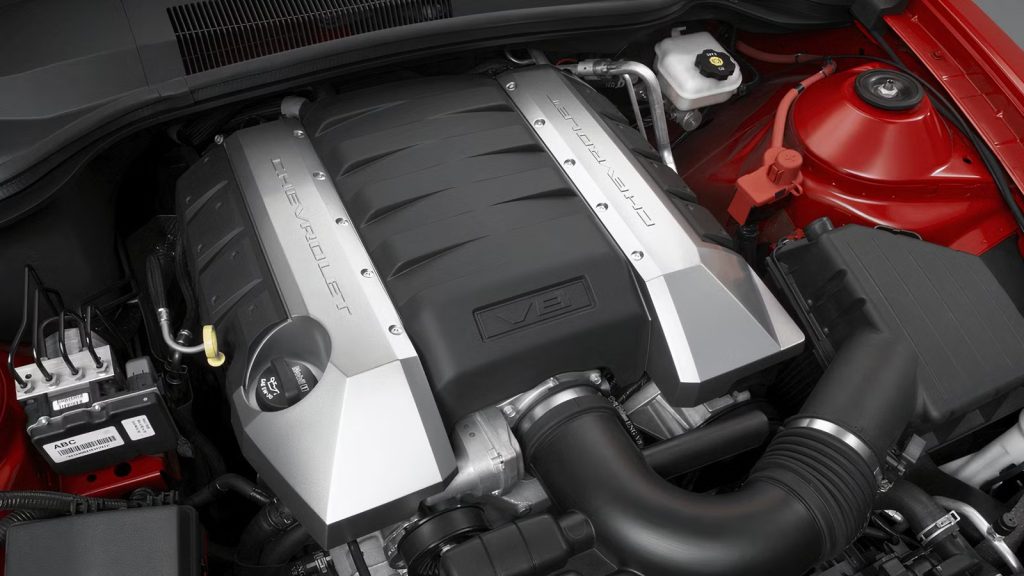
Owners frequently mention how clean these engines remain compared to older V8 designs. While no engine is completely immune to aging, the LS3 demonstrates how structural rigidity and simple architecture can greatly reduce oil leak tendencies.
5. Mercedes Benz OM606 Inline Six Diesel
The OM606 diesel represents an era when Mercedes engineering emphasized longevity through overbuilt mechanical design. While diesel engines are often associated with seepage due to high internal pressures, this particular inline six developed a reputation for maintaining clean sealing surfaces even after very long service lives.
A major contributor is the engine block construction. Built with exceptional rigidity, the block resists distortion even after years of thermal cycling. When structural movement is minimized, gasket surfaces remain consistent, which helps prevent slow oil seepage that appears in less rigid designs.
The cylinder head sealing strategy also deserves attention. Mercedes used high quality head gasket materials and precise bolt torque strategies. This ensured even clamping force across the sealing surface, reducing the chance of oil passage leaks developing with age.
Another factor comes from the engine’s moderate operating stress levels. While capable of long service life, the engine was not tuned aggressively from the factory. This conservative output helps reduce internal pressure spikes that might otherwise stress seals.
Oil circulation design also plays a role. Engineers focused on controlled oil return paths to prevent excessive pooling in upper engine areas. When oil drains efficiently, it reduces the amount of time seals are exposed to constant oil contact.
Breather system effectiveness is another hidden advantage. By managing internal pressure effectively, the engine avoids forcing oil vapor toward seals. This type of pressure control often determines whether an engine stays dry after many years.
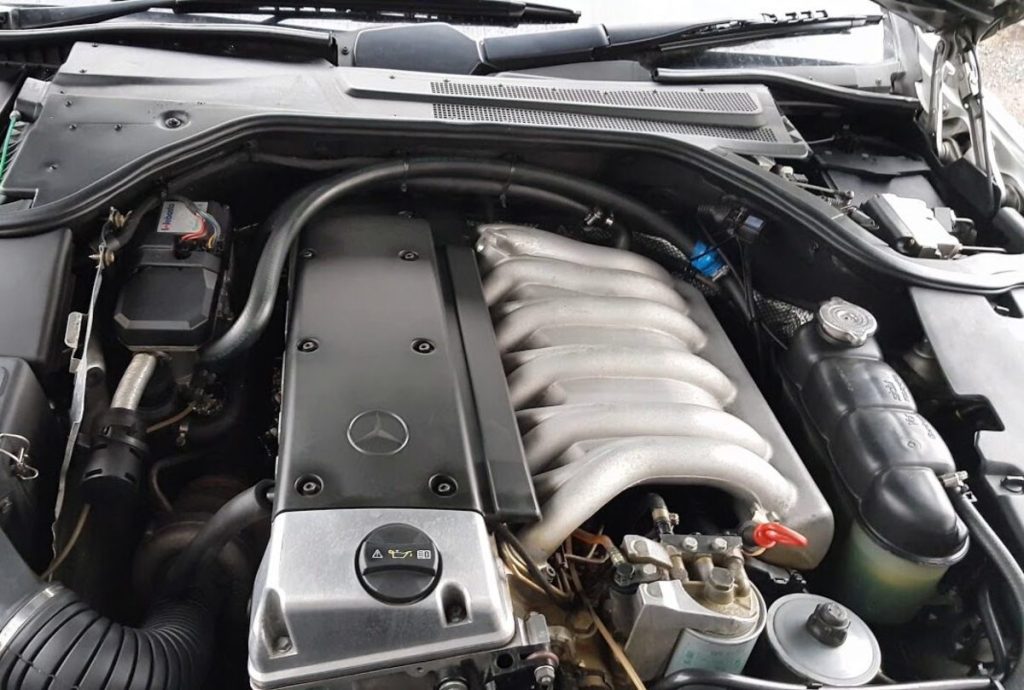
Long term technician observations often reveal a pattern. When leaks eventually develop, they usually occur after extremely high mileage rather than early aging. This reflects material durability rather than inherent weakness.
This engine demonstrates how durability engineering often affects more than major components. Careful sealing design and pressure control helped make this diesel known not just for lifespan but also for maintaining a clean exterior condition.
6. Mazda Skyactiv G 2.0
Mazda approached the Skyactiv G 2.0 engine with a philosophy centered on efficiency through precision rather than complexity. While known for fuel efficiency and responsiveness, it also benefits from a sealing design that helps prevent common oil leak issues seen in some modern engines.
One of the main advantages comes from the engine’s high precision machining. Mazda placed strong emphasis on tight manufacturing tolerances. When sealing surfaces are extremely flat and consistent, gasket materials can perform more effectively over long periods.
Another strength lies in the integrated exhaust manifold design within the cylinder head. By controlling heat more effectively, Mazda reduced extreme temperature gradients. Lower thermal stress helps gaskets maintain flexibility instead of hardening prematurely.
The engine also benefits from a carefully designed crankcase ventilation system. By maintaining stable internal pressure, the design reduces the likelihood of oil being forced through seals. This contributes significantly to long term leak resistance.
Mazda also minimized unnecessary sealing joints. By reducing the number of mating surfaces, engineers reduced the number of potential leak paths. Fewer joints often mean fewer long term risks.
Another important factor is material selection. Modern gasket compounds used in this engine are designed to tolerate long exposure to synthetic oils and high temperatures. This helps extend their effective lifespan compared to older material designs.
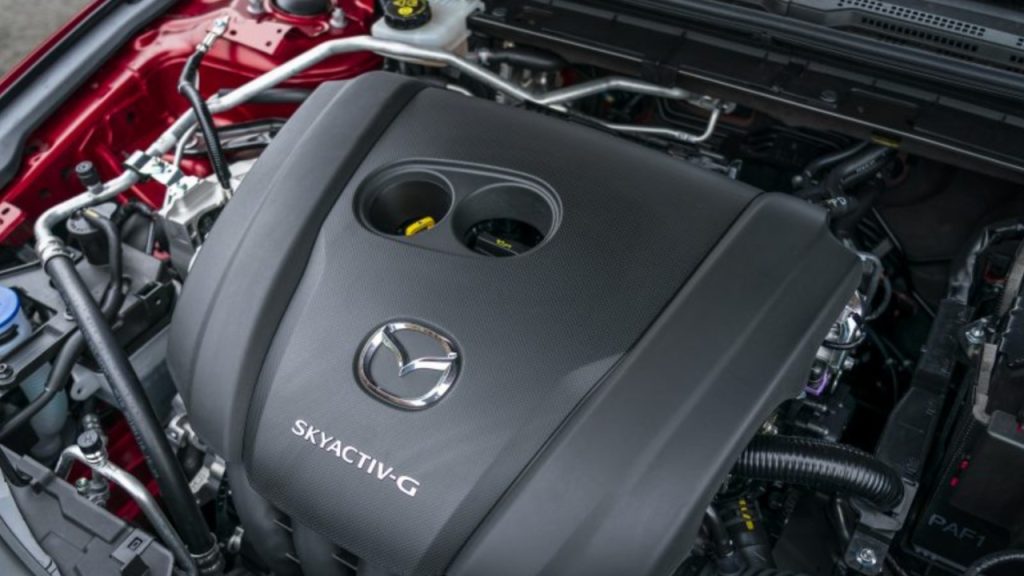
Owner experiences often show that these engines remain clean externally even after many years of use. When maintenance is performed consistently, the engine tends to avoid the small seepage issues that sometimes affect other direct injection engines.
This engine illustrates how modern efficiency engineering can also improve durability. By focusing on precision, Mazda created an engine that balances performance, economy, and long term sealing reliability.
7. Ford 4.6L Modular V8
The Ford 4.6 liter modular V8 earned a reputation over decades for consistency rather than excitement. Used across a wide variety of applications, this engine became known among technicians as one that often stayed surprisingly clean externally when maintained properly.
Oil leaks can occur in any aging engine, but this design showed strong resistance compared to many others from the same time period.
One reason for this comes from the engine’s methodical gasket design. Ford used molded rubber gaskets with metal reinforcement in several key sealing areas. These gaskets tend to maintain their shape and elasticity longer than older cork style materials, which reduces the likelihood of seepage as the engine ages.
Another factor is the engine’s stable operating behavior. This V8 was never pushed to extreme output levels in most applications. Because it operated within moderate stress levels, the expansion and contraction of engine materials remained predictable. This thermal stability helps seals last longer.
Looking at the front cover sealing arrangement reveals another advantage. The timing cover uses wide sealing surfaces with consistent bolt spacing. Even pressure distribution helps prevent the tiny distortions that can eventually create leak paths.
The engine also benefits from a well designed oil filtration and flow system. Clean oil reduces sludge formation, and lower sludge levels help prevent gasket deterioration. Dirty oil often accelerates seal wear by introducing abrasive contamination.
Vibration management is another hidden strength. The modular design focused on smooth operation for a V8 of its size. Lower vibration means less long term movement at sealing joints, which protects gasket material from fatigue.
Long term fleet usage provided real proof of durability. Many vehicles using this engine accumulated significant mileage without developing major oil leaks. This type of evidence is often more meaningful than laboratory claims.
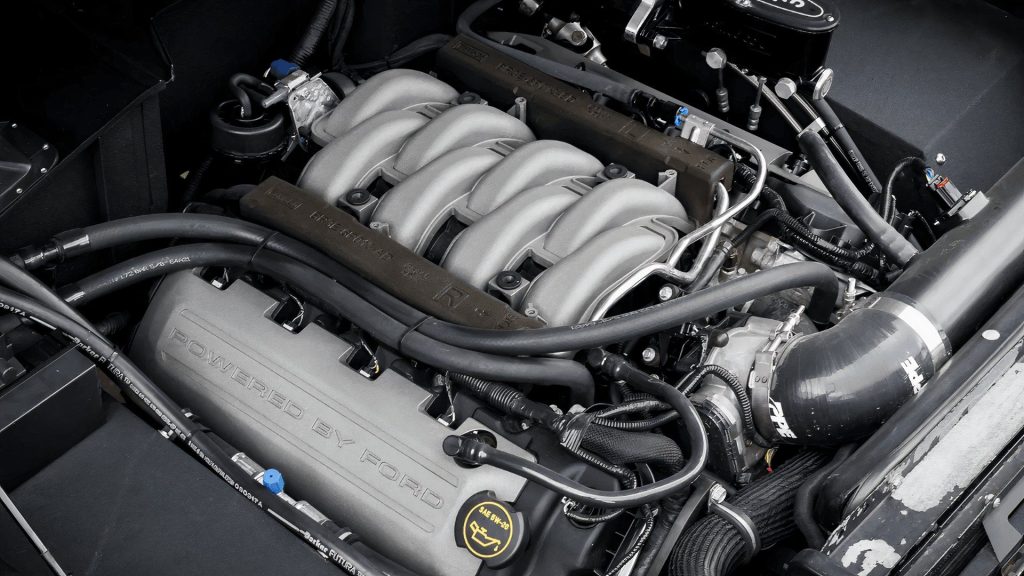
When leaks eventually appear, they tend to be gradual and manageable rather than sudden or widespread. This pattern suggests the engine was built with reasonable durability margins rather than minimal cost driven sealing strategies.
This engine shows how balanced engineering can create long term reliability not just in major systems but also in everyday ownership details such as oil containment.
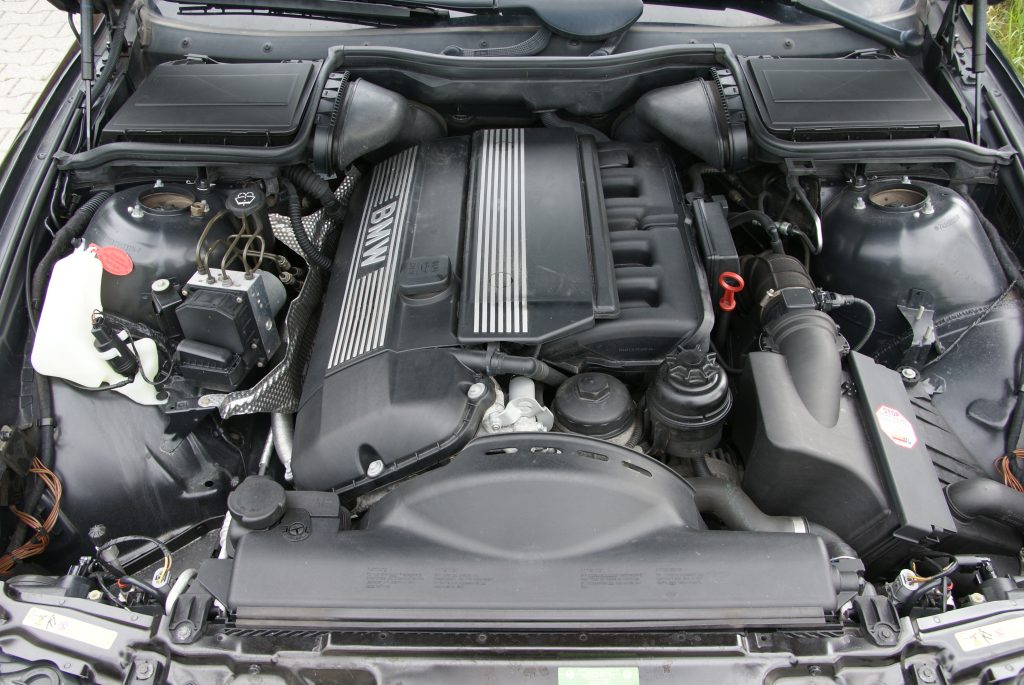
8. BMW M54 Inline Six
BMW engines are not always associated with leak free aging, but the naturally aspirated M54 inline six stands as an exception when properly maintained.
Known for its smooth operation and balanced mechanical design, this engine also demonstrates strong sealing characteristics compared to many other performance oriented engines of its era.
One advantage comes directly from the inline six configuration. This layout naturally produces smooth rotation without the need for complex balancing systems. Reduced vibration helps protect seals and gaskets from the constant micro movement that often leads to seepage.
BMW also paid close attention to crankcase ventilation in this design. The pressure regulation system helps maintain proper internal airflow, preventing excessive crankcase pressure that could otherwise push oil past seals. When this system is maintained correctly, the engine tends to remain externally clean.
Material quality also contributed. BMW used advanced gasket materials designed to tolerate long exposure to synthetic oils. These materials resist shrinking and hardening when compared to older gasket compounds, which helps extend their service life.
The engine block structure also deserves mention. Its rigid construction helps maintain alignment between sealing surfaces. This stability prevents uneven gasket compression that can eventually lead to oil leaks.
Another engineering decision that helped was the avoidance of turbocharging. Without additional boost pressure and heat, the engine operates under more predictable thermal conditions. This helps extend the lifespan of seals and reduces stress on oil containment systems.
Maintenance awareness plays a role as well. Owners who keep the crankcase ventilation system clean and replace aging rubber components on schedule often report very clean engines even after many years.
This engine demonstrates how performance and durability can coexist when engineering focuses on mechanical balance. With proper care, it often avoids the chronic oil seepage issues that affected some other luxury performance engines.
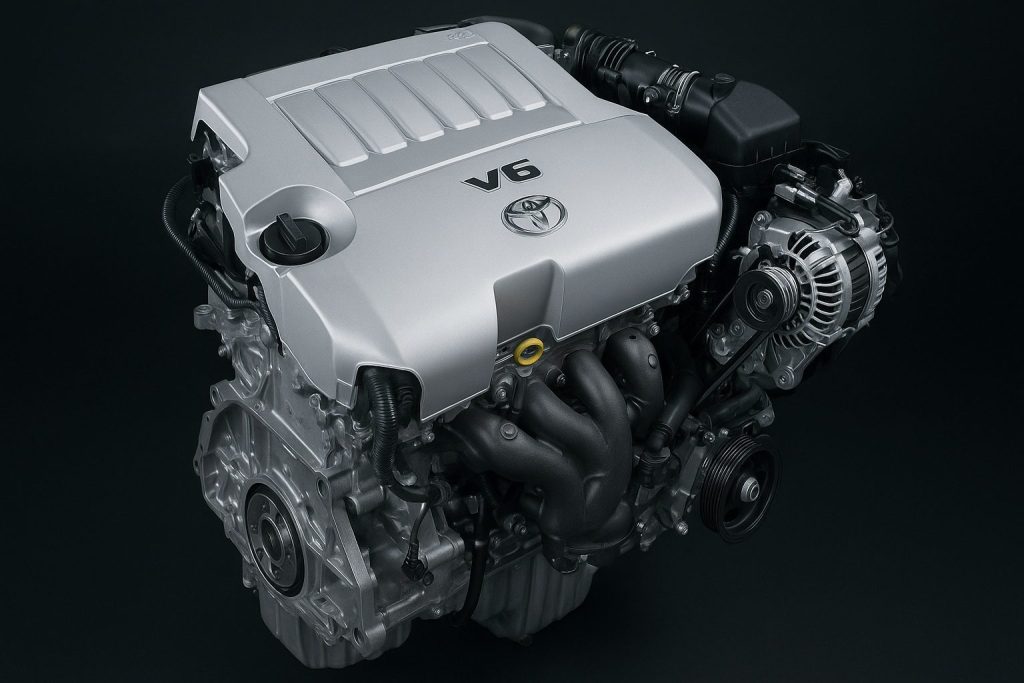
9. Toyota 2GR FE V6
The Toyota 2GR FE V6 represents a modern example of how careful engineering can combine performance with long term sealing reliability.
Known for its smooth power delivery and widespread use across multiple platforms, this engine also gained recognition among technicians for its resistance to chronic oil leaks even after many years of daily use.
A major reason behind this reputation is the block and head construction strategy. Toyota used rigid aluminum castings designed to maintain dimensional stability under normal operating temperatures.
When the structure of an engine maintains its shape consistently, sealing surfaces remain properly aligned, which helps prevent oil seepage from developing over time.
Another strong point is the valve cover sealing system. Toyota used high quality molded gaskets designed to resist shrinkage caused by heat exposure. Over time, many engines develop leaks because valve cover gaskets lose flexibility, but this design tends to resist that aging pattern longer than average.
Attention to oil return flow also contributes to leak resistance. Engineers designed the cylinder heads with effective drainage channels that prevent oil from collecting excessively near gasket edges. Less oil exposure reduces the chance of seepage forming at sealing points.
The crankshaft seal design is another quiet strength. High quality elastomer seals combined with smooth shaft finishes reduce wear on the sealing lip. This helps prevent the slow leaks that often appear at the front or rear of aging engines.
Thermal management also deserves recognition. This engine warms up quickly but avoids extreme temperature spikes when properly maintained. Stable heat patterns help prevent gasket hardening, which is one of the primary causes of aging oil leaks.
Owner experiences frequently show engines remaining clean even past long service intervals. When leaks eventually appear, they usually involve normal wear items after extended use rather than fundamental design flaws.
This engine reflects Toyota’s long standing approach to durability. By focusing on material quality, stable temperatures, and controlled oil movement, the company produced a V6 that not only performs well but also maintains excellent long term sealing integrity.
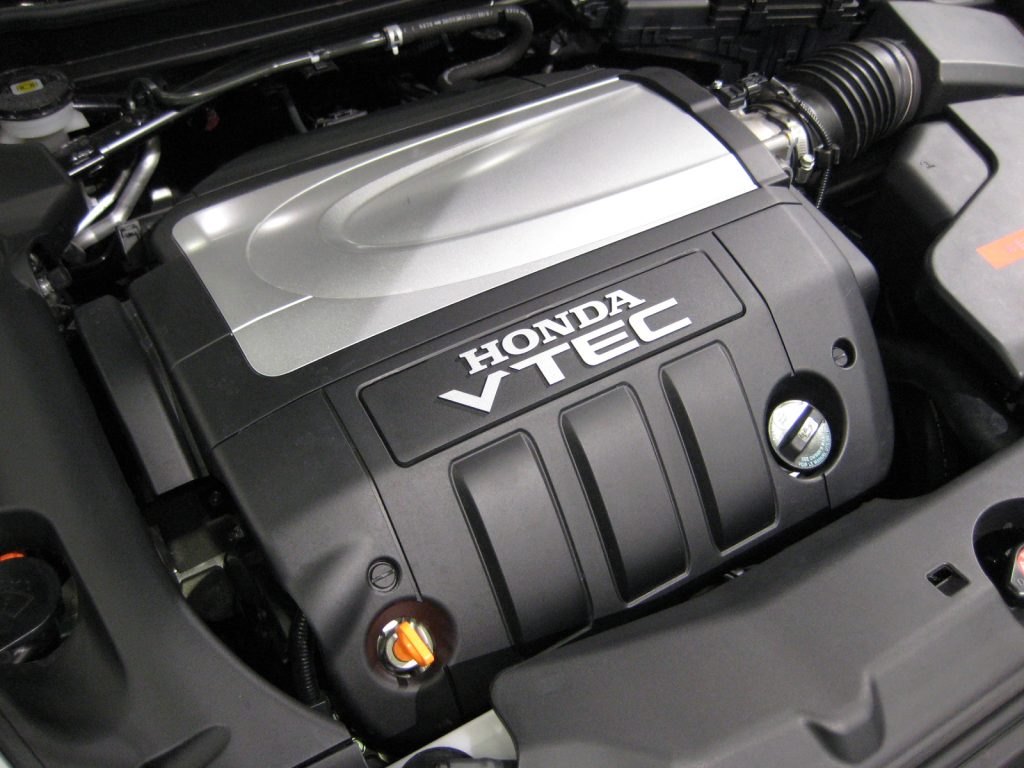
10. Honda J35 V6
The Honda J35 V6 demonstrates how thoughtful design and manufacturing discipline can produce an engine that remains mechanically tidy throughout its lifespan. Used across a wide range of applications, this engine has developed a reputation for avoiding the widespread oil leak issues that sometimes affect complex V6 designs.
One factor behind this durability is Honda’s emphasis on precise machining. Accurate sealing surfaces allow gaskets to maintain consistent contact pressure. When surfaces are even and properly finished, gasket materials can perform their function without developing weak spots.
The engine also benefits from an effective oil control strategy. Oil passages are designed to maintain steady lubrication without excessive splash into areas where seals must operate. Controlled oil movement helps prevent constant exposure that can accelerate gasket aging.
Another reason this engine tends to remain leak resistant is its balanced operating characteristics. The V6 layout combined with careful engine mount tuning helps reduce vibration. Lower vibration levels reduce stress on sealing joints and fasteners.
Honda also designed a reliable crankcase ventilation system that keeps internal pressure stable. Preventing pressure buildup is critical because excessive crankcase pressure can gradually force oil through even healthy seals.
Material quality again plays a major role. Honda used modern gasket materials capable of maintaining flexibility through repeated temperature cycles. This helps prevent the hardening effect that causes many older engines to develop leaks.
Service records often show that when oil changes are performed regularly, these engines rarely develop significant external leakage problems during normal ownership periods. This pattern reflects the benefit of combining good design with consistent maintenance.
The J35 shows how reliability often comes from attention to detail rather than dramatic engineering features. By ensuring each sealing surface, gasket, and pressure control system was properly engineered, Honda created an engine known for staying dry long after many competitors begin showing signs of oil seepage.
Oil leaks are often accepted as a normal part of engine aging, but these engines show that careful design can greatly delay or even prevent this issue. Through strong materials, stable structures, and effective pressure control, these engines demonstrate how durability can extend to even the smallest ownership details.
A clear pattern appears among these designs. Manufacturers that focus on structural rigidity, high quality gasket compounds, and controlled operating conditions tend to produce engines that resist leaks longer. These characteristics matter just as much as horsepower or fuel efficiency in long term ownership.
Another important takeaway is that leak resistance is rarely about one single feature. It usually comes from a combination of good machining, stable temperatures, proper crankcase ventilation, and consistent oil quality. When all these factors work together, sealing systems tend to last significantly longer.
Proper maintenance still remains important. Even the best designed engine depends on clean oil and reasonable service intervals to preserve gasket health. Good engineering provides the foundation, but maintenance preserves the result.
These engines demonstrate that when manufacturers prioritize durability in both major and minor design decisions, the ownership experience becomes cleaner, more predictable, and far less stressful over time.
Also Read: 7 Signs Your Variable Displacement Engine Is Starting to Have Internal Wear
