
High pressure fuel pumps are among the most critical components in any modern engine. They deliver fuel at extreme pressures, and when they fail, the consequences are costly and inconvenient. Understanding which vehicles get this right is valuable knowledge for any serious driver or buyer.
Not all fuel pump systems are built with the same commitment to longevity. Some manufacturers prioritise peak performance metrics over real-world durability, leading to premature failures and expensive repairs. The vehicles on this list stand apart because their engineers chose reliability as the primary design goal.
This article covers ten vehicles whose high pressure fuel pumps have earned a strong reputation for extreme durability. These platforms span luxury SUVs, performance saloons, commercial workhorses, and everyday family cars. Each one represents a case study in how thoughtful engineering translates into long-term ownership confidence.
1. Toyota Land Cruiser 200 Series (2007–2021)
The Toyota Land Cruiser 200 Series is one of the most trusted vehicles on the planet. It has served military forces, aid organisations, and overlanders across the harshest environments on earth. Its durability reputation is built on deliberate over-engineering across every major mechanical system.
The 1VD-FTV 4.5-litre twin-turbo diesel engine powers most global variants of the 200 Series. Its high pressure fuel pump is calibrated to operate well within its maximum rated pressure during everyday driving. This conservative approach reduces internal heat and dramatically slows the wear rate of seals and internal valve components.

Toyota selected pump materials based on longevity rather than minimum cost or weight savings. The system is engineered to tolerate minor fuel contamination and extreme ambient temperatures without losing performance. Many owners report original pumps functioning correctly beyond 300,000 kilometres with no replacement required.
The pump’s robust construction also benefits from Toyota’s strict quality control processes during manufacturing. Each unit is tested to exceed expected service life before it ever reaches a production vehicle. This attention to pre-delivery standards is a key reason the Land Cruiser’s fuel system consistently outlasts rival designs.
2. Mercedes-Benz W124 300D (1984–1993)
The Mercedes-Benz W124 300D is widely regarded as one of the most mechanically sound diesel vehicles ever produced. Its OM606 and earlier OM602 diesel engines were built during an era when Mercedes prioritised mechanical simplicity and physical durability above all else. The fuel injection system on these engines reflects that same philosophy in every detail.
The inline mechanical injection pump used in these models is a Bosch unit renowned for its exceptional service life. It operates at relatively modest pressures compared to modern common rail systems, which inherently reduces mechanical stress on all internal components. Properly maintained examples regularly exceed 500,000 kilometres on their original pump without any significant intervention.

Mercedes specified tight manufacturing tolerances for these pumps and paired them with high-quality fuel filtration systems. The injection pump is also self-lubricating through the diesel fuel itself, meaning it benefits every time the engine runs. This elegant simplicity is precisely why W124 diesel owners continue to drive high-mileage examples with full confidence in their fuel systems.
The W124’s fuel system also benefits from a forgiving design that tolerates slight variations in fuel quality and minor filter neglect better than modern high-pressure systems. Its mechanical nature means there is no electronic pressure regulator or solenoid-controlled injector to fail unexpectedly. For owners seeking a diesel vehicle with bulletproof fuel delivery, the W124 300D remains a gold standard reference point.
3. Land Rover Defender TD5 (1998–2007)
The Land Rover Defender TD5 introduced direct injection diesel technology to one of the world’s most iconic utility vehicles. The 2.5-litre five-cylinder turbodiesel engine brought a significant leap in power and efficiency over its predecessor. Despite early software teething issues, the TD5’s high pressure fuel system proved remarkably durable once properly set up and maintained.
The Bosch high pressure fuel pump fitted to the TD5 was engineered to handle demanding off-road duty cycles. It delivers consistent fuel pressure even during prolonged low-speed crawling, steep inclines, and extreme axle articulation that tilts the entire drivetrain. This resilience under punishment is a key reason the TD5 became the engine of choice for serious off-road expeditions worldwide.

One of the TD5’s strengths is the pump’s ability to maintain stable pressure across a wide engine speed range. Whether the engine is idling through a river crossing or pulling hard up a steep slope, fuel delivery remains consistent and reliable. This characteristic gives TD5 owners confidence in remote environments where breakdowns carry serious consequences.
Proper maintenance is the key to unlocking the TD5 pump’s full service life. Regular fuel filter changes and the use of a fuel additive to compensate for low-sulphur diesel are standard recommendations from experienced Defender owners. With correct care, TD5 fuel pumps regularly serve well beyond 200,000 kilometres without replacement.
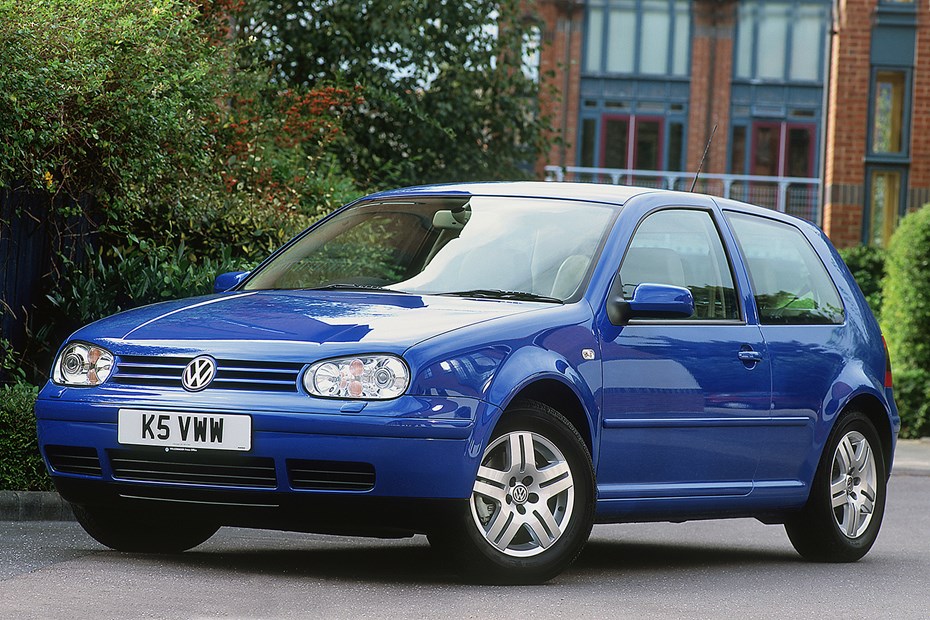
4. Volkswagen Golf TDI Mk4 (1997–2004)
The Volkswagen Golf TDI Mk4 occupies a legendary status among diesel enthusiasts for good reason. Its 1.9-litre ALH and PD TDI engines combined impressive fuel economy with strong real-world performance. The high pressure fuel injection system in these engines was a significant technological step forward for Volkswagen at the time.
The pumpe-düse or unit injector system used in PD variants integrates the pump and injector into a single unit per cylinder. This design eliminates the high-pressure fuel lines that connect conventional pumps to separate injectors, reducing potential leak points significantly. Each unit injector is cam-driven directly, generating extremely high injection pressures that improve fuel atomisation and combustion efficiency.
Volkswagen engineered the PD system with robust internal components that tolerate the enormous mechanical loads of cam-driven injection. The system’s durability under sustained high-load driving, such as motorway cruising with a full load, impressed early adopters and professional drivers alike.
Many Mk4 Golf TDIs have surpassed 400,000 kilometres on their original injection hardware with nothing more than scheduled servicing. The key to the Golf TDI’s fuel system longevity lies in regular oil changes using the correct low-ash specification oil.
The unit injectors are lubricated partly by engine oil, meaning oil quality directly affects pump and injector wear rates. Owners who follow Volkswagen’s service recommendations consistently report trouble-free fuel system performance well into very high mileage territory.
Also Read: 10 Best Vehicles for Digital Nomads With Massive Battery Inverters
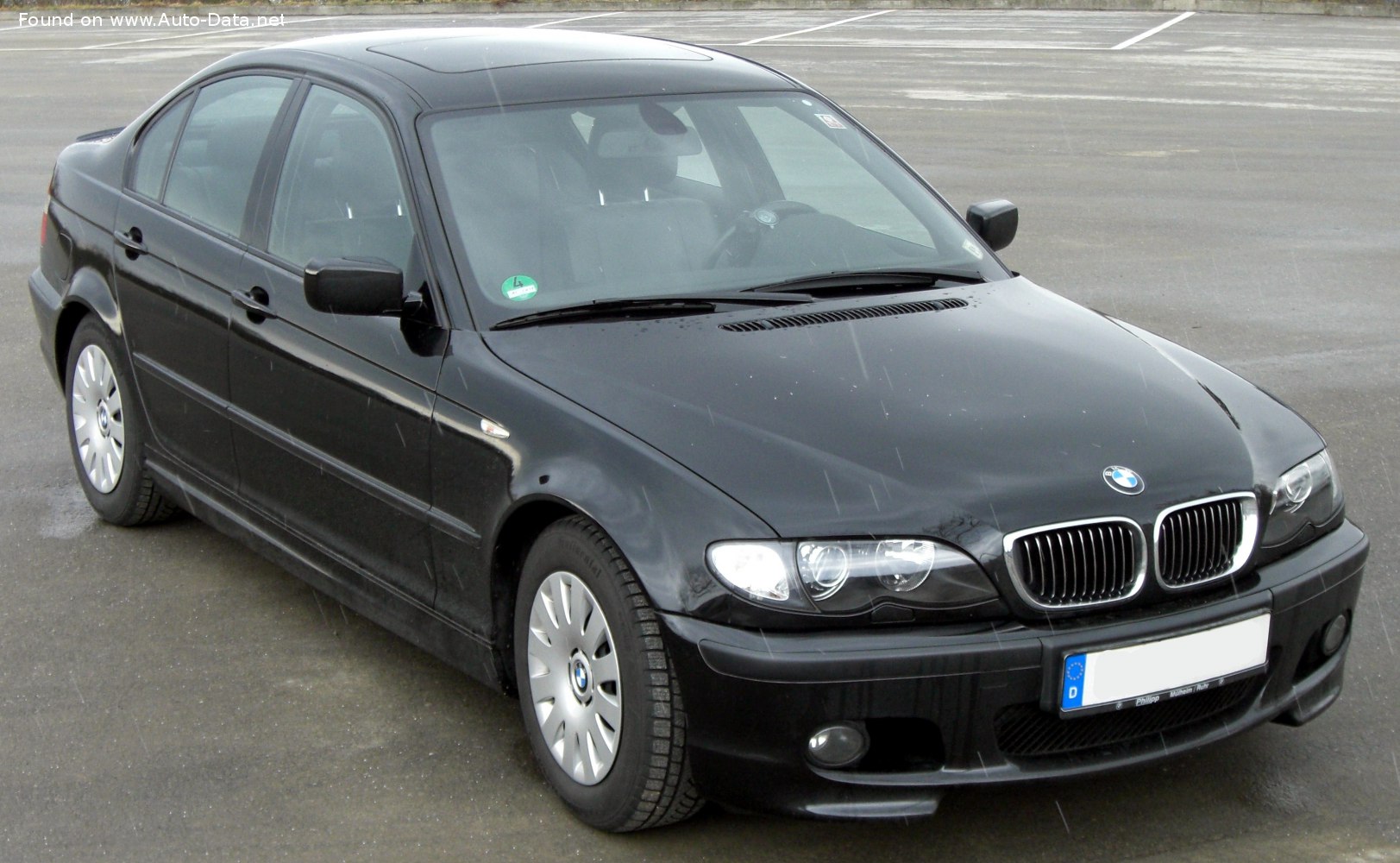
5. BMW E46 320d (2001–2005)
The BMW E46 320d is a vehicle that punches well above its displacement in both performance and durability. Its M47 2.0-litre common rail turbodiesel engine was among the first BMW diesel units to earn widespread acclaim from professional drivers and everyday commuters equally. The high pressure fuel system in this engine set a benchmark for reliability that later BMW diesel generations worked hard to match.
The Bosch common rail injection system in the M47 operates at pressures up to 1,350 bar, which was advanced for its production era. BMW and Bosch collaborated closely on calibration to ensure the system’s pressure regulator and high pressure pump worked within comfortable margins during all driving conditions. This collaborative development process resulted in a fuel system with very low failure rates across a broad range of operating environments.
The M47’s high pressure pump is a radial piston design that distributes mechanical wear evenly across multiple contact surfaces. This architecture is inherently more durable than single-piston designs because no single component bears the entire load continuously.
BMW’s material specifications for internal pump components also exceed the minimum requirements stipulated by the injection system supplier. Owners of high-mileage E46 320d examples frequently cite the fuel system as one of the few components that never required attention.
The pump’s durability is complemented by BMW’s thoughtful fuel filtration design, which protects the high pressure side from contamination effectively. Combined with the M47’s reputation for mechanical soundness, the E46 320d remains an excellent choice for buyers seeking a reliable used diesel.
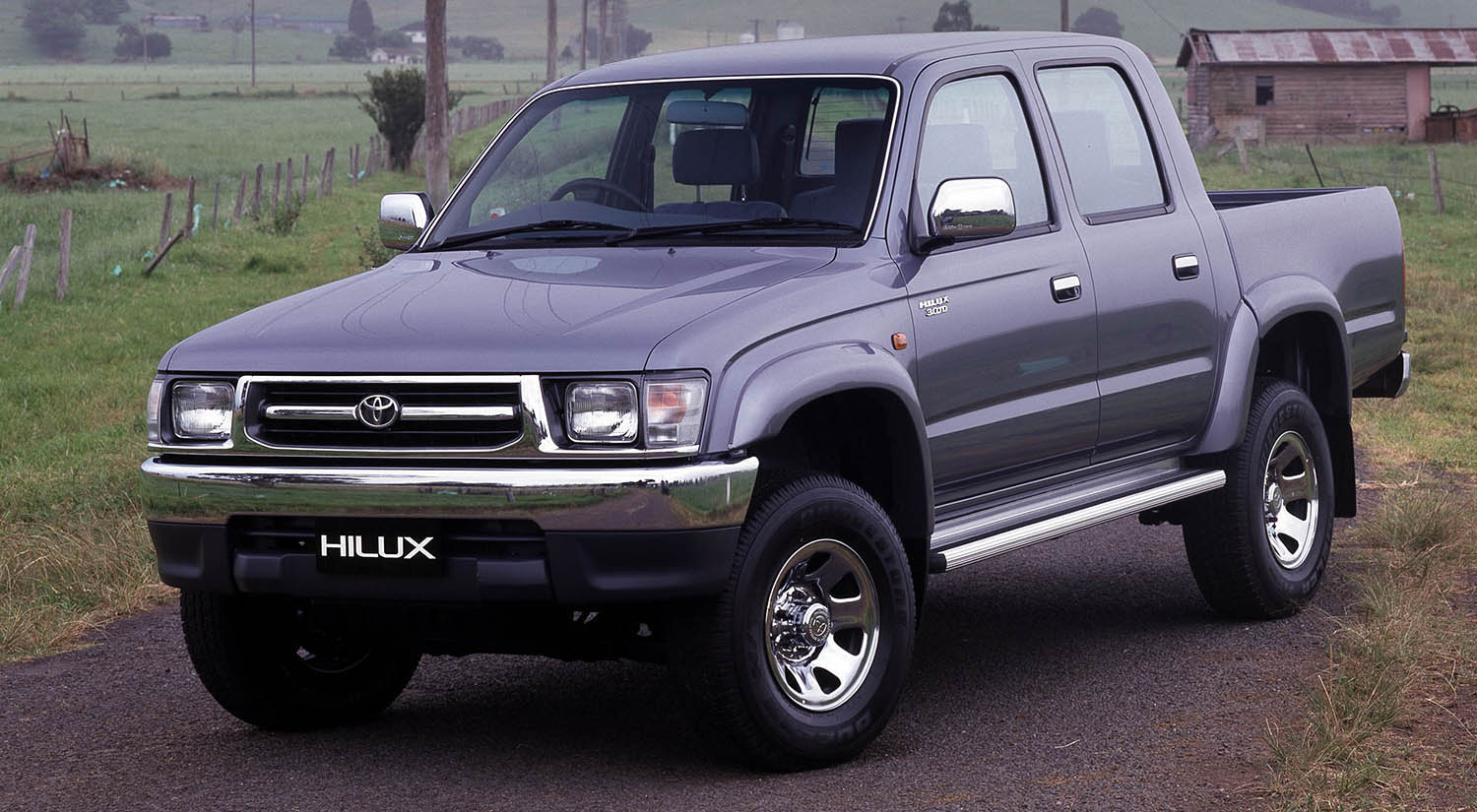
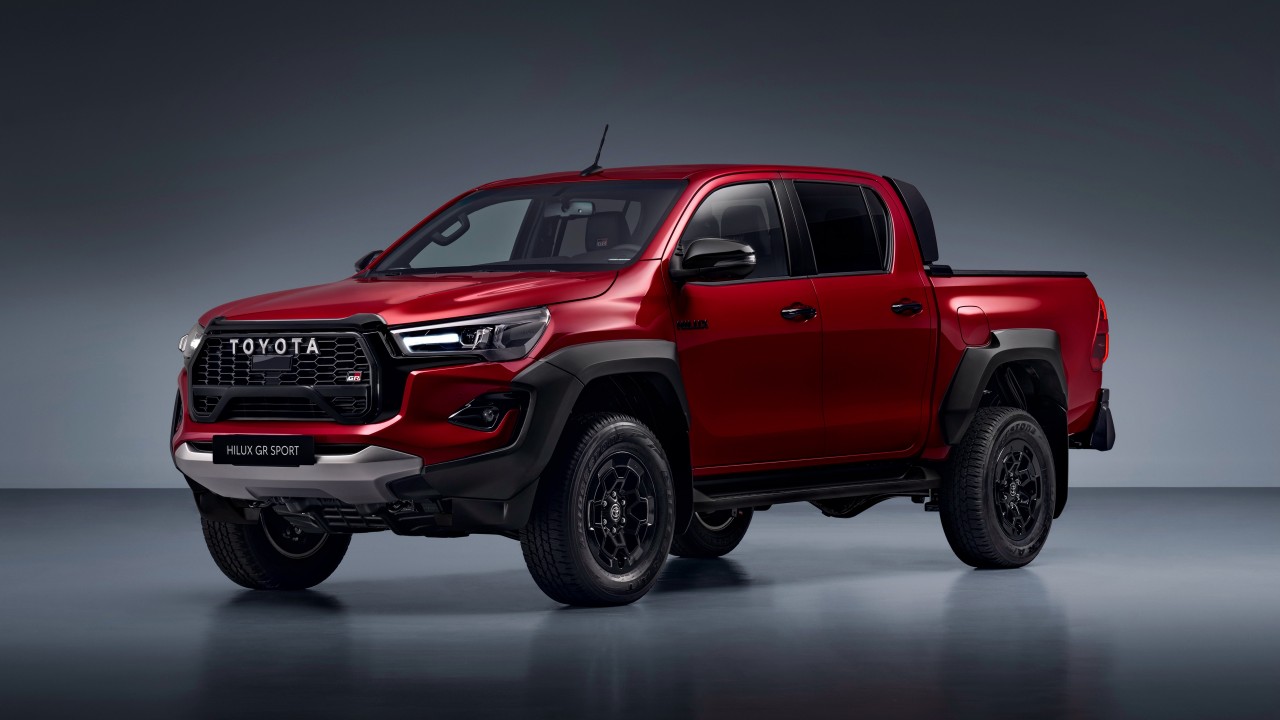
6. Toyota HiLux Diesel (2005–Present)
The Toyota HiLux is the definitive benchmark for pickup truck reliability across the globe. It has been the vehicle of choice for farmers, construction workers, military operators, and remote-area travellers for decades. The 1KD-FTV and 2KD-FTV diesel engines powering modern HiLux variants carry forward Toyota’s uncompromising approach to mechanical durability.
The common rail high pressure fuel pump in the 1KD-FTV engine benefits from Toyota’s extensive validation testing across extreme climates and demanding duty cycles. Toyota subjects these pumps to simulated high-load conditions representing several times their expected service life before approving them for production. This rigorous pre-production testing philosophy directly translates into exceptional real-world longevity.
The HiLux’s fuel system is also designed with a tolerance for the variable fuel quality encountered in developing markets, where the vehicle is particularly prevalent. Toyota calibrated pressure tolerances conservatively, giving the system headroom to cope with minor variations in fuel specification without accelerating component wear. This real-world pragmatism is a significant factor in the HiLux’s extraordinary global reliability reputation.
Fleet operators across Australia, Africa, and South America consistently report HiLux diesel fuel systems requiring no unscheduled attention across service lives exceeding 250,000 kilometres.
The simplicity of Toyota’s maintenance requirements for the fuel system primarily regular filter changes makes compliance straightforward even in remote locations. This combination of robust design and simple servicing needs is exactly why the HiLux dominates reliability surveys year after year.
7. Porsche 996 Carrera (1997–2005)
The Porsche 996 Carrera introduced direct injection technology to the iconic 911 platform in a form that proved surprisingly durable over time. Its 3.4 and 3.6-litre flat-six engines use a Bosch Motronic fuel injection system that delivers consistent performance across an enormous rev range. Despite the 996’s mixed reputation in some areas, its fuel delivery system has aged remarkably well.
Porsche specified the high pressure fuel pump to handle the demanding thermal environment of a rear-mounted, air and water-cooled engine. The pump must perform reliably whether the car is crawling through city traffic or sustaining high RPM on a racing circuit. Porsche’s engineering team validated the system across extreme temperature cycles that few other manufacturers replicate in their testing programmes.
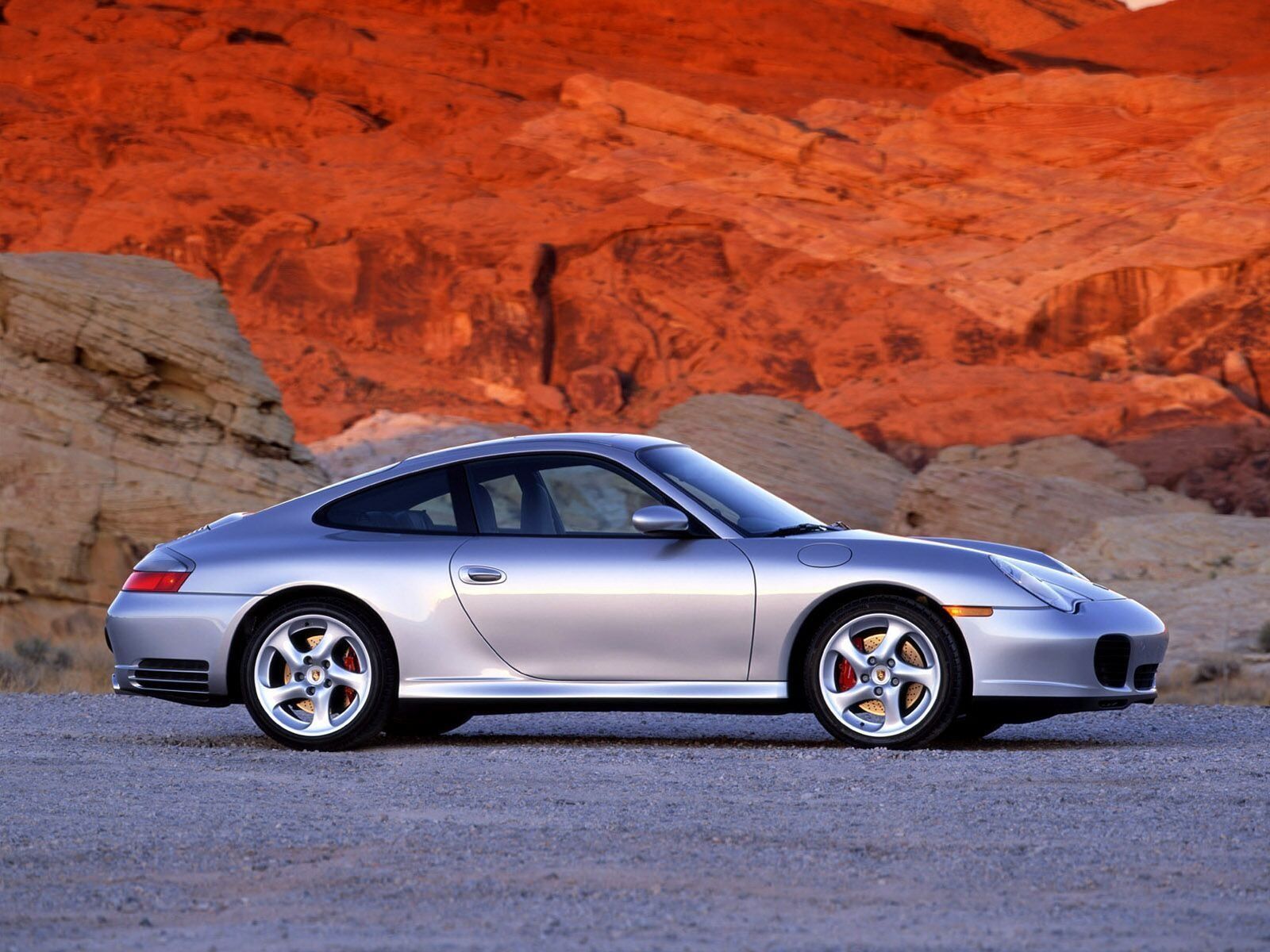
The 996’s fuel pump benefits from Porsche’s conservative pressure calibration, which prioritises consistent delivery over maximum theoretical output. Internal components are manufactured to aerospace-influenced tolerances that minimise variation between individual units.
This consistency means that virtually every 996 that leaves the factory has an equally well-built fuel pump, rather than a production spread of better and worse examples.
High-mileage 996 Carreras are increasingly common in the used market, with many examples exceeding 200,000 kilometres on original fuel system hardware.
Track day enthusiasts particularly value the pump’s ability to sustain pressure during high-G cornering, which can momentarily disrupt fuel supply in lesser designs. The 996’s fuel system reliability is one of the unsung strengths of a car that deserves more credit than its reputation sometimes suggests.
8. Ford Ranger 2.2 TDCi (2011–2018)
The Ford Ranger 2.2 TDCi became one of the most commercially successful pickup trucks in markets across Asia, Australia, Africa, and Europe. Its 2.2-litre Duratorq diesel engine struck an effective balance between performance, economy, and mechanical robustness. The high pressure fuel system in this engine proved to be one of its most dependable attributes across diverse operating environments.
Ford developed the 2.2 TDCi’s common rail injection system with significant input from its commercial vehicle division, which has stringent durability requirements derived from fleet and logistics applications.
The high pressure pump is a Delphi unit calibrated to deliver stable rail pressure across a wide load and speed range without stressing the system’s internal components unnecessarily. This commercial-grade development background gives the Ranger’s fuel system a robustness that many passenger car-derived systems cannot match.

The pump’s design incorporates an effective internal lubrication strategy that keeps wear rates low even during cold start conditions, when lubrication film thickness is at its thinnest.
Ford specified a high-quality fuel filter assembly positioned to provide maximum protection to the high pressure side of the system. This pre-emptive protection against contamination is a key reason the 2.2 TDCi’s fuel pump rarely appears on lists of common failure points.
Australian fleet operators, who place enormous demands on working vehicles in remote and dusty environments, consistently rate the Ranger 2.2 TDCi fuel system as one of its strongest features.
Many examples in commercial fleet service have accumulated over 300,000 kilometres without fuel pump replacement. Ford’s decision to draw on commercial vehicle expertise when designing this system paid clear dividends in the field.
9. Lexus IS220d (2005–2012)
The Lexus IS220d brought Toyota Group diesel engineering to a premium sports saloon platform, combining the refinement expected of the Lexus brand with the durability that defines the parent company’s engineering culture.
Its 2AD-FHV 2.2-litre common rail diesel engine was developed alongside the equivalent Toyota unit but tuned for the sportier character demanded by the IS model line. The high pressure fuel system in this engine reflects Toyota’s thorough approach to component validation.
The HPFP in the 2AD-FHV operates at pressures up to 2,000 bar, placing it among the higher-pressure systems of its generation. Despite this demanding operating pressure, Toyota engineered the pump with internal geometry that distributes stress efficiently across its working surfaces.
The result is a component that handles sustained high-pressure operation without the accelerated wear that affects some rival high-pressure units.
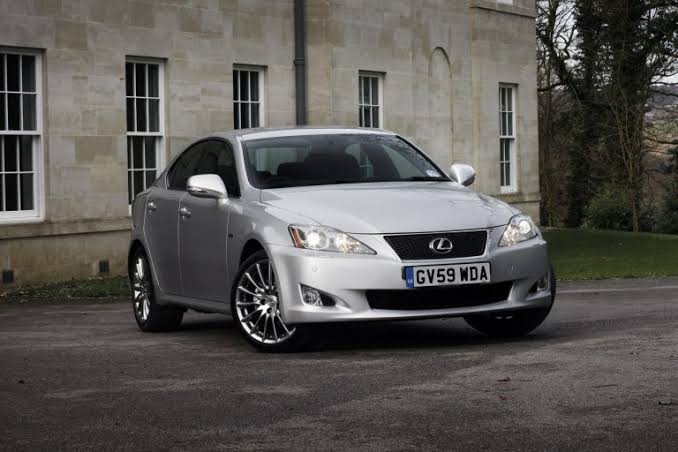
Lexus’s quality control processes add an additional layer of assurance beyond what the engine design alone provides. Each IS220d fuel system component undergoes more intensive pre-delivery inspection than equivalent Toyota-badged units, reflecting the premium positioning of the Lexus brand.
This means the tolerance stack-up between pump components is tighter, reducing the chance of premature wear caused by manufacturing variation.
Long-term IS220d owners frequently report that the fuel system requires no attention beyond scheduled filter replacements throughout an extended service life.
The car’s combination of sporty driving dynamics and diesel efficiency attracted buyers who often drive enthusiastically, placing above-average demands on the fuel system. The fact that the HPFP handles this usage pattern without complaint speaks volumes about the depth of engineering invested in its design.
10. Isuzu D-Max 3.0 Di (2002–2012)
The Isuzu D-Max with the 3.0-litre 4JJ1-TC turbodiesel engine is a vehicle that quietly accumulated one of the strongest reliability records of any pickup truck in its generation.
Isuzu’s heritage as a commercial diesel engine manufacturer supplying powertrains to truck and bus builders worldwide directly informed the engineering culture behind this engine and its fuel system. The high pressure fuel pump in the 4JJ1-TC is a product of that deep industrial diesel expertise.
The common rail pump in the D-Max is engineered to the tolerances of a light commercial vehicle rather than a passenger car, which means it is built to survive duty cycles far more demanding than typical private ownership.
Isuzu validated this system against the requirements of fleet and agricultural operators, who run their vehicles hard over rough terrain for extended hours each day. This commercial-grade validation process produces a fuel pump with reserves of durability that most owners will never come close to exhausting.

The 4JJ1-TC’s fuel system benefits from a straightforward architecture that avoids unnecessary complexity in both the pump design and the electronic control strategy.
Simpler systems have fewer potential failure points, and Isuzu’s engineering team made deliberate choices to keep the high pressure circuit as uncomplicated as the performance targets allowed. The result is a system that is not only durable but also relatively straightforward to service when maintenance is eventually required.
D-Max 3.0 Di examples in commercial fleet service across Australia, Southeast Asia, and sub-Saharan Africa routinely accumulate enormous mileage without fuel system intervention.
Operators consistently highlight the fuel pump’s resilience as one of the primary reasons they specify Isuzu over competing brands when dependability is paramount. The D-Max’s reputation in these demanding environments is the most credible endorsement any vehicle fuel system can receive.
Also Read: 5 Modern 8 Speed Transmissions That Shift Like New After 150,000 Miles
