
When buying a used sedan, most buyers focus on mileage, price, and appearance. Few stop to think about what happens under the hood when the engine gets hot. A failing radiator or malfunctioning cooling fan can turn a bargain purchase into an expensive nightmare very quickly.
The cooling system is one of the most critical parts of any car. It keeps the engine from overheating, which can cause warped cylinder heads, cracked blocks, and complete engine failure. Cars with well-engineered cooling systems last longer, require fewer repairs, and cost far less to maintain over time.
Not all sedans are created equal in this regard. Some manufacturers have spent decades refining their thermal management systems, choosing better materials, smarter fan designs, and more durable radiator cores. The result is a category of vehicles that simply run cooler, longer, and with fewer problems than the competition.
This article covers ten of the best used sedans known for their exceptionally reliable cooling fans and radiators. Each of these vehicles has earned a strong reputation among mechanics, long-term owners, and reliability analysts. Whether you are shopping on a tight budget or looking for a dependable daily driver, these sedans deserve a close look.
1. Toyota Camry (2007–2017)
The Toyota Camry is one of the most thoroughly tested and widely trusted sedans ever built. Over its many decades of production, it has consistently ranked at or near the top of reliability surveys. Its cooling system is a big part of that story.
The Camry’s radiator is built with an aluminum core and plastic end tanks. This combination provides excellent heat dissipation while keeping weight manageable.
The design has been refined over multiple generations, and by the 2007 model year, Toyota had essentially worked out any remaining weaknesses. Owners who maintain proper coolant levels and flush intervals rarely experience any issues at all.
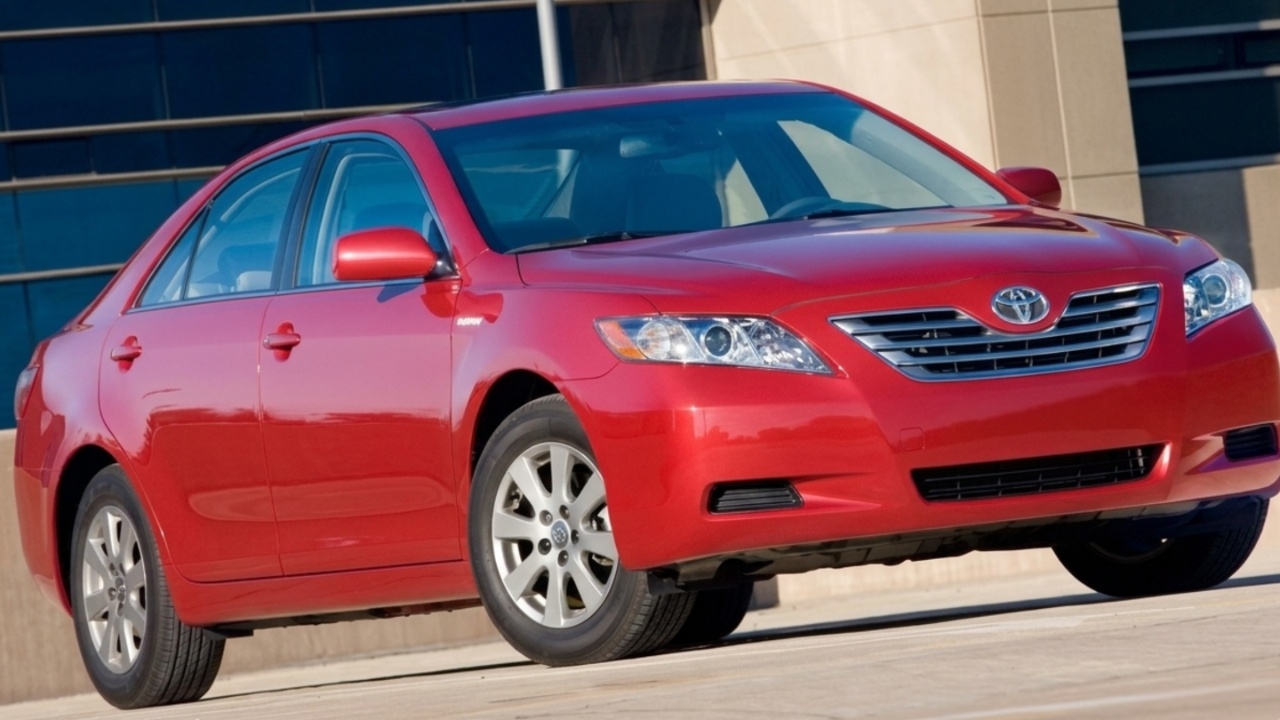
The electric cooling fans on the Camry are equally impressive. Toyota uses a dual-fan setup on most configurations, with one primary fan and one condenser fan for the air conditioning system.
These fans are driven by robust motors that hold up well even in stop-and-go city traffic. The fan relay and control circuitry are simple and accessible, making diagnosis and replacement straightforward when parts eventually do wear.
The 2.4-liter four-cylinder engine found in many Camrys runs at a stable operating temperature under most conditions. The thermostat is well-calibrated, and the water pump design has been reliable across hundreds of thousands of miles in many documented cases.
One reason the Camry’s cooling system holds up so well is Toyota’s conservative engineering philosophy. They do not push components to their limits. Every part has a comfortable margin of safety built in. This approach may not make headlines, but it does mean the car keeps running long after competitors have started showing signs of wear.
For buyers looking at used Camrys, the sweet spot for cooling reliability sits between 2007 and 2017. These model years benefit from mature engineering and widely available parts. Coolant flush intervals are the primary maintenance concern. Keeping fresh coolant in the system is the single best thing an owner can do to protect the radiator and water pump.
2. Honda Accord (2008–2017)
The Honda Accord has long been the Camry’s closest rival, and in terms of cooling system reliability, it holds its own with ease. Honda’s engineering team has a deep understanding of thermal dynamics, and it shows in how the Accord handles high-temperature conditions.
The Accord uses a well-designed aluminum radiator with sturdy plastic tanks. Honda pays close attention to coolant flow design, ensuring even heat distribution across the radiator core. This prevents hot spots, which are a common cause of premature radiator failure in lesser-designed systems.
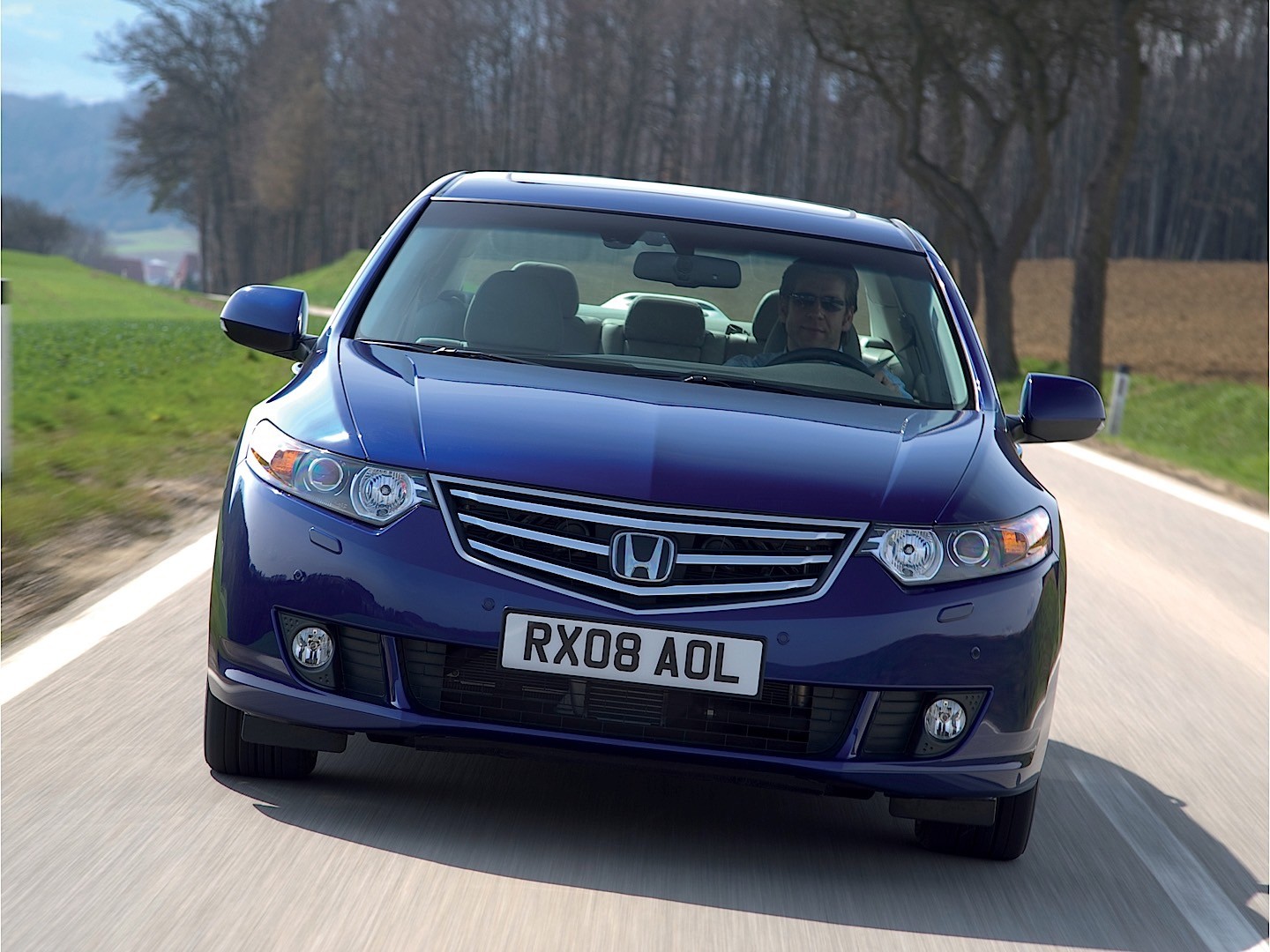
The cooling fan setup on the Accord is clean and effective. Honda uses an electric fan assembly that responds quickly to temperature changes. The fan control module communicates with the engine control unit to manage fan speed precisely. This means the fans run only as hard as they need to, which extends their service life considerably.
The 2.4-liter i-VTEC engine that powers most Accord trims of this era is known for running within a very narrow and stable temperature band. Honda’s water pump design is robust, and the impeller does not suffer from the cracking problems that have plagued some other manufacturers’ designs.
One area where Honda has traditionally excelled is coolant chemistry compatibility. Honda Long Life Coolant is specifically formulated to protect aluminum components, which make up a large portion of the modern Accord’s cooling system. Owners who use the correct coolant and follow service intervals report very few cooling-related issues.
The 2008 to 2017 generation is particularly recommended. These cars benefit from Honda’s decision to simplify the drivetrain layout, which also improved access to cooling system components. When parts do eventually need attention, everything is reachable without heroic disassembly efforts.
3. Toyota Corolla (2009–2019)
The Toyota Corolla may be one of the most understated engineering achievements in automotive history. It is not glamorous or exciting, but it works. The cooling system is a perfect example of Toyota’s philosophy of quiet, relentless reliability.
Corolla’s radiator is compact and efficiently designed. The aluminum core handles heat well, and the plastic tanks have proven durable across multiple ownership cycles. Unlike some compact sedans that use radiators with thin walls and marginal materials, the Corolla’s radiator is built with longevity in mind.
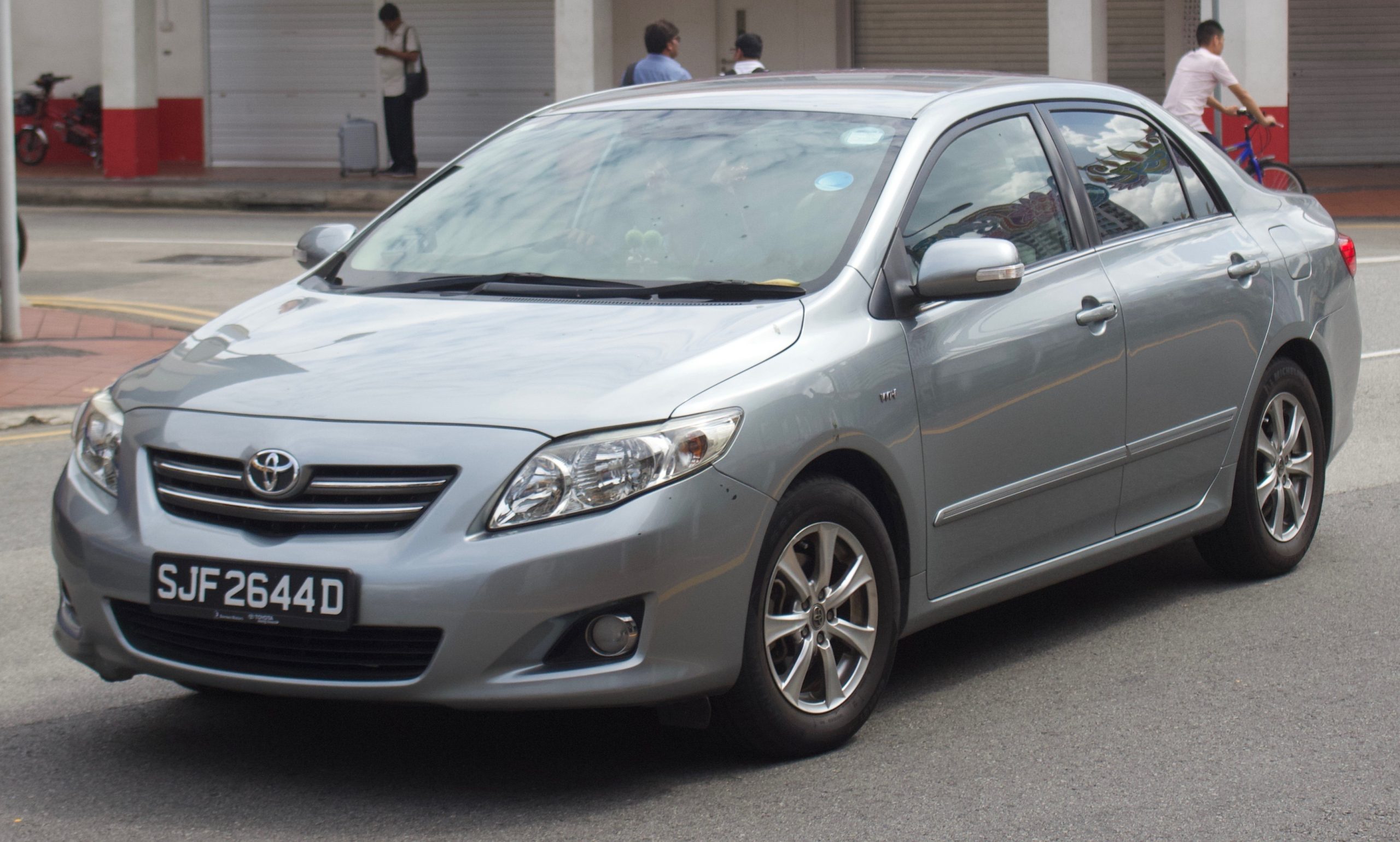
The cooling fan on the Corolla is a single electric unit mounted directly in front of the radiator. Its motor is simple but dependable. Toyota specifies tight tolerances on the fan blade design, ensuring proper airflow at all speeds. Fan failures on the Corolla are genuinely uncommon, and when they do occur, replacement parts are among the most affordable in the industry.
The 1.8-liter engine that most Corollas use in this era is one of Toyota’s most polished four-cylinder designs. It runs at a stable temperature, produces manageable amounts of heat, and places minimal stress on the cooling circuit. The thermostat housing is durable, and the water pump has a reputation for outlasting the vehicles it serves.
What makes the Corolla particularly valuable as a used purchase is parts availability. Every component in the cooling system is widely stocked. A radiator, fan assembly, thermostat, or water pump can typically be sourced the same day in most markets. Repair costs are low because the work is straightforward and parts are cheap.
The 2009 to 2019 generation covers a long span of production, and cooling system quality is consistent throughout. Regular coolant changes remain the most important maintenance step. Toyota recommends a flush every 30,000 miles, and following that schedule virtually guarantees long-term cooling system health.
4. Mazda6 (2014–2020)
The Mazda6 is a stylish and dynamic sedan that also happens to be exceptionally well-engineered. Mazda’s SKYACTIV technology, introduced in the 2014 generation, brought significant improvements to thermal efficiency, and the cooling system benefited directly.
SKYACTIV engines are designed to run at higher compression ratios than typical gasoline engines. This requires the cooling system to work more precisely. Mazda rose to that challenge with a thoughtfully designed cooling circuit that manages heat with impressive efficiency.
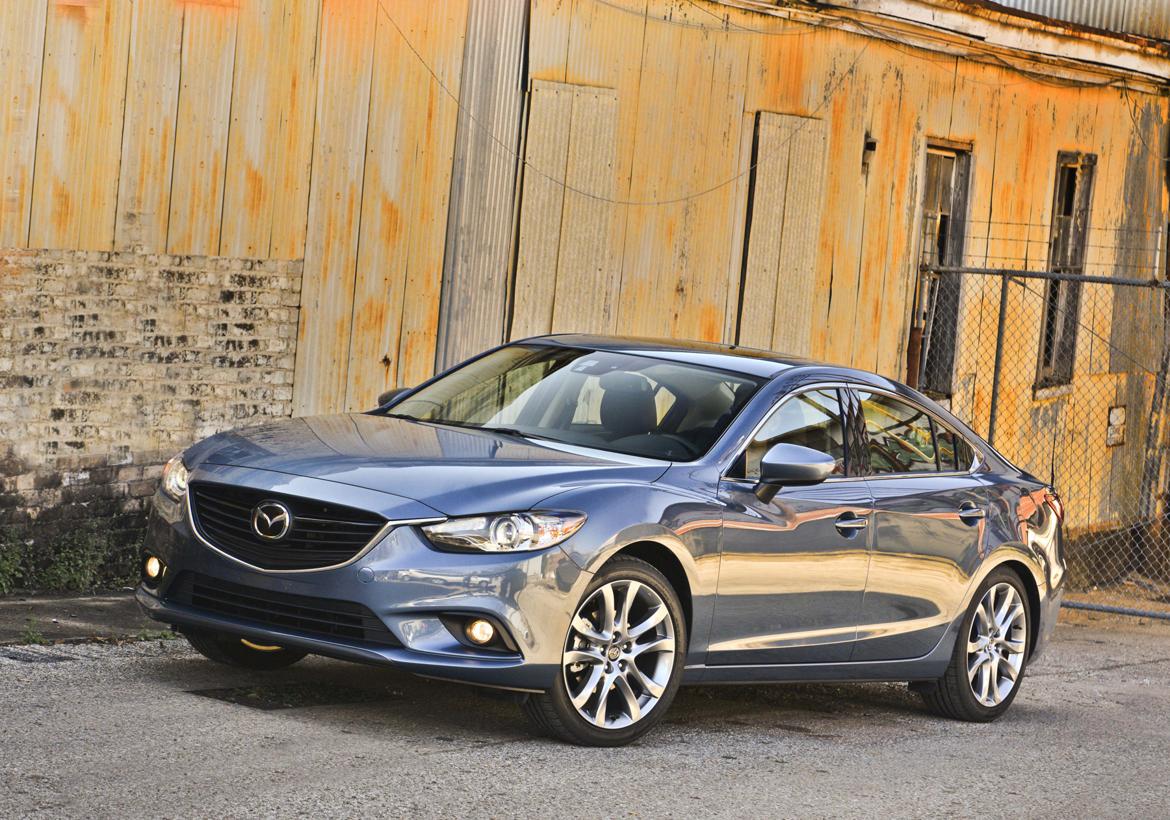
The radiator in the Mazda6 is an aluminum unit with carefully sized cores. Mazda’s engineers optimized the fin spacing and tube design to maximize heat transfer without requiring an oversized unit. The result is a compact, efficient radiator that rarely gives trouble.
The cooling fans on the Mazda6 use a dual-motor setup with variable speed control. This allows the system to respond dynamically to changing conditions rather than simply switching between on and off. Variable speed operation reduces electrical load and extends fan motor life significantly.
Mazda has also done impressive work on coolant routing and flow management. The water pump is belt-driven on most Mazda6 configurations, which some mechanics prefer because it ties into an already well-understood service interval. Replacing the water pump at the same time as the timing chain service is common practice, and it keeps the system fresh.
The Mazda6 from 2014 onward represents a modern take on cooling system reliability. Owners who maintain these cars properly report very few thermal management issues. The car’s reputation among enthusiasts is excellent, and its cooling system holds up well even when pushed harder than average. It is an often-overlooked gem in the used sedan market.
Also Read: 8 Modern Features That Cost 3000 Dollars to Fix Once the Warranty Ends
5. Honda Civic (2012–2021)
The Honda Civic has been a benchmark for compact sedan reliability for decades. Its cooling system is designed to handle a wide range of driving conditions without complaint. From daily urban commuting to long highway runs, the Civic’s thermal management stays composed.
Honda uses a compact but effective aluminum radiator in the Civic. The unit is sized appropriately for the 1.5-liter or 2.0-liter engines typically fitted to this generation. Coolant flows efficiently through the system, and the radiator core maintains performance well past 100,000 miles with proper care.
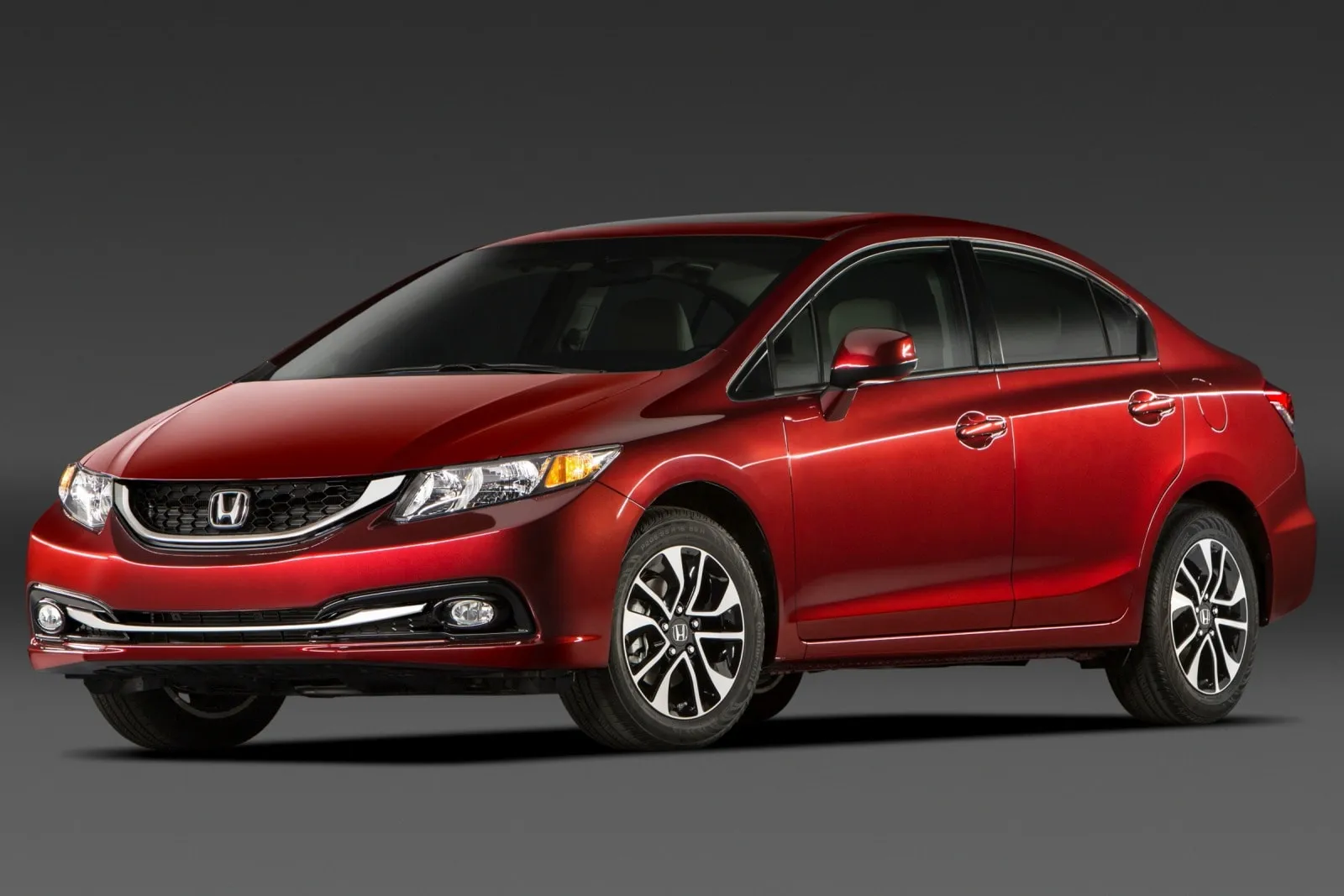
The electric cooling fan on the Civic is a single-unit design that is reliable and simple to service. Honda’s fan motors are known for their longevity. The fan shroud is designed to direct airflow precisely through the radiator core, maximizing cooling effectiveness even at low vehicle speeds.
One of the Civic’s strengths is how Honda manages heat during cold starts and warm-up cycles. The thermostat opens at a precise temperature, allowing the engine to reach operating temperature quickly while protecting the cooling system from thermal shock. This conservative approach to heat management extends the life of all cooling components.
The 1.5-liter turbocharged engine found in newer Civics generates more heat than the naturally aspirated units it replaced. Honda addressed this with an upgraded cooling circuit that handles turbocharged output without strain. Owners of turbo Civics who follow oil and coolant service intervals report very few issues.
Parts availability for the Civic is exceptional. Whether shopping OEM or aftermarket, virtually every cooling system component is easy to find and reasonably priced. This makes the Civic one of the most cost-effective used sedans to own and maintain over the long term.
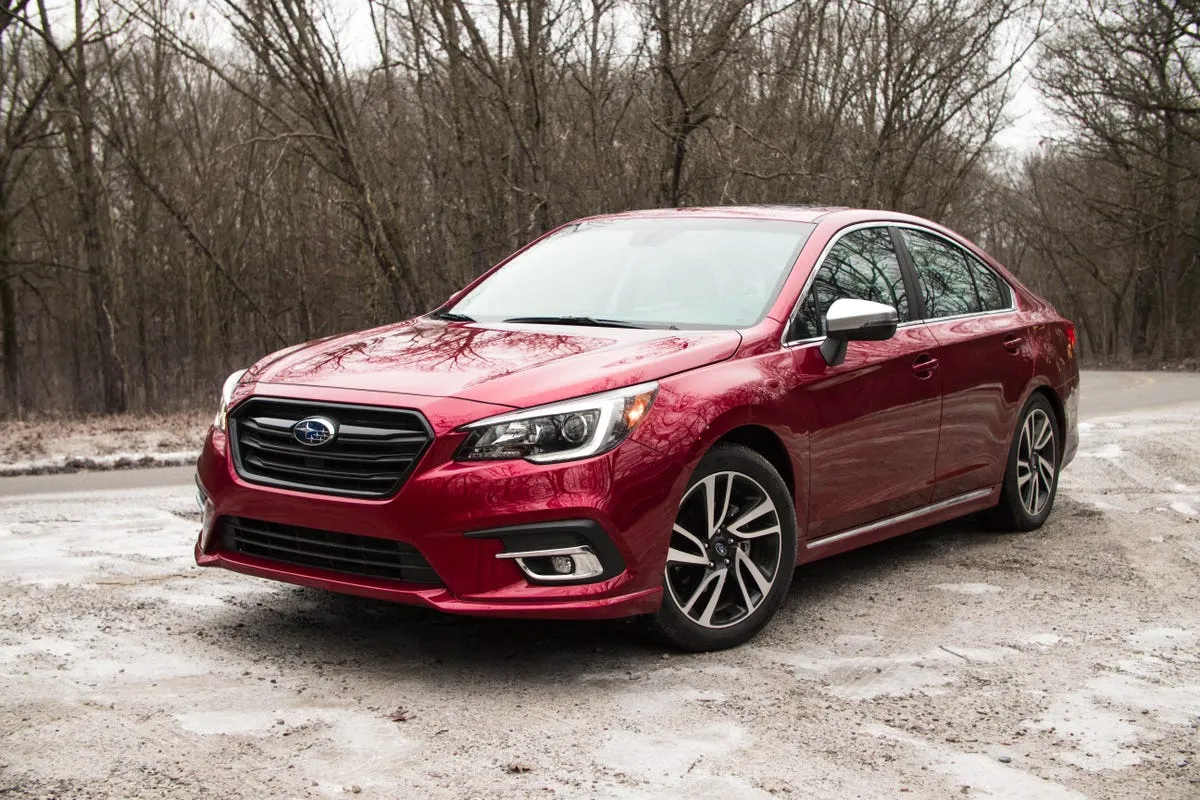
6. Subaru Legacy (2010–2019)
The Subaru Legacy is a solid all-weather sedan with a boxer engine layout that creates some unique cooling system characteristics. The horizontally opposed engine design allows for a lower center of gravity and a distinctive airflow path through the engine bay.
Subaru uses aluminum radiators across the Legacy lineup, and the units are well-matched to the thermal output of the 2.5-liter four-cylinder and 3.6-liter six-cylinder engines. The cooling system is designed to handle the temperature spikes that can occur during spirited driving in warm climates.
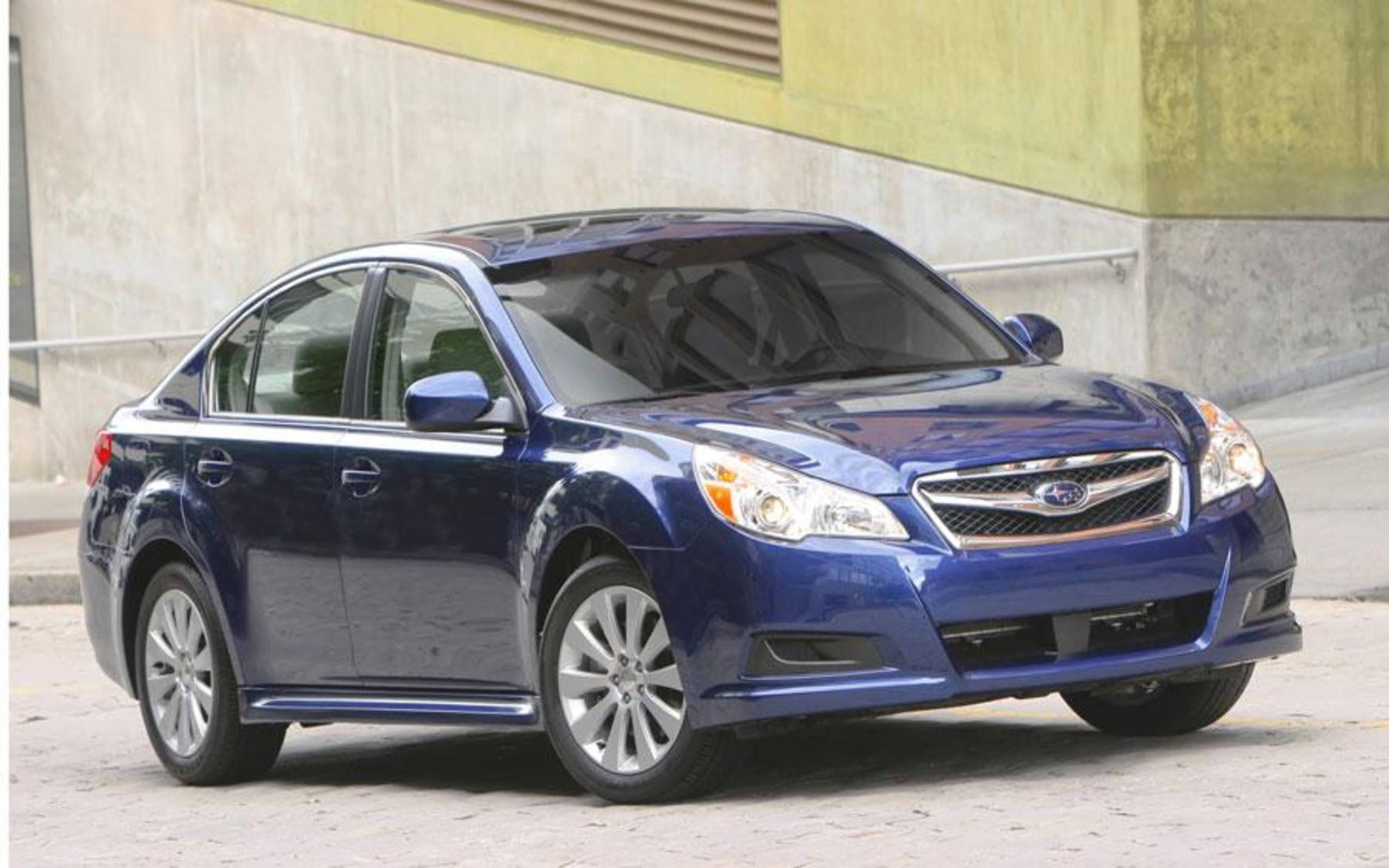
The cooling fans on the Legacy are electric units that work in conjunction with the vehicle’s automatic temperature management software. Subaru has fine-tuned this software over many generations, resulting in a fan activation strategy that keeps temperatures stable without unnecessary cycling. Fan motors on Legacy sedans are known for holding up well past the 150,000-mile mark.
One area where the Legacy requires attention is coolant quality. Subaru’s boxer engines use aluminum head gaskets with specific chemical tolerances. Using the correct coolant type is not optional it is a fundamental requirement for long-term reliability. Owners who follow this guidance have very few cooling problems.
The water pump on the Legacy is driven by the timing belt on four-cylinder models. This means it should be replaced during timing belt service, typically around 105,000 miles. When this is done on schedule, the cooling system remains healthy and trouble-free.
The 2010 to 2019 generation is a strong choice in the used market. The Legacy’s all-wheel-drive capability, combined with its reliable cooling infrastructure, makes it a versatile and dependable used sedan for buyers in a range of climates.
7. Lexus ES 350 (2007–2018)
The Lexus ES 350 brings luxury-level build quality to every aspect of the vehicle, and the cooling system is no exception. This sedan is built on Toyota’s reliable underpinnings but with additional refinements that make it even more durable in real-world conditions.
The ES 350 uses a large, high-capacity aluminum radiator that is generously sized relative to the engine’s output. The 3.5-liter V6 produces a healthy amount of heat, and Lexus ensures the cooling system has more than enough capacity to manage it. The radiator rarely shows signs of stress even in hot weather or demanding driving situations.
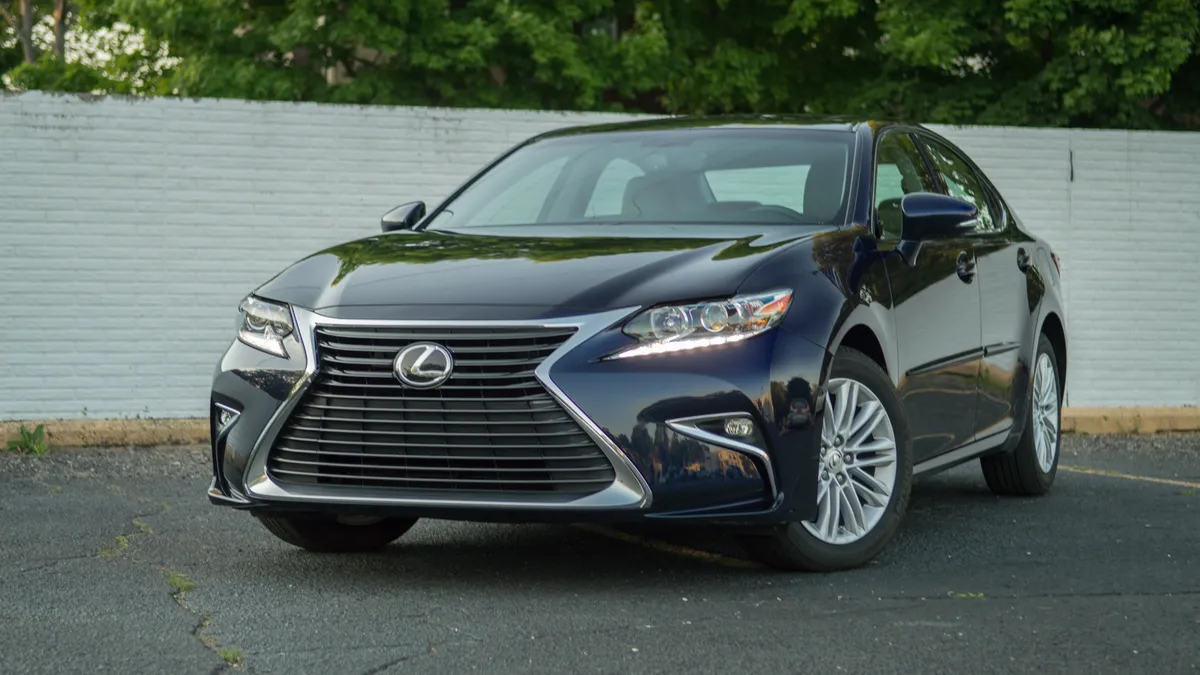
Lexus uses a dual-fan setup with electric motors on both the primary radiator fan and the condenser fan. These fans are controlled by sophisticated electronics that modulate speed continuously. The result is a cooling system that responds quickly to changing conditions and never allows temperatures to drift into dangerous territory.
The water pump on the ES 350 is chain-driven, meaning it operates for the life of the engine without a scheduled replacement interval. Chain-driven water pumps are widely regarded as more durable than belt-driven alternatives. Lexus’s decision to use this approach on the ES reflects their commitment to long-term reliability.
Coolant quality and condition matter greatly on the ES 350. Lexus specifies a premium long-life coolant, and using the correct specification protects the aluminum components throughout the system. Owners who maintain proper coolant chemistry report radiators and water pumps lasting well beyond 200,000 miles.
For buyers seeking a used luxury sedan with exceptional cooling system reliability, the ES 350 is one of the best choices available. Its combination of Toyota’s proven engineering and Lexus’s raised build standards makes it a genuinely impressive machine under the hood.
8. Toyota Avalon (2005–2018)
The Toyota Avalon is the full-size flagship of Toyota’s sedan lineup, and it brings big-car comfort with the same legendary reliability the brand is known for. The cooling system on the Avalon is one of the most capable and durable setups Toyota has ever put into a front-wheel-drive sedan.
The Avalon’s 3.5-liter V6 engine generates substantial heat output, and Toyota matches it with a generously proportioned aluminum radiator. The cooling circuit is designed with wide passages that allow high coolant flow volumes. This prevents localized overheating and keeps the engine temperature stable under all load conditions.
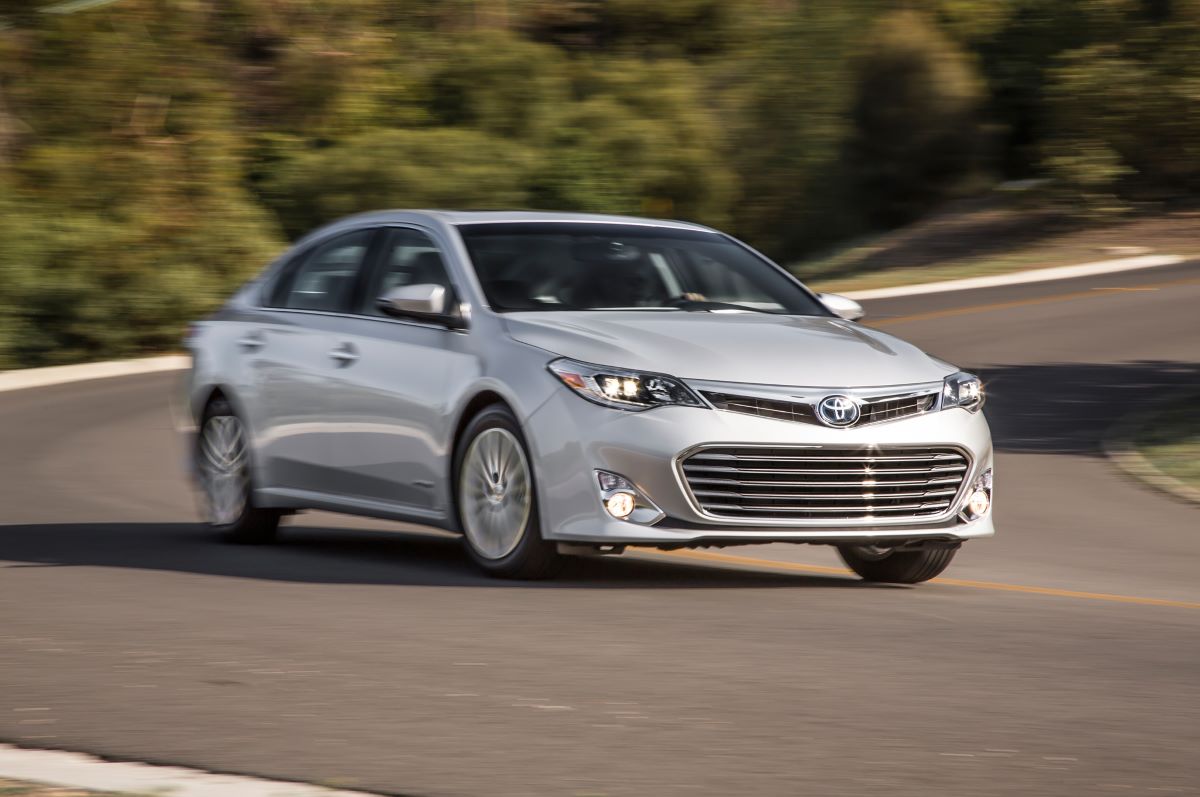
The dual electric fan assembly on the Avalon is robust and well-protected. Toyota mounts the fan assembly securely and shields the wiring harness from heat and vibration. This attention to detail in mounting and routing significantly extends the service life of the fan motors and associated components.
What sets the Avalon apart from many competitors is how Toyota integrated the transmission oil cooler into the radiator design. Rather than creating thermal conflict, Toyota engineered the system so that both the engine coolant and transmission fluid maintain proper temperatures simultaneously. This integration is seamless and reliable.
Owners of the Avalon frequently report passing 200,000 miles without touching the cooling system beyond routine maintenance. The combination of quality materials, conservative engineering margins, and careful attention to coolant routing makes this one of the most durable cooling setups in Toyota’s history.
The 2005 to 2018 generation spans significant model updates, but cooling system reliability is consistent throughout. Buyers who prioritize low ownership costs and minimal mechanical drama will find the Avalon hard to beat in the full-size used sedan category.
9. Kia Optima (2011–2019)
The Kia Optima represents one of the most significant improvements in Korean automotive engineering of the past two decades. By the 2011 model year, Kia had transformed the Optima into a genuinely competitive mid-size sedan, with cooling system quality that matched or exceeded many Japanese rivals.
The Optima’s radiator is an aluminum-core unit with good flow characteristics and durable construction. Kia invested significantly in the materials used for the end tanks and fittings, choosing plastics and gasket compounds that resist degradation from long-term coolant exposure. This prevents the seeping and weeping that can develop in lower-quality units.
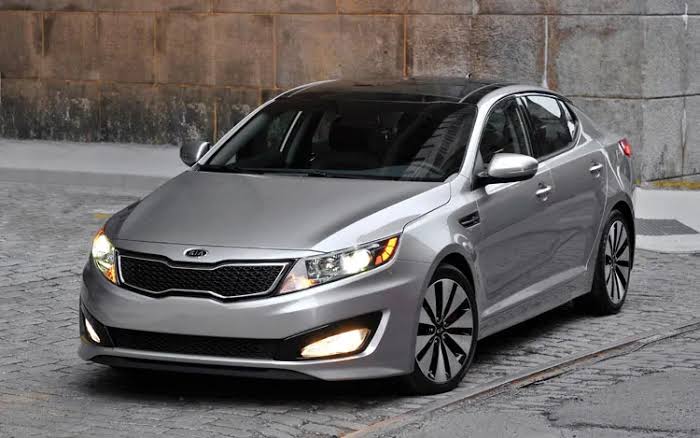
The cooling fan setup on the Optima is a single electric fan module with integrated shrouding. The motor is specified to handle extended operation in traffic without overheating. Kia’s supplier relationships allowed them to source quality fan motors, and field reliability data confirms that failures are uncommon within the first 120,000 miles.
The 2.4-liter naturally aspirated engine in base Optima trims is particularly kind to its cooling system. It runs smoothly and produces heat in a very predictable and manageable pattern. The thermostat and water pump are simple, accessible, and available at very reasonable prices.
Kia’s 10-year powertrain warranty on new vehicles contributed indirectly to improved cooling system quality. Engineers knew that design flaws would generate warranty claims and reputational damage, which motivated careful, thorough testing before components went into production.
The 2011 to 2019 Optima occupies a strong position in the used market. It offers modern styling, comfortable accommodations, and a cooling system that holds up well with proper maintenance. For buyers willing to look beyond traditional Japanese brands, the Optima is a compelling and reliable choice.
10. Hyundai Sonata (2011–2019)
The Hyundai Sonata closes this list as one of the most dependable mid-size sedans of the past decade. Like its corporate sibling the Kia Optima, the Sonata underwent a dramatic quality transformation in the 2011 generation, and the cooling system reflects that improvement directly.
Hyundai fitted the Sonata with an aluminum radiator that punches above its class. The unit’s construction quality improved noticeably in this generation, with better end tank bonding and more robust mounting brackets. These improvements prevent the cracking and loosening that can develop in radiators subject to vibration and thermal cycling.
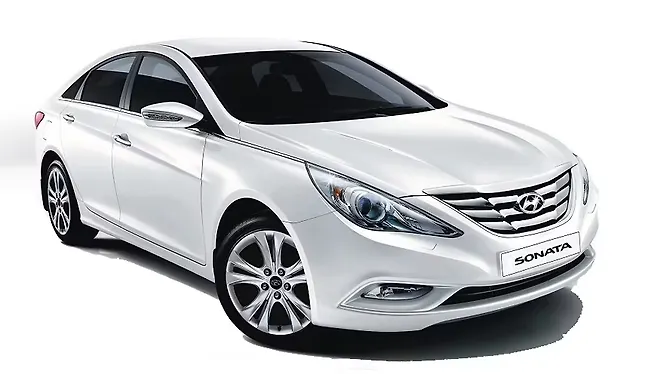
The electric cooling fan on the Sonata is a well-regarded component. Hyundai uses a shrouded fan design that draws air efficiently through the radiator core even at low forward speeds. The fan control module works reliably, and replacement units are widely available and affordable when service is eventually needed.
The 2.4-liter GDI engine in the Sonata is a smooth and thermally stable powerplant. It reaches operating temperature quickly and holds it steadily under varying load conditions. The water pump impeller is made from metal on most trims of this era, which is a meaningful improvement over the plastic impellers found in some competitors.
Hyundai’s improvement in coolant specifications during this period also helped. The company moved to a longer-lasting coolant formula that reduces internal corrosion and extends the service life of aluminum radiators and water pumps. Owners who use the correct coolant type and change it on schedule rarely experience cooling system problems.
The 2011 to 2019 Sonata represents excellent value in the used sedan market. Strong styling, a well-appointed interior, and a genuinely reliable cooling system combine to make it a smart choice for buyers who want dependability without paying a premium. Hyundai’s commitment to quality during this era produced a sedan that holds its own against any competitor on this list.
Also Read: 8 Reasons to Avoid First Generation Tech in Brand New 2026 Models
