
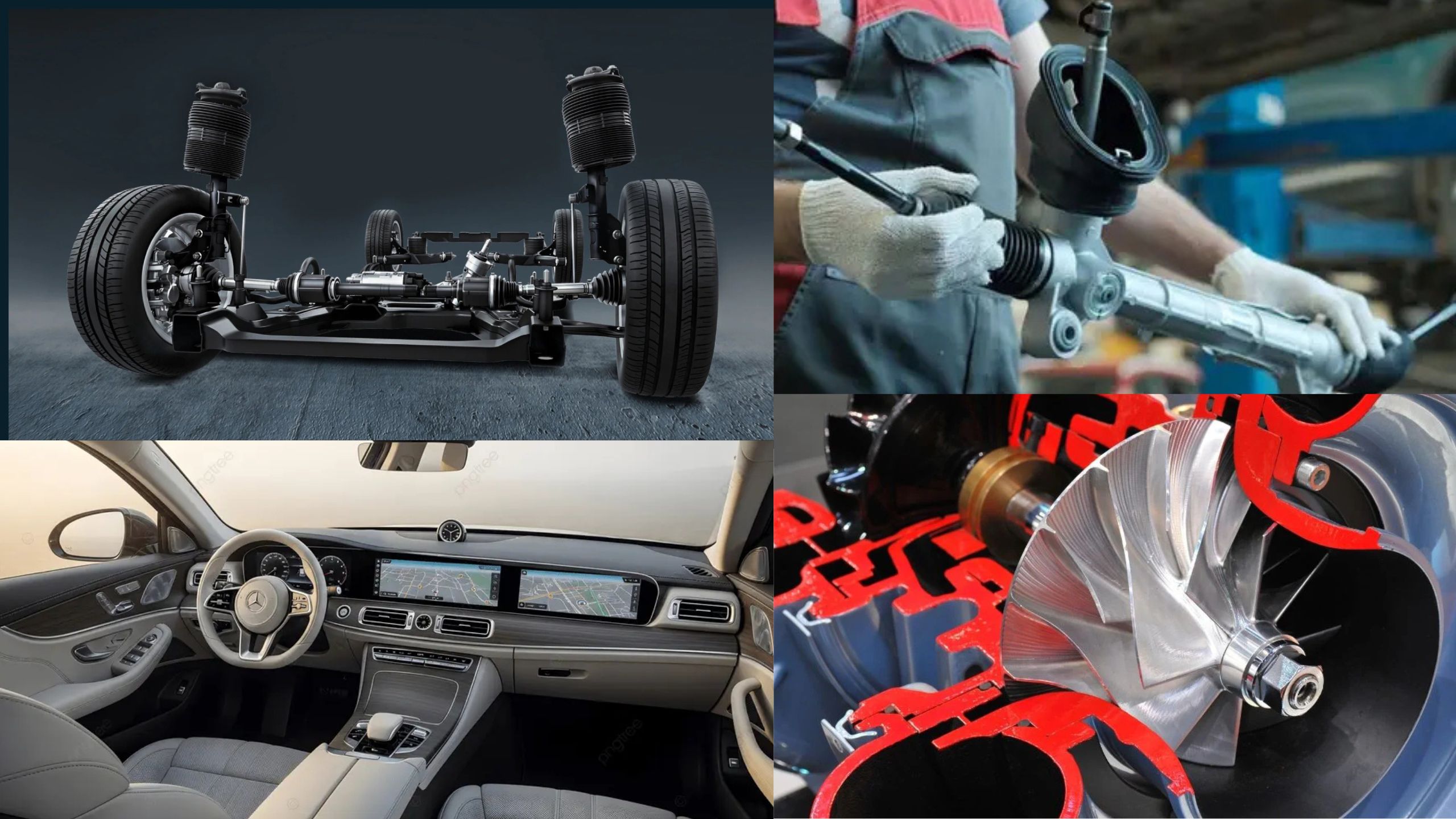
Buying a new car today feels like stepping into the future. Panoramic roofs, giant touchscreens, and smart cameras make every new vehicle feel like a technological masterpiece worth every penny.
Automakers compete hard to stuff their cars with impressive features. Buyers walk off the showroom floor convinced they just purchased the smartest, safest, and most sophisticated machine on the road.
The real problem does not show up on day one. It quietly waits until your factory warranty expires and then it arrives in the form of a repair bill that can genuinely ruin your month.
Modern cars are no longer simple mechanical machines you can fix with basic tools. They are rolling computers filled with sensors, proprietary software, and components that only dealer-level equipment can properly read and repair.
Independent mechanics who once handled everything now often turn these cars away. The complexity runs so deep that even trained dealership technicians sometimes need multiple diagnostic sessions just to find the fault.
What follows is a breakdown of eight modern car features that look wonderful in the showroom but become financial nightmares once the warranty ends. Each of these regularly produces repair bills of $3,000 or more and some push well past $10,000.
1. Panoramic Glass Roof Systems
There was a time when a sunroof meant a small manual panel above your head. You cranked it open, enjoyed the breeze, and if it ever broke, any local mechanic fixed it cheaply.
Today’s panoramic roof stretches across nearly the entire roof of the vehicle. It covers both front and rear passengers under one massive glass assembly that looks stunning and costs a fortune to repair.
These systems include motorized tracks, rubber sealing systems, hidden drainage channels, and electrochromic glass in luxury models. Every single one of those components is a potential failure point that waits patiently for your warranty to expire.
The glass panel alone is shockingly expensive when it needs replacement. Manufacturers engineer these panels as structural components, meaning cheap aftermarket glass is simply not an option for most vehicles.
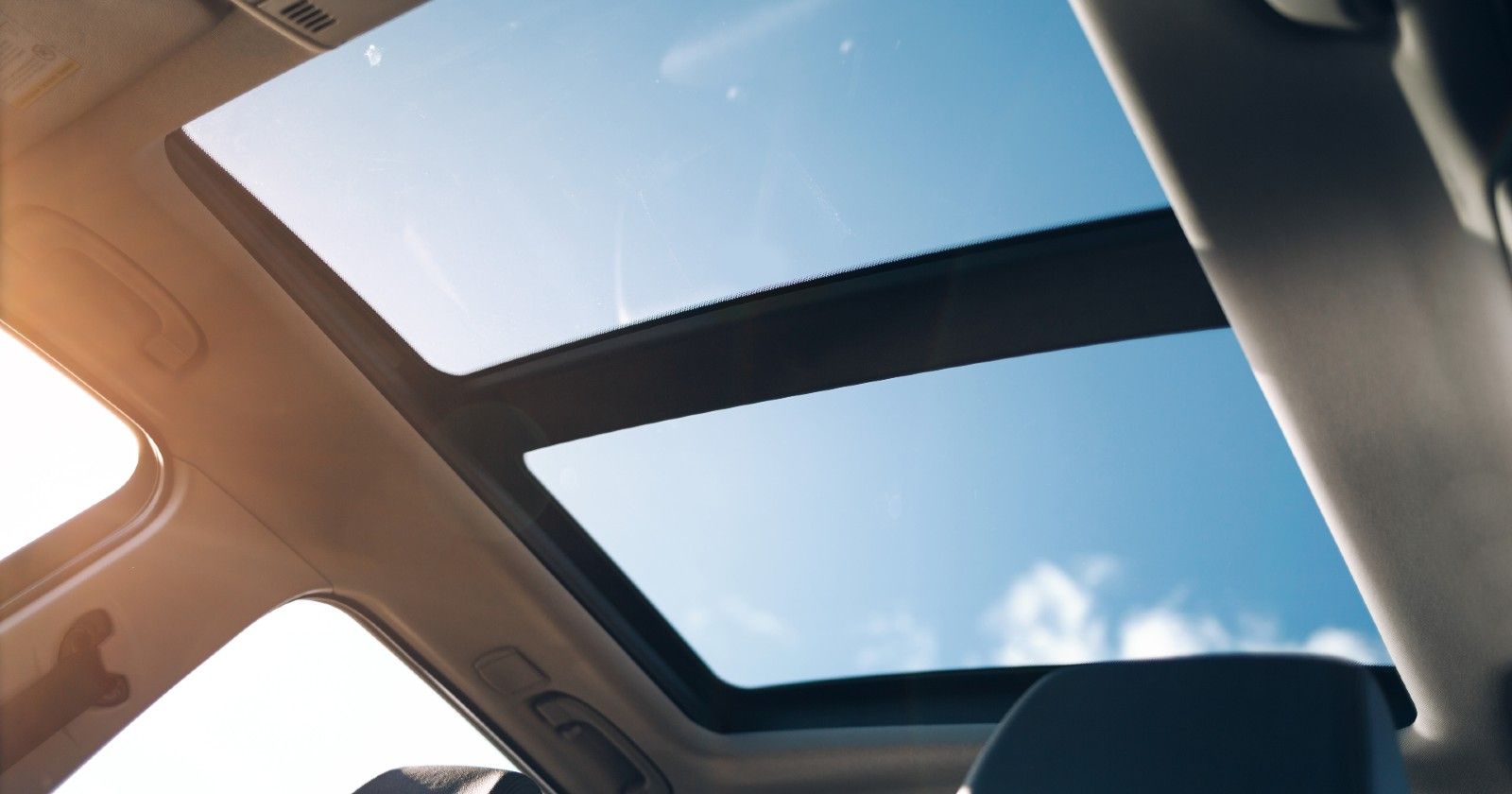
A factory panoramic panel on a BMW, Mercedes-Benz, Land Rover, or Cadillac can cost $1,500 to $2,800 for the part alone. Add labor headliner removal, wiring disconnection, resealing, and sensor recalibration and the total bill lands between $3,000 and $5,500.
But the glass cracking is not even the worst failure you can face. The rubber seals harden with age and UV exposure, and the drainage tubes clog with debris, mold, and sediment over the years.
When those drains back up, rainwater silently enters the headliner and runs down the interior pillars. It soaks the carpet, reaches the wiring harnesses, and sometimes damages electronics beneath the dashboard.
By the time owners notice a musty smell or wet flooring, the damage has already spread widely. Combined water damage and drainage repairs can reach $5,000 to $9,000 and this almost always happens between five and eight years of ownership.
2. Dual-Clutch and CVT Transmissions
Traditional automatic transmissions were heavy, straightforward, and understood by mechanics everywhere. When they failed, the repair was painful but predictable, and rebuilders were easy to find in any city.
Today’s transmissions are engineered around fuel economy targets rather than long-term durability. That obsession with efficiency has introduced two technologies that carry serious financial risk once the warranty clock runs out.
Dual-clutch transmissions use two separate clutch packs to pre-select the next gear before the current one disengages. The result is fast, seamless shifting right up until the mechatronic control unit decides to fail.
The mechatronic unit is the electronic brain that controls the entire dual-clutch system. Replacing it alone costs $1,500 to $2,500, and a full transmission replacement with labor regularly produces bills between $3,500 and $6,000.
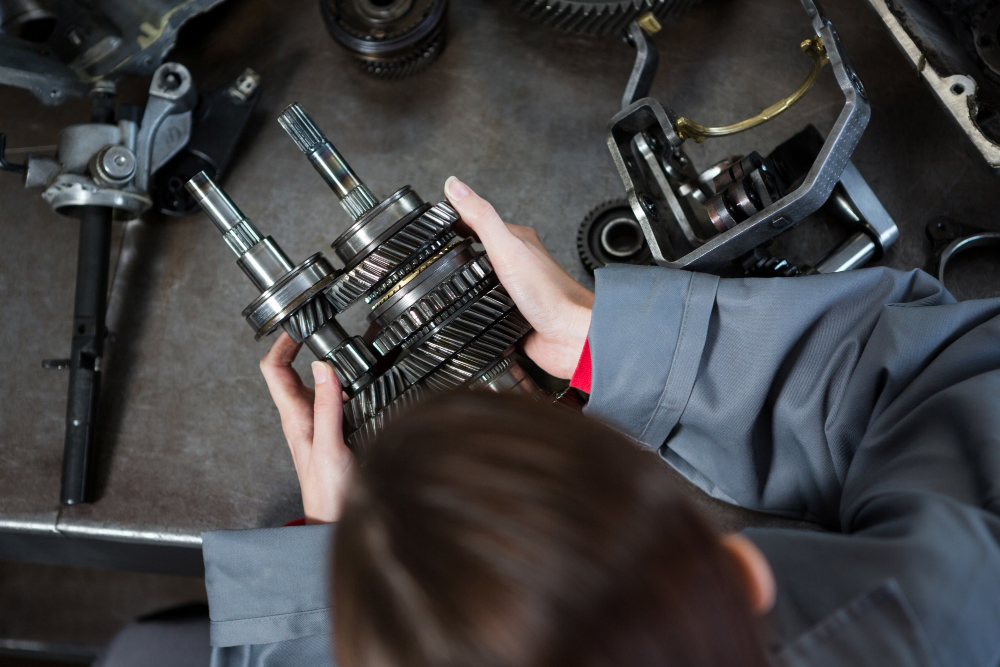
Volkswagen’s DSG, Ford’s PowerShift, and Porsche’s PDK are among the most well-known examples. All three have well-documented histories of expensive failures once vehicles exit the warranty period and mileage climbs.
Continuously variable transmissions, found in millions of Nissan, Subaru, and Honda vehicles, carry an equally painful reputation. These use a steel belt between two variable pulleys instead of traditional fixed gears, and that belt does not last forever.
CVT failures are especially common in vehicles that are driven aggressively or whose specialized fluid is not changed on a strict schedule. Once a CVT begins slipping or shuddering, a full replacement is almost always the only real solution.
A CVT replacement on a Nissan Altima, Rogue, or Sentra typically runs between $3,500 and $5,000 at a dealership. The software calibration required afterward usually still demands proprietary dealer tools, even if a cheaper independent shop does the physical swap.
3. ADAS Camera and Sensor Systems
Driver assistance systems have become standard equipment on nearly every new vehicle sold today. Automatic emergency braking, lane departure warnings, and adaptive cruise control are genuinely useful safety tools until they need to be repaired.
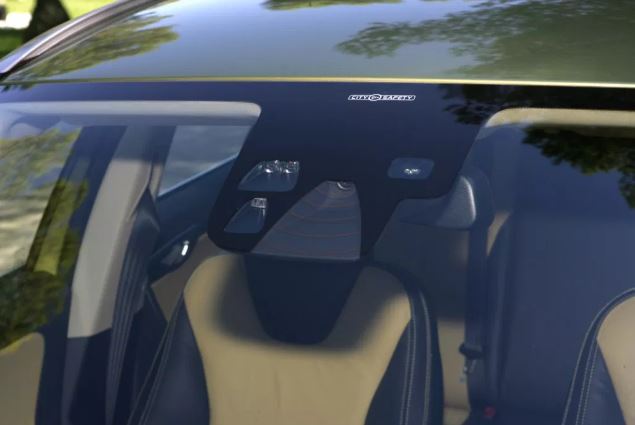
The forward-facing windshield camera is the centerpiece of most modern ADAS setups. It processes real-time visual data to detect lanes, read speed signs, spot pedestrians, and calculate distance to vehicles ahead.
The moment that windshield cracks, the entire system is disrupted. A simple windshield replacement that once cost $200 now routinely costs $800 to $1,400 once the mandatory ADAS camera recalibration is added to the invoice.
When the camera module itself fails due to condensation, impact, or electrical fault, the replacement part alone runs $800 to $1,800. Combined with labor and recalibration, total repairs frequently land between $2,500 and $4,500.
Radar modules used for blind-spot monitoring and rear cross-traffic alerts carry similar costs. A single radar unit can cost $600 to $1,200 for the part, and recalibration after installation requires specialized equipment most independent shops simply do not own.
Vehicles with full sensor suites front radar, rear radar, side cameras, and parking sensors can require recalibration of multiple systems after even a minor fender bender. A low-speed parking lot collision that causes $500 in body damage can generate $2,000 in sensor recalibration fees on top of the bodywork.
The deeper problem is that these systems are deeply integrated with one another. Disturbing one sensor can throw fault codes across multiple systems simultaneously. Owners often pay diagnostic fees just to understand which component triggered the cascade.
Total ADAS-related repair bills after accidents or component failures commonly reach $3,000 to $6,000 on mid-range vehicles. On premium brands like Volvo, Audi, or Mercedes-Benz, those figures climb significantly higher.
Also Read: 8 Reasons to Avoid First Generation Tech in Brand New 2026 Models
4. Air Suspension Systems
Air suspension was once reserved for the most expensive luxury vehicles and heavy commercial trucks. Today it appears on mainstream SUVs, crossovers, and even some mid-range sedans as a selling point for ride comfort and load leveling.
The system uses pressurized air bags instead of traditional steel springs to support the vehicle’s weight. Electronic sensors monitor ride height continuously and adjust the air pressure in each corner to maintain a level, comfortable ride.
When it works, air suspension genuinely delivers a smoother, more composed ride than conventional springs. When it fails and it does fail the vehicle literally sinks to the ground and becomes undriveable until repairs are made.
The air compressor that pressurizes the entire system is typically the first component to wear out. A replacement compressor costs $400 to $900 for the part, but on many vehicles it is buried deep in the chassis, making labor costs substantial.
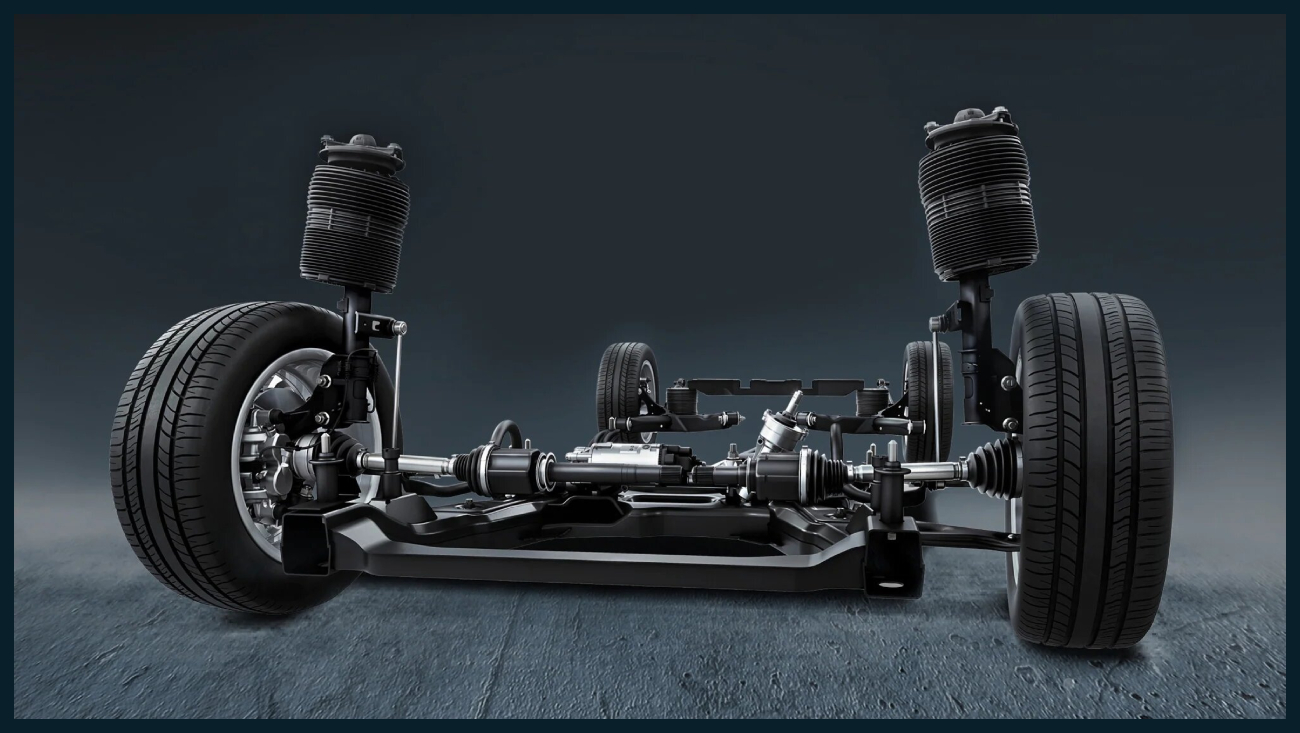
Individual air bags, also called air struts or air springs, fail when the rubber bladder cracks or develops leaks. A single air strut replacement costs $500 to $1,200 in parts, and most vehicles have four of them meaning a full replacement of all corners costs $3,500 to $6,000.
The electronic control module that manages the entire system adds another layer of expensive complexity. When this module fails, the vehicle cannot adjust ride height at all, and the replacement module requires programming and calibration before it will communicate with the rest of the car.
Vehicles like the Land Rover Range Rover, Audi A6 Allroad, BMW 7 Series, and Jeep Grand Cherokee are particularly well-known for air suspension failures between 60,000 and 100,000 miles.
Many owners of these vehicles convert to conventional steel spring setups after their first major air suspension bill, simply because the long-term cost of maintaining the original system is too unpredictable.
Full air suspension rebuilds on premium vehicles regularly reach $4,000 to $8,000. For many owners, this single repair costs more than the vehicle is actually worth on the used market.
5. Large Touchscreen Infotainment Systems
Ten years ago, a car’s infotainment system was a relatively simple radio head unit that any electronics shop could replace for a few hundred dollars. Today’s infotainment screens are deeply embedded into the vehicle’s entire electrical architecture. Replacing one is nothing like swapping out an old stereo.
Modern infotainment screens range from 10 to 17 inches in many mainstream vehicles. They control not just audio and navigation but climate settings, driver assistance modes, seat adjustments, suspension tuning, and sometimes even door mirror folding all from one centralized panel.
When the screen develops dead zones, goes completely dark, or suffers from software corruption, the repair options are very limited. Most automakers do not sell individual screen components separately, requiring replacement of the entire infotainment module as one unit.
A replacement infotainment module on a Tesla Model 3 or Model Y has historically cost $1,500 to $2,000 for the part alone. On Mercedes-Benz, BMW, or Audi vehicles with their premium MBUX, iDrive, or MMI systems, replacement modules run $2,000 to $4,000 before labor is added.

Labor costs for infotainment replacement are not trivial either. Technicians must often partially disassemble the dashboard, disconnect dozens of connectors, and then spend additional hours programming the new unit to recognize the specific vehicle’s configuration. Total bills between $3,000 and $6,500 are entirely common.
Software failures add an entirely separate dimension to the problem. Many infotainment systems suffer from bugs, freezing, or boot-loop failures that cannot be resolved with a simple software update. When software corruption is deep enough, the entire module must be replaced even though the physical hardware is perfectly intact.
Extended heat exposure accelerates screen degradation in vehicles parked regularly in hot climates. Owners in places with extreme summer temperatures often report touchscreen failures as early as four to six years into ownership, precisely when most extended warranties have also expired.
6. Electric Power Steering Systems
Traditional hydraulic power steering was a mature, well-understood technology that independent mechanics had serviced for decades. It used a belt-driven pump, hydraulic fluid, and a relatively simple steering rack. Electric power steering eliminated all of that mechanical simplicity.
Modern electric power steering uses a motor mounted directly on the steering column or rack to provide assistance. The system reads steering angle, vehicle speed, and road conditions through multiple sensors, then calculates exactly how much assistance to apply at any given moment.
When the system works correctly, it is highly efficient and requires almost no maintenance. When the steering motor, control module, or torque sensor fails, drivers experience heavy steering, sudden loss of assistance, or persistent warning lights that make the car feel unsafe to drive.
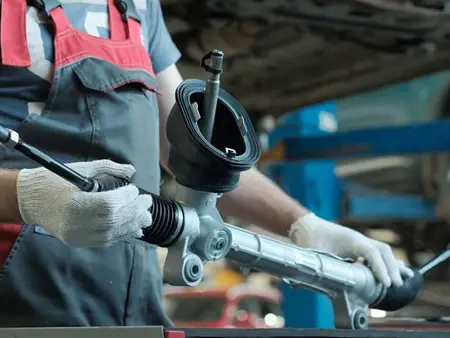
The electric power steering motor itself costs $400 to $900 depending on the vehicle. However, on many designs the motor is integrated directly into the steering rack assembly, meaning the entire rack must be replaced rather than just the motor alone.
A complete electric power steering rack replacement runs $1,200 to $2,500 in parts for most mainstream vehicles. Add labor, alignment, and the programming required for the new rack to communicate with the vehicle’s electronic systems, and total bills reach $2,500 to $4,500 routinely.
On premium vehicles from Lexus, BMW, or Porsche, those figures rise considerably higher. A Porsche Macan or BMW 5 Series electric steering rack replacement can produce invoices of $4,000 to $7,000 at a franchised dealership.
The steering angle sensor, which feeds critical data to the stability control and lane-keeping systems, is another weak point. When this sensor fails, it can disable multiple safety systems simultaneously, creating an urgent and expensive repair situation that gives owners very little choice about when to act.
7. Adaptive Headlight Systems
Basic headlights were simple electrical components that any mechanic could replace in under an hour with inexpensive bulbs. Today’s adaptive headlight systems are precision optical instruments that happen to be mounted at the front of a vehicle. The difference in repair cost is staggering.
Modern adaptive headlights use matrix LED or laser technology to project a highly controlled beam pattern that adjusts continuously based on steering input, vehicle speed, and the presence of oncoming traffic. The system can illuminate curves before the vehicle enters them and dim individual LED segments to avoid blinding other drivers.
When one of these headlight assemblies cracks, fogs internally, or suffers electrical failure, it cannot simply be repaired. The entire sealed assembly must be replaced as a single unit, and these units are among the most expensive components on the front of any vehicle.

A single adaptive LED or laser headlight assembly on a Mercedes-Benz, Audi, or BMW costs $1,800 to $4,500 for the part alone. Because they are sold as matched pairs in many repair scenarios, a complete front headlight replacement can easily cost $4,000 to $9,000 in parts before labor begins.
After installation, the new headlights must be precisely aimed and calibrated using specialized equipment. On vehicles with camera-based systems that integrate headlight control with the ADAS suite, this calibration step requires dealer-level tools and can add $300 to $700 to the total repair cost.
Even a minor front-end collision that barely damages the bumper cover can crack a headlight housing or disturb the internal alignment of the LED projectors. What looks like a simple cosmetic repair from the outside quickly becomes a $5,000 to $12,000 job once the headlight assemblies are factored in.
Insurance often covers these repairs after accidents, which masks the true cost from many owners. Those who damage a headlight in a non-collision scenario backing into a post, a stone striking the lens, or simple age-related failure face the full bill with no assistance.
8. Turbocharged Engine Systems with Direct Injection
Turbocharged engines with direct fuel injection have become the dominant powertrain technology in new cars over the last decade. Automakers use them to deliver strong performance numbers alongside impressive fuel economy figures that satisfy regulatory requirements. What the brochure does not mention is what happens to these engines between 80,000 and 120,000 miles.
A turbocharger forces compressed air into the engine, allowing a smaller displacement engine to produce power comparable to a much larger naturally aspirated unit. Direct injection sprays fuel directly into the combustion chamber at extremely high pressure, maximizing efficiency and power output simultaneously.
The turbocharger itself is a precision component spinning at up to 200,000 revolutions per minute and exposed to exhaust temperatures exceeding 1,800 degrees Fahrenheit. Oil quality and change intervals are absolutely critical to turbocharger longevity, and even minor lapses in maintenance significantly shorten its service life.
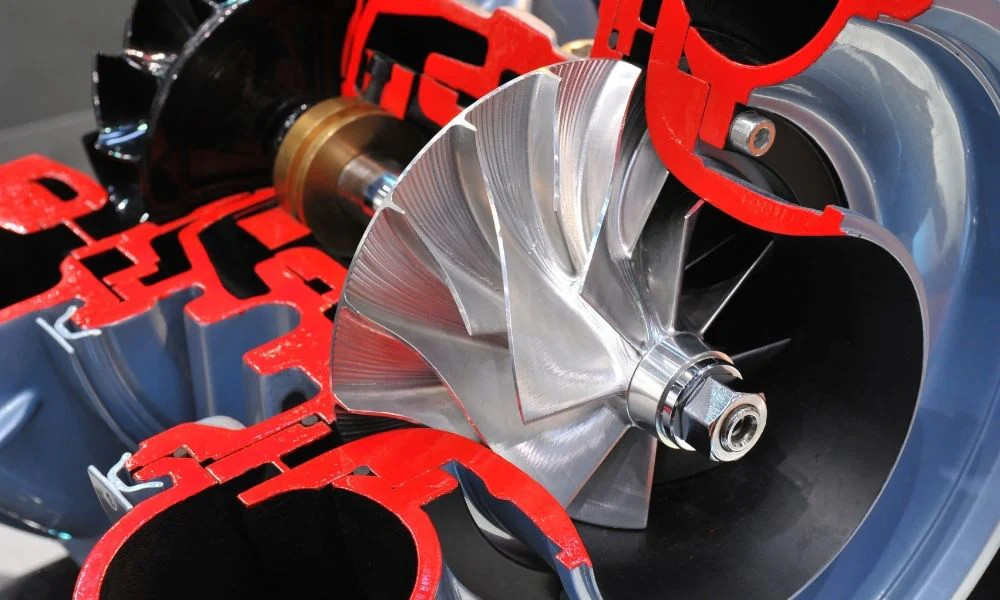
A turbocharger replacement on a mainstream vehicle like a Ford EcoBoost, Chevrolet 1.5T, or Volkswagen TSI engine runs $1,200 to $2,500 for the part alone. Labor costs push the total repair to $2,500 to $4,500, and if oil starvation caused the failure, the repair bill can grow further if internal engine damage is discovered during inspection.
Direct injection creates a separate and well-documented problem known as carbon buildup. Because fuel is injected directly into the cylinder rather than through the intake port, the back of the intake valves never gets washed with fuel. Oil vapors from the crankcase ventilation system coat those valves over time, and carbon deposits accumulate until airflow is severely restricted.
A professional carbon cleaning service using walnut shell blasting the most effective method costs $400 to $800 on most four-cylinder engines. On six-cylinder and eight-cylinder turbocharged direct injection engines, that service can cost $800 to $1,500 and needs to be repeated every 40,000 to 60,000 miles for the engine to breathe properly.
When carbon buildup is left untreated for too long, it contributes to misfires, rough idle, and eventually requires more invasive mechanical intervention. Combined with a turbocharger replacement, high-pressure fuel pump failure another known weak point on many direct injection systems and associated labor, total engine-related repair bills on these powertrains regularly reach $3,500 to $7,000 in a single service visit.
Also Read: 8 Reasons Why You Should Think Twice Before Buying a Car With a Panoramic Roof
