Classic American cars were engineered around a fundamentally different brief than modern vehicles. Instead of prioritizing cornering precision or aggressive ergonomics, mid-century automakers optimized for long-distance comfort, especially as the U.S. interstate system expanded and road trips became a defining part of car culture.
At the center of that philosophy sat the bench seat, wide, softly contoured, and designed to accommodate multiple passengers without compromising relaxation.
Unlike modern bucket seats, which emphasize lateral support and driver isolation, bench seats delivered a shared, open seating experience. They allowed occupants to shift positions freely, stretch out, or even sit three-across in the front row.
More importantly, these seats were engineered in conjunction with suspension tuning, cabin insulation, and interior materials to create a cohesive cruising environment. The result was a driving experience that minimized fatigue and maximized comfort over hours of uninterrupted travel.
This list highlights ten of the most comfortable classic bench seats ever fitted to American production cars. These vehicles were not simply soft; they were thoughtfully engineered for sustained usability, combining material quality, seat geometry, and ride harmony. Each represents a distinct interpretation of comfort, but all excel where it matters most, long cruises.
1. 1965 Cadillac DeVille
The 1965 Cadillac DeVille represents a defining moment in American luxury, when comfort was engineered as a primary objective rather than a secondary feature. Introduced during a period of rapid expansion in the U.S. automotive market, the DeVille was positioned as a flagship expression of Cadillac’s design and engineering philosophy.
By the mid-1960s, Cadillac had firmly established itself as the benchmark for ride quality and interior refinement, and the DeVille embodied that reputation with a focus on long-distance cruising comfort.
Under the hood, the 1965 DeVille was powered by a 429 cubic-inch V8 engine, paired with a smooth-shifting automatic transmission in a traditional front-engine, rear-wheel-drive layout. This drivetrain configuration prioritized effortless torque delivery and quiet operation, aligning with the car’s intended use as a highway cruiser.
The suspension system, featuring coil springs and a softly tuned setup, worked in conjunction with the drivetrain to isolate occupants from road imperfections. However, the true centerpiece of the experience was the bench seat, which was engineered to complement the car’s overall ride characteristics.
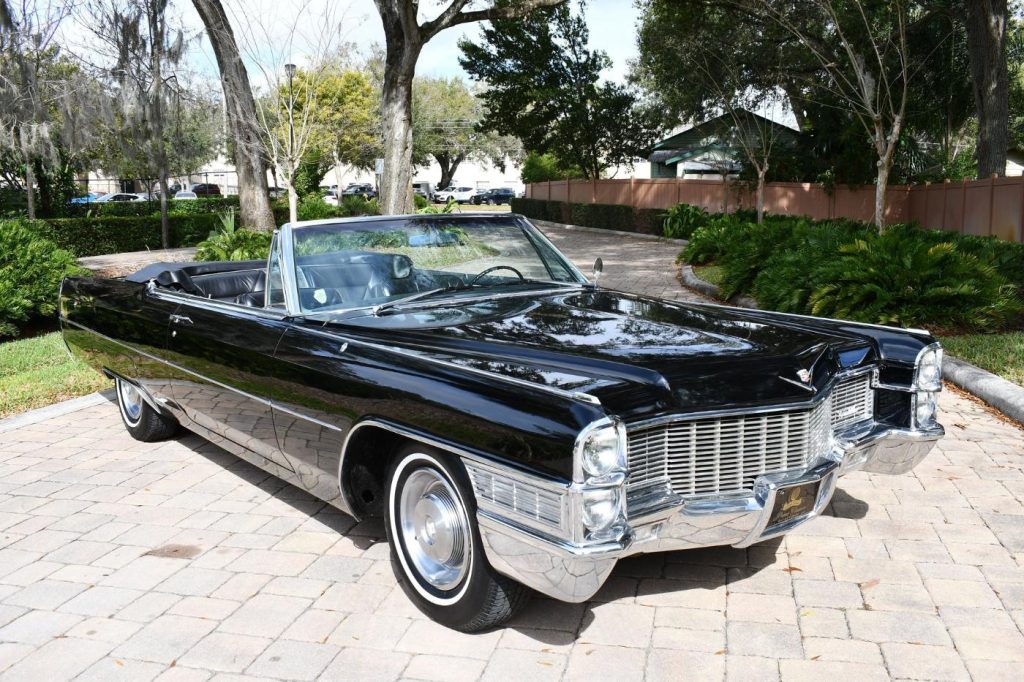
The front bench seat in the DeVille was exceptionally wide, reflecting the full-size proportions of the vehicle. Its design emphasized what can best be described as controlled plushness. Rather than relying solely on softness, Cadillac engineers carefully balanced foam density and spring support to create a seating surface that remained comfortable over extended periods.
The seat allowed occupants to shift positions easily, reducing fatigue during long drives. Upholstery options, including high-quality leather and premium cloth, further enhanced the tactile experience while maintaining durability.
From a design perspective, the interior of the DeVille was both elegant and functional. The dashboard layout was clean and symmetrical, with controls positioned for ease of use rather than driver-centric focus.
The absence of aggressive bolstering or compartmentalization reinforced the sense of openness, making the cabin feel more like a lounge than a cockpit. This approach was consistent with Cadillac’s broader philosophy of prioritizing passenger comfort and space.
The 1965 DeVille arrived at a time when American highways were expanding and road travel was becoming a central part of everyday life. Cadillac responded by creating vehicles that could cover long distances with minimal effort and maximum comfort. The bench seat was integral to this mission, providing a seating solution that accommodated multiple passengers without compromising relaxation.
Within the context of this list, the 1965 DeVille exemplifies what makes a classic bench seat truly comfortable. Its combination of width, cushioning, and ergonomic balance, paired with a suspension system designed for smooth cruising, makes it one of the most effective long-distance seating environments of its era.
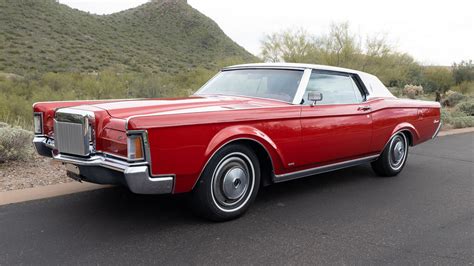
2. 1970 Lincoln Continental
The 1970 Lincoln Continental stands as one of the most uncompromising expressions of American luxury from an era when interior comfort was engineered at scale.
Positioned at the top of Lincoln’s lineup during a period defined by excess and refinement, the Continental was designed to deliver a near-effortless driving experience over long distances. By 1970, Lincoln had fully embraced a philosophy that prioritized isolation, softness, and space, qualities that were most evident in the car’s expansive bench seating.
Mechanically, the Continental followed a traditional front-engine, rear-wheel-drive layout, powered by a massive 460 cubic-inch V8 paired with a three-speed automatic transmission.
This drivetrain was tuned for smooth, low-end torque rather than aggressive acceleration, allowing the car to glide along highways with minimal strain. The long wheelbase and softly calibrated suspension system worked in tandem to absorb road imperfections, creating a floating ride quality that complemented the interior environment.
The bench seat itself was central to this experience. Unlike more structured seating designs, Lincoln opted for a deeply cushioned, sofa-like configuration that allowed occupants to sink into the seat rather than sit on top of it.
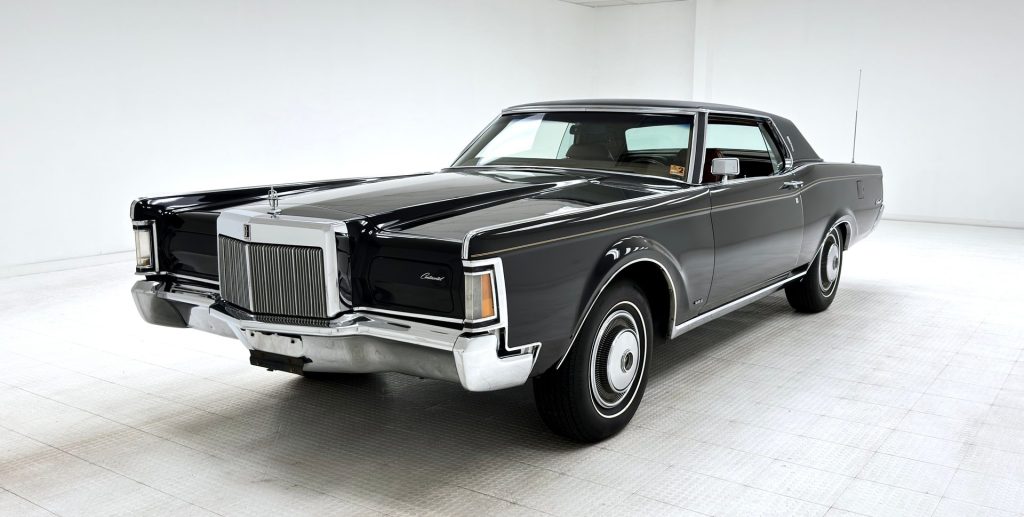
The width of the front bench was substantial, easily accommodating three passengers without crowding, while the flat floor and generous cabin dimensions enhanced comfort. Upholstery options, often in plush cloth or leather, reinforced the sense of luxury and contributed to a soft, tactile feel that remained comfortable over extended journeys.
From a design standpoint, the Continental’s interior emphasized symmetry and openness. The dashboard layout was straightforward and horizontally oriented, avoiding unnecessary complexity and reinforcing the car’s relaxed character.
Controls were designed for ease of use, and the absence of aggressive bolstering or driver-centric elements underscored the car’s focus on passenger comfort rather than performance. The effect was an environment that felt more like a living room than a traditional automotive cockpit.
3. 1967 Chevrolet Impala
The 1967 Chevrolet Impala occupies a unique position in the American automotive landscape, delivering a level of comfort that approached luxury standards while remaining accessible to a broad market.
As one of the best-selling full-size cars of its era, the Impala was designed during a time when Chevrolet balanced style, practicality, and long-distance usability. By the late 1960s, the model had evolved into a refined cruiser, offering a spacious cabin and a well-engineered bench seat that made it particularly well-suited for extended highway driving.
Mechanically, the 1967 Impala followed a traditional front-engine, rear-wheel-drive layout, with a range of available powertrains that included inline-six engines and small- or big-block V8s. These engines were typically paired with either manual transmissions or smooth-shifting automatics, depending on the buyer’s preference.
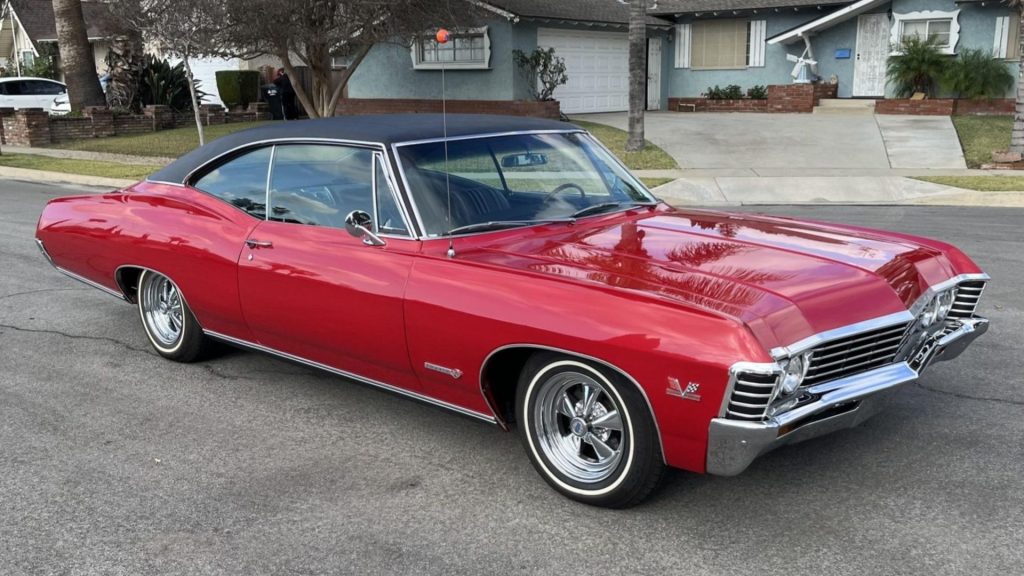
The suspension system, featuring coil springs at all four corners, was tuned to provide a comfortable ride without excessive softness. This balance allowed the Impala to absorb road imperfections while maintaining a degree of control, an important factor in long-distance comfort.
The front bench seat was a central element of the Impala’s appeal. Wide and accommodating, it provided ample space for three passengers without feeling cramped. Unlike the ultra-plush seats found in higher-end luxury cars, Chevrolet opted for a more balanced approach to cushioning.
The seat offered moderate softness combined with sufficient support, preventing the fatigue that can result from overly soft seating during extended drives. Cloth upholstery options further enhanced comfort by improving breathability, particularly in warmer climates, making the Impala a practical choice for everyday use as well as long trips.
4. 1975 Buick Electra
the 1975 Electra followed the traditional front-engine, rear-wheel-drive layout, powered by a large-displacement V8—typically a 455 cubic-inch engine, paired with a three-speed automatic transmission. This drivetrain prioritized low-end torque and seamless power delivery, allowing the car to move with minimal effort.
The suspension system, featuring coil springs and a softly tuned setup, was designed to isolate occupants from road imperfections, creating a composed and stable ride that complemented the interior environment.
The front bench seat in the Electra exemplified Buick’s approach to comfort engineering. Unlike earlier designs that relied primarily on softness, the Electra introduced a more refined balance between cushioning and support.
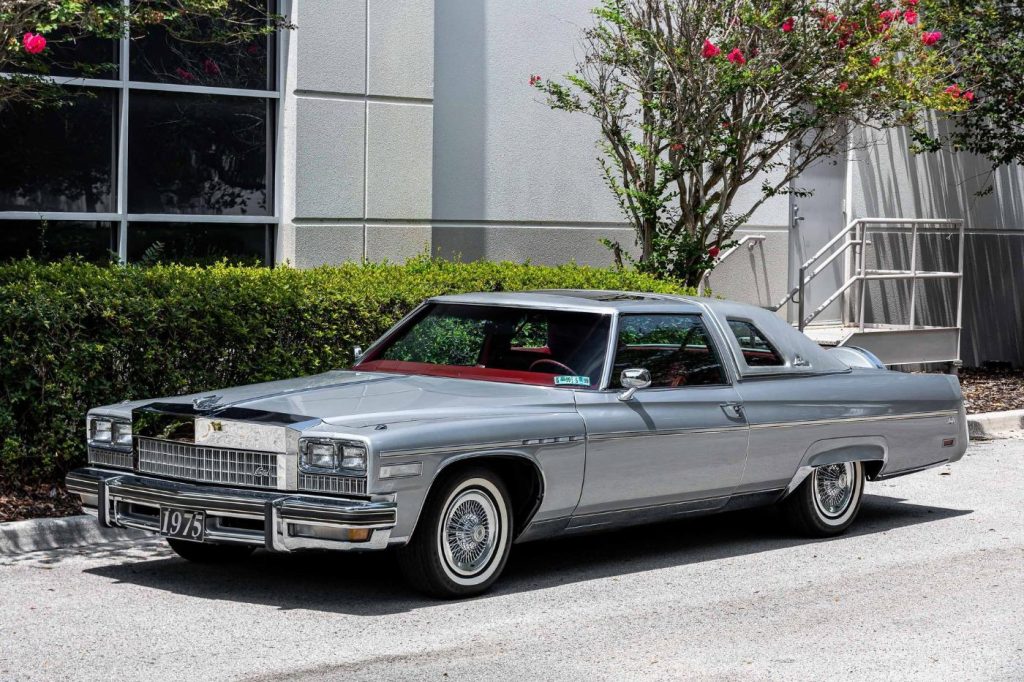
Deep padding was combined with improved internal structure to provide better lumbar support, reducing fatigue during extended drives. Upholstery options often included plush velour, a material that became synonymous with 1970s luxury due to its softness and ability to remain comfortable across varying temperatures. The seat’s width and flat profile allowed for flexible seating positions, accommodating multiple passengers without compromising comfort.
From a design standpoint, the Electra’s interior emphasized quiet sophistication. The dashboard layout was horizontal and uncluttered, with controls arranged for ease of use rather than driver-centric focus.
5. 1969 Ford LTD
The 1969 Ford LTD took a more restrained approach, focusing on durability and practical comfort rather than outright plushness. Its bench seat was straightforward in design but highly effective in execution.
The cushioning struck a careful balance between firmness and softness, providing adequate support for long journeys without sacrificing initial comfort. This made the LTD particularly well-suited for drivers who valued consistency over extended periods behind the wheel.
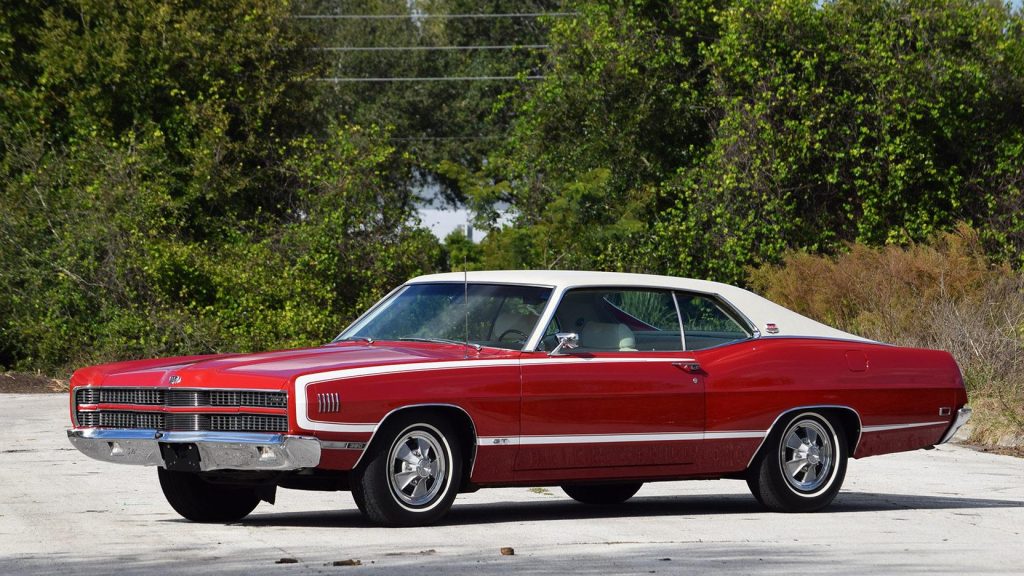
Ford also engineered these seats with longevity in mind. Many examples retain their structural integrity decades later, a testament to the underlying build quality. For long-distance cruising, this durability translated into sustained comfort over time.
6. 1971 Oldsmobile Delta 88
The 1971 Oldsmobile Delta 88 represents a refined balance between comfort and structural support at a time when American full-size cars were evolving beyond pure softness. Positioned within General Motors’ lineup as a step above entry-level offerings but below flagship luxury models, the Delta 88 was engineered to deliver long-distance comfort without sacrificing everyday usability.
By the early 1970s, Oldsmobile had developed a reputation for blending innovation with practicality, and the Delta 88’s interior, particularly its bench seating, reflected that philosophy.
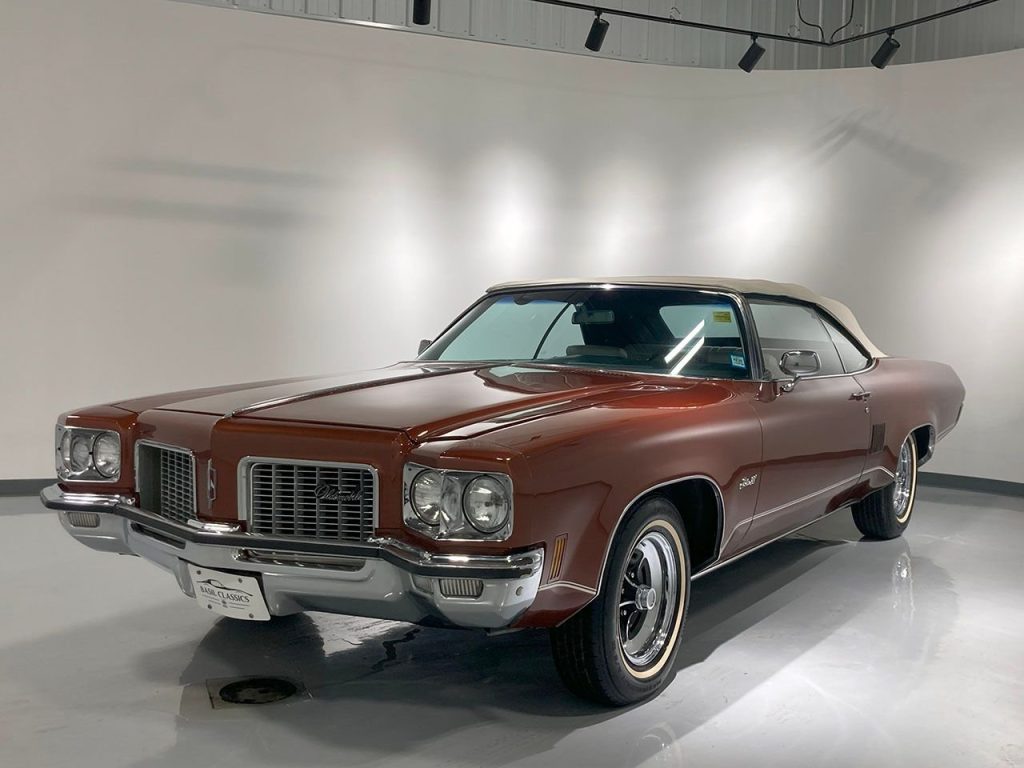
Mechanically, the Delta 88 followed a conventional front-engine, rear-wheel-drive layout, powered by a range of V8 engines, including the widely used 350 and 455 cubic-inch options. These engines were paired with automatic transmissions designed for smooth, consistent power delivery rather than aggressive performance.
The suspension system, featuring coil springs and a carefully tuned setup, provided a controlled ride that absorbed road imperfections while maintaining composure. This balance was critical in supporting the effectiveness of the seating, ensuring that occupants experienced minimal fatigue over extended drives.
7. 1968 Chrysler New Yorker
The 1968 Chrysler New Yorker stands as a clear expression of late-1960s American luxury, where interior comfort was engineered with the same seriousness as drivetrain performance. Positioned at the top of Chrysler’s lineup, the New Yorker was designed to compete directly with premium offerings from Cadillac and Lincoln, emphasizing space, refinement, and long-distance usability.
At a time when interstate travel was expanding rapidly across the United States, Chrysler focused on creating a cabin environment that could deliver sustained comfort over extended journeys, with the bench seat serving as a central component of that experience.
Mechanically, the New Yorker followed a traditional front-engine, rear-wheel-drive layout, powered by Chrysler’s 440 cubic-inch V8 engine paired with a smooth automatic transmission. This combination was tuned for effortless torque and quiet operation, allowing the car to maintain highway speeds with minimal mechanical strain.
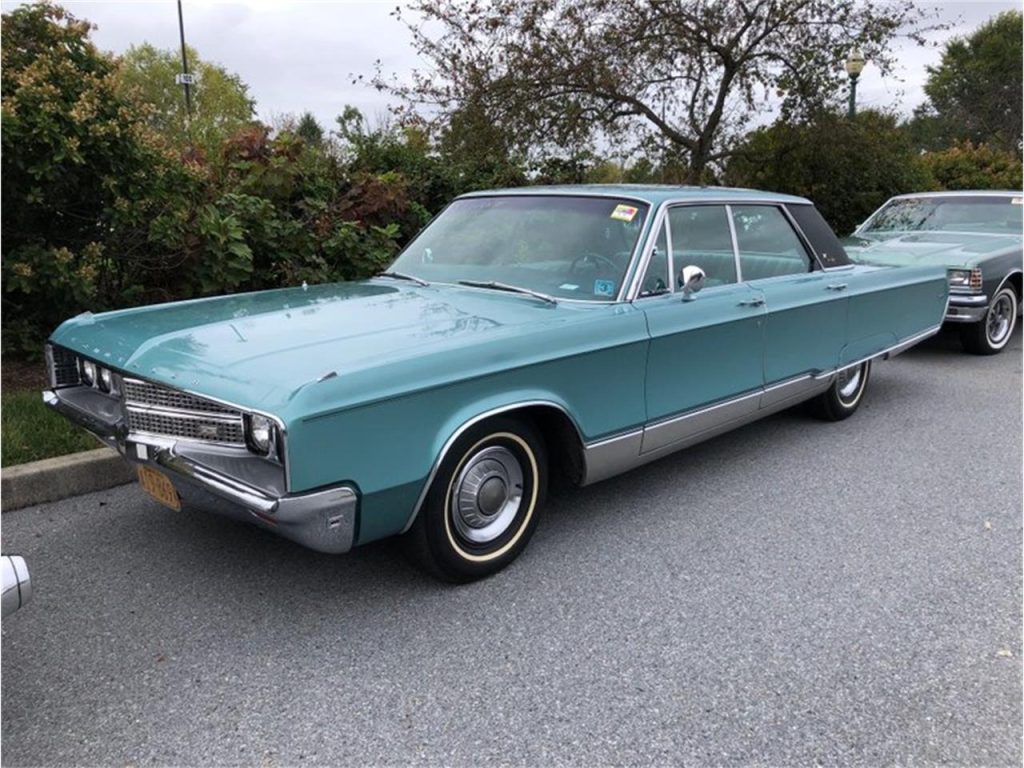
The suspension system, utilizing torsion bars at the front and leaf springs at the rear, was calibrated to absorb road imperfections while maintaining stability, creating a composed ride that complemented the interior’s comfort-focused design.
The front bench seat in the New Yorker was notably wide and deeply cushioned, reflecting the car’s full-size proportions. Chrysler engineered the seat with a focus on both softness and support, using layered padding and a robust internal frame to prevent excessive sagging over time.
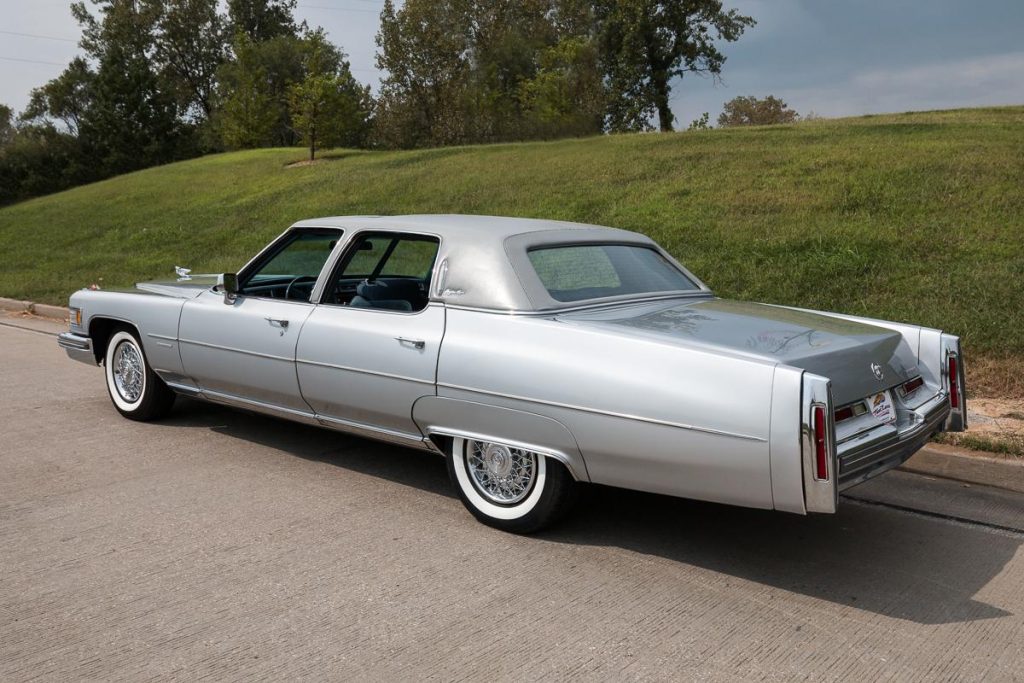
8. 1976 Cadillac Fleetwood Brougham
The 1976 Cadillac Fleetwood Brougham represents the apex of traditional American luxury at a time when size, softness, and isolation defined the driving experience. Positioned at the very top of Cadillac’s lineup, the Fleetwood Brougham was engineered to deliver uncompromising comfort, particularly for long-distance cruising.
By the mid-1970s, Cadillac had refined its formula to such a degree that the car functioned less as a mode of transportation and more as a mobile lounge, with its bench seating playing a central role in that identity.
Mechanically, the Fleetwood Brougham followed a classic front-engine, rear-wheel-drive layout, powered by a large-displacement V8, most commonly the 500 cubic-inch engine in earlier iterations, transitioning to the 472 and later emissions-compliant variants.
Paired with a smooth automatic transmission, the drivetrain emphasized quiet operation and effortless torque delivery. The suspension system, utilizing coil springs and a heavily damped setup, was tuned to absorb road imperfections almost completely, creating a floating ride quality that minimized driver fatigue over extended distances.
The front bench seat in the Fleetwood Brougham is widely regarded as one of the most plush ever installed in a production car. Cadillac employed a pillow-top design with deep, multi-layered cushioning that allowed occupants to sink into the seat while still maintaining a degree of underlying support.
The seat’s width was expansive, accommodating three passengers comfortably, while the flat profile encouraged relaxed seating positions. Upholstery options, often in high-grade velour or leather, added to the tactile softness and reinforced the car’s luxury credentials.
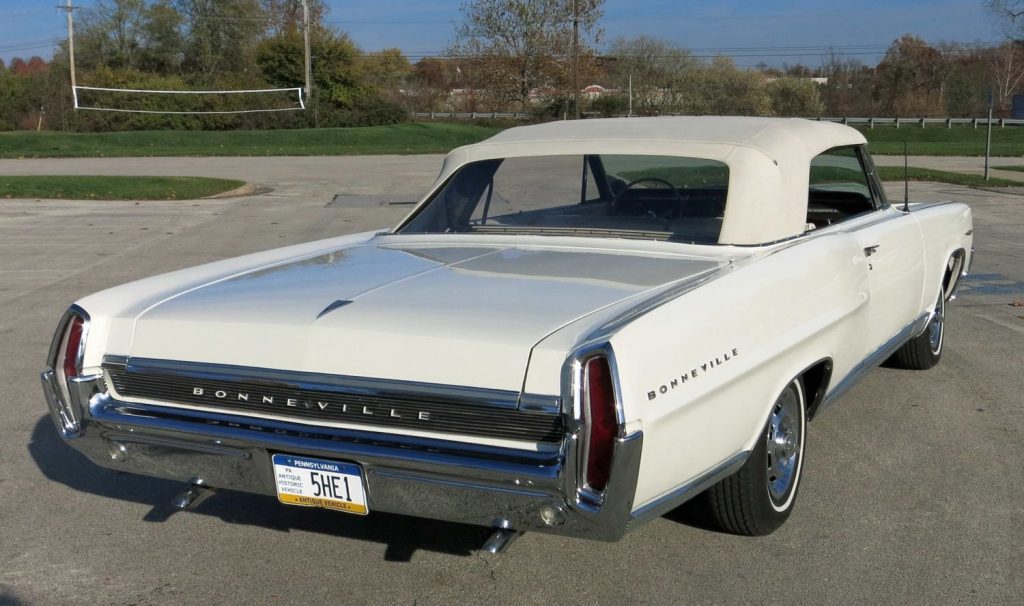
9. 1964 Pontiac Bonneville
The 1964 Pontiac Bonneville occupies a distinctive space in the American automotive landscape, blending full-size comfort with a more performance-oriented character than many of its contemporaries.
Positioned at the top of Pontiac’s lineup during the early 1960s, the Bonneville was developed at a time when the brand was carving out an identity centered on both style and driving engagement. This dual focus influenced not only its mechanical configuration but also the design of its interior, including a bench seat that balanced comfort with a degree of support uncommon in the segment.
Mechanically, the Bonneville followed a traditional front-engine, rear-wheel-drive layout, powered by Pontiac’s robust V8 engines, typically in the 389 cubic-inch range. These engines were paired with either manual transmissions or smooth automatic units, delivering strong performance while maintaining the relaxed cruising capability expected of a full-size car.
The suspension system, utilizing coil springs and a well-calibrated setup, provided a composed ride that absorbed road irregularities without excessive softness, allowing the car to feel more controlled than many of its competitors.
The front bench seat in the Bonneville reflected this balanced philosophy. While still wide and accommodating, it incorporated subtle contouring that provided improved lateral support compared to the flatter, more sofa-like designs found in many other American cars of the era.
This made the seat particularly effective during longer drives, as it helped maintain a stable seating position without sacrificing overall comfort. Upholstery options, including high-quality vinyl and cloth, were selected to offer durability alongside a comfortable seating surface.
From a design perspective, the Bonneville’s interior combined elegance with a slightly sportier edge. The dashboard featured a driver-oriented layout with clear instrumentation, while trim elements added a sense of refinement without overwhelming the cabin.
The bench seat contributed to the overall openness of the interior, preserving the traditional three-passenger front seating arrangement while enhancing usability.
The 1964 Bonneville represents a moment when American automakers began to explore the intersection of comfort and performance. It reflects Pontiac’s broader strategy of appealing to drivers who wanted more than just a soft, isolated ride, introducing elements of control and responsiveness into the full-size segment.
Within the context of this list, the Bonneville stands out for its ability to deliver long-distance comfort without relying solely on excessive softness. Its bench seat offers a more supportive, balanced design that reduces fatigue over extended drives, making it an ideal example of how thoughtful engineering can enhance both comfort and driving engagement in a classic cruiser.
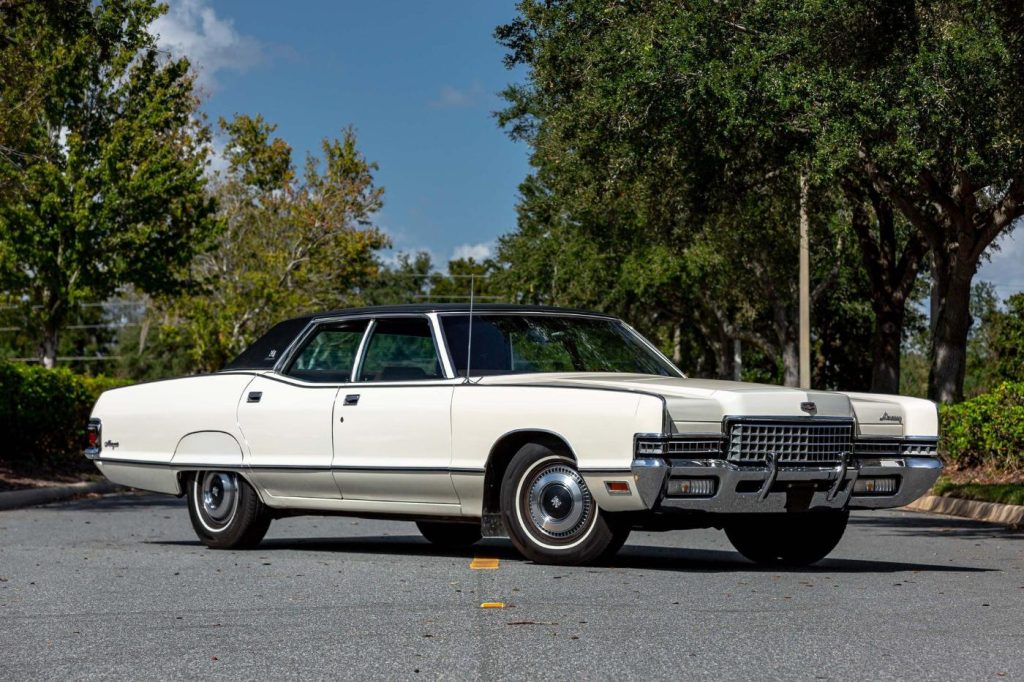
10. 1972 Mercury Marquis
The 1972 Mercury Marquis represents a refined and often understated approach to American luxury, positioned between mainstream Ford offerings and the more opulent Lincoln lineup.
During the early 1970s, Mercury aimed to deliver a balance of comfort, durability, and subtle sophistication, and the Marquis embodied this philosophy with a focus on long-distance cruising capability. While it lacked the overt extravagance of some competitors, its interior, particularly the bench seating, was engineered to provide consistent, sustained comfort over extended journeys.
Mechanically, the Marquis followed a conventional front-engine, rear-wheel-drive layout, powered by a range of V8 engines, including the widely used 429 cubic-inch unit.
These engines were paired with automatic transmissions designed for smooth, unobtrusive operation, prioritizing steady torque delivery rather than aggressive performance. The suspension system, featuring coil springs and a softly tuned setup, was calibrated to absorb road imperfections while maintaining composure, creating a ride that was both comfortable and controlled.
The front bench seat in the Marquis exemplified Mercury’s emphasis on balance rather than excess. Unlike the deeply cushioned, sink-in designs found in some luxury rivals, the Marquis seat offered a more structured approach, combining moderate softness with underlying support. This configuration helped reduce fatigue during long drives by maintaining proper seating posture, while still providing enough cushioning to absorb minor vibrations.
The classic bench seat represents a distinct chapter in automotive design, one defined by space, softness, and a focus on long-distance usability. These seats were not engineered for performance driving or aggressive ergonomics. Instead, they prioritized relaxation, adaptability, and a sense of ease that modern interiors rarely replicate.
What set these designs apart was their integration into the broader vehicle architecture. Seat cushioning, suspension tuning, and cabin insulation were developed as a unified system, ensuring that comfort was not isolated to a single component. This holistic approach is what made these vehicles particularly effective for long cruises.
In today’s market, bench seats have largely disappeared, replaced by bucket seats and center consoles that reflect different priorities. While modern seating offers advanced adjustability and safety features, it often lacks the expansive, lounge-like quality that defined classic designs.
For enthusiasts and collectors, these vehicles serve as a reminder of an era when the journey itself was central to the driving experience. On long, open highways, few things remain as satisfying as settling into a well-designed bench seat and letting the miles pass with minimal effort.