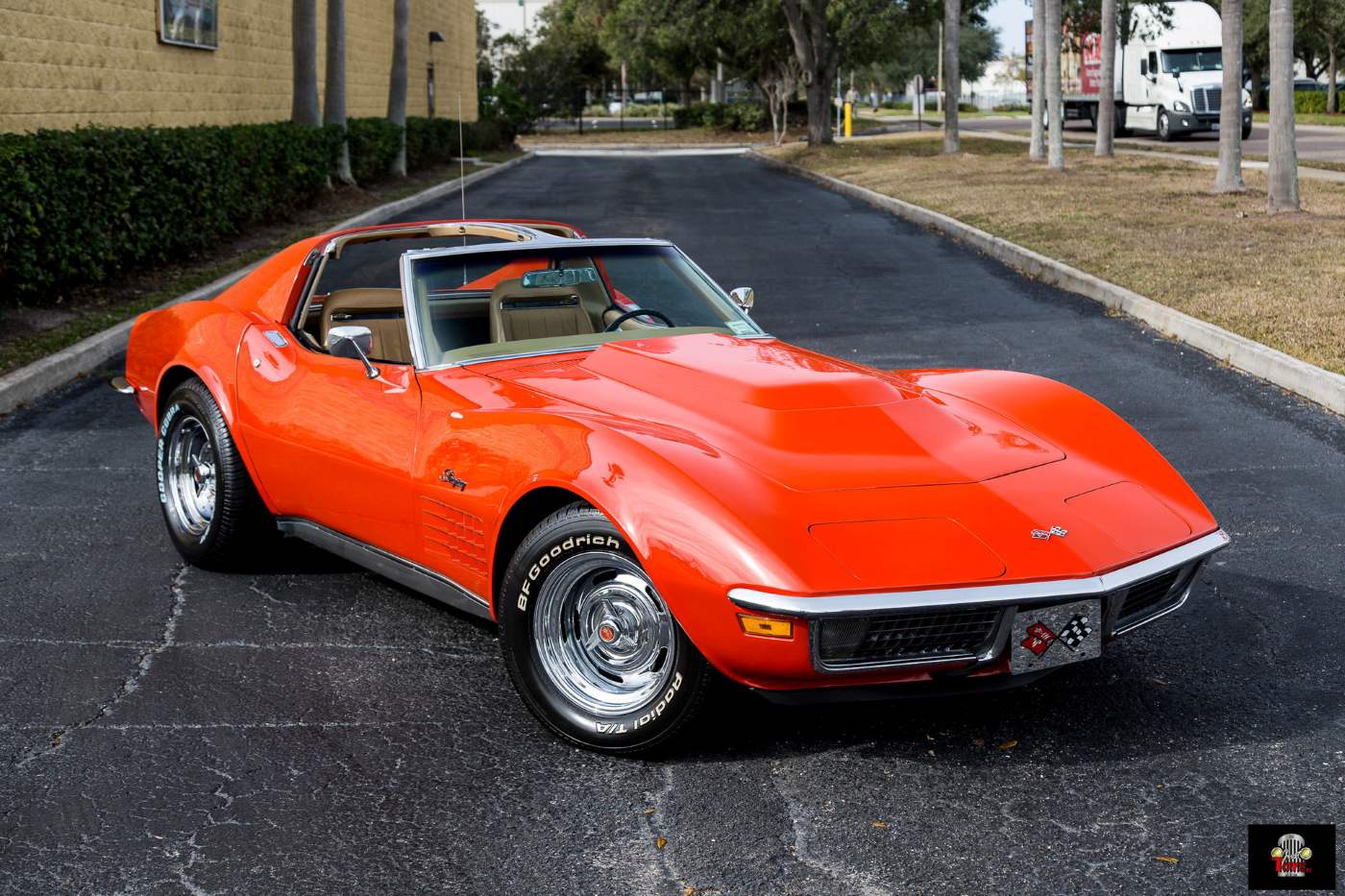
In the collector car market, the phrase “matching numbers” carries substantial weight. It implies that a vehicle retains its original, factory-installed drivetrain components, typically the engine, transmission, and sometimes the rear axle, verified through serial numbers and production records.
For many buyers, this designation is shorthand for authenticity, originality, and by extension, higher value. However, the reality is more nuanced. Two cars can both be described as matching numbers and still differ significantly in market worth.
Valuation is influenced by a range of less obvious variables that extend beyond simple component alignment. These factors involve documentation integrity, production context, restoration methodology, and even how originality is interpreted within specific segments of the collector market.
Understanding these hidden determinants is essential for accurately assessing a car’s true value, particularly in high-stakes transactions where small details can translate into substantial price differences.
The following sections outline eight critical but often overlooked factors that materially affect the value of a matching numbers car.
1. Documentation Depth and Provenance Quality
Documentation depth and provenance quality are among the most decisive yet often underestimated factors influencing the value of a matching numbers car. While the term “matching numbers” suggests mechanical authenticity, typically referring to a car retaining its original engine, transmission, and major components, the credibility of that claim depends heavily on the supporting documentation.
This becomes particularly important for vehicles from the 1960s and early 1970s muscle car era, when high-performance variants were produced in relatively low numbers and have since become prime targets for restoration, replication, and, in some cases, misrepresentation. A car like the Chevrolet Camaro Z/28 illustrates how provenance can elevate an already desirable platform into a verified collector-grade asset.
From an engineering standpoint, cars of this era typically followed a front-engine, rear-wheel-drive layout, powered by high-output V8 engines paired with manual or heavy-duty automatic transmissions.
These mechanical configurations were often shared across multiple trims, making visual identification alone insufficient to confirm authenticity. As a result, documentation such as factory build sheets, Protect-O-Plate warranty cards, dealer invoices, and original window stickers becomes essential in verifying that a specific engine or drivetrain was indeed installed at the factory.
The development background of these cars further underscores the importance of documentation. Manufacturers frequently produced special variants to meet performance or homologation goals, but production records were not always centralized or easily accessible.
Over time, as these vehicles entered the collector market, documentation became the primary means of reconstructing their histories. A well-documented car provides a continuous narrative, from assembly line to present ownership, offering insight into how it was built, delivered, and maintained.
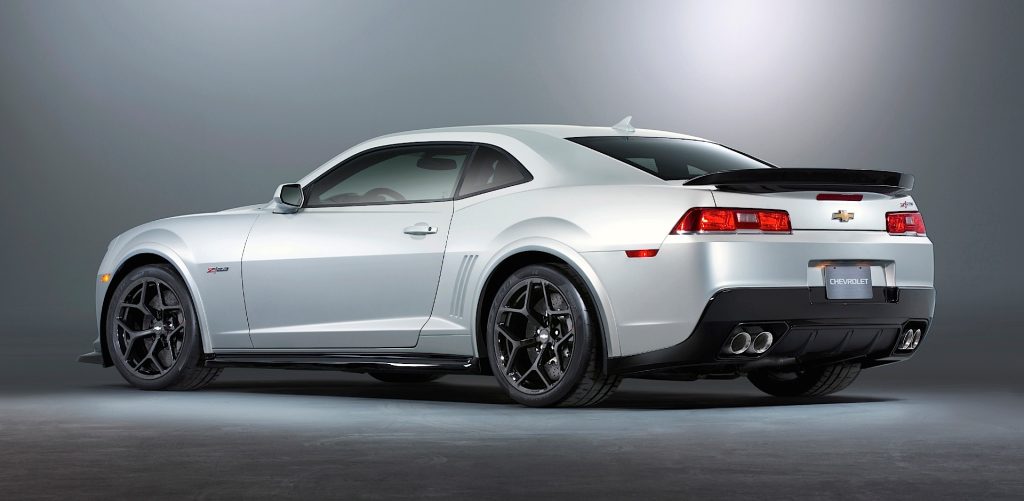
Design characteristics also play a role, though they are secondary to verified records. Exterior cues such as badging, stripes, or specific trim details can suggest a particular configuration, but these elements are relatively easy to replicate during restoration.
Without documentation to support them, such features carry limited weight in determining value. Conversely, a car with modest visual presentation but complete, verifiable records often commands a premium due to the certainty it provides.
Historically, provenance has become increasingly important as the collector car market has matured. Buyers are no longer evaluating cars solely on appearance or performance but are placing greater emphasis on authenticity and traceability. Documentation reduces uncertainty, making a car easier to appraise, insure, and eventually resell.
Documentation depth and provenance quality fit the theme because they directly influence how a matching numbers claim is validated and perceived.
A car may retain its original components, but without supporting evidence, its value remains speculative. Strong documentation transforms that claim into a verifiable fact, significantly enhancing both confidence and market value for serious collectors.
2. Degree of Drivetrain Originality vs. Correctness
The distinction between drivetrain originality and correctness is one of the most nuanced factors affecting the value of a matching numbers car, particularly in the context of American performance vehicles from the 1960s and early 1970s.
During this era, manufacturers produced high-output variants with shared platforms and interchangeable components, making it possible to replicate factory specifications without retaining the original parts. A car like the Dodge Charger R/T illustrates this dynamic clearly, as its big-block V8 drivetrain can be rebuilt, replaced, or replicated to factory standards while still raising questions about authenticity.
From an engineering perspective, these vehicles typically followed a front-engine, rear-wheel-drive layout, powered by large-displacement V8 engines paired with either manual or automatic transmissions.
The drivetrain components, engine block, cylinder heads, carburetor, transmission case, and rear axle, were often stamped or coded to correspond with the vehicle’s VIN or production sequence. In a truly original car, these components remain as they were installed at the factory, with consistent casting dates and minimal alteration beyond routine maintenance.
Correctness, by contrast, refers to a drivetrain that matches factory specifications but may not be original to the vehicle. This can include a replacement engine of the same type, rebuilt components with non-original internal parts, or even restamped blocks intended to replicate factory markings.
While such configurations may appear identical in terms of performance and visual presentation, they lack the historical continuity that defines true originality.
The development background of these cars contributes to the complexity of this distinction. Manufacturers often produced engines in batches, and identical units could be installed across multiple vehicles.
This makes it technically feasible to assemble a “correct” drivetrain using period-appropriate components. However, as the collector market has matured, emphasis has shifted toward preserving the exact components that left the factory with the car, rather than simply replicating them.
Design characteristics offer limited assistance in resolving this distinction. External features such as engine bay layout, finishes, and hardware can be replicated with high accuracy during restoration. As a result, verifying originality requires close examination of stamping techniques, machining marks, and wear patterns—details that are difficult to reproduce convincingly.
Historically, the importance of originality has increased as values have risen and scrutiny has intensified. Collectors now differentiate sharply between cars that are merely correct and those that are truly original, with the latter commanding significant premiums. This shift reflects a broader emphasis on authenticity and preservation within the market.
Within the context of this list, the degree of drivetrain originality versus correctness fits the theme because it directly affects how a matching numbers car is evaluated. A car may meet the technical definition of correctness, but without original components, its value is inherently lower. Understanding this distinction is essential for accurately assessing both authenticity and investment potential.
3. Factory Options and Configuration Rarity
Factory options and configuration rarity play a decisive role in determining the value of a matching numbers car, particularly within the highly competitive American collector market of the 1960s and early 1970s. During this period, manufacturers offered extensive option lists that allowed buyers to tailor vehicles to specific performance, comfort, or aesthetic preferences.
As a result, no two cars were necessarily identical, even within the same model line. A car like the Plymouth Road Runner demonstrates how a particular combination of engine, transmission, color, and optional equipment can significantly elevate desirability when preserved in its original configuration.
From an engineering standpoint, most vehicles of this era followed a front-engine, rear-wheel-drive layout, with a range of available powertrains that could vary from base inline-six engines to high-output V8s.
Optional upgrades often included performance-oriented components such as larger engines, heavy-duty transmissions, or specialized axle ratios. When these elements were combined in specific ways, particularly in low production numbers, they created configurations that were both mechanically distinctive and historically significant.
The development background of these cars reflects a time when manufacturers encouraged personalization at the point of sale. Dealers and buyers could specify combinations that aligned with individual preferences, resulting in a wide spectrum of builds. However, not all combinations were equally popular.
4. Timing Consistency in Component Casting Dates
Timing consistency in component casting dates is one of the more technical yet critical factors in evaluating the authenticity and value of a matching numbers car.
While matching VIN derivatives on major components such as the engine and transmission establish a baseline of originality, serious collectors and appraisers look deeper, examining whether the individual parts were produced within a logical timeframe relative to the car’s final assembly. This is particularly relevant for high-value American performance cars from the late 1960s, such as the Chevrolet Corvette, where even small inconsistencies can influence market perception.
From an engineering perspective, vehicles of this era were typically built using a front-engine, rear-wheel-drive layout, with components sourced from various manufacturing plants before final assembly.
Engine blocks, cylinder heads, intake manifolds, transmissions, and rear axles were all cast or assembled separately, each receiving date codes indicating when they were produced. These parts were then shipped to assembly plants, where they were installed into vehicles in a sequence that generally followed a predictable timeline.
The key principle is chronological alignment. In an authentic matching numbers car, component casting dates should precede the vehicle’s build date by a reasonable margin, typically days or weeks, not months or years.
For example, an engine block cast after the car’s documented assembly date would immediately raise concerns, suggesting a replacement or later modification. Similarly, widely mismatched dates across components can indicate that parts were sourced from different vehicles during restoration.
5. Restoration Methodology and Authenticity Standards
Restoration methodology and authenticity standards play a decisive role in determining the value of a matching numbers car, particularly in the context of high-demand American classics from the 1950s through the early 1970s.
While a car may retain its original engine and drivetrain, the way it has been restored, or preserved, can either enhance or undermine its credibility in the collector market. A vehicle such as the Chevrolet Bel Air illustrates how restoration quality and adherence to factory-correct practices can significantly influence both perception and pricing.
From an engineering standpoint, cars of this era typically followed a front-engine, rear-wheel-drive layout, powered by inline-six or V8 engines with relatively simple mechanical systems. This simplicity makes restoration more accessible, but it also increases the risk of deviation from original specifications.
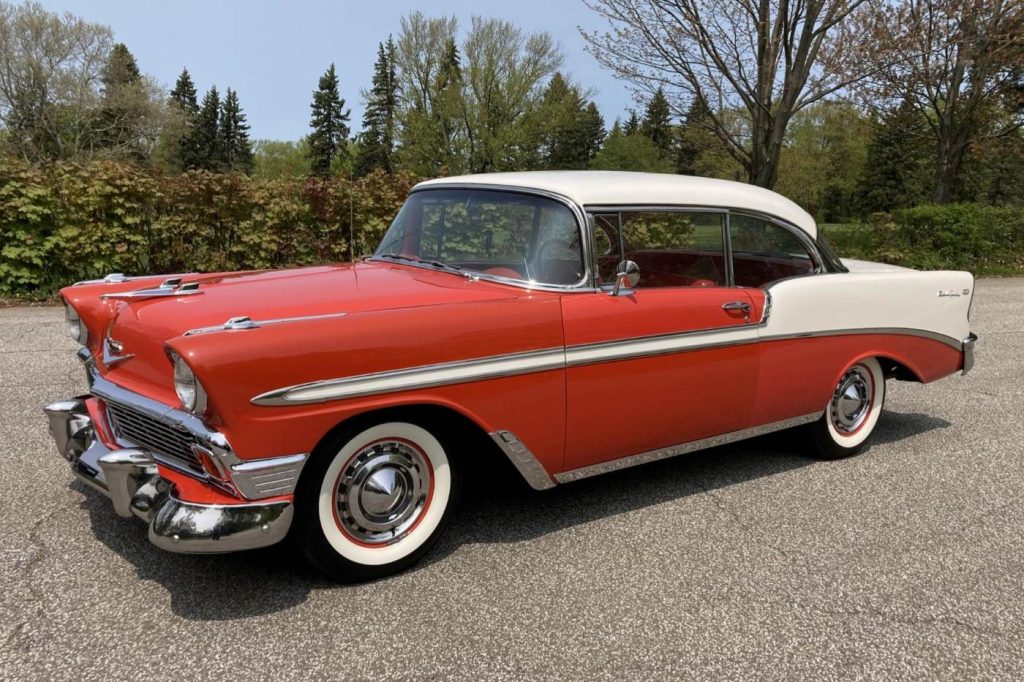
Authentic restoration requires not only rebuilding mechanical components to proper tolerances but also maintaining factory-correct finishes, hardware, and assembly techniques. This includes details such as correct paint types, plating finishes on bolts and brackets, and accurate routing of wiring and hoses.
The development background of these vehicles further underscores the importance of methodology. Original manufacturing processes were often less precise than modern standards, resulting in variations in panel gaps, paint application, and component finishes.
Over-restoration, where a car is refinished to a level exceeding factory quality, can actually reduce value among serious collectors, as it creates a version of the car that never existed in period. Authenticity standards therefore emphasize accuracy over perfection, aiming to replicate the original production environment as closely as possible.
Design characteristics are particularly sensitive to restoration quality. Exterior elements such as trim alignment, paint finish, and badging must match factory specifications, while interiors require correct materials, stitching patterns, and color combinations. Even small deviations can be noticeable to knowledgeable buyers, especially when documentation is limited or absent.
6. Market Segment Preferences and Buyer Psychology
Market segment preferences and buyer psychology are critical yet often overlooked factors in determining the value of a matching numbers car. While mechanical authenticity provides a baseline, the way a specific segment of the collector market perceives a vehicle can significantly influence its desirability and price.
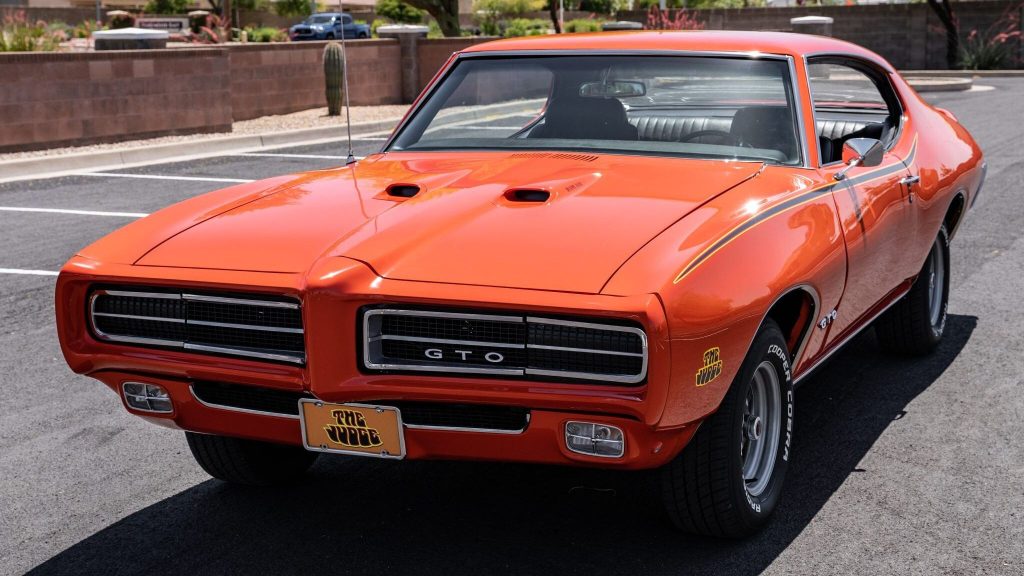
This dynamic is especially evident in American performance cars from the late 1960s, such as the Pontiac GTO Judge, where identical mechanical specifications can yield different valuations depending on how closely the car aligns with buyer expectations within its niche.
From an engineering standpoint, vehicles of this era typically followed a front-engine, rear-wheel-drive layout powered by large-displacement V8 engines paired with manual or automatic transmissions.
These configurations were often shared across multiple trims and models, meaning that mechanical similarity alone does not guarantee equal desirability. Instead, market perception, shaped by branding, historical significance, and cultural associations, plays a decisive role in how a car is valued.
The development background of these cars contributes directly to this phenomenon. Manufacturers positioned different models and trims to appeal to specific audiences, creating distinct identities even within overlapping mechanical frameworks.
Over time, these identities became embedded in collector culture. Certain variants gained reputations as flagship or halo models, while others remained secondary despite sharing similar performance characteristics. As a result, buyer psychology tends to favor vehicles that align with established narratives of prestige, performance, or rarity.
Design characteristics further reinforce these perceptions. Visual elements such as stripes, badging, and color schemes often signal a car’s place within its segment. While these features can be replicated, their presence in a documented, factory-original configuration carries more weight. Buyers are not only purchasing a set of components but also the story those components represent.
Historically, as the collector car market has matured, segmentation has become more pronounced. Enthusiasts now operate within highly specialized niches, muscle cars, European sports cars, luxury cruisers, each with its own criteria for value.
Within these segments, certain attributes are prioritized over others. For example, muscle car buyers may place a premium on drivetrain originality, while luxury car collectors may focus more on condition and presentation.
Within the context of this list, market segment preferences and buyer psychology fit the theme because they directly influence how a matching numbers car is interpreted and valued.
A car may meet all technical criteria for authenticity, but if it does not align with the expectations of its target audience, its market performance may be limited. Understanding these preferences allows investors to evaluate not just what a car is, but how it will be perceived, making psychology a key component of value assessment.
7. VIN Derivative Integrity and Stamp Authenticity
VIN derivative integrity and stamp authenticity are among the most critical forensic factors in determining the value of a matching numbers car, particularly in the high-stakes collector market for American performance vehicles of the late 1960s and early 1970s.
During this period, manufacturers began stamping partial VIN sequences or derivative identifiers onto major drivetrain components, most notably engine blocks and transmissions, to link them directly to the vehicle. A car such as the Chevrolet Chevelle SS relies heavily on these identifiers to validate that its high-performance drivetrain is original to the chassis.
From an engineering standpoint, these vehicles were typically built using a front-engine, rear-wheel-drive layout powered by large-displacement V8 engines paired with either manual or automatic transmissions.
The stamping process was integrated into production, with VIN derivatives applied using specific tools, fonts, and techniques unique to each manufacturer and assembly plant. These markings were not decorative; they were functional identifiers intended to track components through production and, in some cases, for warranty or service purposes.
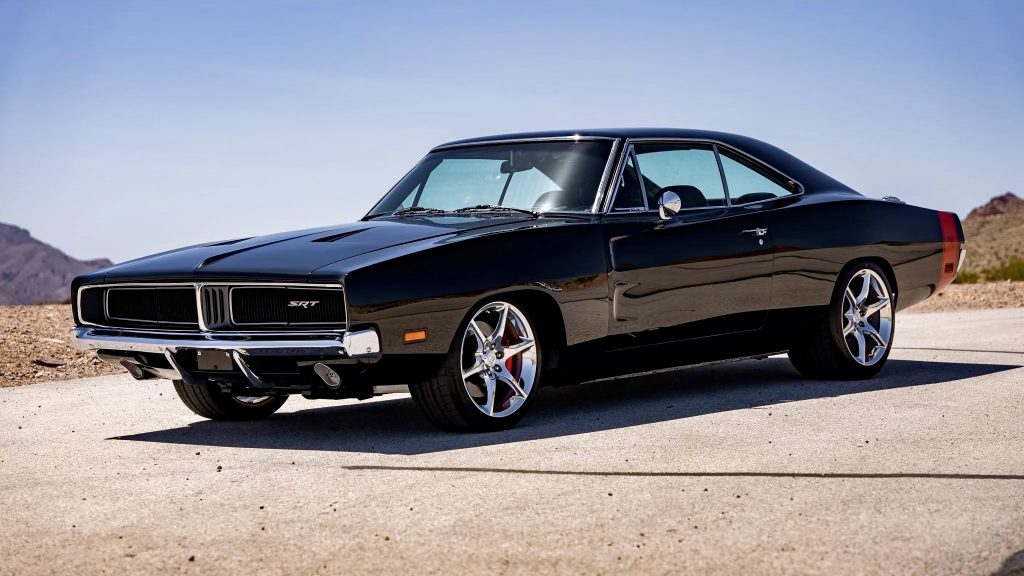
The development background of VIN derivative stamping reflects a shift toward greater traceability in manufacturing. As performance variants became more valuable and distinct within a model lineup, the need to verify component originality became increasingly important. Over time, these stamps evolved into one of the primary methods used by collectors and appraisers to confirm matching numbers status.
Design characteristics offer little assistance in verifying authenticity, as VIN derivatives are typically located in less visible areas of the engine or transmission. Instead, evaluation depends on detailed inspection of the stamp itself.
Experts analyze factors such as font style, character spacing, depth of impression, alignment, and surface condition. Original factory stamps tend to exhibit consistent characteristics, while restamped or altered numbers often reveal irregularities, such as uneven depth, incorrect fonts, or evidence of surface grinding prior to re-stamping.
Historically, the importance of stamp authenticity has increased alongside rising market values. As certain models became highly collectible, the incentive to alter or replicate VIN derivatives also grew. This has led to a more rigorous approach to authentication, with buyers and auction houses placing significant emphasis on verifying the originality of these markings.
Within the context of this list, VIN derivative integrity and stamp authenticity fit the theme because they directly determine whether a matching numbers claim can be trusted.
Even if all major components appear correct, questionable or altered stamps can undermine the entire narrative of originality. For collectors and investors, verified, untouched VIN derivatives provide a level of confidence that translates directly into higher value, making this factor one of the most decisive in evaluating a classic car’s authenticity.
8. Ownership History and Historical Significance
Finally, the car’s ownership history can influence value independently of its mechanical originality. Vehicles with notable previous owners, documented participation in significant events, or unique historical contexts often command premiums.
Even for matching numbers cars, a compelling narrative can enhance desirability. For example, a car delivered new to a prominent individual or used in a historically relevant context may attract greater interest than a comparable vehicle without such history.
This factor underscores the broader principle that value in the collector car market is not determined by a single attribute but by the interplay of multiple elements.
The concept of a matching numbers car is often treated as a binary classification, either a vehicle qualifies or it does not. In practice, however, value exists on a spectrum shaped by numerous underlying variables. Documentation, originality, configuration, and authenticity all interact to determine how a car is perceived in the market.
For buyers and sellers alike, recognizing these hidden factors is essential. A car that meets the basic definition of matching numbers may still fall short in other areas that materially affect its worth. Conversely, a well-documented, highly original example with strong provenance can command a significant premium, even within a competitive segment.
Ultimately, matching numbers should be viewed not as a definitive measure of value, but as one component within a broader framework of evaluation. Understanding that framework allows for more accurate assessments and more informed decisions in the collector car market.