
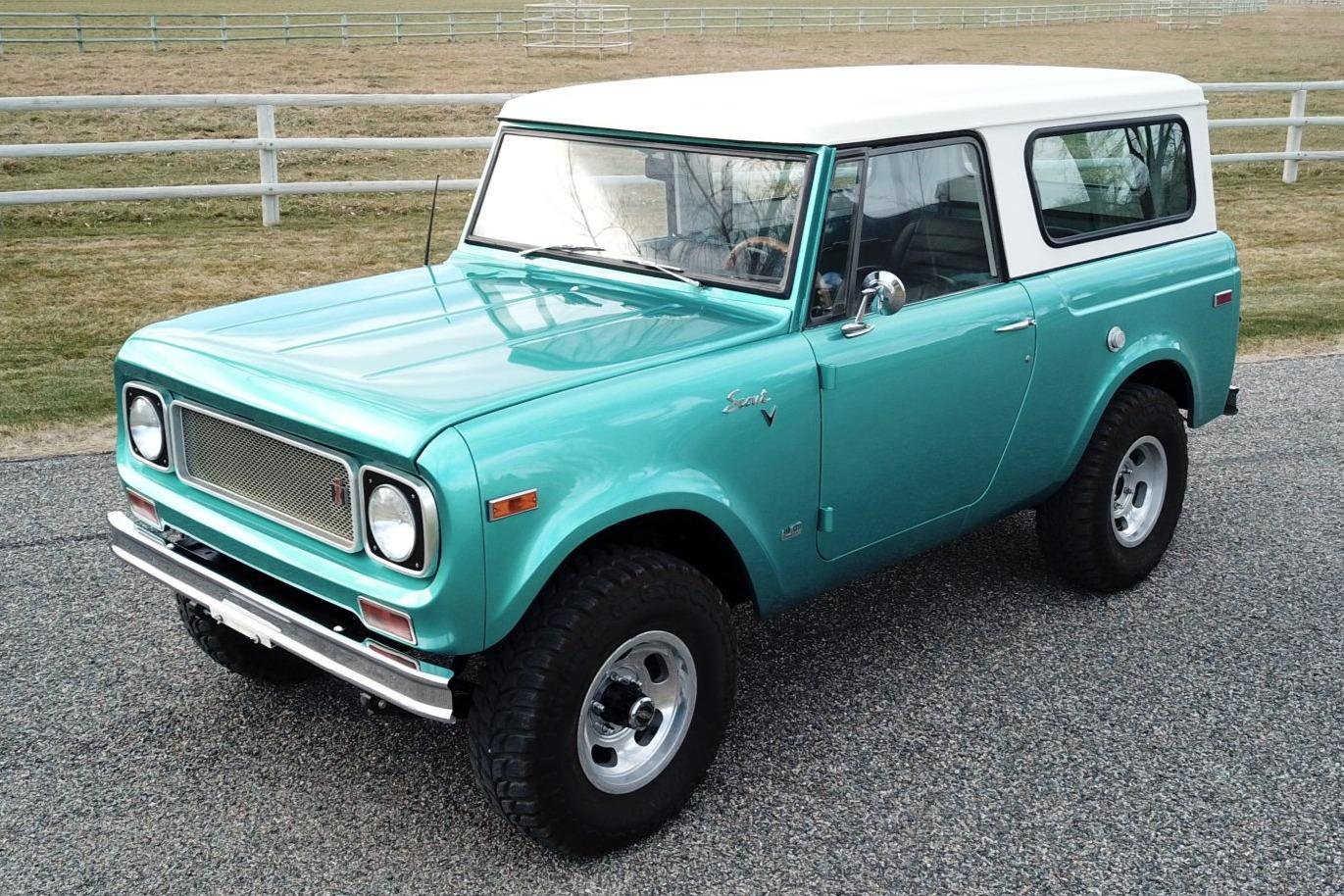
Before modern suspension systems and electronic traction aids transformed off-road driving, capability depended largely on mechanical design. Among the most important components in early 4×4 vehicles was the solid front axle.
Widely used in classic off-roaders throughout the mid-20th century, this design became synonymous with durability, reliability, and real-world performance in harsh terrain.
Unlike independent suspension systems, which allow each wheel to move separately, a solid front axle connects both wheels through a rigid housing. While this setup compromises on-road refinement, it delivers a range of advantages that made it essential for early off-road applications.
1. Superior Durability in Harsh Conditions
In the formative years of American off-roading, from the 1940s through the 1970s, durability was not a marketing claim but a fundamental engineering requirement, and solid front axles became central to that objective.
Vehicles like the Jeep CJ-5 and early Ford Bronco were developed for environments where paved roads were irrelevant and mechanical failure could carry real consequences. These platforms emerged from military and agricultural roots, where simplicity, strength, and field serviceability dictated design decisions far more than comfort or refinement.
At the core of these vehicles was a straightforward but highly resilient mechanical layout. Front-engine, four-wheel-drive configurations dominated, typically powered by inline-four, inline-six, or small-displacement V8 engines tuned for low-end torque rather than peak horsepower.
Power was routed through manual transmissions and dual-range transfer cases, allowing drivers to select low gearing for controlled crawling over uneven terrain. The solid front axle, usually a beam axle located by leaf springs or, in later iterations, coil springs with radius arms, provided a rigid, unified structure that could withstand impacts and maintain wheel alignment under extreme articulation.
This design offered clear advantages in harsh conditions. Unlike independent front suspension systems, which rely on multiple joints and control arms that can be vulnerable to damage, a solid axle distributes loads across a single, robust housing.
When traversing rocks, ruts, or deep mud, the axle’s ability to maintain consistent geometry ensures that both front wheels remain engaged and predictable. The simplicity of the system also made it easier to repair in the field; bent components could often be straightened or replaced without specialized tools, a critical factor in remote environments.
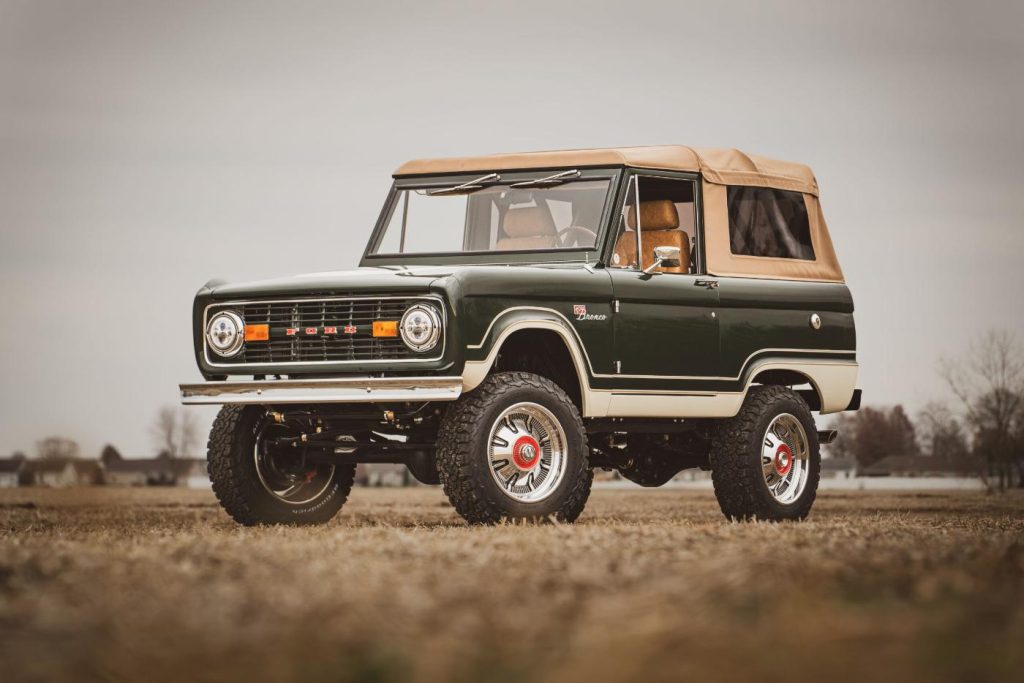
Design characteristics reinforced this durability-first philosophy. High ground clearance, short overhangs, and minimal bodywork reduced the risk of damage, while exposed, easily accessible components simplified maintenance.
Interiors were similarly utilitarian, with durable materials and minimal electronics, reflecting the vehicle’s intended use as a tool rather than a luxury item. The visual identity, upright stance, narrow track, and visible mechanical elements, became synonymous with capability.
Historically, these vehicles established the template for what an off-roader should be. Before the rise of more complex suspension systems, solid front axles defined the category, enabling exploration, work, and recreation in environments that would overwhelm less robust designs.
Within the context of this list, superior durability in harsh conditions is not just one advantage among many, it is the defining reason solid front axles became foundational to early off-roaders, embodying an engineering philosophy built around strength, reliability, and uncompromising function.
2. Greater Suspension Articulation
At a mechanical level, these vehicles employed front-engine, four-wheel-drive layouts with longitudinally mounted inline-four, inline-six, or small V8 engines, paired with manual transmissions and dual-range transfer cases.
The solid front axle, typically a beam axle suspended by leaf springs, allowed both front wheels to move in relation to each other while remaining physically connected.
This configuration enabled a high degree of articulation, meaning one wheel could compress upward while the other drooped downward, keeping both tires in contact with the terrain. In off-road conditions, where traction is often limited, this continuous contact is essential for forward progress.
Compared to independent front suspension systems, which isolate wheel movement but limit total travel, the solid axle’s simplicity allows for greater vertical displacement across the axle as a whole. The axle housing itself acts as a structural member, distributing forces evenly and maintaining consistent alignment between the wheels.
This not only improves durability but also ensures predictable handling when navigating obstacles such as rocks, deep ruts, or uneven trails. The addition of low-range gearing further complements this setup, allowing drivers to exploit articulation at slow speeds with precise control.
Design characteristics reinforced this capability. Narrow body widths, short wheelbases, and minimal overhangs allowed vehicles like the Scout 800 and FJ40 to approach obstacles at favorable angles, while high ground clearance reduced the likelihood of underbody contact.
The suspension components were exposed and accessible, making it easier to service or modify them for increased travel. Interiors remained utilitarian, reflecting the vehicle’s role as a tool for traversal rather than comfort.
3. Consistent Ground Clearance
In the formative decades of off-road vehicle development, from the 1940s through the 1970s, consistent ground clearance was a critical advantage, and solid front axles played a central role in delivering it.
Vehicles like the Jeep Wagoneer and the Land Rover Series II were engineered for unpredictable terrain, where maintaining a stable clearance under the chassis could mean the difference between forward progress and becoming immobilized. These machines were not designed for comfort or speed, but for reliability in environments where terrain varied constantly and obstacles were unavoidable.
At the engineering level, these vehicles followed a proven formula: front-engine, four-wheel-drive layouts with longitudinally mounted inline-four, inline-six, or small V8 engines, paired with manual transmissions and dual-range transfer cases. The defining feature was the solid front axle, a rigid beam connecting both front wheels and moving as a single unit.
Unlike independent front suspension systems, where each wheel moves separately and ground clearance fluctuates across the axle, a solid axle maintains a fixed relationship between the differential housing and the wheels. This means that as one wheel rises over an obstacle, the entire axle, and therefore the lowest point of the front drivetrain, moves with it, preserving consistent clearance.
This characteristic is particularly valuable in off-road conditions involving rocks, ruts, or uneven surfaces. The differential housing, often the lowest point on a four-wheel-drive vehicle, remains at a predictable height relative to the terrain.
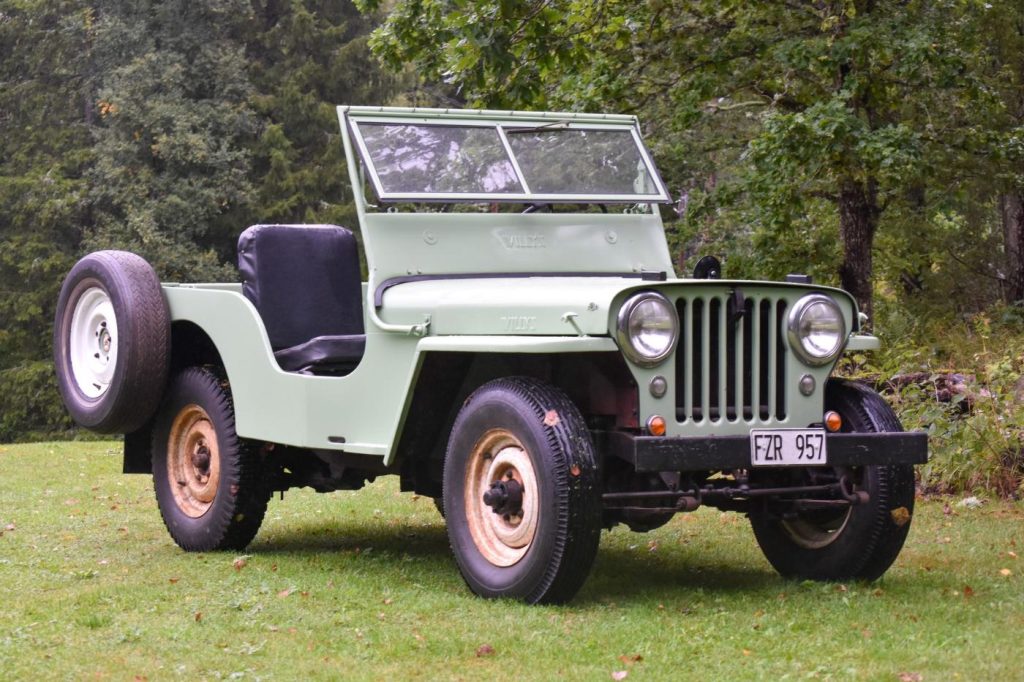
Drivers can therefore judge obstacle clearance more accurately, reducing the risk of underbody contact. In contrast, independent suspension systems can allow one side of the vehicle to compress while the other drops, potentially lowering critical components into harm’s way. The solid axle’s unified movement eliminates this variability, enhancing both capability and driver confidence.
Design elements reinforced this advantage. High approach angles, short front overhangs, and minimal bodywork ensured that the axle, not the body, would encounter obstacles first.
Suspension setups, typically using leaf springs, were tuned for durability and load-bearing capacity, allowing the vehicle to carry equipment without significantly altering ride height. The exposed, straightforward construction also made it easier to inspect and repair components in the field.
Consistent ground clearance became a defining trait of early off-roaders, shaping how they were driven and what terrain they could conquer. Within the context of this list, it underscores why solid front axles were so influential.
4. Simplicity of Design
Vehicles like the Jeep CJ-2A and the Toyota Land Cruiser FJ40 were built for environments where reliability outweighed refinement, and the solid front axle became a defining feature of that approach. These machines were shaped by military and agricultural demands, where ease of maintenance and mechanical durability mattered far more than comfort or sophistication.
Under the hood, these vehicles followed a straightforward formula. Most used front-engine, four-wheel-drive layouts with longitudinally mounted inline-four or inline-six engines, paired with manual gearboxes and dual-range transfer cases.
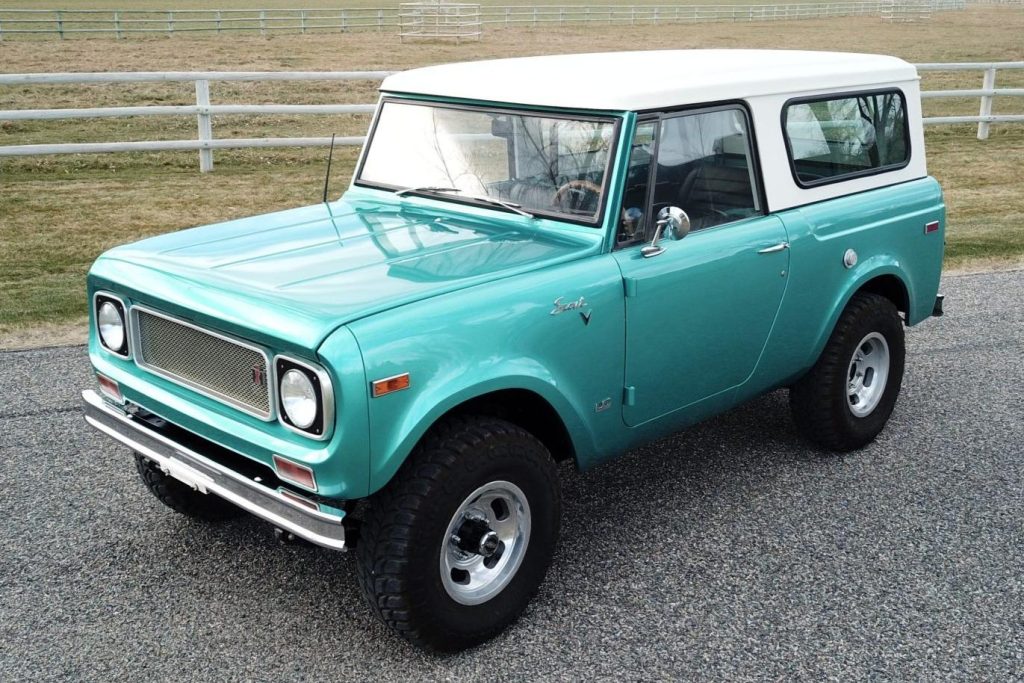
The solid front axle itself was a single, continuous beam connecting both front wheels, usually supported by leaf springs and basic steering linkages. Compared to modern independent suspension systems, with their multiple joints, bushings, and moving parts, this setup was refreshingly uncomplicated. Fewer components meant fewer opportunities for failure, and everything was built with strength and accessibility in mind.
5. High Load-Bearing Capability
High load-bearing capability was a defining engineering advantage of solid front axles and a primary reason they became standard in early classic off-roaders.
Vehicles produced from the 1940s through the 1970s, particularly those derived from military and agricultural applications, were designed with durability and payload capacity as core requirements. In these contexts, the ability to support heavy loads without compromising structural integrity was essential, and the solid front axle provided a highly effective solution.
At its core, a solid front axle is a single rigid beam connecting both front wheels, usually incorporating a centrally mounted differential. This configuration allows loads to be distributed evenly across the entire axle assembly, rather than being concentrated at individual suspension points as in independent systems.
The result is a structure that can withstand substantial vertical loads, torsional stress, and repeated impacts without deformation. Early off-road vehicles typically used thick steel axle housings, reinforced leaf springs, and heavy-duty steering components, all designed to support demanding operating conditions.
From a mechanical standpoint, these vehicles were commonly equipped with longitudinally mounted inline-four or inline-six engines, paired with manual transmissions and dual-range transfer cases.
This drivetrain layout worked in conjunction with the solid axle to deliver consistent torque under load. Whether carrying equipment, towing, or traversing uneven terrain, the axle maintained stability and alignment, ensuring reliable traction even as weight distribution shifted across obstacles.
6. Ease of Modification and Upgrades
Ease of modification and upgrades was a significant advantage of solid front axles, and it played a major role in cementing their status in early classic off-roaders.
Vehicles built between the 1940s and 1970s were engineered with mechanical simplicity and serviceability in mind, often intended for use in remote or demanding environments. This straightforward design philosophy made solid front axle platforms highly adaptable, allowing owners and operators to modify or upgrade components with minimal complexity.
At a structural level, the solid front axle’s design is inherently modular. It consists of a rigid housing, differential assembly, axle shafts, and externally mounted suspension components such as leaf springs or coil springs.
Because these elements are not tightly integrated into a complex, multi-link independent system, they can be accessed, removed, and replaced with relative ease. This made it possible to install stronger axle shafts, upgraded differentials, or reinforced housings without requiring extensive reengineering of the surrounding suspension geometry.
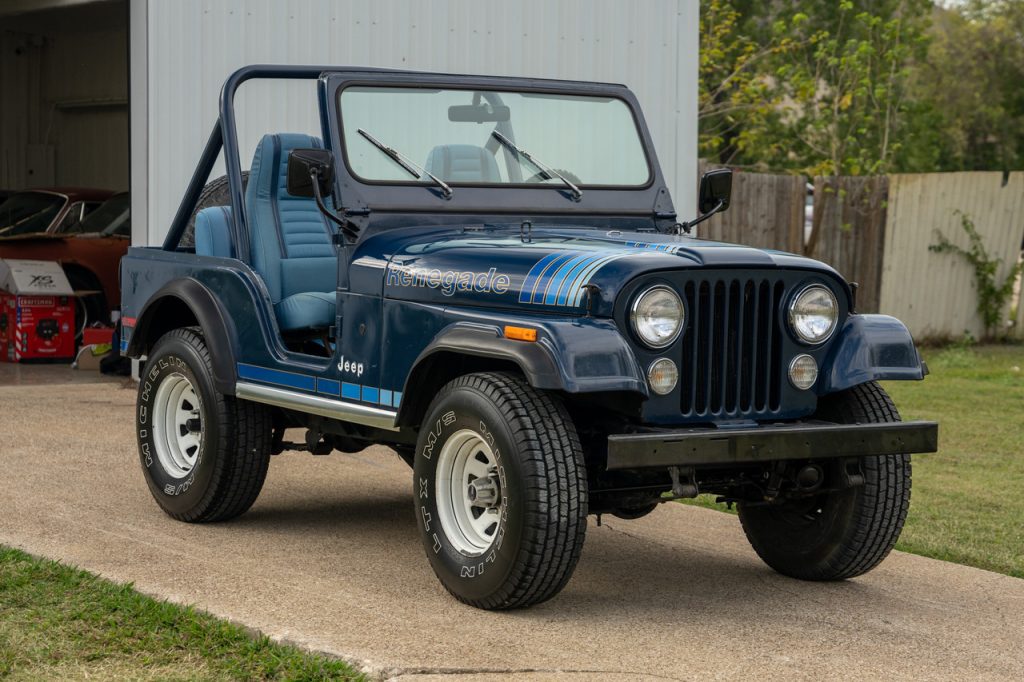
From a drivetrain perspective, early off-roaders typically featured longitudinal engine layouts, body-on-frame construction, and separate transfer cases. This configuration complemented the solid axle by providing clear mounting points and ample room for upgrades.
Enthusiasts and mechanics could swap gear ratios, install locking differentials, or convert to heavier-duty components to suit specific use cases such as rock crawling, towing, or expedition travel. The compatibility between drivetrain and axle systems simplified these modifications and reduced the risk of unintended mechanical issues.
Suspension upgrades were particularly straightforward. Solid axles allowed for easy installation of lift kits through longer springs, spacers, or revised mounting brackets.
Because both wheels are connected by a single axle housing, changes to ride height or suspension travel did not require recalculating complex alignment parameters as in independent systems. This made it easier to increase ground clearance, fit larger tires, and improve off-road capability without compromising structural reliability.
7. Predictable Off-Road Handling
Predictable off-road handling was a defining strength of solid front axles and a major reason they were favored in early classic off-roaders.
In these conditions, consistency in vehicle response was more valuable than outright ride comfort or on-road agility. The solid front axle delivered this consistency by maintaining stable geometry and uniform behavior under varying loads.
At the core of this predictability is the axle’s rigid construction. A solid front axle links both front wheels through a single housing, ensuring that their relative alignment remains constant regardless of terrain input.
Unlike independent suspension systems, where each wheel can move separately and alter camber or toe dynamically, the solid axle preserves fixed geometry. This results in steady tire contact and more consistent steering characteristics, particularly when traversing uneven surfaces such as rocks, ruts, or loose soil.
Mechanically, early off-roaders combined solid front axles with simple, durable steering systems—typically recirculating ball or manual linkages, and leaf spring suspension setups. This straightforward configuration reduced variability in how forces were transmitted through the chassis.
As a result, driver inputs translated into predictable vehicle responses. Whether climbing a steep incline or maneuvering through tight, uneven trails, the vehicle behaved in a linear and understandable manner, allowing the driver to make precise corrections without unexpected shifts.
Weight transfer also played a role in predictable handling. Because both front wheels share a single axle housing, load distribution changes occur more gradually. When one wheel encounters an obstacle or loses traction, the opposing wheel helps stabilize the system, reducing sudden imbalances.
8. Integrated Differential Housing Strength
Integrated differential housing strength was one of the defining engineering traits that gave early solid front axle off-roaders their reputation for toughness. In these vehicles, the differential carrier was not a separate, bolt-on component but an integral part of the axle assembly itself.
This unified construction eliminated weak points commonly found in independent suspension systems, where multiple joints, mounts, and housings introduced potential failure zones. By casting or forging the differential housing directly into the axle, engineers created a single, rigid structure capable of absorbing severe impacts without compromising alignment or drivetrain integrity.
This design philosophy emerged during an era when off-road vehicles were expected to endure punishing terrain with minimal maintenance support. Whether traversing rocky trails, deep ruts, or uneven desert surfaces, early 4x4s relied on the inherent strength of their front axle assemblies to maintain forward momentum.
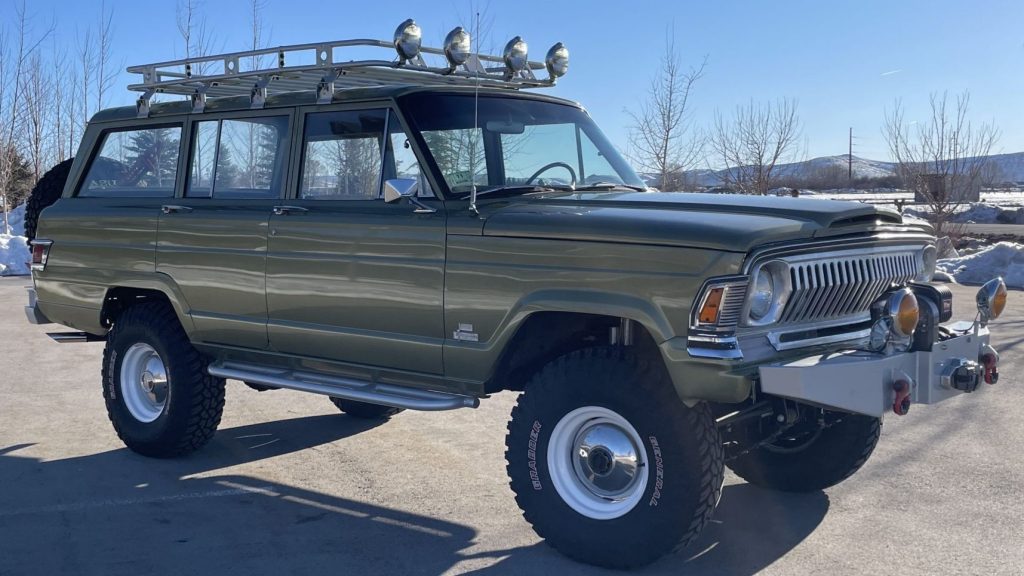
The integrated housing acted as a load-bearing backbone, distributing stresses evenly across the axle rather than concentrating them at connection points. This was particularly critical in low-speed, high-torque scenarios, where drivetrain components were subjected to intense mechanical strain.
From a mechanical standpoint, the integrated differential housing also enhanced durability by protecting internal gears and bearings. Encased within a thick, robust shell, the ring and pinion gears were less vulnerable to contamination, misalignment, or shock damage.
The rigidity of the housing ensured consistent gear meshing even under extreme articulation, reducing the likelihood of premature wear or catastrophic failure. This reliability was a key factor in why early off-roaders could venture far from civilization with confidence.
9. Cost-Effective Production and Maintenance
Solid front axles were more cost-effective to produce than complex independent suspension systems. This allowed manufacturers to build capable off-road vehicles at accessible price points. Additionally, the simplicity of the design meant that maintenance and replacement parts were generally more affordable, making long-term ownership more practical.
Cost-effective production and maintenance played a central role in why solid front axles became the default architecture for early classic off-roaders. In an era when utility vehicles were designed for function over form, manufacturers prioritized straightforward engineering that could be produced at scale without excessive tooling complexity.
Solid front axles met this requirement with a design that consolidated key components, axle shafts, differential housing, and suspension mounting points, into a single, durable assembly. This reduced the number of individual parts, simplified machining processes, and minimized assembly time on production lines, all of which translated directly into lower manufacturing costs.
The economic advantages extended well beyond the factory floor. For owners, particularly those operating in rural or remote environments, the simplicity of a solid axle meant fewer specialized components that could fail or require replacement.
Unlike independent suspension systems, which rely on multiple control arms, bushings, and constant velocity joints, the solid axle’s layout was mechanically direct and easier to diagnose. When wear or damage did occur, repairs were typically straightforward, often requiring basic tools and widely available replacement parts rather than specialized equipment or advanced technical expertise.
Durability also contributed to long-term cost efficiency. The robust construction of solid front axles meant that components were less prone to frequent failure under harsh conditions. This reduced the frequency of repairs and extended service intervals, lowering the cost of ownership.
Fleet operators, farmers, and off-road enthusiasts alike benefited from vehicles that could withstand years of abuse without incurring significant maintenance expenses. In many cases, these axles could be rebuilt rather than replaced, further enhancing their economic appeal.
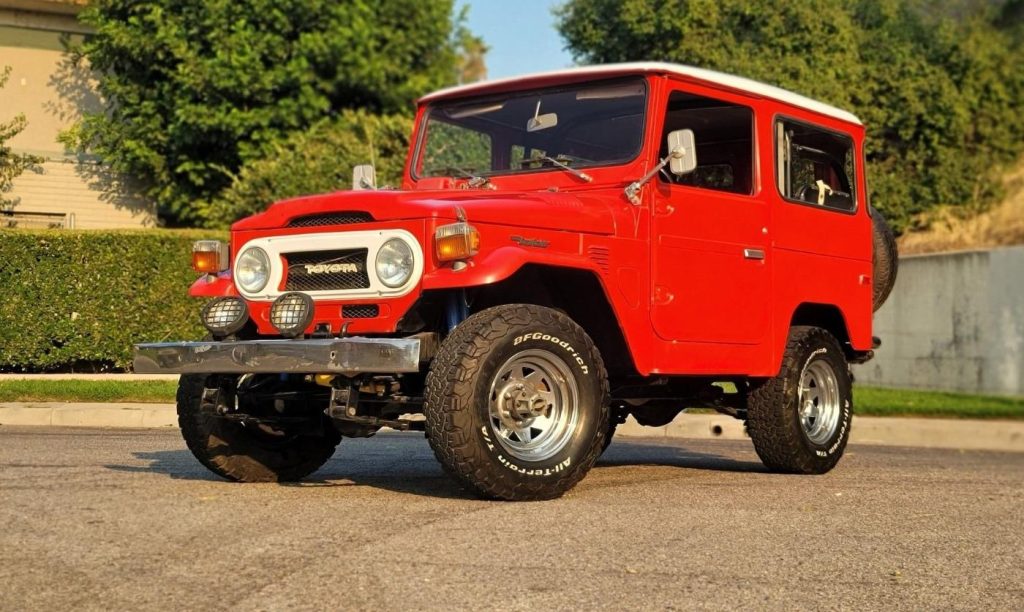
10. Proven Reliability Across Applications
Proven reliability across applications is perhaps the most compelling reason solid front axles became synonymous with early classic off-roaders. Long before modern durability testing and computer-aided engineering, these systems earned their reputation the hard way, through consistent performance in vastly different and often unforgiving environments.
From military deployments to agricultural work and recreational trail use, solid front axles demonstrated an ability to function predictably under conditions that would quickly expose the weaknesses of more complex suspension designs.
This cross-functional reliability stemmed from the axle’s inherently robust architecture. By linking both front wheels through a single rigid beam and housing the differential within that structure, engineers minimized the number of moving parts exposed to stress and contamination.
In military contexts, where vehicles were expected to operate in extreme climates with limited maintenance support, solid front axles proved indispensable. Their ability to withstand mud, sand, snow, and water crossings without frequent servicing made them a logical choice for utility-focused platforms.
The same qualities translated seamlessly to civilian uses, particularly in farming and construction, where vehicles were subjected to heavy loads and irregular terrain on a daily basis. The axle’s durability ensured that it could handle both the torque demands of low-speed work and the punishment of uneven ground without degradation in performance.
Engineering consistency also played a role in this reliability. Solid front axles behaved in a predictable manner regardless of the application, providing uniform ground clearance and stable articulation characteristics.
This consistency allowed drivers to develop confidence in how the vehicle would respond, whether going through a rocky trail or hauling equipment across a field. Unlike more intricate suspension systems that could vary in behavior depending on wear or adjustment, the solid axle maintained its fundamental characteristics over time.
While modern vehicles have adopted more complex suspension systems for improved comfort and handling, the core advantages of the solid axle remain relevant. It continues to be used in serious off-road applications, serving as a reminder of a time when engineering prioritized durability and function above all else.
