Towing heavy loads puts a truck’s transmission under extreme stress, often exceeding the capacity of the factory cooling system. Standard in-tank coolers inside the radiator can handle normal driving but struggle to manage the high heat generated during towing, steep inclines, or stop-and-go traffic.
Excessive temperatures can cause transmission fluid to break down, seals to harden, clutches to slip, and internal components to fail. An external transmission cooler provides a dedicated liquid-to-air cooling system that works independently from the engine radiator.
By lowering fluid temperatures by 20 to 30 degrees, it maintains fluid integrity, prevents sludge buildup, protects seals, and ensures consistent hydraulic pressure. From reducing torque converter heat soak to preventing catastrophic coolant contamination, an external cooler protects every critical part of the transmission.
For trucks towing trailers, heavy equipment, or cargo, this upgrade is a vital investment that ensures reliable performance, prevents costly repairs, and extends the lifespan of the transmission under demanding conditions.
1. Stopping the Cycle of Thermal Runaway
When towing heavy loads, a truck’s transmission can experience “thermal runaway,” a dangerous cycle where heat builds faster than the system can dissipate it. Most vehicles rely on an in-tank transmission cooler within the radiator, which works well under normal conditions but becomes inefficient during towing.
As the engine works harder, coolant temperatures rise significantly, leaving little capacity to absorb additional heat from the transmission. This creates a feedback loop where the transmission cannot cool itself effectively, causing temperatures to climb even higher.
An external transmission cooler solves this issue by introducing a dedicated liquid-to-air cooling system. Positioned to receive fresh airflow, it removes heat independently of the engine’s cooling system, effectively breaking the self-perpetuating heat cycle.
This is critical because once transmission fluid exceeds about 200°F (93°C), it begins to degrade. The fluid loses its lubricating properties, leading to increased friction, internal wear, and eventually catastrophic failure.
By maintaining lower operating temperatures, an external cooler preserves fluid integrity, prevents sludge buildup, and protects internal components such as clutches, bearings, and seals. It also helps avoid cascading failures, where overheating in one area spreads damage throughout the transmission.
Additionally, external coolers can reduce transmission temperatures by 20–30°F, significantly extending the lifespan of both the fluid and the transmission itself. Their independent operation and superior heat-dissipation design make them especially effective for the demands of towing, ensuring reliability and long-term performance.
2. Doubling Fluid Life Through Oxidation Prevention
Transmission fluid is highly sensitive to temperature, and its lifespan depends heavily on staying within a safe operating range. Under normal conditions, automatic transmission fluid can last for many miles, but towing heavy loads raises temperatures and accelerates chemical breakdown. This process, known as oxidation, occurs faster as heat increases, with the rate of degradation doubling for every small rise above normal levels.
This relationship between heat and fluid life is significant. At moderate temperatures, fluid may last around 50,000 miles, but a slight increase can cut that life in half. As temperatures continue to rise, fluid life drops sharply, sometimes to only a few thousand miles.
At higher heat levels, essential additives begin to burn off, causing the fluid to darken and thicken. This leads to the formation of varnish and sludge, which can block internal passages and reduce transmission performance.
An external transmission cooler helps prevent this by lowering operating temperatures by about 20 to 30 degrees Fahrenheit. Even this modest reduction can greatly extend the life of the fluid. By keeping temperatures stable, the cooler slows oxidation and allows the fluid to maintain proper viscosity and lubrication.
This protection extends to internal components such as clutches, seals, and bearings. Lower temperatures help prevent wear, slipping, and leaks. In the long run, an external cooler acts as preventive maintenance, reducing the risk of failure and improving reliability during demanding towing conditions.
3. Protecting Internal Seals from Heat Damage
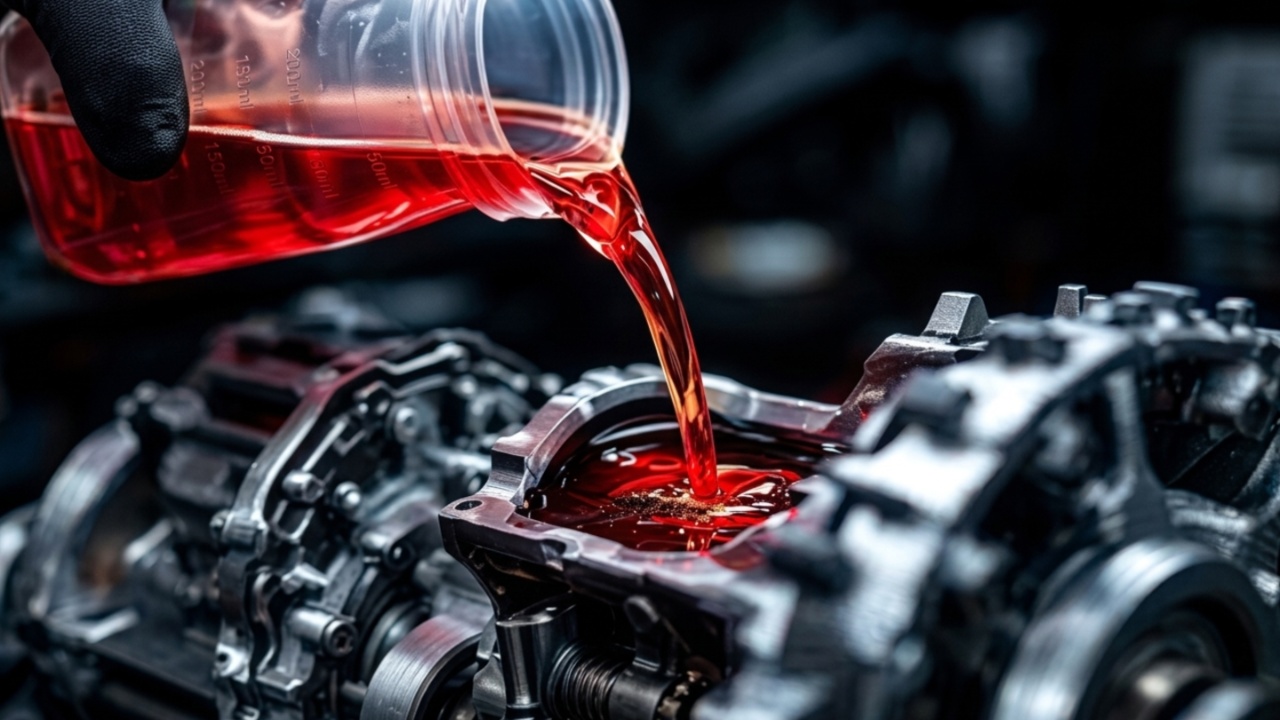
Internal transmission seals are made from rubber and elastomer materials that must stay flexible to maintain proper hydraulic pressure. When towing heavy loads, transmission temperatures can rise beyond safe limits, causing these seals to overheat and harden. Once they lose elasticity, they can no longer create tight seals, leading to internal pressure leaks that weaken clutch engagement and reduce performance.
This damage often creates a destructive chain reaction. As seals begin to fail, clutches apply with less force and start slipping. Slipping increases friction, which produces more heat and accelerates both seal deterioration and fluid breakdown.
Over time, this cycle can lead to severe internal damage and complete transmission failure. Because this process happens inside the system, heat is often referred to as the “silent killer” of transmissions.
At high temperatures, transmission fluid also begins to oxidize, forming varnish deposits that worsen internal conditions. As the heat rises further, seals and clutch materials can become brittle and crack, making leaks unavoidable. Once internal pressure is lost, the transmission cannot function correctly.
An external transmission cooler helps prevent this by lowering and stabilizing fluid temperatures. Keeping the transmission within a safe range preserves seal flexibility and prevents the chemical processes that cause hardening. This allows internal components to continue working properly under demanding towing conditions.
Protecting seals from heat damage is one of the most important reasons to install an external cooler, as it directly prevents one of the most expensive and common causes of transmission failure.
4. Reducing Torque Converter Heat Soak
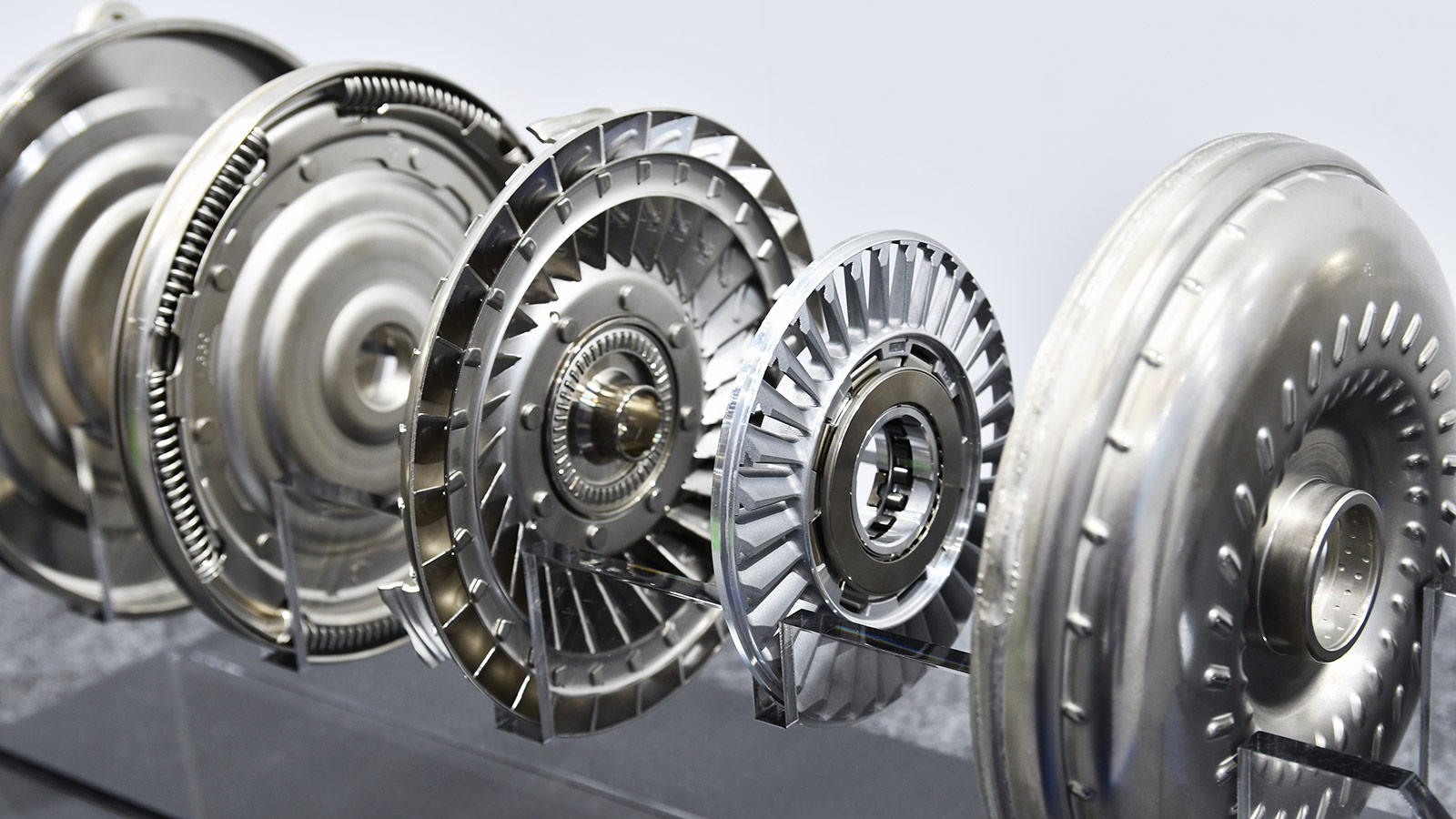
Reducing torque converter heat soak is a key reason to install an external transmission cooler when towing because the torque converter is the main source of heat in an automatic transmission under heavy load. During towing, the converter slips more as it transfers power, especially during acceleration. This slippage generates intense heat, which can quickly overwhelm the transmission’s cooling system.
After a heavy pull, this heat does not immediately dissipate. Instead, it becomes trapped in the torque converter and surrounding components, a process known as heat soak. This stored heat then spreads into the transmission fluid and housing, raising temperatures even further. Without effective cooling, this leads to rapid fluid degradation and increased wear on internal parts.
An external transmission cooler addresses this issue by reducing fluid temperatures by about 20 to 30 degrees Fahrenheit. It removes heat more efficiently than stock systems, especially since it operates independently from the engine radiator. This allows it to cool the fluid faster, even during stop-and-go driving or low-speed conditions where airflow is limited.
Lower temperatures help prevent transmission fluid from breaking down. When fluid overheats, it loses viscosity and its ability to lubricate, which increases friction and accelerates wear on gears, clutches, and bearings. Excessive heat can also damage internal components within the torque converter itself, leading to shuddering, slipping, and eventual failure.
By controlling heat at its source, an external cooler protects both the transmission and torque converter, improving durability and reducing the risk of costly repairs.
5. Maintaining Consistent Hydraulic Pressure
Automatic transmissions function as complex hydraulic systems that depend on precise fluid viscosity to operate correctly. Transmission fluid must remain at the right thickness to generate the pressure needed for smooth and accurate gear shifts.
When towing heavy loads, heat builds up quickly, causing the fluid to thin out. This loss of viscosity reduces the pressure the transmission pump can produce, leading to soft, delayed, or inconsistent shifting.
As pressure drops, clutches take longer to engage fully, creating a sliding effect during shifts. This increases friction and accelerates wear on clutch materials, which can lead to long-term damage. In severe cases, slipping clutches generate even more heat, creating a cycle that worsens transmission performance and reliability.
An external transmission cooler helps prevent these issues by keeping fluid temperatures within a stable range, typically between 175°F and 200°F. By lowering the heat, the cooler maintains proper fluid viscosity, ensuring the hydraulic system can generate consistent pressure. This allows clutches to stay firmly engaged and shifts to remain crisp, even under heavy towing conditions.
Stable temperatures also protect seals and gaskets by preventing excessive fluid expansion and pressure spikes that can cause leaks. In addition, cooler fluid reduces the formation of sludge and varnish, which can interfere with valve body operation and lead to erratic shifting.
By maintaining consistent hydraulic pressure, an external cooler not only improves shift quality but also reduces internal wear. This results in better performance, increased reliability, and a lower risk of premature transmission failure during demanding towing situations.
Also read: 5 Reasons Why Lightweight Sports Cars Are Better for US Backroads
6. Preventing “Strawberry Milkshake” Failure
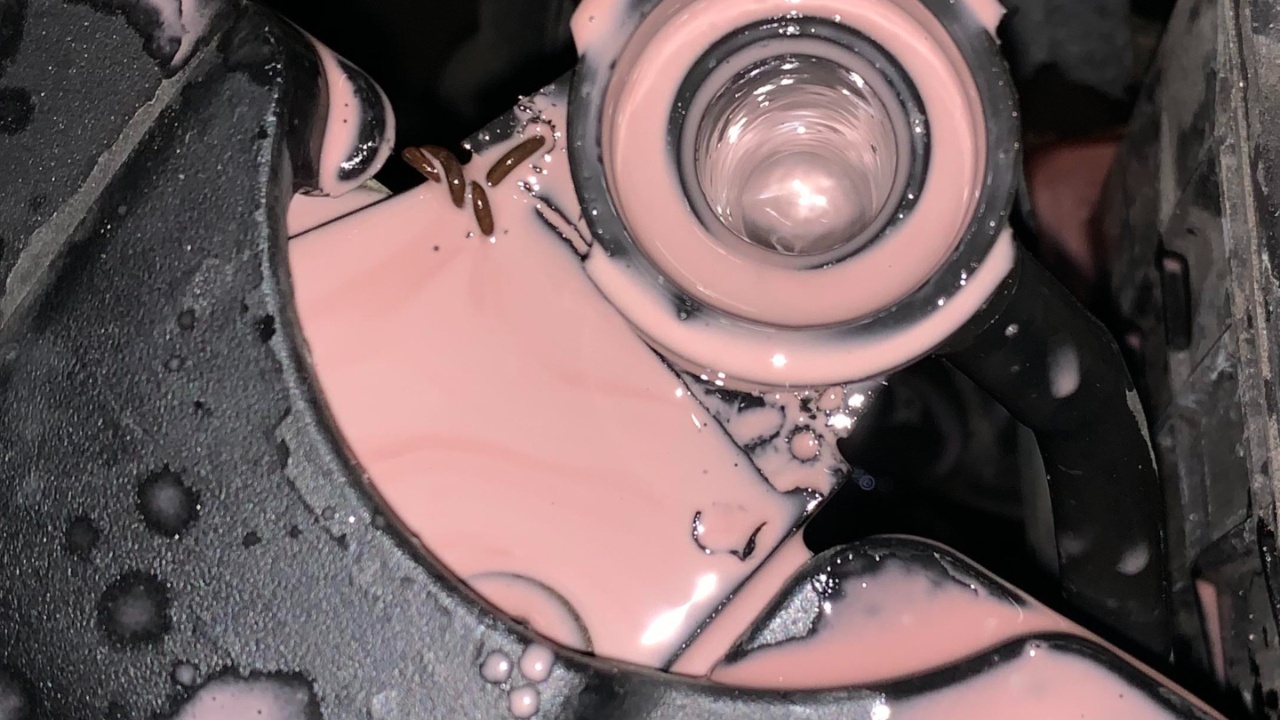
One of the most critical reasons to install an external transmission cooler is to prevent the catastrophic failure known as the “strawberry milkshake.” This occurs when the internal transmission cooler inside the radiator cracks, allowing engine coolant and transmission fluid to mix. The result is a thick, pink sludge that circulates through the transmission and quickly causes severe damage.
This failure is especially dangerous because antifreeze contains chemicals that break down the adhesive material on clutch plates. Once contamination occurs, internal components begin to fail rapidly, often leading to complete transmission failure within a short distance. In most cases, the damage is irreversible and requires a full transmission replacement.
An external transmission cooler eliminates this risk entirely by bypassing the radiator’s built-in cooler. By separating the transmission fluid system from the engine cooling system, it removes the possibility of cross-contamination. This effectively eliminates a major single point of failure found in factory designs.
Towing increases the likelihood of this issue because higher temperatures and pressures put additional stress on the radiator’s internal components. Over time, heat cycling and vibration can weaken the internal cooling lines, making them more prone to cracking under load. An external cooler not only avoids this vulnerability but also provides better heat dissipation, keeping fluid temperatures within a safer range.
In addition to improving reliability, installing an external cooler is a cost-effective preventive measure. It is far less expensive than repairing or replacing a transmission damaged by fluid contamination, making it a practical investment for towing durability.
7. Managing Heat in Stop-and-Go Traffic
Stop-and-go traffic creates one of the toughest challenges for a towing transmission. At low speeds, airflow through the radiator is minimal, reducing the effectiveness of factory transmission coolers. Meanwhile, the torque converter constantly slips to move the heavy load from a standstill, generating intense heat that can quickly overwhelm the system.
This combination of high heat generation and limited cooling creates a critical risk for transmission failure. Fluid temperatures can rise above 200°F, causing the transmission fluid to break down, lose lubrication, and damage internal seals. Slipping gears, increased friction, and eventual catastrophic failure are common outcomes, which is why overheating accounts for roughly 90% of automatic transmission problems.
An external transmission cooler provides a dedicated solution. Acting as a mini radiator exclusively for the transmission, it can lower fluid temperatures by 20 to 30 degrees Fahrenheit.
Many aftermarket coolers include electric fans that actively circulate air even when the vehicle is stationary. This allows the transmission to maintain proper fluid viscosity and hydraulic pressure, preventing slippage and excessive wear during repeated low-speed shifts.
By effectively managing heat in heavy towing conditions, an external cooler keeps the transmission fluid within a safe operating range. This reduces stress on clutches, gears, and seals, prolongs the life of transmission components, and prevents costly failures.
For drivers frequently hauling trailers in congested traffic or performing repeated low-speed maneuvers, an external cooler is essential for maintaining reliable transmission performance.
8. Protecting the Transmission Pump
The transmission pump is the heart of an automatic transmission, responsible for circulating fluid and generating the hydraulic pressure needed for gear shifts and clutch engagement.
When towing heavy loads, the pump works significantly harder to maintain higher pressures, producing excess heat that can compromise its efficiency and longevity. High temperatures cause transmission fluid to break down, thinning out and reducing lubrication, which increases friction and can lead to mechanical galling or metal-on-metal wear inside the pump.
An external transmission cooler is essential for protecting the pump during towing. Lowering fluid temperatures by 20 to 30 degrees Fahrenheit reduces the strain on the pump, maintaining proper fluid viscosity and hydraulic pressure.
This prevents the pump from overworking, which not only preserves its internal tolerances but also protects clutches and other transmission components from damage caused by insufficient pressure.
Preventing fluid breakdown is critical because the pump relies on clean, properly viscous fluid to operate. Overheated, degraded fluid forces the pump to work harder, accelerating wear and potentially leading to complete failure. Cooler fluid also ensures consistent hydraulic pressure, preventing clutch slippage, heat buildup, and a destructive feedback cycle.
In addition, an external cooler alleviates internal pressure on the pump during high-stress situations such as heavy hauling or steep climbs, further reducing the risk of premature wear.
By maintaining the fluid within a safe operating range, the cooler protects the pump and the entire transmission system. Installing an external cooler is a cost-effective preventive measure that prolongs the life of the pump, preserves transmission performance, and prevents expensive failures.
9. Improving Vehicle Reliability
Transmission failure while towing is more than a mechanical issue; it can create serious safety and logistical problems, especially on steep grades or narrow shoulders with heavy trailers. Installing an external transmission cooler acts as a high-value preventive measure, protecting the transmission from heat-related failures for a relatively small investment compared to the cost of a full rebuild.
Heat is the primary enemy of automatic transmissions. Towing heavy loads generates extreme fluid temperatures that break down transmission fluid and accelerate wear on clutches, bearings, and seals.
An external cooler mitigates this by adding a dedicated, high-surface-area heat exchanger that efficiently dissipates heat, lowering fluid temperatures by 20 to 30 degrees Fahrenheit. Even this modest reduction can significantly extend the life of both fluid and internal components, reducing the risk of costly failures.
Cooler transmission fluid maintains proper viscosity, hydraulic pressure, and lubrication, resulting in smoother gear shifts and more consistent torque transfer. This helps the transmission perform reliably under heavy loads and steep inclines, preventing thermal degradation and premature component wear.
Additionally, a dedicated external cooler eliminates the risk of cross-contamination between engine coolant and transmission fluid, a failure that can destroy a transmission in a short distance.
Compared to the expense of a $5,000 to $8,000 rebuild, installing an external cooler is a cost-effective form of preventative insurance. For heavy-duty towing, a stacked-plate cooler is often recommended to maximize heat dissipation and durability.
An external cooler improves vehicle reliability by protecting the transmission from overheating, extending fluid and component life, maintaining performance, and preventing catastrophic failures during demanding towing conditions.
10. Expanding Your Truck’s Operating Envelope
An external transmission cooler does not increase a truck’s rated towing capacity, but it greatly improves the vehicle’s ability to handle that capacity under demanding conditions.
This includes towing through mountainous terrain, during high summer temperatures, or on long trips where the transmission has little chance to rest. By keeping transmission fluid cooler, the system stays within a safe operating range, reducing the risk of overheating and premature failure.
Expanding the operating envelope means increasing the range of conditions under which the transmission can function reliably. Heavy towing produces high heat, often pushing temperatures above 200 to 300 degrees Fahrenheit, which causes rapid fluid breakdown and stresses internal components.
An external cooler dissipates heat more effectively than a factory-integrated system, maintaining proper fluid viscosity and hydraulic pressure even under extreme loads.
A cooler also protects the transmission from overloading by slowing fluid oxidation and reducing stress on clutches, torque converters, and gear components. It allows the transmission to perform safely in high ambient temperatures or on steep grades, preventing the need for frequent stops to cool down.
In stop-and-go conditions, repeated shifting generates additional heat, but the cooler keeps fluid temperatures stable, protecting gear components and reducing internal strain.
By lowering transmission temperatures, an external cooler increases the safety margin for the drivetrain, prevents premature component wear, and extends fluid life. This makes the truck more reliable and capable of handling heavy loads in challenging conditions, effectively turning a standard vehicle into a more robust and versatile towing machine.
An external transmission cooler is an essential tool for anyone towing regularly. It controls fluid temperature, prevents thermal runaway, slows oxidation, preserves seals, and maintains hydraulic pressure, reducing the risk of premature transmission failure.
It also prevents catastrophic issues such as coolant contamination and excessive torque converter heat, keeping internal components safe. Cooler fluid improves shifting, reduces wear, and enhances vehicle performance. For trucks hauling heavy loads, steep grades, or traveling long distances in high heat, an external cooler allows the transmission to operate within safe limits.
Installing one expands the truck’s capabilities, protects critical components, and provides peace of mind. A high-quality external cooler is a cost-effective way to safeguard your transmission, improve reliability, and extend its lifespan for demanding towing applications.
Also read: 10 Cars That Prove Gas Engines Still Make Sense in 2026