
Classic cars from the 1950s carry a reputation that goes far beyond their bold styling and chrome-heavy presence. Slide behind the wheel of one, and something becomes clear almost instantly. These machines were built to glide, not rush.
That smooth, floating ride did not happen by accident. It came from a deliberate focus on comfort that shaped suspension design throughout the decade. Roads were not as refined as they are today, which pushed manufacturers to think differently. Engineers aimed to isolate passengers from bumps, dips, and uneven surfaces.
Rather than chasing sharp handling or aggressive cornering, the goal centered on delivering a calm, cushioned ride that felt effortless over long distances. That mindset influenced everything from spring design to shock absorber tuning.
Drivers today often compare modern suspension systems to those early setups, noting how different the priorities were. Where current cars lean toward precision and control, 1950s vehicles leaned toward softness and ease. Each design choice reflected a clear intention to keep occupants comfortable, even when the road beneath them was less than ideal.
Understanding why this era placed such a strong emphasis on comfort reveals a deeper appreciation for these cars. The following reasons highlight how suspension technology from the 1950s shaped one of the smoothest driving experiences ever created.
1. Soft Coil Springs Designed for a Floating Ride Feel with the 1955 Buick Roadmaster Riviera Hardtop
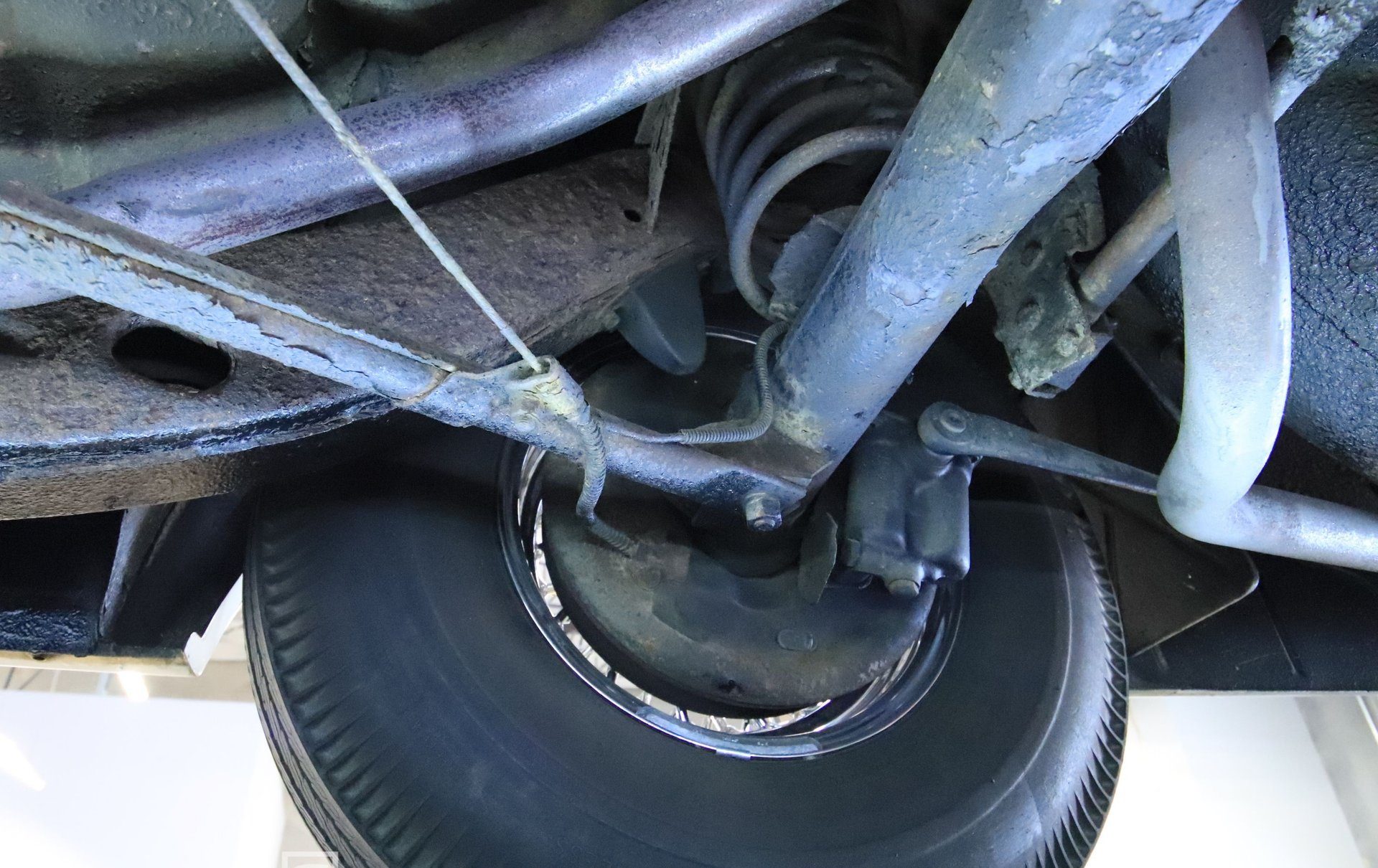
Softness defined the driving experience in a 1955 Buick Roadmaster Riviera Hardtop, and that sensation began with its coil spring setup.
Engineers chose spring rates that leaned heavily toward flexibility, allowing the car to absorb road imperfections with ease. Instead of transmitting every bump through the chassis, the suspension worked to cushion impacts before they reached the cabin.
Picture driving along a slightly uneven road. Rather than feeling sharp jolts, occupants experienced a gentle rise and fall, almost like the motion of a calm wave. That effect came directly from the way the springs compressed and rebounded. Their ability to stretch and settle gradually created a sense of continuous movement rather than abrupt interruption.
Automakers of that period understood their audience. Long drives were common, and comfort mattered more than aggressive handling. A softer spring setup reduced fatigue, making it easier for passengers to remain relaxed even after hours on the road. This approach aligned perfectly with the expectations of drivers who valued ease over precision.
Suspension geometry also played a role in enhancing this softness. Components were arranged to support consistent motion, ensuring that the springs could perform without interference. That careful balance allowed the Roadmaster to maintain stability while still delivering a plush ride.
Critics might argue that such softness reduced cornering ability, and that observation holds some truth. However, performance in tight turns was not the priority. Engineers focused on creating a driving experience that felt smooth and predictable during everyday use.
Driving a 1955 Buick Roadmaster Riviera Hardtop today offers a reminder of how effective that philosophy was. The car does not demand constant correction or attention. It simply moves forward with a steady, composed rhythm that keeps occupants comfortable.
Soft coil springs were more than a design choice. They represented a clear commitment to passenger comfort, setting the tone for suspension systems throughout the decade.
2. Long Travel Suspension Absorbed Rough Roads in the 1957 Ford Fairlane 500 Skyliner
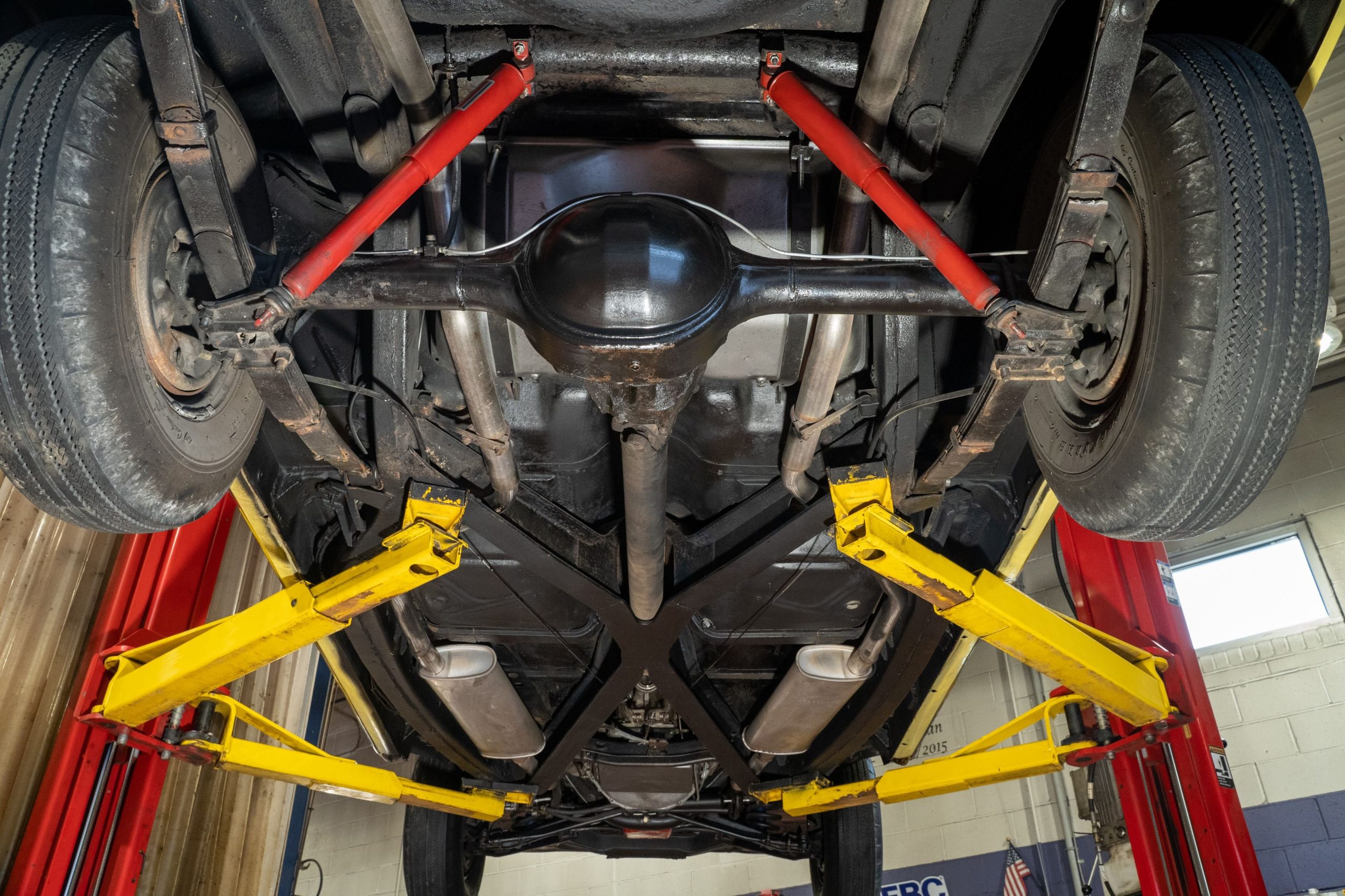
Generous suspension travel became a defining feature of 1950s vehicles, and the 1957 Ford Fairlane 500 Skyliner serves as a strong example. Engineers allowed the suspension to move through a wider range, giving the wheels more freedom to react to uneven surfaces. This design helped maintain stability while reducing the impact felt inside the cabin.
Think about a wheel encountering a deep dip or raised section of pavement. With limited travel, that movement would transfer quickly to the chassis. With extended travel, the suspension had room to respond gradually. The result was a smoother transition that kept the ride controlled and comfortable.
Designing for longer travel required careful planning. Components had to withstand repeated movement without compromising durability. Springs, shocks, and linkages were all tuned to work together, creating a system that could handle variation in road conditions without strain.
Passenger comfort benefited directly from this approach. Sudden jolts were replaced with softer motions that felt less intrusive. Even on poorly maintained roads, the Fairlane maintained a level of composure that drivers appreciated.
Automakers also recognized that this setup improved confidence. A car that handled bumps without harsh reactions felt easier to control, even at moderate speeds. That sense of predictability made driving more enjoyable, especially for those covering long distances.
Weight distribution further supported the system. Larger vehicles like the Skyliner carried enough mass to help smooth out motion, working alongside the suspension to create a stable ride. This combination enhanced the effect of long travel components.
Experiencing the 1957 Ford Fairlane 500 Skyliner highlights how effective this design was. The suspension does not fight the road. It works with it, adapting to changes while maintaining comfort. Extended suspension travel became a hallmark of the decade, proving that thoughtful engineering could transform rough roads into manageable roads.
Also Read: Top 10 Classic Cars With the Most Iconic Front End Designs
3. Hydraulic Shock Absorbers Prioritized Smooth Damping in the 1956 Chrysler New Yorker St. Regis
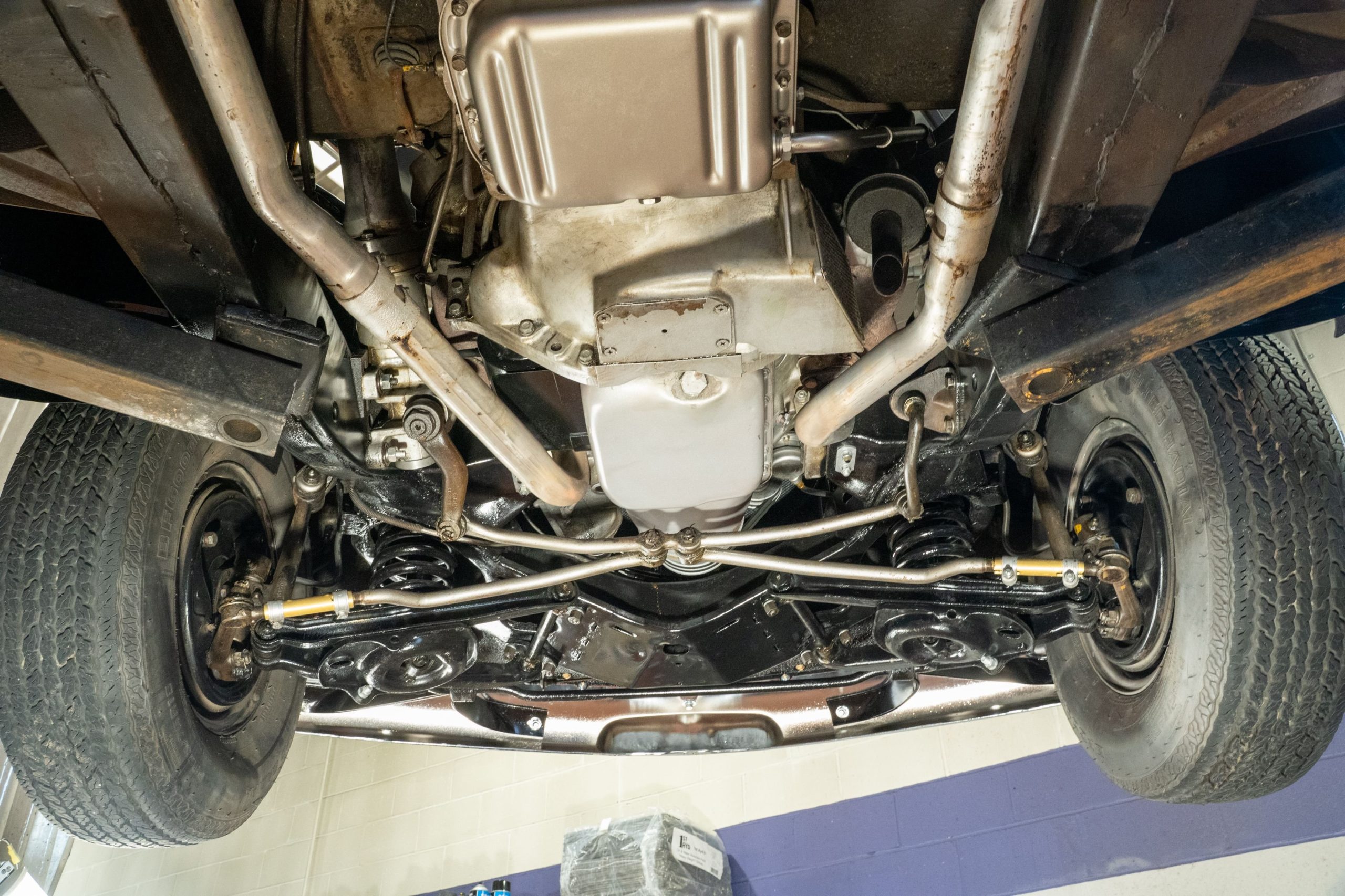
Ride quality in mid-century automobiles depended not solely on spring design but equally on the control of motion after compression and rebound. The 1956 Chrysler New Yorker St. Regis provides a clear illustration of how hydraulic shock absorbers were engineered to deliver a refined and steady driving experience. These components regulated the speed at which the suspension reacted to road conditions, ensuring that movement remained controlled and progressive rather than sudden or disruptive.
Hydraulic shock absorbers operate through the movement of fluid within a sealed chamber. As the suspension compresses or extends, fluid is forced through calibrated valves and narrow passages, generating resistance that moderates motion.
Engineers responsible for the New Yorker St. Regis applied careful tuning to these systems, ensuring that the resistance provided was sufficient to prevent excessive oscillation while still allowing a gentle response to irregular surfaces. This measured approach enabled the vehicle to maintain composure even when encountering uneven road.
Attention must be given to the distinction between uncontrolled bouncing and controlled damping. In a poorly regulated system, a vehicle may continue to oscillate after passing over a bump, leading to discomfort for passengers. In the case of the New Yorker, the suspension absorbed the initial disturbance and returned to its neutral position smoothly and deliberately.
This behaviour contributed directly to passenger comfort, as it eliminated repetitive motion that could otherwise cause fatigue during extended travel. Material selection and engineering precision also contributed to the effectiveness of the system.
Durable seals ensured that hydraulic fluid remained contained under varying conditions, while finely constructed valves maintained consistent performance. These design choices supported reliability, allowing the shock absorbers to function efficiently across a wide range of driving scenarios without degradation.
Passenger experience benefited greatly from this refined damping process. Reduced transmission of harsh movement into the cabin created an environment that felt composed and stable. Individuals seated within the vehicle could engage in conversation or simply enjoy the journey without constant disturbance from the road surface.
Balance remained an essential consideration in the design process. Insufficient damping would result in excessive movement, while excessive damping would create a rigid and uncomfortable ride. Engineers achieved a suitable equilibrium, allowing the suspension to perform effectively under typical driving conditions.
Operating the 1956 Chrysler New Yorker St. Regis demonstrates how well this balance was achieved. The vehicle maintains a steady posture, absorbing irregularities with consistency and grace. Hydraulic shock absorbers, as applied in this model, illustrate a thoughtful approach to motion control that defined suspension design during that period.
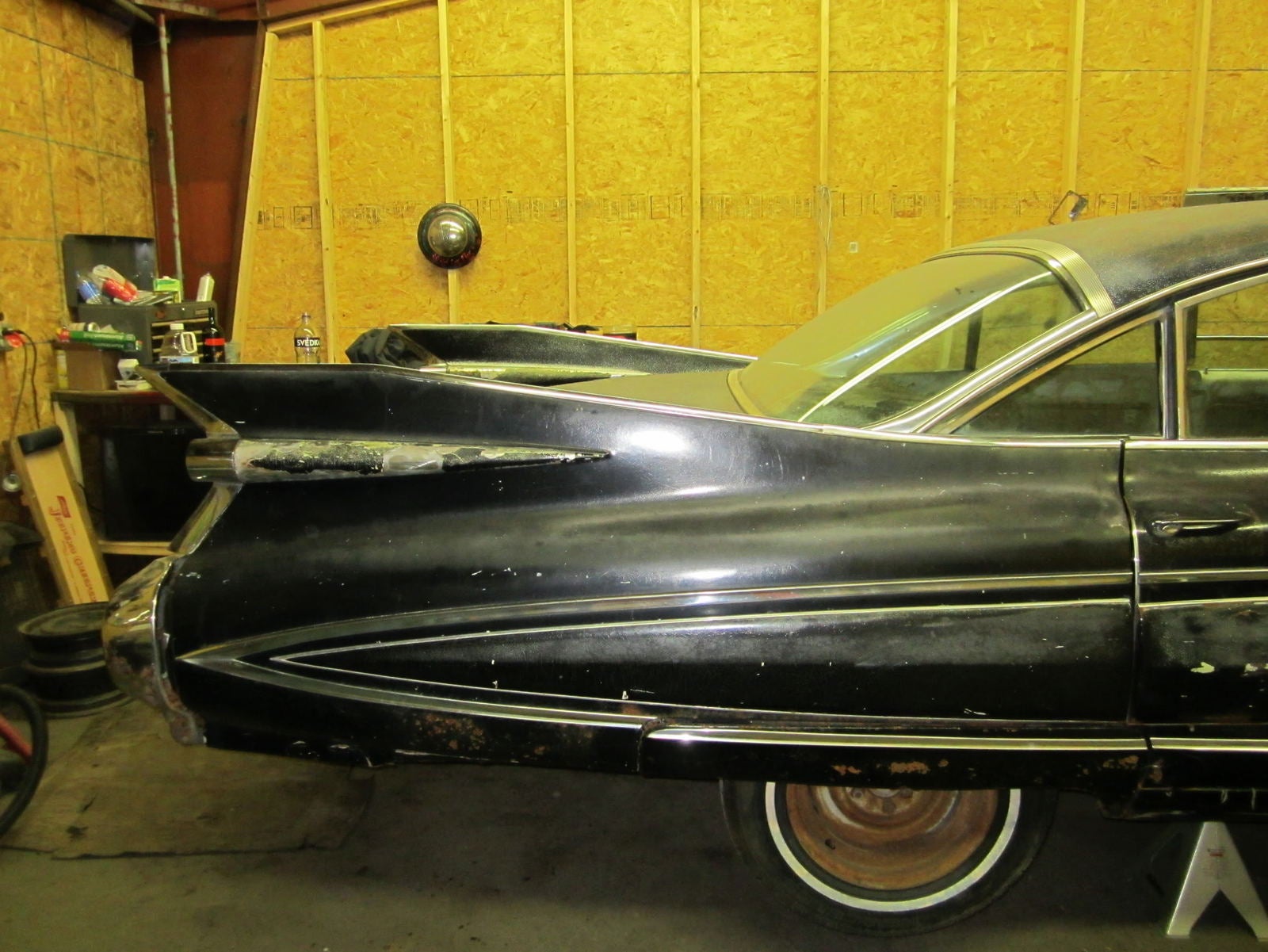
4. Heavy Vehicle Weight Enhanced Ride Stability in the 1959 Cadillac Fleetwood Sixty Special
Vehicle mass, often viewed through a modern lens as a limitation, served a distinct and valuable purpose in mid-century automotive engineering. The 1959 Cadillac Fleetwood Sixty Special exemplifies how substantial weight contributed to ride stability and passenger comfort.
Rather than hindering performance in everyday driving conditions, the increased mass worked in harmony with the suspension system to moderate the effects of uneven road surfaces. A vehicle with greater mass exhibits a natural resistance to abrupt changes in motion.
When encountering irregularities such as bumps or depressions, the added weight absorbs a portion of the impact energy, reducing the extent to which such disturbances are transmitted to the passenger compartment. This principle allowed the Fleetwood Sixty Special to deliver a composed and measured ride, even when road conditions were less than ideal.
Comparison between lighter and heavier vehicles highlights this effect clearly. A lighter automobile responds quickly to surface variations, often transferring a higher degree of motion to occupants. A heavier vehicle such as the Fleetwood, maintains a steadier trajectory, smoothing out the same irregularities with reduced disruption. This quality contributed to a sense of assurance and comfort that drivers and passengers valued highly.
Engineering considerations supported this advantage through robust structural design. The frame and supporting components were constructed to manage the demands associated with increased mass, ensuring durability without sacrificing ride quality. This structural integrity allowed the suspension system to operate effectively, enhancing its ability to absorb and distribute forces encountered during travel.
Passenger expectations during the period also influenced design decisions. A vehicle of considerable weight conveyed a perception of quality and refinement, reinforcing confidence in its performance. Occupants associated this solidity with comfort, expecting a ride that remained stable under varying conditions.
Experience with the 1959 Cadillac Fleetwood Sixty Special confirms the effectiveness of this approach. Movement feels deliberate and controlled, with the vehicle maintaining composure across a range of surfaces. Disturbances are absorbed with minimal intrusion into the cabin, allowing for a relaxed and uninterrupted journey.
When combined with carefully engineered suspension components, vehicle weight served as an asset rather than a drawback. It played a meaningful role in shaping the smooth and reassuring driving experience that characterised automobiles of that era.
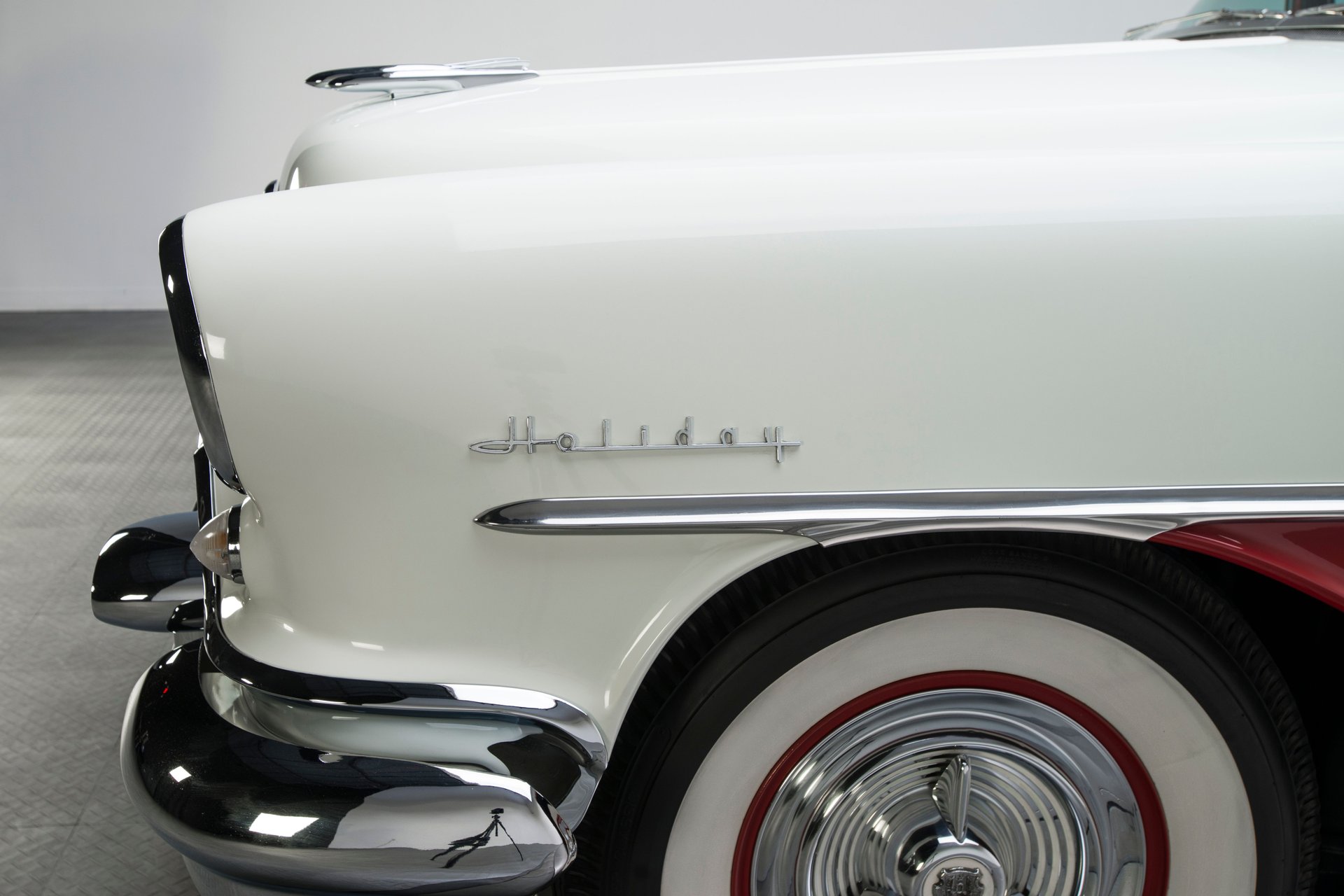
5. Body-on-Frame Construction Reduced Cabin Disturbance in the 1954 Oldsmobile 98 Holiday Coupe
Body-on-frame construction played a defining role in shaping the smooth ride associated with 1950s automobiles, and the 1954 Oldsmobile 98 Holiday Coupe provides a clear example of how this design supported comfort. Unlike modern unibody structures, this method separated the vehicle’s body from its frame. That separation created a buffer between the road and the passenger cabin, allowing vibrations to dissipate before reaching occupants.
Imagine the frame handling most of the stress from uneven surfaces while the body remains relatively isolated. That arrangement reduced the transfer of harsh movement into the interior. Passengers experienced fewer jolts, even when driving over rough patches of road. This isolation effect became a major advantage during a time when road quality varied widely.
Engineers used rubber mounts to connect the body to the frame, which added another layer of cushioning. These mounts absorbed small vibrations and softened the impact of larger disturbances. Instead of a direct connection that would pass along every imperfection, the system filtered motion in a way that preserved comfort.
Structural strength also benefited from this approach. The frame carried the load, allowing the body to focus on providing a comfortable and spacious environment. That separation gave designers more flexibility to prioritize interior refinement without compromising durability.
Driving the 1954 Oldsmobile 98 Holiday Coupe reveals how effective this system was in practice. The car maintains a calm demeanor even when the road surface becomes less predictable. Movement feels controlled, and the cabin remains composed.
Passenger experience improved in subtle yet meaningful ways. Conversations inside the car required less effort due to reduced vibration, and long drives became less tiring. The sense of isolation from the road contributed to a more relaxed journey.
Body-on-frame construction was not simply a structural choice. It reflected a clear intention to protect occupants from the imperfections of the road. That focus on comfort shaped the driving experience of the era and helped define what people expected from a well-built automobile.
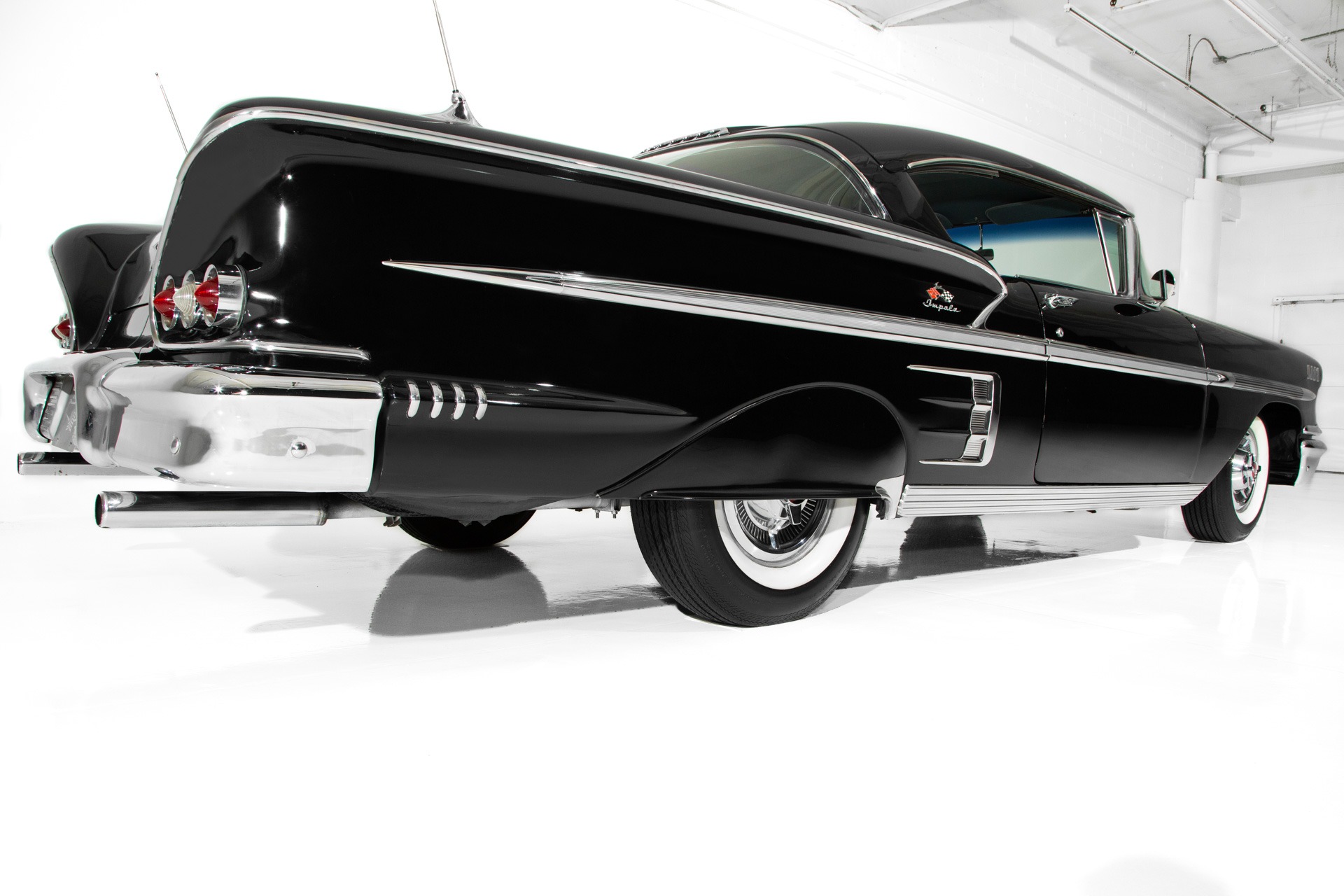
6. Wide Tires and Tall Sidewalls Smoothed Road Imperfections in the 1958 Chevrolet Impala Sport Coupe
Tire design contributed more to ride comfort than many drivers realize, and the 1958 Chevrolet Impala Sport Coupe highlights how wide tires paired with tall sidewalls enhanced the driving experience. These tires acted as an additional layer of suspension, absorbing minor irregularities before they reached the main components.
Tall sidewalls provided flexibility that allowed the tire to compress over small bumps and uneven surfaces. Instead of transferring every detail directly to the suspension system, the tire itself handled part of the impact. This reduced the workload on springs and shocks, resulting in a smoother ride.
Visualize a tire rolling over a rough patch of pavement. With low-profile tires, the impact would feel sharper and more immediate. With tall sidewalls, the tire cushions the contact, softening the sensation before it reaches the cabin. That difference became especially valuable on roads that lacked consistent maintenance.
Width also played a role in stability. A broader contact patch helped distribute weight more evenly, improving traction while supporting a steady ride. This combination of width and sidewall height created a balanced setup that favored comfort without sacrificing control.
Driving the 1958 Chevrolet Impala Sport Coupe demonstrates how these tire characteristics worked together. The car glides over imperfections with minimal disturbance, allowing occupants to remain relaxed throughout the journey.
Engineers selected tire dimensions carefully to complement the rest of the suspension system. Matching tire flexibility with spring softness ensured that each component contributed to a unified goal. This coordination produced a ride that felt cohesive and well-managed.
Passenger comfort improved through reduced vibration and smoother transitions over uneven surfaces. Even small details, such as expansion joints in the road, became less noticeable. Tire design may appear simple at first glance, yet during the 1950s, it played a crucial role in shaping ride quality. The combination of wide tires and tall sidewalls helped deliver the gentle, composed driving experience that defined the era.
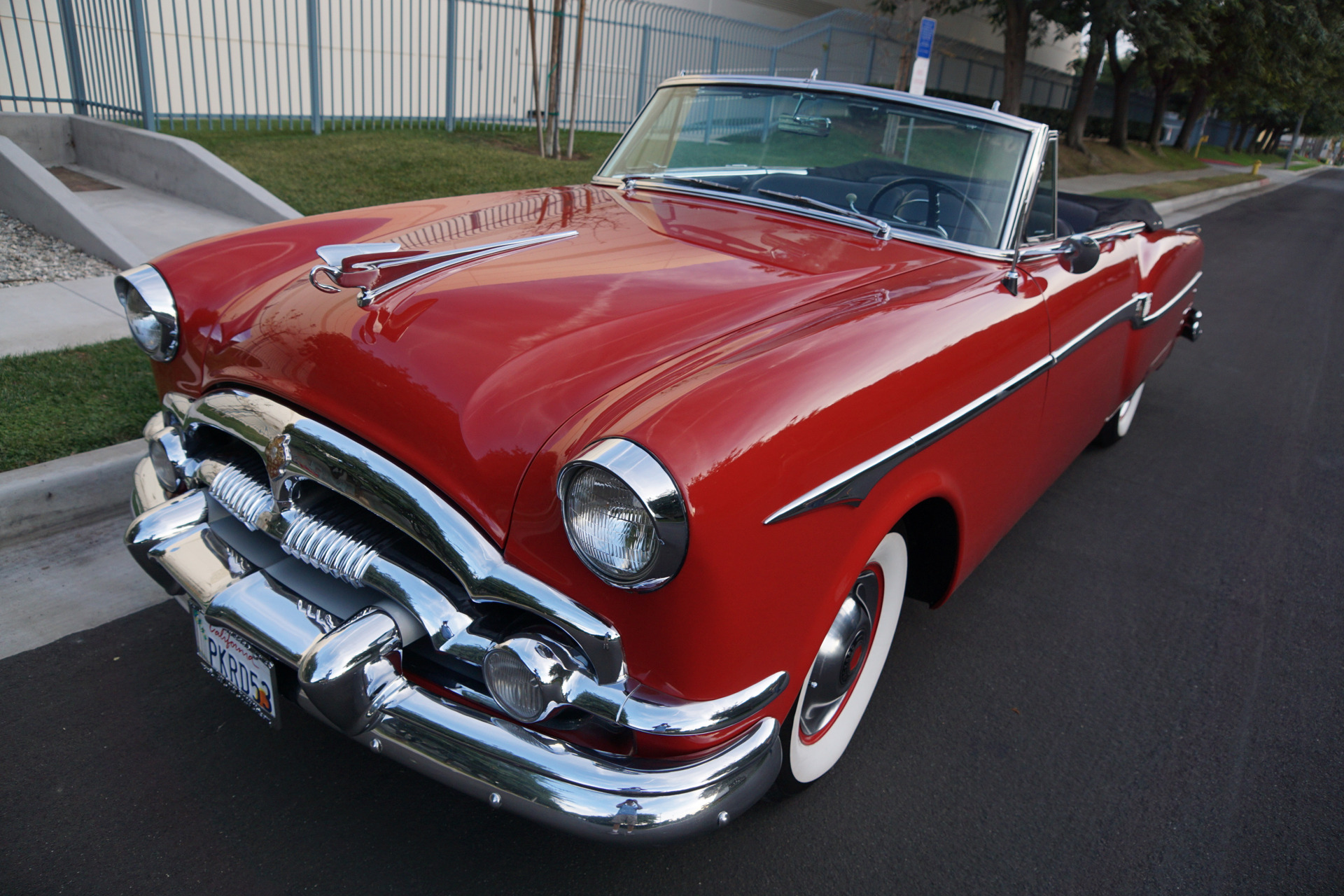
7. Lower Speed Expectations Allowed Softer Suspension Tuning in the 1953 Packard Caribbean Convertible
Driving conditions during the 1950s played a decisive role in shaping the direction of suspension engineering, and the 1953 Packard Caribbean Convertible stands as a clear representation of this relationship. At that time, road networks were still developing, and driving habits differed greatly from present-day expectations.
Speeds were generally moderate, and there was limited emphasis on rapid acceleration or precise cornering. Within this context, engineers could focus on comfort without the pressure to meet high-performance handling demands. Travel during that period often involved long, steady journeys along roads that varied in quality.
Drivers were more concerned with maintaining a consistent pace than achieving quick bursts of speed. This environment allowed suspension systems to be tuned more gently, focusing on absorbing irregularities rather than maintaining rigid control under demanding conditions.
As a result, vehicles delivered a ride that felt composed, steady, and accommodating to passengers. A vehicle designed without the need to prioritise high-speed stability benefits from increased flexibility in its suspension setup. Softer springs and gentler damping characteristics can be introduced without compromising safety or usability.
Engineers working on the Packard Caribbean Convertible made effective use of this opportunity by calibrating the suspension to provide gradual and controlled responses to road conditions. This approach ensured that the vehicle remained comfortable even when travelling over uneven surfaces.
The driving experience offered by the 1953 Packard Caribbean Convertible reflects these design choices clearly. Movement within the vehicle feels measured and predictable, with the suspension responding in a manner that avoids sudden or harsh reactions.
Passengers are shielded from excessive vibration, allowing them to remain at ease throughout the journey. This quality made the vehicle well-suited for extended travel, where comfort played an important role in the entire experience. Design priorities during the era were closely aligned with the expectations of motorists.
Comfort during long-distance travel held considerable value, and manufacturers responded by refining suspension systems to meet this demand. Interior features such as spacious seating arrangements, supportive cushioning, and reduced cabin noise worked in harmony with the suspension to create a relaxing environment.
Operating the Packard Caribbean Convertible today provides insight into how effectively this philosophy was applied. The vehicle moves with a steady and unhurried rhythm, requiring minimal corrective input from the driver. This characteristic supports a driving experience that feels natural and composed.
Lower speed expectations gave engineers the freedom to refine suspension systems with a clear emphasis on passenger comfort. This approach influenced the character of automobiles produced during the decade and remains an important aspect of their lasting appeal.
Also Read: Top 10 Classic Cars That Look Best in Metallic Silver
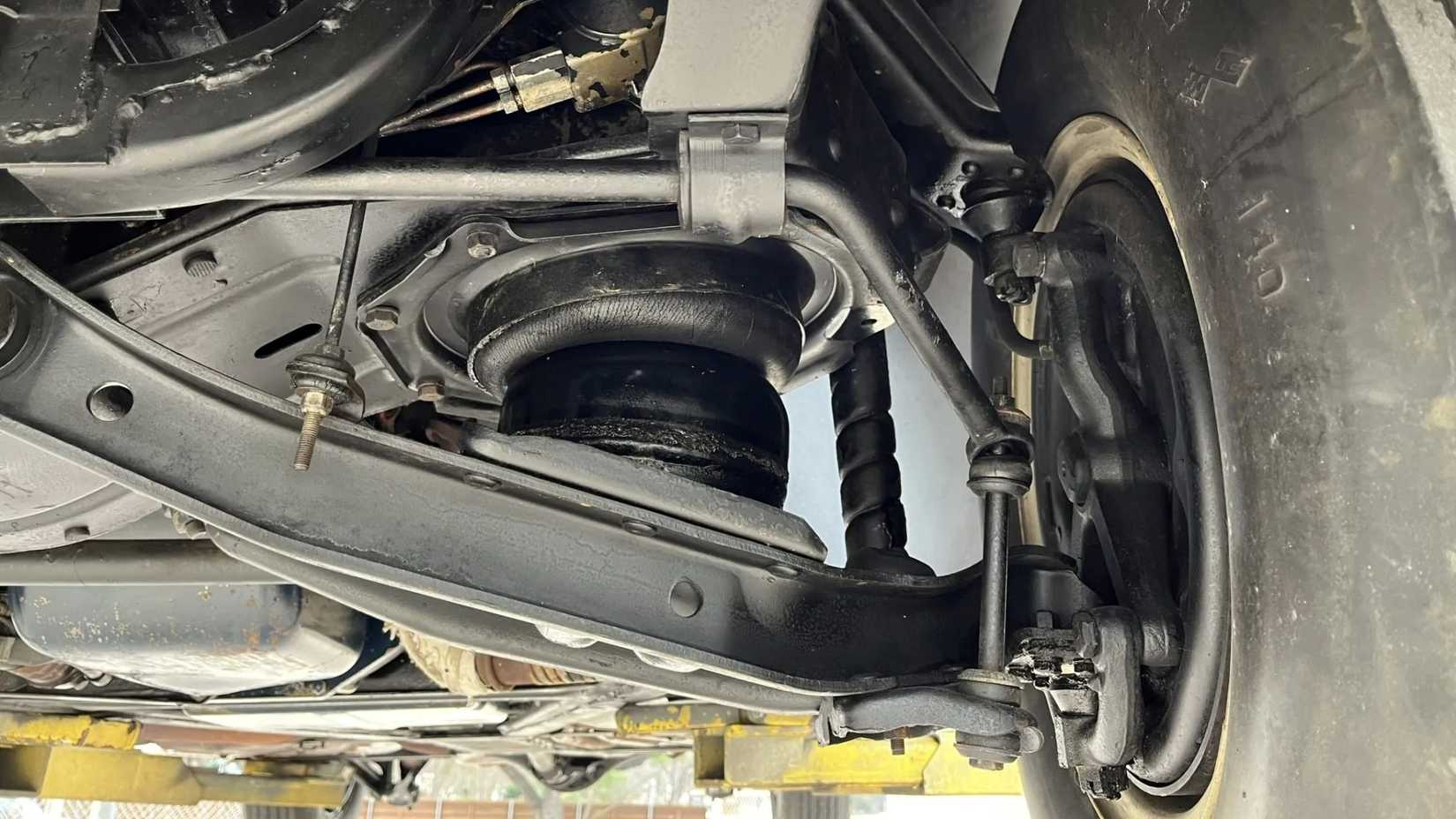
8. Early Air Suspension Systems Introduced Enhanced Ride Cushioning in the 1957 Cadillac Eldorado Brougham
Innovation during the 1950s extended into suspension technology, and the 1957 Cadillac Eldorado Brougham stands as a prime example of early air suspension systems designed to improve comfort. This advanced setup replaced traditional steel springs with air-filled components, allowing for a more adaptable and cushioned ride.
Air suspension operates by using pressurized air to support the vehicle’s weight. Adjusting the air pressure changes the stiffness of the system, providing flexibility that conventional springs could not match. This allowed engineers to fine-tune ride quality with greater precision.
Imagine a system that responds dynamically to road conditions, softening when needed and maintaining stability when required. That capability gave the Eldorado Brougham a level of refinement that set it apart from many vehicles of its time.
Passengers experienced a ride that felt smoother and more controlled. The air suspension absorbed irregularities with ease, reducing the impact of bumps and dips. This created a sense of effortless motion that enhanced comfort during both short trips and extended drives.
Engineering such a system required careful attention to detail. Components had to maintain consistent pressure while responding to changes in load and road conditions. This level of sophistication demonstrated the commitment to improving ride quality.
Driving the 1957 Cadillac Eldorado Brougham reveals how effective this technology was. The car glides across the road with minimal disturbance, offering a level of comfort that feels advanced even by modern standards. Air suspension also contributed to maintaining consistent ride height, which supported both handling and aesthetics. This balance added another layer of refinement to the driving experience.
Early adoption of air suspension marked an important step in the evolution of automotive comfort. The system introduced new possibilities for ride quality, reinforcing the focus on passenger satisfaction that defined the decade.
