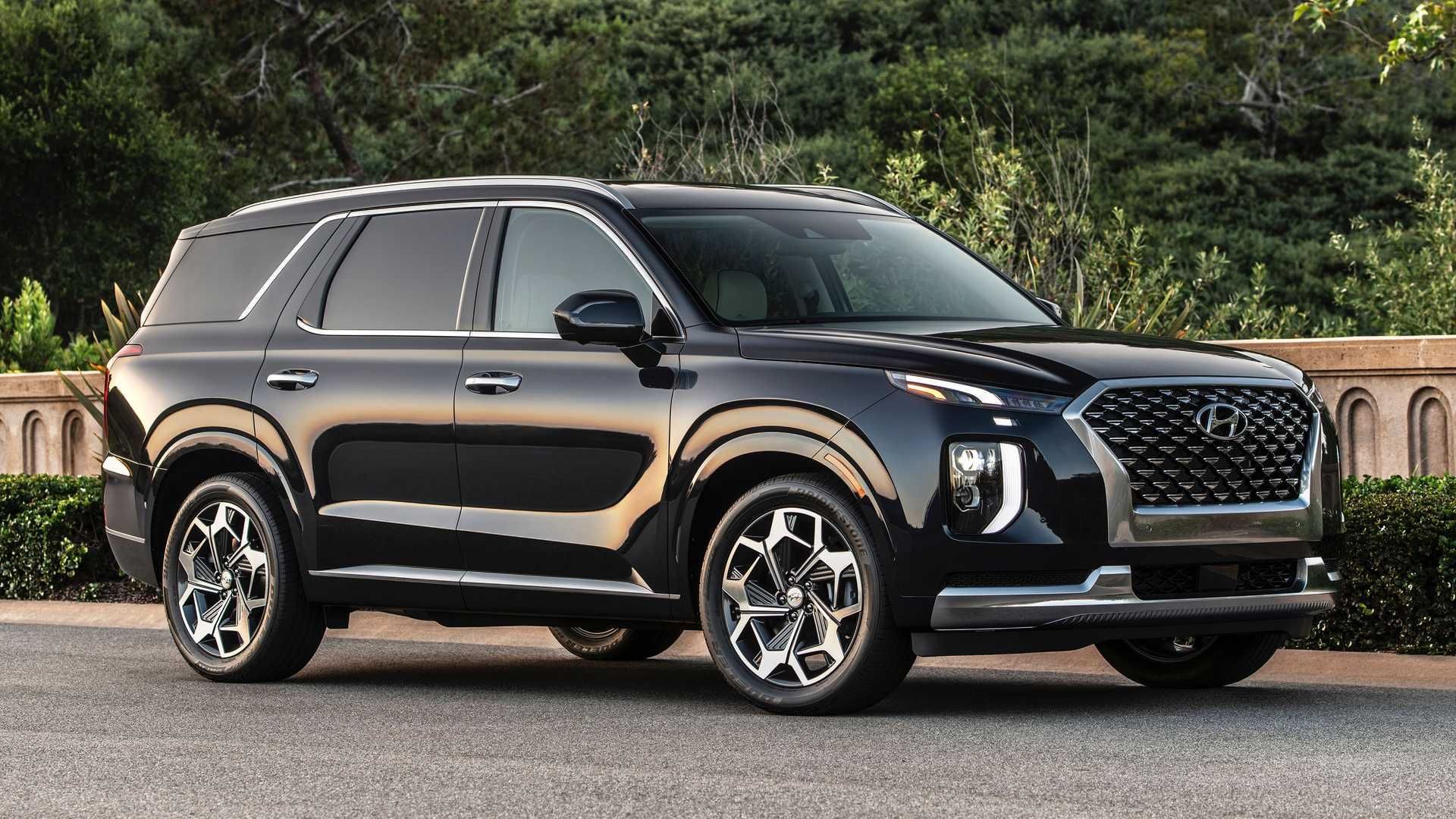
In a time when turbocharged and electrified engines dominate the automotive industry, there remains a loyal group of drivers who appreciate the simplicity and linear power delivery of naturally aspirated engines.
A naturally aspirated engine is one that breathes air without the assistance of forced induction, meaning there is no turbocharger or supercharger pressurizing the intake.
That might seem old school to some, but for many enthusiasts, it means smoother throttle response, a more predictable power curve and an emotional connection to the vehicle.
In 2026, as emission regulations continue to tighten around the globe, fewer manufacturers are offering SUVs with naturally aspirated options, yet several compelling models still exist that blend practicality with the charm of NA powerplants.
These SUVs appeal to drivers who want strong performance without turbo lag and who value an authentic driving feel that feels direct and engaging.
At a time when electrification and small displacement engines are becoming almost universal, choosing a naturally aspirated SUV is almost a statement, reminding us that simpler mechanical solutions can still be rewarding in everyday use.
In this article, we highlight the ten best SUVs sold in 2026 that still offer naturally aspirated engines, from rugged off‑roaders to refined family haulers.
We look at what makes each one unique, the benefits of keeping a non‑turbo engine in the lineup, and why these vehicles continue to matter to a segment of buyers who refuse to let go of a particular type of driving character.
Whether your priority is spirited highway driving, dependable city commuting, the ability to tow a trailer without complex turbo cooldown procedures, or just a love for how a naturally aspirated engine sounds and feels, this list covers a broad spectrum.
We’ll explore a mix of all‑wheel drive and rear‑wheel drive SUVs, models with traditional V6 power and those that make the most of high‑revving four‑cylinders.
We’ll also consider how these vehicles compare in terms of interior comfort, cargo capacity, and value. While many manufacturers have phased these engines out, those that remain offer an option that is not only practical but also deeply connected to a certain type of driving experience.
For buyers who want an SUV that welcomes them into the driver’s seat with a friendly personality and responsive output underfoot, these ten vehicles represent some of the best choices available in 2026.
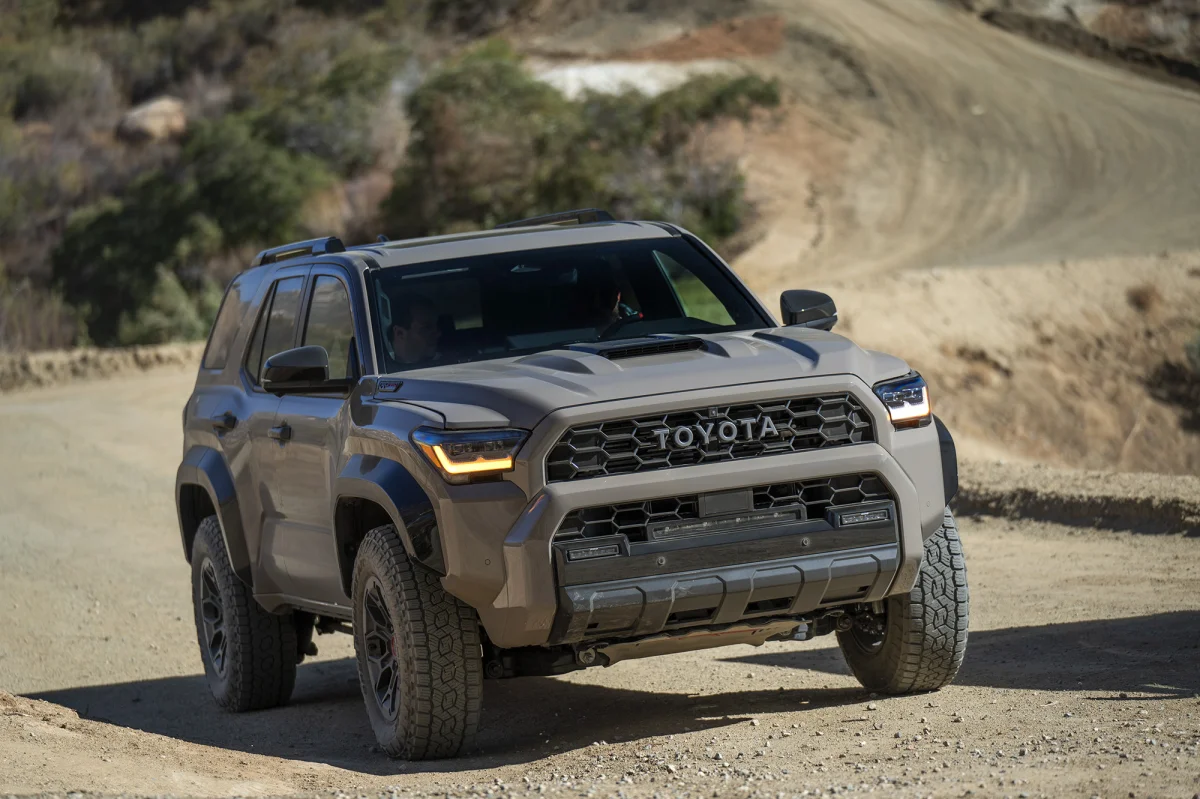
1. Toyota 4Runner
The Toyota 4Runner has long been one of the most dependable and rugged midsize SUVs on the market, and in 2026 it continues with its naturally aspirated V6 engine. Enthusiasts and off‑road drivers appreciate the 4Runner for its durability and the predictable power delivery that its engine provides.
The 4.0‑liter V6 might not make the most peak horsepower compared to forced induction rivals, but its broad torque curve and mechanical simplicity are ideal for rock crawling and long desert trails.
Toyota’s engineering philosophy with this SUV has always centered on reliability, and the absence of forced induction means fewer components that could fail under extreme use.
Inside, the cabin focuses on utility and straightforward controls, with comfortable seating and enough tech features to keep daily commutes pleasant. Cargo capacity is competitive for the segment, making it easy to carry gear for weekend adventures or family trips.
Even though it’s engineered with ruggedness in mind, the 4Runner’s naturally aspirated engine keeps throttle response smooth and linear, which benefits city driving and freeway cruising alike.
Owners who want a vehicle that feels robust and uncomplicated will find that the 4Runner’s engine suits a wide range of needs without sacrificing too much in performance.
Over the years, the 4Runner has maintained a loyal following because it refuses to adopt every trend, and for many buyers in 2026, that is exactly why it remains appealing.
The 4Runner’s engine produces power in a way that feels very natural to drivers, with immediate throttle response and minimal hesitation. This characteristic enhances low‑speed maneuvering on challenging terrain and makes everyday stop‑and‑go traffic less frustrating.
Because there is no turbocharger, there is no need to worry about heat soak after prolonged off‑road use, and towing tasks feel straightforward and predictable.
The V6’s sound is familiar and mechanical, giving the driver constant feedback about engine speed and load. For those who value a connection to their vehicle’s performance characteristics, this type of engine has a timeless appeal.
Toyota has also equipped the 4Runner with a suite of safety systems and modern infotainment options, so the driving experience does not feel outdated despite the traditional powertrain.
While competitors have moved toward smaller, turbocharged engines to meet efficiency targets, Toyota has managed to balance emissions compliance with the retention of a classic NA V6. This makes the 4Runner one of the few SUVs in 2026 that can confidently claim rugged simplicity without feeling antiquated.
In terms of capability, the 4Runner’s naturally aspirated engine is more than adequate for most buyers. When paired with Toyota’s excellent four‑wheel drive system and suspension geometry, this SUV can tackle steep grades and uneven terrain with confidence.
You won’t find the highest horsepower figures here, but you will find consistent torque delivery that drivers can count on in low traction conditions.
Combined with its body‑on‑frame construction, the 4Runner feels ready for adventure from the moment you set off.
It also retains a high towing capacity in its class, making it useful for hauling trailers or boats without complex engine cooling strategies. For families who live an active lifestyle, this balance of utility and simplicity is compelling.
Many buyers who choose the 4Runner in 2026 specifically mention the character of its naturally aspirated engine as a positive attribute. Compared with turbocharged engines that can feel artificial or laggy at low RPM, the 4Runner’s powertrain feels direct and communicative.
The throttle response is consistent whether you’re cruising on the highway or crawling over rocks, and the lack of forced induction hardware means fewer surprises in terms of maintenance costs over the long term.
Some purists will even retrofit performance enhancements more easily because of the straightforward engine design. The result is an SUV that feels robust, predictable and authentic to drive.
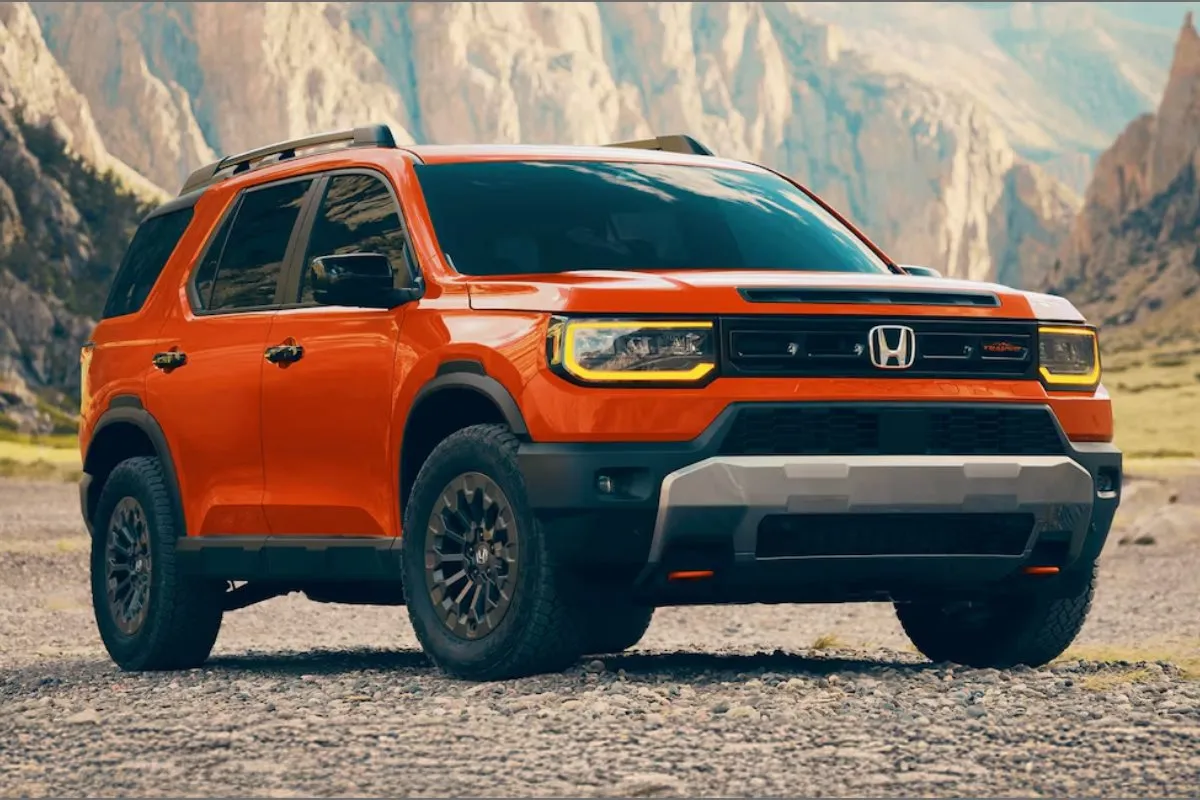
2. Honda Passport
The Honda Passport continues into 2026 with a naturally aspirated V6 that aligns with the brand’s focus on practical performance and everyday usability.
Developed with a balance of power and refinement in mind, this engine offers smooth acceleration without the sensory quirks that sometimes accompany turbocharged units.
Honda engineered the Passport to serve as both a comfortable family SUV and a capable all‑terrain machine for weekend excursions. The interior is spacious with intuitive controls, making it easy for drivers to stay focused on the road and passengers to remain comfortable on longer trips.
Technology features include a responsive infotainment system and driver assistance features that enhance convenience and safety. Cargo space is generous, and the Passport’s design emphasizes functional aspects like wide door openings and easy‑to‑reach storage compartments.
The naturally aspirated V6 contributes to a driving experience that feels reassuringly straightforward, with linear throttle input and accessible torque across a wide RPM range.
This means drivers don’t have to constantly manage boost levels or consult turbocharger behavior; instead they enjoy predictable power generation that feels natural behind the wheel.
The Passport’s engine, though not the most powerful in its category compared to some turbocharged rivals, provides ample power for most daily driving situations.
Passing maneuvers on highways feel confident and composed, thanks to the V6’s broad and usable torque curve. The lack of forced induction also simplifies the engine’s mechanical layout, reducing complexity and potential long‑term maintenance costs.
For owners who plan to keep their SUV for many years, this can be an important consideration. The smooth nature of the power delivery complements the Passport’s comfortable suspension tuning. On rough city streets or uneven rural roads, passengers feel less abrupt jolts.
The entire package feels cohesive, with the drivetrain and chassis calibrated to minimize harshness without dulling the driving experience. For those who value refinement over raw performance figures, this balance is a major selling point.
Honda has also equipped the Passport with a suite of active safety and driver assistance technologies that help make driving less stressful, especially in heavy traffic conditions.
Adaptive cruise control, lane keeping assist, blind spot monitoring and other features work together to add a layer of confidence behind the wheel.
Combined with the naturally aspirated engine’s predictable response, these systems enhance the SUV’s everyday usability.
In an era when turbocharged engines can sometimes feel overly complicated or sensitive to throttle modulation, the Passport feels refreshingly direct. Whether navigating tight city streets or cruising on the interstate, the powertrain feels balanced and communicative.
Off‑road performance is another area where the Passport’s engine characteristics contribute positively.
When traction is low or gradient angles are steep, the linear torque delivery allows for precise application of power. Drivers can prepare their inputs with confidence because the engine responds without delay or unexpected surges.
While it’s not a dedicated off‑roader like some competitors, the Passport handles gravel roads and mild trails competently.
The SUV’s ground clearance and rugged build quality further support this capability. For buyers who want a versatile vehicle that can transition from daily commuting to weekend adventure without fuss, these traits are meaningful.
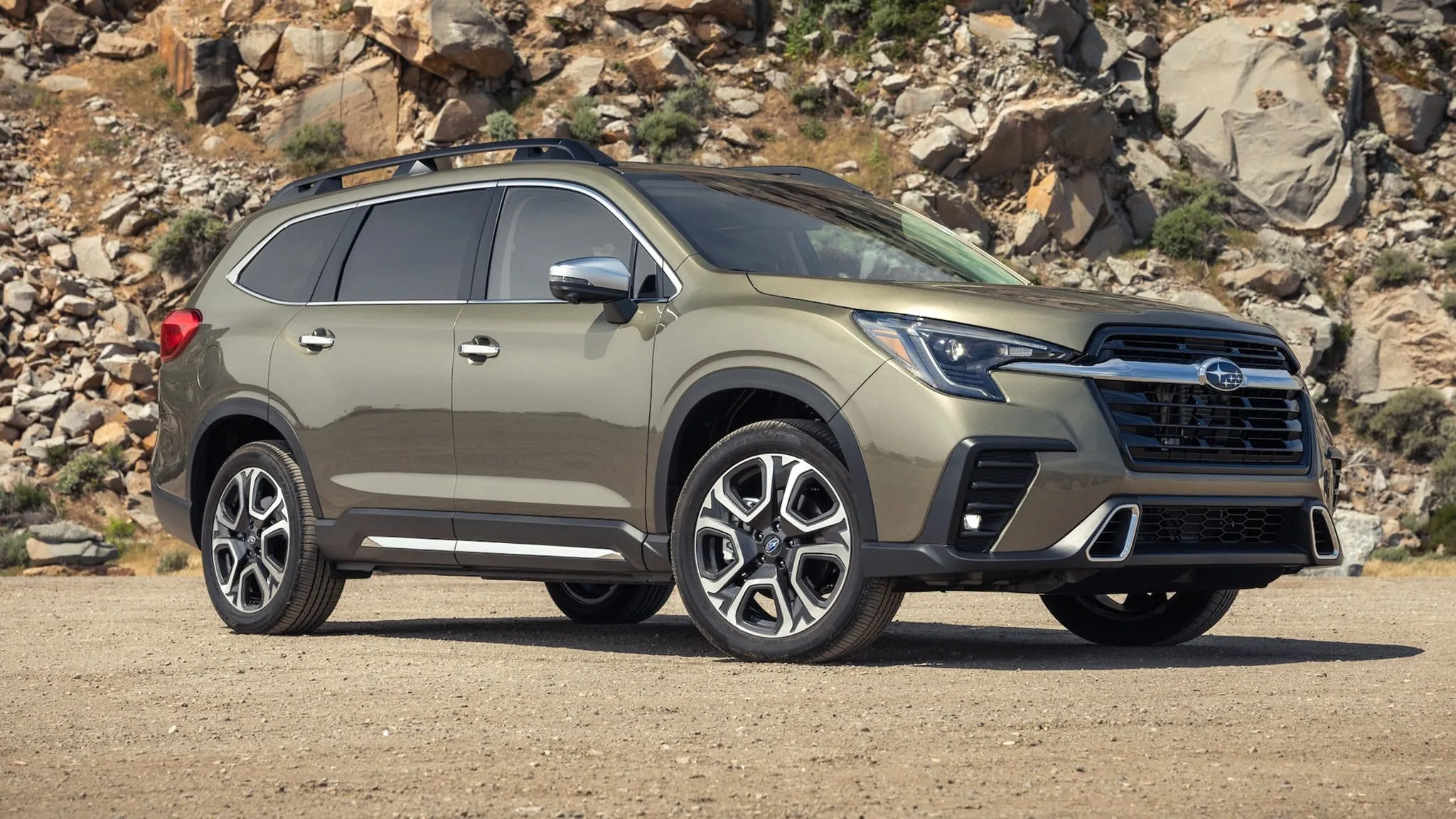
3. Subaru Ascent
The Subaru Ascent has established itself as a family‑oriented SUV with practicality, all‑weather confidence and a naturally aspirated engine tuned for reliability and smoothness.
Built on Subaru’s signature symmetrical all‑wheel drive platform, the Ascent delivers traction and stability in a variety of conditions, making it a compelling choice for buyers in climates prone to rain, snow or gravel roads.
Inside, the cabin is designed with family needs in mind, offering generous cargo space, thoughtful storage solutions and an intuitive array of controls. Technology features include a well‑organized infotainment display, smartphone integration and driver assistance systems designed to reduce stress behind the wheel.
Despite the industry trend toward turbocharging even for larger SUVs, Subaru has chosen to maintain a naturally aspirated engine in the Ascent lineup, emphasizing predictable power delivery and a strong reputation for reliability.
Many drivers appreciate how the engine behaves at lower speeds, with smooth acceleration and immediate responsiveness that feels reassuring in daily urban driving as well as highway travel.
The lack of forced induction means there is no complex cooling strategy or boost management to consider, which appeals to buyers who value mechanical straightforwardness.
Subaru’s emphasis on safety extends throughout the Ascent, with a comprehensive suite of driver assistance systems that make daily driving less stressful.
Adaptive cruise control, lane centering, pre‑collision braking and other supports combine with the SUV’s predictable engine behavior to create an environment where drivers can remain focused on the road.
The naturally aspirated engine adds to this feeling of predictability by eliminating sudden surges or lag that can occur with turbocharged engines, giving drivers a sense of control in a variety of situations. Whether merging into highway traffic or navigating stop‑and‑go conditions, the Ascent’s powertrain feels intuitive and communicative.
When it comes to comfort and practicality, the Ascent offers seating for up to eight passengers with sufficient headroom and legroom across all rows. Storage solutions throughout the cabin make it easy to keep personal items organized, and cargo space remains competitive for long trips or weekly errands.
The naturally aspirated engine’s simplicity also contributes to peace of mind for long‑term ownership, as there are fewer complex components that might require costly maintenance down the line. This can translate to lower ownership costs and a more stress‑free ownership experience over many years.
4. Jeep Wrangler
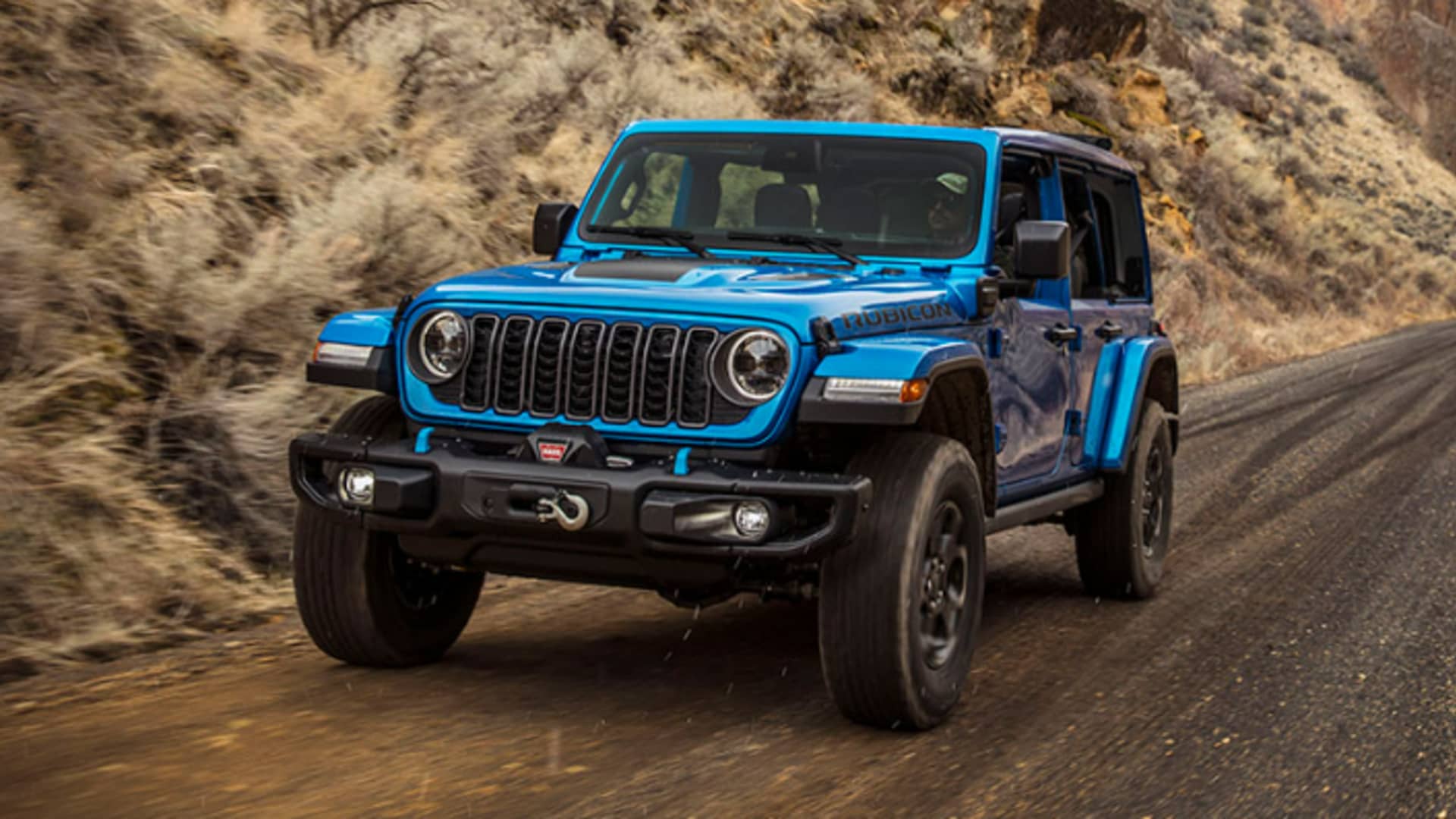
The Jeep Wrangler is one of the most iconic off‑road SUVs ever made, and in 2026 it continues to offer naturally aspirated engine options that attract enthusiasts who want a direct connection to terrain and vehicle behavior.
Jeep’s engineers have long understood that off‑road performance often benefits from powertrains that respond predictably to driver input without the complexity or lag that forced induction systems can sometimes introduce.
A naturally aspirated V6 in the Wrangler delivers torque in a broad range that supports rock crawling, steep climbs and low‑speed maneuvering through challenging terrain. The Wrangler’s rugged chassis, solid axles and available four‑wheel drive systems make it a favorite among those who take adventure seriously.
Despite its rugged focus, the Wrangler also serves well as a daily driver. The naturally aspirated engine provides smooth power for highway cruising, and the SUV’s suspension tuning balances off‑road capability with highway comfort. On paved roads, the engine’s response feels predictable and responsive, making merging into traffic and passing maneuvers feel secure.
Modern infotainment and safety technology keep the interior connected and protected, with features like touchscreen navigation, smartphone integration, blind spot monitoring and rear camera systems enhancing convenience. For buyers who want an SUV that can excel on the trail and still function as a comfortable everyday vehicle, the Wrangler’s combination of capability and usability hits a sweet spot.
Jeep’s commitment to offering customizable trims and accessory options also means that buyers can tailor their Wrangler to specific needs. Whether you want all‑terrain tires, roof racks, upgraded suspension or specialized lighting, the platform supports a wide range of enhancements.
The naturally aspirated engine remains at the heart of this flexibility because its mechanical simplicity makes it easier to tune and adapt to various performance applications without concerns over turbo heat management. For adventure seekers who prioritize modifications and personalization, this characteristic holds meaningful advantages.
5. Nissan Pathfinder
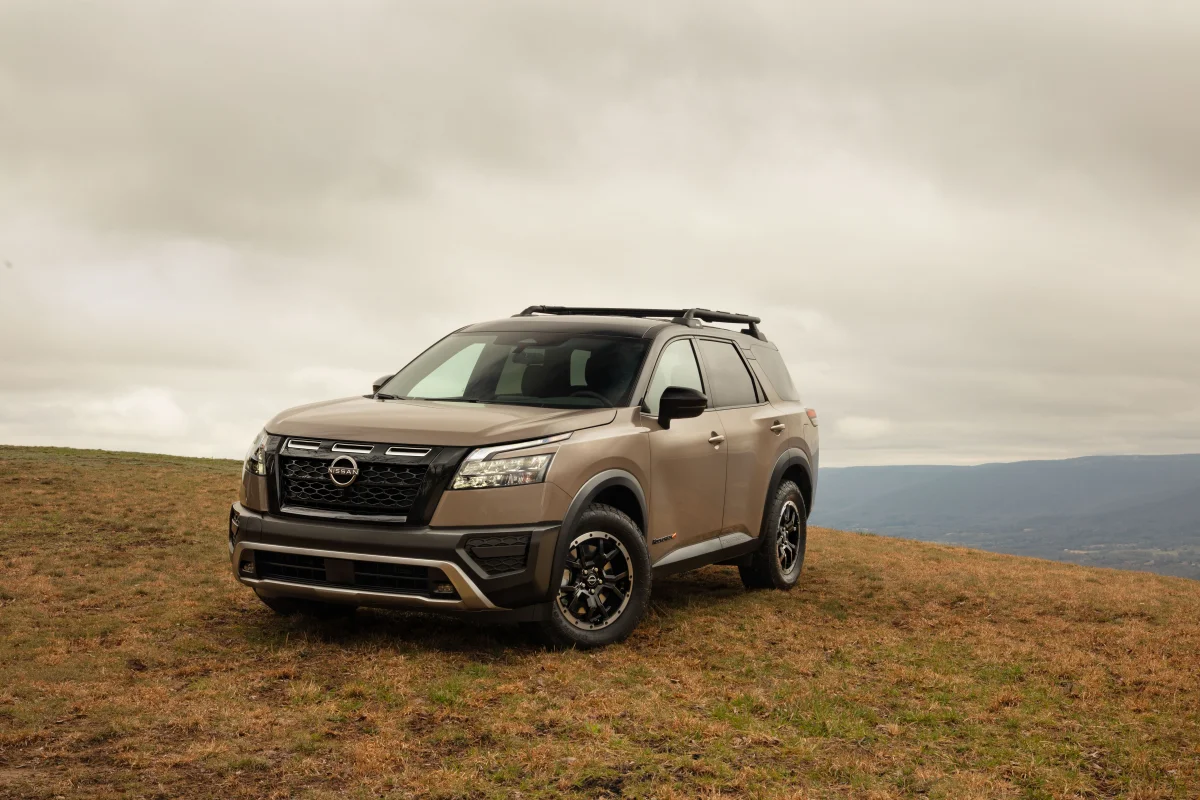
The 2026 Nissan Pathfinder remains a practical family SUV that continues to offer a naturally aspirated V6 engine for buyers who want simplicity alongside versatility.
This engine provides smooth and linear power delivery, which is particularly useful for highway cruising and merging in traffic without the sharp throttle spikes sometimes felt in turbocharged systems.
Its torque curve is broad, making it easy to manage under load, whether towing a boat, hauling gear, or carrying multiple passengers. The cabin of the Pathfinder is thoughtfully designed, with comfortable seating for up to seven occupants and a well-laid-out dashboard that keeps controls intuitive and easy to reach.
Off-road capability, while not as extreme as some dedicated 4×4 vehicles, is supported by the Pathfinder’s all-wheel-drive option and capable ground clearance.
The naturally aspirated engine’s linear performance helps drivers maintain traction on wet, sandy, or uneven surfaces, while the robust suspension ensures composure over rough terrain.
The predictable torque output is particularly beneficial when towing, as it avoids the fluctuations in power delivery sometimes experienced with turbocharged engines under heavy load. Combined with the vehicle’s spacious interior and versatile cargo area, the Pathfinder provides a well-rounded solution for families who occasionally venture off the beaten path.
Long-term reliability is one of the Pathfinder’s strongest points, and the naturally aspirated V6 contributes significantly to this reputation. Fewer components mean fewer potential failures and lower maintenance costs over the life of the vehicle.
Owners benefit from reduced complexity in cooling and engine management systems, which translates into peace of mind for long-term ownership. This simplicity also makes the Pathfinder more approachable for DIY enthusiasts or those who prefer a mechanically straightforward engine when repairs or upgrades are needed.
6. Ford Bronco
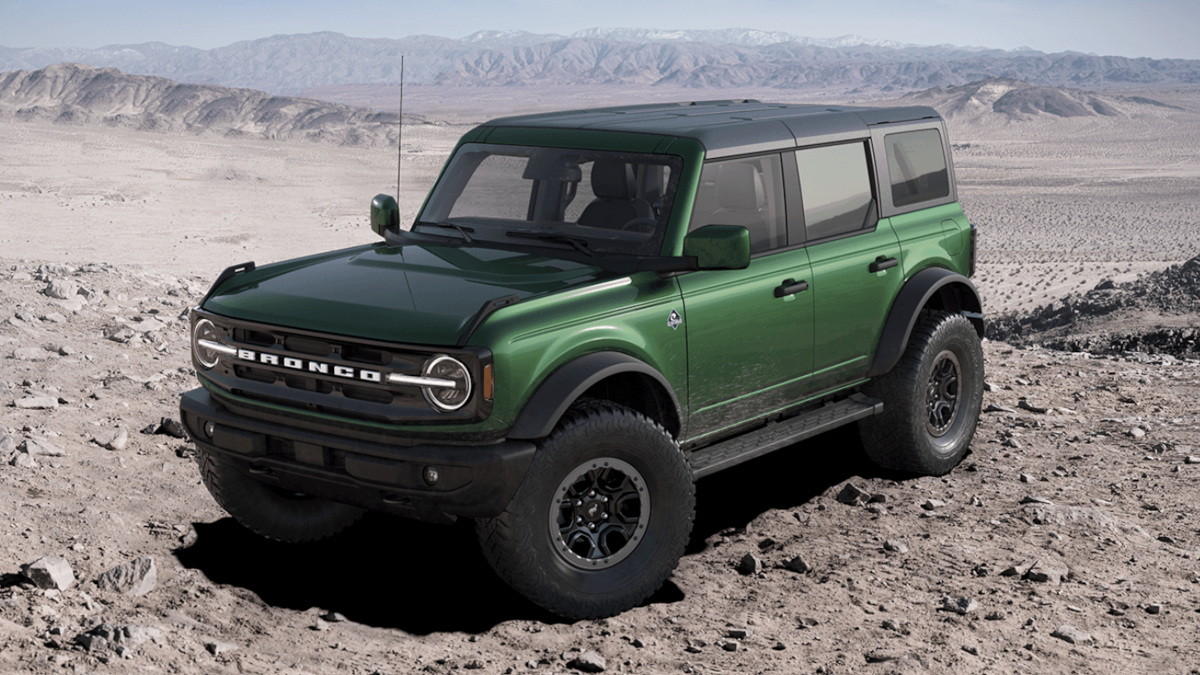
The Ford Bronco continues its resurgence in 2026 with a naturally aspirated engine option that complements its rugged, off-road-focused design. The Bronco’s V6 offers smooth and predictable performance across a wide range of speeds, ideal for drivers who prioritize control when tackling challenging terrain.
Unlike forced induction engines, this NA powertrain delivers immediate throttle response and allows for precise modulation on steep inclines or rocky trails. The interior blends utilitarian and modern touches, providing comfort and technology features without compromising the adventurous spirit of the vehicle.
Cargo space is versatile, with removable rear seats and modular storage options that support outdoor activities, from mountain biking to camping excursions.
The Bronco’s naturally aspirated engine provides reliability and mechanical simplicity, reducing the likelihood of heat-related issues during prolonged off-road use, which makes it a favorite among enthusiasts who spend time away from paved roads.
The Bronco’s off-road proficiency benefits greatly from the naturally aspirated engine’s characteristics. With torque available at low RPMs, drivers can negotiate obstacles with confidence and maintain steady traction on loose surfaces.
Jeep-inspired features, including electronic locking differentials and selectable drive modes, integrate seamlessly with the NA engine, allowing precise control during rock crawling, sand dunes, or muddy trails.
For weekend adventurers who demand a combination of capability and reliability, this setup is highly appealing, as it avoids the complexity and sensitivity that turbocharged engines can introduce in extreme conditions.
Fuel economy is another advantage, as naturally aspirated engines tend to have simpler thermal characteristics and fewer parasitic losses than their turbocharged counterparts. While not the most efficient in absolute terms, the Bronco’s V6 balances power and consumption adequately for both on- and off-road use.
The simplicity of the powertrain reduces potential maintenance concerns and increases confidence for long trips or remote excursions. In addition, the engine’s sound and linear performance create a visceral driving experience, enhancing the SUV’s adventurous character.
7. Chevrolet Tahoe
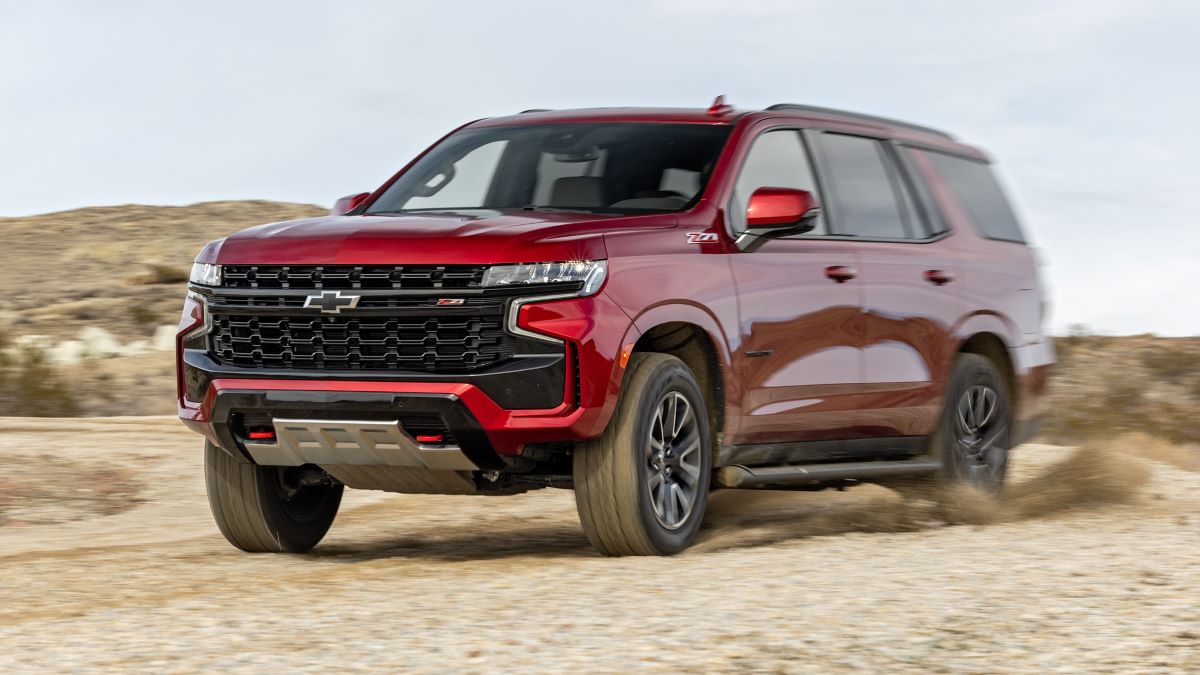
The Chevrolet Tahoe continues into 2026 with a naturally aspirated V8 engine option, appealing to buyers seeking a traditional SUV experience with ample power and towing capability.
The 5.3-liter V8 delivers broad torque at low RPMs, providing effortless acceleration whether carrying passengers, towing trailers, or navigating highway traffic.
Unlike turbocharged alternatives, the engine does not require complex boost management or cooling strategies, resulting in mechanical simplicity and predictable behavior under load. The Tahoe’s interior is spacious and comfortable, with seating for up to eight passengers and generous cargo capacity.
Infotainment features, including a large touchscreen, smartphone integration, and advanced safety systems, ensure the SUV feels contemporary despite its traditional powertrain.
This combination of raw capability and modern amenities makes the Tahoe a practical choice for families, contractors, and outdoor enthusiasts alike.
Off-road and towing capability are enhanced by the Tahoe’s naturally aspirated engine. Torque is readily available at low speeds, allowing the SUV to maintain traction on uneven surfaces and steep inclines.
Towing a trailer or carrying heavy cargo feels effortless, as the engine’s broad torque curve eliminates the need for excessive downshifting or careful boost management.
Combined with Chevrolet’s advanced 4×4 options, including selectable terrain modes and a locking rear differential, the Tahoe’s NA V8 provides both reliability and control for challenging conditions. This simplicity translates to fewer potential mechanical issues over time, making it an attractive option for those who prioritize durability.
Maintenance and long-term ownership are key advantages of the Tahoe’s naturally aspirated engine. With fewer components than a turbocharged system, there is less to service or replace, resulting in lower long-term maintenance costs.
The engine’s design also allows for straightforward repairs or modifications, appealing to buyers who enjoy a hands-on approach to vehicle upkeep. Furthermore, the V8 provides a traditional exhaust note and mechanical feel that many enthusiasts appreciate, reinforcing the connection between driver and SUV.
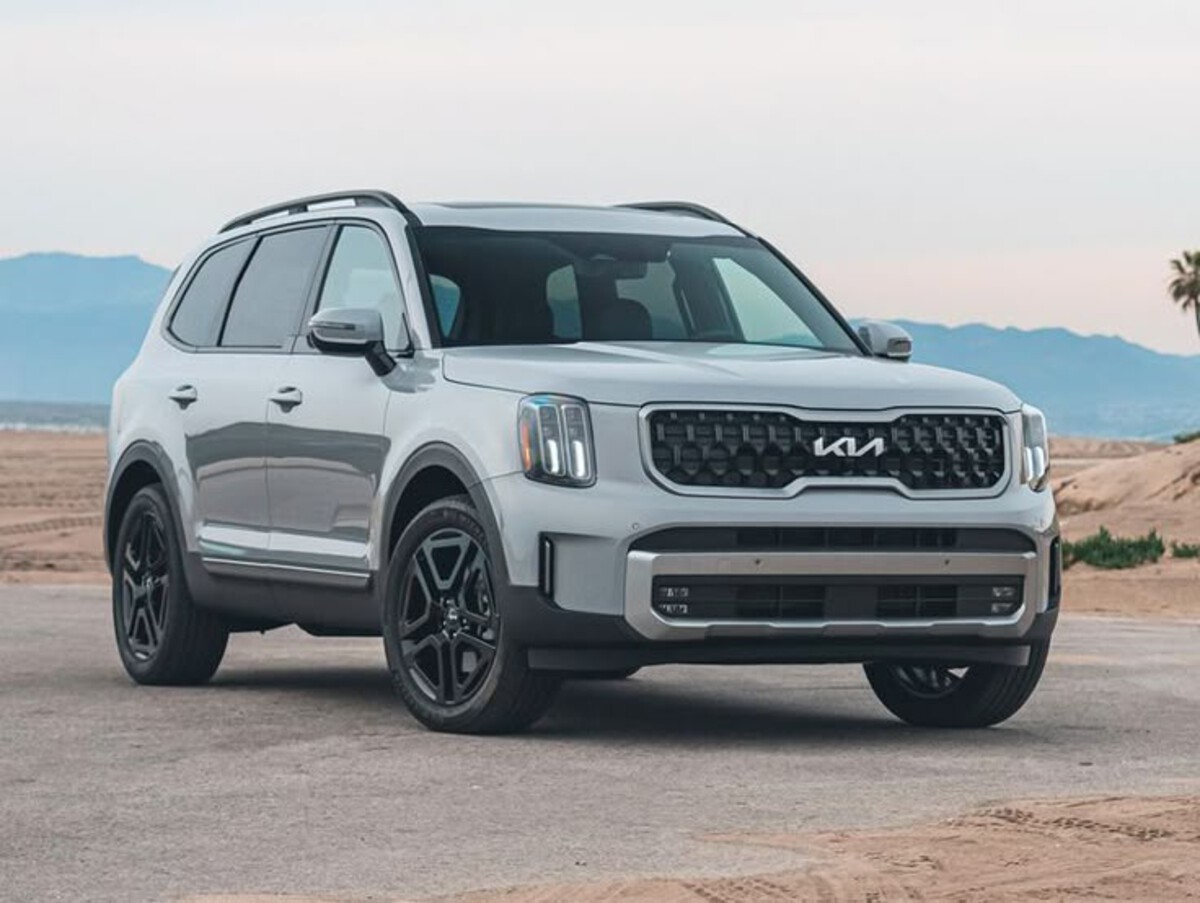
8. Kia Telluride
The Kia Telluride in 2026 continues to offer a naturally aspirated V6 engine that balances smooth performance with practicality for families and daily drivers. This engine provides linear and predictable power delivery, ensuring that acceleration feels controlled and responsive in all driving conditions.
With a displacement of 3.8 liters, the V6 produces ample torque for highway merges, passing maneuvers, and moderate towing tasks without introducing turbo lag or complex boost management.
The cabin remains one of the most spacious and refined in its segment, with comfortable seating for up to eight passengers, high-quality materials, and an intuitive infotainment system that supports smartphone integration and driver-assist technologies.
The naturally aspirated engine contributes to a low-stress driving experience, as drivers can count on consistent performance without worrying about overheating or turbo-related quirks.
Fuel efficiency, while not class-leading, is reasonable for a midsize SUV with a naturally aspirated V6. The engine’s simplicity minimizes parasitic losses and ensures steady performance under various driving conditions.
Combined with the Telluride’s aerodynamics and weight distribution, this results in a balanced driving experience that maximizes comfort and usability. Furthermore, the engine’s mechanical reliability makes it easier to service or maintain over the long term, which appeals to buyers looking for a vehicle that can perform well for many years without costly repairs.
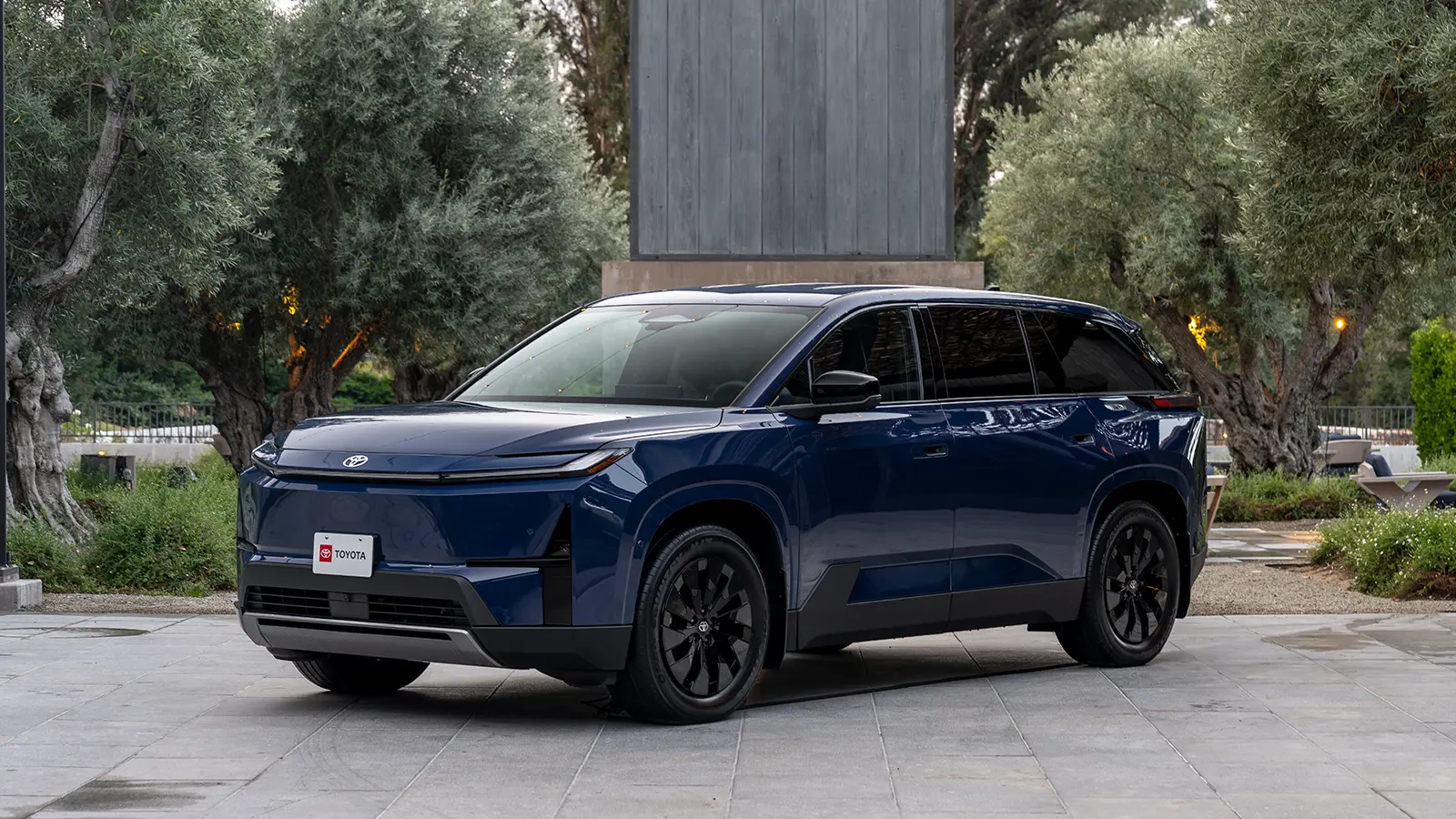
9. Toyota Highlander
The Toyota Highlander in 2026 continues to provide a naturally aspirated V6 engine option that appeals to buyers seeking reliability, smooth performance, and a predictable driving experience.
This engine is tuned for everyday usability, delivering torque and power evenly across a wide RPM range without turbo-induced lag.
The cabin is designed for family comfort, with three rows of seating, high-quality materials, and an intuitive infotainment system that integrates well with modern smartphones. Driver assistance features such as adaptive cruise control, lane departure warning, and blind spot monitoring enhance safety and convenience.
The naturally aspirated engine ensures that drivers can focus on the road, with a linear throttle response that feels natural and communicative, providing confidence in a variety of driving conditions.
The Highlander’s naturally aspirated engine also enhances towing and cargo capabilities. With a flat torque curve and steady performance under load, the SUV can handle small trailers or boats without complications associated with turbo boost management.
Interior flexibility, including fold-flat rear seats and abundant storage compartments, allows the vehicle to accommodate passengers and gear with ease.
Whether used for family vacations or routine errands, the Highlander provides a versatile and dependable platform for a wide range of tasks, making it a practical option for buyers who value utility without sacrificing comfort or reliability.
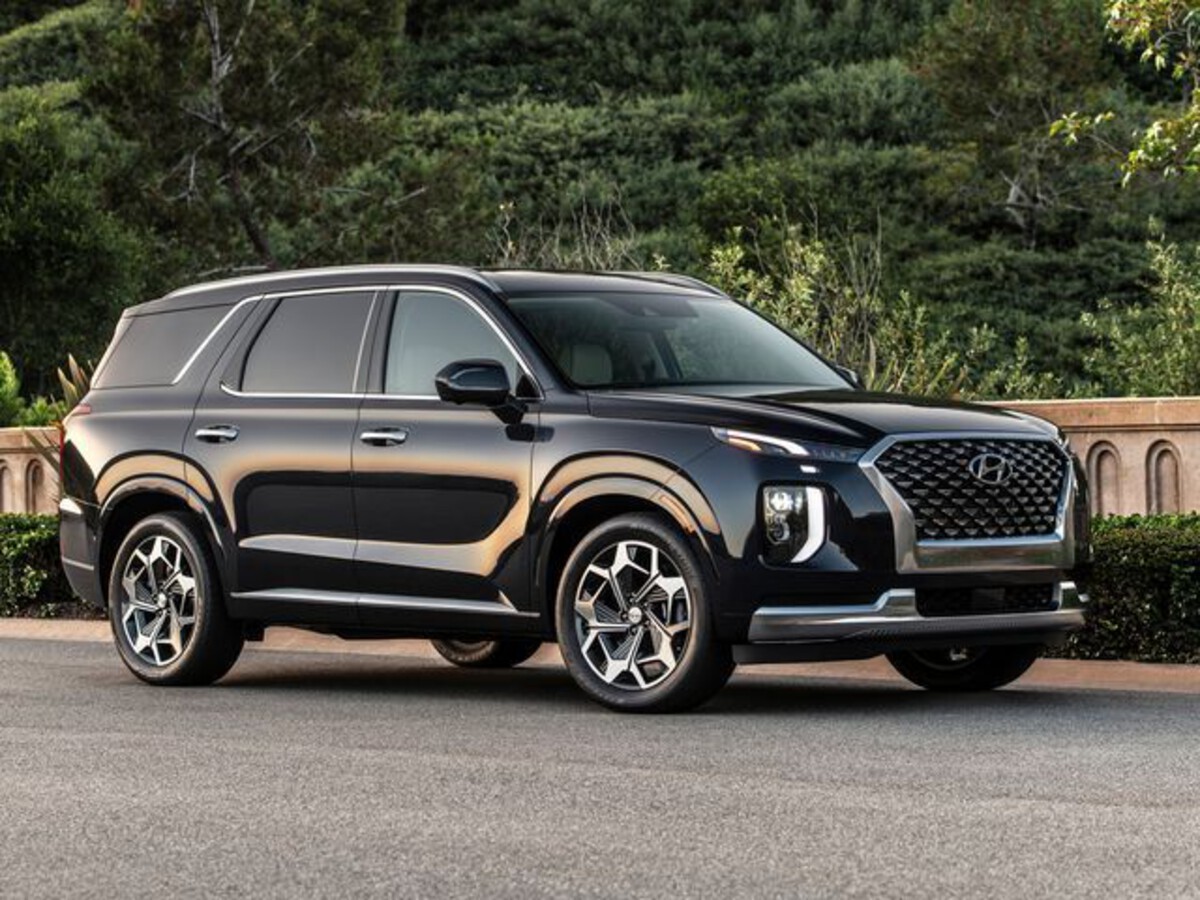
10. Hyundai Palisade
The Hyundai Palisade continues in 2026 as a naturally aspirated SUV that prioritizes comfort, practicality, and smooth performance for daily driving and family use. Its 3.8-liter V6 provides predictable and linear power delivery, making it easy to handle in city traffic, suburban roads, and long-distance highway travel.
The engine’s responsiveness ensures drivers can accelerate smoothly under load or while towing, without the hesitation that can sometimes occur with turbocharged units. Inside, the Palisade offers a spacious cabin with three rows of seating, high-quality materials, and user-friendly infotainment and connectivity options.
Driver assistance technologies enhance safety and reduce stress, creating a comfortable and confident driving environment for families. The naturally aspirated engine supports a seamless integration of powertrain and chassis, resulting in a smooth and intuitive driving experience that feels reliable and straightforward.
Long-term reliability is another key benefit of the Palisade’s naturally aspirated engine. Fewer components than a forced induction setup mean reduced maintenance needs and lower potential for unexpected repairs.
The engine’s simplicity contributes to peace of mind for long-term ownership, and it also allows for straightforward servicing and minor performance adjustments if desired. Owners can expect consistent performance for years, making the Palisade a practical and low-stress choice in the midsize SUV market.