In 2026, the automotive industry is dominated by digital touchscreens and fully integrated infotainment systems. While these modern interfaces offer sleek aesthetics and advanced functionality, a growing number of drivers are seeking vehicles that maintain tactile, physical controls.
Real buttons provide an intuitive, reliable, and distraction-free way to operate essential features such as climate control, audio, and drive modes.
Unlike touchscreens that require visual attention or precise gestures, mechanical switches allow drivers to rely on muscle memory and instinct, enhancing both safety and convenience. This trend reflects a broader appreciation for ergonomics and practical design in an era of increasingly complex technology.
Vehicles that preserve real buttons acknowledge the importance of human factors, combining modern engineering with straightforward operation that feels natural behind the wheel.
Physical buttons also contribute to a sense of connection between driver and vehicle. Each press or twist delivers immediate feedback, creating a tangible interaction that touchscreens cannot replicate.
Drivers can adjust cabin temperature or audio volume without taking their eyes off the road, allowing them to focus on traffic conditions and situational awareness.
In addition, tactile controls can be especially useful in adverse conditions, such as driving with gloves, during rain, or at night, when a touch-only interface can become cumbersome or distracting.
Automakers who retain mechanical buttons recognize that not every technological advancement improves everyday usability, and in some cases, simplicity enhances both safety and enjoyment.
These vehicles prove that modern design does not necessitate fully digital cockpits and that practicality can coexist with innovation.
In the following list, ten standout models have been selected for their thoughtful integration of physical controls, offering drivers a driving experience that is both intuitive and engaging.
Whether prioritizing convenience, safety, or performance, these vehicles demonstrate that buttons still have a valuable place in the cars of the future.
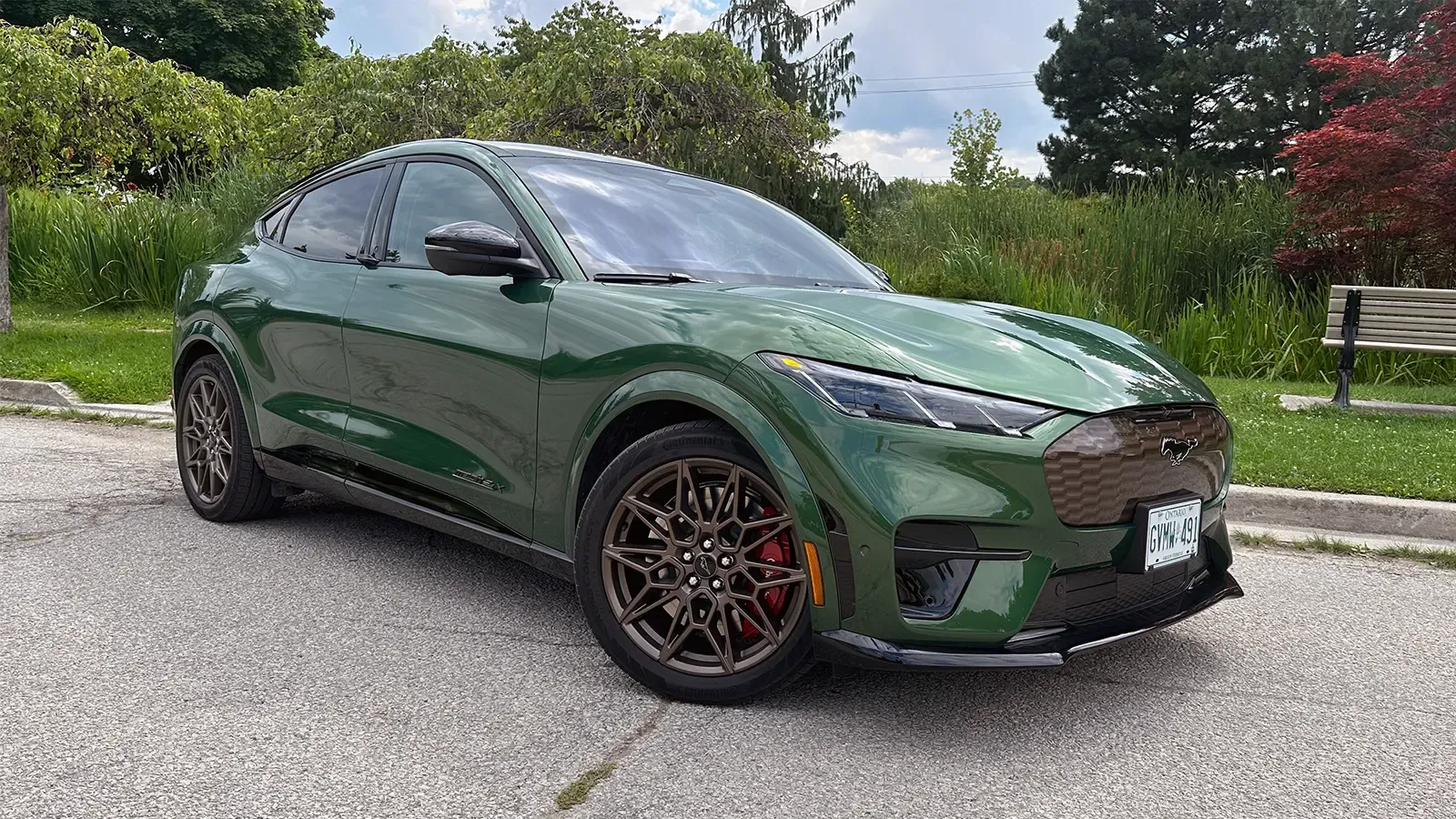
1. 2026 Ford Mustang Mach-E GT
The 2026 Ford Mustang Mach-E GT strikes a balance between futuristic electric performance and traditional tactile control. While many modern vehicles prioritize large touchscreens for climate, audio, and navigation, the Mach-E GT maintains physical buttons that make daily driving more intuitive.
These buttons allow drivers to adjust temperature, audio volume, and drive modes without having to look away from the road.
For those who prefer the assurance of mechanical feedback, the Mach-E GT offers a user-friendly interface that feels familiar. Physical controls are strategically placed within reach of the driver, enhancing safety while keeping convenience high.
Beyond its buttons, the Mach-E GT delivers impressive acceleration, rivalling many sports cars despite being an SUV. The tactile switches for drive mode selection let drivers quickly switch between comfort and performance settings.
Each button is designed with a precise click, creating a satisfying response that reinforces confidence in control. The layout emphasizes practicality, ensuring the essential functions are immediately accessible. Unlike some fully digital cockpits, Ford has resisted the urge to make the cabin entirely screen-centric, prioritizing usability over trend.
Ergonomics play a significant role in the Mach-E GT’s interior design. The physical controls reduce the learning curve for new owners, especially those transitioning from traditional gasoline vehicles.
Audio and climate adjustments are made simple and intuitive, allowing the driver to focus on the driving experience rather than menu navigation.
Even tech-savvy drivers find this blend of modern and traditional appealing, as it offers the best of both worlds. The tactile interface ensures that the driver maintains a sense of connection with the vehicle.
In addition to the interior, the exterior design of the Mach-E GT reflects its dual nature. Sleek lines and aerodynamic contours emphasize its futuristic electric identity, while the cabin retains familiar Mustang cues.
Physical buttons complement this design by signaling a deliberate choice to prioritize practicality over flashy innovation. Features such as heated seats and fan controls remain on the dash in clearly marked switches. This approach enhances the driving experience by blending classic automotive sensibilities with modern engineering.
Safety is also enhanced by the presence of physical controls. Drivers can adjust essential functions by touch alone, which reduces distraction compared to touch-only systems. Emergency situations, such as sudden changes in temperature or defogging requirements, can be handled without looking away from the road.
The Mach-E GT’s combination of electric power, performance handling, and user-friendly controls creates a driving environment that is both engaging and secure. For drivers seeking an electric SUV that respects the tactile tradition, the 2026 Mach-E GT remains a compelling choice.
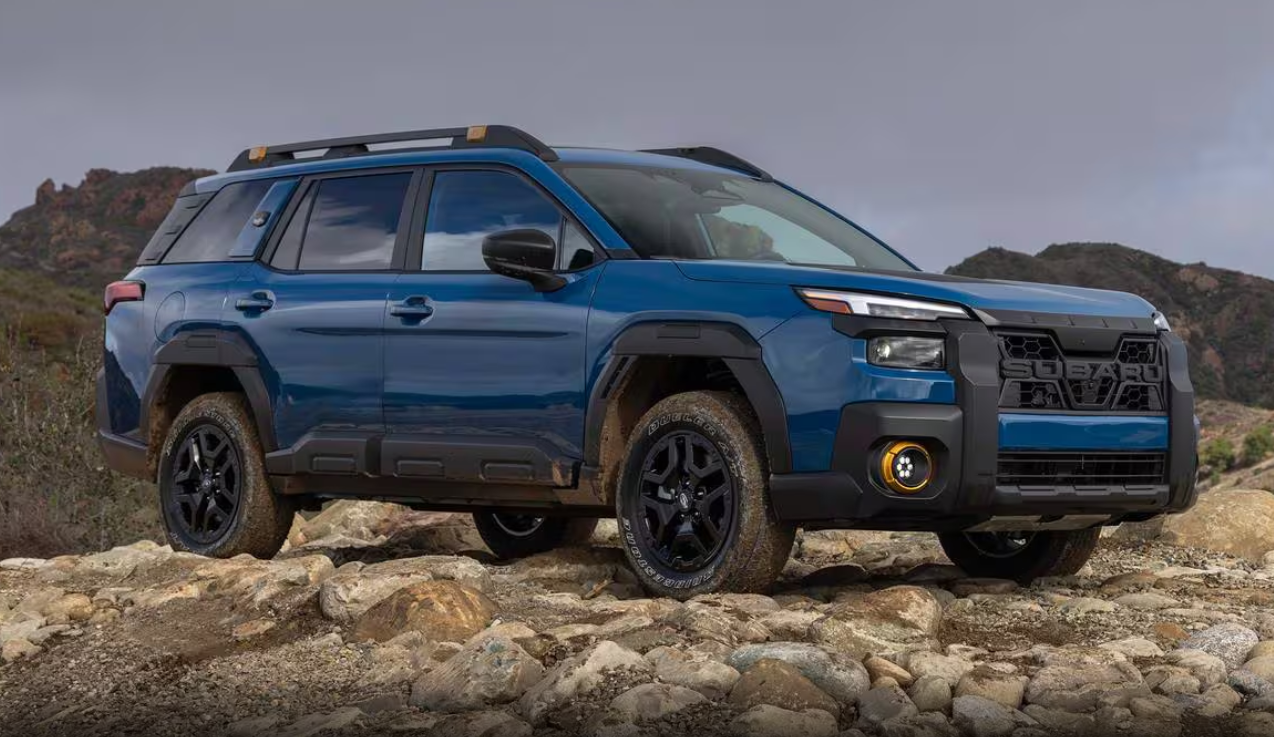
2. 2026 Subaru Outback Wilderness
The 2026 Subaru Outback Wilderness demonstrates a commitment to rugged reliability while keeping familiar physical controls. In an era where touchscreens dominate, Subaru has retained classic knobs and switches for its climate system, audio, and essential off-road functions.
This design is particularly useful for drivers wearing gloves or navigating rough terrain. Buttons are robust and responsive, providing immediate tactile feedback that is essential when driving off-road. The focus on tangible controls reinforces Subaru’s practical ethos.
Functionality extends beyond off-road performance. The physical buttons for audio, fan speed, and temperature adjustments are positioned for convenience, minimizing distraction. Drivers can operate these controls instinctively, relying on muscle memory rather than digital menus.
The tactile interface suits the adventurous lifestyle of Subaru owners, ensuring that the vehicle’s technology does not complicate the driving experience. Even in harsh weather or low-light conditions, the buttons remain intuitive and accessible.
Interior comfort is a highlight of the Outback Wilderness. Seats are supportive and controls are logically arranged, creating a sense of familiarity for longtime Subaru enthusiasts. The decision to retain physical switches aligns with the brand’s focus on reliability and simplicity.
Drivers do not need to learn complex software interfaces, which is a significant advantage on lengthy trips or when sharing the vehicle. The presence of real buttons strengthens the connection between driver and vehicle, making operation more predictable and satisfying.
The exterior design of the 2026 Outback Wilderness emphasizes its rugged character. Raised suspension, all-terrain tires, and protective cladding indicate its off-road capability. Inside, physical buttons reinforce the theme of durability.
Unlike touchscreen-heavy competitors, the Outback Wilderness offers a cockpit that is responsive and straightforward, complementing the practical nature of its design. The combination of tactile controls and robust engineering ensures that performance is both reliable and approachable.
Finally, safety and accessibility are enhanced by real buttons. Drivers can quickly engage defrosters, change temperature settings, or adjust the audio without looking away from the road. This feature is crucial when navigating challenging terrain or adverse weather. The Outback Wilderness’ blend of off-road ability, comfort, and tactile interface makes it a standout option for drivers who value functionality and simplicity in 2026.
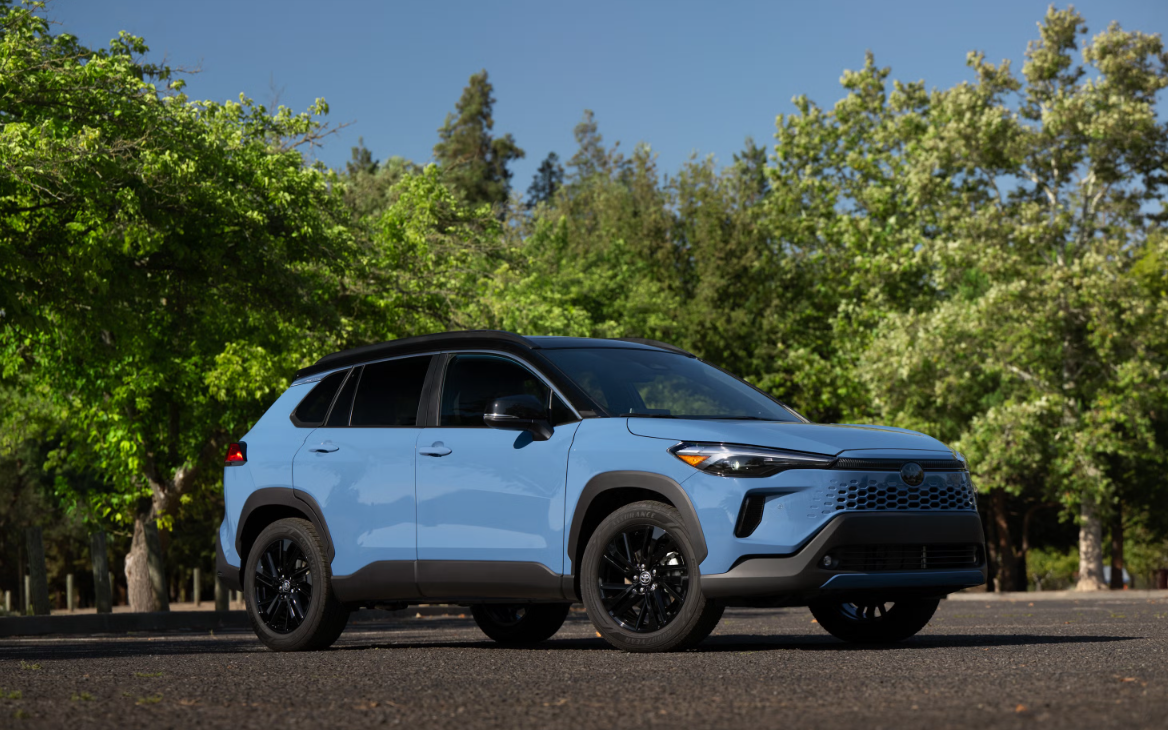
3. 2026 Toyota Corolla Cross
The 2026 Toyota Corolla Cross balances city practicality with hands-on control, making it one of the few modern vehicles that still prioritizes physical buttons. While touchscreen systems are present, Toyota has deliberately left important functions like climate and audio controls in traditional switches and knobs.
These controls provide immediate feedback and reduce driver distraction, especially in busy urban driving conditions. Users appreciate that familiar tactile interface, as it reduces the need to navigate through digital menus. It is a thoughtful approach that aligns with Toyota’s reputation for reliability and user-friendly design.
Beyond convenience, the Corolla Cross offers efficient performance with a smooth ride. Drivers can switch between drive modes using clearly marked buttons, keeping adjustments simple and direct. The tactile feedback ensures that every command is acknowledged instantly, eliminating the uncertainty often experienced with touch-only interfaces.
Buttons are durable, resistant to wear, and easy to operate under various lighting conditions. This emphasis on real-world usability highlights Toyota’s commitment to practicality without sacrificing modern styling.
Interior design enhances the driver experience by emphasizing comfort and accessibility. The seating is ergonomic, and the dashboard layout positions buttons logically for quick adjustments. Audio, temperature, and hazard functions are all handled with familiar physical controls, avoiding unnecessary distractions.
Drivers transitioning from older vehicles will find the interface instantly recognizable. Even tech-savvy users appreciate the efficiency and predictability of physical buttons amidst an otherwise modern cabin.
The Corolla Cross’ exterior mirrors its functional interior. Clean lines, compact proportions, and a subtle athletic stance emphasize versatility over flashiness. Inside, physical controls complement this design philosophy, offering drivers a consistent and reliable interaction with their vehicle.
This integration of traditional controls and contemporary features ensures that everyday operations are simple, even as the vehicle incorporates modern safety and connectivity technologies. Physical buttons reinforce a sense of confidence in vehicle management.
Safety is enhanced by the tactile approach. Quick access to temperature adjustments, defrosters, and volume controls allows drivers to maintain attention on the road. In situations such as sudden weather changes or traffic congestion, these buttons provide reliable, immediate operation.
For drivers seeking a compact SUV that values usability and control, the 2026 Corolla Cross demonstrates that technology does not always need to replace the tactile experience. Its physical controls make driving both engaging and safe.
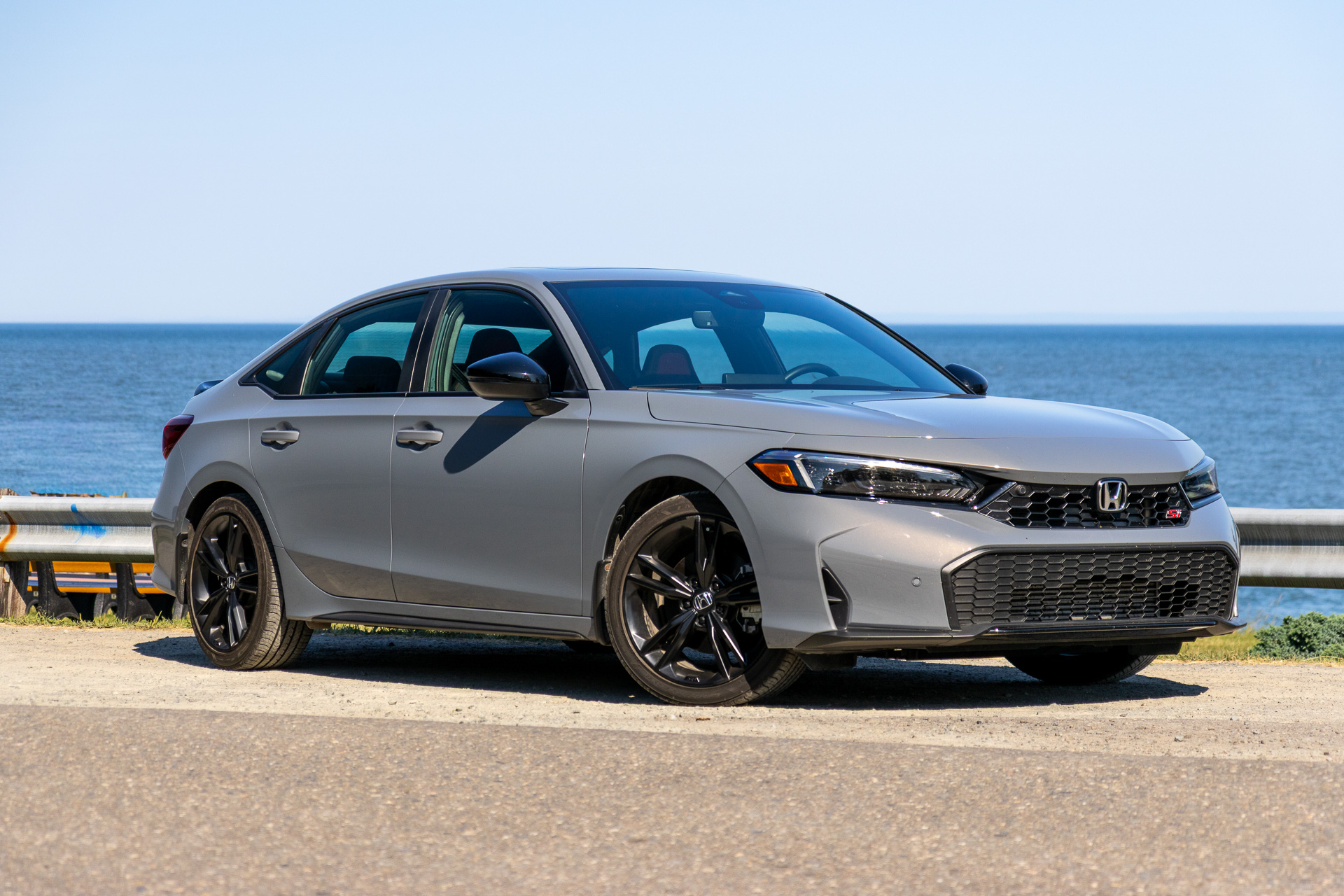
4. 2026 Honda Civic Si
The 2026 Honda Civic Si maintains a classic driver-focused cockpit with a mix of modern technology and real buttons. While touchscreen features handle navigation and infotainment, essential functions such as climate control, audio volume, and hazard lights are handled through physical switches.
This approach caters to enthusiasts who value quick adjustments without breaking focus from driving. Honda has intentionally avoided replacing all tactile elements with digital interfaces, preserving the familiar, hands-on experience. Physical controls reinforce the car’s sporty, performance-oriented identity.
Performance is a core aspect of the Civic Si experience. Drivers can toggle sport modes, adjust air conditioning, or control audio settings without removing their hands from the wheel for long periods. Each button is designed for precise feedback, creating a satisfying interaction with the car.
This setup allows drivers to focus on acceleration, steering, and handling while still managing essential cabin functions. The presence of tactile controls ensures that technology complements performance rather than distracting from it.
Ergonomics in the Civic Si cabin emphasize driver accessibility. Seats, steering, and dashboard layout work in harmony with the physical controls, making every adjustment intuitive.
Switching between fan speeds or changing the audio source is seamless. For those who spend long hours commuting or enjoying spirited driving, this setup reduces cognitive load. The combination of mechanical switches and digital features ensures efficiency, comfort, and satisfaction.
The exterior styling of the 2026 Civic Si communicates agility and sportiness. Clean lines, low stance, and subtle aerodynamic elements highlight performance while maintaining everyday practicality. Inside, real buttons reinforce the functional theme, emphasizing ease of use over flashy digital interfaces.
This approach aligns with Honda’s philosophy of offering vehicles that are enjoyable to drive while remaining approachable and convenient. Tactile elements make daily interactions predictable and reliable.
Safety and convenience are further enhanced by physical controls. Immediate access to essential functions reduces distraction during critical moments, such as sudden traffic stops or rapid temperature adjustments. Drivers can maintain full awareness of road conditions while interacting with the car efficiently. The 2026 Civic Si proves that a sporty, modern vehicle can maintain a tactile and driver-centered interior without compromising technology or comfort.
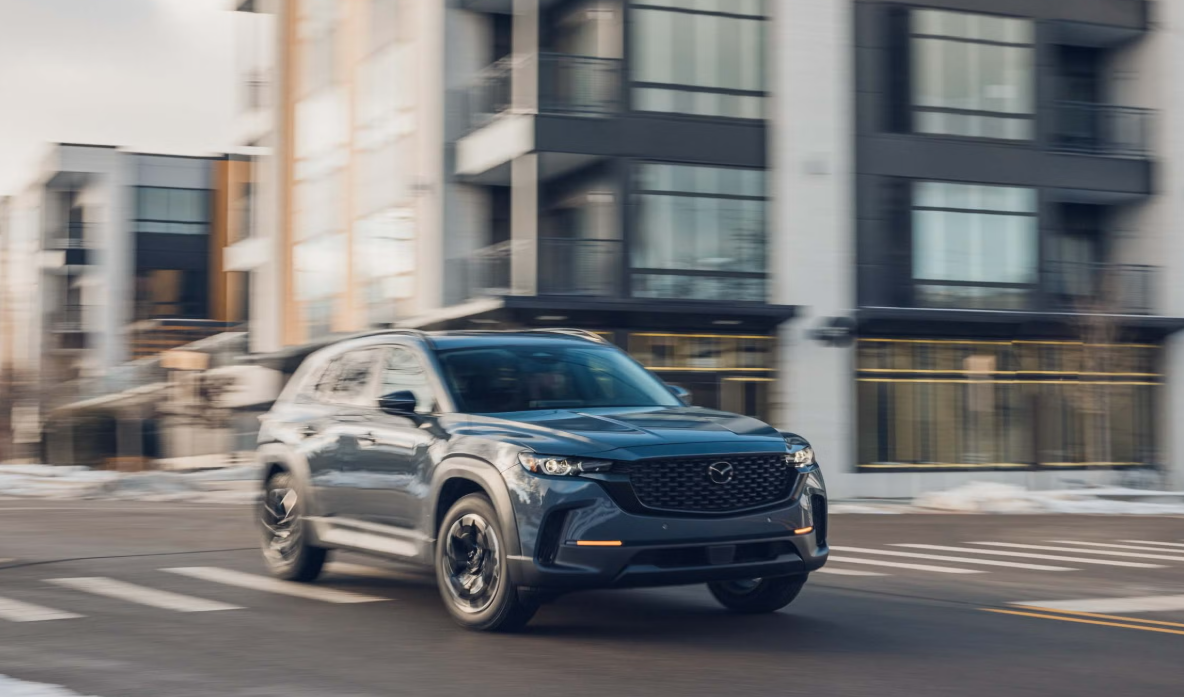
5. 2026 Mazda CX-50
The 2026 Mazda CX-50 combines modern aesthetics with traditional tactile controls, appealing to drivers who value usability. Mazda has resisted the trend of replacing all physical switches with touchscreens. Critical controls like climate settings, audio volume, and hazard functions are handled through intuitive buttons.
The buttons provide immediate feedback and allow drivers to make adjustments confidently without diverting attention. This balance between style and practicality makes the CX-50 a standout choice for those seeking a tactile interface in a contemporary crossover.
Driving dynamics are enhanced by the tactile design. Buttons for drive modes and fan adjustments are positioned for ease of access. Each interaction feels deliberate and reliable, ensuring that drivers remain in control at all times.
Unlike touch-only systems, the physical switches allow adjustments based purely on feel, which is especially useful while driving on winding roads or during inclement weather. Mazda emphasizes the harmony between driver engagement and practical operation.
The interior layout supports an ergonomic experience. Controls are placed within easy reach, allowing drivers to operate functions instinctively. Seats are designed for comfort during long journeys, and essential switches are logically grouped. Audio, temperature, and defroster buttons are straightforward and responsive, enhancing the driving experience. The tactile interface fosters familiarity, reducing the learning curve for new owners and ensuring consistent performance over time.
Exterior design reflects the CX-50’s adventurous personality. Muscular lines, bold front grille, and subtle off-road capability cues convey a sense of readiness. The cabin, equipped with real buttons, complements this theme by emphasizing functionality alongside aesthetics.
Physical controls bridge the gap between modern technology and tactile satisfaction, reinforcing Mazda’s commitment to thoughtful interior design. Drivers feel empowered to interact with the vehicle confidently.
Safety benefits from tactile interfaces as well. Immediate access to critical controls reduces distractions, allowing the driver to maintain focus on the road.
Adjustments to climate, audio, and other essential functions can be made without navigating complex digital menus. For drivers who prefer vehicles that respect the value of physical feedback, the 2026 Mazda CX-50 is a practical, stylish, and engaging option that balances modernity with tradition.
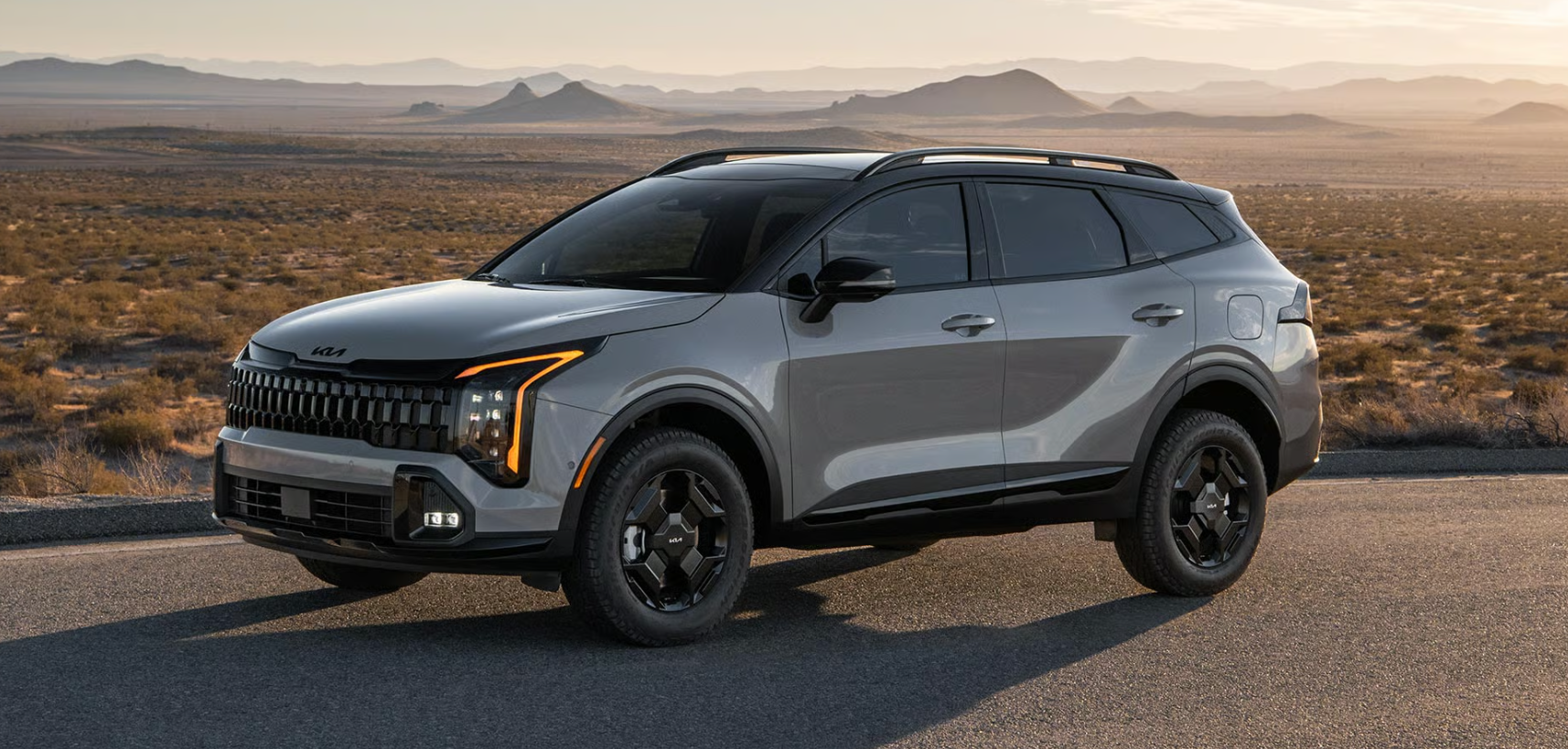
6. 2026 Kia Sportage
The 2026 Kia Sportage offers a combination of modern features and traditional controls that appeal to drivers seeking practical interaction. While the vehicle features a touchscreen infotainment system, essential functions like climate control, volume, and hazard lights are managed through physical buttons.
These controls provide tactile feedback and reduce driver distraction, allowing adjustments without taking eyes off the road. Kia has deliberately preserved this tactile experience, recognizing that many drivers still prefer buttons over touch-only interfaces.
Performance and ease of use are complemented by intuitive button placement. Drive modes, fan speeds, and temperature adjustments are within easy reach, enabling fast and confident operation.
Each button provides a solid response when pressed, giving drivers assurance that their commands are registered. This approach reinforces Kia’s focus on user-friendly design, ensuring that technological convenience does not come at the cost of practicality or comfort.
The interior emphasizes ergonomics and accessibility. The dashboard layout is logical, with frequently used functions positioned for quick access. Seats are supportive, and controls are grouped in a way that allows for instinctive operation. Drivers benefit from reduced distraction and improved confidence in handling the vehicle.
Physical buttons enhance usability, ensuring that the cabin is responsive and predictable, even during long drives or urban commuting.
Exterior styling communicates capability and versatility. The 2026 Sportage features dynamic lines, muscular proportions, and a balanced stance, appealing to both urban and suburban drivers. The inclusion of physical controls inside aligns with this design philosophy, emphasizing functionality without compromising aesthetics.
Kia ensures that users experience a cockpit that is both modern and tactile, providing a satisfying balance of technology and tradition.
Safety and convenience are reinforced by tactile interfaces. Adjustments to climate, volume, or other essential functions can be made without looking at menus, reducing potential distractions.
In emergencies, physical buttons allow rapid and confident operation. The 2026 Kia Sportage demonstrates that compact SUVs can provide advanced features while preserving tactile satisfaction for drivers who value real buttons.
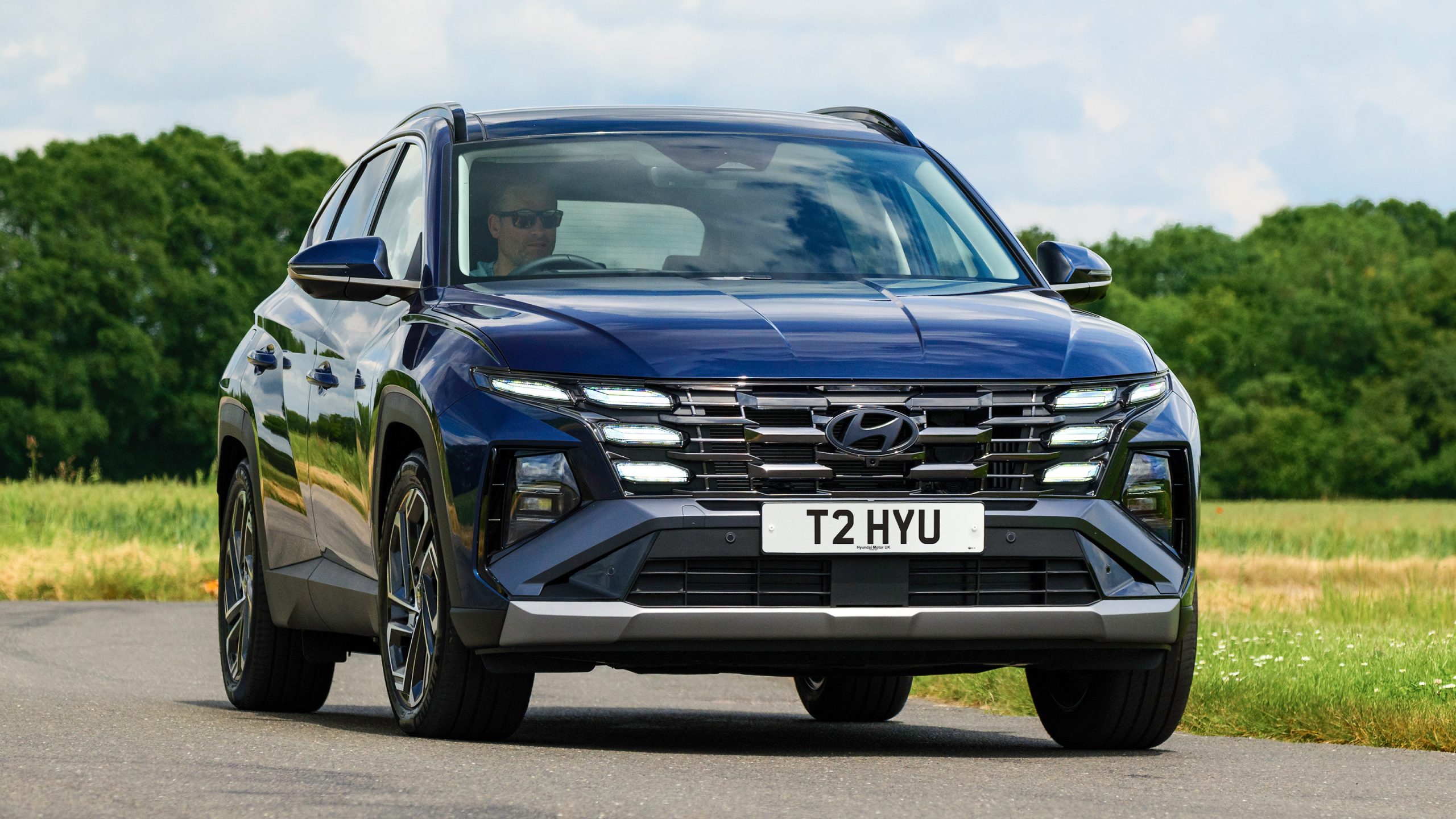
7. 2026 Hyundai Tucson
The 2026 Hyundai Tucson combines cutting-edge features with tactile controls for essential functions. While infotainment and navigation are managed through a touchscreen, the Tucson retains traditional knobs and switches for audio, climate, and other critical settings.
These buttons provide a responsive, tactile experience that allows drivers to operate controls without diverting attention from the road. Hyundai has deliberately chosen this design to accommodate both tech enthusiasts and those who prefer conventional controls, making the vehicle accessible and user-friendly.
Performance-oriented features are complemented by the tactile interface. Buttons for drive modes, fan speed, and temperature adjustments are strategically placed to allow easy access.
Each press produces immediate feedback, helping drivers make adjustments confidently. The ability to rely on feel rather than visual confirmation is particularly valuable in urban driving or during long-distance travel. Hyundai ensures that tactile interaction enhances the driving experience rather than complicating it.
The Tucson’s interior layout emphasizes comfort and functionality. Controls are positioned ergonomically, allowing for instinctive operation, while seats provide support for long journeys. Physical buttons are grouped logically, making adjustments quick and intuitive.
The combination of tactile controls with digital features provides a balance that appeals to drivers who want modern convenience without losing the reliability of physical switches. This setup contributes to a cabin environment that is both efficient and satisfying.
Exterior styling reflects the Tucson’s modern appeal. Clean lines, bold grille, and distinctive lighting elements create a vehicle that is contemporary yet practical. Inside, real buttons complement this aesthetic, reinforcing the theme of user-friendly operation.
Hyundai’s approach ensures that tactile controls are integrated seamlessly into the design, creating a cockpit that is intuitive and comfortable for everyday driving. The blend of form and function emphasizes usability above all.
Safety is improved through the presence of tactile controls. Immediate access to climate, audio, and other essential features reduces distractions while driving. Drivers can adjust settings confidently, maintaining focus on the road in critical situations.
The 2026 Hyundai Tucson illustrates that compact SUVs can integrate advanced technology without abandoning the value of physical buttons, providing both convenience and reassurance for drivers.
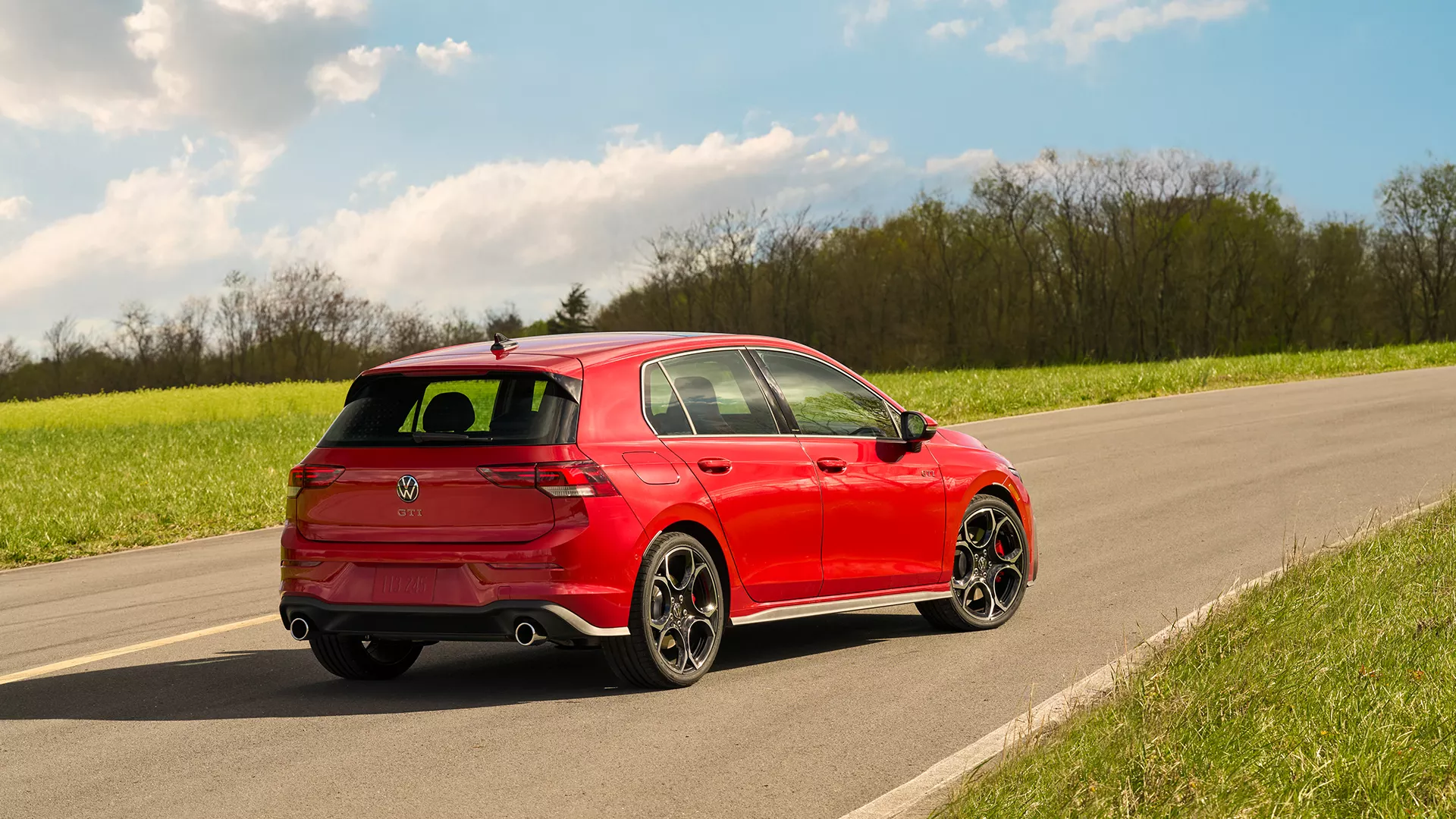
8. 2026 Volkswagen Golf GTI
The 2026 Volkswagen Golf GTI continues the tradition of driver-focused controls with tactile buttons alongside modern technology. While touchscreen displays manage navigation and infotainment, critical functions like climate, audio, and hazard lights are operated through physical switches.
Each button delivers a precise click, giving drivers a sense of control and reliability. This setup suits enthusiasts who prioritize an engaging driving experience without sacrificing modern features. Volkswagen has maintained this balance, creating a cabin that respects both tradition and innovation.
Driving dynamics benefit from the tactile interface. Buttons for drive modes, audio adjustments, and fan speed allow drivers to operate the car instinctively. Immediate feedback ensures that each command is confirmed, reducing distraction and improving confidence.
Even during spirited driving, these buttons allow adjustments without interrupting focus on steering, acceleration, and braking. The presence of physical controls reinforces the GTI’s performance-oriented character while remaining practical for daily commuting.
Interior ergonomics are designed for convenience and efficiency. Seats provide comfort during long drives, and controls are positioned logically for quick operation. Buttons are easy to reach and operate, supporting predictable and instinctive interactions.
Audio, climate, and defroster functions are all handled without reliance on touchscreen menus. This tactile approach reduces the learning curve for new drivers and maintains a familiar environment for longtime Volkswagen enthusiasts.
The Golf GTI’s exterior design communicates agility and style. Clean hatchback lines, subtle spoilers, and sporty proportions reflect its performance heritage. Physical buttons inside echo this philosophy by emphasizing function and accessibility over flashy design.
The cabin provides a user-friendly interface that supports both spirited driving and everyday commuting. Volkswagen ensures that tactile control complements the car’s sporty personality and modern features.
Safety is enhanced through tactile operation. Drivers can access essential functions quickly without looking away from the road.
Adjustments to temperature, fan speed, or audio can be performed instinctively, minimizing distractions. For those who value performance and engagement, the 2026 Volkswagen Golf GTI demonstrates that physical buttons remain relevant in a high-tech era, combining convenience, safety, and driving satisfaction.
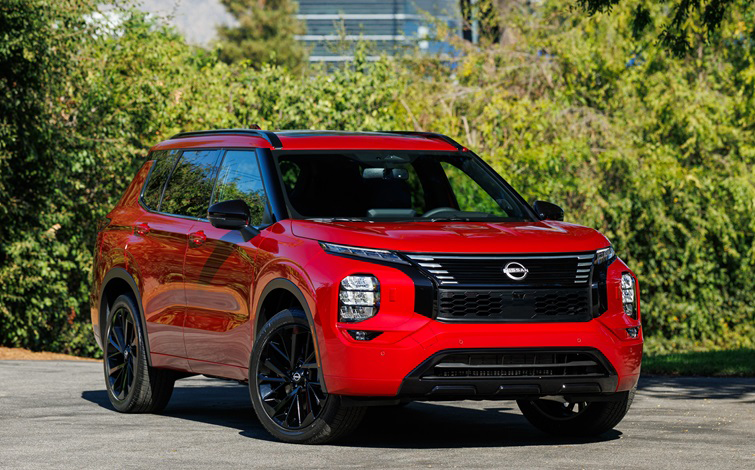
9. 2026 Nissan Rogue
The 2026 Nissan Rogue prioritizes usability by keeping physical buttons for essential functions in an era dominated by touchscreens. Climate controls, audio adjustments, and hazard lights are all managed through tactile switches, providing instant feedback and intuitive operation.
Drivers can rely on feel to make adjustments, reducing distraction while driving. Nissan has preserved this approach to ensure that technology serves convenience without replacing the comfort of real buttons. This balance makes the Rogue approachable for both tech-savvy users and those who prefer traditional interfaces.
Driving and daily usability benefit from strategically placed controls. Buttons for fan speed, audio volume, and drive modes are within easy reach of the driver. Each press provides a distinct tactile response, reinforcing confidence in the vehicle’s operation.
Touch-only interfaces often require visual confirmation, whereas tactile controls allow for instinctive adjustments. This design ensures that daily interaction with the Rogue is seamless, predictable, and satisfying for a wide range of drivers.
The interior emphasizes ergonomics and comfort. Seats are supportive, and controls are logically grouped for intuitive use. Adjustments for temperature, defroster, and audio are quick and straightforward, even in motion.
The tactile interface reduces cognitive load, allowing the driver to focus on traffic conditions while maintaining control of cabin features. Physical buttons strengthen the connection between driver and vehicle, making the driving experience more engaging.
The exterior design reflects versatility and practicality. Clean lines, balanced proportions, and subtle SUV cues suggest both urban and outdoor capability.
Inside, physical buttons complement this philosophy, creating a user-friendly environment that emphasizes function and convenience. The Rogue’s design demonstrates that tactile controls can coexist with modern infotainment systems, supporting ease of use and driver satisfaction.
Safety is enhanced through tactile controls that allow immediate operation. Critical adjustments to climate, audio, and fan speed can be made without looking at menus, reducing distraction. Quick access to essential functions is especially valuable in sudden traffic changes or adverse weather.
The 2026 Nissan Rogue exemplifies how a compact SUV can remain modern while respecting the practicality and reliability of real buttons, ensuring comfort, convenience, and peace of mind.
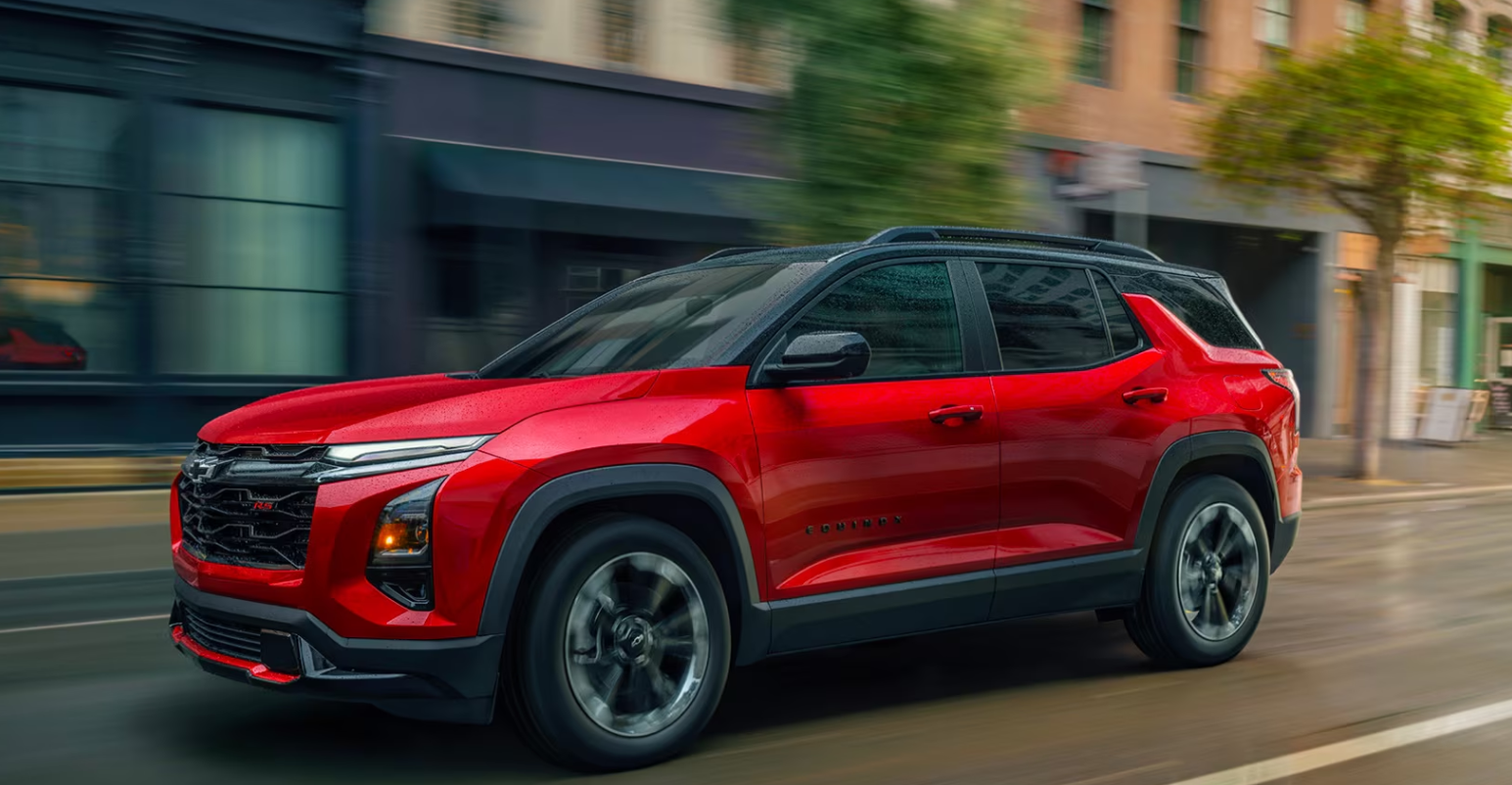
10. 2026 Chevrolet Equinox
The 2026 Chevrolet Equinox combines modern features with tactile controls for core vehicle functions.
While the vehicle includes touchscreen infotainment and navigation, physical buttons handle climate, audio, and essential operational functions. These controls provide a reliable, immediate response, allowing drivers to make adjustments instinctively.
Chevrolet has chosen this design to balance convenience with practical usability, offering an interface that is approachable and efficient. Drivers can enjoy modern technology without losing the satisfaction of real buttons.
Daily driving is enhanced by the strategic placement of tactile controls. Audio, fan speed, and temperature adjustments are located for easy reach and rapid operation. Each button provides precise feedback, ensuring that commands are acknowledged.
Unlike touch-only interfaces, these physical switches allow operation without visual confirmation, reducing distraction and improving focus. The tactile approach complements the Equinox’s balanced ride and handling, reinforcing usability for city and suburban driving.
Interior ergonomics focus on driver comfort and convenience. Seats provide adequate support, while buttons are logically grouped for immediate accessibility. Adjusting climate, audio, or hazard lights requires minimal effort, creating an intuitive and efficient cockpit.
This layout caters to a variety of drivers, including those accustomed to traditional controls and those familiar with touchscreen systems. Physical buttons ensure consistency and reliability in daily operations.
The exterior styling communicates practicality and modernity. Smooth lines, balanced proportions, and a contemporary presence make the Equinox versatile and appealing. Inside, the inclusion of tactile controls reinforces this philosophy, providing a functional and accessible interface.
Chevrolet has ensured that physical buttons coexist with digital features, creating a cohesive and usable environment for drivers seeking convenience and familiarity.
Safety is enhanced through physical controls that allow immediate adjustments. Drivers can modify climate settings, volume, or fan speed without taking attention from the road.
This capability is critical in sudden or hazardous driving situations. The 2026 Chevrolet Equinox demonstrates that tactile interfaces remain relevant in modern compact SUVs, providing an efficient, reliable, and satisfying driving experience.