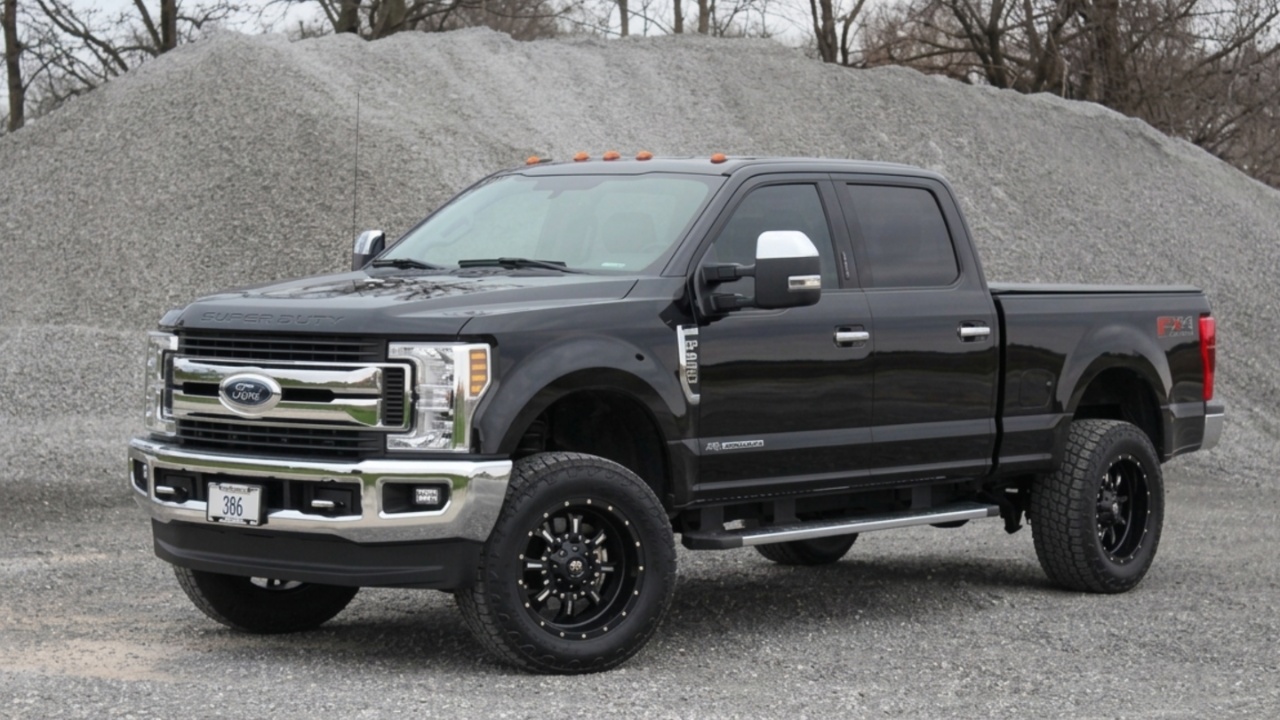
Leveling a truck is more than just a cosmetic upgrade. Many truck owners want a level stance without compromising ride quality, handling, or safety. However, using cheap spacers or improperly designed kits can lead to harsh rides, premature suspension wear, and even dangerous handling issues.
Fortunately, there are proven methods that achieve a leveled look while maintaining comfort, stability, and component longevity. From premium adjustable struts and full-performance coilovers to aftermarket upper control arms and progressive-rate springs, each solution addresses the unique challenges of lifting a truck safely.
Additional upgrades, such as forged torsion keys, differential drop kits, billet aluminum spacers, and precision post-install alignment, ensure the suspension geometry and driveline remain optimal. In this guide, we explore eight ways to level your truck without ruining ride quality or safety, comparing their benefits, applications, and impact on long-term performance.
1. Premium Adjustable Leveling Struts: Enhancing Ride Quality and Safety
Premium adjustable leveling struts, such as the Bilstein 5100 series, replace the entire factory front strut rather than merely adding spacers. Featuring multiple “snap-ring” grooves, these struts allow the factory coil spring to be repositioned higher, achieving lift while maintaining proper suspension geometry.
Unlike basic spacers, which compress the stock spring and reduce travel, adjustable struts preserve ride quality and vehicle stability.
The key benefits include improved damping, extended suspension travel, and safer handling. By using premium valving designed for lifted applications, these struts prevent harsh “bouncy” rides and avoid topping out on bumps or potholes. They maintain consistent tire-to-road contact, enhancing steering response and braking performance while reducing the “floaty” feel common in lifted trucks.
Adjustable struts also prevent premature wear of suspension components such as ball joints, CV joints, and control arms, which can be overstressed by spacer lifts. With precise height adjustability, typically 0–2.5 inches, drivers can achieve a level stance even with added accessories.
Compared to alternatives, adjustable struts outperform spacers in ride quality and safety, and are simpler and more affordable than full lift kits while still allowing slightly larger tires.
Brands like Bilstein (B8 5100), Eibach (PRO-TRUCK), and Rancho (QuickLIFT) are popular for their reliability and performance. Premium adjustable leveling struts are an effective solution for achieving lift without sacrificing comfort, handling, or component longevity.
2. Full Bolt-On Performance Coilovers: The Ultimate Leveling Solution
Full bolt-on performance coilovers, such as Fox 2.0 or King Shocks, are considered the top choice for truck leveling. These systems replace both the factory strut and coil spring with a single integrated unit.
They are tuned for the vehicle’s weight and intended use, and often feature higher-quality springs that provide a smoother and more controlled ride than the stock suspension. This setup can even improve ride quality compared to the original factory performance.
Safety and durability are major advantages of performance coilovers. Because the entire assembly is designed as one unit, there is no risk of over-compressed factory springs or spacer failure. Most high-end coilovers include threaded bodies that allow precise height adjustment, enabling owners to achieve a perfectly level stance while maintaining proper weight distribution.
The larger shock bodies hold more oil and dissipate heat more effectively. This prevents the shocks from losing effectiveness during heavy use, such as towing or driving on rough terrain, and ensures predictable handling at all times.
Performance coilovers also preserve ride quality and suspension geometry. They provide adequate shock travel for the lifted height and feature matched spring rates, preventing bottoming out and the stiff, bouncy ride associated with spacer kits. Adjustable damping allows tuning for soft daily driving or firmer off-road performance.
Coilovers reduce stress on suspension components and improve handling by minimizing body roll. Many kits include stronger materials built to handle increased loads. They also improve off-road capability with better articulation and allow precise ride height adjustments to achieve a level and customized look. Installation is relatively straightforward using factory mounts without the need for cutting or welding.
Although more expensive than basic spacers, full bolt-on performance coilovers offer the best combination of leveling, ride quality, handling, and long-term durability. Brands like Fox, King, and Bilstein are frequently recommended for their reliability and performance.
3. Aftermarket Upper Control Arms: Essential for Safe and Smooth Leveling
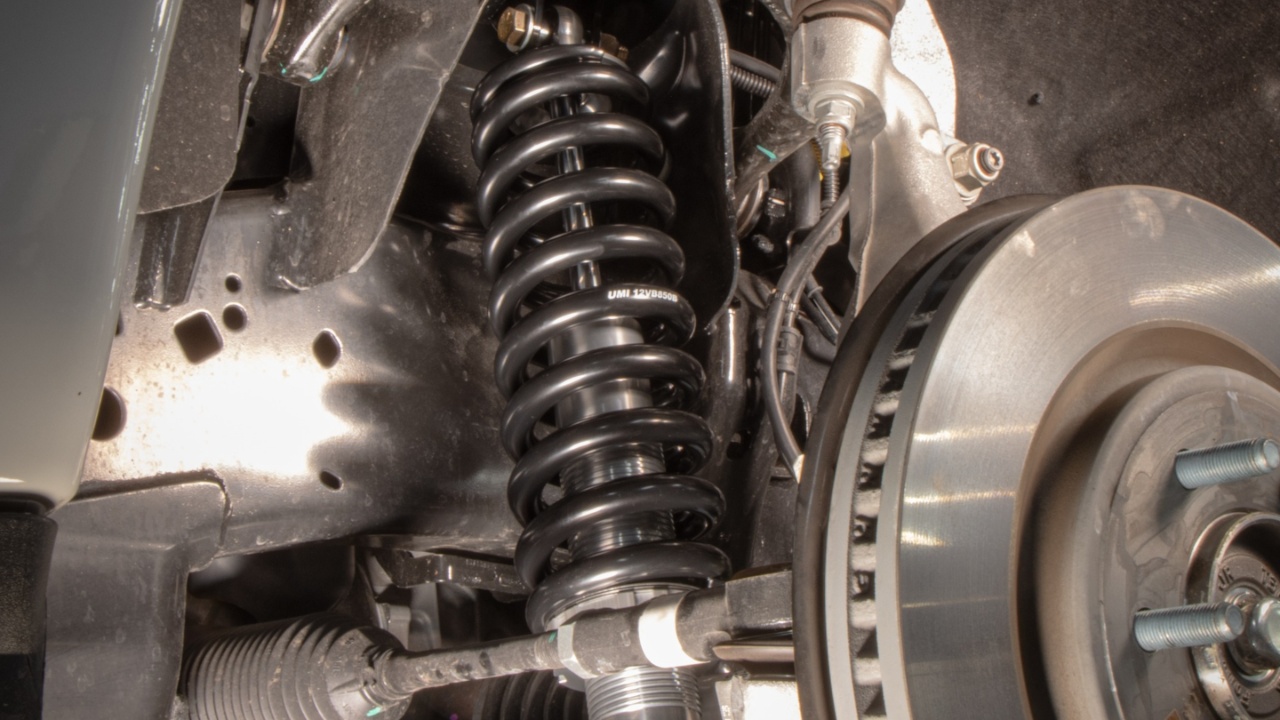
When leveling a truck, the front wheels are pushed downward, changing the angle of the factory Upper Control Arms (UCAs). On many modern trucks, a 2-inch lift can place the stock UCA at a steep angle, stressing the upper ball joint and increasing the risk of premature failure. Aftermarket UCAs are engineered with corrected geometry to address this issue, restoring safe suspension angles and maintaining proper handling.
Corrected UCAs improve ride quality and suspension travel. They provide extra clearance between the arm and the coil spring, preventing binding or harsh bottoming out. This allows the suspension to droop fully when the wheel drops into a hole, maintaining a smooth and stable ride over bumps. High-angle ball joints or uniballs replace the factory plastic-seated joints, offering increased durability for off-road or heavy-duty use.
Safety and handling are also enhanced by aftermarket UCAs. They restore caster and camber angles to factory specifications, ensuring the truck tracks straight at highway speeds and preventing bump steer. Adjustable models, such as those from SPC or JBA, allow precise alignment, reducing tire wear and maintaining stable steering.
Durability is another key benefit. Stock UCAs are often stamped steel and designed for light-duty use at factory ride heights. Aftermarket UCAs use stronger materials like tubular chromoly steel or billet aluminum and feature greasable, replaceable joints. This makes them far more capable of handling added stress from leveling, towing, or off-road driving.
Aftermarket UCAs are especially important for lifts of 2 inches or more and for trucks that see aggressive driving or off-road use. By correcting suspension geometry, increasing travel, improving alignment capability, and providing stronger components, these arms ensure a leveled truck remains safe, stable, and comfortable. They are considered a necessary upgrade for long-term reliability and optimal ride quality.
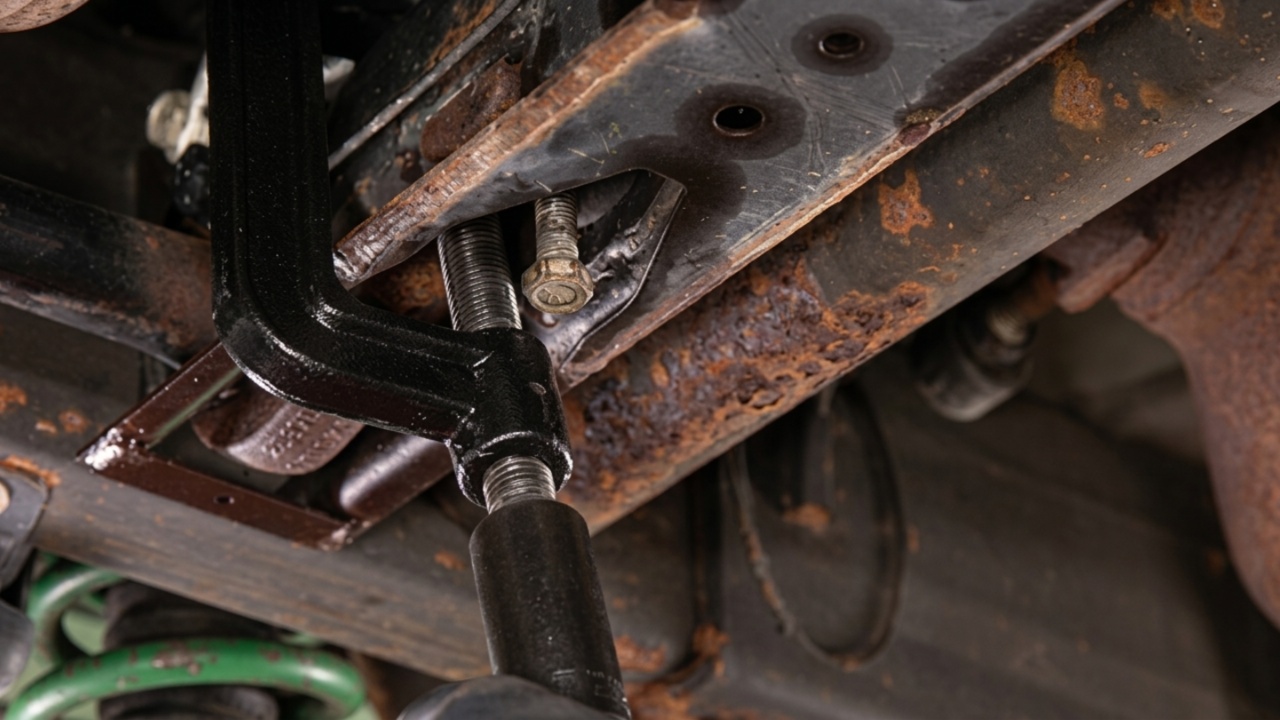
4. Forged and Indexed Torsion Keys: Safe and Effective Leveling for Torsion Bar Trucks
For trucks with torsion bar suspensions, simply “cranking” the factory keys to achieve lift is a common but flawed approach. Over-cranking puts excessive tension on the torsion bar, resulting in a harsh, stiff ride and increasing the risk of component failure. Forged and re-indexed aftermarket torsion keys provide a professional solution, offering 1.5 to 2 inches of lift while keeping the torsion bar within its designed operating tension.
Safety and durability are major benefits of forged torsion keys. Made from stronger forged material rather than cast iron, these keys reduce the risk of breakage under load.
Re-indexing or re-clocked designs maintain proper suspension geometry, keeping CV axle angles safe and preventing the front end from bouncing uncontrollably over bumps. Unlike cranked stock keys, aftermarket keys allow the suspension to cycle fully, preserving downward travel and absorbing impacts smoothly.
Ride quality is preserved because the torsion bar operates within its intended twist range, preventing the stiff “pogo stick” effect common with over-cranked stock keys. Control arms avoid hitting droop stops, ensuring a smoother, more comfortable ride. The hexagon indexing on high-quality keys ensures a secure fit with no looseness, and many kits include shock extensions or longer shocks to prevent bottoming out.
Forged and indexed torsion keys also offer practical advantages. They are cost-effective, providing the visual and functional lift of a full suspension upgrade at a fraction of the cost. Installation is straightforward, often taking only a few hours and requiring no complex modifications.
For older or heavy-duty trucks with torsion bar suspensions, aftermarket forged and indexed torsion keys are considered one of the best leveling methods. They provide a safe, durable, and precise lift while maintaining ride quality, proper geometry, and long-term component reliability.
Also read: 5 Cars With Excellent Air Conditioning for Hot Climates vs 5 That Struggle
5. Differential Drop Kits: Preserving Drivetrain Geometry and Ride Quality
When leveling a 4WD truck, one often-overlooked issue is the angle of the front CV axles. Raising the front end causes these axles to sit at a steeper angle, which over time can lead to torn CV boots, worn joints, or binding during turns.
A differential drop kit addresses this problem by lowering the front differential housing about an inch using spacers and longer bolts, effectively “flattening” the CV axle angles closer to their factory positions.
Differential drop kits provide significant benefits for long-term safety and mechanical reliability. By realigning the driveline geometry, they reduce stress on CV joints and prevent premature failure. CV boots are less stretched and less likely to rub or tear, while the joints themselves are protected from binding that could otherwise cause vibrations or breakage during off-road articulation.
Ride quality is also improved with a differential drop. Steep CV angles often cause a shudder during acceleration or 4WD engagement, and correcting the angle mitigates these vibrations. The truck maintains a smooth, near-factory feel on both highways and rough terrain, preserving comfort while driving.
Safety and drivetrain reliability are enhanced as well. Lowering the differential reduces the risk of a broken CV shaft, which could leave the vehicle stranded, and ensures that the 4WD system operates efficiently and predictably. While the diff drop slightly reduces front ground clearance, this is typically offset by skid plate spacers, and the trade-off is minimal compared to the protection it provides.
Differential drop kits are particularly recommended for trucks with front leveling lifts of 2 inches or more. They are ideal for daily drivers, overlanders, and weekend off-road enthusiasts who want a level stance without sacrificing drivetrain longevity, ride quality, or safety. By addressing the geometric issues caused by lifting, these kits ensure the truck’s CV axles, drivetrain, and 4WD system remain reliable and durable over time.
6. Progressive Rate Coil Springs: Smooth, Adaptive Suspension for Leveled Trucks
Most factory trucks use linear springs, which maintain the same stiffness throughout their travel. When leveling a truck with a spacer, this often results in a harsh and stiff ride. Progressive rate coil springs solve this problem by varying the spacing of the coils.
The top coils are softer to absorb small bumps, while the bottom coils are stiffer to handle heavy loads or large impacts. This design provides a comfortable ride without sacrificing control or safety.
Ride quality is significantly improved with progressive springs. On highways, the truck feels smooth and refined, but the suspension firms up during hard braking, sharp turns, or large dips.
This reduces body roll, prevents bottoming out, and keeps the front tires planted for improved steering and braking performance. Unlike spacers or linear springs, progressive coils adapt to the load, providing a soft, plush ride when unloaded and firm support when carrying heavy cargo, towing, or using accessories like plows or bumpers.
Progressive springs also protect suspension components. They maintain geometry closer to factory specifications than spacer lifts, preventing shocks from topping out or bottoming internally.
This reduces wear on suspension parts and ensures proper articulation over uneven terrain. The adaptive stiffness of the spring naturally combats front-end dive during braking and enhances stability during cornering, making the truck safer in emergency maneuvers.
While more expensive than simple spacer kits, progressive rate coil springs offer a practical, long-term solution for leveling a truck without sacrificing comfort, handling, or component longevity. They provide an ideal middle ground for drivers seeking a leveled stance while retaining a “fit-and-forget-it” driving experience.
Progressive springs outperform spacer lifts in ride quality, load handling, safety, and suspension durability, making them one of the best options for achieving a smooth, adaptive, and capable leveled truck.
7. High-Quality Billet Aluminum Spacers: Affordable and Safe Truck Leveling
For truck owners seeking a budget-friendly leveling solution, spacers are the simplest option. However, material quality and design are critical for safety and longevity. Many low-cost kits use polyurethane or thin stamped steel, which can compress, crack, or rust over time, leading to misalignment, leaning, or even failure.
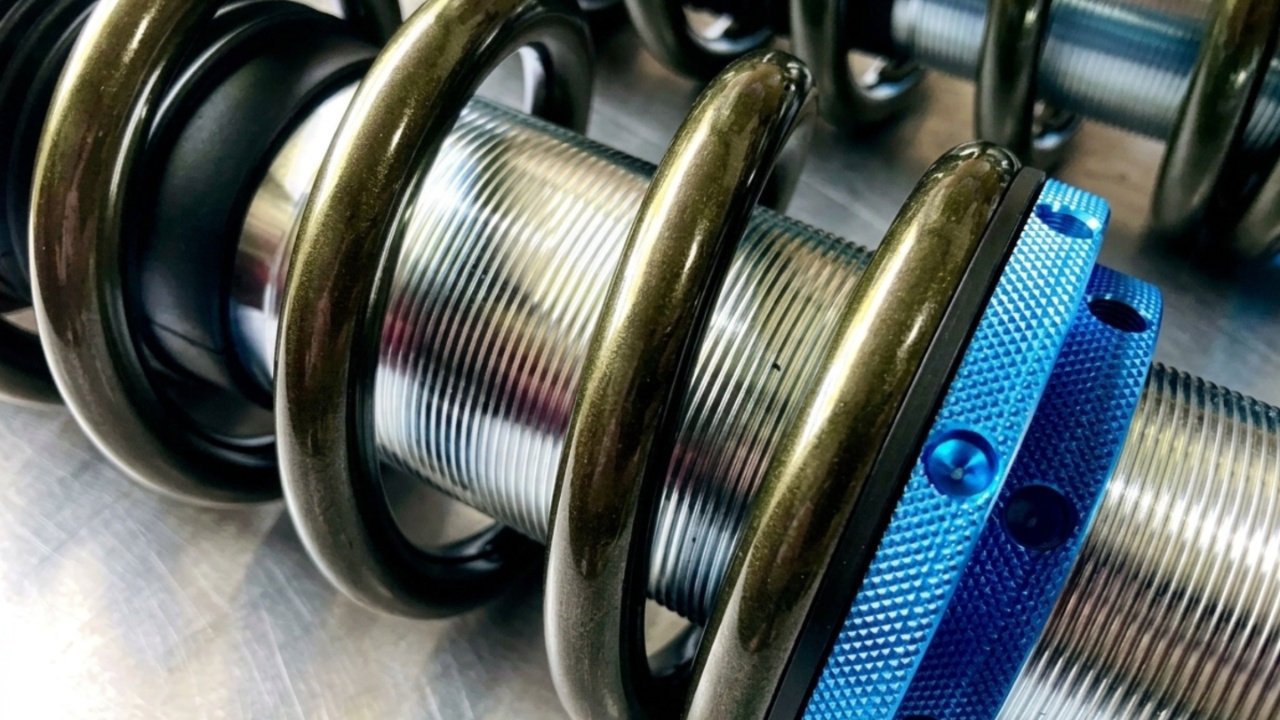
High-quality spacers, CNC-machined from 6061-T6 or 7075-T6 billet aluminum, provide superior strength, corrosion resistance, and structural integrity.
Billet aluminum spacers lift the front end without altering the spring rate, preserving factory ride quality. When limited to 2 inches or less, they do not over-extend shocks or preload the coil springs, making them a safe, “set-it-and-forget-it” solution for daily drivers. They maintain proper suspension geometry, ensuring the truck remains stable and predictable on the road.
Precision engineering is another advantage of billet spacers. Hub-centric designs ensure a perfect fit over the vehicle hub, reducing wheel wobble and vibration at highway speeds. The lightweight aluminum construction lowers unsprung mass, improving handling and suspension responsiveness. These spacers also provide increased clearance for larger tires, improve lateral stability, and enhance the truck’s stance.
Safety is enhanced through the use of aerospace-grade aluminum, which can handle the vertical loads of a lifted truck without warping, cracking, or failing. The installation process is less labor-intensive than replacing struts, and the lift is fully reversible, allowing the truck to return to its original factory setup.
While not as advanced as adjustable struts or coilovers, high-quality billet aluminum spacers are considered one of the best entry-level leveling solutions. They combine durability, ride quality, safety, and affordability, making them ideal for drivers who want a leveled truck without a full suspension overhaul. Avoid cheap or low-grade spacers, and ensure professional installation to maximize safety and performance.
8. Precision Post-Install Alignment and Calibration: The Essential Final Step
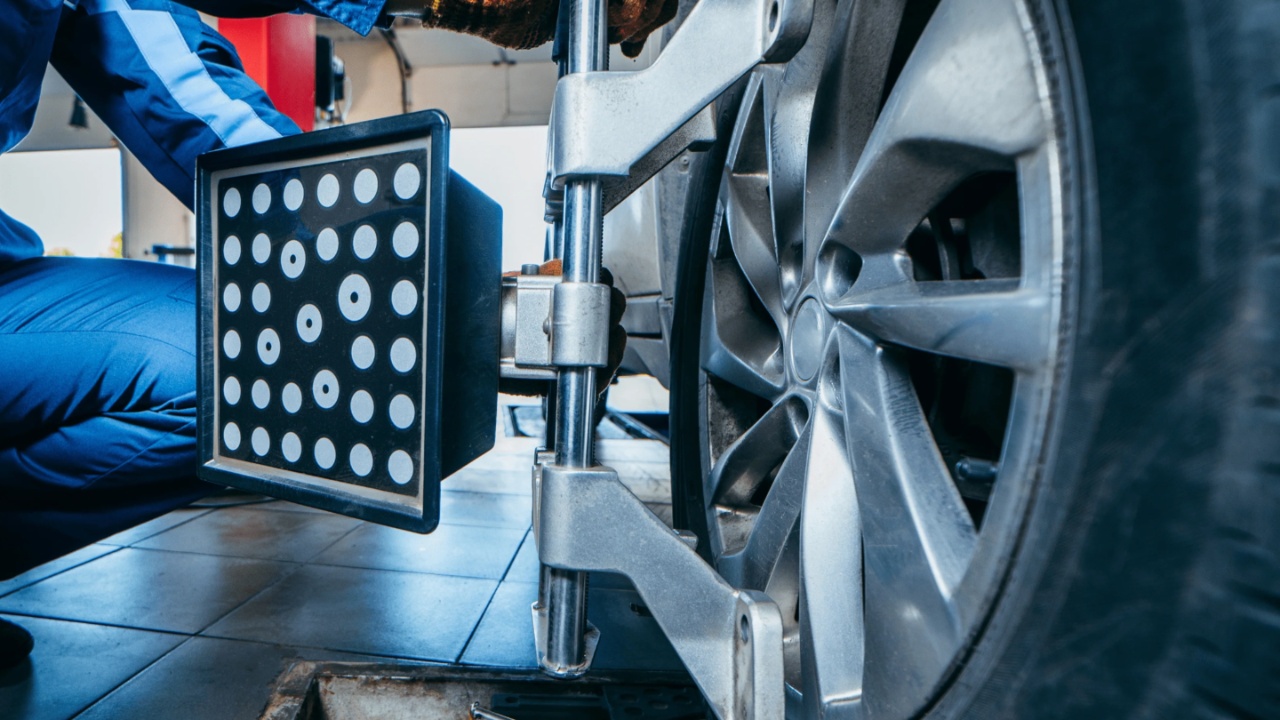
No matter which leveling method is chosen, the most critical step occurs after the parts are installed. Leveling a truck changes key suspension angles, including toe, camber, and caster. Without a professional alignment, the truck can pull to one side, cause uneven tire wear, generate vibrations, and reduce fuel efficiency.
Modern trucks also feature Advanced Driver Assistance Systems (ADAS) such as lane-keep assist, emergency braking, and adaptive cruise control. Raising the truck alters the aim of these sensors, which can lead to false warnings or failure to activate when needed. Professional calibration ensures that the steering angle sensor and ADAS components are reset, keeping these systems accurate and reliable.
A precision alignment restores the suspension geometry to factory specifications. This ensures the wheels are properly angled, and the truck tracks straight. Steering is centered, and ride comfort is maintained, preventing a harsh or unstable feel often experienced after leveling. Correcting the angles also reduces stress on critical components, including control arms, ball joints, and tie rods, extending their service life.
Safety is significantly improved because a properly aligned truck handles predictably during high-speed maneuvers, emergency braking, and towing. Steering response is precise, the truck remains stable under load, and body control is maintained during sharp turns or rough terrain.
Post-install alignment and calibration are the most important steps in leveling a truck. Leveling kits modify suspension height, but ride quality and safety are determined by how well the geometry is corrected afterward. Skipping alignment can undermine the benefits of even the most advanced leveling kit.
Proper alignment ensures the truck drives like stock, maintains comfort, protects tires, preserves component longevity, and keeps modern safety systems fully operational. This step completes the leveling process and delivers a balanced, safe, and reliable truck for daily driving or off-road use.
Achieving a leveled truck does not have to mean sacrificing comfort or safety. By selecting quality components designed for lifted applications and following proper installation practices, drivers can maintain smooth ride quality, precise handling, and reliable suspension geometry.
Premium adjustable struts and full coilovers provide superior control, while aftermarket upper control arms and progressive springs preserve alignment and absorb impacts. For torsion bar trucks, forged and indexed keys ensure safe lift without harshness, and differential drop kits protect CV joints while maintaining driveline efficiency. High-quality billet aluminum spacers offer a cost-effective, durable option for smaller lifts.
Finally, professional post-install alignment and ADAS calibration are critical to restoring factory suspension angles and steering response. Combining these upgrades allows truck owners to enjoy a level stance that looks great, drives confidently, and performs safely under daily driving, towing, or off-road conditions.
Also read: 10 Cars That Are Cheap to Buy But Cost a Fortune to Insure for Young Drivers