
Driving long distances across open desert terrain every day places very different demands on a vehicle compared to normal commuting.
Long stretches of empty highway, extreme heat, blowing dust, limited fuel stations, and very few repair facilities mean that dependability becomes more important than luxury or style. A desert commuter needs a vehicle that can run consistently in harsh conditions without developing overheating issues or mechanical failures.
Heat management is one of the most critical factors in desert driving. Engines, transmissions, and cooling systems must tolerate high ambient temperatures while still maintaining performance.
Vehicles known for strong cooling systems and proven engine reliability tend to perform better when exposed to daily extreme heat cycles. Even interior durability matters because constant sun exposure can wear materials faster than in moderate climates.
Range is another important consideration. Driving 100 miles daily in remote areas means fuel efficiency or large fuel tank capacity becomes essential.
Running out of fuel is not just inconvenient in desert regions, it can become a safety concern. Vehicles that combine good efficiency with strong reliability records often become the preferred choices.
Ride stability also matters because desert highways often include long straight sections where driver fatigue becomes a real issue. Cars that track straight, remain stable in crosswinds, and offer comfortable seating can make a major difference in how exhausting daily travel feels.
Durability against dust is another overlooked factor. Fine desert sand can enter air filters, suspension components, and cooling systems. Vehicles with good sealing and strong filtration systems tend to age better in these environments.
The following vehicles stand out because they have proven they can handle long distance driving, extreme temperatures, and demanding environments.
Each offers a different advantage, whether that is legendary reliability, long range efficiency, strong cooling performance, or exceptional durability under constant use.
Also Read: 10 Best Tires for People Who Spend Half Their Time Off Road
1. Toyota Land Cruiser
When discussing vehicles capable of handling daily desert driving, the Toyota Land Cruiser is often considered one of the most proven platforms ever built. Its global reputation comes from decades of use in some of the harshest climates on earth, including the Middle East, Australia, and parts of Africa where reliability is not optional.
One reason this vehicle performs so well in desert environments is its conservative engineering philosophy.
Instead of chasing maximum performance numbers, it focuses on durability and thermal stability. Engines used in these vehicles are often tuned for longevity, which helps them tolerate constant high temperature operation.
Cooling performance becomes a major advantage here. Large radiators, strong cooling fans, and durable transmission cooling systems allow the vehicle to operate for long periods without overheating. This matters when daily commutes involve hours of exposure to high temperatures.
Another major strength is structural durability. The Land Cruiser is built on a strong frame that can tolerate rough terrain even if the daily commute includes sections of unpaved desert road. Many owners in harsh climates report extremely high mileage with relatively few serious mechanical problems.
Cab comfort also contributes to its value. Desert driving often involves long uninterrupted stretches of road, and comfortable seating combined with strong climate control systems can reduce fatigue significantly. Reliable air conditioning becomes more than a convenience in these situations.
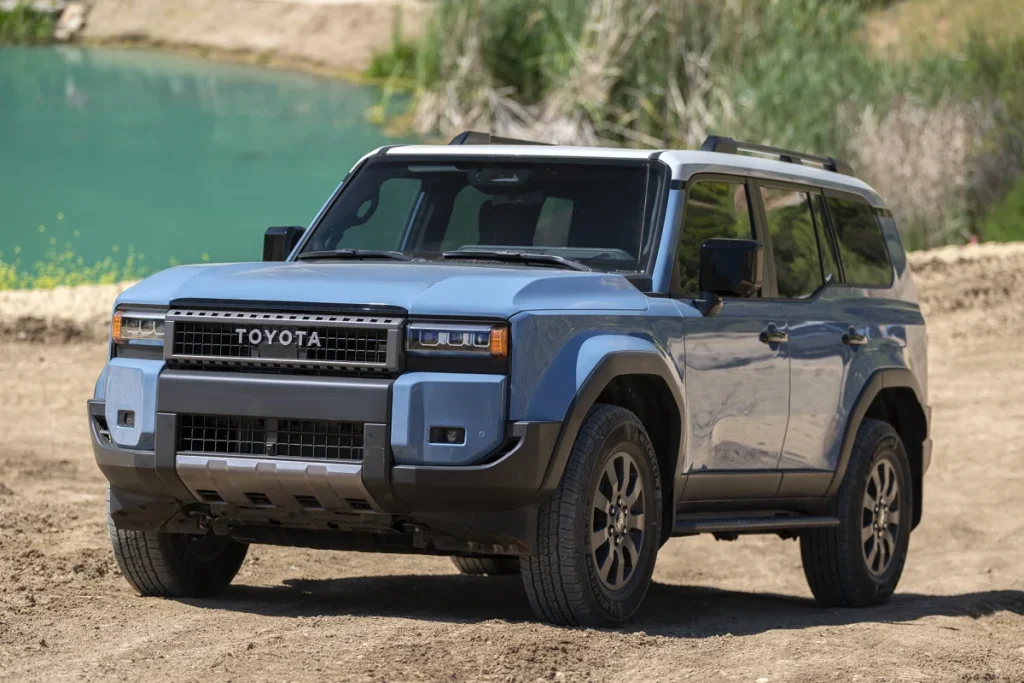
Another practical factor is fuel tank size. Many Land Cruiser models include large tanks that allow extended driving without frequent refueling. This reduces anxiety when fuel stations may be widely spaced.
For drivers who want maximum dependability and proven durability in extreme conditions, the Land Cruiser remains one of the safest long term choices available.
2. Lexus LX (Based on Land Cruiser Platform)
Some buyers want the same mechanical strength as the Land Cruiser but prefer a more refined environment for long daily drives. This is where the Lexus LX becomes relevant. Built on the same fundamental platform, it combines proven durability with additional comfort features that can make long desert commutes more manageable.
The mechanical similarity means the LX benefits from the same durability advantages. Strong engines, robust cooling systems, and heavy duty construction allow it to function reliably under constant heat exposure. The difference lies in how the vehicle treats the driver during those long trips.
Interior isolation becomes a key benefit. Better sound insulation reduces road noise across long empty highways, which can lower fatigue over time. When driving 100 miles every day, small comfort differences can have a noticeable impact on overall experience.
Climate control systems are another important strength. Lexus invested heavily in strong air conditioning performance, which becomes extremely valuable in hot climates. Consistent cabin cooling helps maintain driver concentration during long drives.
Suspension tuning also plays a role. The LX often features adaptive suspension systems that smooth out imperfections in road surfaces. Even small comfort improvements become meaningful when repeated daily over long distances.
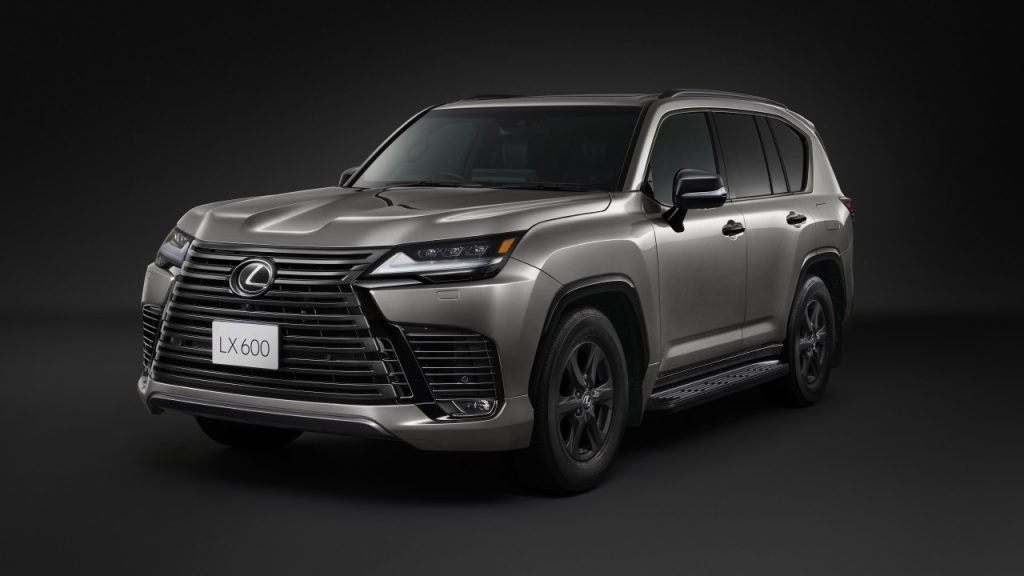
Reliability perception also contributes to owner confidence. Knowing the vehicle shares engineering with one of the most respected durability platforms in the world gives many owners peace of mind when traveling through remote areas.
Another interesting benefit involves resale stability. Vehicles with strong reliability reputations often maintain value better, which helps offset the initial purchase cost over time.
For drivers who want heavy duty desert durability combined with high comfort levels, the Lexus LX offers a blend of strength and refinement that few vehicles can match.
3. Toyota Tacoma
There is a reason the Toyota Tacoma has developed a cult following among people who regularly travel through remote environments.
It is not because it is the most powerful truck or the most luxurious, but because it has repeatedly proven that it can tolerate hard use without becoming unreliable. For someone driving long desert distances daily, that type of reputation matters more than marketing numbers.
Think about how desert travel actually works. Long empty roads often include sections of broken pavement, gravel shoulders, and occasional detours onto rough surfaces. The Tacoma handles this reality well because it was engineered with durability as a priority rather than just comfort.
One major strength is drivetrain simplicity. Many Tacoma models use naturally aspirated engines that are known for predictable long term performance. These engines are not highly stressed, which allows them to tolerate heat cycles better than some smaller turbocharged alternatives.
Another point worth examining is suspension durability. Trucks like the Tacoma are designed to carry loads and handle uneven surfaces, which makes them well suited for desert environments where road quality can vary. Even when driven unloaded, this heavy duty suspension often translates into long component life.
Now consider ownership mindset. Tacoma buyers often choose the truck because they plan to keep it for many years. That long term ownership culture reflects how well the vehicle holds up when properly maintained. Stories of very high mileage Tacomas are common, especially in harsh climates.
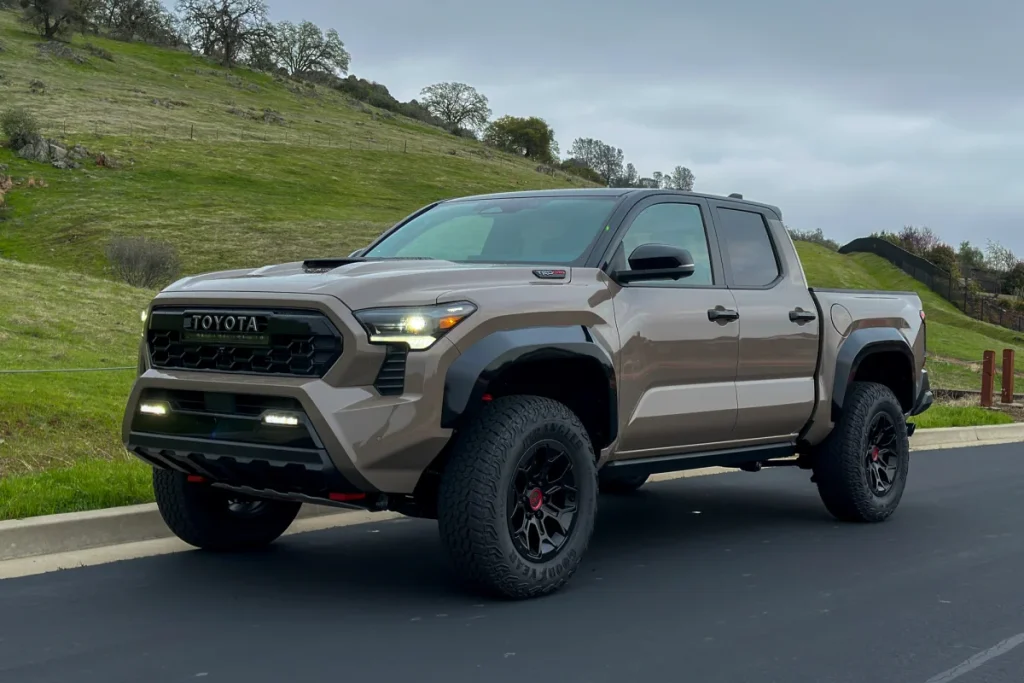
Practicality also matters. The truck bed provides a place to carry emergency water, spare fuel containers, tools, and extra tires. In desert travel, preparation is important, and having flexible cargo space can make a real difference in safety planning.
There is also a trust factor involved. Drivers who travel far from services often value vehicles with predictable behavior. The Tacoma built its reputation by being consistent rather than complicated.
For those who want a midsize truck that emphasizes proven durability and long term dependability, the Tacoma continues to stand out as one of the most trusted desert travel companions available.
4. Ford F-150 (5.0 V8 Naturally Aspirated Models)
A completely different approach to desert commuting involves choosing a full size truck that prioritizes simple, proven power. The Ford F 150 equipped with the 5.0 liter naturally aspirated V8 represents this philosophy well. Instead of relying on forced induction, this engine focuses on durability through straightforward design.
Let us begin with thermal stability. Larger displacement engines that are not heavily boosted often run with less internal stress during long highway driving. This can be beneficial in high temperature environments where engine cooling margins matter.
Another factor involves parts availability. The F 150 has been one of the most widely sold trucks in North America for decades. This means parts, knowledge, and service familiarity are widespread. For drivers covering long distances, knowing repairs can be handled almost anywhere provides reassurance.
Instead of only discussing mechanical aspects, it helps to consider comfort during long drives. The F 150 typically offers spacious cabins with supportive seating. Spending hours daily on open roads becomes easier when the vehicle provides enough space to reduce fatigue.
Range flexibility also plays a role. Many versions can be equipped with larger fuel tanks, which allows fewer fuel stops across long desert routes. Reducing stops can save time and reduce risk in remote areas.
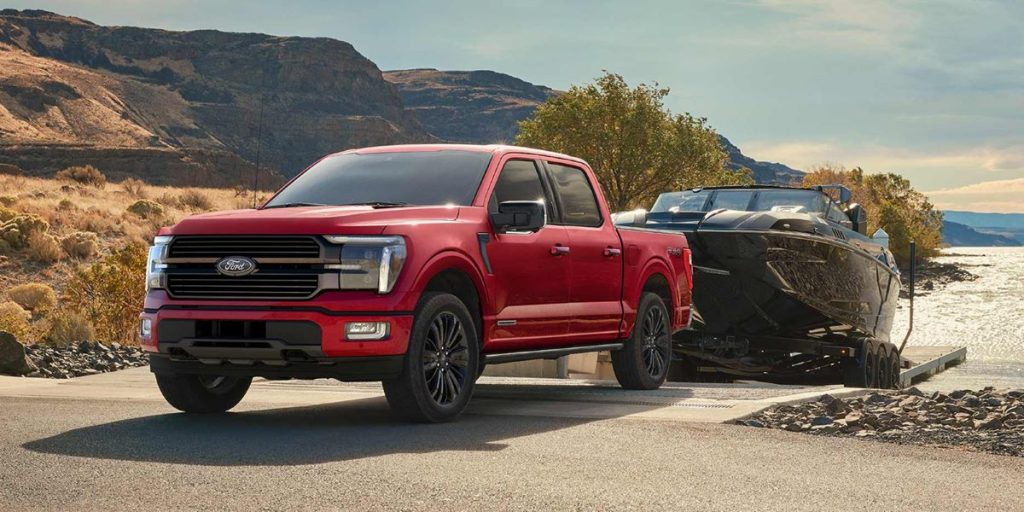
Another advantage lies in straight line stability. Full size trucks often feel very composed at highway speeds. This helps reduce the constant steering corrections that can tire drivers on long straight desert highways.
Consider also the versatility factor. Even if the daily routine is commuting, the truck can also carry supplies, spare parts, or emergency gear. This dual purpose capability often appeals to drivers who prefer one vehicle that can handle multiple roles.
For drivers who prefer simple V8 strength, long distance comfort, and a platform with massive real world support, the F 150 with the traditional 5.0 engine remains a very practical desert distance vehicle.
5. Subaru Outback
Some drivers approaching long desert commutes may not immediately think of a wagon as a serious candidate, yet the Subaru Outback has quietly proven itself as a dependable long distance machine in challenging climates.
Its strength lies not in brute force but in balance. It manages to combine efficiency, stability, and practical durability in a way that makes it suitable for long daily drives through exposed terrain.
One important quality is how stable the vehicle feels at highway speed. Desert highways often experience strong crosswinds, and vehicles with balanced weight distribution tend to track more predictably.
The Outback benefits from its horizontally opposed engine layout which helps keep the center of gravity low, improving stability in open wind conditions.
Another detail that deserves attention is its all wheel drive system. Even if most desert commuting happens on pavement, there are situations involving sand covered shoulders, construction detours, or dirt access roads. Having traction available without needing driver intervention adds another layer of confidence.
From a completely different angle, think about fatigue management. The Outback was designed with long distance travel in mind, which shows in its seat design and ride tuning. Long daily drives become more manageable when the vehicle absorbs road imperfections instead of transmitting them directly to the driver.
Interior climate durability also matters. Subaru has focused heavily on effective climate systems that maintain consistent cabin temperatures even during extended exposure to sunlight. This contributes directly to comfort during repetitive long drives.
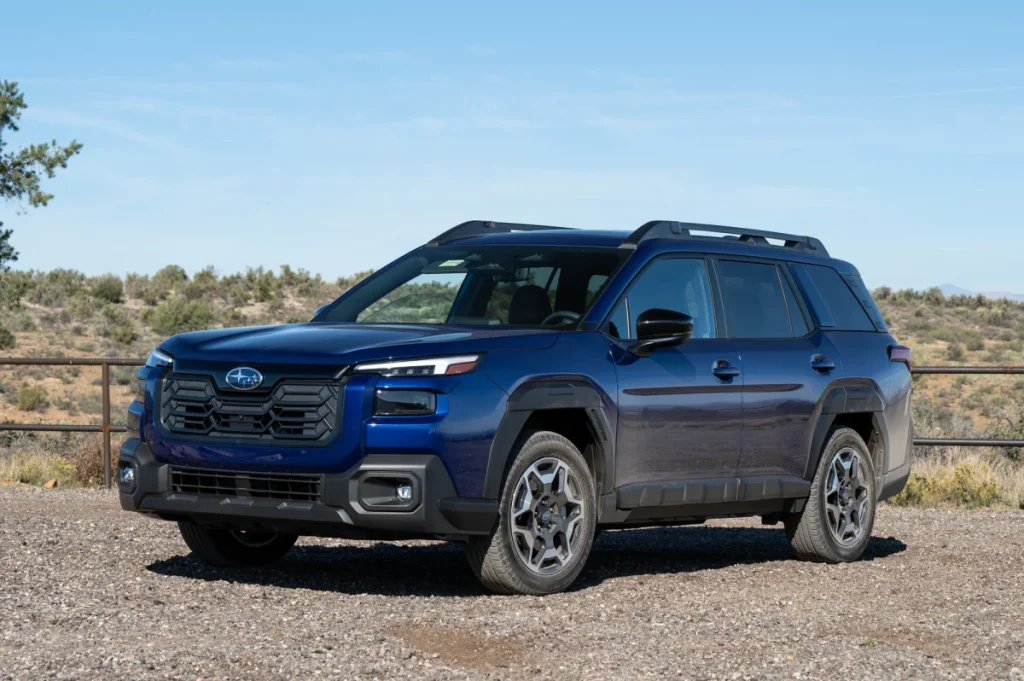
Another practical benefit is storage organization. The long rear cargo space allows drivers to carry emergency equipment in an organized way. Extra coolant, spare filters, and emergency supplies can be stored without interfering with passenger space.
Reliability history also plays into its value. The Outback has built a reputation among owners who regularly travel long distances in rural areas. This kind of usage pattern closely matches desert commuting requirements.
For someone who wants a comfortable long distance vehicle that also offers added traction security and practical storage, the Outback offers a thoughtful alternative to traditional trucks.
6. Chevrolet Tahoe (5.3 V8 Models)
There is a certain logic behind choosing a full size SUV for daily desert travel. Vehicles like the Chevrolet Tahoe offer mass, strength, and comfort in a single package. For drivers who prioritize durability and long distance comfort over fuel savings, this approach can make sense.
Instead of starting with engine size, it helps to think about vehicle presence. A large SUV tends to feel very planted on open highways. This sense of stability can reduce driver fatigue because the vehicle does not feel easily disturbed by wind or passing trucks.
Another strength comes from proven V8 durability. The 5.3 liter engine has been used across multiple GM vehicles and is known for steady long term operation when maintained properly. In hot environments, engines that are not heavily stressed often maintain reliability more easily.
Now consider interior space from a different perspective. Long daily drives often require carrying supplies such as water, tools, and emergency equipment. The Tahoe provides enclosed cargo space that protects these items from extreme heat and dust exposure.
Cooling system strength is another important factor. Full size SUVs designed for towing often include robust cooling systems. Even if towing is not part of daily use, this extra thermal capacity can help when driving long distances in high temperatures.
Another aspect worth noting is seating comfort. Larger vehicles often include wider seats and more legroom. When repeated daily over long distances, this extra space can significantly improve overall driving comfort.
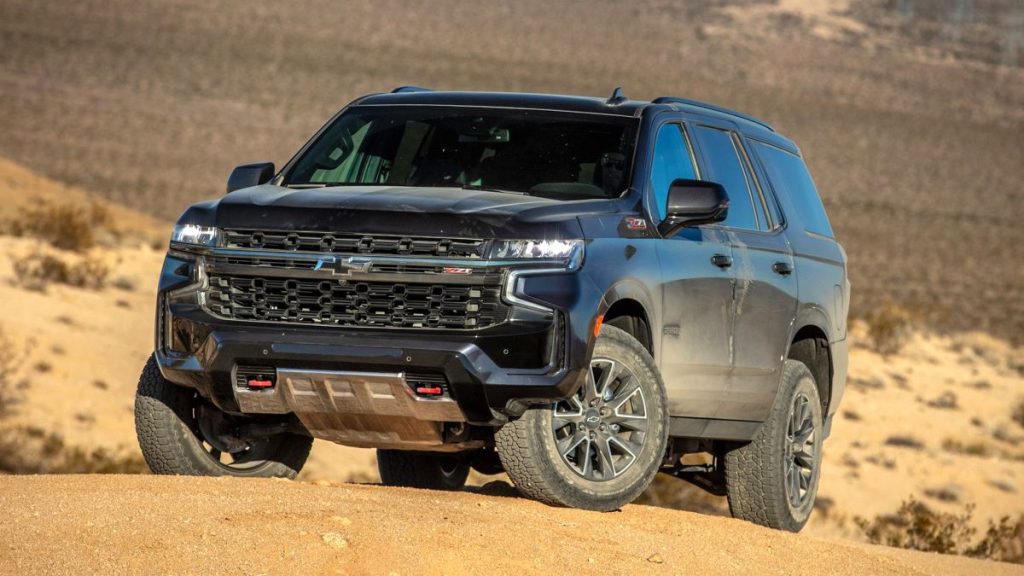
Let us also consider safety confidence. The size and structure of a full size SUV often make drivers feel more secure when traveling through isolated areas. While this is partly psychological, confidence can influence how relaxed a driver feels during long trips.
For drivers who value highway stability, interior space, and proven V8 durability, the Tahoe offers a strong argument as a dependable long distance desert vehicle.
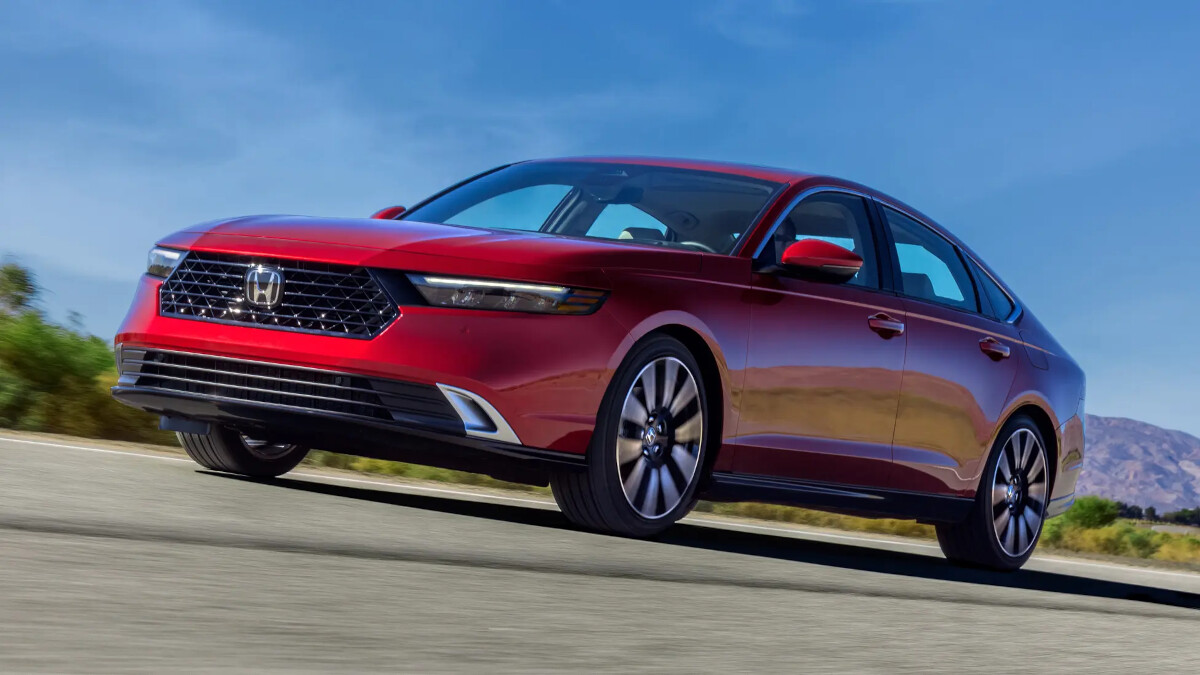
7. Honda Accord
Choosing a midsize sedan for daily desert travel may seem unusual compared to trucks and SUVs, but the Honda Accord represents a different kind of strength.
Its advantage comes from consistency, efficiency, and a long history of dependable highway performance. For drivers whose routes are primarily paved and predictable, this type of vehicle can be surprisingly well suited.
Start by thinking about endurance rather than toughness. The Accord built its reputation through decades of reliable long distance commuting.
Many examples have accumulated extremely high mileage while maintaining smooth operation. This history makes it attractive to drivers who want a vehicle that can quietly handle repetitive long distance travel.
Fuel efficiency becomes a major advantage when driving 100 miles every day. Compared to large SUVs or trucks, a midsize sedan can significantly reduce operating costs over time. This difference becomes substantial when multiplied across years of daily driving.
There is also something to be said about ride quality. The Accord has traditionally been tuned for stable highway cruising. It tends to track straight and remain predictable even at higher speeds, which helps reduce the small steering corrections that can gradually tire a driver.
Now consider climate exposure from another angle. Modern Accords feature effective air conditioning systems and interiors designed to resist wear from sun exposure. Materials tend to hold up well even with constant heat cycles when basic care is taken.
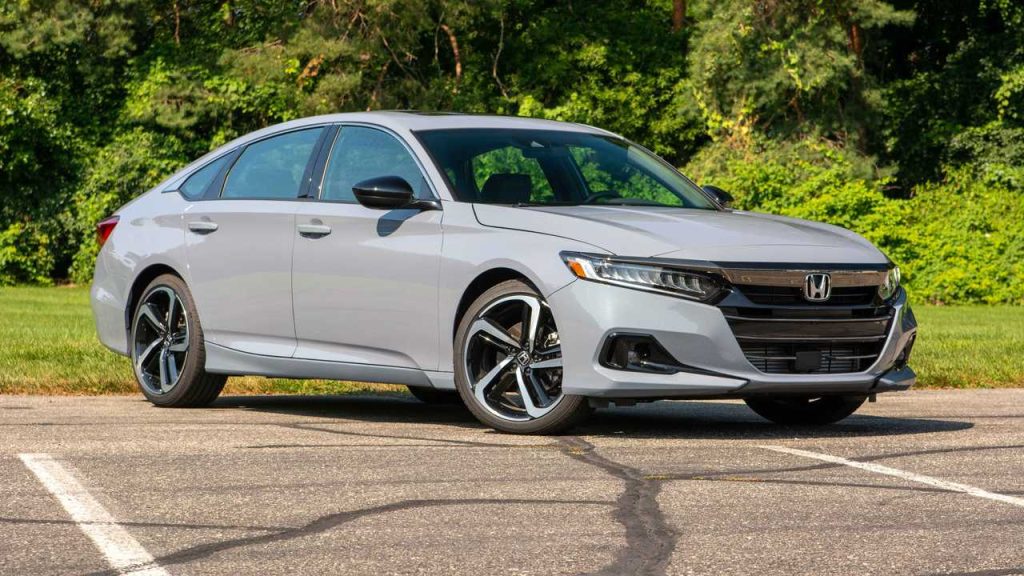
Another benefit involves maintenance predictability. Honda vehicles are known for relatively straightforward service needs. This can make it easier to plan preventative maintenance instead of dealing with unexpected breakdowns.
Cabin ergonomics also contribute to its value. Controls are positioned logically and seats are designed for long drives rather than short trips. These small design choices become important when repeated daily over long distances.
For drivers who spend most of their desert commute on pavement and want a comfortable, efficient, and proven long distance vehicle, the Honda Accord represents a very rational and cost effective option.
8. Jeep Grand Cherokee (3.6 V6 Models)
There are drivers who want a vehicle that feels ready for uncertainty even if their daily route is predictable. The Jeep Grand Cherokee fits this mindset by combining highway comfort with the ability to handle unexpected terrain if conditions change.
One of its strongest qualities is versatility. Desert routes sometimes include construction zones, unpaved access roads, or weather damaged sections. Having a vehicle with real capability beyond pavement can provide peace of mind even if it is rarely needed.
Instead of emphasizing extreme off road features, the V6 versions of the Grand Cherokee focus on balanced performance. The 3.6 liter engine is known for delivering steady power while maintaining reasonable fuel consumption. This balance makes it practical for long commutes.
Another interesting benefit involves ride isolation. The Grand Cherokee tends to provide a quieter cabin than many truck based SUVs. Reduced vibration and noise can make long daily drives less mentally exhausting.
Look also at cargo flexibility. The rear area allows drivers to carry emergency gear without exposing it to direct sunlight. In desert travel, having water and supplies protected from heat can be important.
Technology integration also supports long distance driving. Many models include driver assistance features such as adaptive cruise control. These features can help reduce fatigue during long highway stretches by assisting with speed management.
Another strength is its overall design maturity. The Grand Cherokee has evolved over multiple generations, and this development history shows in how well it balances comfort with capability.
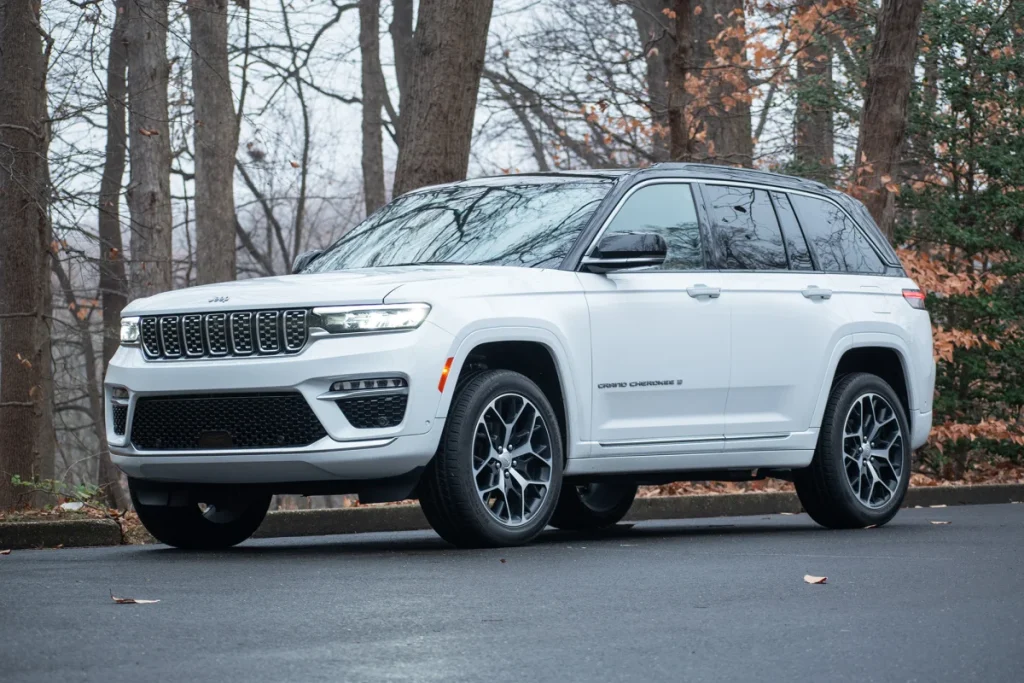
For drivers who want a vehicle that feels equally comfortable on open highways and capable of handling unexpected terrain, the Grand Cherokee offers a strong balance between daily usability and long distance durability.
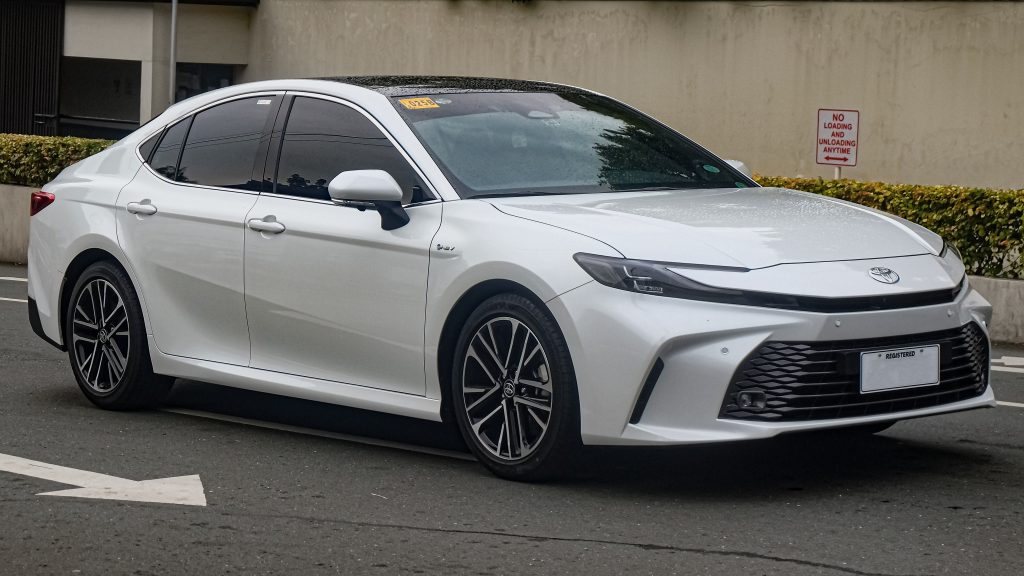
9. Toyota Camry
Sometimes the best vehicle for long desert driving is not the toughest or the most complex, but simply the one that proves it can start every day and complete the journey without drama.
The Toyota Camry has built its reputation on exactly this kind of predictable dependability, which is why it deserves consideration for high mileage desert commuters.
Instead of focusing on rugged image, the Camry succeeds through refinement and engineering consistency. Its engines are typically designed with durability margins that allow them to operate for very high mileages when properly maintained.
For someone driving long distances daily, that kind of long term confidence can be more valuable than off road capability.
Fuel economy is another major reason this car fits desert commuting well. A vehicle that must travel large distances every day benefits from reduced fuel stops and lower operating costs. Over the course of a year, efficiency differences can translate into meaningful savings.
Now consider comfort from the perspective of repetition. Driving the same long route every day can become mentally exhausting if the vehicle constantly demands attention. The Camry is known for smooth power delivery and stable road manners, which helps make long highway drives feel routine rather than tiring.
Interior durability also becomes relevant. Toyota has historically focused on materials that tolerate long term use. Even under strong sunlight, interiors often hold up well if basic protection like sunshades is used.
Maintenance accessibility also helps its case. Because the Camry is one of the most widely sold sedans in North America, service knowledge and replacement parts are easy to find. This reduces the risk of long repair delays.
Another factor is driving ease. The Camry does not require adaptation or special learning. Drivers can focus on the journey rather than managing complicated vehicle behavior.
For desert commuters who value reliability, efficiency, and a proven track record of long distance durability, the Toyota Camry remains one of the safest and most sensible choices available.
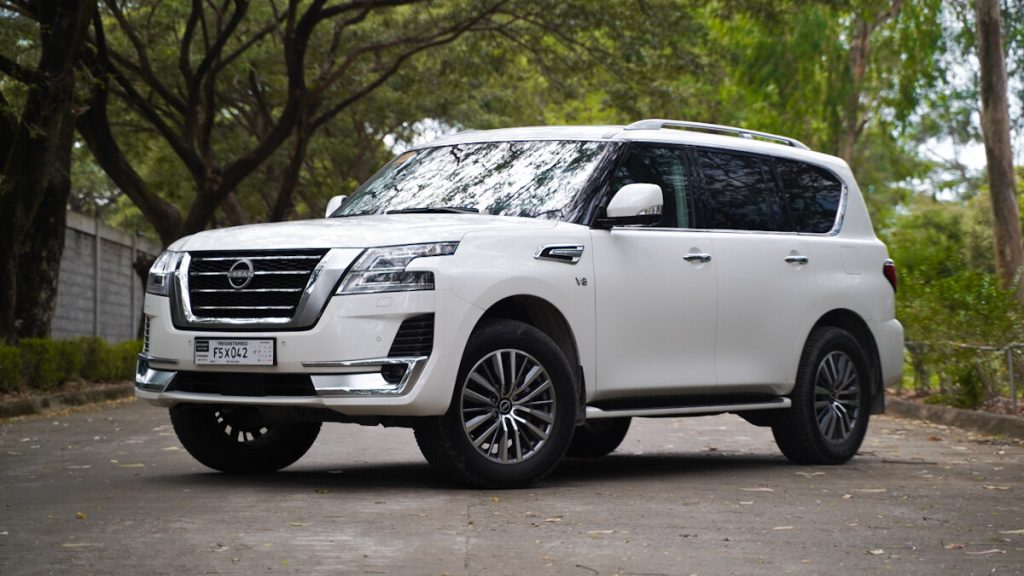
10. Nissan Patrol
To end this list, it makes sense to include a vehicle that represents extreme durability in harsh climates. The Nissan Patrol has long been respected in desert regions around the world for its ability to operate in conditions that would quickly wear down less robust vehicles.
Start by considering its engineering intent. The Patrol was designed for demanding environments where durability is essential. This design background naturally makes it suitable for long distance desert travel where reliability matters more than trend focused features.
Instead of discussing luxury, it is more useful to focus on structural strength. The Patrol uses heavy duty construction that allows it to tolerate rough surfaces and long term stress. This type of overbuilt design often translates into long service life when used for daily commuting.
Another advantage involves cooling capacity. Vehicles built for hot climates typically feature strong thermal management systems. This allows them to operate in extreme heat without placing excessive strain on engine components.
Look also at cabin size from a practical perspective. Long distance desert drivers often carry supplies such as extra fluids, emergency equipment, and personal gear. The Patrol provides generous interior space to support this kind of preparation.
Another benefit comes from drivetrain confidence. Large displacement engines tuned for reliability often deliver steady performance rather than high stress output. This helps maintain mechanical stability during continuous operation.
There is also a reputation factor involved. Vehicles like the Patrol developed their credibility through decades of use in regions where failure is not easily tolerated. That legacy continues to influence how they are viewed by drivers who prioritize durability.
For those who want a vehicle with a global reputation for handling harsh environments and long distance reliability, the Nissan Patrol represents one of the most proven desert capable platforms ever developed.
Driving 100 miles across open desert every day requires a vehicle that emphasizes endurance, thermal stability, and predictable reliability. The vehicles listed here demonstrate that there is no single perfect solution, but rather multiple approaches depending on whether the driver prioritizes comfort, efficiency, or maximum durability.
Heavy duty vehicles such as the Toyota Land Cruiser, Lexus LX, and Nissan Patrol focus on strength and proven durability in extreme climates. These vehicles appeal to drivers who want maximum confidence when traveling far from assistance.
Trucks like the Toyota Tacoma and Ford F 150 provide a balance between work capability and daily usability. Their ability to carry supplies while maintaining strong reliability records makes them practical long term companions.
Balanced vehicles such as the Subaru Outback and Jeep Grand Cherokee show how versatility can be valuable when routes occasionally change or conditions become unpredictable.
Meanwhile, efficient long distance commuters like the Honda Accord and Toyota Camry demonstrate that durability and efficiency can sometimes matter more than size when the journey is primarily highway based.
The most important lesson is that daily desert driving rewards vehicles that are engineered for consistency rather than complexity.
Choosing a model with a strong reliability history, effective cooling systems, and predictable long term performance can make high mileage desert commuting far safer and far more manageable over time.
Also Read: 10 American Classics From the 1990s That Are Doubling in Value
