
Driving in historic American cities presents a completely different challenge compared to modern urban areas.
Many of these cities were designed long before automobiles existed, which means streets were originally built for pedestrians, horses, and small carriages rather than large modern vehicles.
As a result, drivers often face extremely narrow lanes, tight corners, limited parking spaces, and unpredictable traffic patterns that can make larger vehicles feel stressful to operate.
Cities such as Boston, Charleston, Savannah, Philadelphia, and parts of San Francisco are well known for their compact street layouts. In these places, vehicle size becomes one of the most important factors when choosing transportation.
A large SUV may offer comfort, but squeezing through narrow streets or fitting into small parking spaces can quickly turn daily driving into a frustrating experience.
This is where smaller vehicles with tight turning radiuses become extremely valuable. Compact dimensions allow drivers to maneuver more easily through narrow corridors, while shorter wheelbases help when navigating sharp turns or entering tight parking structures.
Visibility also becomes an important factor, since being able to clearly see corners and obstacles reduces stress in crowded environments.
Technology can also play an important role. Modern compact vehicles often include parking sensors, rear cameras, and steering assistance features that make urban navigation much easier. However, mechanical simplicity and predictable handling remain just as important as advanced features.
Fuel efficiency is another advantage in historic cities where stop and go traffic is common. Smaller vehicles tend to consume less fuel while idling in congestion and can often be parked in areas where larger vehicles simply cannot fit.
The vehicles in this list stand out because they combine compact size, maneuverability, good visibility, and practical city usability. Each offers a different approach to solving the challenge of navigating tight historic streets while still remaining practical for daily use.
Also Read: 10 Best 2026 Cars for People Who Don’t Trust Full EVs Yet
1. Mini Cooper Hardtop
Some cars feel as though they were specifically designed for narrow city streets, and the Mini Cooper Hardtop fits that description perfectly. Its compact footprint makes it one of the easiest modern cars to position within tight lanes where even compact sedans may start to feel oversized.
What makes the Mini especially suited for historic districts is not just its length but its turning behavior. The short wheelbase allows the car to rotate quickly through sharp intersections where larger vehicles often require multi point turns. This characteristic alone can dramatically reduce daily driving stress in old city layouts.
Another aspect that stands out is how the car encourages precise driving. The steering is quick and responsive, giving the driver confidence when threading through narrow corridors lined with parked vehicles. This kind of responsiveness can make the difference between a stressful commute and an enjoyable one.
Parking is another area where the Mini excels. Parallel spaces that may seem impossible for midsize vehicles often become manageable. Drivers frequently mention that they begin to see parking opportunities they would have ignored with a larger car.
Interior design also plays a role in usability. The upright windshield and relatively vertical seating position improve forward visibility, which helps when creeping through tight areas. Being able to judge the edges of the car accurately becomes a major advantage.
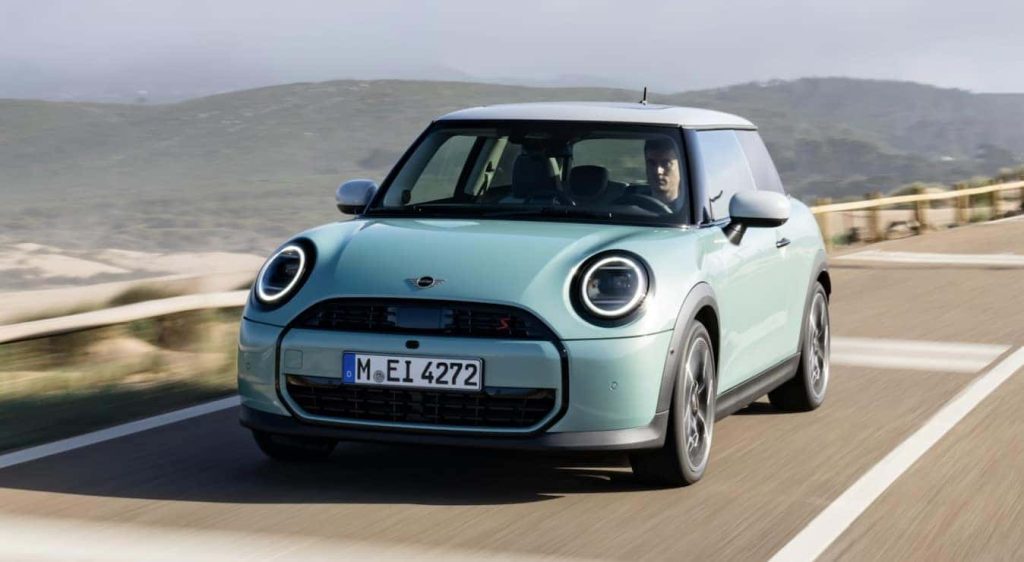
The Mini also appeals to drivers who want personality along with practicality. Historic cities often have strong cultural identities, and a distinctive vehicle can feel like it fits naturally within those environments rather than appearing oversized or out of place.
For drivers who want maximum maneuverability with a sense of driving engagement, the Mini Cooper Hardtop represents one of the most natural fits for tight historic city streets.
2. Honda Fit
The Honda Fit approaches the same challenge from a completely different philosophy. Instead of focusing on sportiness, it emphasizes intelligent space design and everyday practicality. This makes it especially attractive for drivers who want efficiency and flexibility while navigating older city infrastructure.
The real genius of the Fit lies in how much usability Honda managed to package into such a small exterior. From the outside it appears compact enough for tight urban use, but inside it offers surprising cargo flexibility thanks to its well known Magic Seat system. This allows owners to handle daily errands without needing a larger vehicle.
Another important benefit is predictable driving behavior. The Fit does not try to feel aggressive or sporty. Instead, it focuses on smooth controls and easy handling. This makes it especially suitable for drivers who deal with crowded pedestrian areas and frequent stop signs.
Let us consider visibility from a practical standpoint. Large windows and thin roof pillars allow the driver to maintain awareness of cyclists, pedestrians, and tight curbs. In older cities where streets may suddenly narrow, this level of awareness becomes extremely valuable.
Ownership costs also play into its appeal. Compact size typically means lower fuel consumption and affordable maintenance, which matters for people who primarily use their vehicles for city commuting. Over time this efficiency can become a major financial benefit.
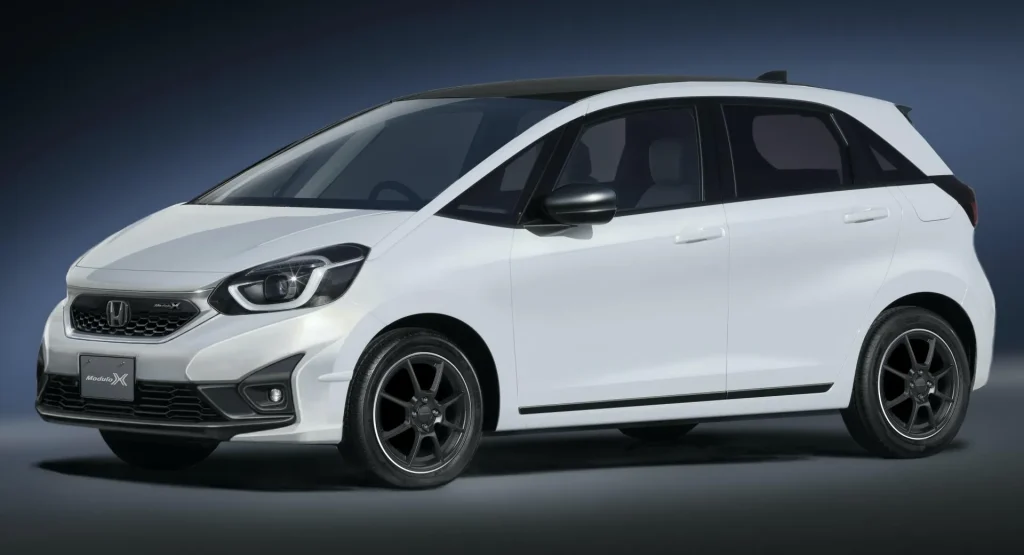
The Fit also attracts buyers who value practicality over image. Its design is honest about its purpose, which is to provide reliable and efficient transportation rather than luxury. In dense historic environments, this straightforward approach often proves to be exactly what drivers need.
For those who want a highly practical small vehicle that makes daily urban tasks easier without unnecessary complication, the Honda Fit stands out as an intelligent and dependable option.
3. Fiat 500
If one were to judge vehicles purely by how naturally they fit into tight urban environments, the Fiat 500 would easily qualify as one of the most city friendly designs of the modern era. Its extremely compact dimensions make it feel almost tailor made for neighborhoods where streets feel closer to pathways than conventional roads.
Rather than emphasizing versatility, the Fiat 500 succeeds by embracing simplicity. Its small footprint allows drivers to slip through areas that would make even compact hatchbacks feel slightly uncomfortable.
In older districts where delivery trucks, street parking, and pedestrian traffic compress available space, this advantage becomes obvious very quickly.
There is also something to be said about the psychological comfort of driving a very small car in a tight environment. Instead of constantly worrying about clearance, drivers often feel more relaxed because the car occupies less space. That confidence often translates into smoother driving decisions and less hesitation in busy areas.
Parking situations also change dramatically with a vehicle of this size. Small gaps between parked vehicles that might otherwise be dismissed can become viable parking opportunities. For residents of historic neighborhoods where parking is often limited, this becomes a daily benefit rather than an occasional convenience.
From another perspective, the Fiat also represents an efficient commuting solution. Smaller engines typically mean lower fuel consumption during stop and go traffic, and the lightweight construction helps the car feel responsive even at lower speeds common in historic districts.
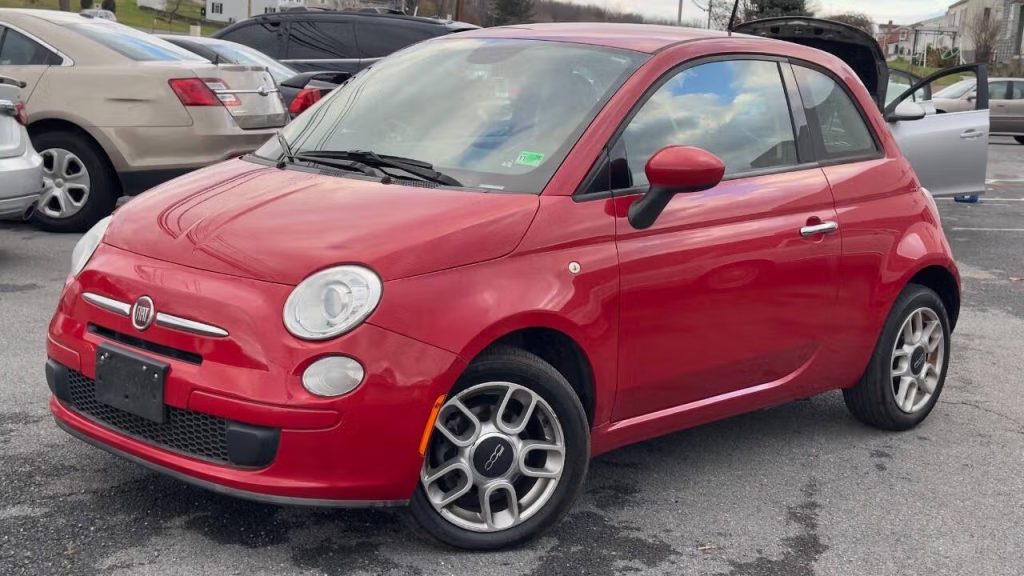
Another interesting advantage involves urban character. Cars like the Fiat 500 visually match the charm of historic neighborhoods better than oversized modern vehicles. While this does not affect performance, it does influence how naturally the vehicle fits into these environments.
For drivers who want the smallest practical modern vehicle for dense historic streets, the Fiat 500 offers a unique combination of compact size and everyday usability.
4. Toyota Corolla Hatchback
Not everyone wants an ultra small car, and this is where the Toyota Corolla Hatchback provides a different solution. It offers compact exterior dimensions while still maintaining the feel of a traditional car, which appeals to drivers who want balance rather than extreme downsizing.
The advantage here comes from proportion management. The Corolla Hatchback remains short enough to maneuver easily, yet wide enough to feel stable at highway speeds. This dual personality is important for drivers who split time between tight city streets and longer commutes outside historic districts.
Another strength worth examining is steering predictability. The car responds in a calm and controlled way, which helps drivers make small adjustments when passing through narrow streets lined with parked vehicles. That kind of precision is often more valuable than aggressive performance.
Toyota’s reputation for reliability also adds another dimension to its appeal. In dense city environments where daily driving involves constant braking, turning, and short trips, having a vehicle known for durability can reduce long term ownership stress.
Interior ergonomics also deserve recognition. Controls are logically placed and easy to operate, which allows the driver to focus on navigation rather than searching for functions. In complicated urban layouts where attention must remain on surroundings, this kind of simplicity becomes valuable.
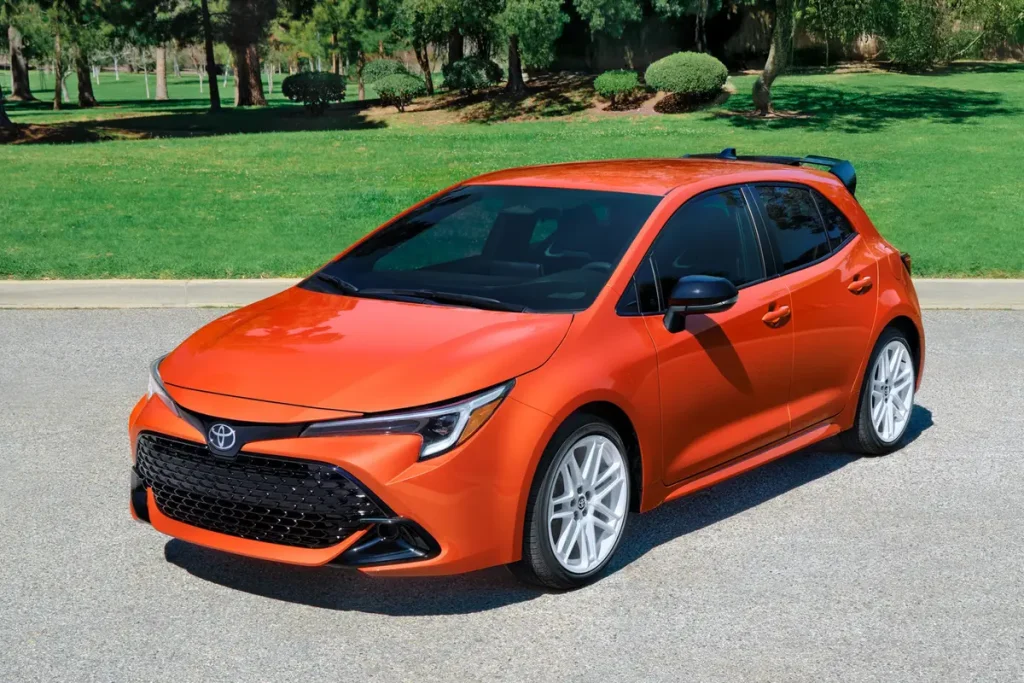
The hatchback layout also offers practical benefits. Being able to access cargo vertically instead of through a traditional trunk makes it easier to load groceries or city purchases in tight parking situations where rear space may be limited.
For drivers who want a modern compact car that balances maneuverability, reliability, and everyday usability, the Corolla Hatchback represents a very sensible compromise between tiny city cars and larger sedans.
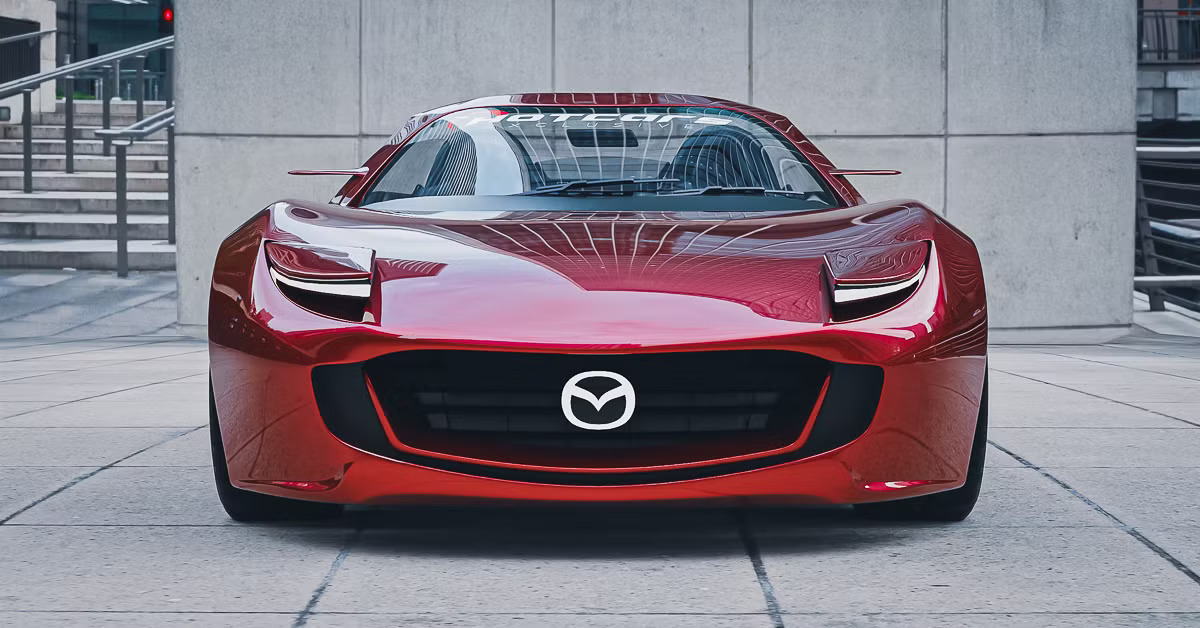
5. Mazda MX 5 Miata
There is an interesting argument that a lightweight sports car can sometimes be one of the easiest vehicles to drive in historic cities.
The Mazda MX 5 Miata proves this idea by combining a very small footprint with exceptional steering accuracy. While it is rarely discussed as a city car, its physical dimensions make it surprisingly effective in narrow environments.
Start with the size advantage. The Miata is shorter than many compact sedans and significantly narrower than most SUVs.
This makes lane positioning much easier when streets suddenly tighten or when construction barriers reduce available space. Drivers often find they have more room to react compared to wider vehicles.
Instead of focusing on practicality first, consider control. The Miata is famous for its balanced chassis and direct steering feel. When navigating tight corners, the car responds instantly to small steering inputs. This precision allows drivers to place the vehicle exactly where they want it, which is extremely helpful when clearance margins are small.
Another factor worth discussing is driver awareness. Because the car sits low and provides excellent forward visibility, it becomes easier to judge distances to curbs and parked cars. This can make a big difference when moving through older districts where road markings may be unclear or faded.
Approach this from another viewpoint by thinking about driver engagement. Historic cities often require constant attention due to pedestrians, cyclists, and unexpected stops. A car that keeps the driver engaged may actually improve awareness compared to vehicles that isolate the driver too much.
Of course, this vehicle makes a trade off. Cargo space is limited and it is not meant for large family duties. However, for individuals or couples living in dense historic areas, this limitation may not matter. The benefit of easy maneuverability may outweigh storage needs.
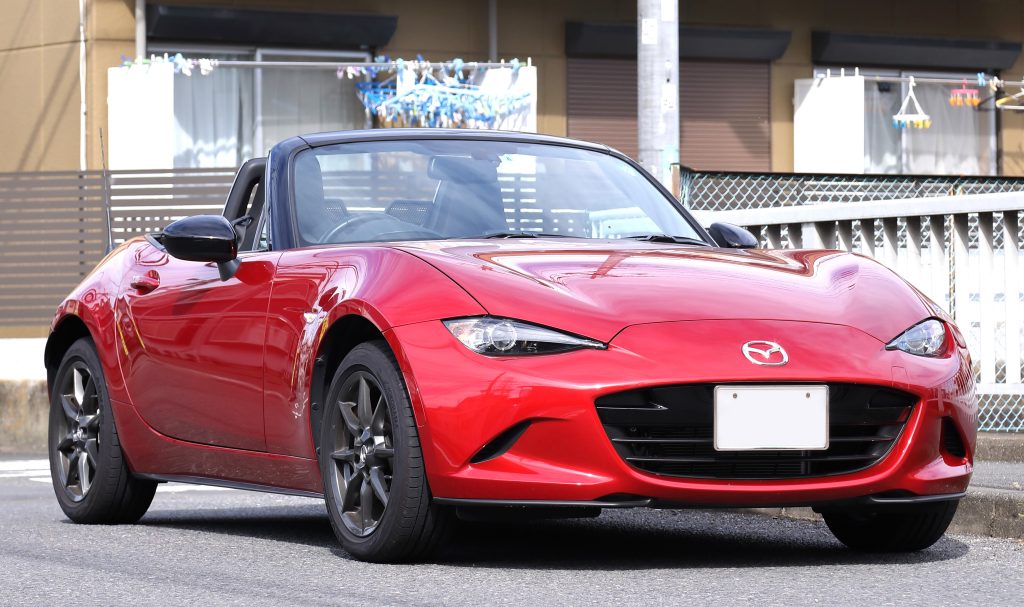
Fuel efficiency also supports daily use. Lightweight construction allows the car to use less fuel during urban driving, which adds long term cost advantages.
For drivers who value precision handling and compact size over maximum practicality, the Miata presents a unique and surprisingly effective solution.
6. Hyundai Kona
The Hyundai Kona takes a completely different approach compared to a sports car. Instead of focusing on driving excitement, it focuses on practical urban versatility. It manages to provide the slightly elevated seating position many drivers want from a crossover while still maintaining dimensions that work well in tight environments.
One immediate benefit is the driving position. Sitting slightly higher than a typical sedan can improve visibility over traffic and parked cars. In historic districts where intersections may have limited sightlines, this advantage can improve confidence and safety.
Rather than emphasizing performance, the Kona succeeds through balance. It is small enough to handle narrow lanes yet tall enough to handle rough pavement often found in older areas. Many historic cities have uneven surfaces, and a slightly taller suspension can improve ride comfort in these situations.
Technology also becomes part of the Kona’s advantage. Many models include parking sensors, rear cameras, and driver assistance features that help prevent minor impacts. In dense environments where space is limited, these systems can act as extra awareness tools rather than just convenience features.
Let us also consider flexibility. The rear hatch design allows the Kona to carry more cargo than many small sedans. This can be helpful for residents who frequently shop at local markets or transport daily supplies without needing a larger vehicle.
Another advantage comes from its modern design philosophy. Hyundai focused on making controls intuitive and displays easy to read. This allows drivers to focus on navigating complicated street networks rather than interacting with confusing interfaces.
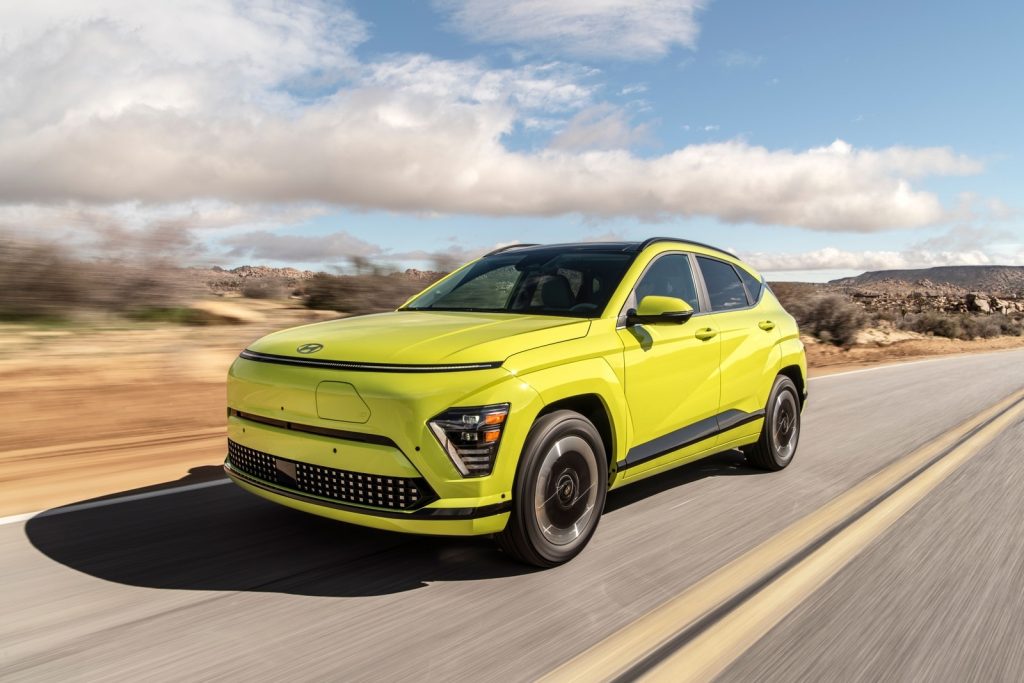
Ownership value also matters. The Kona is often praised for offering strong feature content for its price, which appeals to buyers who want modern safety features without stepping into luxury pricing.
For drivers who want a compact crossover that feels modern, manageable, and adaptable to tight historic streets, the Hyundai Kona offers a very well balanced solution.
7. Volkswagen Golf
The Volkswagen Golf has long been considered one of the most intelligently sized cars for urban driving. It does not try to be the smallest car on the road, yet it manages to package maneuverability, stability, and everyday usefulness into proportions that work exceptionally well in older city environments.
Instead of focusing only on exterior size, it helps to examine how the Golf uses its dimensions. The relatively short overall length combined with a squared rear design allows drivers to better judge where the car ends. This makes reversing into tight parking spaces less stressful because the shape is easy to understand from the driver seat.
Another strength appears when considering how the car behaves at low speeds. The steering tends to feel light during parking maneuvers, allowing easy adjustments when navigating narrow alleyways or tight turns. This can be especially useful in historic areas where streets sometimes curve unexpectedly.
Let us also talk about balance. Unlike very small city cars that may feel unstable at higher speeds, the Golf manages to feel planted even when leaving the city for highway driving. This makes it attractive for people who live in historic districts but still need to travel longer distances regularly.
Interior quality also deserves recognition. Volkswagen traditionally focused on solid construction and straightforward control layouts. This results in a cabin that feels logical rather than distracting, which can be valuable when navigating areas where full attention must remain on surroundings.
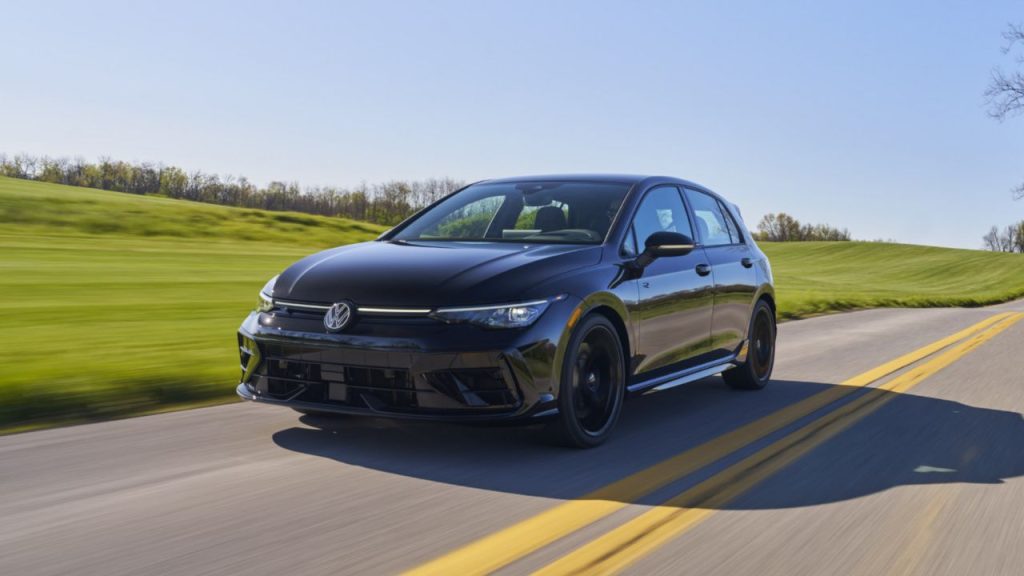
The hatchback format again becomes important. Being able to open a large rear door instead of a small trunk can make daily tasks easier. From carrying groceries to transporting small furniture, this flexibility helps urban residents avoid needing a larger vehicle.
Another often overlooked advantage is how neutral the Golf feels to drive. It does not demand aggressive driving nor does it feel underpowered. That neutral character makes it easy to adapt to crowded traffic patterns and sudden stops.
For drivers who want a vehicle that quietly excels at almost every aspect of city usability without calling attention to itself, the Volkswagen Golf remains one of the most complete compact urban solutions.
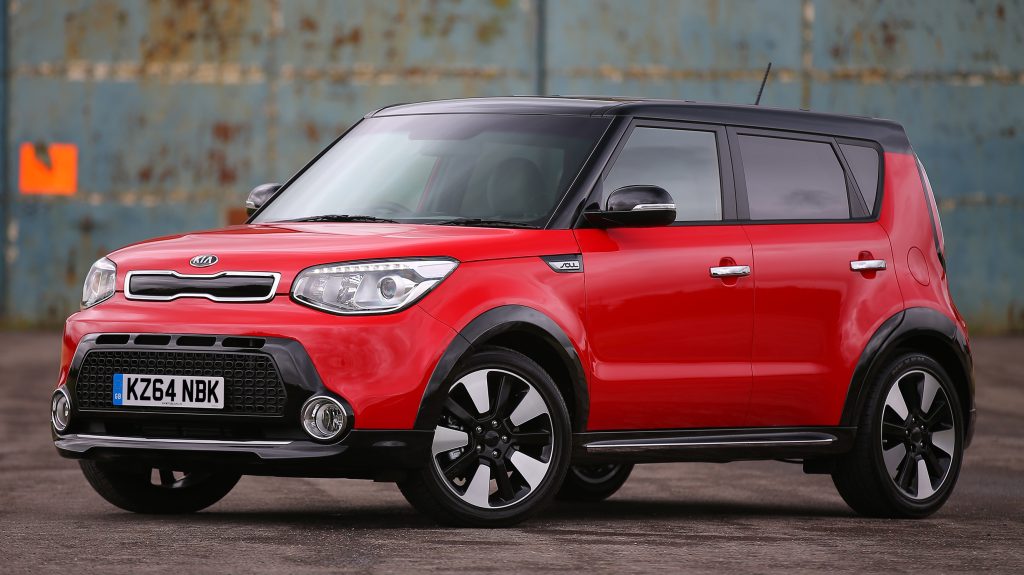
8. Kia Soul
The Kia Soul proves that creative design can sometimes solve urban driving challenges better than simply shrinking a vehicle. Its boxy shape may look unconventional, but this design actually helps it function extremely well in tight historic city streets.
Begin with visibility, which is one of the Soul’s strongest qualities. The upright shape, large windows, and high roofline allow drivers to see their surroundings clearly. In areas filled with pedestrians, bicycles, and delivery vehicles, this level of awareness can make a daily difference.
Rather than focusing on sportiness, the Soul emphasizes ease of use. The steering is tuned for light effort at low speeds, which helps when making frequent turns or navigating parking garages built decades ago when vehicles were smaller.
There is also a packaging advantage. Because the roof is tall and the body is relatively short, the Soul manages to provide interior room similar to larger vehicles while still fitting into compact spaces. This makes it particularly attractive for city residents who want interior comfort without exterior bulk.
Another practical benefit comes from entry and exit height. The seating position is neither too low nor too high, making it comfortable for a wide range of drivers. This may seem like a small detail, but it becomes important when making multiple short trips in busy city environments.
Let us also consider urban lifestyle compatibility. The Soul has often been marketed toward younger city drivers, and that focus shows in its flexible interior layouts and available technology features. Connectivity and simple infotainment systems make it well suited for modern urban living.
Reliability improvements in recent years have also strengthened its position as a sensible choice for buyers who want long term value. Lower ownership costs combined with strong warranties have helped it gain popularity among practical buyers.
For people who want something different from traditional hatchbacks but still need strong maneuverability and excellent visibility, the Kia Soul stands out as a creative and effective city vehicle.
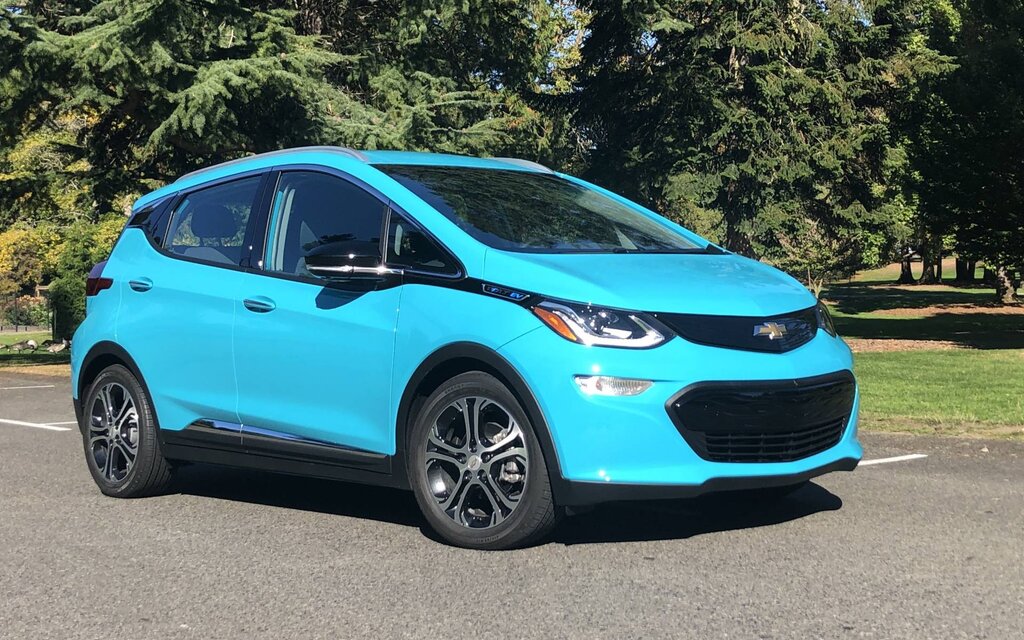
9. Chevrolet Bolt EV
Electric vehicles often receive attention for environmental reasons, but in tight historic cities the Chevrolet Bolt EV offers a different type of advantage that has nothing to do with emissions.
Its compact size combined with instant electric torque makes it extremely responsive at low speeds, which is exactly where city driving happens.
One of the first things drivers notice is how smoothly the Bolt moves in stop and go traffic. Electric power delivery means there is no gear shifting hesitation, which allows very precise creeping movements when space is limited. This can be especially useful in crowded streets where movement often happens a few feet at a time.
Another practical advantage comes from its one pedal driving capability. Regenerative braking allows drivers to slow the vehicle simply by easing off the accelerator. In dense historic districts filled with traffic lights and pedestrian crossings, this can reduce driver fatigue while improving control.
Think about noise levels as well. Electric operation makes the Bolt extremely quiet at city speeds. While this may seem like a comfort feature, it also reflects how well the car fits into environments where noise restrictions sometimes exist in older neighborhoods.
Charging practicality also deserves mention. Many historic city residents drive relatively short daily distances. This makes the Bolt suitable because even occasional charging can cover typical urban commuting needs without requiring constant refueling stops.
Interior packaging also shows clever engineering. Despite compact external measurements, the flat floor created by the battery layout allows good passenger room. This demonstrates how modern design can improve space efficiency without increasing vehicle size.
Another interesting advantage comes from the low center of gravity created by the battery placement. This helps the vehicle feel stable during turns, even at low speeds, which adds to driver confidence when maneuvering through narrow routes.
For urban residents who want a compact, modern, and technologically advanced vehicle that feels perfectly suited for slow speed precision driving, the Chevrolet Bolt EV represents a forward thinking solution.
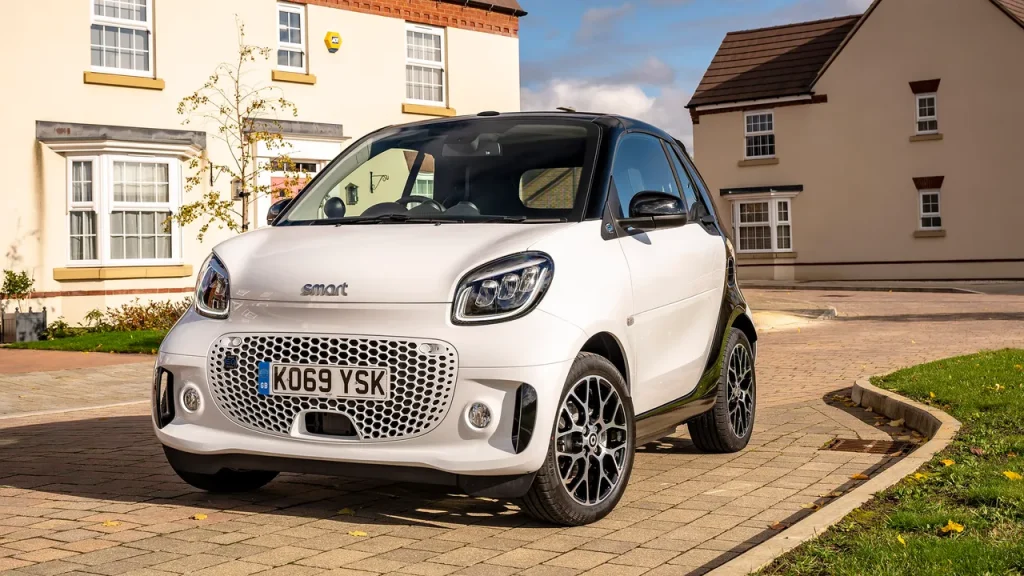
10. Smart Fortwo
If the discussion is purely about the easiest vehicle to fit into extremely tight historic streets, the Smart Fortwo almost feels like it was designed specifically for this purpose. Its tiny footprint allows it to navigate spaces that would be completely impractical for most other cars.
The most obvious advantage is length. The Fortwo is so short that it can sometimes park in spaces that other drivers would not even consider. In cities where parking shortages are a daily problem, this alone can transform the ownership experience.
Instead of starting with practicality, consider maneuverability. The extremely tight turning radius allows the car to rotate within very small areas. U turns that would require multiple adjustments in larger cars often become simple one movement actions in this vehicle.
Another interesting aspect involves driver stress levels. Because the vehicle occupies so little road space, drivers often feel less pressure when passing through narrow corridors. This psychological comfort can make daily driving feel easier even in congested areas.
Fuel efficiency also plays into its strengths. Small engines and lightweight construction mean very low fuel consumption, which makes it ideal for short distance commuting. For people who rarely leave city limits, this efficiency can be more valuable than long distance comfort.
Of course, this type of vehicle requires a lifestyle match. It is not designed for large families or heavy cargo needs. However, for single drivers or couples living in dense historic areas, its limitations may be completely acceptable.
Another advantage lies in simplicity of purpose. The Smart Fortwo does not try to be everything at once. It focuses on being extremely easy to drive and park in crowded environments, and in that role it succeeds remarkably well.
For those who prioritize maximum maneuverability above all else, the Smart Fortwo stands as one of the most specialized and effective urban navigation tools ever produced.
Also Read: 10 Best Cars for Tall Drivers Who Need Extra Legroom and Headroom
