
Electric vehicles are often praised for their efficiency, low running costs, and smooth driving experience, but winter driving can sometimes surprise new EV owners. One of the most common complaints during cold months is a noticeable and sometimes sudden drop in driving range.
This is not usually a fault in the vehicle. Instead, it is the result of how battery chemistry reacts to cold temperatures and how the vehicle manages energy in harsh conditions.
Unlike gasoline vehicles that generate large amounts of waste heat from the engine, EVs must actively use battery energy to create cabin heat and maintain battery temperature.
This alone can reduce available driving distance. Add in cold air density, increased rolling resistance, and reduced regenerative braking efficiency, and the range drop begins to make more sense.
Temperature affects lithium ion batteries at a chemical level. Cold conditions slow down the movement of ions inside the battery cells, which reduces how efficiently energy can be delivered. This does not permanently damage the battery, but it temporarily reduces available performance until temperatures rise again.
Winter driving habits also change how energy is consumed. Drivers often use defrosters, heated seats, steering wheel heaters, and stronger climate control settings. Roads may also be wet, icy, or covered in snow, which increases resistance and forces the vehicle to use more power to maintain speed.
Understanding these factors is important because range loss becomes much less concerning once the causes are clear. Most winter range reduction is predictable and manageable with proper preparation and realistic expectations.
This list explains ten different reasons EV range may drop during winter. Each reason focuses on a different technical or behavioral factor so that drivers can better understand what is happening instead of assuming something is wrong with their vehicle.
Let us begin with the first two reasons that most strongly affect winter EV range.
Also Read: 10 American Classics From the 1990s That Are Doubling in Value
1. Cold Battery Chemistry Reduces Energy Efficiency
The most fundamental reason EV range drops in winter begins inside the battery itself. Lithium ion batteries depend on chemical reactions that naturally slow down when temperatures fall. This is not a design flaw but a basic characteristic of the technology used in nearly every modern electric vehicle.
When temperatures drop, the electrolyte fluid inside battery cells becomes more resistant to ion movement. This makes it harder for the battery to deliver energy as efficiently as it does in warm conditions. The energy still exists, but accessing it becomes less efficient.
Drivers sometimes notice this effect immediately after starting the vehicle on a cold morning. The available range estimate may appear lower even before driving begins. This is because the vehicle knows the battery cannot currently deliver peak efficiency.
Another interesting effect appears during acceleration. Cold batteries may temporarily limit power output to protect internal components. This protective behavior also contributes to reduced efficiency because the system prioritizes battery health over maximum performance.
Charging behavior also changes. Cold batteries accept energy more slowly, which is why many EVs precondition the battery before fast charging. This warming process also uses energy, indirectly affecting total efficiency during winter use.
Vehicles equipped with battery thermal management systems try to reduce this effect by maintaining optimal battery temperatures. However, this process also consumes some stored energy, which slightly reduces available driving distance.
It is important to understand that this range reduction is temporary. Once the battery warms through use or ambient temperature increases, efficiency often improves during the same trip.
Drivers can reduce this effect by parking in garages, using scheduled departure heating, or charging before driving so the battery begins the trip in a warmer state.
Understanding battery chemistry helps drivers realize that winter range drops are a natural scientific effect rather than a reliability concern.
2. Cabin Heating Uses Significant Battery Power
One of the biggest differences between EVs and gasoline vehicles appears during winter heating. Traditional cars use engine heat that would otherwise be wasted. Electric vehicles must create heat using battery energy, which directly reduces driving range.
Cabin heaters in EVs function similarly to electric space heaters. They convert stored electrical energy into heat. While this provides comfortable temperatures, it also draws power that would otherwise be used for driving distance.
This effect becomes especially noticeable during short trips. Heating the cabin from very cold temperatures requires a strong initial energy draw. If the trip is short, the heating energy may represent a significant percentage of the total energy used.
Some EVs use resistance heaters while others use heat pump systems. Heat pumps are generally more efficient because they move heat instead of generating it directly. Vehicles equipped with heat pumps usually experience smaller winter range losses compared to those using basic heating systems.
Driver habits also matter. Setting very high cabin temperatures or using maximum fan speeds increases consumption. Gradual heating and moderate temperature settings can help preserve range.
Seat heaters and heated steering wheels are often more efficient alternatives because they warm occupants directly instead of heating the entire cabin air volume. Many experienced EV drivers rely on these features to reduce heater demand.
Preconditioning the cabin while the vehicle is still plugged in can also help. This allows the car to warm the interior using external electricity rather than battery energy.
Cabin heating is one of the most visible examples of how EV energy management differs from gasoline vehicles. Once drivers understand this tradeoff, they can adjust habits to better balance comfort and efficiency.
3. Regenerative Braking Becomes Less Effective in Cold Conditions
Many EV owners are surprised to discover that regenerative braking does not always work at full strength during winter. This can quietly contribute to range loss because the vehicle recovers less energy than it normally would during deceleration.
Regenerative braking depends on the battery’s ability to accept energy quickly. In cold weather, the same chemical slowdown that affects energy output also affects energy intake. The battery cannot efficiently absorb recovered power until it reaches a safer operating temperature.
This is why some EVs show reduced regenerative braking indicators after a cold start. Drivers may notice the car coasts more than usual or relies more on traditional friction brakes. This is not a malfunction. It is a protective strategy to prevent battery stress.
Less regenerative braking means more energy is lost as heat through conventional brakes instead of being recycled into usable electricity. Over time, this loss can noticeably reduce total driving efficiency, especially in city driving where frequent slowing normally helps recover energy.
The change in driving feel can also indirectly affect efficiency. Drivers accustomed to strong one pedal driving may need to use the brake pedal more often. This can slightly alter driving rhythm and increase total energy consumption.
Some vehicles gradually restore regenerative braking as the battery warms during driving. This is why range efficiency sometimes improves after the first part of a trip even if outside temperatures remain low.
Planning smoother deceleration can help offset some of this loss. Gradual slowing allows the system to recover as much energy as possible within safe limits.
Manufacturers continue improving thermal management systems to reduce this winter limitation, but physics still places natural limits on how quickly cold batteries can accept recovered energy.
Understanding this behavior helps drivers avoid confusion when their EV feels different during winter and explains another reason range can drop even when driving habits remain unchanged.
4. Cold Air Increases Aerodynamic Drag
One of the least discussed reasons EV range drops in winter has nothing to do with the battery itself. It comes from the air the vehicle moves through. Cold air is denser than warm air, which increases aerodynamic resistance and forces the vehicle to work harder to maintain speed.
This effect becomes more noticeable at highway speeds. As air density increases, the motor must use more energy to overcome resistance. Even small increases in drag can translate into measurable range reduction over long distances.
Gasoline vehicles experience this same effect, but EV drivers tend to notice it more because efficiency changes are displayed so clearly through range estimates and energy usage data.
Winter winds can make this situation worse. Strong seasonal winds combined with dense cold air create additional resistance. Headwinds especially can significantly increase consumption compared to calm conditions.
Tire pressure also interacts with this factor. Cold temperatures reduce tire pressure, which increases rolling resistance. While this is technically a separate factor, it combines with aerodynamic drag to further reduce efficiency.
Drivers sometimes notice that their EV performs better on the same route during warmer afternoons compared to freezing mornings. This is partly due to improved battery temperature, but also slightly reduced air density.
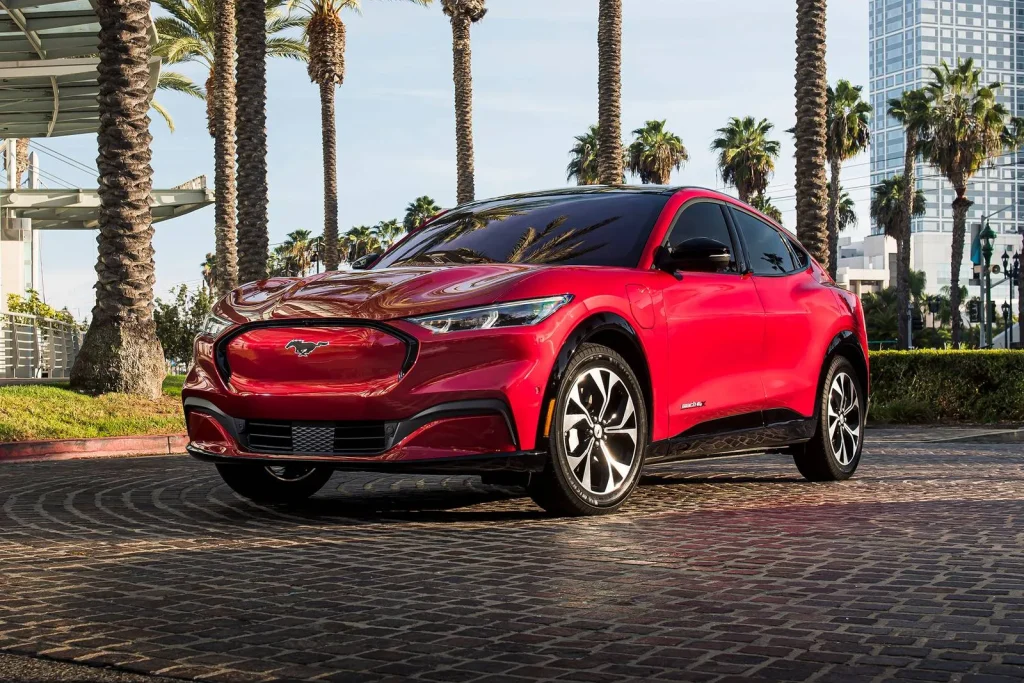
Maintaining moderate highway speeds can reduce the impact of this effect. Because aerodynamic resistance increases rapidly with speed, even small reductions in cruising speed can noticeably improve efficiency.
Keeping tires properly inflated during winter months also helps offset some of the added resistance caused by cold conditions.
This factor shows how EV efficiency is influenced not just by electrical systems but also by basic environmental physics. Understanding how temperature affects air resistance gives drivers a more complete picture of why winter range changes occur.
5. Battery Thermal Management Systems Consume Extra Energy
Modern EVs are equipped with battery thermal management systems designed to protect the battery from extreme temperatures. These systems are essential for long term durability, but during winter they quietly use energy that would otherwise be available for driving.
When temperatures fall below optimal levels, the vehicle may automatically activate battery heaters. These systems warm the battery pack to maintain safe operating conditions and ensure stable performance. While this improves reliability and protects battery lifespan, it also requires electricity.
This energy use is often invisible to drivers because it happens in the background. A driver may simply notice lower range without realizing that part of the energy is being used to maintain battery health rather than move the vehicle.
Some EVs activate battery heating even when parked if they are plugged in. This is why manufacturers often recommend keeping the vehicle connected to a charger in very cold weather. External power can support battery conditioning instead of using stored driving energy.
Another detail many drivers overlook is how frequently these systems cycle. During extremely cold days, the battery may require repeated warming cycles, especially if the vehicle is used for multiple short trips. Each cycle slightly reduces available energy.
Vehicles with advanced heat pump based thermal systems tend to manage this more efficiently. Older EV designs with simpler resistance heating systems may show larger winter efficiency drops because they require more energy to maintain battery temperature.
Trip length also affects how noticeable this becomes. On longer drives, the energy used to warm the battery becomes less significant compared to total consumption. On short drives, the thermal energy cost may represent a large portion of total usage.
This is why EV drivers sometimes report better efficiency during long winter trips than during multiple short errands.
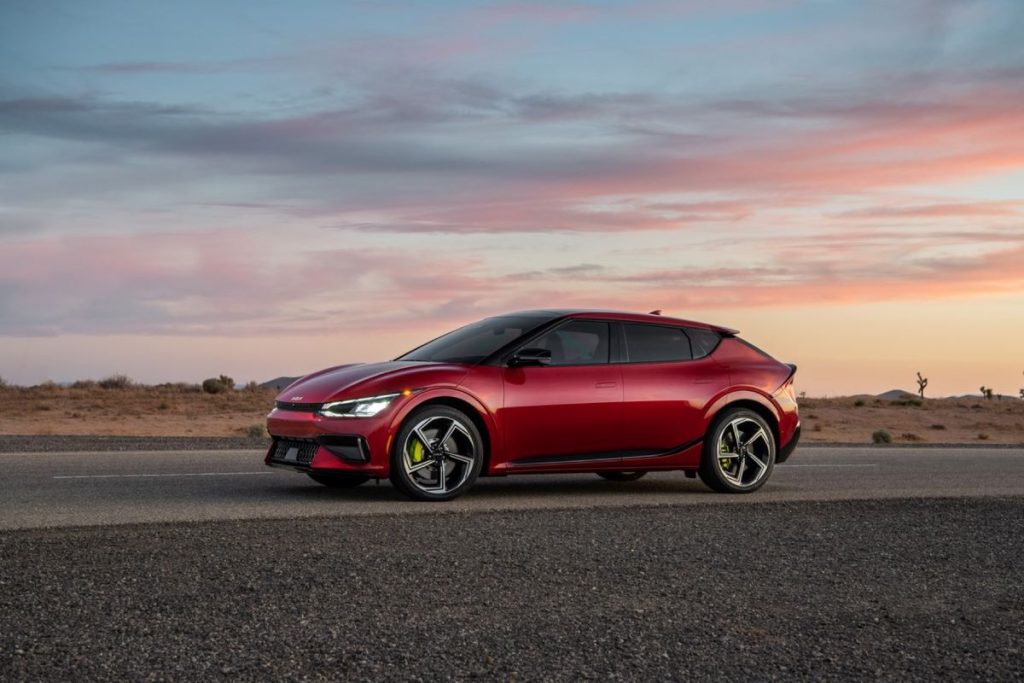
Thermal management is essential for protecting expensive battery components, so this energy use should be seen as preventive maintenance rather than wasted energy.
Understanding this tradeoff helps drivers appreciate why winter range loss is often the result of protective engineering decisions rather than inefficiency.
6. Winter Tires and Road Conditions Increase Rolling Resistance
Another factor that can quietly reduce EV range during winter comes from what the vehicle rolls on rather than what powers it. Tires and road surfaces change significantly in cold weather, and both can increase the energy required to keep the vehicle moving.
Winter tires are designed with softer rubber compounds that remain flexible in low temperatures. This improves traction and safety, but softer compounds also create more rolling resistance compared to all season or summer tires.
The deeper tread patterns used in winter tires also contribute to this effect. These patterns improve grip on snow and ice but create additional friction as the tire rotates. This friction requires additional motor energy to overcome.
Road surfaces themselves also change. Snow covered or slushy roads create resistance similar to driving through shallow sand. Even wet pavement can slightly increase rolling drag compared to dry summer roads.
Frequent use of traction control systems can also contribute indirectly. When roads are slippery, the vehicle may make small power adjustments to maintain grip. These constant corrections can slightly increase total energy consumption.
Cold temperatures also cause tire pressure to drop naturally. Underinflated tires increase surface contact with the road, which increases rolling resistance. Regular pressure checks during winter can help reduce this effect.
Drivers may also notice that range improves after roads are cleared compared to days immediately following snowfall. This demonstrates how strongly surface conditions can influence efficiency.
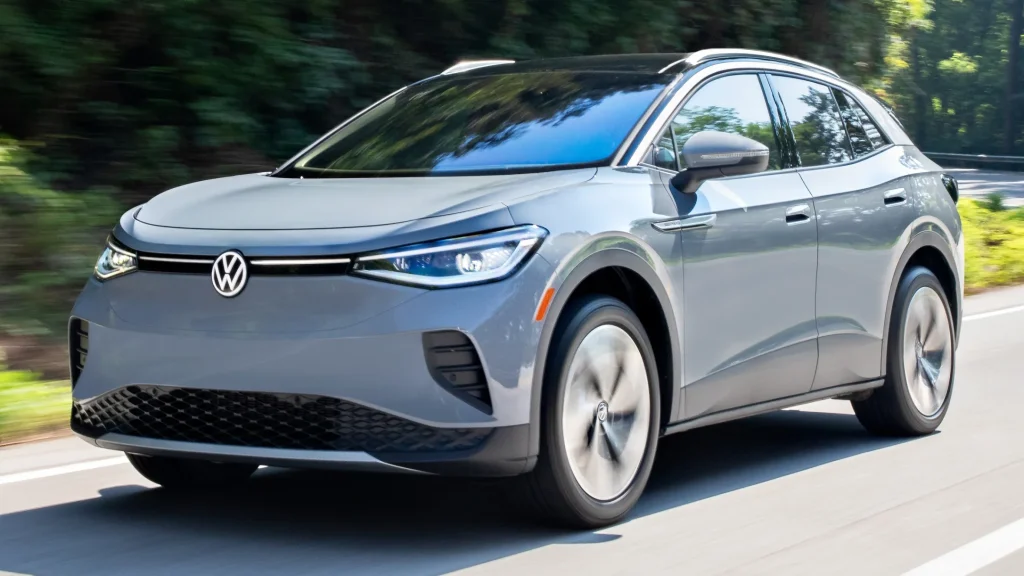
Another subtle factor involves cargo weight. Winter often means carrying emergency gear, snow tools, or extra clothing. Additional weight increases rolling resistance and slightly reduces efficiency.
Unlike some winter factors that cannot be controlled, tire pressure maintenance and careful tire selection can help reduce this impact.
Understanding how physical contact with the road affects efficiency shows that EV winter range changes are not just about batteries. They are also about how the entire vehicle interacts with its environment.
7. Frequent Short Trips Prevent the Battery From Reaching Efficient Operating Temperature
One winter driving pattern that affects EV range more than many people expect is the number of short trips a vehicle makes instead of one continuous drive. Cold weather makes this pattern especially inefficient because the vehicle repeatedly uses energy to warm itself without getting enough driving time to balance the cost.
Each time an EV starts in cold weather, several systems activate at once. The battery may begin warming, the cabin heater starts working, electronic systems stabilize, and sometimes battery conditioning begins automatically. All of this requires energy before the vehicle has even traveled meaningful distance.
When a trip only lasts ten or fifteen minutes, the vehicle may never reach its most efficient operating condition. Just as efficiency begins improving, the trip ends and the vehicle cools down again. The next trip repeats the same energy intensive warm up cycle.
This pattern can produce much lower efficiency compared to one long drive covering the same total distance. Drivers sometimes notice this when comparing weekday errand driving to a single highway trip of equal mileage.
Another detail involves regenerative braking recovery. On short trips with a cold battery, reduced regeneration remains active for a larger percentage of the trip. On longer drives, regeneration often improves as the battery warms, helping recover more energy.
Planning combined trips can reduce this effect. Running several errands in one outing instead of separate drives allows the vehicle to remain warm and operate more efficiently.
Parking indoors when possible can also help. Even a slightly warmer starting temperature can reduce how much energy the vehicle must spend reaching efficient operating conditions.
Some EVs allow scheduled departure times that warm the battery and cabin while connected to a charger. Using this feature can significantly reduce the efficiency penalty of the first winter drive of the day.
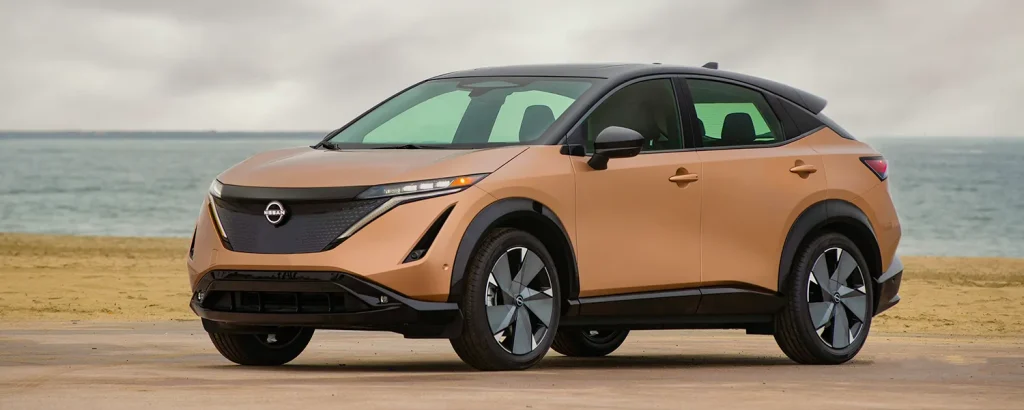
This reason highlights how driving patterns can influence winter efficiency just as much as weather conditions. Understanding this helps drivers make small planning changes that can noticeably improve real world winter range.
8. Defrosters and Window Heating Systems Draw Continuous Power
Visibility becomes a major priority during winter driving, and EVs must use electrical energy to maintain clear windows. Defrosters, heated mirrors, and rear window heating elements all rely directly on battery power, which can gradually reduce available range.
Unlike cabin heating that may cycle on and off, defroster systems often run continuously when activated. This steady energy use may seem small at any given moment, but over the course of a longer drive it can become significant.
Front windshield defrosting is particularly energy intensive because it usually combines heating with strong fan operation. The system must push warm air across cold glass while also removing moisture. This requires both heating energy and blower motor power.
Rear window defrosters typically use embedded heating wires that consume electricity steadily while active. Heated side mirrors function similarly. These features are extremely helpful for safety but they do add to total consumption.
Drivers sometimes forget these systems remain active longer than necessary. Turning them off once visibility is restored can help recover some efficiency.
Humidity inside the cabin can also make these systems work harder. Wet shoes, snow covered clothing, and breath moisture all increase condensation risk. Using moderate ventilation settings instead of maximum heat can sometimes reduce energy use while maintaining clear windows.
Some modern EVs include automatic defogging systems that adjust power use based on need. These systems can help reduce unnecessary consumption compared to leaving defrosters on manually.
Another practical habit involves clearing snow and ice from windows before driving. Starting with clear glass reduces how long defrosters must operate at maximum power.
This factor shows how safety related features can influence efficiency. While visibility should always take priority over range concerns, understanding how these systems use power helps drivers manage their winter energy use more effectively.
9. Cold Soaked Parking Conditions Drain Available Efficiency
Where an EV spends the night during winter can have a measurable impact on the next day’s driving range. Vehicles left outside in freezing temperatures for long periods experience what many engineers call cold soaking. This simply means the entire vehicle, especially the battery, reaches the same low temperature as the surrounding air.
When this happens, the vehicle must spend additional energy bringing the battery back into an efficient operating range. This process begins as soon as the car is started and sometimes even while it remains parked if battery protection systems activate.
Drivers often notice this effect when comparing range after parking outside versus parking in a garage. Even an unheated garage can help because it reduces temperature extremes and protects the vehicle from wind exposure.
Wind chill does not change actual battery temperature physics the same way it affects humans, but moving cold air can accelerate heat loss from the vehicle body. This can make outside parked EVs require more warming energy than sheltered vehicles.
Another factor involves how long the vehicle remains unused. A car parked for several days in extreme cold may require more conditioning energy than one driven daily. Regular use can help maintain moderate battery temperatures.
Charging habits also matter here. Plugging in overnight allows some EVs to maintain battery temperature using grid electricity instead of stored energy. This can make a noticeable difference in the displayed range the next morning.
Sun exposure can even play a small role. Vehicles parked in direct winter sunlight sometimes start slightly warmer than those in shaded areas. While the difference is not dramatic, every small temperature advantage helps battery efficiency.
Owners who cannot avoid outdoor parking can still reduce this effect by using scheduled cabin and battery preconditioning. Allowing the car to warm itself while plugged in helps preserve driving range.
This factor shows that winter range loss is not only about driving. Storage conditions also influence how much usable energy is available when the trip begins.
10. Conservative Range Calculations From EV Software in Winter
Sometimes the reason range appears to drop suddenly is not because the battery lost that much capability. Instead, the vehicle software may be intentionally estimating range more cautiously due to winter conditions.
EV range prediction systems constantly analyze temperature, recent driving efficiency, climate use, and terrain. During winter, these systems often assume higher energy consumption to prevent drivers from overestimating how far they can travel.
This can create situations where the displayed range drops faster than expected early in a trip. As the vehicle gathers more real time data, the estimate may stabilize. This behavior is intentional because manufacturers prefer drivers to have conservative estimates rather than overly optimistic ones.
Another reason for this caution involves battery protection. Software may limit usable energy margins in extreme cold to prevent deep discharge stress. While this slightly reduces displayed range, it helps maintain long term battery health.
Drivers transitioning from gasoline vehicles sometimes misinterpret this as battery degradation. In reality, it is often just temporary software adjustment based on environmental conditions.
Navigation systems also play a role. Some EVs automatically factor weather forecasts, elevation changes, and heater use into route planning. This can reduce displayed range before driving even begins because the vehicle anticipates higher consumption.
Interestingly, drivers may see range estimates improve during the same drive if conditions turn out better than expected. For example, if the battery warms faster than predicted or climate use decreases, the system may recalculate remaining distance upward.
Understanding this behavior helps prevent unnecessary concern. In many cases, winter range drops are partly digital predictions designed to prevent inconvenience rather than purely physical limitations.
Learning to watch energy consumption averages instead of just estimated miles can give a clearer picture of real efficiency.
Range estimation software is designed to protect drivers from surprises, even if that means presenting cautious numbers during winter months.
Also Read: 10 Used Sedans With Cooling Fans and Radiators That Rarely Fail
