
Hybrid vehicles have become a practical solution for drivers who want better fuel efficiency without fully switching to electric cars. At the center of this technology is the hybrid battery, which works together with the gasoline engine to improve efficiency and reduce emissions.
While many drivers worry about battery replacement costs, the reality is that hybrid batteries are designed to last many years when treated properly.
What many owners do not realize is that battery lifespan is heavily influenced by daily driving habits rather than complicated maintenance procedures.
You do not need advanced diagnostic tools or technical knowledge to protect a hybrid battery. In most cases, simple habits and awareness can significantly extend battery health and performance.
Heat management, charging patterns, driving smoothness, and even parking choices all play important roles. Hybrid systems are designed to manage themselves automatically, but driver behavior still affects long term wear. Small adjustments to everyday habits can reduce stress on battery cells and maintain efficiency longer.
Another important point is that hybrid batteries rarely fail suddenly. Performance usually declines gradually due to stress factors such as excessive heat, deep discharge cycles, or long periods of inactivity.
Preventing these conditions is often much easier than people think and usually requires no mechanical intervention.
Many myths also exist around hybrid ownership. Some drivers believe the battery requires constant attention or expensive servicing. In reality, most of the best practices involve things drivers already control, such as how they accelerate, where they park, and how regularly they use the vehicle.
This guide explains eight practical tips that help extend hybrid battery life without requiring specialized tools or professional equipment. These methods focus on everyday behavior rather than technical procedures.
By following these habits, hybrid owners can help maintain battery performance, avoid premature degradation, and maximize the value of their vehicle over time.
Understanding these simple practices can turn hybrid ownership into a long term reliable experience rather than a concern about future replacement costs.
Also Read: 10 EV Models With the Most Realistic Range Estimates in 2026
1. Avoid Aggressive Acceleration and Sudden Power Demands
One of the easiest ways to protect a hybrid battery is by controlling how power is requested from the system. Hybrid batteries perform best when energy flow remains smooth and consistent rather than extreme and sudden. Aggressive acceleration forces the battery to deliver high current quickly, which increases heat and internal stress.
Driving smoothly allows the hybrid system to balance power between the engine and battery more efficiently. Gradual acceleration gives the system time to manage energy flow instead of forcing maximum output. Over time, this reduces the number of high stress discharge cycles.
City driving provides many opportunities to apply this habit. Instead of racing between traffic lights, gentle acceleration allows the electric motor to assist efficiently without pushing the battery to its limits. This also improves fuel economy, creating a double benefit.
Another advantage of smoother driving is reduced temperature buildup. High current discharge creates heat inside battery cells. Heat is one of the main factors that reduces battery lifespan. Driving in a controlled manner helps maintain safer operating temperatures.
Traffic awareness also helps. Watching traffic flow and anticipating stops reduces the need for sudden acceleration. Drivers who plan their speed changes often place less demand on the hybrid system.
Some drivers unknowingly stress the battery by trying to maximize electric only driving through aggressive throttle use. Ironically, this behavior often forces the gasoline engine to compensate later. Balanced driving is more beneficial than forcing electric operation.
Highway merging is another situation where smooth inputs help. Building speed progressively rather than demanding instant acceleration reduces strain on both the battery and power electronics.
There is also a mechanical sympathy aspect. Vehicles generally last longer when treated smoothly. Hybrid systems are no exception. Consistent driving habits reduce wear not only on the battery but also on supporting electrical components.
Passengers also benefit from smoother driving. Comfort improves and stress decreases, reinforcing the habit naturally. Efficient driving often feels calmer and more controlled.
Over thousands of driving cycles, these small behavioral changes add up. Reducing repeated stress events helps maintain battery capacity longer than many drivers expect.
The key idea is simple. Treating the hybrid system as a partner rather than a performance tool helps it operate within its most efficient range. This approach supports long term battery durability without requiring any technical intervention.
2. Keep the Hybrid Battery Cooling Vents Clean and Unblocked
Temperature control is one of the most important factors affecting hybrid battery longevity. Hybrid batteries operate best within controlled temperature ranges. To maintain this, vehicles use cooling systems that draw cabin or outside air through dedicated vents. Keeping these airflow paths clear is essential for battery health.
Many drivers do not even realize these vents exist. They are often located near rear seats, side panels, or cargo areas depending on vehicle design. Blocking these vents with bags, clothing, or debris can reduce airflow and cause temperature increases.
Heat buildup is one of the main causes of battery aging. When cooling airflow is restricted, the battery must operate at higher temperatures. Over time, this can reduce energy storage capacity and efficiency.
Simple awareness solves most of this problem. Checking that nothing blocks air intake areas requires no tools and only takes seconds. This small habit can prevent long term thermal stress.
Interior cleanliness also plays a role. Dust and pet hair can accumulate near cooling vents. Occasional cleaning with a household vacuum helps maintain proper airflow. This is especially important for owners who regularly transport pets.
Seasonal awareness also helps. During hot weather, cabin temperatures can rise significantly. Since some hybrid systems draw cabin air for cooling, using sunshades or cracking windows slightly when parked can help reduce starting temperatures.
Air conditioning use can also indirectly help battery cooling. Since the cooling system may draw from cabin air, maintaining a comfortable interior temperature can assist thermal management during driving.
Owners should also avoid placing thick fabrics or covers near ventilation areas. Even partial blockage can reduce airflow efficiency. Keeping these areas open allows the cooling system to function as designed.
Listening for unusual fan noise can also provide clues. If cooling fans run loudly more often, it may indicate restricted airflow or higher temperature conditions. Investigating simple causes early can prevent long term impact.
Routine inspection during interior cleaning is enough. There is no need for disassembly or technical work. Awareness alone prevents most airflow related battery stress issues.
Battery protection often comes down to heat management. Something as simple as keeping air passages clear can make a measurable difference over years of ownership.
Hybrid vehicles are designed to manage themselves, but they still depend on proper airflow. Keeping vents clear is one of the simplest and most effective ways to protect battery life without any specialized knowledge.
3. Drive Your Hybrid Regularly Instead of Letting It Sit for Long Periods
Hybrid batteries are designed to be used. One of the most overlooked causes of premature battery aging is long periods of inactivity. When a hybrid vehicle sits unused for extended periods, the battery can slowly lose charge balance between its internal cells. This imbalance can affect long term efficiency if it happens repeatedly.
Unlike traditional car batteries, hybrid batteries are healthiest when they cycle regularly. Normal driving allows the vehicle’s battery management system to maintain proper charge distribution. Regular use helps the system keep all battery modules operating within their intended range.
Think of the hybrid battery like a rechargeable device. Just like a phone battery performs best when used consistently rather than left unused for months, hybrid batteries benefit from steady activity. Even short drives can help maintain internal balance.
If a vehicle must remain parked for several weeks, occasional operation can help. Running the vehicle long enough to allow the hybrid system to cycle energy helps maintain battery condition. This does not require long trips. Even moderate driving sessions can be beneficial.
Another factor involves self discharge. All rechargeable batteries slowly lose energy over time. While hybrid systems are designed to manage this, extended inactivity increases the chance that the system cannot actively manage battery condition.
Climate also plays a role. Leaving a hybrid parked in very hot or very cold conditions without operation increases stress on the battery. Regular operation allows the system to regulate temperature and charge more effectively.
Some drivers own secondary vehicles that they rarely use. Hybrid vehicles should ideally not serve as long term storage vehicles. If ownership includes multiple cars, rotating usage between them can help maintain battery health.
There is also a lubrication benefit. While the main focus is the battery, regular operation also benefits other vehicle systems. Keeping all components active supports overall reliability.
Planning short routine drives can easily solve this issue. Even using the hybrid for weekly errands instead of letting it remain unused helps maintain proper battery cycling.
Consistency matters more than distance. Regular short usage is often more beneficial than rare long drives. The battery simply needs periodic activity to remain balanced.
Owners sometimes assume less use equals less wear. For hybrid batteries, the opposite is often true. Proper use keeps the system functioning as intended.
Keeping the vehicle active is one of the simplest ways to protect the battery. No equipment, no cost, and no technical skill required. Just regular use.
4. Avoid Constant Full Charging and Deep Discharging Habits
Hybrid batteries are engineered to operate within a controlled charge range rather than constantly moving from empty to full. The vehicle automatically manages this range, but driving habits can still influence how often the battery approaches its limits. Keeping battery usage moderate helps extend long term durability.
Extreme charge states create stress inside battery cells. Very high or very low charge levels increase chemical strain. Hybrid systems attempt to prevent this, but aggressive driving patterns can still push the system toward these limits more often than necessary.
For example, repeatedly forcing maximum electric driving until the system switches fully to gasoline can increase deep cycling. Similarly, constant heavy regenerative braking in aggressive driving patterns can push the battery toward higher charge extremes.
Balanced driving avoids these extremes. Allowing the hybrid system to naturally manage energy flow rather than trying to control when the battery is used tends to produce better long term results.
Another important habit is avoiding attempts to manipulate the vehicle into staying in electric mode when conditions do not support it. Some drivers try to maximize electric driving even when the system prefers hybrid operation. Letting the system decide usually protects battery health better.
Terrain awareness also matters. On long downhill stretches, regenerative braking may increase battery charge. Smooth braking rather than abrupt braking allows more controlled energy recovery.
Similarly, climbing steep grades aggressively can increase battery discharge demand. Maintaining steady throttle inputs reduces unnecessary extremes.
Temperature again plays a role here. Batteries experience more stress when operating near full or empty states during extreme temperatures. Smooth driving habits help avoid these conditions.
Patience is beneficial. Hybrid systems are designed for efficiency, not maximum electric range at all costs. Trusting the system rather than forcing outcomes usually leads to better results.
Drivers should also understand that the displayed battery level is already buffered. The system rarely allows true full or empty states. However, reducing how often the system approaches its displayed limits still helps reduce stress cycles.
Long term durability often depends on how often components experience stress rather than how much total use they receive. Avoiding repeated extremes is a proven way to increase lifespan in most battery technologies.
The best strategy is simple cooperation with the vehicle’s design. Smooth inputs, moderate driving, and allowing the hybrid system to manage its own charge behavior all help maintain battery health naturally.
5. Park in Cooler Locations Whenever Possible to Reduce Heat Stress
If there is one silent enemy of hybrid batteries, it is heat. High temperatures accelerate chemical aging inside battery cells and slowly reduce their ability to store energy.
While hybrid vehicles include cooling systems, avoiding unnecessary heat exposure is one of the simplest ways to extend battery life without any tools or technical effort. Parking habits play a surprisingly large role here.
A vehicle sitting under direct sunlight for hours can experience significant interior temperature increases. Since many hybrid batteries are located inside the cabin area or near rear seating zones, extreme cabin heat can indirectly affect battery temperature. Choosing shaded parking whenever possible helps reduce this stress.
This does not require perfect conditions. Even partial shade from buildings, trees, or parking structures can lower cabin temperature enough to make a difference. Small reductions in daily heat exposure add up over years of ownership.
When shade is unavailable, small adjustments still help. Using windshield sunshades can reduce heat buildup significantly. Slightly opening windows in safe environments can also allow trapped heat to escape. These simple actions reduce how hard the battery cooling system must work later.
Garage parking offers another advantage. Even non climate controlled garages often remain cooler than outdoor spaces during peak heat. This makes home parking an important factor in long term battery protection.
Timing also matters. When possible, planning errands during cooler parts of the day can reduce exposure. Morning or evening travel may slightly reduce thermal stress compared to midday parking.
Another helpful habit is allowing the vehicle to cool before aggressive driving. Starting a hybrid that has been sitting in extreme heat and immediately demanding heavy acceleration increases temperature stress. A few minutes of moderate driving allows systems to stabilize.
Climate control use can also help indirectly. Running cabin cooling systems reduces air temperature that may be used by battery cooling systems. Maintaining reasonable interior temperature improves operating conditions.
Even seasonal awareness helps. During summer months, being more mindful about parking location can reduce months of cumulative heat exposure. Over the life of the vehicle, this matters more than many drivers expect.
This tip works because it targets prevention rather than reaction. Instead of relying entirely on the vehicle to manage heat, the driver reduces the heat load from the beginning.
Long term durability often depends on minimizing repeated stress exposure. Hybrid batteries last longer when they spend more time in moderate temperature ranges rather than extreme ones.
The important lesson is simple. You cannot always control the weather, but you can often control where you park. Smart parking choices cost nothing yet can meaningfully support battery longevity.
6. Use Smooth Braking to Maximize Efficient Regenerative Charging
Hybrid vehicles recover energy during braking through regenerative systems. This process converts motion into stored electricity. While this feature improves efficiency, how the driver brakes can influence how effectively and gently this energy recovery happens.
Aggressive braking produces sudden energy flow back into the battery. While the system is designed to handle this, smoother braking spreads energy recovery over a longer period. This creates a more controlled charging process that produces less thermal stress. Driving with anticipation is the key skill here.
Drivers who watch traffic patterns ahead can begin slowing gradually rather than waiting until the last moment. This allows regenerative braking to work at its most efficient level. Instead of heavy brake pressure, gentle deceleration gives the system more time to convert energy smoothly.
Urban driving offers many chances to apply this method. Traffic signals, congestion, and speed changes reward drivers who slow progressively. Hybrid drivers who master this habit often see improved efficiency and reduced system strain.
There is also a mechanical benefit. Smooth braking reduces wear on traditional brake components. This creates maintenance savings alongside battery benefits.
Another advantage is energy consistency. Gradual regenerative charging prevents rapid battery charge spikes. Consistency is generally better for battery chemistry than sudden input changes.
Learning to read traffic flow also helps reduce unnecessary acceleration followed by braking. Maintaining steady speeds reduces both energy discharge and recharge stress cycles.
Some hybrid systems provide visual feedback showing when regenerative braking is active. Paying attention to these indicators can help drivers learn how to brake more efficiently without needing any technical adjustments.
Downhill driving also benefits from this approach. Instead of alternating between acceleration and braking, maintaining steady controlled deceleration allows the system to recover energy more smoothly.
Passenger comfort improves as well. Smooth braking reduces motion discomfort and makes driving feel more controlled. This naturally reinforces better driving habits.
The goal is not to brake slowly in unsafe situations. Safety always comes first. Instead, the idea is to avoid unnecessary hard braking during normal driving conditions.
Hybrid technology rewards thoughtful driving. Drivers who allow the system to recover energy gradually often help the battery operate within more stable conditions.
Over time, thousands of smooth deceleration events place less stress on the battery than repeated harsh cycles. This is another example of how everyday habits can influence long term battery health without requiring any equipment or technical knowledge.
7. Do Not Overload the Vehicle Since Extra Weight Increases Battery Strain
Hybrid systems are designed around efficiency. Every extra kilogram a vehicle carries requires more energy to move. While this affects fuel economy in obvious ways, it also quietly increases the workload placed on the hybrid battery. Reducing unnecessary weight is an easy and often ignored way to support battery longevity.
Start with a simple observation exercise. Many drivers unknowingly carry items they rarely use. Old boxes, unused sports equipment, forgotten tools, or seasonal items often remain in trunks for months. Removing these items reduces constant energy demand during every drive. Why does this matter for the battery?
When a vehicle is heavier, the electric motor must work harder to assist acceleration. This increases discharge demand from the battery. More discharge demand means more heat generation and more stress cycles over time. Even small reductions in carried weight can reduce this repeated strain.
Another area to consider is roof storage. Roof racks and cargo carriers add both weight and aerodynamic drag. Even when empty, these accessories can reduce efficiency. Removing them when not needed reduces energy demand on both the battery and engine.
Passenger load also matters. While you cannot avoid carrying people, being aware of how additional weight affects driving style helps. Smooth acceleration becomes even more important when the vehicle is fully loaded.
Driving technique should also adjust when carrying heavier loads. Gradual acceleration and early braking reduce additional battery stress created by the extra weight. This keeps the hybrid system operating within comfortable limits.
Some drivers also store emergency supplies that exceed realistic needs. Keeping essential safety equipment is wise, but excessive duplication adds unnecessary weight. Reviewing these items periodically helps maintain balance between preparedness and efficiency.
Another overlooked source of weight is accumulated dirt or water trapped in cargo mats or storage compartments. Regular cleaning prevents unnecessary buildup.
This tip does not suggest driving an empty vehicle at all times. The goal is simply awareness. Carry what you need, remove what you do not. This simple discipline reduces constant background strain on the hybrid system.
There is also a compounding effect. Reduced weight improves efficiency, which reduces how often the battery must assist. Over thousands of trips, this lowers total battery workload.
Think of it as reducing background stress rather than solving a specific problem. Hybrid batteries last longest when they operate under moderate conditions rather than constant heavy demand.
Keeping the vehicle lighter is one of the few battery protection methods that also improves performance and efficiency at the same time.
Sometimes battery protection is not about the battery itself but about reducing the demands placed upon it.
8. Follow Software Updates and Basic Maintenance Recommendations
Hybrid vehicles rely heavily on software to manage battery charging, cooling, and energy distribution. While drivers often think only about mechanical maintenance, keeping vehicle systems updated is another easy way to protect battery health without using specialized tools.
Manufacturers occasionally release software updates that improve how the hybrid system manages charging patterns or temperature control.
These updates can refine how the battery is protected during daily operation. Staying current with recommended service visits helps ensure these improvements are applied. Basic maintenance also supports battery life indirectly.
For example, maintaining proper tire pressure reduces rolling resistance. When tires are underinflated, the hybrid system must use more energy to move the vehicle. This increases battery workload unnecessarily. Checking tire pressure regularly is simple and requires no special expertise.
Engine maintenance also contributes. A well maintained gasoline engine shares the workload effectively with the electric motor. When the engine runs efficiently, the battery does not need to compensate for poor performance.
Cooling system health is another indirect factor. Hybrid vehicles rely on temperature management across multiple systems. Ensuring coolant levels are correct helps maintain stable operating conditions.
Air filter maintenance also affects efficiency. A restricted engine air filter can reduce engine performance, indirectly increasing reliance on the electric system. Replacing filters on schedule supports balanced hybrid operation.
Even wheel alignment plays a role. Poor alignment increases resistance and forces the hybrid system to work harder. Routine alignment checks help maintain optimal efficiency.
Dashboard alerts should also never be ignored. Hybrid systems are designed to provide early warnings when something needs attention. Addressing small issues early often prevents larger system stress later.
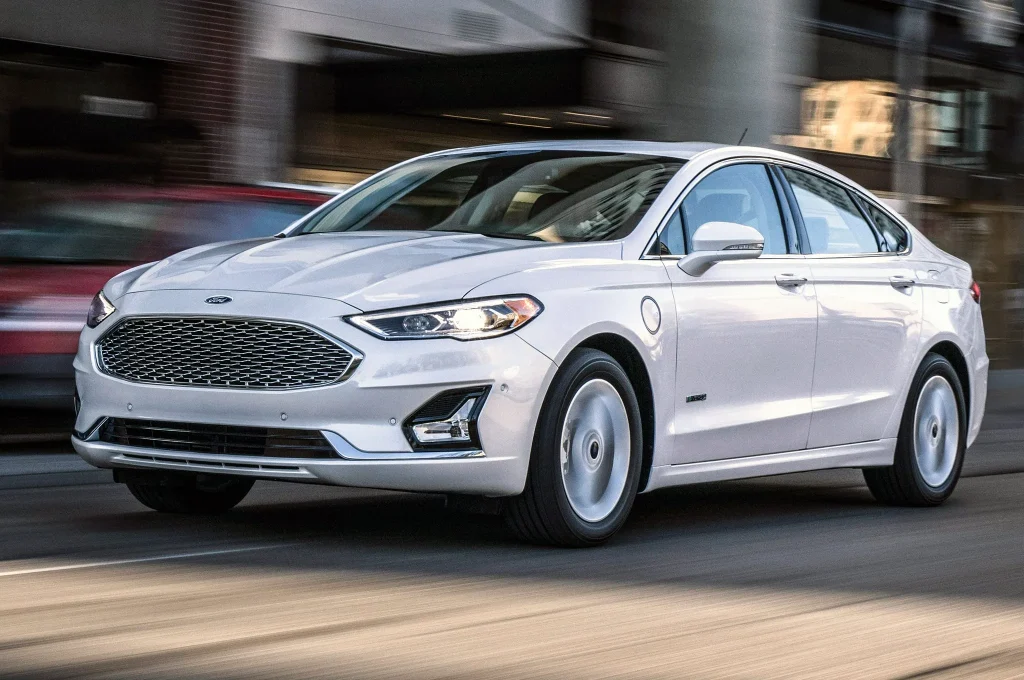
Owners should also follow recommended service intervals even if the vehicle feels normal. Preventive care always costs less than reactive repair. Hybrid vehicles are engineered for longevity when maintained according to guidelines.
Another important habit is using qualified service centers familiar with hybrid technology. While no specialized tools are required from the owner’s perspective, proper inspection during routine service helps ensure all systems supporting the battery remain healthy.
Documentation helps too. Keeping simple records of maintenance ensures nothing important is missed over long ownership periods.
The lesson here is straightforward. Battery longevity depends on the entire vehicle ecosystem. Supporting systems working correctly reduces unnecessary battery strain.
Hybrid ownership does not require complex intervention from the driver. Simply following basic maintenance schedules and allowing the vehicle to receive periodic updates can quietly add years to battery performance. Small attention to routine care often produces the biggest long term reliability benefits.
Also Read: 10 Engines That Can Handle Standard Grade Fuel Without Losing Longevity
