
The 1990s produced a remarkable array of American vehicles that have become highly sought-after by collectors and enthusiasts. From high-performance pickups to iconic sports cars, this decade blended innovation, style, and raw driving excitement.
Many of these cars and trucks were ahead of their time, combining advanced engineering with striking design, and they now benefit from nostalgia as the generation that grew up with them reaches peak earning power. Limited production numbers, unique performance characteristics, and cultural significance have all contributed to a surge in values.
Models once considered everyday vehicles or niche performance machines are now commanding attention in auctions and private sales, with prices often doubling in recent years. This list of ten American classics from the 1990s highlights the vehicles that have proven to be both collectible and financially rewarding, offering a snapshot of automotive history and investment potential from a decade of innovation.
1. 1991 GMC Syclone: The Original High-Performance Pickup
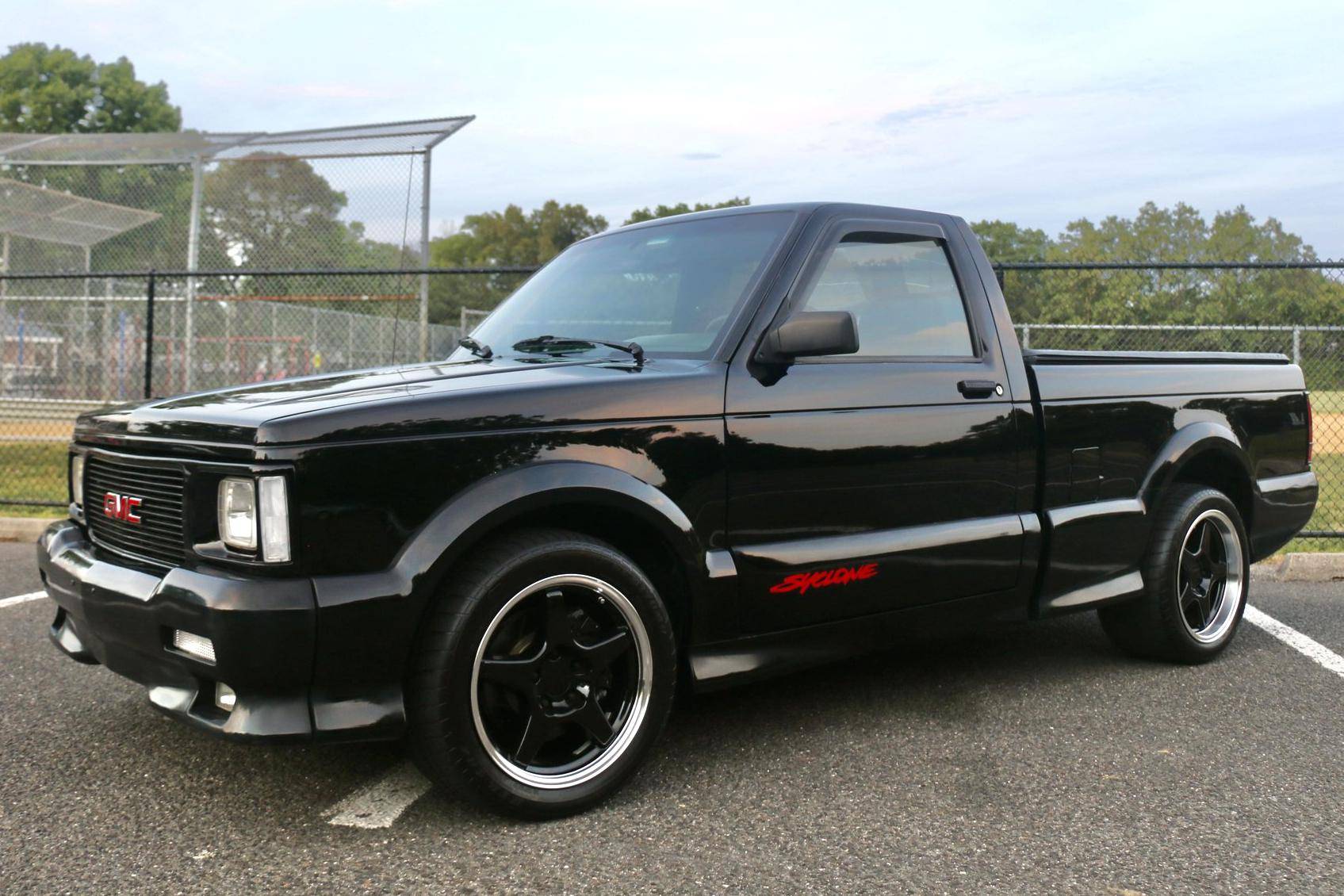
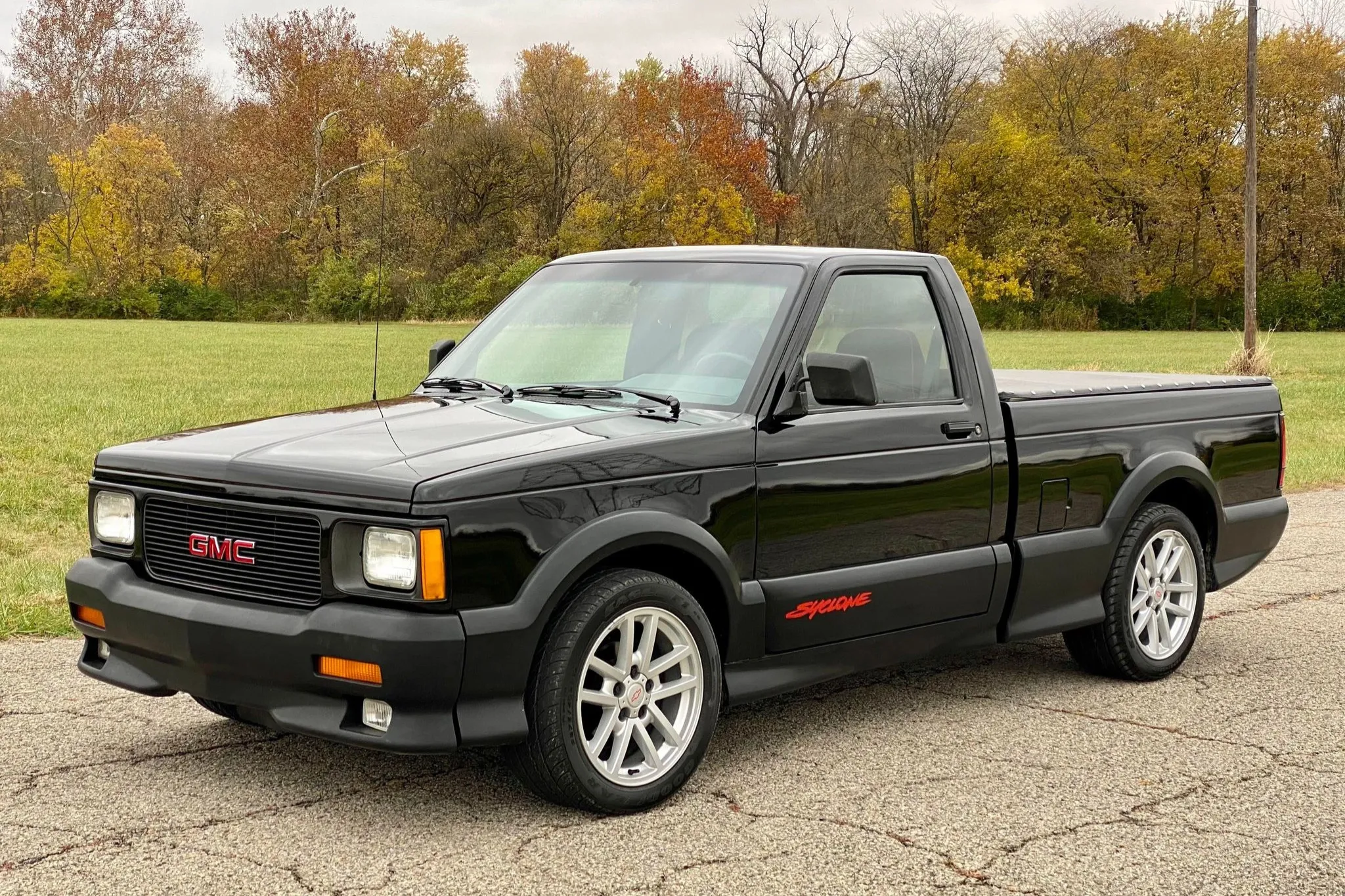
The 1991 GMC Syclone remains a landmark in automotive history as a turbocharged pickup that defied expectations, famously outpacing a Ferrari 348TS in a Car and Driver drag race. Produced in a single model year with only 2,998 units, all black and featuring a 4.3L turbocharged V6 with full-time all-wheel drive, this truck combined rarity, performance, and striking styling to become a collector favorite.
Its limited production and reputation as a Ferrari-slayer have caused values for survivor examples to double, with high-quality, low-mileage trucks fetching $40,000 to $100,000 at auction.
The Syclone redefined what a pickup could be. Its 4.3-liter LB4 V6, paired with a Mitsubishi TD06 turbo and Garrett water-to-air intercooler, produced 280 horsepower and 350 lb-ft of torque, allowing it to accelerate from 0 to 60 mph in just 4.3 seconds.
Its all-wheel-drive system, 65 percent rear-biased, combined with four-wheel anti-lock brakes, gave it traction and control far beyond conventional trucks. Its low-slung blacked-out body and aerodynamic styling, often called the Darth Vader look, made it a visual as well as a performance statement, breaking the mold of traditional pickup design.
Cultural impact and nostalgia drive collector demand. Often considered the granddaddy of modern sport trucks, the Syclone set the stage for high-performance pickups like the Ford F-150 Raptor and Ram TRX. Enthusiasts from the 1990s generation now seek this truck as a piece of automotive history, valuing its unique combination of rarity, performance, and sleeper styling.
Beyond stock examples, the Syclone has inspired extreme builds such as Vinny DiPrima’s #1373, which transformed a rear-wheel-drive Syclone into a 1,400-horsepower drag machine. This build retained the truck’s 4.3L V6 architecture but upgraded nearly every component, including forged internals, custom cylinder heads, turbochargers, intercoolers, and advanced fuel management.
Even with such high horsepower, the chassis, suspension, and drivetrain could be optimized for both street and drag strip use, showing the truck’s adaptability for performance enthusiasts.
The 1991 GMC Syclone continues to captivate collectors because of its one-year production, groundbreaking performance, and bold styling. Its status as a modern classic shows how a pickup can transcend utility to become a high-performance legend. The combination of rarity, historical significance, and tuning potential ensures it remains one of the most sought-after vehicles of the 1990s.
2. 1992–2002 Dodge Viper: Design and Driving Experience
The Dodge Viper (1992–2002) is one of the most iconic American supercars of the 1990s. Designed as a spiritual successor to the Shelby Cobra, it focused on pure driving excitement rather than comfort or technology. Early RT/10 models lacked ABS, traction control, exterior door handles, and even side windows.
This minimalist design created a completely analog experience that required skill and courage. Its massive 8.0-liter V10 engine produced 400 to 450 horsepower and immense torque, making the car challenging and thrilling to drive. With a manual transmission and no driver aids, the Viper earned a reputation as a true driver’s car.
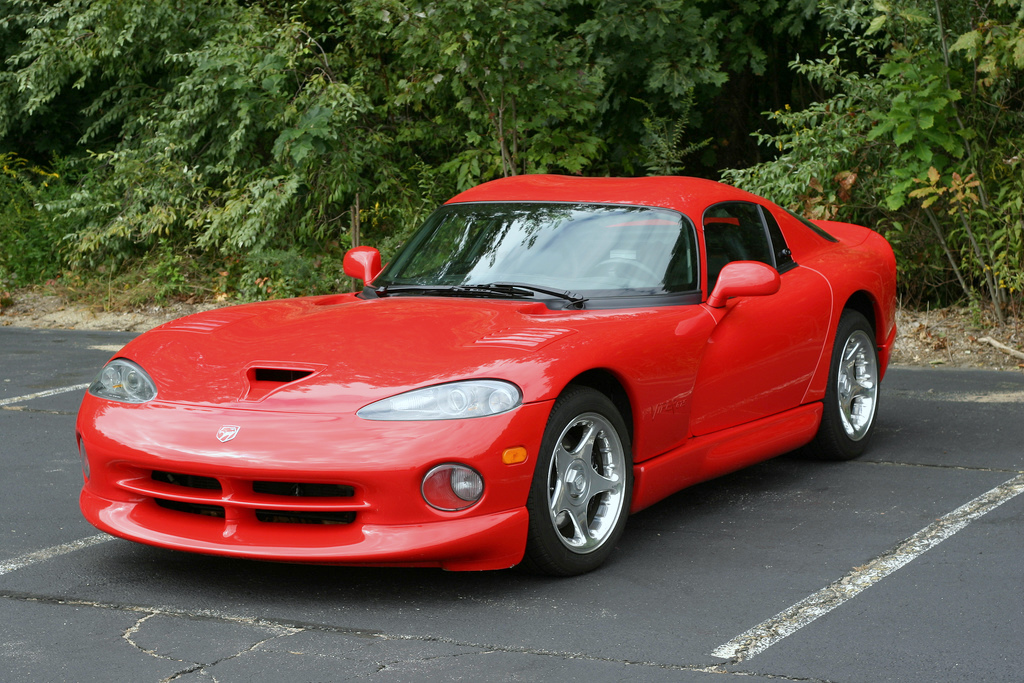
The second-generation GTS coupe, produced from 1996 to 2002, improved the formula with additional comfort features, including air conditioning, power windows, airbags, and a more rigid chassis. The GTS is especially famous for its “double-bubble” roof and blue-with-white-stripes livery.
With an upgraded 450 BHP engine and improved handling, the GTS combines raw performance with a slightly more refined driving experience while retaining the Viper’s signature analog feel.
Collector interest has surged as Gen X and Millennials reach peak earning years and seek the poster cars of their youth. Limited production numbers, around 32,000 units over 26 years, and rare editions such as the 2002 GTS Final Edition add to the car’s exclusivity. Prices have increased significantly.
Early Vipers once sold for $40,000 to $50,000, while pristine GTS models now frequently sell for $70,000 to $100,000 or more. Low-mileage and early-build examples often exceed six figures at major auctions. Online auction platforms have further intensified demand, establishing the Viper as a strong investment among classic American cars.
The 1992–2002 Dodge Viper offers an unfiltered, visceral driving experience with raw performance, mechanical simplicity, and a distinctive design. Its rarity, powerful V10 engine, and strong collector demand ensure that it remains one of the most celebrated and desirable American sports cars of the 1990s.
3. 1990–1995 Chevrolet Corvette C4 ZR-1: The King of the Hill
The Chevrolet Corvette C4 ZR-1 (1990–1995) earned the nickname “King of the Hill” for its groundbreaking performance and technological innovations. Unlike standard Corvettes, it featured the Lotus-designed 5.7-liter LT5 V8 engine built by Mercury Marine, an all-aluminum, dual-overhead-cam, 32-valve powerplant.
Producing 375 horsepower in early models and 405 horsepower in later years, the engine enabled 0–60 mph acceleration in roughly 4.5 seconds and top speeds exceeding 180 mph, putting it on par with contemporary Ferrari and Porsche supercars.
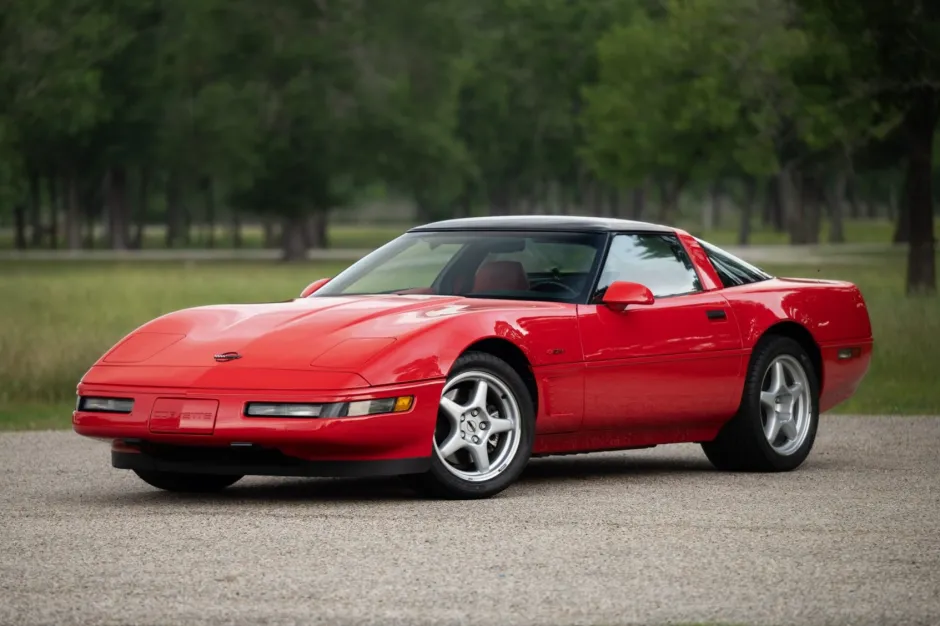
Visually, the ZR-1 resembled a standard C4 but included subtle yet functional enhancements. The rear bodywork was three inches wider, accommodating massive 315/35ZR-17 tires and distinct square taillights.
The FX3 Bilstein adjustable suspension allowed drivers to switch between touring and performance settings, reflecting advanced Lotus Formula 1 technology. The car also included a unique “valet key” that reduced engine output to 200 horsepower, emphasizing its high-strung engineering.
The Corvette ZR-1’s rarity and performance credentials have fueled its desirability among collectors. Only 6,939 units were produced over its six-year run, and certain colors, such as 1995 Admiral Blue or 1994 Ruby Red, are especially sought after. Early ZR-1s set multiple FIA endurance records, including a 24-hour speed record of 175.885 mph, cementing its reputation as a world-class sports car.
After years of being underappreciated, the ZR-1 has seen significant appreciation in value. It is now recognized as a historic supercar that offers a “bargain” compared to its original $58,995 base price while delivering performance rivaling far more expensive vehicles.
Younger collectors, including Gen X and Millennials, have driven renewed interest, particularly in low-mileage or original-condition examples. Auctions on Bring a Trailer, Mecum, and other platforms regularly see ZR-1s reaching high prices, confirming its status as a prime American collectible.
The 1990–1995 Chevrolet Corvette C4 ZR-1 combines exotic engineering, record-breaking performance, and subtle design refinements. Its Lotus-engineered LT5 V8, advanced suspension, and limited production make it a standout of 1990s American sports cars, securing its legacy as a collector’s favorite and a high-value investment.
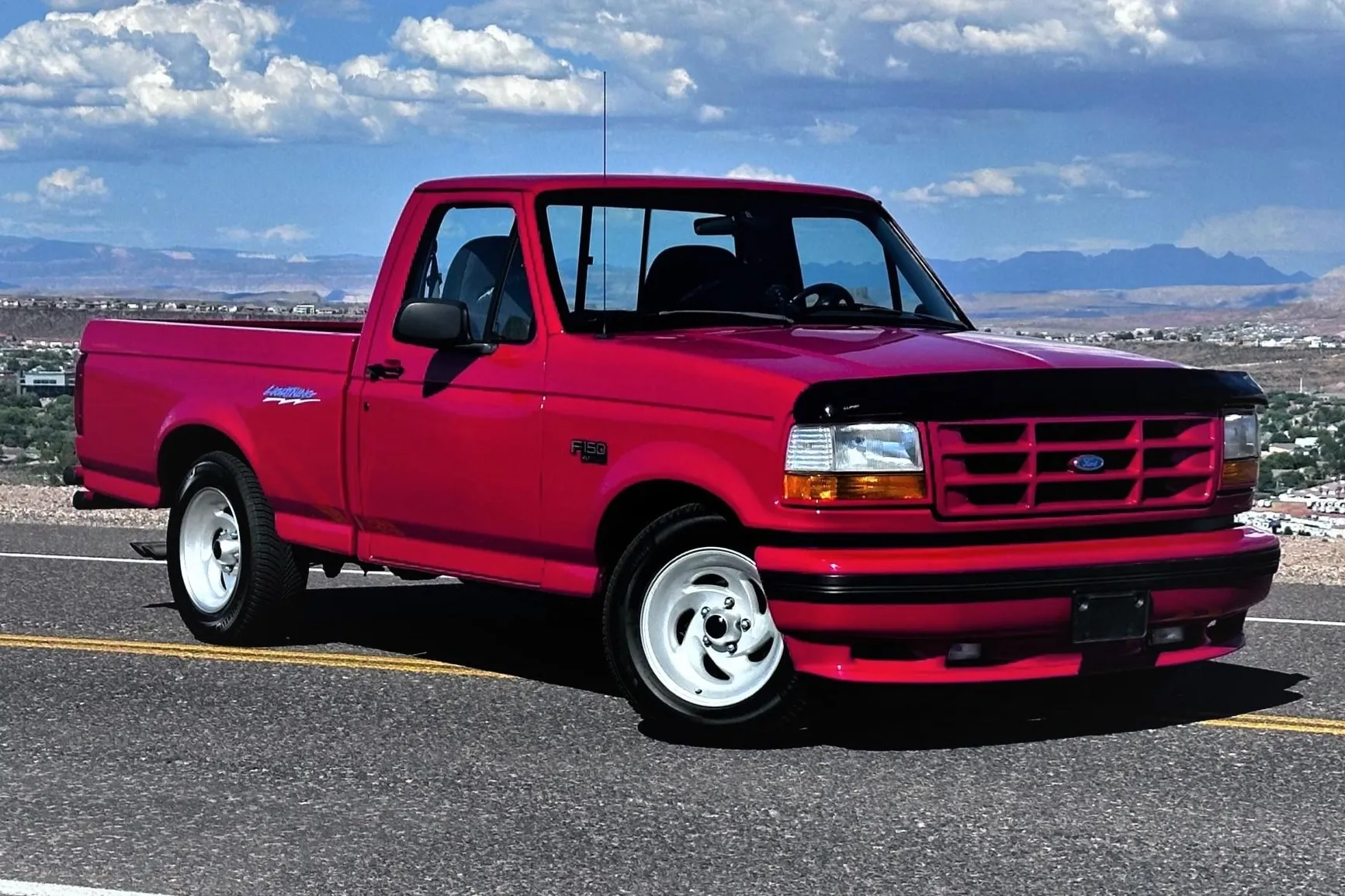
4. 1993–1995 Ford F-150 SVT Lightning: The Original Muscle Truck
The Ford F-150 SVT Lightning (1993–1995) is widely recognized as the origin of the modern performance truck era. Developed by Ford’s Special Vehicle Team, it was the first official SVT project and set the blueprint for future high-performance pickups.
Unlike traditional trucks focused on utility, the Lightning prioritized speed and handling, combining muscle car characteristics with pickup practicality. Its 5.8-liter 351 Windsor V8 produced 240 horsepower and 340 lb-ft of torque, paired with a heavy-duty automatic transmission. With a 0–60 mph time of around 7.2 seconds, it was quick for its time and competitive with other performance vehicles of the early 1990s.
What truly set the Lightning apart was its handling. Ford engineered it with a stiffer frame derived from the F-250 and worked with racing legend Jackie Stewart to fine-tune the suspension.
Lowered ride height, specialized shocks, and upgraded sway bars allowed it to corner with surprising agility, giving it a driving feel closer to a Mustang than a traditional pickup. This focus on performance over utility marked a turning point in truck design.
The Lightning also stood out visually with its clean, monochromatic styling. Available in black, red, or white, it featured a distinctive front air dam with integrated fog lights, 17-inch alloy wheels, and subtle “Lightning” badging. Its boxy “Old Body Style” design has become increasingly popular, reflecting a broader resurgence of 1990s automotive aesthetics.
Rarity plays a major role in its growing collector appeal. Only 11,563 units were produced over three years, and many were heavily used or modified, making clean, original examples difficult to find. This scarcity has driven rapid price appreciation, with values rising sharply in recent years. Well-preserved trucks now command prices up to $70,000 or more, a significant increase from their once modest valuations.
The 1993–1995 SVT Lightning combines performance heritage, durability, and nostalgic design. As the original American muscle truck, it represents a pivotal moment in automotive history, and its increasing rarity and cultural significance continue to solidify its status as a highly desirable and fast-appreciating classic.
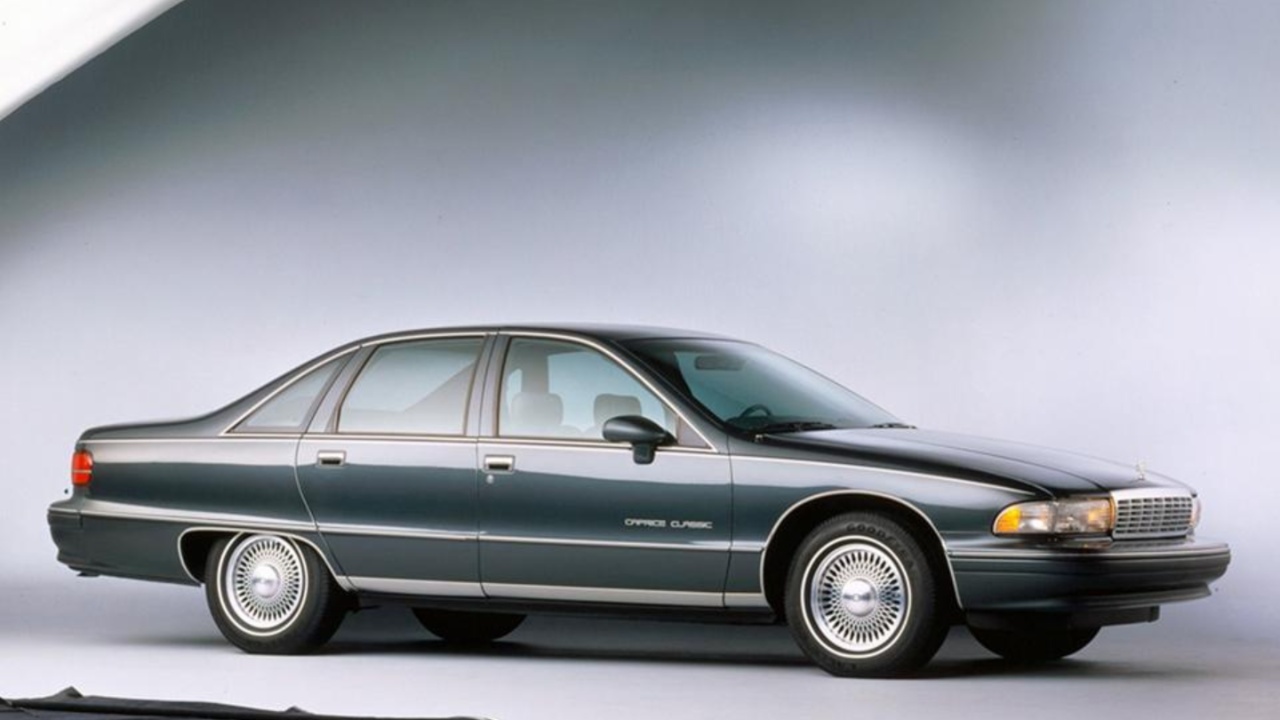
5. 1994–1996 Chevrolet Impala SS: The Last Great American Muscle Sedan
The Chevrolet Impala SS (1994–1996) transformed a conventional full-size sedan into a bold and aggressive performance car, earning its reputation as one of the last true American muscle sedans.
Built on the GM B-body platform, it combined rear-wheel drive, body-on-frame construction, and V8 power at a time when most sedans were shifting toward smaller, front-wheel-drive designs. This “last stand” factor has made it especially appealing to collectors seeking a traditional American driving experience.
At its core was a 5.7-liter LT1 V8 engine derived from the Corvette and Camaro Z/28, producing 260 horsepower and 330 lb-ft of torque. Though slightly detuned, it delivered strong acceleration and a deep V8 character.
The Impala SS also benefited from its roots in the Caprice 9C1 police package, inheriting heavy-duty components such as a sport-tuned suspension, limited-slip differential, and four-wheel disc brakes. This combination of durability and performance gave it a reputation as a reliable yet powerful “sleeper” sedan.
Styling played a major role in its identity. The Impala SS featured a monochromatic, blacked-out design with body-colored trim, grille, and door handles, creating a clean yet menacing look.
Later models introduced additional colors such as Dark Cherry Metallic and Dark Grey Green, but the signature understated aesthetic remained. Distinctive 17-inch five-spoke wheels, a subtle rear spoiler, and a lowered stance further emphasized its performance intent.
Among collectors, the 1996 model is considered the most desirable. It introduced a center console-mounted floor shifter and full analog gauges, including a tachometer, improving driver engagement and modern usability. It also featured OBD-II diagnostics, making maintenance easier compared to earlier versions.
Although nearly 70,000 units were produced, many have been heavily modified or poorly maintained. As a result, clean, original examples are increasingly rare and valuable. Prices have risen significantly, with well-preserved models often reaching $30,000 to $40,000 and low-mileage examples exceeding $60,000.
The 1994–1996 Impala SS combines performance, durability, and unmistakable 1990s style. Its rarity, cultural appeal, and status as one of the last traditional V8 sedans ensure its place as a rapidly appreciating modern classic.
Also read: 5 Cars With Simple Mechanical Cooling Fans vs 5 With Complex Electric Fan Modules
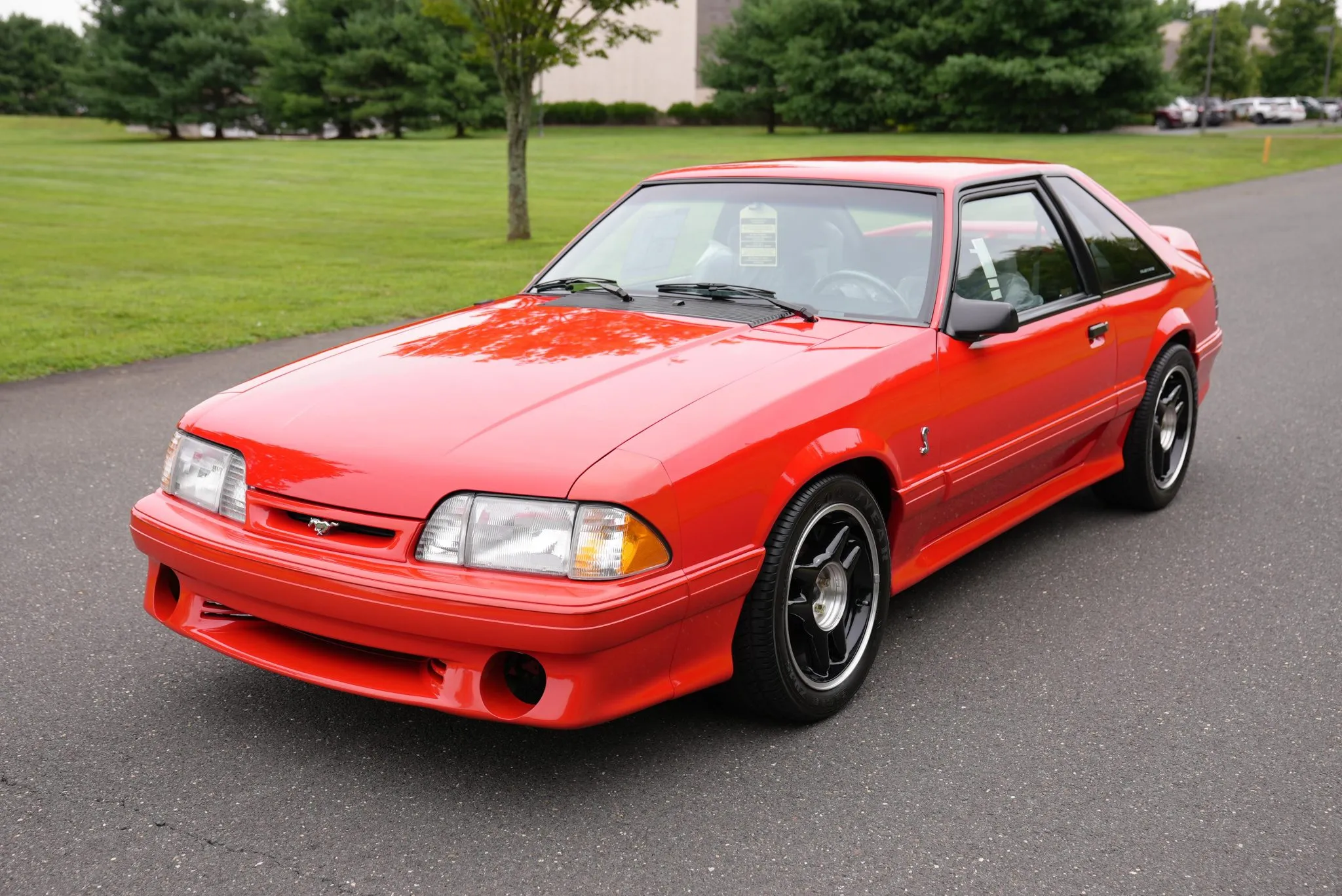
6. 1993 Ford Mustang SVT Cobra: The Holy Grail of the Fox Body Era
The 1993 Ford Mustang SVT Cobra represents the ultimate evolution of the Fox Body Mustang and holds a unique place in automotive history. As the final model year of the Fox Body platform, it marked the end of a long-running generation that defined affordable American performance.
It was also the first vehicle produced by Ford’s Special Vehicle Team, establishing a new standard for factory-built performance Mustangs. With just 4,993 units produced, along with an extremely rare 107-unit Cobra R variant, the 1993 Cobra is one of the most exclusive Mustangs of its era.
Performance upgrades distinguish the Cobra from the standard Mustang GT. Its 5.0-liter V8 received GT-40 cast-iron cylinder heads, a revised intake manifold, roller rocker arms, and a more aggressive camshaft. These enhancements increased output to 235 horsepower, a figure often considered conservative. Paired with a five-speed manual transmission, the Cobra achieved 0 to 60 mph in about six seconds.
It also introduced significant improvements in handling and braking, including specially tuned Tokico shocks and struts, revised suspension components, and four-wheel disc brakes. These changes made it more balanced and capable than earlier Fox Body models.
The Cobra featured distinct styling cues that set it apart visually. A redesigned front fascia with a signature “running horse” grille insert, unique side cladding, and 17-inch directional alloy wheels gave it a more aggressive and refined appearance. These elements, while subtle, contributed to its identity as a premium performance model within the Mustang lineup.
Collector demand has risen sharply due to nostalgia and the scarcity of unmodified examples. Many Fox Body Mustangs were altered over time, making original Cobras increasingly difficult to find. Values have climbed significantly, with clean examples commonly selling for $50,000 to $60,000, while pristine, low-mileage cars can exceed $200,000.
The 1993 SVT Cobra blends historical importance, limited production, and refined performance. As the final and most advanced Fox Body Mustang, it remains a highly desirable modern classic with strong investment potential.
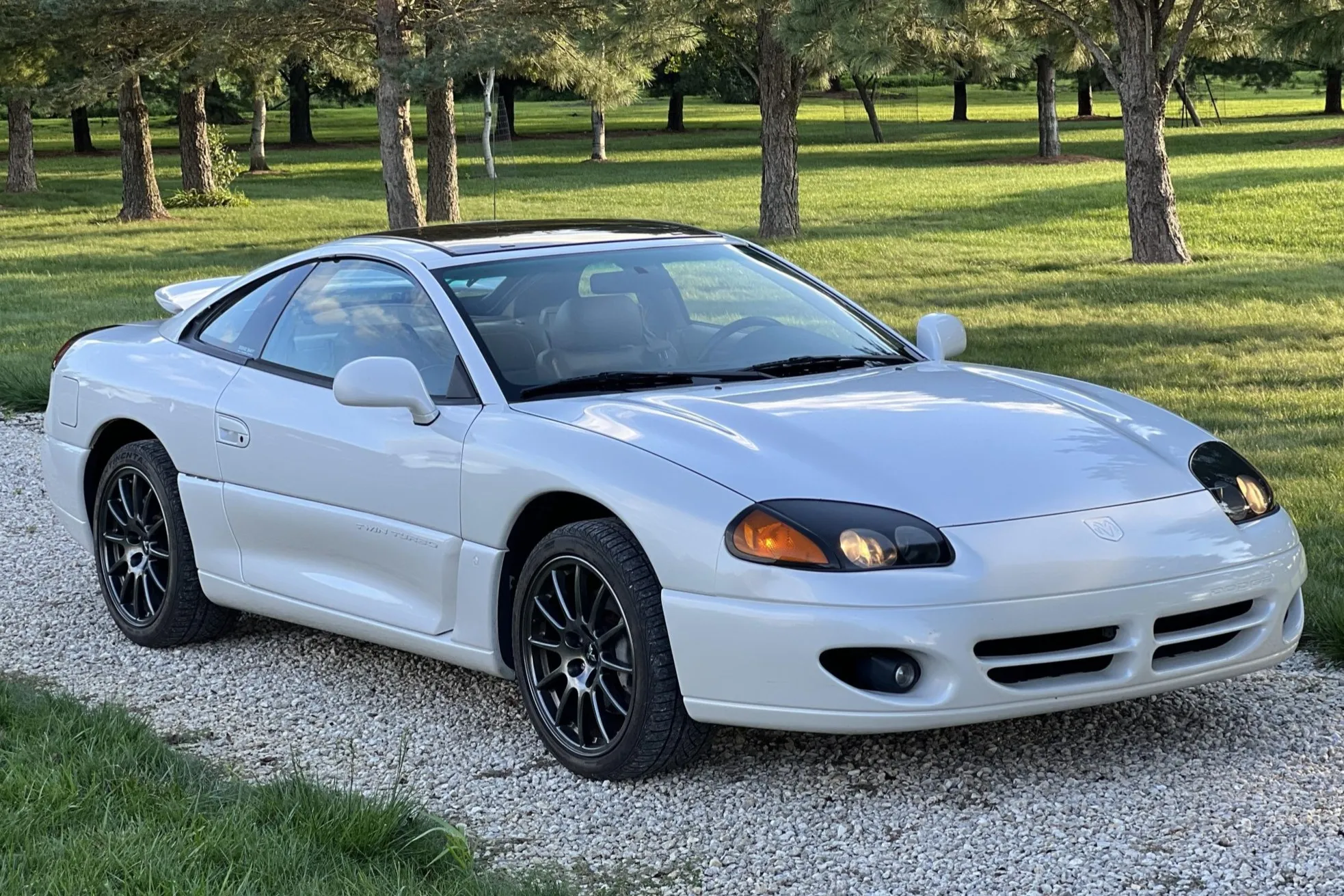
7. 1991–1996 Dodge Stealth R/T Turbo: A High-Tech 90s Underdog
The Dodge Stealth R/T Turbo (1991–1996) stands as one of the most technologically advanced performance cars of the 1990s. Developed through a partnership between Chrysler and Mitsubishi, it shared its engineering with the Mitsubishi 3000GT VR-4 while featuring unique styling tailored for Dodge.
At a time when most American performance cars relied on traditional setups, the Stealth introduced cutting-edge features such as twin turbocharging, all-wheel drive, four-wheel steering, and active aerodynamics, placing it firmly in supercar territory.
At its core was a 3.0-liter twin-turbocharged V6 producing 300 horsepower, later increased to 320 horsepower in updated models. This power, combined with all-wheel drive, allowed the Stealth to accelerate from 0 to 60 mph in under five seconds, making it one of the fastest cars of its era.
Advanced systems such as electronically controlled suspension and rear-wheel steering enhanced stability and handling, giving it impressive performance despite its grand touring weight.
The Stealth also stood out with its bold 1990s design. Early models featured pop-up headlights and distinctive hood contours, capturing the “rad era” aesthetic that has become increasingly desirable among collectors. Although it carried a Dodge badge, its Japanese engineering and performance credentials made it a unique bridge between American and Japanese sports car cultures.
For years, the Stealth R/T Turbo remained overshadowed by rivals such as the Toyota Supra Turbo and Nissan 300ZX Twin Turbo. This relative obscurity kept prices low, allowing enthusiasts to access near-supercar performance at a fraction of the cost. As values for those Japanese icons surged, collectors began to recognize the Stealth as a comparable alternative, offering similar performance and technology.
Rarity has further increased its appeal. Many examples were modified, heavily driven, or poorly maintained, making clean, original cars difficult to find. As a result, prices for well-preserved models have risen sharply, with top examples exceeding $50,000.
The Dodge Stealth R/T Turbo combines advanced engineering, distinctive styling, and growing collector interest. Its blend of rarity, performance, and 1990s innovation has transformed it from an overlooked model into a rapidly appreciating modern classic.
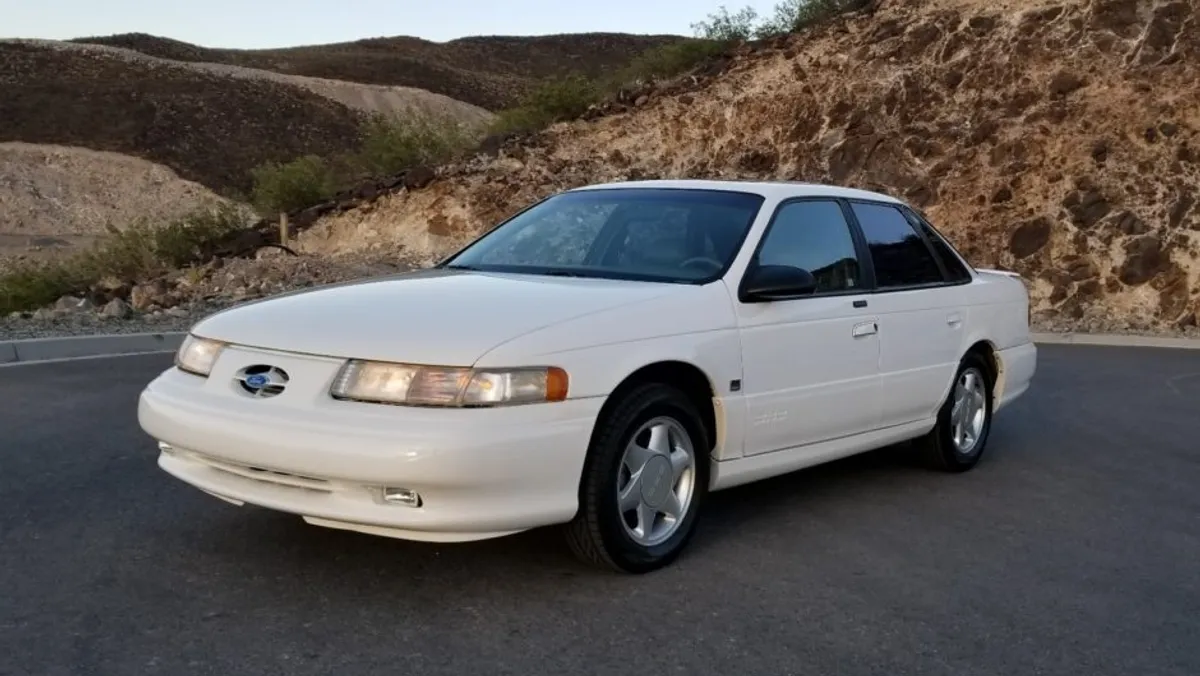
8. 1992–1995 Ford Taurus SHO: The Ultimate Sleeper Sedan
The Ford Taurus SHO (1992–1995) stands as one of the most distinctive high-performance sedans of the 1990s, blending everyday practicality with unexpected speed.
Known as “Super High Output,” the SHO transformed the ordinary Taurus into a true sleeper, capable of competing with European sport sedans while maintaining a subtle, understated appearance. Its near-identical styling to standard models made its performance even more surprising, earning it a reputation as a “wolf in sheep’s clothing.”
At the heart of the SHO was a remarkable Yamaha-designed V6 engine. Available as a 3.0-liter in manual models and a 3.2-liter in automatics, this 24-valve powerplant produced 220 horsepower and featured a high-revving 7,000 RPM redline.
The engine’s visually striking intake runners became iconic, often described as a work of art. Performance was impressive for its time, with manual versions reaching 0 to 60 mph in around 6.6 seconds. This level of speed, combined with responsive handling, allowed the SHO to rival more expensive European sedans such as the BMW M5.
Despite its performance, the SHO remained practical and accessible. It offered four-door convenience, a comfortable interior, and usable technology, making it a unique blend of family car and sports sedan. This dual-purpose nature has contributed to its growing appeal among collectors who value both usability and performance.
Rarity has become a major factor in its rising value. While thousands were produced, many were used as daily drivers and driven into the ground, leaving few well-preserved examples. Clean, low-mileage SHOs are increasingly difficult to find, especially unmodified models with original components. As a result, prices have climbed significantly, with top-tier examples reaching well beyond their former budget status.
The 1992–1995 Taurus SHO represents a unique chapter in automotive history, combining Japanese-engineered performance with American sedan practicality. Its rarity, distinctive engine, and sleeper appeal have elevated it into a highly desirable modern classic, particularly for enthusiasts seeking an affordable yet historically significant 1990s performance car.
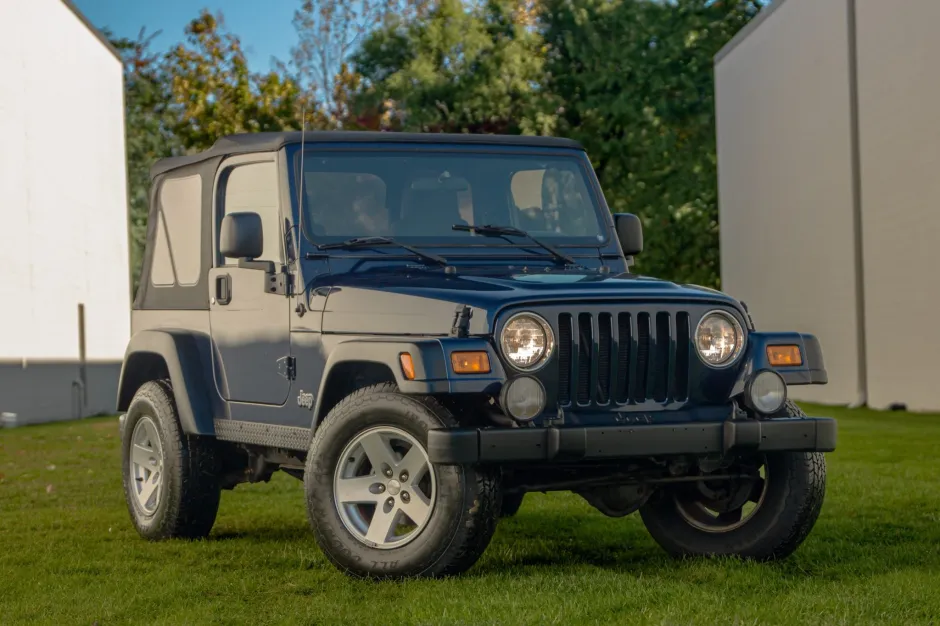
9. 1997–2006 Jeep Wrangler TJ: The Goldilocks Era of Off-Road Performance
The Jeep Wrangler TJ (1997–2006) is widely considered a defining generation of the Wrangler lineage, earning the nickname “Goldilocks” for its ideal mix of classic ruggedness and modern refinement. It retained the raw, mechanical character of earlier Jeeps while introducing key improvements that made it more comfortable and usable, helping drive its growing popularity among collectors and enthusiasts.
One of the most significant upgrades was the transition from leaf springs to a coil-spring suspension. This change greatly improved ride quality, handling, and articulation, allowing the TJ to perform better both on and off the road. At the same time, Jeep restored the iconic round headlights, reinforcing its connection to the brand’s heritage and winning back traditionalists who preferred classic styling cues.
A major factor behind the TJ’s strong reputation is its 4.0-liter inline-six engine. Known for its durability and simplicity, this engine has earned a near-legendary status for its ability to last well beyond 300,000 kilometers with proper care. Its straightforward design also makes maintenance and repairs more accessible compared to newer, electronics-heavy vehicles, increasing its appeal to hands-on owners.
Special editions have further strengthened the TJ’s desirability. The Rubicon model, introduced in 2003, came equipped with heavy-duty Dana 44 axles, locking differentials, and a low-range transfer case, making it one of the most capable factory off-road vehicles of its time.
The Wrangler Unlimited, or LJ, produced from 2004 to 2006, offered a longer wheelbase for improved comfort and cargo space, and its limited production has made it especially valuable.
Market trends have also played a role in TJ’s rising value. As newer Wranglers become more complex and reliant on digital systems, many buyers are drawn to the TJ’s analog driving experience. At the same time, rust issues and years of heavy use have reduced the number of clean, unmodified examples available.
The Wrangler TJ remains a standout choice for those seeking a dependable, capable, and character-rich off-roader, with increasing demand continuing to push values higher.
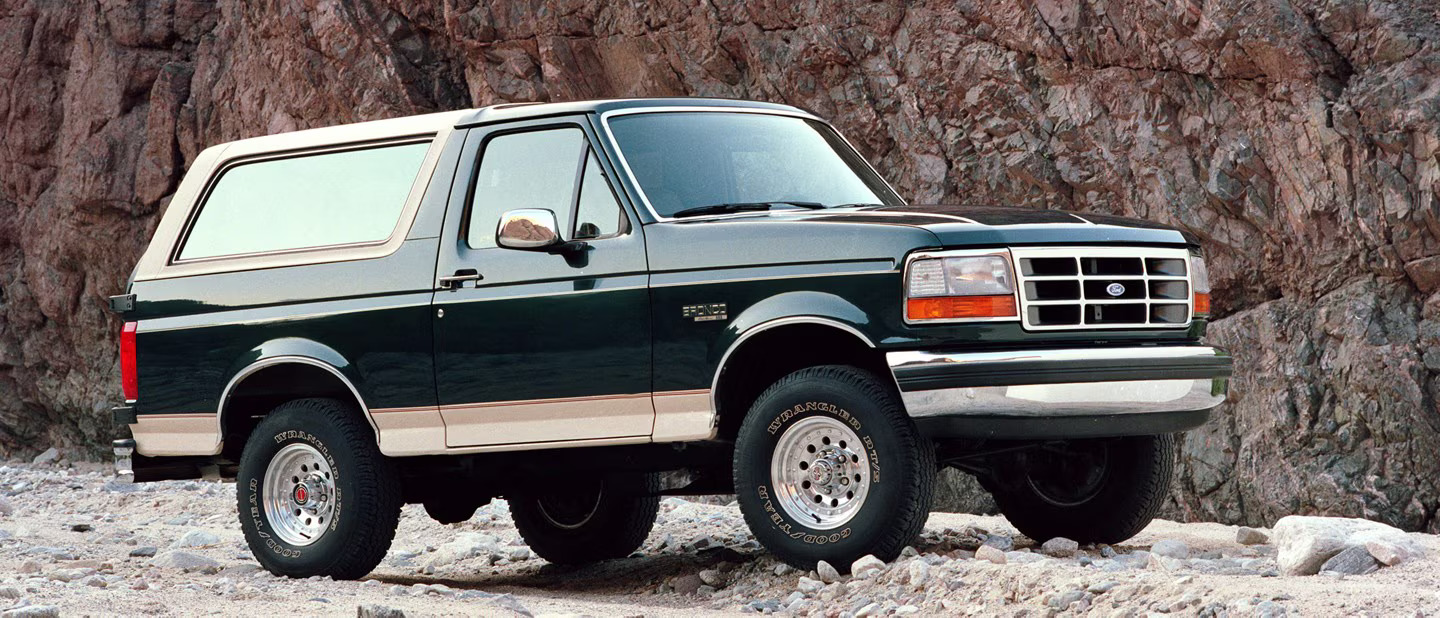
10. 1992–1996 Ford Bronco: The End of the Classic Full-Size Era
The 1992–1996 Ford Bronco marks the final generation of the original full-size, two-door SUV, making it a highly desirable model among collectors and enthusiasts. As the last Bronco before Ford shifted to the four-door Expedition, it represents the closing chapter of a rugged, body-on-frame design philosophy that defined American SUVs for decades. This “end of an era” status has played a major role in its rapidly increasing value.
Nostalgia is a key factor behind the Broncos’ resurgence. Buyers who grew up in the 1990s now seek out the vehicles they once admired, and the Bronco stands out as one of the most recognizable. Its connection to pop culture, particularly the widely televised 1994 police chase involving a white Bronco, cemented its place in history and continues to fuel interest today.
The Bronco’s appeal also lies in its simplicity and capability. Unlike modern SUVs filled with advanced electronics, this generation offers a more mechanical, straightforward driving experience.
It came equipped with durable engine options, including inline-six and V8 variants, with the 5.8-liter V8 especially valued for its power and towing strength. Its four-wheel-drive system and short wheelbase made it highly capable off-road, while the removable rear hardtop added a unique open-air element.
This generation also introduced notable improvements in comfort and safety compared to earlier models. Features such as anti-lock brakes, a driver-side airbag, and more refined interior materials made it easier to live with on a daily basis, blending utility with a more modern driving experience for its time.
Market demand has surged in recent years, particularly following the release of the 2021 Bronco, which renewed attention on earlier models. Clean, well-preserved examples have become increasingly scarce, especially those with original paint and minimal wear. As a result, prices have climbed sharply, with pristine units commanding significant premiums.
The 1992–1996 Bronco remains a standout symbol of 1990s automotive culture, valued for its heritage, durability, and unmistakable presence on and off the road.
The 1990s left a lasting imprint on American automotive culture, producing vehicles that continue to capture the imagination of collectors and enthusiasts alike. Cars and trucks from this era combine performance, design, and rarity in ways that appeal to both nostalgia and modern appreciation for mechanical simplicity and driver-focused experiences.
From turbocharged pickups like the GMC Syclone to legendary sports cars such as the Dodge Viper and Chevrolet Corvette ZR-1, these vehicles have transitioned from everyday machines into highly valued modern classics. Limited production numbers, distinctive styling, and historical significance have fueled strong demand, while well-preserved, low-mileage examples continue to fetch premium prices.
The decade’s mix of innovation and character ensures these ten models stand out as true American classics, representing both a cultural moment and a rewarding investment opportunity for enthusiasts who seek performance, history, and enduring appeal.
Also read: 10 Cars That Prove Gas Engines Still Make Sense in 2026
