Vintage trucks are no longer just work vehicles; they have become highly sought-after collector pieces that combine nostalgia, performance, and investment potential. From high-performance pickups like the 1991 GMC Syclone to rugged off-road icons like the 1974–1980 Dodge Ramcharger, these trucks represent a time when utility, style, and character were balanced in every model.
Many trucks from the 1970s through the early 1990s are currently affordable, yet their market values are set to rise as collector interest grows.
Models such as the durable Toyota Pickup, the muscular Dodge Li’l Red Express, and the versatile Jeep CJ-8 Scrambler offer not only mechanical simplicity and reliability but also increasing rarity. For enthusiasts and investors alike, this is the ideal time to explore these eight iconic trucks before the prices surge.
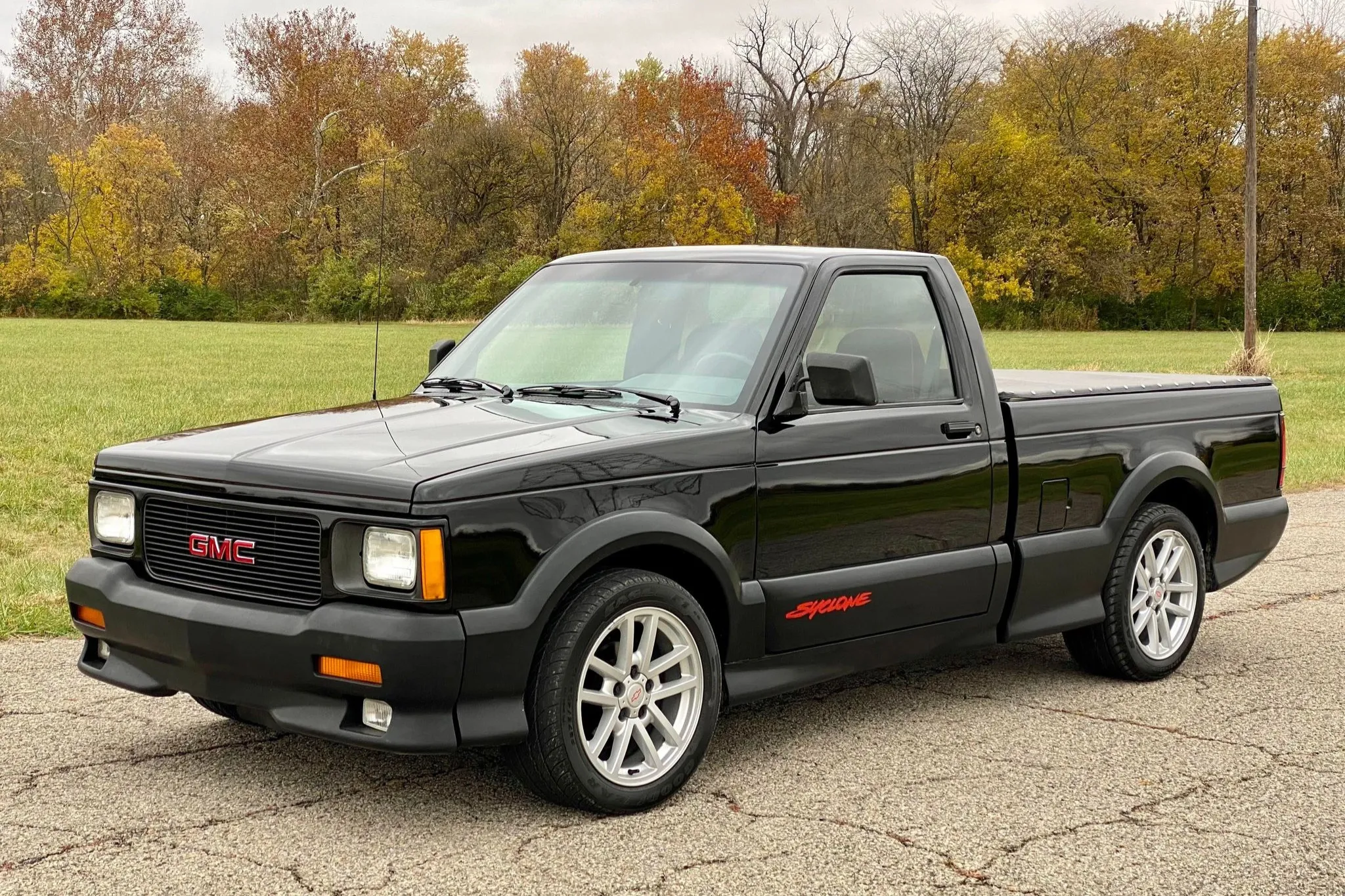
1. 1991 GMC Syclone: A Rare Performance Icon and Investment Opportunity
The 1991 GMC Syclone stands as one of the most iconic high-performance pickup trucks ever built, blending groundbreaking engineering with rarity and lasting collector appeal. Introduced during the early 1990s, it challenged traditional ideas of what a pickup could achieve, delivering sports car–level performance in a compact truck platform.
Powered by a 4.3-liter turbocharged V6 engine producing 280 horsepower and 350 lb-ft of torque, combined with an advanced all-wheel-drive system, the Syclone could accelerate from 0 to 60 mph in just 4.3 seconds. This remarkable speed allowed it to outperform contemporaries such as the Ferrari 348TS in quarter-mile tests, earning its reputation as a “supercar-slaying” truck.
One of the key factors behind the Syclone’s desirability is its extreme rarity. Only 2,995 units were produced, primarily for the 1991 model year, making surviving example especially those in original, unmodified condition increasingly difficult to find.
This limited production has significantly boosted its value in the collector market, with pristine, low-mileage units now commanding prices exceeding $100,000. As interest in 1990s-era performance vehicles continues to rise, the Syclone is widely regarded as a “buy now” classic with strong long-term investment potential.
Beyond performance and rarity, the Syclone holds historical significance as one of the first true “sport trucks.” It helped pioneer the performance pickup segment that would later influence modern vehicles like high-performance off-road and street trucks.
Its engineering was also ahead of its time, featuring innovations such as four-wheel anti-lock brakes (ABS) and a rear-biased all-wheel-drive system designed for optimal traction and acceleration.
Aesthetically, the Syclone embodies a distinctive 1990s style, characterized by its all-black paint, lowered suspension, and aggressive stance. This “muscle truck” appearance remains highly sought after by enthusiasts who appreciate the bold, minimalist design language of the era.
The truck’s legacy is further highlighted by dedicated enthusiasts like Vinny Di Prima, who transformed his own Syclone into a record-setting drag machine. Starting with a stripped chassis, he rebuilt the vehicle with extensive modifications, including a reinforced frame, specialized suspension, and a heavily upgraded turbocharged V6 engine capable of producing around 1,400 horsepower.
His build features advanced components such as a Chevrolet Performance Bowtie block, high-capacity fuel system, precision turbocharging, and sophisticated engine management. Through persistence and technical refinement, Di Prima overcame challenges such as engine durability and uneven cylinder temperatures to create one of the fastest Syclones on the drag strip.
The 1991 GMC Syclone represents a unique blend of innovation, rarity, and cultural impact. Its combination of supercar-level performance, limited production, and growing collector demand ensures its status as both a legendary vehicle and a valuable automotive investment.
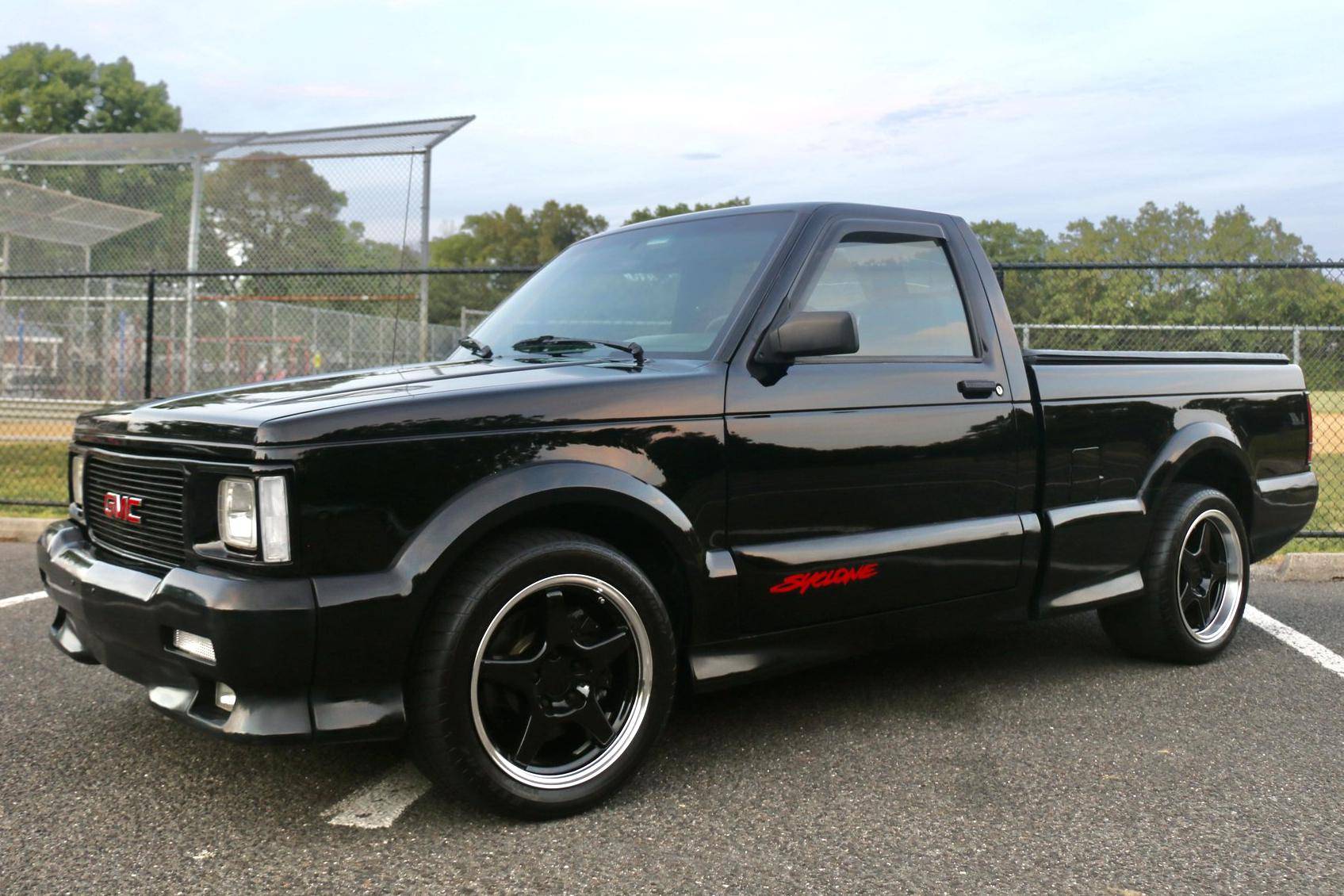
2. 1984–1988 Toyota Pickup (Hilux): A Durable Classic with Strong Investment Potential
The 1984–1988 Toyota Pickup, known worldwide as the Hilux, is widely recognized as one of the most durable and reliable trucks ever built. As part of the fourth generation, it earned a legendary reputation for toughness, simplicity, and long-lasting performance.
At the core of this reputation are the 2.4-liter 22R carbureted engine and the 22R-E fuel-injected engine. Both are known for exceptional longevity, often exceeding 300,000 miles with basic maintenance. Although these engines are not designed for speed, they are valued for their reliability and ease of repair, making the truck highly practical for long-term ownership.
A major reason for its lasting appeal is its simple mechanical design. Built before the rise of complex electronics, this generation relies on straightforward systems that are easy to maintain and modify.
This simplicity has helped build its image as an “indestructible” vehicle. Its durability has been demonstrated in extreme tests and real-world use, where it has consistently proven capable of surviving harsh conditions. As a result, the Hilux has become a symbol of resilience and dependability among drivers and collectors alike.
In recent years, the 1984–1988 Toyota Pickup has gained significant attention in the collector market. Demand is rising, especially among younger buyers who want a vintage 4×4 that remains relatively affordable.
Compared to more expensive classics such as early Ford Broncos or Toyota Land Cruisers, this truck offers a more accessible entry point. At the same time, clean and original examples are becoming harder to find, which is steadily increasing their value. Well-preserved models with minimal modifications are now considered strong investment opportunities.
The truck is also well known for its off-road capability. The 1984 and 1985 4×4 versions are especially desirable because of their solid front axle, which provides better strength and articulation on rough terrain.
Models produced from 1986 to 1988 introduced independent front suspension, improving ride comfort while still maintaining capable off-road performance. The SR5 trim package is particularly sought after due to its upgraded interior and distinctive styling.
Culturally, the Hilux has secured a lasting place in automotive history. Its recognizable design and appearances in films such as Back to the Future have made it a memorable icon. It has also appeared in other forms of media, helping it remain relevant across generations.
Potential buyers should be aware of common issues. Rust is the most serious concern, especially in the frame and bed areas. While mechanical parts are easy to find and affordable, original interior components are becoming more difficult to source in excellent condition.
The 1984–1988 Toyota Pickup offers a balanced combination of durability, usability, and rising collector demand. Its strong reputation and increasing value make it an appealing choice for both enthusiasts and investors.
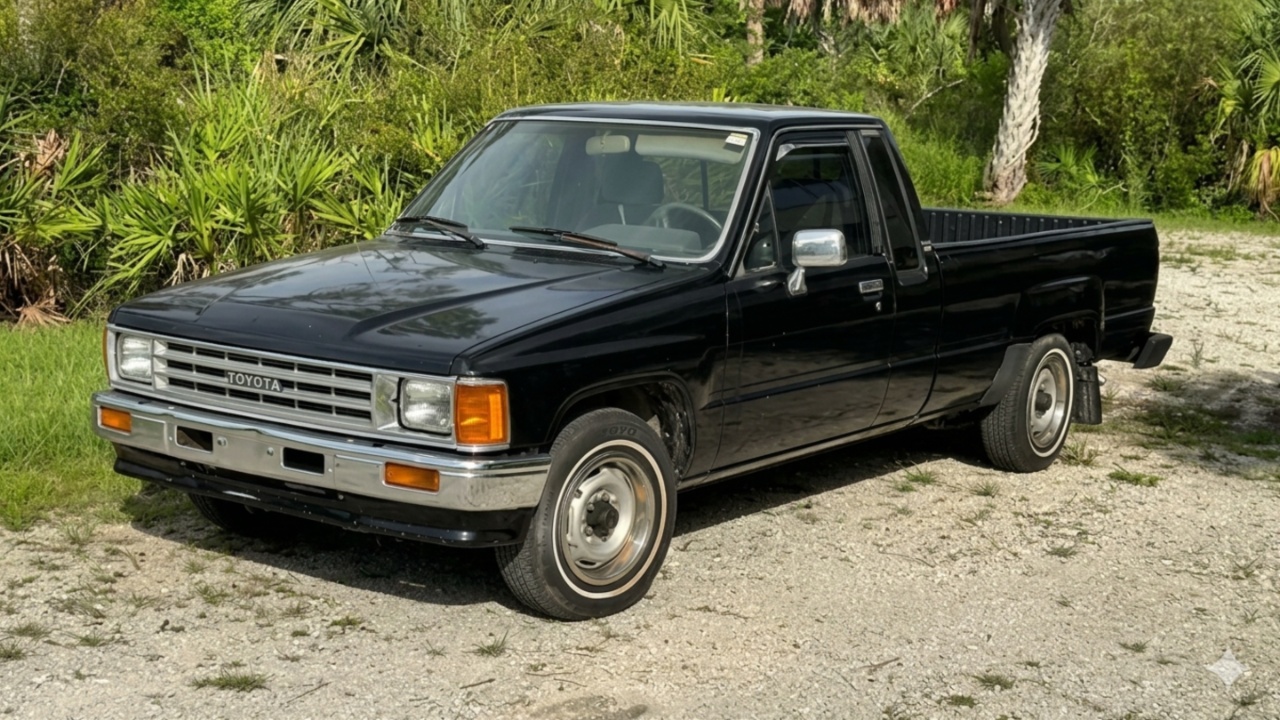
3. 1990–1993 Chevrolet 454 SS: A Big-Block Muscle Truck on the Rise
The 1990–1993 Chevrolet 454 SS stands as one of the defining muscle trucks of the early 1990s, blending traditional American V8 power with a lightweight pickup platform. Developed during Chevrolet’s GMT400 “Old Body Style” era, it was designed as a factory-built performance truck focused on straight-line speed and torque.
By fitting a 7.4-liter big-block V8 into a regular-cab, short-bed C1500 chassis, Chevrolet created a unique vehicle that delivered between 230 and 255 horsepower and up to 405 lb-ft of torque. This setup provided strong acceleration and a raw, engaging driving experience that continues to attract enthusiasts.
The truck’s styling is one of its most recognizable features. Early models were only available in Onyx Black, paired with matching trim, red decals, and chrome wheels, creating a bold and aggressive appearance.
Inside, the cabin featured garnet red cloth upholstery, bucket seats, and a center console, emphasizing its sporty identity. Later model years introduced additional exterior colors, but the original black and red combination remains the most iconic and sought after.
Performance upgrades distinguished the 454 SS from standard pickups of its time. It came equipped with a Performance Handling Package that included Bilstein shocks, a front anti-roll bar, and quicker steering for improved road control.
The 1990 version used a three-speed automatic transmission, while 1991 to 1993 models received a four-speed automatic and increased engine output. These updates, along with revised rear axle ratios, improved acceleration and made later versions more desirable among collectors and drivers.
Limited production is a major reason for the truck’s increasing value. Only 16,953 units were built during its four-year run, making clean, original examples increasingly rare.
As interest in 1990s vehicles continues to grow, especially among Gen X and Millennial buyers, demand for the 454 SS has surged. Market trends show strong appreciation, with values rising significantly in recent years and low-mileage examples commanding premium prices at auctions.
The 454 SS also holds an important place in automotive history as one of the earliest modern performance trucks. At the time of its release, it had few direct competitors and helped establish the foundation for future high-performance pickups. Its combination of practicality and muscle car characteristics made it appealing to a wide range of buyers.
There are some considerations for potential owners. Fuel consumption is high due to the large V8 engine, and the truck prioritizes torque over high-speed performance. However, maintenance remains relatively simple, and replacement parts are widely available.
The 1990–1993 Chevrolet 454 SS continues to gain recognition as a collectible vehicle. Its mix of bold styling, big-block power, and limited production ensures its place as a standout example of 1990s performance engineering and a valuable option for collectors.
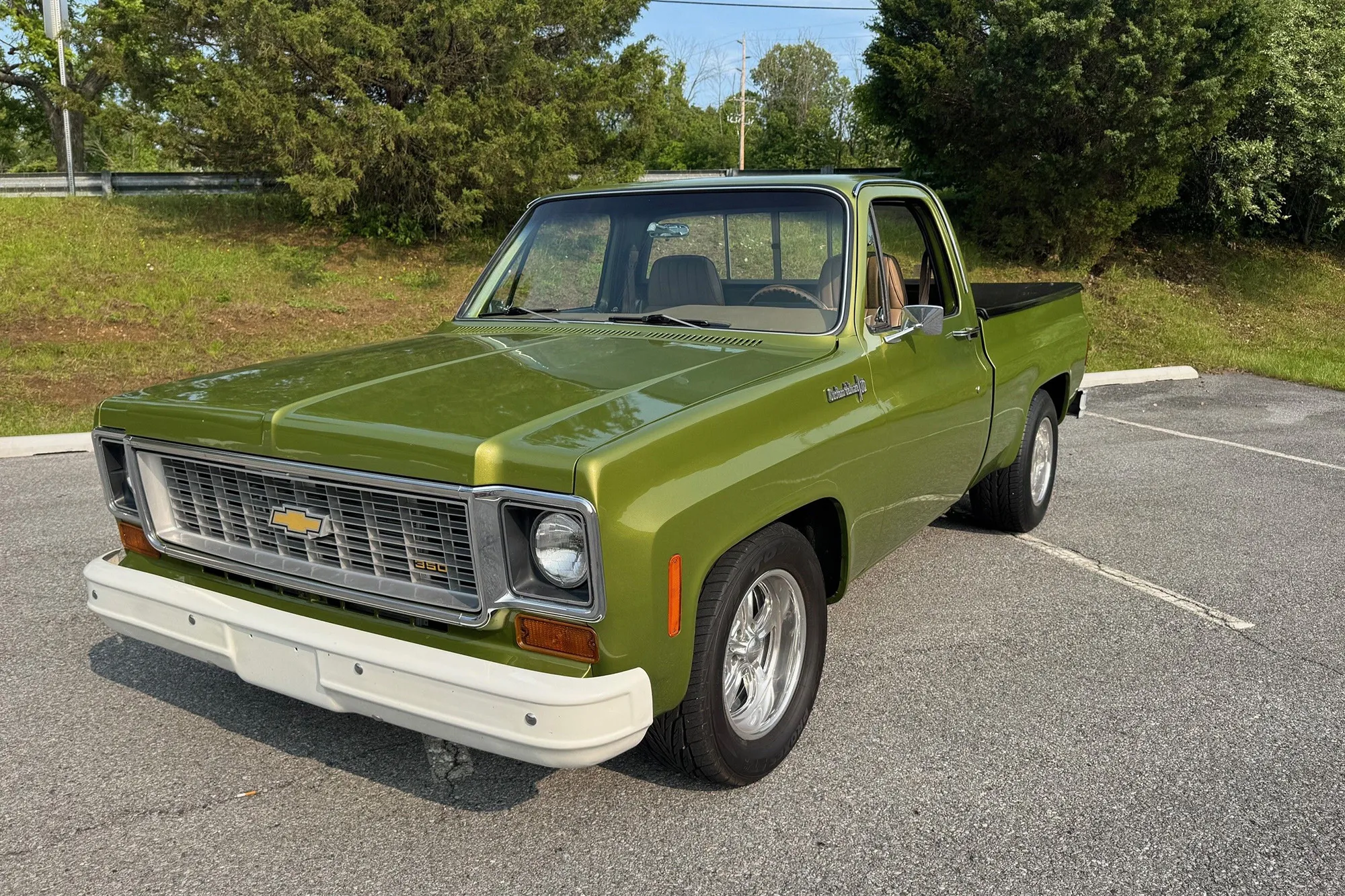
4. 1973–1987 Chevrolet C10 “Square-Body”: An Iconic Classic with Endless Potential
The 1973–1987 Chevrolet C10, commonly known as the “Square-Body,” is one of the most recognizable and influential pickup trucks in American automotive history. Produced over a fourteen-year span, it became a staple of both work and lifestyle use, thanks to its rugged construction, clean design, and versatility.
Its sharp, boxy styling has aged exceptionally well, making it a favorite among collectors, restorers, and custom builders. Today, it stands as a symbol of 1970s and 1980s truck design, with a strong and growing presence in the classic vehicle market.
One of the biggest advantages of the Square-Body C10 is its widespread availability combined with rising demand. Chevrolet produced over 10 million units during its run, meaning these trucks are still relatively accessible. However, clean and original examples are becoming harder to find as more enthusiasts enter the market.
This shift is driving prices upward, especially for desirable configurations such as short-bed, Fleetside models in higher trims like the Silverado. These versions are seeing the most significant appreciation and are increasingly viewed as smart investments.
Mechanically, the C10 is known for its simplicity and durability. Its straightforward design makes it easy to maintain and repair, even for beginners. Parts are widely available and affordable, supported by a massive aftermarket that offers everything from replacement panels to high-performance upgrades.
This ease of ownership has made the Square-Body a popular platform for restoration projects and custom builds. Owners can easily swap components, including engines, allowing for everything from period-correct restorations to modernized “restomod” creations.
The truck also offers a balance between classic character and everyday usability. Unlike earlier pickups, the C10 features a coil-spring rear suspension, which provides a smoother and more comfortable ride. This makes it suitable not only as a collector vehicle but also as a practical daily driver.
Later models, particularly those from 1987, introduced more modern features such as throttle body fuel injection, improving efficiency and drivability while maintaining the truck’s classic appeal.
In terms of performance, the C10 offered a range of engine options, including the popular 350 cubic inch small-block V8 and the more powerful 454 cubic inch big-block. These engines provided solid performance and respectable towing capability for the era, making the truck versatile for both work and recreation.
There are some considerations for buyers. Early models are prone to rust, especially around the fender wells and cab corners, so careful inspection is essential. Despite this, the truck’s durability and strong parts support make restoration feasible.
The 1973–1987 Chevrolet C10 continues to gain popularity due to its timeless design, flexibility, and cultural significance. Its combination of affordability, customization potential, and increasing demand ensures it remains a standout choice for collectors and enthusiasts seeking a classic American pickup.
Also read: 5 Cars With Simple Mechanical Cooling Fans vs 5 With Complex Electric Fan Modules
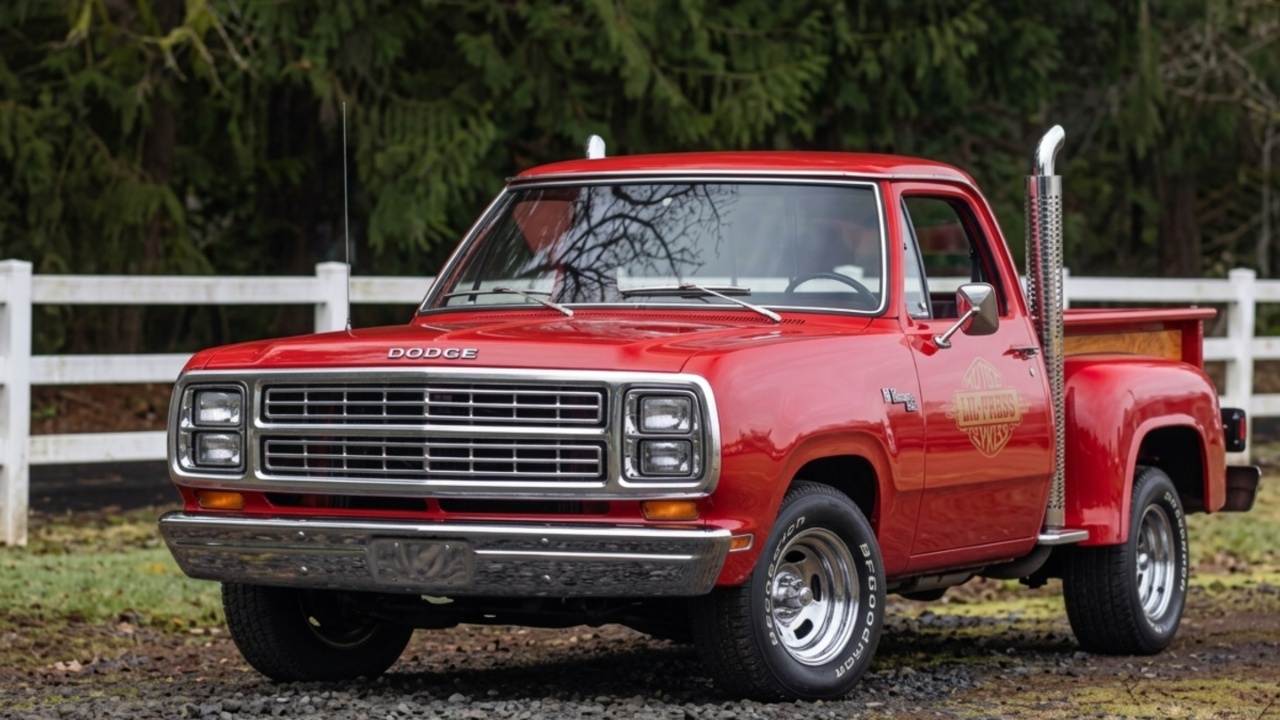
5. 1972–1980 Dodge D100 (Li’l Red Express): A Rare Muscle Truck with Untapped Value
The 1972–1980 Dodge D100, particularly the 1978–1979 Li’l Red Express, represents one of the most unique and historically significant trucks of its era. Emerging during the late 1970s, a time often associated with reduced performance due to strict emissions regulations, this truck stood out by delivering surprising speed and bold styling.
Thanks to a regulatory loophole that exempted certain trucks from catalytic converter requirements, the 1978 Li’l Red Express was able to run a high-performance 360 cubic inch V8 without restriction. This allowed it to produce around 225 horsepower and nearly 300 lb-ft of torque, making it the fastest American-made vehicle to reach 100 mph in 1978, even outperforming contemporary sports cars like the Chevrolet Corvette.
Performance was a major highlight, especially considering the limitations of the so-called “Malaise Era.” The truck featured a police-spec version of the 360 V8 engine, paired with a durable automatic transmission and a limited-slip rear axle.
This setup delivered strong acceleration and a distinctive driving experience that emphasized raw power and sound. Its performance credentials helped establish it as one of the earliest examples of a factory-built muscle truck.
Equally important is the truck’s unmistakable styling. Finished in bright Canyon Red with gold decals, the Li’l Red Express featured real oak wood trim along the bed and its most iconic element, a pair of vertical chrome exhaust stacks mounted behind the cab.
These semi-truck-inspired stacks, along with chrome wheels and bold detailing, gave it a standout appearance that remains instantly recognizable. The 1978 models featured round headlights, while the 1979 versions adopted rectangular ones, offering slight visual variation for collectors.
Rarity plays a significant role in the truck’s growing appeal. Only 7,306 units were produced across 1978 and 1979, and many have been lost over time. This makes surviving examples increasingly valuable, especially those in original or well-restored condition.
Compared to classic trucks from Ford and Chevrolet, the Li’l Red Express remains relatively undervalued, presenting a strong opportunity for collectors seeking something different.
The truck also holds cultural importance as part of Dodge’s “Adult Toys” lineup, which celebrated performance and individuality during a challenging era for the automotive industry. Alongside models like the Warlock, it helped maintain interest in performance vehicles and influenced the development of later sport trucks.
There are some considerations for buyers. Fuel economy is poor, and the truck can be quite loud due to its unique exhaust system. Rust, particularly around the bed and wood trim areas, is another common issue to inspect carefully.
The 1972–1980 Dodge D100, especially the Li’l Red Express, combines rarity, bold design, and historical importance. Its growing recognition and relatively accessible pricing make it an appealing choice for collectors looking to invest in a distinctive and increasingly sought-after classic truck.
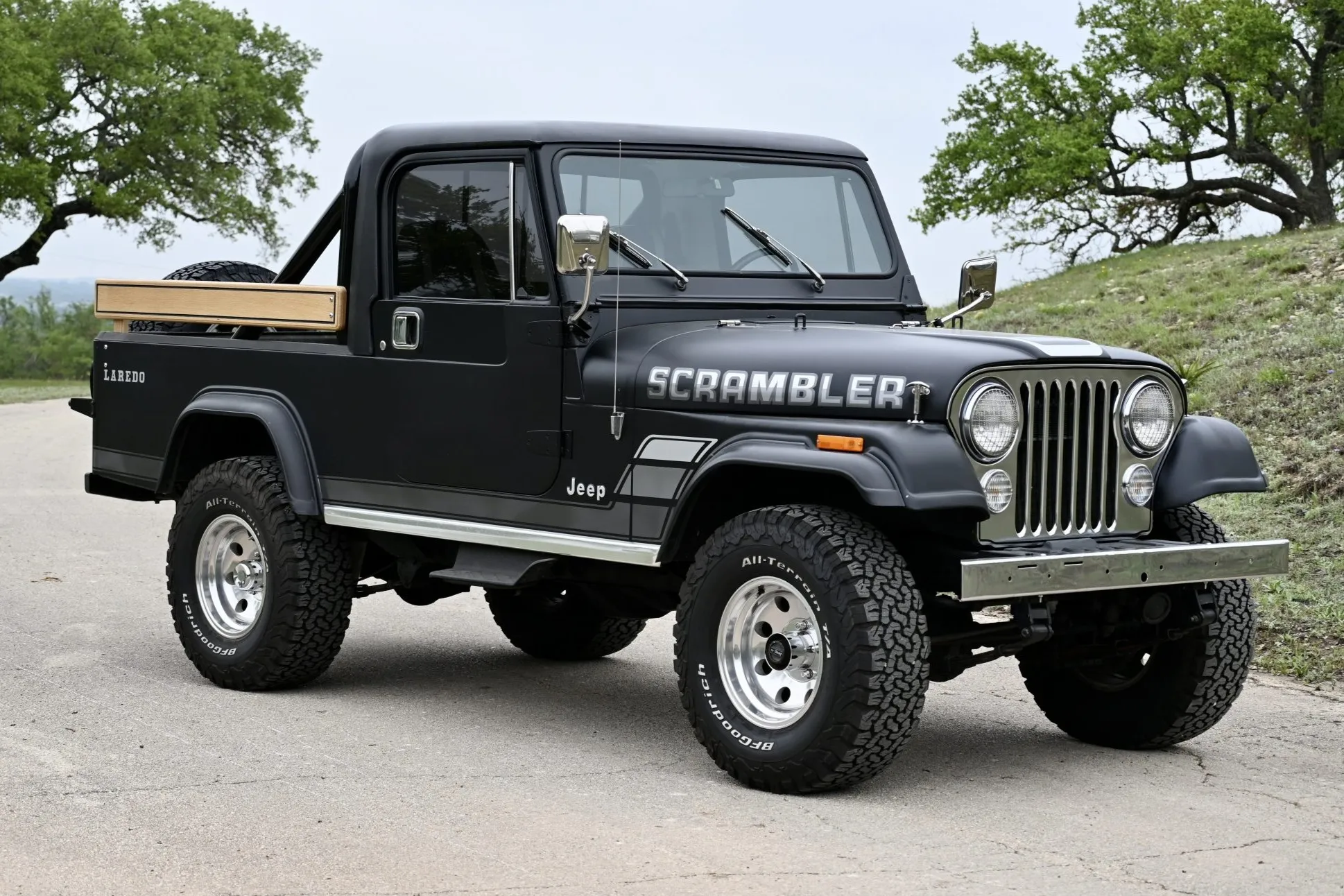
6. 1981 Jeep CJ-8 Scrambler: A Rare Classic with Rising Value
The 1981 Jeep CJ-8 Scrambler is a long-wheelbase pickup version of the legendary CJ-7, produced by American Motors Corporation between 1981 and 1986. Designed as a versatile vehicle blending Jeep’s renowned off-road capability with pickup utility, it featured a 103.5-inch wheelbase, providing stability and increased cargo capacity compared to its CJ siblings.
With only about 27,783 units built during its production run, the CJ-8 remains rare, enhancing its appeal among collectors and Jeep enthusiasts alike. Today, its unique combination of utility, style, and historical significance has caused values to rise steadily, making it a sought-after vintage truck.
The Scrambler offered a range of reliable engines during its production. Early 1981½ models featured a 151-cubic-inch GM Iron Duke four-cylinder producing 82 horsepower and 125 lb-ft of torque. By 1984, Jeep introduced its 2.5-liter AMC inline-four, producing 105 horsepower, and the optional 4.2-liter AMC inline-six, delivering 115 horsepower and 210 lb-ft of torque.
The truck could be paired with a variety of transmissions, including four-speed manuals, a five-speed T5 manual introduced in 1985, and three-speed automatic options. Power was routed through the gear-driven Dana 300 transfer case, with rear axle upgrades in later models to the stronger Dana 44, improving durability for off-road use.
One of the Scrambler’s defining features is its distinctive styling. It combined the classic Jeep look with a small integrated truck bed, wooden bed rails, and a removable top and doors.
Special editions, such as the Laredo package, Scrambler SR, Olympic edition, and Levi’s edition, offered unique trim, graphics, and interior features that increased collectibility. Its versatility allowed it to appeal to farmers, outdoor enthusiasts, and urban drivers alike, providing both utility and recreational capability.
Market interest in the CJ-8 has grown sharply in recent years. Values for well-preserved examples have risen 44–47 percent in the past 36 months, with low-mileage trucks commanding $20,000 to $30,000 and pristine examples reaching $40,000 or more.
Its connection to the modern Jeep Gladiator further enhances its heritage value, as collectors recognize the Scrambler as a direct ancestor of today’s pickup-capable Jeep models.
Celebrities such as Leonardo DiCaprio, Kenny Chesney, and even former president Ronald Reagan have owned CJ-8 Scramblers, highlighting the truck’s broad appeal and cultural significance.
For collectors, the Jeep CJ-8 Scrambler offers a rare opportunity to own a versatile, historically important vehicle that combines rugged off-road performance, classic styling, and strong investment potential. Its limited production, iconic design, and increasing market demand make it one of the most attractive vintage trucks to acquire before prices climb further.
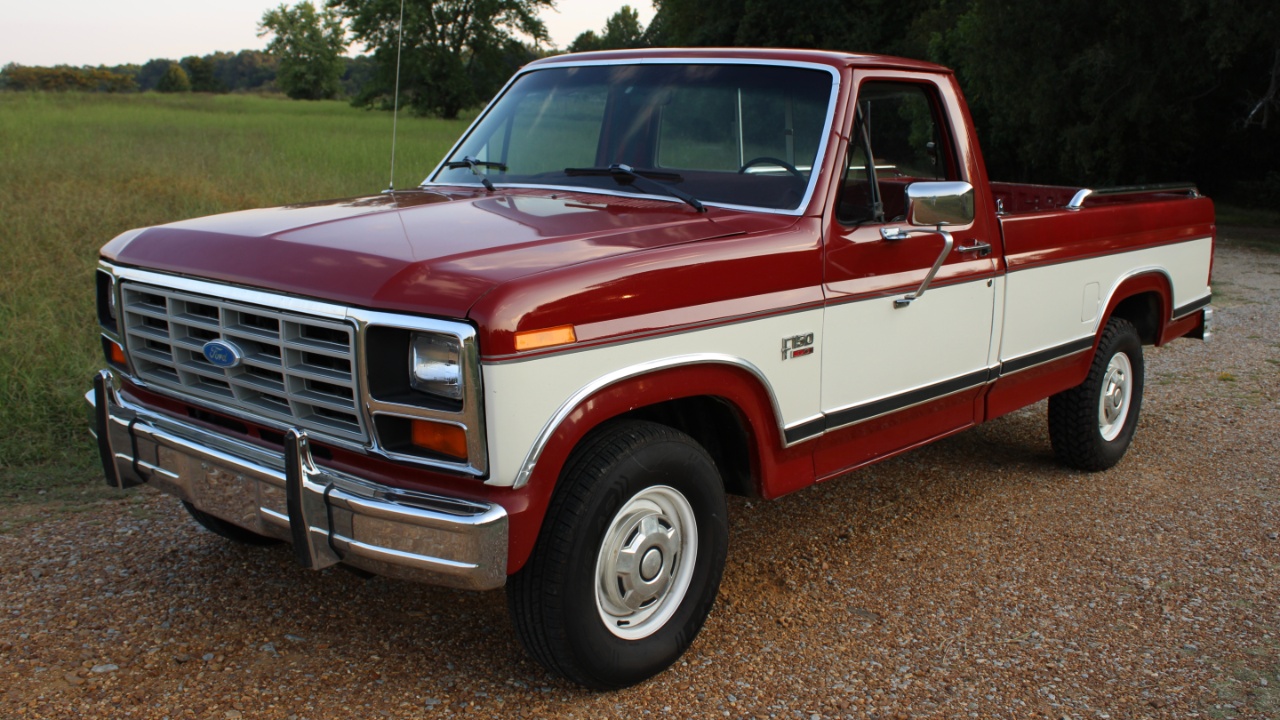
7. 1980–1986 Ford F-Series “Bullnose”: Affordable Classic with Collector Potential
The 1980–1986 Ford F-Series, widely known as the “Bullnose,” represents the seventh generation of America’s best-selling truck. Introduced as the first major redesign in 15 years, it combined rugged Ford durability with improved aerodynamics, ride quality, and fuel efficiency.
Its distinctive forward-slanted grille gave it the nickname “Bullnose” and captured the authentic 1980s aesthetic. These trucks are currently in a sweet spot for collectors because they remain more affordable than 1960s and 70s F-Series models, while offering modern usability, reliability, and a nostalgic driving experience.
The Bullnose trucks came with a variety of durable engines, including the legendary 4.9-liter (300-cubic-inch) inline-six, known for longevity and ease of maintenance. V8 options included the 302, 351, and 460 engines, offering performance suitable for both daily driving and light-duty work.
Front suspension utilized Ford’s Twin-I-Beam design, renowned for strength, durability, and excellent off-road capability. This combination of simple, rugged mechanics and dependable drivetrains makes the Bullnose F-Series a practical classic that can be driven regularly without concern for modern vehicle complexity.
One of the strongest points of the Bullnose generation is parts availability. With F-Series trucks being America’s best-selling vehicle for decades, replacement components, from engines and suspension parts to trim and body panels, are abundant and affordable.
Interchangeability across F-150, F-250, and F-350 models of the era further simplifies restoration and customization. These traits make the Bullnose an ideal project truck for beginners and seasoned restorers alike.
Styling and usability make the Bullnose stand out. The inset grille, square headlights, and subtle aerodynamic updates give it a distinctive 1980s charm, while interior upgrades in later models provided greater comfort for daily use. Buyers appreciate that it balances classic looks with practical usability, capable of performing as a true working truck while remaining a collector vehicle.
Pros of the Bullnose include reliability, simple mechanical systems, ease of repair, and classic styling that still attracts attention. Weaknesses include susceptibility to rust in fender wells, cab corners, and floorboards, as well as some fragile aftermarket hoods and interior plastics. Buyers should carefully inspect for corrosion, ensure replacement panels are properly fitted, and check wiring on early 1980 models.
With prices still reasonable and demand steadily rising, the 1980–1986 Ford Bullnose F-Series represents an excellent entry point into vintage truck ownership. It offers a combination of iconic styling, strong mechanical reliability, ease of maintenance, and practical usability. For collectors or enthusiasts seeking an appreciating classic that blends nostalgia with everyday functionality, the Bullnose F-Series is a top choice.
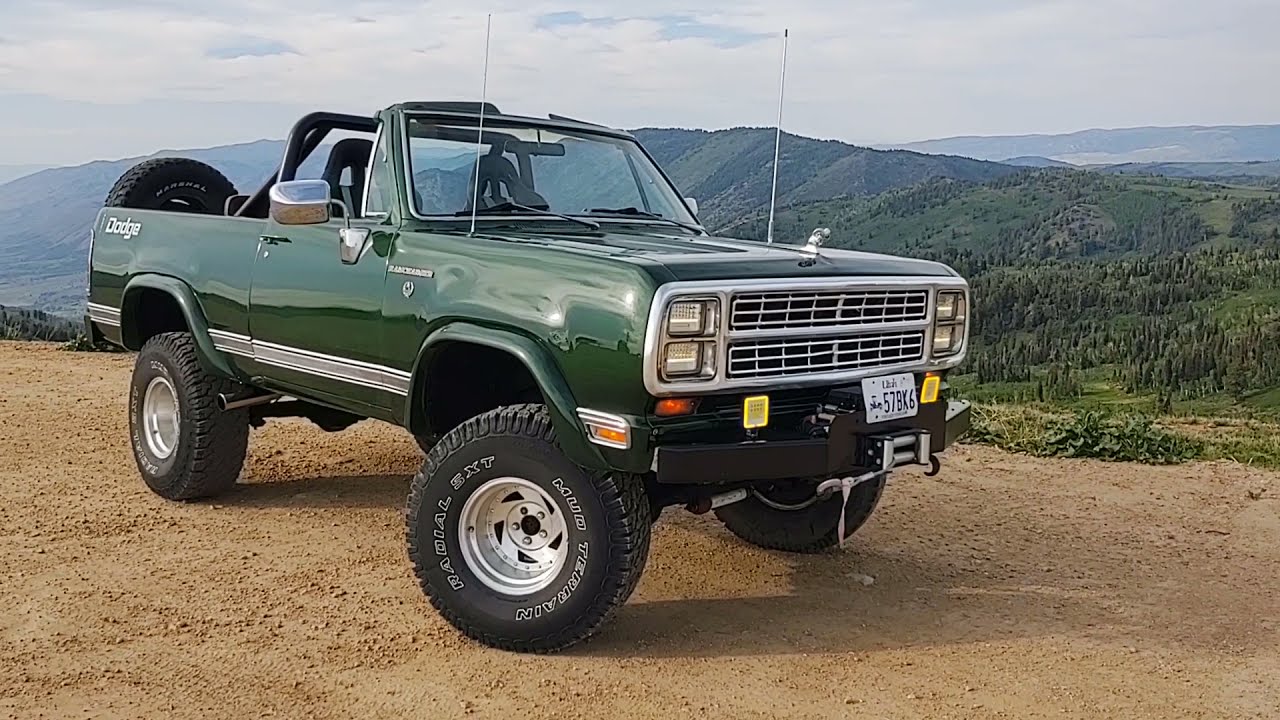
8. 1974–1980 Dodge Ramcharger: Rugged Classic SUV with High Potential
The first-generation Dodge Ramcharger, produced from 1974 to 1980, was Chrysler’s bold entry into the full-size SUV market, directly competing with the Ford Bronco and Chevrolet K5 Blazer. Built on a shortened Dodge D-Series chassis, it offered robust off-road capability, powerful V8 engines, and a distinctive, boxy design that emphasized both ruggedness and versatility.
A standout feature of early models was the fully removable steel roof, providing a true open-air driving experience that enhanced its lifestyle appeal and set it apart from fixed-roof competitors. While the market for early Broncos and Blazers has surged into six-figure territory, the Ramcharger remains more accessible, though collector interest is rising quickly.
The Ramcharger is prized for its combination of durability, off-road prowess, and Mopar character. Early models came standard with four-wheel drive, while a two-wheel-drive option was introduced in 1975 for everyday usability.
Engine options included reliable V8s, such as the 318- and 360-cubic-inch small blocks and larger 400- and 440-cubic-inch big blocks, giving it both towing capability and performance. By 1978, significant updates to the transfer case improved ease of shifting between 4WD and 2WD, enhancing drivability for both rugged terrain and daily use.
Collectors value the Ramcharger for its distinctive styling and character. The removable roof, half-doors on early 1974 models, and the rugged stance made it an iconic SUV of its era. Interiors were utilitarian but functional, featuring simple layouts that could handle off-road wear and tear.
While rust is a common issue, particularly around roof seams and fenders, and older components like transmissions and engines may show age-related problems, the platform is generally robust and capable of restoration.
The first-generation Ramcharger is currently in a favorable position for enthusiasts seeking entry into the vintage SUV market. As of early 2026, average values for well-maintained examples hover around $31,000, with pristine models commanding significantly more.
Its relatively undervalued status compared to Broncos and Blazers, combined with increasing interest in classic SUVs, suggests strong upside potential for buyers seeking both enjoyment and investment.
With its blend of open-air versatility, Mopar V8 power, and rugged off-road capability, the 1974–1980 Dodge Ramcharger offers a unique proposition: a collectible SUV that delivers classic utility and charm while still remaining within reach. For enthusiasts aiming to acquire a vintage American SUV before prices soar, the Ramcharger represents a compelling choice that combines heritage, performance, and style.
The eight vintage trucks featured in this list, including the Chevrolet 454 SS, Square-Body C10, Bullnose F-Series, and Toyota Hilux, are more than nostalgic vehicles; they are strategic investments in automotive history.
Their unique designs, reliability, and limited production numbers make them highly desirable and likely to appreciate further in value. Buyers who act now can enjoy both the experience of owning a classic truck and the opportunity for financial gain.
As clean, original examples become harder to find, these trucks will only become more valuable. Acquiring any of these eight vintage trucks today ensures access to a combination of history, performance, and long-term investment potential before prices truly increase.
Also read: Top 10 Cars That Still Avoid Subscription Features in 2026