
When evaluating family vehicles, most buyers initially focus on safety ratings, fuel economy, and seating capacity. However, for households with toddlers, interior durability often becomes the defining factor over time.
Young children subject vehicle cabins to a unique combination of stressors, constant kicking against seatbacks, sticky spills, dropped toys, and repeated cleaning cycles.
These conditions quickly expose weaknesses in low-quality plastics, leading to scratches, fading, staining, and even structural loosening.
Modern automakers have responded by improving material science within vehicle interiors, particularly through the use of high-density thermoplastics, UV-resistant coatings, and textured finishes that conceal wear.
In the U.S. market, where vehicles are frequently used for long commutes, errands, and extended road trips, durability is not a luxury, it is a requirement.
The following five vehicles stand out for their ability to maintain interior integrity despite years of toddler-related wear and tear.
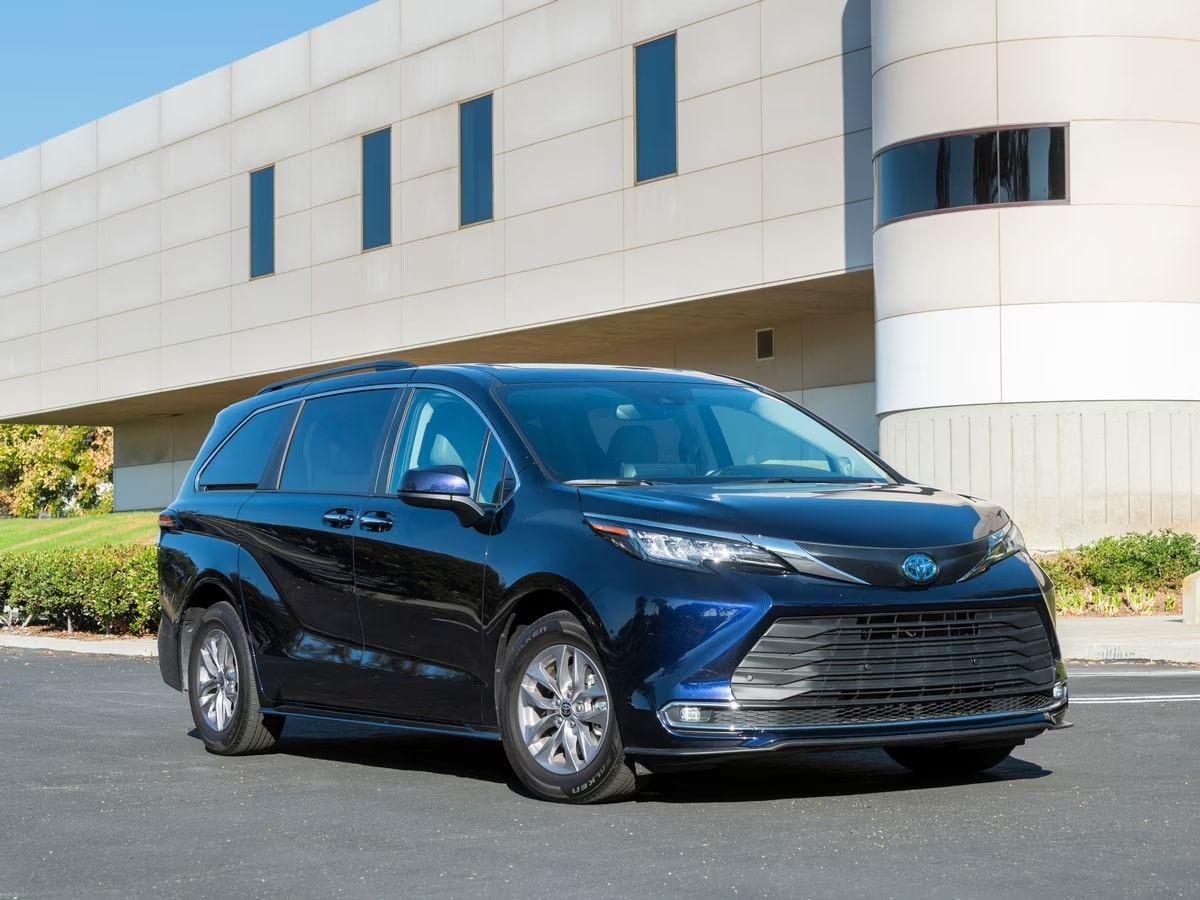
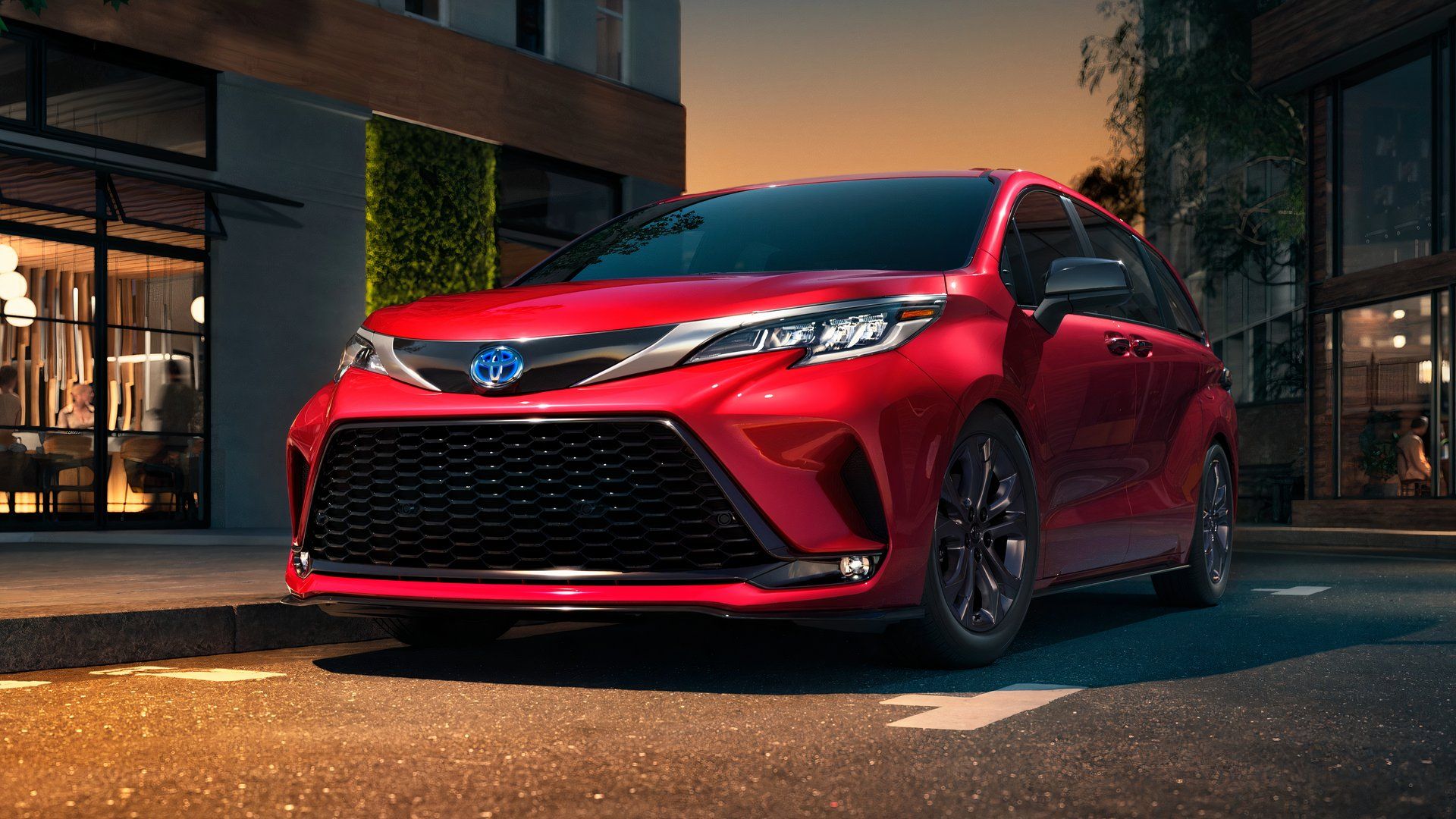
1. Toyota Sienna
The Toyota Sienna has long been engineered with family use in mind, but one of its most underrated strengths, especially for parents of toddlers, is the durability of its interior plastics and seating materials.
In a segment where sticky fingers, spilled drinks, and constant wear are unavoidable, the Sienna’s interior design prioritizes resilience, ease of cleaning, and long-term usability in a way that few competitors consistently match.
At a fundamental level, the Sienna’s cabin is built around hard-wearing, high-density plastics that are deliberately chosen over softer, more premium-feeling materials.
While some vehicles in the same price range lean heavily into soft-touch surfaces that can scratch or stain easily, Toyota takes a more utilitarian approach in high-contact zones.
Door panels, lower dashboards, seat backs, and storage compartments use thicker molded plastics that resist gouging from shoes, toys, and car seats. This is particularly important in a toddler environment, where repeated kicking of seatbacks or dropping hard objects is routine.
One of the most practical aspects of the Sienna’s interior plastics is their texture. Rather than glossy or piano-black finishes that show fingerprints and micro-scratches, Toyota uses matte and lightly grained surfaces.
These textures help conceal wear over time and reduce the visual impact of scuffs. For parents, this translates into a cabin that continues to look clean even when it has endured years of daily use. The design also minimizes crevices where crumbs and debris can accumulate, simplifying routine cleaning.
Seating material plays an equally critical role in durability, and Toyota’s proprietary SofTex synthetic upholstery is a key advantage. SofTex is engineered to mimic leather while offering greater resistance to spills and abrasion.
Unlike cloth seats, which absorb liquids and odors, synthetic surfaces allow messes like juice, milk, or food residue to be wiped away quickly with minimal staining. This is particularly relevant for toddlers, where spills are frequent and often unavoidable.
In addition to spill resistance, SofTex is designed for durability under repeated stress. Car seats, booster seats, and constant entry and exit can compress and wear down traditional materials, but synthetic upholstery tends to maintain its shape and resist tearing.
Its composition also reduces the likelihood of permanent indentations from car seat bases, which is a common issue in family vehicles. While some owners debate the long-term feel compared to genuine leather, the low-maintenance nature of SofTex makes it particularly well-suited for households with young children.
Beyond seating, the Sienna’s interior layout further enhances durability through thoughtful engineering. The sliding door panels, for example, are reinforced and designed to withstand repeated use by children who may not always operate them gently.
Storage bins, cupholders, and seatback trays are oversized and constructed with thick plastics that can handle dropped bottles, snacks, and toys without cracking. Even high-touch controls and buttons are built with firm actuation, reducing the likelihood of premature wear.
Another factor that contributes to the Sienna’s long-term interior durability is its modularity. The ability to slide, fold, and reconfigure seats allows parents to adapt the cabin without putting excessive stress on fixed components.
This flexibility reduces localized wear and distributes usage more evenly across the interior. Additionally, features like removable second-row seats and flat-folding third-row seating make it easier to clean areas that would otherwise accumulate dirt and debris over time.
From a practical standpoint, the Sienna’s interior is less about luxury presentation and more about functional longevity.
This aligns closely with the needs of families with toddlers, where durability often outweighs aesthetics. Surfaces are designed to be wiped down quickly, resist staining, and tolerate repeated physical stress without degrading visibly.
In the context of family vehicles, these characteristics make the Toyota Sienna a standout choice. Its combination of resilient plastics, easy-to-clean upholstery, and thoughtful interior engineering creates an environment that can handle years of toddler-related wear while maintaining structural and visual integrity.
For parents prioritizing durability over delicate finishes, the Sienna delivers a well-balanced and highly practical solution.
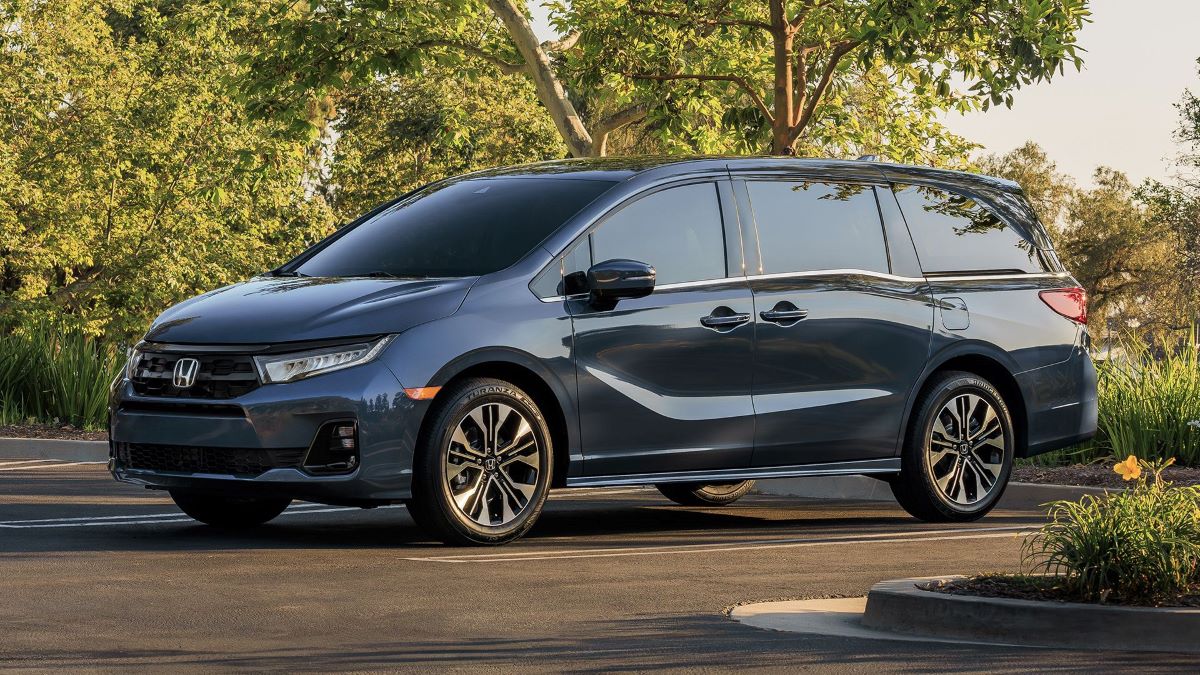
2. Honda Odyssey
The Honda Odyssey approaches interior durability from a slightly different philosophy than some of its competitors, but it remains one of the most practical choices for families with toddlers, particularly in how it balances comfort with resilience. While it leans a bit more toward refinement than purely utilitarian design, its materials and layout are still engineered to handle the daily stress of family use.
One of the defining characteristics of the Honda Odyssey’s cabin is its layered material strategy. Instead of relying heavily on hard plastics throughout, Honda mixes soft-touch surfaces in upper areas with more durable, rigid plastics in high-impact zones.
Lower door panels, seatbacks, and storage areas use thicker molded plastics designed to withstand repeated contact from shoes, toys, and car seats. This helps preserve structural integrity even after years of use, though these surfaces may show cosmetic wear slightly more than the heavily grained plastics found in some rivals.
Where the Odyssey stands out is in its attention to surface finishing. Many of its plastics feature subtle texturing that helps reduce visible scratches and fingerprints. While not as aggressively grained as some durability-focused interiors, the finish still does a reasonable job of masking everyday wear.
However, compared to more rugged designs, the Odyssey’s interior can show scuffs a bit more easily over time, particularly in darker trims where contrast highlights imperfections.
Seating material is a critical factor for toddler-friendly durability, and the Odyssey offers a mix of cloth and leather-trimmed options depending on trim level. Cloth seats, while comfortable, are less ideal for families with very young children due to their tendency to absorb spills and retain odors.
This is a common limitation across the industry, as fabric upholstery allows liquids to penetrate more easily. Leather-trimmed seats provide a more practical solution for families, offering better resistance to stains and easier cleanup.
Modern automotive trends have increasingly shifted toward synthetic leather alternatives because of their durability and low maintenance requirements.
These materials are designed to be more resistant to wear and easier to clean than traditional leather, often requiring nothing more than a wipe-down to remove dirt or spills.
While Honda primarily uses genuine leather in higher trims rather than proprietary synthetic blends like some competitors, the durability characteristics remain comparable in terms of resisting stains and maintaining appearance with proper care.
Another strength of the Odyssey lies in its interior layout and usability, which indirectly contributes to long-term durability. The cabin is designed to minimize concentrated wear by distributing usage across multiple access points and seating configurations.
Features like wide-opening sliding doors and the Magic Slide second-row seats reduce the likelihood of repeated stress on specific surfaces. This is particularly beneficial for families with toddlers, where constant entry, exit, and seat adjustments can accelerate wear in poorly designed interiors.
Storage areas are another highlight. The Odyssey includes numerous bins, cupholders, and compartments constructed from sturdy plastics that can handle frequent use without cracking or loosening.
These areas are often subject to the most abuse, dropped bottles, snacks, and toys, but Honda engineers them with enough thickness and reinforcement to maintain durability over time.
The tray-style center console and large door pockets are especially practical for containing messes and preventing spills from spreading across the cabin.
Cleaning and maintenance are relatively straightforward, though not quite as effortless as in vehicles that rely more heavily on synthetic upholstery and highly textured plastics.
Smooth leather surfaces can show smudges or minor scratches more easily, but they also allow for quick wipe-downs. Meanwhile, the Odyssey’s interior design avoids overly complex shapes, making it easier to remove crumbs and debris during routine cleaning.
In practical terms, the Honda Odyssey strikes a middle ground between comfort and durability. It does not lean as heavily into rugged, scratch-resistant plastics as some competitors, but it compensates with thoughtful design, high-quality materials, and a layout that reduces concentrated wear.
For families with toddlers, this means the interior will hold up well under daily use, provided basic care is maintained.
Ultimately, the Odyssey remains a strong contender in this category because it delivers durability without sacrificing comfort.
Its combination of reinforced high-contact surfaces, practical storage solutions, and easy-to-clean seating materials makes it well-suited for the unpredictable demands of young children, even if it prioritizes a slightly more refined feel than purely utilitarian alternatives.
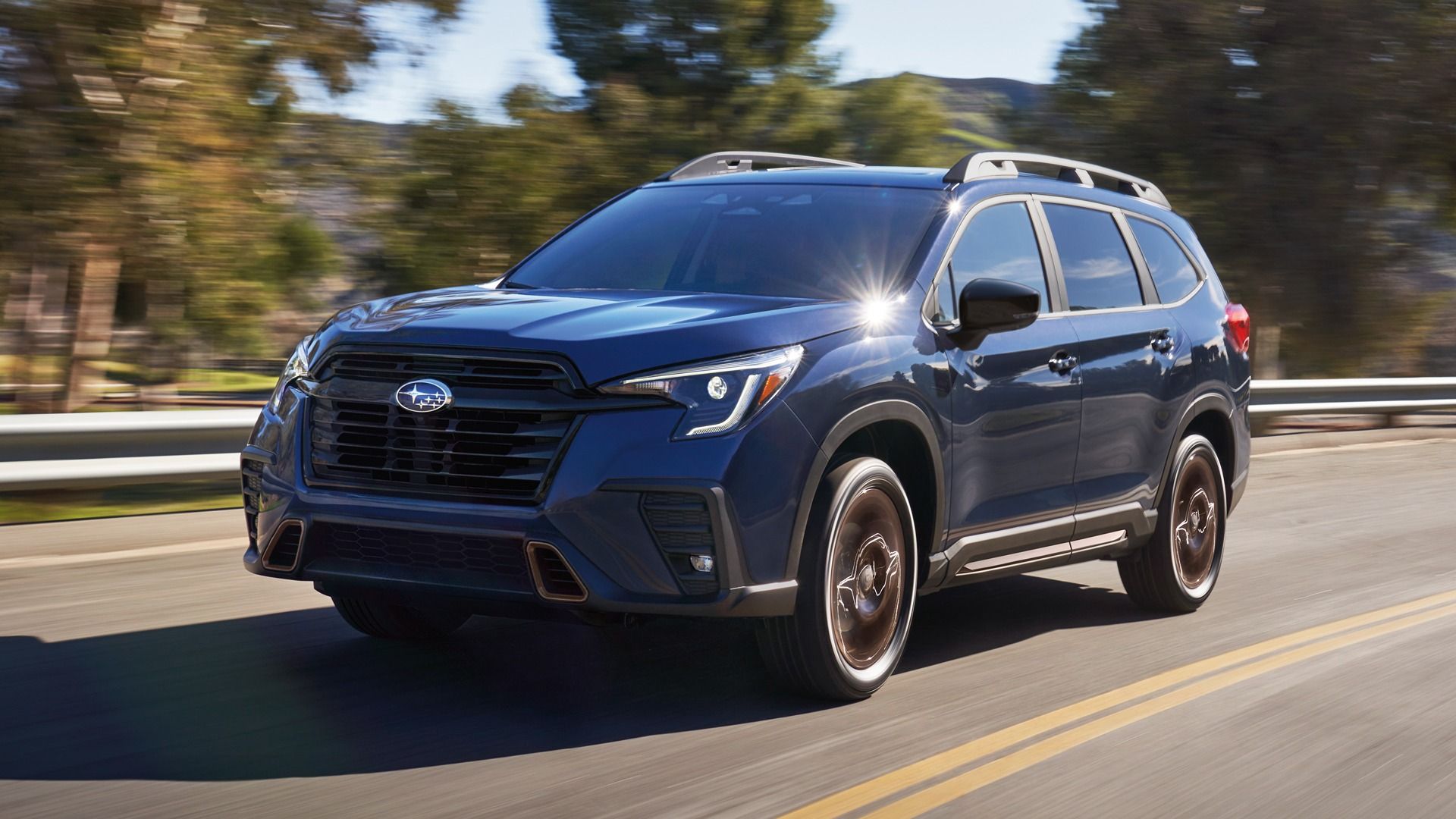
3. Subaru Ascent
The Subaru Ascent is designed with a clear emphasis on practicality and durability, making it a strong contender for families with toddlers.
As Subaru’s largest three-row SUV, the Ascent combines rugged interior construction with family-focused usability, prioritizing materials that can withstand heavy daily use rather than focusing purely on upscale aesthetics.
A key aspect of the Ascent’s interior durability is its material strategy. The cabin uses a mix of hard-wearing plastics and strategically placed soft-touch surfaces, with a noticeable bias toward resilience in high-contact areas.
Lower door panels, seatbacks, and cargo-side trims are built from thick, impact-resistant plastics that can tolerate repeated kicks, dropped toys, and general abrasion. This approach helps preserve structural integrity over time, even in households where the vehicle sees constant use from young children.
While some may perceive the Ascent’s interior as less premium compared to rivals, this is largely a result of its durability-first construction. Subaru avoids overly delicate materials in areas that experience frequent contact.
The plastics tend to be dense and solid rather than thin or brittle, reducing the likelihood of cracking, warping, or loosening after years of use. Some decorative trim pieces may show scratches more easily, but the core structural materials are built to last.
One of the most important features for toddler-friendly durability in the Ascent is its available StarTex upholstery. StarTex is a synthetic material engineered to replicate leather while offering strong resistance to water and wear.
Unlike traditional cloth seats, which absorb spills, StarTex is water-repellent and allows liquids like juice or milk to be wiped away quickly. This makes it particularly well-suited for families dealing with frequent messes.
From a durability perspective, StarTex is designed to handle repeated cleaning, abrasion, and pressure from car seats without degrading quickly. It maintains its shape well and is less prone to staining or odor retention compared to fabric upholstery.
Even in trims that use cloth seating, Subaru typically employs tightly woven fabrics that resist dirt penetration better than looser materials, though they are still less spill-resistant than synthetic options.
Beyond materials, the Ascent’s interior layout contributes to its long-term durability. The cabin is structured to distribute wear across multiple surfaces rather than concentrating it in a few high-stress areas.
Wide-opening rear doors and a relatively tall ride height make it easier for children to get in and out without dragging their shoes across seats, which helps reduce premature wear on upholstery and trim.
Storage areas are another strength. The Ascent includes numerous cupholders, bins, and compartments constructed from thick plastics designed to handle frequent use. These areas often take the most abuse in family vehicles, but the materials used are sturdy enough to resist cracking and are easy to clean after spills or messes.
The interior design also avoids overly complex shapes and tight gaps, which makes routine cleaning more efficient. Surfaces can be wiped down quickly, and there are fewer areas where crumbs and debris can accumulate. This contributes to maintaining a cleaner appearance over time, even with heavy use.
The Subaru Ascent prioritizes functional durability over luxury presentation. Its combination of robust interior plastics, water-resistant seating options, and a practical layout creates a cabin that can handle the demands of toddlers without significant wear.
For families looking for a vehicle that remains easy to maintain and structurally solid over the long term, the Ascent offers a dependable and well-balanced solution.
Subaru also minimizes the use of delicate finishes that can degrade quickly. Instead, the interior relies on functional design, fewer glossy surfaces, more textured panels, and a layout that anticipates heavy use.
This approach may feel less premium at first glance, but it delivers superior longevity. For families who combine daily commuting with outdoor activities, the Ascent’s interior is particularly well-suited to handling both.
4. Kia Telluride
The Kia Telluride has built its reputation on offering a near-premium interior at a mainstream price point, but from a durability perspective, especially for families with toddlers, it sits in a middle ground between rugged practicality and upscale design.
While it excels in comfort and perceived quality, its material choices require slightly more care compared to more utilitarian family vehicles.
One of the Telluride’s defining strengths is its use of high-quality interior materials. The cabin features extensive soft-touch surfaces across the dashboard, upper door panels, and center console, along with available premium leather in higher trims.
This creates a refined, upscale feel that stands out in the segment. However, this emphasis on softer materials means that some surfaces are more vulnerable to scratches, dents, and visible wear over time, particularly in households with young children.
In lower sections of the cabin, where durability is more critical, Kia uses harder plastics designed to withstand frequent contact.
Door bottoms, seatbacks, and cargo-area panels are constructed from thicker molded materials that can handle repeated kicks, dropped toys, and pressure from car seats. These components generally hold up well structurally, although their smoother finish can make wear more visible compared to heavily textured plastics.
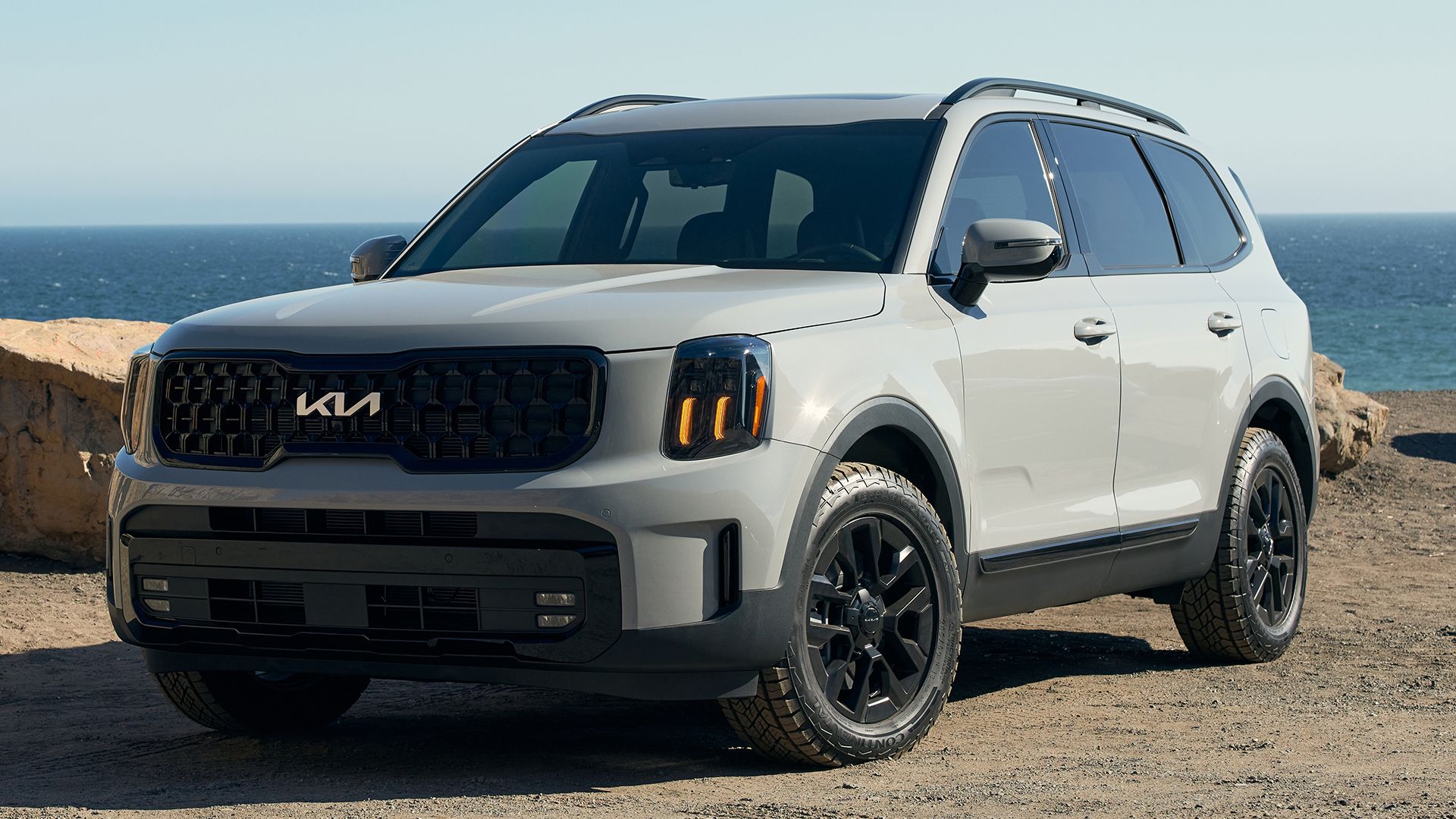
Surface finishing plays a significant role in how the interior ages. The Telluride often uses satin or semi-gloss finishes rather than fully matte textures.
While these finishes enhance the vehicle’s upscale appearance, they tend to show fingerprints, scuffs, and light scratches more easily. For families with toddlers, this means everyday use can leave more noticeable marks over time.
Seating materials are an important factor in durability. The Telluride offers synthetic leather and genuine leather depending on the trim level.
Both options are easier to clean than cloth and resist liquid absorption, allowing spills like juice or milk to be wiped away quickly. However, lighter-colored seats may show stains or discoloration more easily with prolonged use, requiring more consistent maintenance to keep them looking clean.
Structurally, the Telluride’s interior is solid and well-assembled. High-contact components are designed to withstand repeated use without loosening or breaking down prematurely.
The build quality contributes to its reputation as a durable and well-crafted SUV, even if some materials prioritize refinement over maximum toughness.
The interior layout also supports long-term usability. Wide-opening doors and a spacious cabin reduce the likelihood of children dragging shoes across seats or trim during entry and exit.
Storage areas such as cupholders, bins, and center console compartments are built with sturdy plastics and can handle frequent use without cracking. These areas are especially important in family vehicles, where spills and constant handling are common.
Maintenance is slightly more involved compared to vehicles with more rugged interiors. While spills are easy to clean, preserving the Telluride’s appearance requires regular wiping and occasional care for leather surfaces. The more refined materials benefit from consistent upkeep to prevent visible wear.
The Kia Telluride offers a durable interior from a structural standpoint, but it prioritizes comfort and refinement over maximum resistance to wear.
It performs well in family use, but it is less forgiving of heavy abuse than interiors built with more utilitarian materials. For families with toddlers, it remains a strong option, particularly for those who value a premium feel and are willing to maintain it over time.
Ease of cleaning is another area where the Telluride excels. The plastics are designed to repel grime, allowing for quick cleanup without the need for aggressive cleaning agents.
This is a practical advantage for parents who need to address messes quickly and frequently. The result is an interior that retains its visual appeal while still offering the durability required for family life.
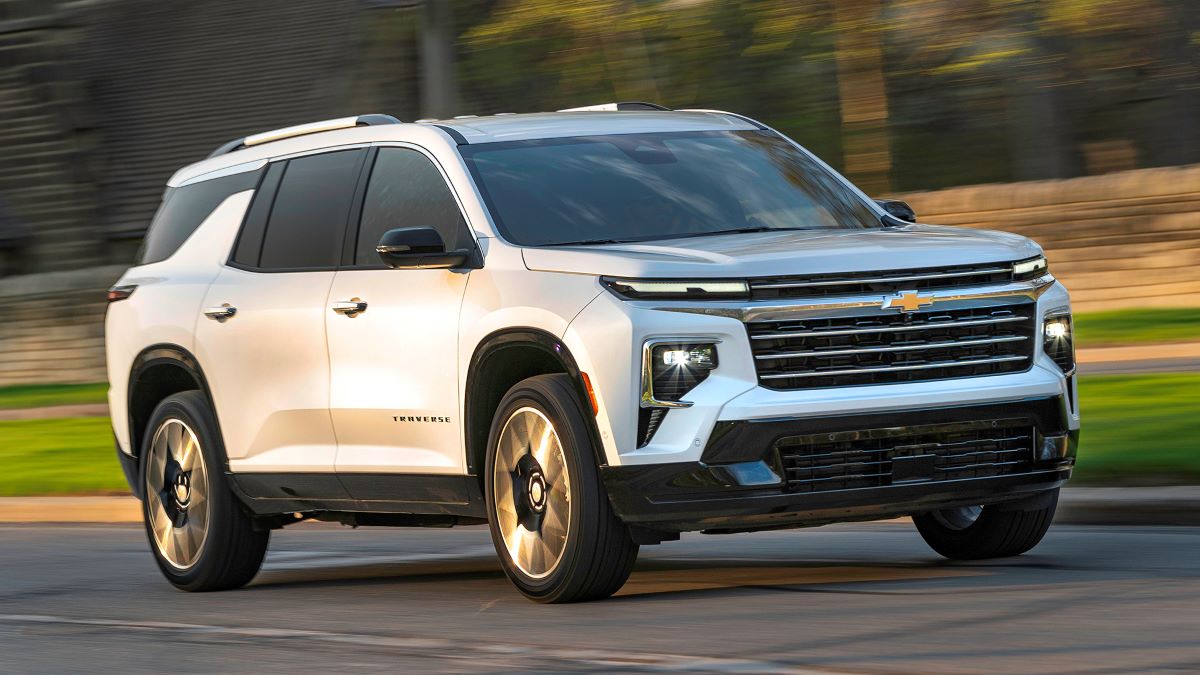
5. Chevrolet Traverse
The Chevrolet Traverse takes a more utilitarian approach, focusing on consistency and reliability rather than design complexity.
The interior plastics are dense and uniformly textured, which helps prevent both scratches and uneven wear patterns.
One of the Traverse’s key strengths is the absence of overly delicate materials. By maintaining a consistent material strategy throughout the cabin, Chevrolet reduces the likelihood of weak points that degrade faster than others.
This is particularly important in family vehicles, where uneven wear can make an interior look older than it actually is.
The rear seating area is especially robust. Seatback panels are thick and resistant to deformation, making them well-suited to repeated contact from children.
Additionally, the plastics are treated for UV resistance, helping them maintain their color and structural integrity even in regions with strong sunlight exposure.
This ensures that the interior remains functional and visually acceptable over long ownership periods.
Selecting a family vehicle involves more than evaluating specifications, it requires an understanding of how the vehicle will perform under daily use.
Toddlers introduce a level of unpredictability that quickly reveals the strengths and weaknesses of interior materials.
The Toyota Sienna, Honda Odyssey, Subaru Ascent, Kia Telluride, and Chevrolet Traverse each offer interiors designed to handle this reality.
While they differ in design philosophy, all five prioritize durability where it matters most.
For U.S. families seeking a vehicle that can endure years of heavy use without significant degradation, these models represent some of the most practical and well-engineered choices available today.
