
Hybrid vehicles in 2026 are no longer defined solely by fuel efficiency; they are increasingly recognized for mechanical durability, particularly in their transmission systems.
For decades, conventional gasoline vehicles have relied on complex multi-speed automatic transmissions filled with clutches, torque converters, hydraulic circuits, and valve bodies.
These components are inherently prone to wear due to heat, friction, and constant shifting. In contrast, modern hybrids often use radically simplified transmission architectures such as electronic continuously variable transmissions (eCVTs) or power-split devices.
These systems reduce mechanical stress, eliminate shift shock, and rely more on electric motor control than physical gear engagement.
For U.S. drivers facing long commutes, stop-and-go traffic, and varied climates, this translates into significantly improved long-term reliability and lower ownership costs.
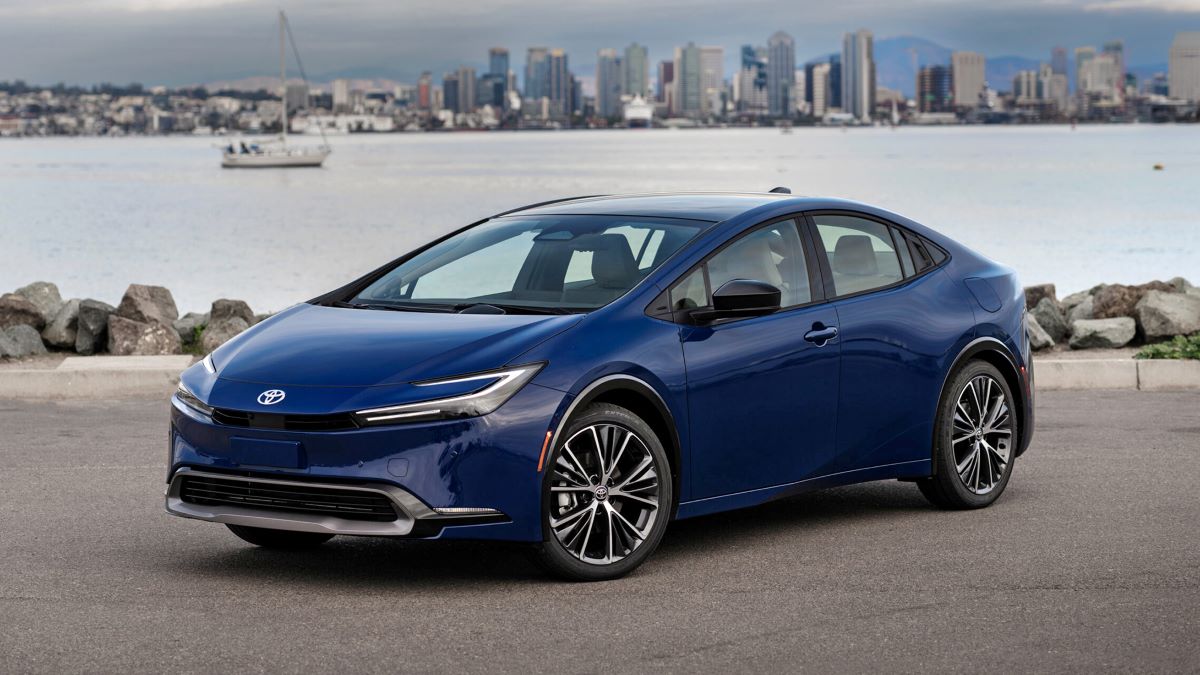
1. Toyota Prius (2026)
The Toyota Prius remains one of the most technically refined examples of hybrid engineering in 2026, particularly when evaluated through the lens of transmission durability.
Unlike conventional vehicles that rely on multi-gear automatic transmissions, the Prius uses an electronically controlled continuously variable transmission (eCVT) integrated into Toyota’s Hybrid Synergy Drive system. This architecture is fundamentally different, and significantly more durable, than traditional gas-powered drivetrains.
At its core, the Prius transmission is not a conventional CVT with belts and pulleys. Instead, it is a planetary gear-based power-split device that seamlessly distributes power between the gasoline engine and electric motors.
This design eliminates the need for gear shifting entirely. Without shift shock, clutch packs, or torque converters, there are far fewer mechanical wear points compared to standard automatic transmissions.
The 2026 Prius is powered by a 2.0-liter four-cylinder engine paired with electric motors, producing up to 194–196 horsepower depending on configuration. However, what matters more from a durability standpoint is how this power is delivered.
The hybrid system continuously balances engine and motor output, ensuring that no single component, including the transmission, is subjected to excessive load. This results in smoother operation and reduced long-term stress on internal components.
One of the most significant advantages of the Prius transmission is its simplicity. Traditional automatics often contain dozens of moving parts that are subject to wear over time. In contrast, the Prius eCVT relies on a compact arrangement of gears and electric motors.
Because there are no discrete gear changes, the system avoids the friction and heat buildup typically associated with shifting. Lower operating temperatures play a critical role in extending the lifespan of transmission fluid and internal components.
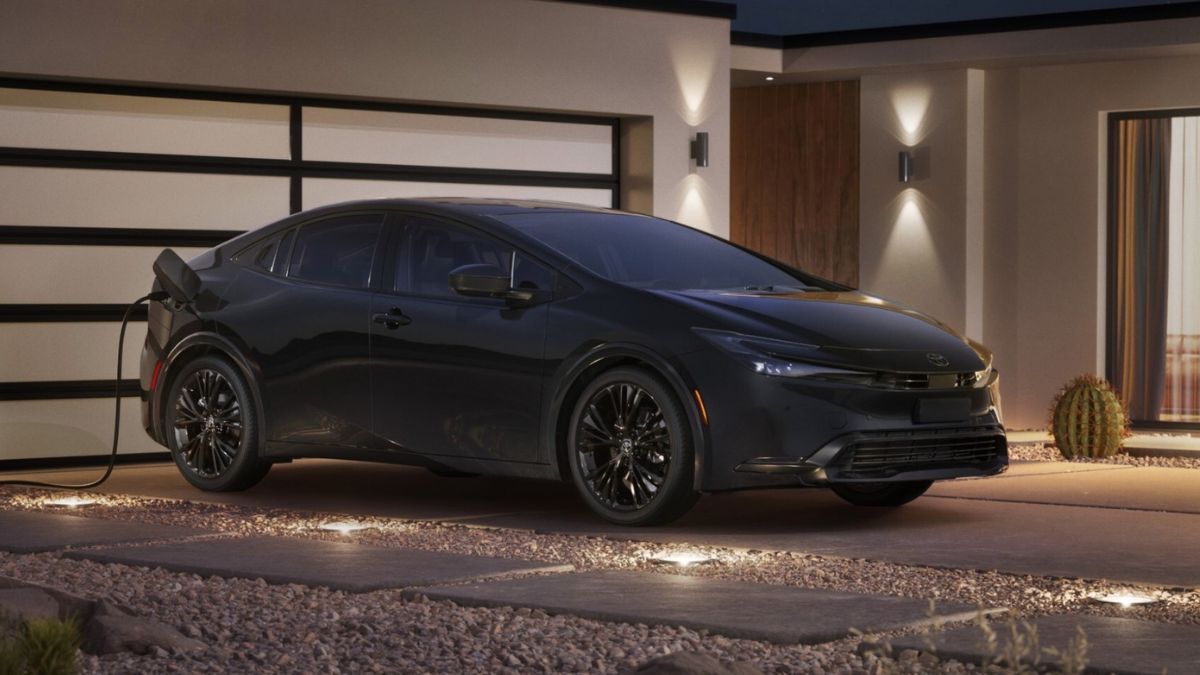
Another key factor is how the Prius manages low-speed and stop-and-go driving. In urban environments, where transmission wear is typically highest, the vehicle frequently operates in electric mode.
This reduces reliance on the gasoline engine and minimizes mechanical strain on the drivetrain. Additionally, regenerative braking reduces the load on the transmission by converting kinetic energy into electrical energy instead of relying solely on mechanical braking systems.
Toyota has spent decades refining this hybrid transmission architecture, and the results are evident in real-world reliability. Prius models are widely known for achieving high mileage with minimal drivetrain issues, often exceeding 200,000 miles under proper maintenance.
The 2026 model benefits from further improvements in efficiency, software calibration, and power management, all of which contribute to even lower stress levels within the transmission system.
From a driving perspective, the eCVT also enhances refinement. Acceleration is smooth and linear, without the interruptions associated with gear changes. While some drivers may find the lack of traditional shifting unfamiliar, the trade-off is a system that prioritizes longevity and consistency over mechanical complexity.
Within the context of the best 2026 hybrids with high-durability transmissions, the Toyota Prius is one of the strongest examples available. Its combination of a simplified mechanical layout, intelligent power distribution, and proven long-term reliability makes it a benchmark for low-wear drivetrain design.
For buyers focused on minimizing maintenance and maximizing lifespan, the Prius continues to set the standard for what a durable hybrid transmission should be.
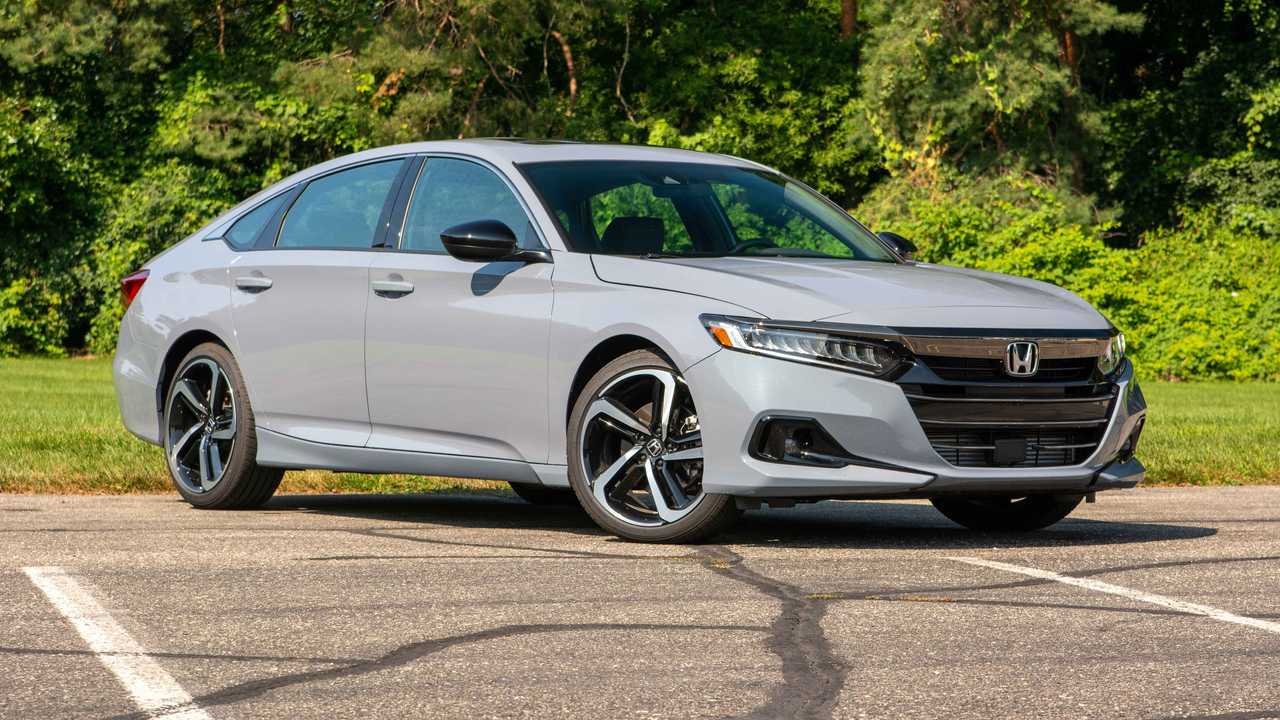
2. Honda Accord Hybrid (2026)
The Honda Accord Hybrid is one of the most technically distinctive entries in the 2026 hybrid segment, particularly when evaluated for transmission durability.
Unlike most vehicles that rely on traditional automatic gearboxes or even standard CVTs, the Accord Hybrid uses a two-motor system with an electrically controlled drive architecture that significantly reduces mechanical complexity. This design is a major reason it ranks among the best hybrids with high-durability transmissions.
At the core of the system is Honda’s dual-motor hybrid setup. Instead of relying on multiple gears, the vehicle operates primarily as an electric car at low and moderate speeds.
The gasoline engine frequently functions as a generator, supplying energy to the battery and electric motor rather than directly powering the wheels. At higher speeds, a direct-drive mechanism engages, connecting the engine to the wheels without the need for a conventional multi-gear transmission.
This architecture effectively eliminates many of the components found in traditional transmissions. There are no stepped gear changes, no complex clutch packs, and far fewer moving parts overall.
While often referred to as an eCVT, the system behaves more like a direct-drive setup with electric assistance. This simplified design is central to its durability, as fewer components mean fewer wear points and a lower likelihood of long-term mechanical failure.
The 2026 Accord Hybrid uses a 2.0-liter Atkinson-cycle engine paired with electric motors, delivering strong and efficient performance. More importantly, the way this power is distributed plays a key role in longevity.
The electric motor handles a significant portion of acceleration, especially in city driving. This reduces the load placed on the engine and eliminates the repeated stress cycles associated with gear shifting in conventional transmissions.
Thermal efficiency is another major advantage. Because the system avoids constant gear engagement and relies heavily on electric propulsion, it generates less heat than traditional automatic transmissions.
Lower operating temperatures help preserve internal components, reduce fluid degradation, and extend the overall lifespan of the drivetrain.
The Accord Hybrid also benefits from intelligent power management. The system continuously balances input from the engine and electric motors to maintain efficiency while minimizing mechanical stress.
In stop-and-go driving conditions, where conventional transmissions typically experience the most wear, the vehicle often operates in electric mode.
This significantly reduces friction and eliminates many of the repetitive engagement cycles that lead to long-term degradation.
From a durability standpoint, this approach has proven highly effective. By removing many of the traditional wear components found in gasoline vehicles, the Accord Hybrid offers a drivetrain that is inherently more resilient over time.
This makes it particularly appealing for drivers who plan to keep their vehicles for high mileage or extended ownership periods.
In addition to its durability benefits, the driving experience is notably smooth and refined. Acceleration is linear, without the interruptions caused by gear shifts, which enhances comfort and reduces mechanical shock within the system.
This refinement also contributes to long-term reliability by maintaining consistent operating conditions.
Rather than improving traditional transmission designs, it largely eliminates their complexity. For buyers seeking a low-maintenance, long-lasting vehicle, it represents one of the most durable and forward-thinking options available in the U.S. market.
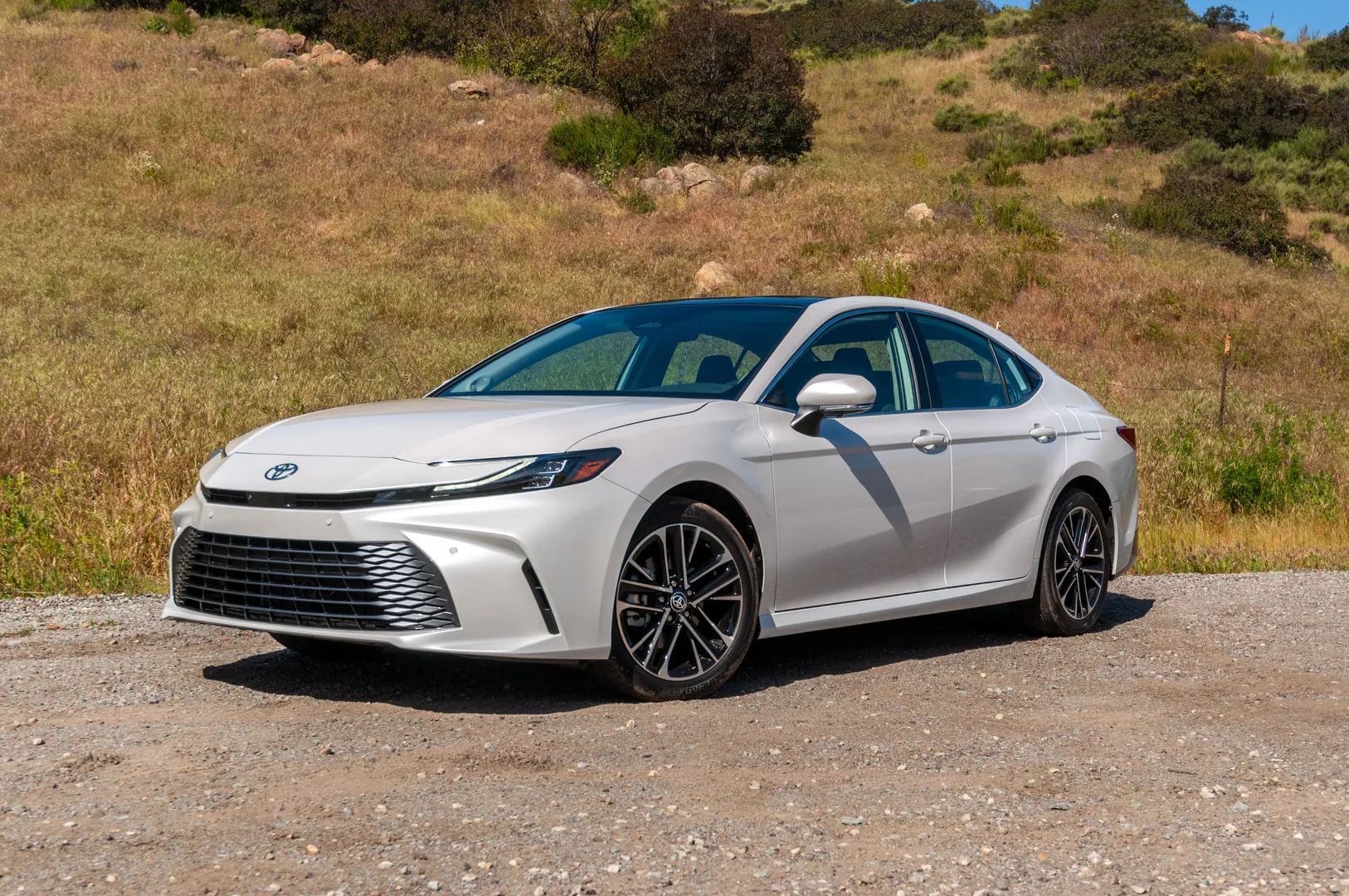
3. Toyota Camry Hybrid (2026)
The Toyota Camry Hybrid is one of the most structurally durable midsize sedans in the 2026 market, particularly when evaluated through the lens of transmission longevity.
Unlike traditional gasoline vehicles that rely on complex multi-gear automatic transmissions, the Camry Hybrid uses an electronically controlled continuously variable transmission (eCVT) integrated into Toyota’s hybrid system. This design is fundamentally simpler and engineered to minimize long-term mechanical wear.
All 2026 Camry models are exclusively hybrid, pairing a 2.5-liter four-cylinder engine with electric motors. More importantly, every variant uses a single-speed eCVT rather than a conventional automatic gearbox.
Instead of shifting between fixed gears, the system continuously adjusts power delivery, eliminating many of the high-stress events that typically shorten transmission lifespan.
The key advantage of the Camry Hybrid’s eCVT lies in its architecture. Unlike traditional CVTs that rely on belts and pulleys, Toyota’s system uses a planetary gearset combined with electric motor-generators.
This configuration removes the need for clutch packs, torque converters, and stepped gear changes. With fewer moving parts, there are fewer wear points, which directly contributes to long-term durability.
Another important factor is load distribution. In the Camry Hybrid, the electric motor assists during acceleration and low-speed driving, reducing the strain placed on the transmission.
Instead of the engine and gearbox handling all torque demands, the system distributes the workload more efficiently. This results in smoother operation and less cumulative stress on internal components over time.
Thermal management further enhances durability. Traditional automatic transmissions generate significant heat, especially in stop-and-go traffic where frequent shifting occurs.
The Camry Hybrid’s eCVT avoids this issue by delivering power smoothly without discrete gear changes. Lower heat generation helps preserve transmission fluid and reduces internal wear, extending the overall lifespan of the system.
The system also benefits from decades of refinement. Toyota has continuously improved its hybrid technology through advancements in materials, software calibration, and power management.
In the 2026 model, updated control systems optimize how power is shared between the engine and electric motors, further reducing unnecessary mechanical stress.
From a real-world perspective, these durability advantages are most noticeable in urban driving. In stop-and-go conditions, where traditional transmissions experience the most wear, the Camry Hybrid often operates in electric mode or with minimal engine input. This reduces friction, eliminates repetitive engagement cycles, and significantly lowers long-term wear compared to conventional drivetrains.
In addition to durability, the driving experience is notably smooth. Without traditional gear shifts, acceleration is linear and uninterrupted. This not only improves comfort but also reduces mechanical shock within the transmission system, contributing to long-term reliability.
Within the context of the best 2026 hybrids with high-durability transmissions, the Toyota Camry Hybrid stands as a benchmark. Its simplified eCVT design, efficient load management, and proven hybrid engineering make it one of the most resilient drivetrain systems available.
For buyers focused on long-term ownership and reduced maintenance, it offers a transmission system engineered to outlast most traditional gasoline alternatives.
4. Ford Escape Hybrid (2026)
The Ford Escape Hybrid is one of the most practical compact SUVs in the 2026 hybrid segment, with a drivetrain specifically engineered for durability. At the center of its long-term reliability is an electronically controlled continuously variable transmission (eCVT), which prioritizes mechanical simplicity and reduced wear compared to traditional automatic transmissions.
The Escape Hybrid pairs a 2.5-liter Atkinson-cycle four-cylinder engine with electric motors, but the key differentiator is how this power is delivered. Instead of relying on a conventional multi-gear transmission, the system uses a planetary gear-based eCVT that continuously manages power flow between the engine and electric motors.
This eliminates the need for gear shifts, clutch packs, and torque converters, components that are typically responsible for long-term wear in traditional drivetrains.
Because the eCVT operates without discrete gear changes, it avoids shift shock and reduces internal stress on transmission components. This results in smoother operation and significantly fewer wear points over time. The simplified design is one of the main reasons hybrid transmissions like this are often more durable than their gasoline-only counterparts.
Another major advantage is how the system distributes workload. The electric motor assists during acceleration and low-speed driving, which reduces the strain placed on the transmission.
In stop-and-go traffic, where traditional automatics experience the most wear, the Escape Hybrid can operate partially or fully on electric power. This minimizes friction, reduces mechanical load, and helps extend the lifespan of the drivetrain.
Thermal efficiency also plays a critical role in durability. Traditional transmissions generate substantial heat due to constant shifting and mechanical friction. The Escape Hybrid’s eCVT, by contrast, produces less heat because it delivers power smoothly and relies on electric assistance.
Lower operating temperatures help preserve transmission fluid and reduce internal component degradation, contributing to longer service intervals.
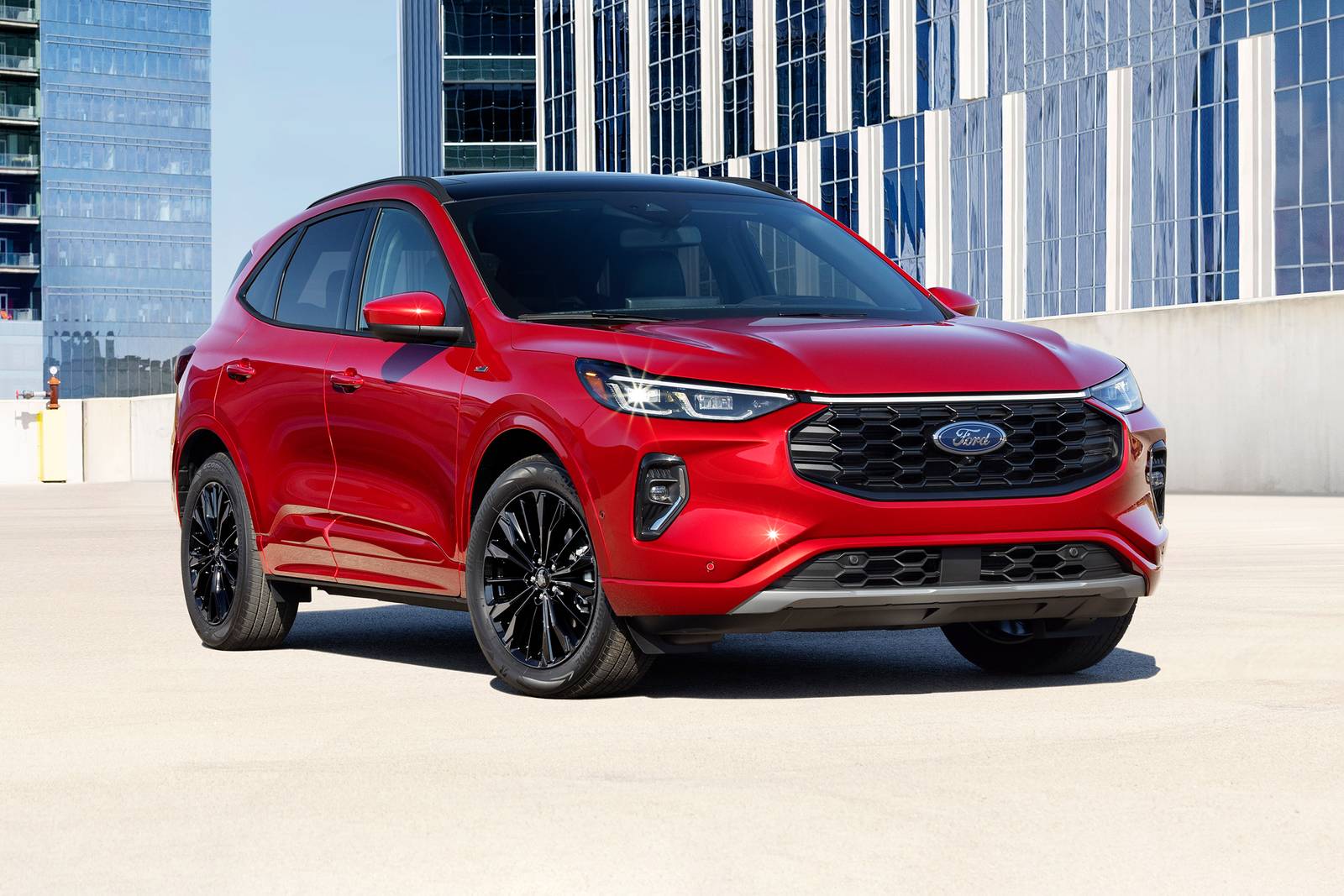
The system is also designed for real-world versatility. Available with both front-wheel drive and all-wheel drive, the Escape Hybrid can handle a variety of driving conditions without placing excessive strain on the transmission.
Additionally, regenerative braking reduces the load on the drivetrain by converting kinetic energy into electricity, further minimizing wear on mechanical components.
From a long-term ownership perspective, these design advantages are especially valuable. The Escape Hybrid is well-suited for high-mileage use, including commuting, family transport, and rideshare driving.
These conditions typically accelerate wear in conventional transmissions, but the eCVT’s simplified architecture and consistent power delivery help maintain reliability over time.
In terms of driving experience, the transmission delivers smooth and linear acceleration without the interruptions of gear changes. While it does not provide the stepped feel of a traditional automatic, it offers a more refined and low-stress operation that benefits both comfort and durability.
Within the context of the best 2026 hybrids with high-durability transmissions, the Ford Escape Hybrid stands out as a well-balanced option. Its combination of SUV practicality, efficient hybrid technology, and low-wear transmission design makes it a strong choice for buyers seeking long-term reliability with minimal maintenance concerns.
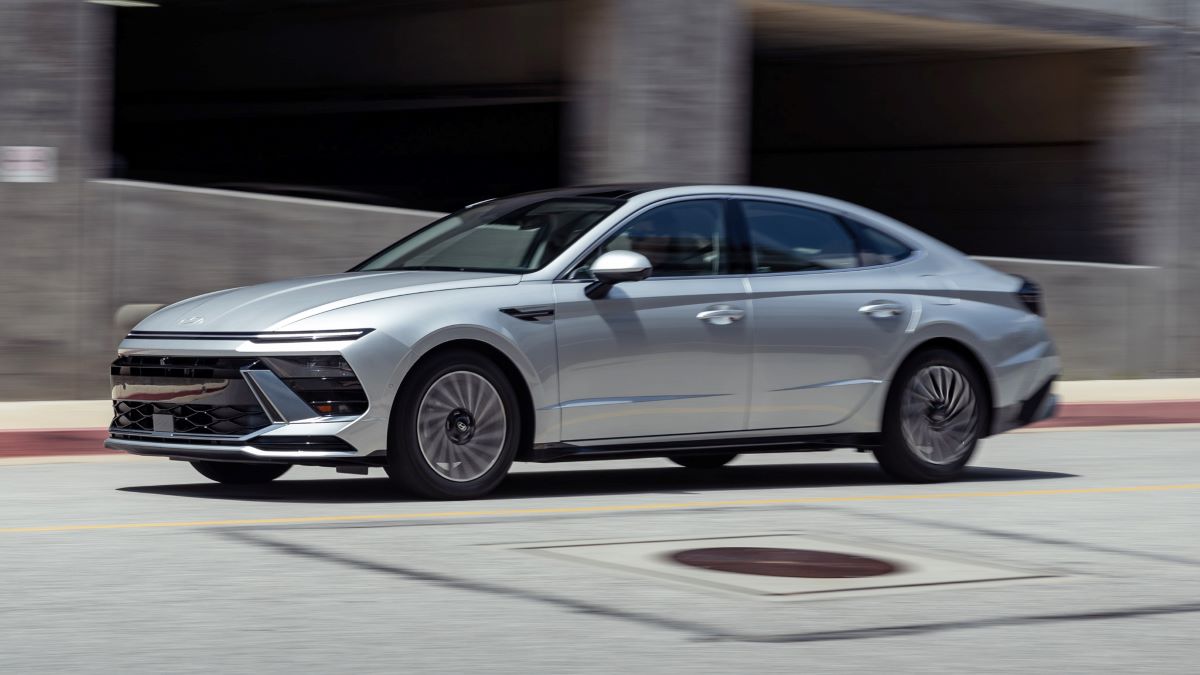
5. Hyundai Sonata Hybrid
The Hyundai Sonata Hybrid takes a different engineering approach compared to most hybrids in this segment, particularly in how it handles transmission durability.
Instead of using an eCVT like many competitors, it retains a conventional 6-speed automatic transmission paired with a hybrid system. This combination allows it to deliver both long-term reliability and a more traditional driving experience.
At the core of the Sonata Hybrid is a 2.0-liter four-cylinder engine combined with an electric motor. What distinguishes this setup is how the transmission is integrated into the hybrid system.
Rather than eliminating gears entirely, Hyundai enhances a traditional automatic gearbox with electric assistance. This reduces stress on internal components while maintaining the familiar structure of a conventional transmission.
The primary durability advantage comes from load reduction. In a standard gasoline vehicle, the transmission must handle all torque demands during acceleration and shifting.
In the Sonata Hybrid, the electric motor supports power delivery, especially during initial acceleration and gear changes. This reduces strain on clutch packs and internal gearsets, which are typically the most wear-prone components in automatic transmissions.
Another key factor is smoother shift behavior. Hybrid assistance helps fill torque gaps between gear changes, resulting in less abrupt engagement.
This reduces mechanical shock inside the transmission, which is a major contributor to long-term wear in traditional systems. By smoothing out these transitions, the Sonata Hybrid extends the lifespan of its transmission components compared to non-hybrid vehicles.
Thermal efficiency also plays an important role. Conventional automatic transmissions generate heat due to friction and repeated gear engagement.
In the Sonata Hybrid, electric assistance lowers the workload on both the engine and transmission, helping reduce overall heat buildup. Lower operating temperatures preserve transmission fluid and minimize internal wear, contributing to improved long-term reliability.
Unlike eCVT-based systems, the Sonata Hybrid still includes more moving parts such as gears and clutches.
However, Hyundai’s hybrid integration helps offset this complexity by distributing mechanical load more evenly and reducing peak stress events. This approach improves durability without completely redesigning the transmission architecture.
From a real-world perspective, the Sonata Hybrid offers a balance between longevity and drivability. The presence of traditional gear shifts provides a familiar feel, which some drivers prefer over the continuous operation of eCVTs. At the same time, hybrid assistance ensures these shifts occur under less strain, enhancing overall durability.
Within the context of the best 2026 hybrids with high-durability transmissions, the Hyundai Sonata Hybrid stands out for its balanced engineering.
It combines the familiarity of a conventional automatic with the efficiency and load-reducing benefits of electrification. For buyers seeking a long-lasting drivetrain without giving up a traditional driving experience, it remains a strong and practical choice.
The defining advantage of these 2026 hybrids lies in their fundamentally different approach to power delivery.
By minimizing reliance on friction-based components and leveraging electric motor assistance, they avoid many of the common failure points associated with traditional automatic transmissions.
This is particularly relevant in the U.S. market, where driving conditions often place sustained stress on vehicle drivetrains.
From a long-term ownership perspective, the benefits are clear. Reduced mechanical complexity leads to fewer breakdowns, improved thermal management extends component life, and the elimination of shift shock preserves internal integrity.
These factors collectively result in lower maintenance costs and greater reliability over time.
For buyers evaluating modern vehicles, transmission design should be treated as a primary consideration rather than a secondary specification.
While performance and efficiency figures are important, long-term durability often depends on the underlying engineering architecture.
In this respect, hybrids, especially those utilizing eCVT or power-split systems, offer a structural advantage that positions them as some of the most dependable vehicles on the road in 2026.
