
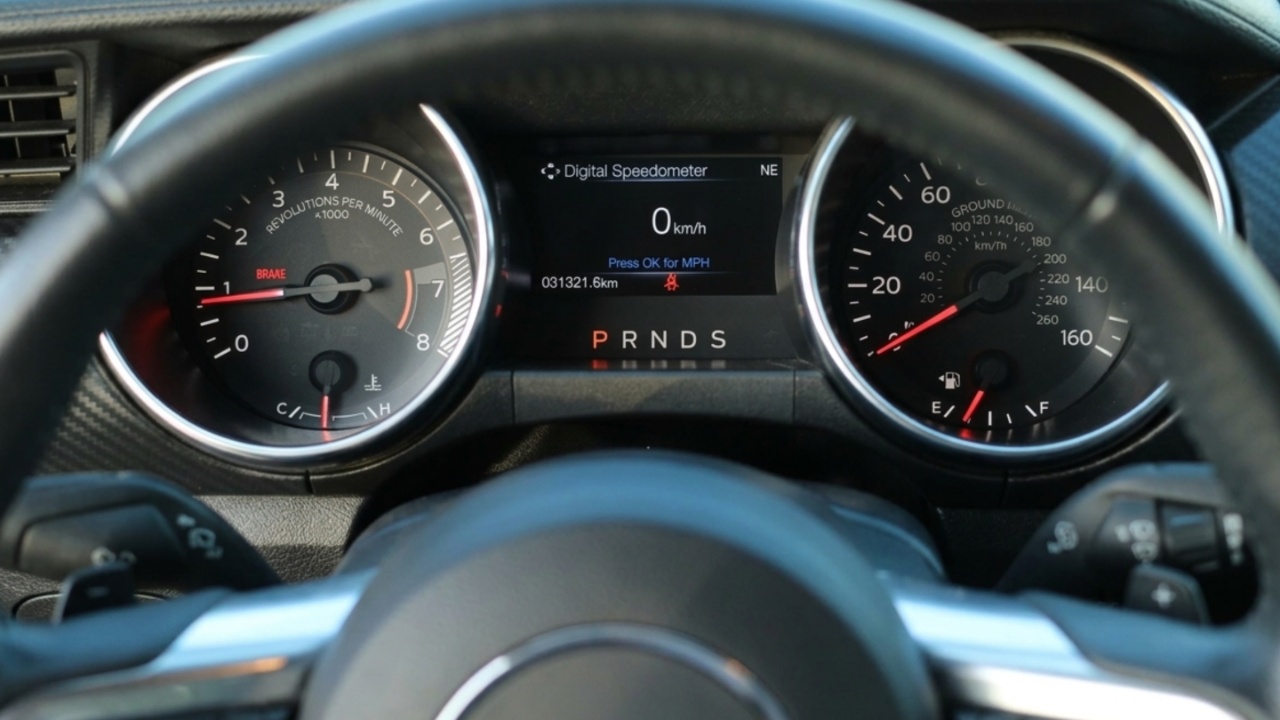
The rise of digital technology has transformed modern cars into highly connected, screen-driven machines. Yet in 2026, this very progress has created a surprising reversal in what defines true automotive luxury. The title “8 Reasons Why Analog Gauges Are Becoming a Luxury Feature in 2026” captures this shift, where simplicity, craftsmanship, and physical interaction are gaining value over endless customization and digital convenience.
As screens become standard across all price points, they no longer carry the prestige they once did. Instead, drivers are beginning to appreciate elements that feel rare, deliberate, and built rather than programmed. Analog gauges fit this demand perfectly.
They offer clarity, tactile feedback, and a sense of permanence that digital interfaces struggle to replicate. More than just instruments, they represent a philosophy that prioritizes human experience over technological excess.
The following eight reasons explore how this shift is reshaping automotive design, proving that in a world dominated by pixels, mechanical details have become the true mark of luxury.
1. Mechanical Craftsmanship as “The New Luxury”
In 2026, the definition of automotive luxury has shifted significantly. Advanced software and digital displays are now standard features in nearly all vehicles, including entry-level models. Because of this widespread accessibility, technology alone no longer signals exclusivity. Instead, luxury is increasingly defined by elements that require physical creation, precision, and human expertise, particularly mechanical craftsmanship.
Digital screens, while functional and visually impressive, remain flat and intangible. In contrast, analog components offer depth, texture, and a lasting physical presence. Mechanical gauges exemplify this difference.
They rely on intricate systems of gears, counterweights, and carefully balanced needles that must maintain accuracy under demanding conditions. These components transform the dashboard into more than a display. It becomes a demonstration of engineering skill and artistic detail.
This shift is also driven by growing fatigue with screen-heavy environments. Many consumers now seek tactile and sensory experiences that digital interfaces cannot provide. Analog elements deliver a sense of touch and engagement, creating a stronger emotional connection between driver and machine. They reflect intentional design choices rather than convenience or cost efficiency.
Scarcity further elevates the value of mechanical craftsmanship. Digital features can be mass-produced and easily updated, but handcrafted components require time, expertise, and meticulous assembly. This makes them rarer and more desirable. At the same time, a broader cultural movement toward simplicity and mindfulness has encouraged a focus on fewer but higher-quality elements within vehicle interiors.
Mechanical craftsmanship represents enduring value and authenticity. It highlights the importance of physical creation in an era dominated by digital convenience. As a result, analog engineering has become a defining feature of modern automotive luxury in 2026.
2. Combating “Digital Fatigue” and the Need for Tactile Reprieve
By 2026, widespread screen usage will have reshaped consumer preferences, especially in the automotive sector. With individuals spending over 10 hours daily interacting with digital devices, the desire for “digital detox” experiences has become a defining influence on luxury design. High-end vehicles now incorporate “analog sanctuaries,” offering drivers relief from constant exposure to screens and creating a more grounded, sensory environment.
Analog gauges play a central role in this shift by providing a tactile reprieve. Unlike digital displays, which rely on light and software, physical dials offer movement, texture, and mechanical feedback.
The act of watching a needle respond to engine activity or perform a startup sweep creates a sense of occasion and connection. This transforms driving into a more engaging, mechanical experience rather than a purely computational one.
One key advantage of analog systems is their ability to reduce cognitive load. Digital dashboards often present excessive information and require menu navigation, which can overwhelm drivers.
In contrast, analog gauges allow for quick interpretation through peripheral vision, enabling “at-a-glance” understanding of speed or engine performance. This simplicity improves focus and minimizes mental strain, particularly during long drives or nighttime conditions where screen glare and blue light can cause fatigue.
Beyond functionality, analog elements fulfill a deeper psychological need for physicality in an increasingly virtual world. Consumers are drawn to tangible objects that convey permanence and craftsmanship. Mechanical gauges symbolize reliability and trust, avoiding issues such as lag or system failure that can affect digital interfaces. This reinforces their appeal as enduring and dependable features.
Finally, analog instrumentation has become a status symbol. Choosing physical over digital signals, intentionality, and exclusivity, especially as lower-end vehicles adopt fully digital interiors. In this context, analog gauges represent a deliberate return to human-centered design, making them a defining feature of modern automotive luxury.
3. Superior Glanceability and Reduced Cognitive Load
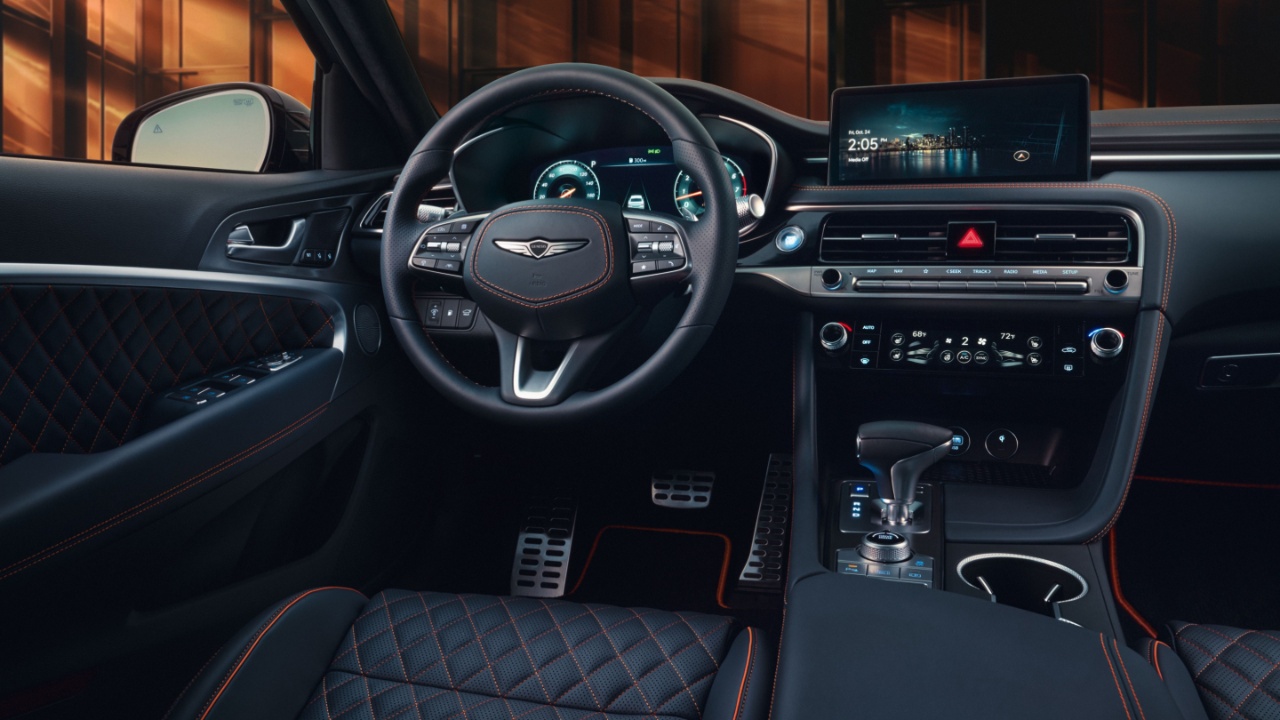
In 2026, analog gauges are gaining renewed importance in luxury vehicles due to their superior “glanceability” and ability to reduce cognitive load. While digital displays offer customization and precision, they often present excessive information that requires active interpretation. This can overwhelm drivers, especially in high-performance or high-pressure driving situations where quick decisions are critical.
Analog gauges simplify this process by allowing drivers to interpret information instantly. Instead of reading numbers, the human brain can quickly recognize the position of a needle and understand meaning through spatial awareness.
For example, a needle at a certain position immediately signals speed or engine status without requiring conscious calculation. This makes analog displays particularly effective for peripheral vision, enabling drivers to monitor key metrics without taking their eyes off the road.
Research in recent years has shown that this visual efficiency reduces the time a driver looks away from the road. Even small improvements in glance time can significantly enhance safety.
Digital interfaces, by comparison, may introduce slight delays due to rendering or require additional focus to process changing numbers and graphics. These differences, though subtle, become important in performance driving where milliseconds matter.
Analog gauges also reduce mental strain by presenting only essential information. Digital dashboards can become cluttered with navigation data, media controls, and notifications, increasing cognitive load and distraction. In contrast, physical dials offer a clear and focused display, reinforcing a “what you see is what you get” experience that feels immediate and reliable.
Beyond functionality, analog elements contribute to the perception of luxury. Their tactile nature and mechanical movement create a stronger emotional connection, while also serving as visual signatures that distinguish premium brands from mass-market vehicles.
As a result, analog gauges are valued not only for their ergonomic advantages but also as symbols of thoughtful, driver-centered design in modern automotive interiors.
4. Regulatory Pressures and the “Return to Physical” Controls
In 2026, automotive interior design has been significantly reshaped by updated safety standards, particularly from organizations like the European New Car Assessment Programme.
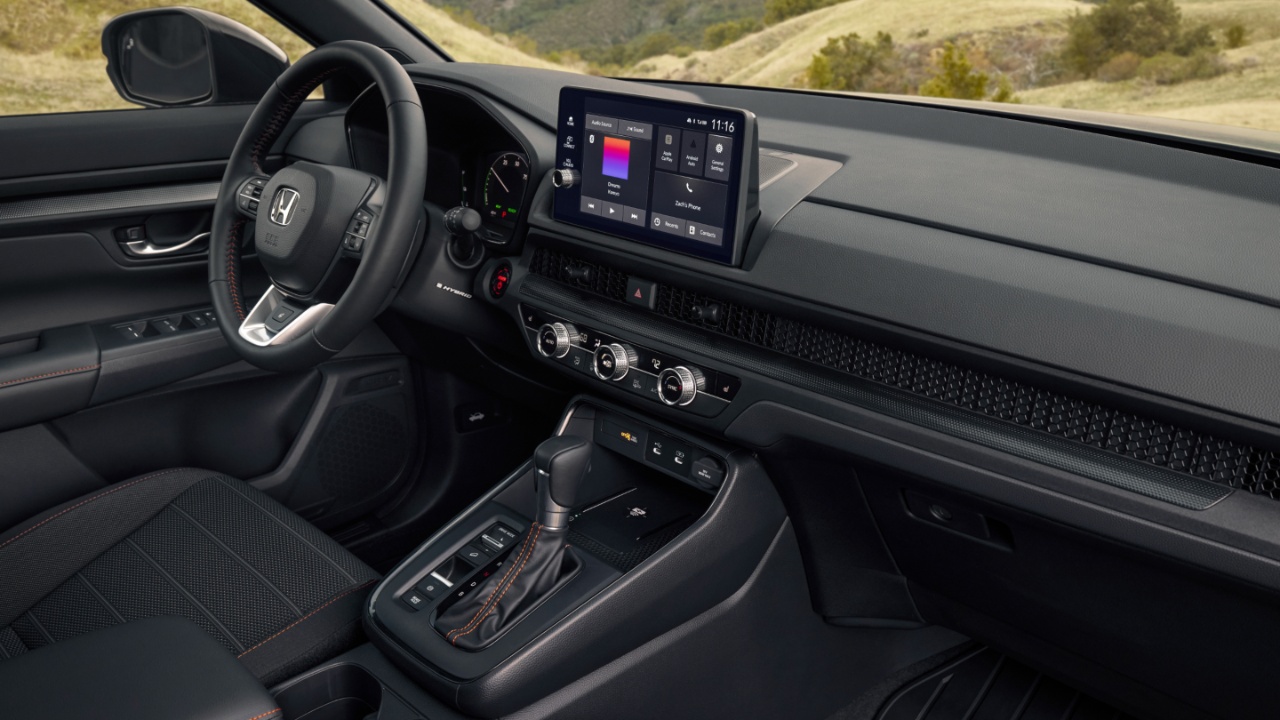
New scoring criteria now reward vehicles that include physical, tactile controls for essential functions such as turn signals, wipers, and hazard lights. This shift responds to growing concerns about driver distraction linked to screen-heavy interiors, where basic actions are often buried within digital menus.
To secure top safety ratings, automakers are reintroducing buttons, switches, and analog elements that can be used instinctively and without constant visual attention. This marks a clear move away from fully digital cabins. Designs centered entirely on touchscreens, once associated with innovation, are increasingly seen as less safe and more reflective of cost-saving strategies rather than premium engineering.
Luxury brands have led the response to these changes. With strong reputations tied to safety and craftsmanship, they have embraced tactile controls as an opportunity to enhance both usability and design.
Instead of treating physical components as purely functional, they refine them with high-quality materials and precise engineering. Gauge clusters and control panels are now positioned as central features that combine safety with aesthetic value.
This transition also increases production complexity. Creating durable and responsive physical controls requires more engineering effort than implementing digital alternatives. High-end manufacturers are better equipped to manage these costs, which further distinguishes their vehicles from more affordable models that continue to rely heavily on screens.
Physical controls also provide clear safety advantages. Drivers can operate them through touch alone, reducing the need to look away from the road. This improves focus and reaction time in critical situations.
As safety standards continue to evolve globally, the return to analog and tactile interfaces highlights a renewed emphasis on human-centered design, making these features key indicators of modern automotive luxury.
Also read: 5 Reasons to Invest in a Vintage Wagon vs a Traditional Muscle Car
5. The Exclusivity of Production Costs
In 2026, a defining factor behind the return of analog gauges in luxury vehicles is the stark contrast in production costs between digital and mechanical components. What was once considered advanced technology, such as large digital displays, has become inexpensive due to mass production and economies of scale.
A standard LCD screen is now far cheaper to produce and install than a complex mechanical gauge cluster. As a result, many mass-market brands like Toyota and Hyundai have shifted toward fully digital interiors to reduce manufacturing costs and simplify assembly.
In contrast, analog gauges require intricate engineering and specialized craftsmanship. Each unit consists of multiple physical components, including stepper motors, precision needles, metal bezels, and carefully designed housings.
These parts must be individually assembled and calibrated, increasing both labor and material costs. High-end versions often incorporate premium materials such as machined aluminum and glass, further elevating their expense and perceived quality.
This cost disparity has created a new form of exclusivity. Because fewer manufacturers invest in producing analog components, the supply chain has become smaller and more specialized. As a result, physical gauges are now rare, making them a distinguishing feature in luxury vehicles. Choosing analog over digital signals that a manufacturer prioritizes craftsmanship and experience over efficiency and cost-cutting.
Beyond function, analog gauges have shifted into the realm of design and emotional appeal. Digital displays are widely viewed as practical tools, while mechanical dials are seen as artistic expressions of engineering. This distinction enhances their role as symbols of authenticity and heritage, particularly in premium or performance-oriented models.
The high cost and complexity of producing analog gauges have transformed them into markers of true luxury. In a market where digital solutions dominate due to affordability, mechanical craftsmanship stands out as a deliberate and exclusive choice.
6. The “High-End Watch” Aesthetic (Haute Horlogerie)
In 2026, luxury automotive design is increasingly influenced by the world of high-end watchmaking, often referred to as haute horlogerie. This trend reflects a growing connection between mechanical watch collecting and the renewed appreciation for analog gauges in premium vehicles.
Automakers such as Bentley and Rolls-Royce Motor Cars are collaborating with prestigious watchmakers like Breitling and Vacheron Constantin to create dashboards that resemble fine timepieces rather than conventional instruments.
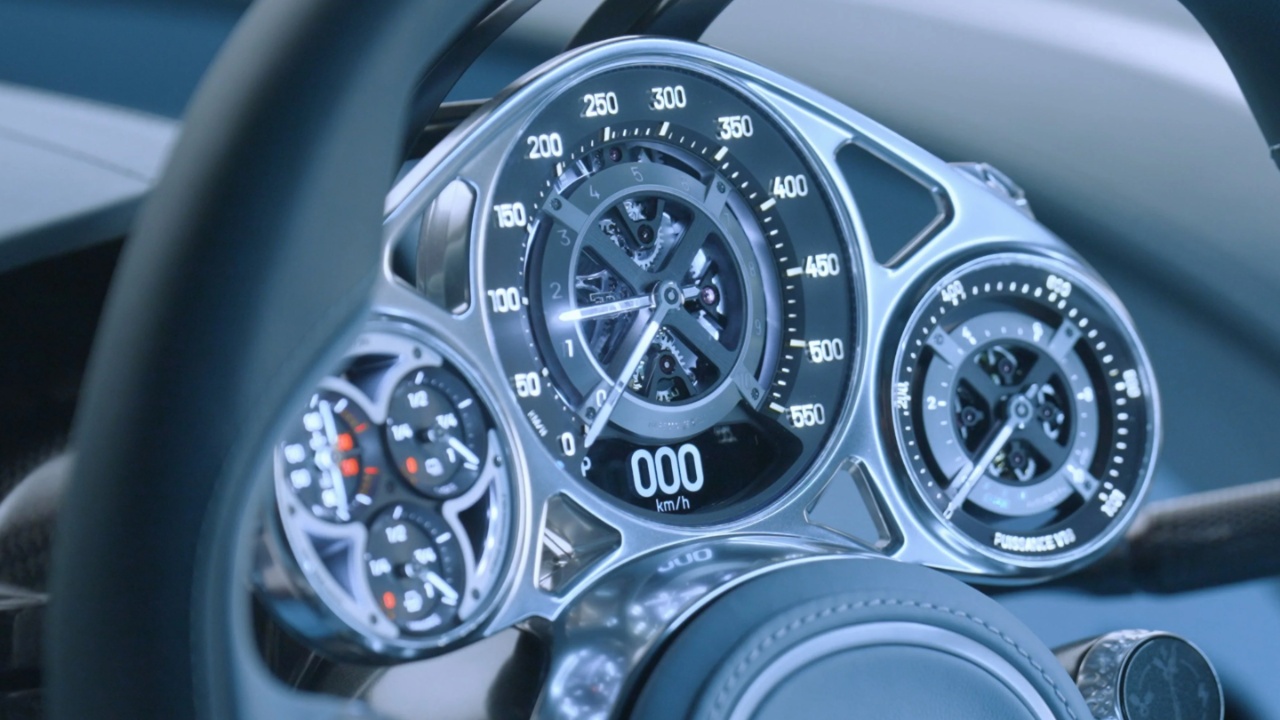
Analog gauges are no longer viewed as simple tools. They are designed as visual centerpieces, often featuring intricate details such as guilloché patterns, sapphire crystal covers, and polished metal components.
These elements create depth and interaction with light, qualities that digital screens cannot replicate. The result is a three-dimensional, tactile experience that elevates the interior into something closer to functional art.
This watch-inspired approach also emphasizes visible mechanical movement. Just as luxury watches showcase their inner workings, high-end vehicles incorporate dynamic, mechanical elements that highlight engineering precision. These features transform gauge clusters into expressions of craftsmanship, reinforcing their value beyond mere functionality.
Material selection plays a significant role in this aesthetic. Premium gauges may use rare and difficult-to-machine materials such as enamel, titanium, or specialized metals, all carefully finished by hand. This level of detail enhances personalization and distinguishes luxury interiors from mass-produced designs.
The appeal also lies in timelessness. Unlike digital displays that quickly feel outdated, analog components are built to endure, aligning with the idea of long-lasting, heirloom-quality objects. This reflects a broader shift toward valuing durability and heritage over rapid technological turnover.
The haute horlogerie influence turns analog gauges into symbols of artistry, tradition, and status, redefining them as essential elements of modern automotive luxury.
7. Reliability and the “Glitch-Free” Promise
In 2026, one of the strongest drivers behind the return of analog gauges in luxury vehicles is their unmatched reliability and consistency. As modern cars become increasingly dependent on complex software systems, digital interfaces have introduced new frustrations.
Screens can lag, freeze, suffer from display issues, or even fail due to software bugs. In a premium context, where buyers expect flawless performance, these inconsistencies undermine the perception of quality.
Analog gauges offer a clear alternative by delivering a “glitch-free” experience. Unlike digital displays, they operate without boot-up time, software updates, or processing delays. The movement of a physical needle directly reflects real-time data, ensuring immediate feedback.
This “what you see is what you get” reliability provides drivers with confidence that essential information, such as speed, temperature, and engine performance, is always visible and accurate.
Durability also plays a major role in their appeal. Mechanical gauges are built to last the lifetime of the vehicle, while digital systems may degrade as hardware ages or software becomes outdated. Issues such as pixel failure, overheating, or system crashes are far less likely to affect analog components. Their simpler construction reduces long-term failure risks and removes dependence on interconnected electronic systems.
From a safety perspective, analog gauges enhance usability. Their clear design allows drivers to interpret information quickly, often through peripheral vision, without needing to focus on changing numbers or graphics. They also maintain visibility in various lighting conditions, avoiding glare or brightness issues common in screen-based displays.
Beyond function, analog gauges contribute to a more engaging and intentional driving experience. As part of a broader shift toward blending physical and digital elements, they represent a move away from over-digitization. Their tactile nature and dependable performance reinforce a sense of craftsmanship and trust, making them a defining feature of luxury vehicles in 2026.
8. Emotional Branding and the “Mechanical Soul”
In 2026, analog gauges have become a defining feature of luxury vehicles not because of superior performance, but because of their ability to create an emotional connection and convey a sense of “mechanical soul.”
As the automotive industry shifts toward electric vehicles, many traditional sensory elements, such as engine sound and vibration, have diminished. In response, manufacturers are turning to analog instrumentation to preserve a feeling of character and engagement.
Physical gauges provide a dynamic, almost lifelike quality. The subtle movement of a needle during acceleration or deceleration gives the impression of a responsive, living machine. This visual feedback creates a sense of energy and immediacy that digital animations cannot fully replicate. It transforms the dashboard into more than a display, making it an expressive element of the driving experience.
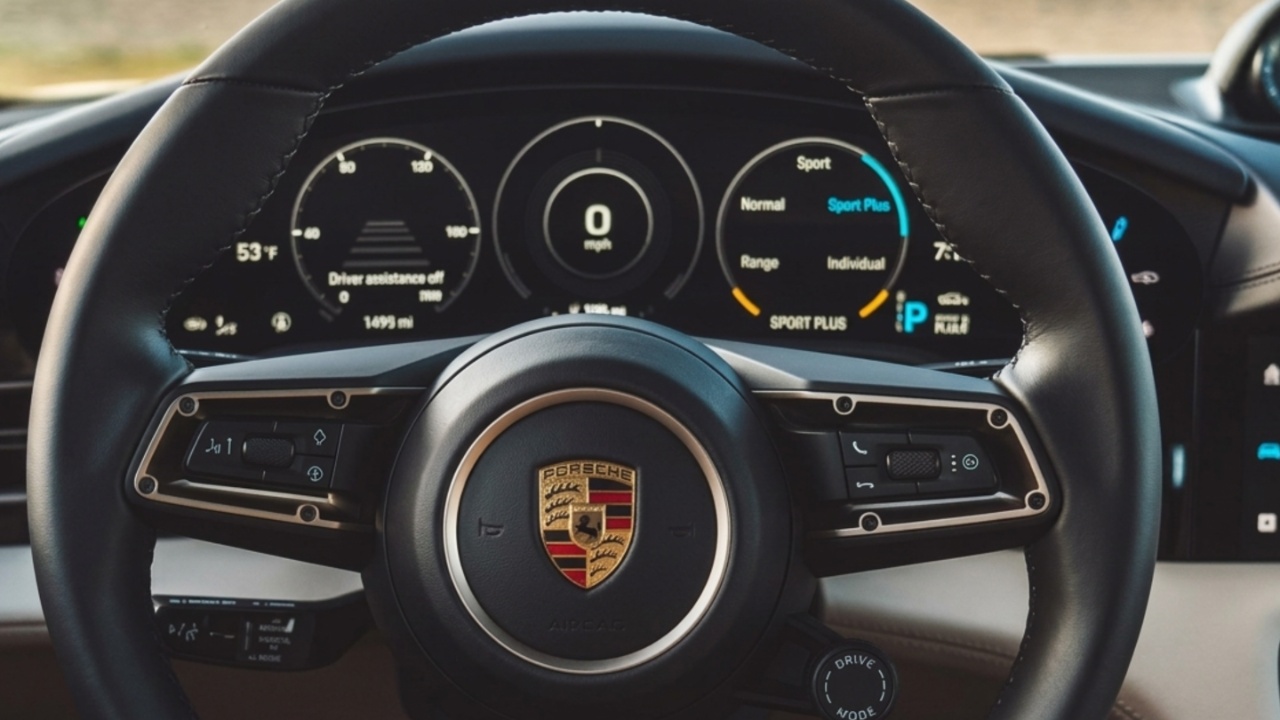
Luxury brands such as Ferrari and Porsche emphasize analog features like the central tachometer as symbols of heritage and identity. These elements are not only functional but also iconic, reinforcing brand history and authenticity. A physical dial is viewed as genuine, while a digital version is often perceived as a simulation.
This shift also reflects broader consumer preferences. As digital environments become overwhelming, buyers are seeking more intentional and human-centered experiences. Analog gauges offer a tactile and visual connection that feels more personal and grounded. They signal a deliberate choice to value craftsmanship over convenience, aligning with a growing appreciation for authenticity and tradition.
In this context, luxury is increasingly defined by how a vehicle makes the driver feel rather than how fast it performs. Analog instrumentation helps create that emotional bond, acting as a bridge between driver and machine. By delivering a sense of permanence, character, and engagement, analog gauges have become essential to emotional branding and modern automotive luxury.
The resurgence of analog gauges in 2026 is not a coincidence but a response to broader changes in technology, design philosophy, and consumer behavior. As explored in these eight reasons, their appeal goes far beyond nostalgia.
They represent craftsmanship in a world of automation, clarity in an age of information overload, and reliability amid increasing digital complexity. More importantly, they provide a tangible, emotional connection that modern drivers increasingly value.
From regulatory shifts to production costs and even influences from high-end watchmaking, analog gauges have evolved into markers of thoughtful engineering and exclusivity. They signal a conscious choice to prioritize quality, safety, and experience over convenience alone. In a market saturated with screens, the presence of physical, mechanical elements stands out as intentional and refined.
Analog gauges redefine what luxury means in today’s automotive world. They prove that true premium value lies not in what can be programmed, but in what must be carefully crafted, felt, and experienced.
Also read: 10 Reasons Why Your Timing Belt Replacement Cannot Be Delayed Another Day
