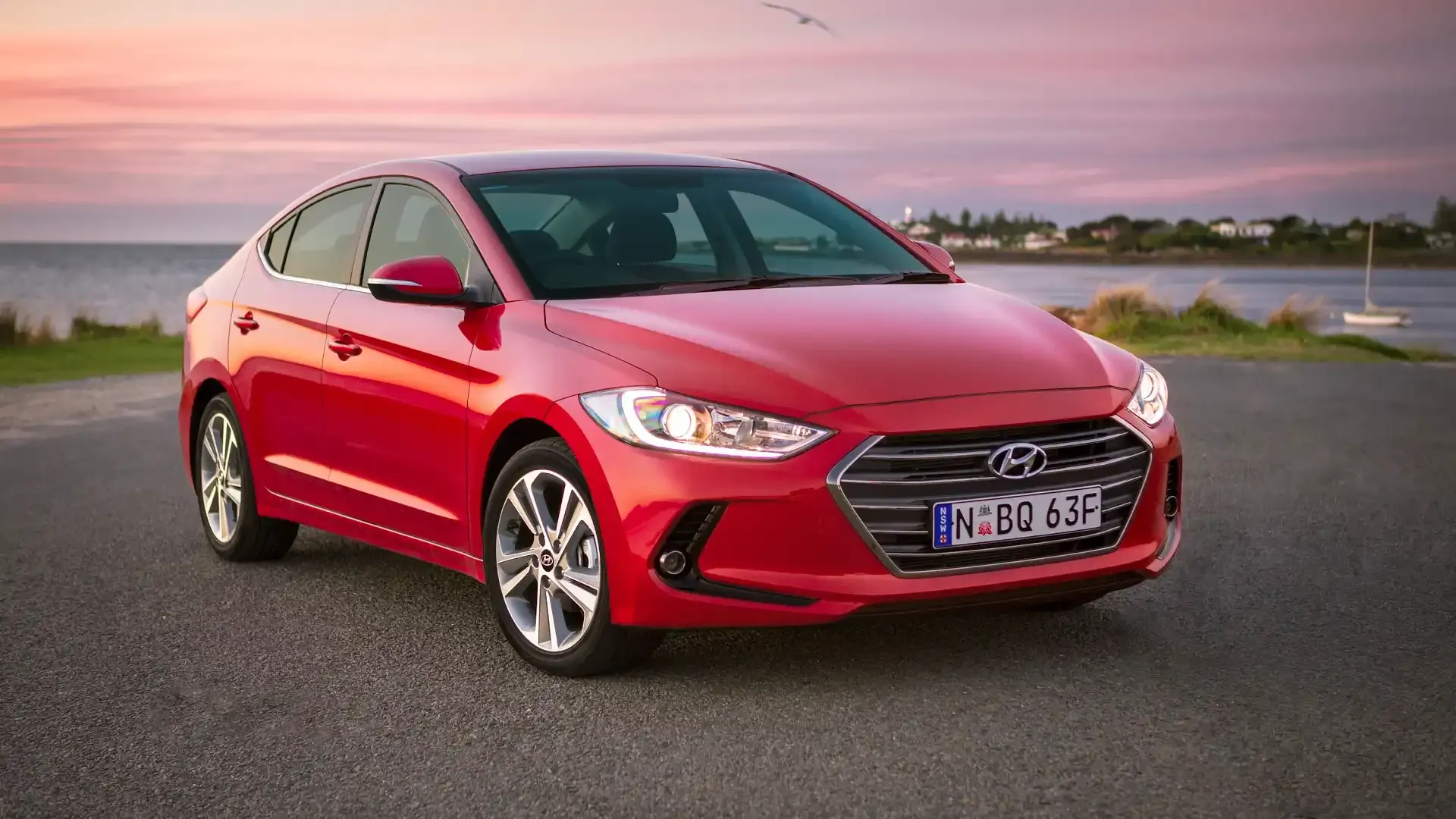
Buying a used sedan with the goal of keeping annual repair costs under 500 dollars might seem difficult, but it is possible with careful selection. Unlike high performance or overly sophisticated models that demand expensive parts and labor, certain sedans have earned reputations for simplicity, durability, and long life.
These vehicles often come with engines that are easy to work on, transmissions that do not require costly overhaul, and parts that are abundant and affordable.
Owners who drive these cars tend to be pleased not only with reliability but also with the peace of mind that comes from knowing their transportation will not often land them in a mechanic’s shop.
It is worth noting that the actual cost of repairs can vary based on driving habits, climate, and regional labor costs, but selecting from a group of proven models increases the odds of keeping maintenance affordable.
There are key traits that make some cars easier and cheaper to maintain. Engines with fewer complex features, transmissions with fewer exotic parts, and well documented service histories all contribute.
Models that were produced in high volume often have parts that are easier to find at salvage yards or through aftermarket suppliers.
Mechanics tend to know these cars well, which can reduce labor costs and the time it takes to diagnose problems.
Additionally, sedans that share parts with other vehicles in their brand’s lineup may have even more readily available components. All of these factors influence the total cost of ownership, especially repair costs averaged annually.
In this article, we look at ten used sedans that fit the criteria of affordable repair bills while still providing comfortable and safe daily driving. These options come from a range of manufacturers, but they have in common a strong track record for reliability and low cost of ownership.
For many owners who are careful with maintenance and address small issues early, these sedans can easily remain on the road with minimal expense. Buying smart, checking service records, and performing basic preventative care can further reduce annual repair costs.
Whether you are buying your first car, seeking an economical commuter vehicle, or replacing an aging ride, understanding which used sedans have historically low repair costs is valuable.
Each of the following sections focuses on one sedan model, describing its strengths, faults, and what makes it suitable for someone with a tight repair budget. By the end, you will have a clear picture of the best used sedans for your needs.
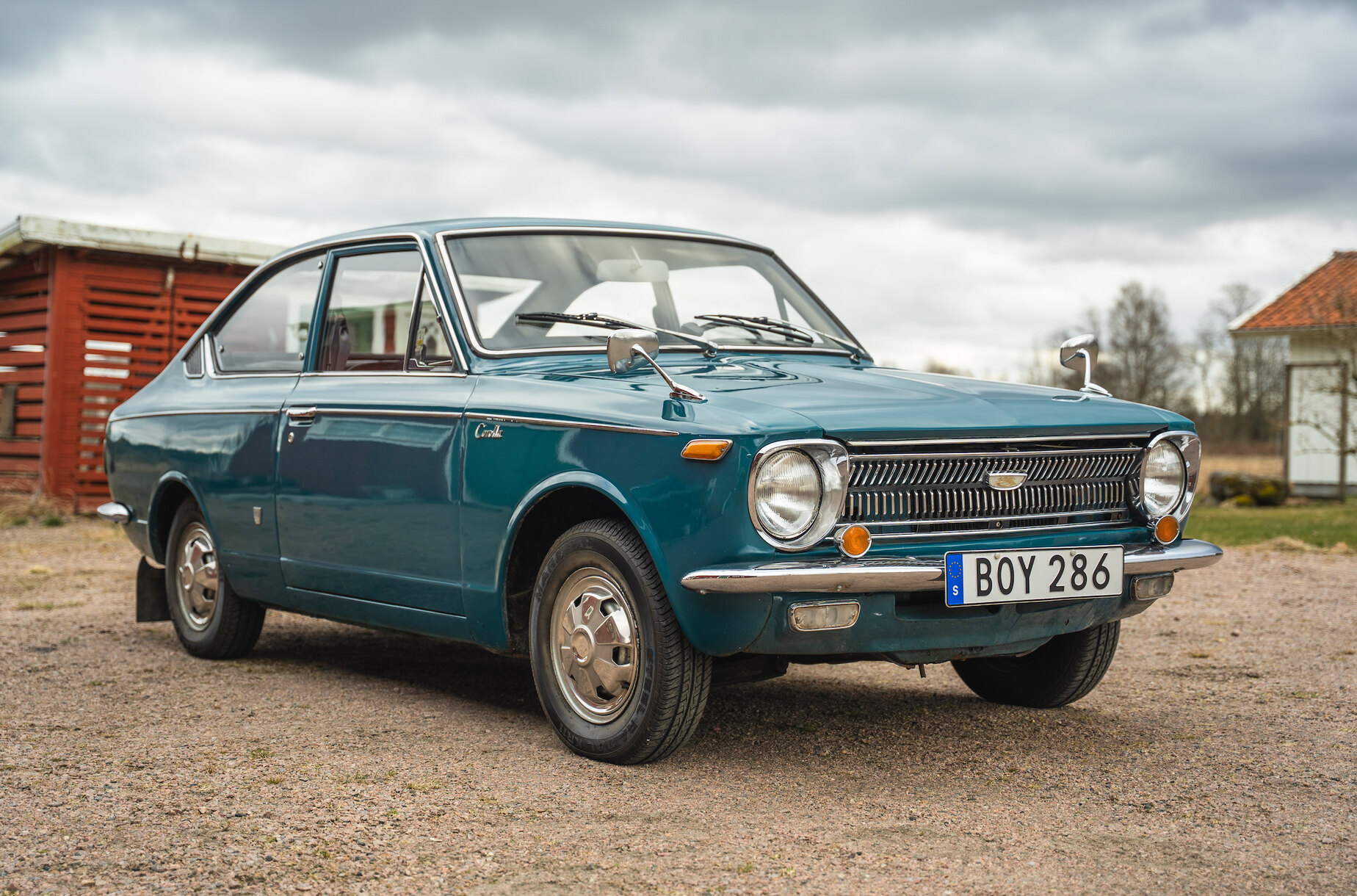
1. Toyota Corolla
The Toyota Corolla has long been a favorite for economical transportation, and the 1998 to 2008 generations are especially known for low maintenance costs. These models were built in large numbers, meaning parts are easy to find and inexpensive.
Mechanics are familiar with the routine issues, which helps keep labor costs down for most jobs that might come up. Early Corollas may have older technology by today’s standards, but that often works to your benefit because there is less to go wrong.
Owners frequently praise the Corolla for its reliability and longevity. Many examples with well over 200,000 miles on the odometer continue to serve their drivers without major repairs.
Routine service items like brakes, belts, and fluids are straightforward to address, and there are abundant resources for do‑it‑yourself maintenance. Because these cars are so common, used prices tend to be reasonable, and you can often find one with a solid service history.
Engine issues on these Corollas are rare when the car has been maintained properly. The 1.8 liter four cylinder engine is simple and well engineered, with no fancy variable systems that increase complexity.
Transmission options include a manual that is robust and an automatic that, when cared for, lasts for many miles. Timing belts on some years require change at recommended intervals, but this is inexpensive compared to costly engine repairs on other brands.
One of the reasons the Corolla holds repair costs low is that it was designed for reliability rather than performance. This means fewer expensive systems like turbochargers or active suspension to fail.
For drivers who want to keep their car on the road without frequent shop visits, the Corolla sets a strong precedent. If you find one with a good maintenance history and no major rust issues, it becomes a great candidate for minimal annual repair expenses.
When evaluating a used Corolla, check for basic service items and confirm that routine maintenance was done on schedule.
Timing belt service if needed, brakes, and tires are typical items that might need attention, but these do not usually exceed budget limits when spread over a year. The Corolla’s reputation for durability is well earned, making it a dependable option for frugal repair budgets.
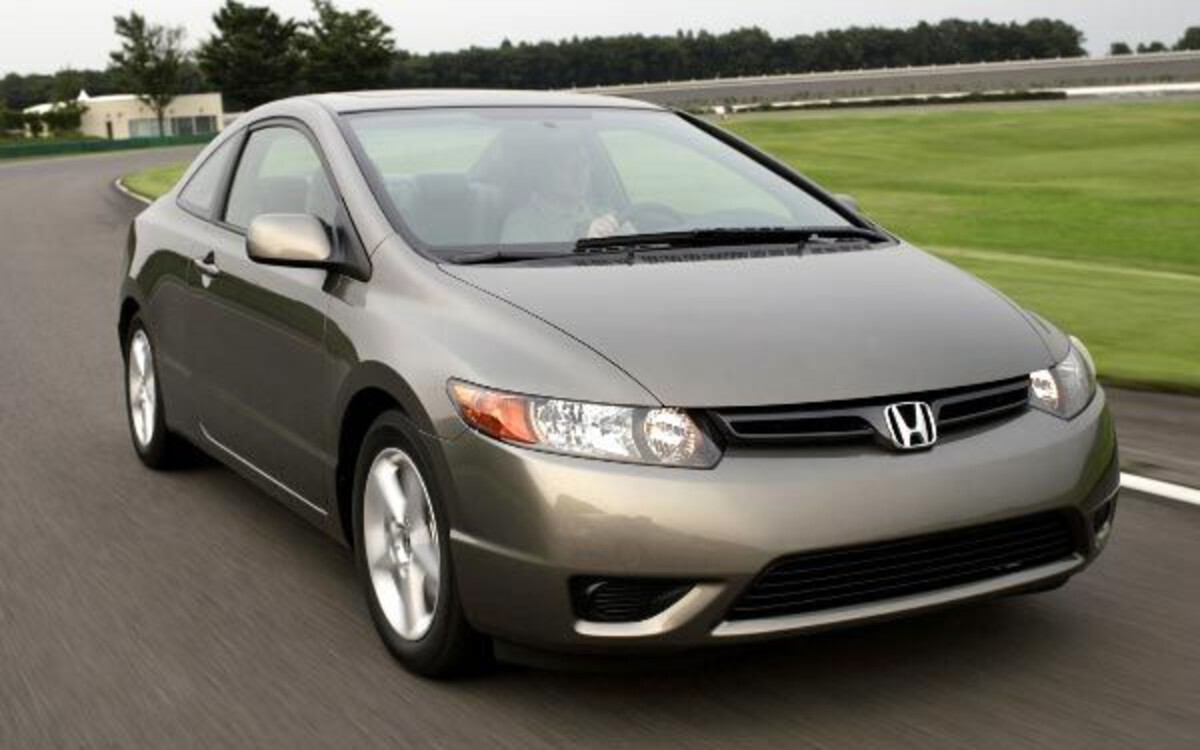
2. Honda Civic
The Honda Civic from the late nineties and early 2000s is another standout choice among used sedans focused on keeping repair bills low. These Civics are renowned for reaching high mileage with minimal problems when cared for properly.
Their simple engines and transmissions are easy to work on, and familiarity among mechanics often translates into lower labor charges. Furthermore, because the Civic was widely sold, parts availability remains strong through dealers, aftermarket suppliers, and junkyards.
Civic owners frequently comment on the car’s efficiency and toughness. The four cylinder engine in this era of Civic is resilient and straightforward, with a reputation for avoiding costly failures when regular oil changes and basic care are observed.
Automatic and manual transmissions both have solid track records, though enthusiasts often prefer the manual for its direct feel and durability. Either way, major transmission rebuilds are uncommon if the car was not abused.
Body and interior parts for these Civics are also cost friendly. Used bumpers, trim pieces, and interior components can often be found cheaply. The simplicity of the suspension and brake systems also means that typical replacements or repairs do not demand specialized parts or extensive labor.
This generation of Civic is often described as easy on both the wallet and the driver’s expectations when it comes to maintenance.
One area to watch with older Civics is rust in climates where salt is used on roads. Inspecting the undercarriage and wheel arches can help avoid a car that might need costly sheet metal work.
Aside from that, many of these cars will continue to run smoothly for years with just routine service. Finding a well cared for example with a documented history can be especially useful to preserve low operational costs.
The late nineties and early 2000s Honda Civic remains a top choice for people seeking affordable used sedans. Its strong reputation for reliability, wide availability of parts, and straightforward mechanical design contribute to repair costs that often stay within tight budgets.
For drivers seeking simple, effective transportation without frequent expensive repairs, the Civic fits the bill well.
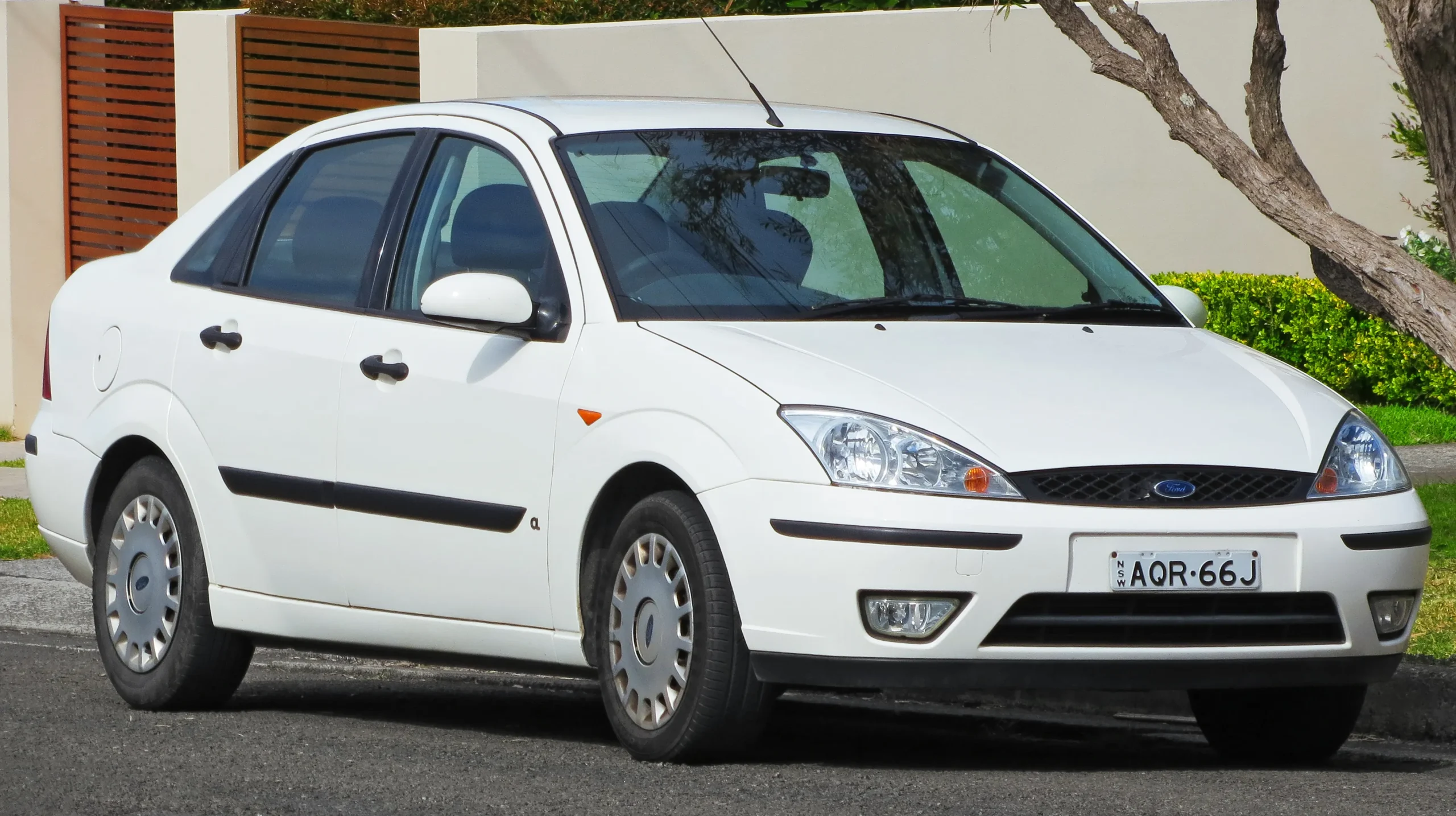
3. Ford Focus
The Ford Focus from the early 2000s offers another compelling option for drivers who want manageable repair costs on a used sedan. These models were designed with practicality in mind and were sold in high numbers, which helps keep parts plentiful and affordable.
Mechanics are usually familiar with the Focus platform, which can contribute to lower labor costs compared to more exotic vehicles. Though not as legendary as some Japanese models, the Focus can still be a sound choice when selected carefully.
Focus engines from these years are generally straightforward four cylinders that are not expensive to maintain. Timing belts or chains differ depending on engine choice, and knowing what service has already been done can help you anticipate upcoming needs.
Brake jobs, filters, and similar routine maintenance items are easy to budget for and are not unusually expensive on this car. Additionally, marketplace availability of used parts helps keep unexpected repairs from draining finances.
The suspension on the Focus was designed to provide a balance of comfort and control, and it does so without excessive complexity. Struts, shocks, and bushings tend to be easy to replace when needed at reasonable cost.
Electrical systems are not overly complicated in these models either, so owners do not often face mysterious issues that require extensive diagnostic time. This transparency in function makes maintaining the Focus a predictable experience.
One common point of concern with older Focus cars is the potential for minor quirks like wheel bearing noise or worn bushings, but these do not typically break the bank to fix.
Searching for a model with a clear maintenance history and no major accident damage can help reduce surprises after purchase. Drivers who have previously owned Fords may particularly appreciate the Focus’s serviceability and the widespread availability of replacement parts.
In general, the early 2000s Focus is a solid sedan choice for someone mindful of repair costs. It combines familiar mechanical design with a broad support base for parts and service, making it possible to keep annual expenditures low.
Buyers who are diligent in evaluating each example’s condition can find a Focus that meets both reliability and budget goals.
4. Toyota Camry
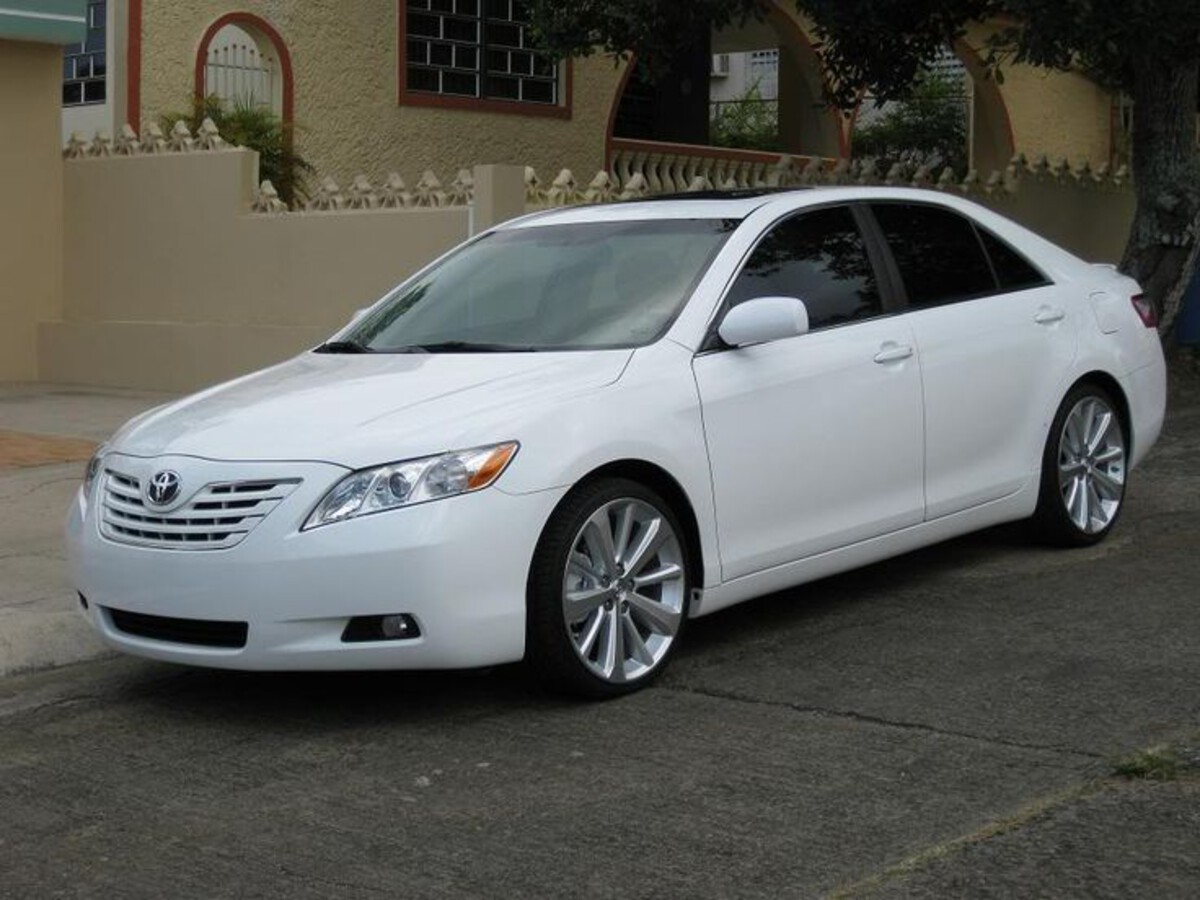
The Toyota Camry is often mentioned alongside the Corolla for its strong reliability and ease of maintenance, and the 1997 to 2006 generation exemplifies that reputation.
Although generally slightly larger and heavier than the Corolla, the Camry still offers the same virtues of mechanical simplicity and durable build quality. Parts for these sedans are widely available and not costly, which helps keep repair expenses within modest limits for attentive owners.
Engines in this generation of Camry are known for their quiet operation and longevity. Simple four cylinder and V6 options do not demand specialized care and have predictable service intervals.
Regular oil changes, coolant service, and timing belt changes where applicable are the biggest scheduled expenses, and these are routine jobs that most independent mechanics can handle. Many examples of these cars have reached high mileage without major engine repairs when properly cared for.
Transmission systems on these Camrys are typically robust, especially the automatic units. Known for smooth shifts and longevity, these transmissions seldom require major rebuilding when not abused.
Replacement units, if needed, are reasonably priced in the used market, and installation labor is seldom exorbitant. This contributes to lower ownership costs over the life of the vehicle.
The Camry’s suspension and brakes are designed to prioritize comfort, and replacement parts are plentiful. Struts, pads, rotors, and similar components are common items with affordable aftermarket options.
Interiors are typically straightforward and durable, reducing the need for expensive cosmetic repairs. For owners who drive within normal usage patterns and perform basic care, this Camry can remain a reliable daily ride with minor expense.
In evaluating a used Camry, pay attention to service records and signs of consistent maintenance. Although these cars can go for long stretches without repair issues, old age and neglect can still catch up with any vehicle.
By selecting an example with a solid history and relatively clean condition, buyers can position themselves to enjoy years of dependable service with repair bills that stay under tight financial targets.
5. Honda Accord
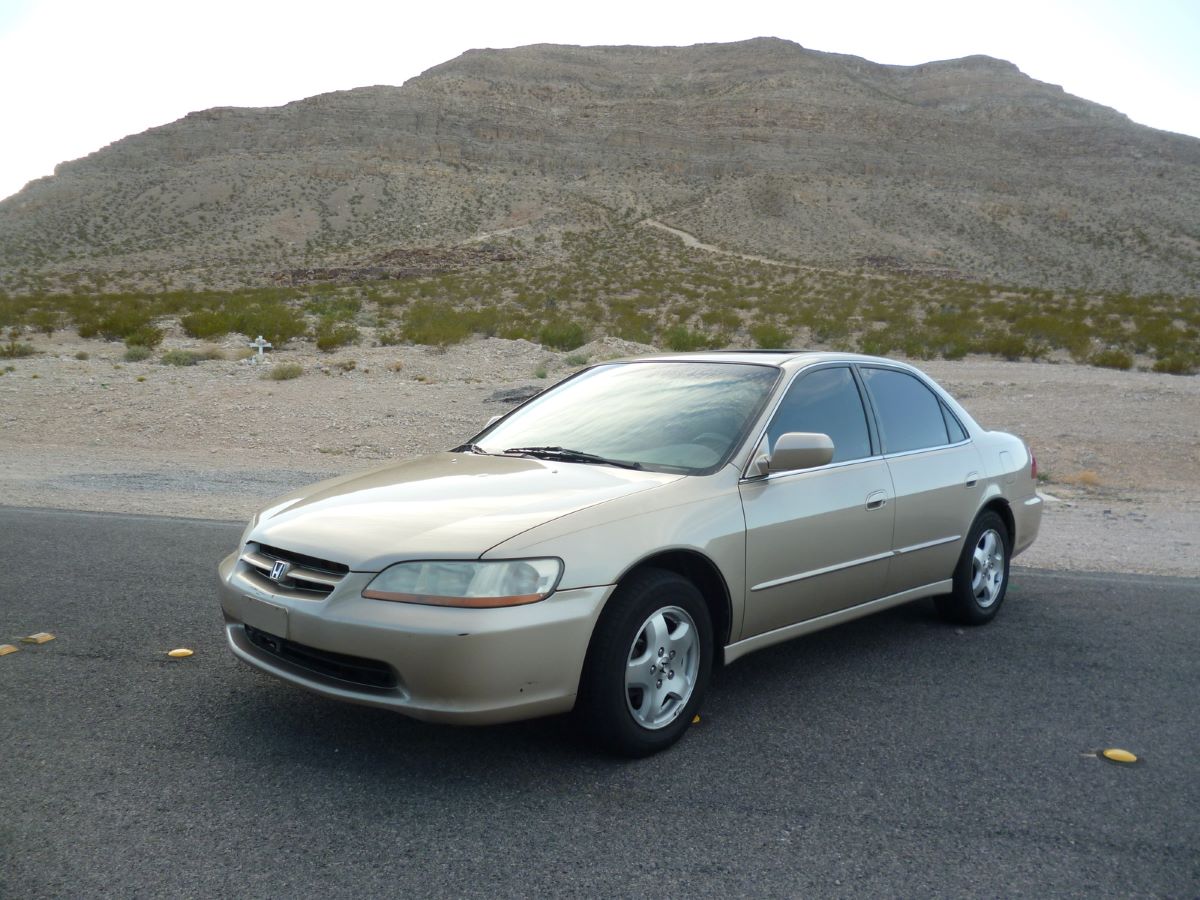
Another reliable Japanese sedan, the Honda Accord from 1998 to 2005, continues to be a popular choice for frugal owners. Much like the Civic, this Accord generation is known for rugged engines and straightforward mechanical design.
Abundant parts availability keeps costs down for items that need replacement due to age or wear. Repair facilities often have plenty of experience working on these cars, which helps reduce diagnostic time and labor charges.
The four cylinder and V6 engines offered in this generation of Accord are both capable of high mileage when treated well. Routine maintenance including oil changes, transmission service, and timing belt intervals are well documented and understood by most shops.
Smart owners often keep repair bills low simply by staying on top of visible wear and attending to minor issues early before they grow into large problems.
Accord suspension components are plentiful and affordable in the used parts market. Control arms, tie rods, struts, and other replaceable parts are easy to find, and many aftermarket options exist to help curb costs.
Brake systems on these Accords are also straightforward, with parts available inexpensively from many suppliers. The design avoids unnecessary complexity that might otherwise increase time or parts cost in servicing.
Potential buyers should be aware of common wear items like wheel bearings and bushings, which become noticeable with age but do not represent dramatic costs when replaced.
Checking the car for rust and structural issues remains important, though many examples remain sound. Prioritizing a thorough inspection and an honest maintenance history can greatly increase the odds of finding an Accord that will stay economical year after year.
In short, the 1998 to 2005 Honda Accord is a sensible choice for someone who wants a used sedan with manageable repair expenses. Its blend of robust mechanical design, easy access to parts, and widespread mechanic familiarity contributes to keeping annual costs predictable and usually affordable.
6. Nissan Sentra
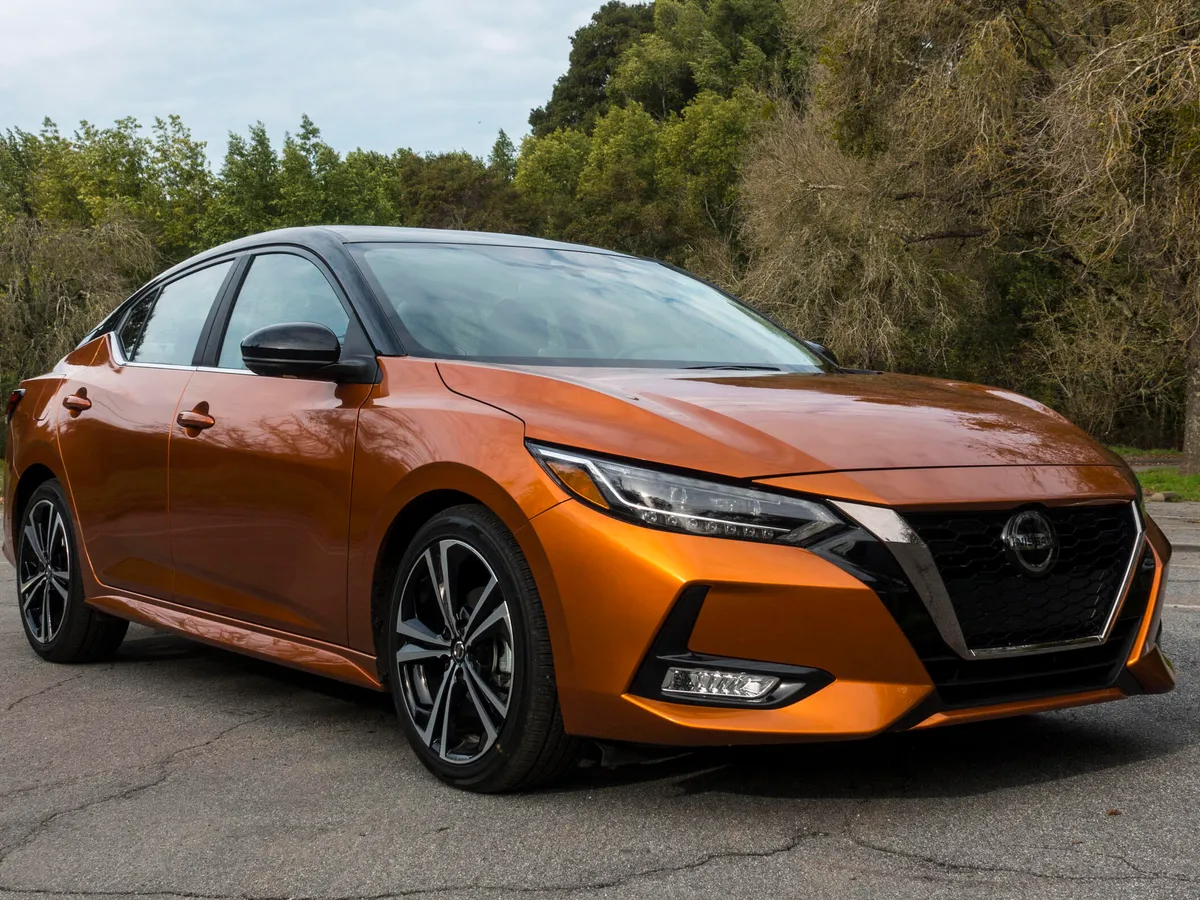
The Nissan Sentra from the early 2000s is often overlooked, but it deserves attention for its reasonable repair costs and ease of maintenance. Smaller than some mid size sedans, the Sentra’s engineering focuses on practicality rather than luxury.
Simpler systems mean fewer things to go wrong, and parts are generally inexpensive due to decent sales numbers in many markets. Mechanics usually find these cars straightforward to work on.
Engines in these Sentras are simple four cylinders without excessive electronics or complicated components, which keeps repair bills from ballooning with expensive diagnostics or rare engine parts.
Routine maintenance items such as spark plugs, belts, filters, and fluids are inexpensive and easy to install. Even if you choose to learn basic car care yourself, a Sentra can be a forgiving platform for DIY servicing that further lowers ownership costs.
Transmission options including manual and automatic are not known for frequent catastrophic failures when properly maintained. Shift quality on the automatic can vary with age and usage, but a well cared for unit can continue service for many miles.
Used transmissions are affordable compared to those for more specialized sedans, and mechanics often replace them in a day without extensive labor charges.
Suspension and brake systems are also straightforward on the Sentra. Replacement parts such as pads, rotors, shocks, and struts are affordable and widely available.
Even common interior trims and exterior body panels are usually easy to find in the used parts market, which means minor cosmetic repairs do not become financial burdens. This combination of simplicity and availability helps keep overall annual repair costs low.
When choosing a used Sentra for economical ownership, careful inspection remains key. Confirm that basic maintenance was observed and that there are no signs of significant neglect.
With thoughtful selection and diligent care, a Sentra from this era can run smoothly and provide reliable transportation year after year without demanding major repairs.
7. Subaru Impreza
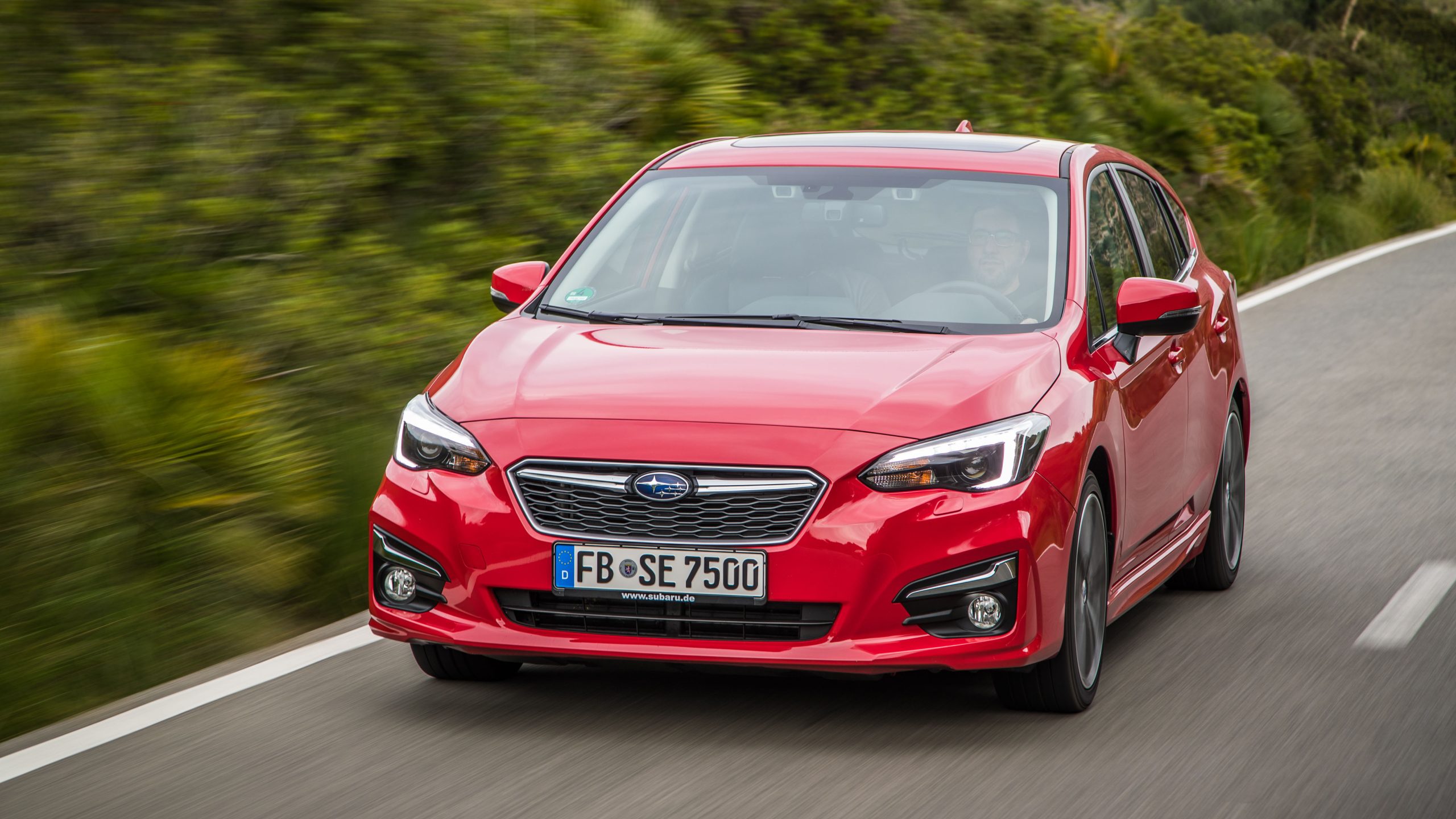
The Subaru Impreza from 1997 to 2007 offers balanced performance and cost considerations for owners who want affordable repairs.
While some Subaru models with all wheel drive require slightly more attention than simpler two wheel drive cars, the Impreza’s mechanical design from this era is not overly complex.
Parts for common wear items remain reasonably priced, and many enthusiasts have experience working on these cars, which helps reduce labor costs.
One of the advantages of this era of Impreza is the availability of robust flat four engines that are known to be durable when maintained properly.
These engines do not require exotic components, and many issues can be diagnosed earlier with basic observation of symptoms rather than extensive testing. Routine service items such as oil changes, filters, and brake fluid are not expensive to replace, and doing so regularly tends to prevent larger problems.
Transmission choices include manual and automatic options that both have decent long term reliability when treated gently and serviced on schedule.
Manual transmissions on these cars are appreciated for their mechanical simplicity, which can reduce repair complexity. Automatic versions require regular fluid changes to stay healthy, but this is a manageable expense that drivers can plan for.
Suspension components on the Impreza are shared with other Subaru models, which helps parts availability and pricing. Shocks, struts, and bushings are common items that may need replacement over the life of the car but do not usually incur high costs.
Brake systems are similarly familiar and inexpensive to maintain. These factors combine to make the typical annual repair bill reasonable when basic care is observed.
For owners who enjoy all wheel drive but also want to keep repair costs down, the Impreza from this generation is worth consideration.
Although not as inherently cheap to maintain as some two wheel drive sedans, it offers a compelling balance of capability, practicality, and manageable ownership costs for drivers who keep up with routine maintenance.
8. Mazda Protege
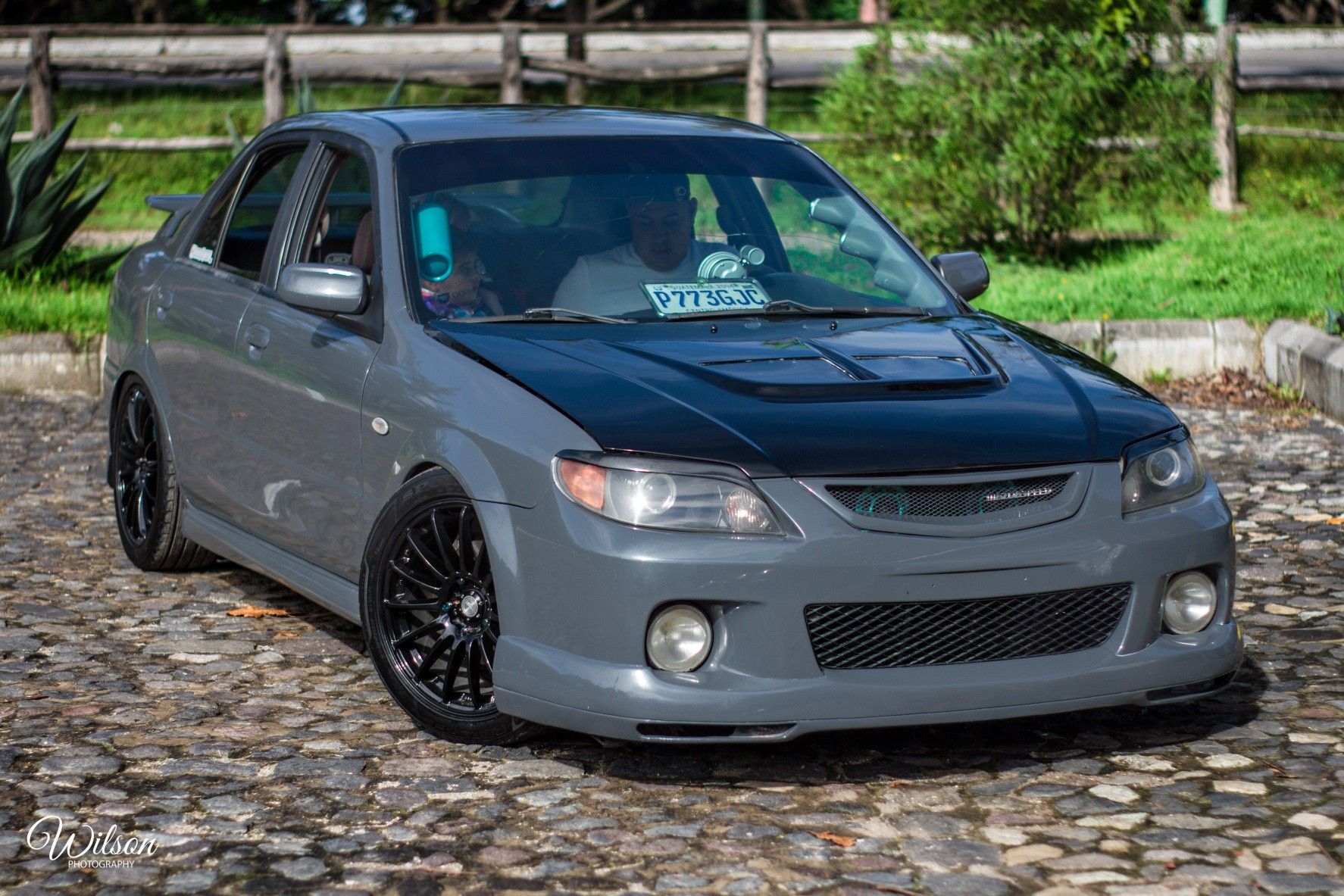
The Mazda Protege from the late 1990s and early 2000s is a solid small sedan that often goes under the radar, but its simple engineering and reliable reputation make it a good candidate for low yearly repair expenses.
These Mazdas were designed with straightforward mechanical systems, which helps keep parts costs reasonable and service work uncomplicated. Mechanics usually have familiarity with these cars, which can help reduce diagnostic time and labor charges.
Under the hood, the Protege uses a four cylinder engine known for balanced performance and durability.
It does not rely on complex technology, meaning there are fewer things that might fail unexpectedly and require costly replacement parts. This simple design extends to routine maintenance tasks, which owners frequently report are easy to handle without specialized tools or procedures.
Transmission options include manual gearboxes that shift crisply and automatic units that, when regularly serviced, remain dependable.
Neither transmission type is overly complicated, so major work tends to be predictable and affordable if service intervals are followed. Availability of used parts for transmission service is solid, further helping control costs when something eventually wears out.
Suspension and brake components on the Protege are not exotic and do not require premium parts to function well. Pads, rotors, shocks, and similar items are easy to find at low cost from aftermarket suppliers.
Body parts and interior trim pieces are also widely available, so minor repairs or replacements do not become an expensive ordeal. Owners who choose to tackle basic repairs themselves can reduce expenses even more.
The Mazda Protege from 1999 to 2003 stands as an appealing option for drivers focused on keeping repair costs low. Its blend of simple mechanical design, parts availability, and familiarity among service professionals contributes to a used sedan that can remain affordable to own and maintain over many years.
9. Hyundai Elantra
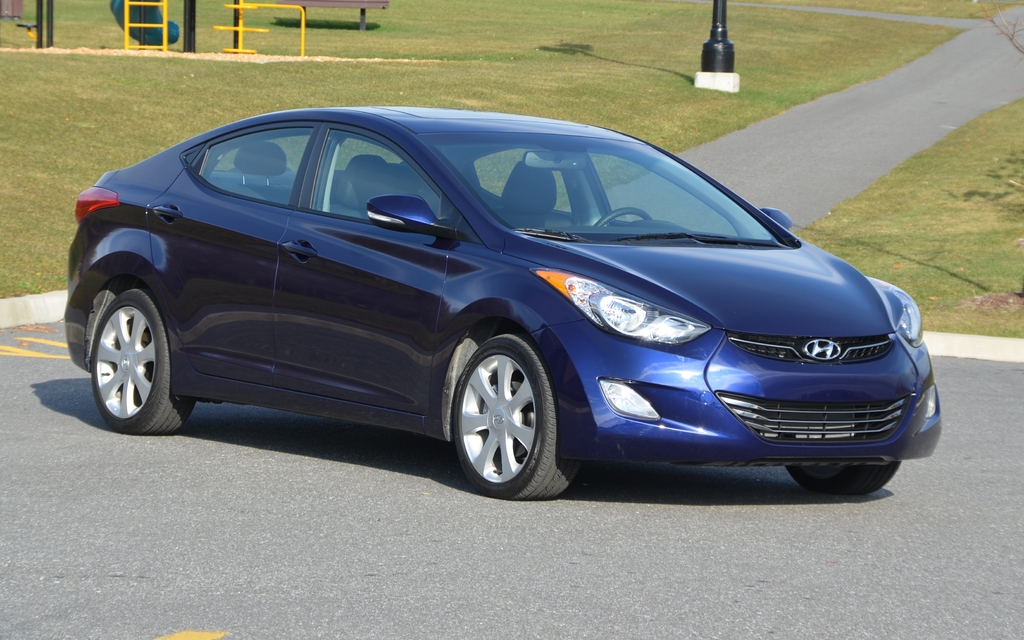
The Hyundai Elantra from the early 2000s is an example of a sedan that offers good value and manageable maintenance expenses.
Although early Hyundai models sometimes had mixed reputations, the Elantra of this period proved to be a practical choice with a straightforward mechanical layout. Parts are abundant and inexpensive, which helps in keeping annual repair costs within a low range when routine care is observed.
Engine technology in these Elantras is uncomplicated, with four cylinder engines that are designed for everyday use rather than sporty performance.
This simplicity means that if you keep up with oil changes, coolant service, and other basics, there are few surprises that spring up requiring costly intervention. Replacement parts such as belts, filters, and plugs are budget‑friendly and easy to install.
Transmission choices include both manual and automatic gearboxes that have decent track records when maintained. The automatic transmission in particular benefits from regular fluid changes, which are not costly and do much to preserve long term health.
Because the designs are not overly advanced, even independent mechanics often have experience working on them, reducing labor costs and turnaround times.
Suspension and brakes on the Elantra are comparable to other compact sedans of the era, and parts are readily available from multiple suppliers.
There is no need for expensive or rare components for routine servicing, which helps keep bills manageable when brake pads, rotors, or struts need replacing. The interior and exterior parts are similarly easy to source at reasonable prices.
For buyers who want a simple, affordable sedan that is not intimidating to maintain, the early 2000s Hyundai Elantra represents a compelling choice.
Its mechanical simplicity, broad parts availability, and solid reputation among budget‑minded owners make it possible to keep annual repair expenses low when choosing the right example and staying on top of basic care.
10. Chevrolet Malibu
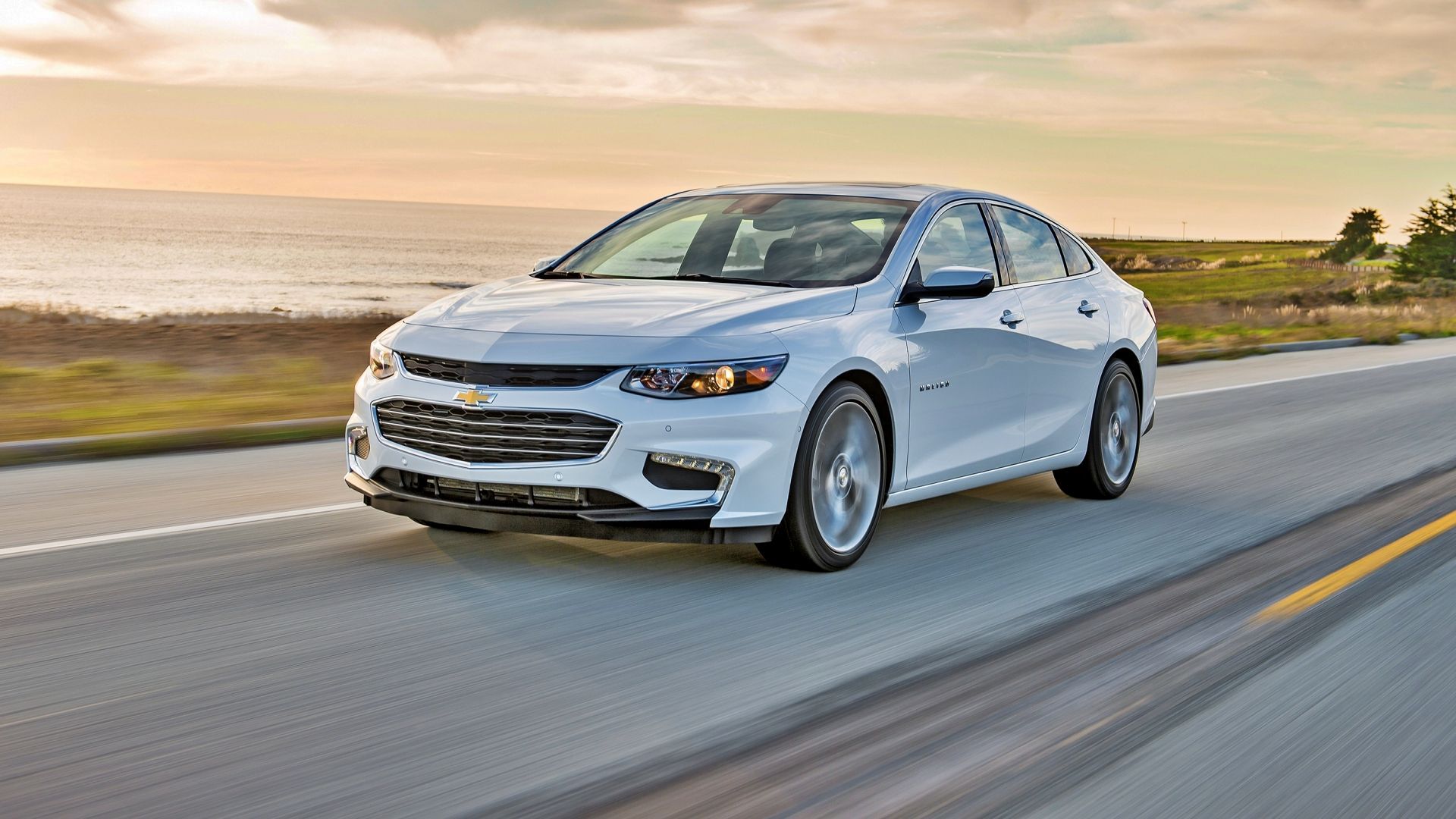
The Chevrolet Malibu from 2004 to 2008 completes this list with an American‑built sedan that can be inexpensive to maintain when chosen carefully. These Malibus are known for straightforward engineering and engines that are not overly complex.
Parts are usually easy to find, and because many of these models were sold widely, salvage yards and aftermarket suppliers often have components at low cost. This helps keep overall repair bills predictable.
Under the hood, four cylinder and V6 engine options both offer reasonable durability when not abused. Routine maintenance such as oil, filters, belts, and fluids are easy to schedule and not costly compared to more performance‑oriented vehicles.
Simple fuel injection and ignition systems avoid difficult to diagnose electronic issues, which helps keep diagnostics and labor down.
Transmission units in this generation of Malibu are designed for everyday use and do not require overly frequent major servicing.
Automatic transmissions that have been cared for can last many miles without internal repair, and if a rebuild becomes necessary, used units do not command high prices. This stability and predictability of drivetrain components helps maintain a modest repair cost profile.
Suspension and brake components on the Malibu are conventional and do not require specialized parts or tools to service. Pads, rotors, shocks, and strut mounts are widely available and affordable.
The interior is also simple, so items that wear out over time like seat trim or knobs are inexpensive to replace if needed. These factors contribute to a comfortable and practical sedan that stays reasonable to operate.
When considering a used Malibu for low repair costs, be sure to check the car’s maintenance history and look for signs of consistent care.
Avoiding examples with major accident damage or severe neglect will help ensure the vehicle remains a low‑cost companion on the road. With thoughtful selection and routine care, this Malibu can deliver dependable service without heavy repair expenses.