
Brakes are one of the most essential components of any vehicle, providing the control needed to stop safely in everyday traffic conditions. While many drivers assume that brake rotors are nearly indestructible under normal use, certain vehicles have rotors that are prone to warping even under standard driving habits.
Warped rotors can result in vibrations during braking, uneven wear on brake pads, and compromised stopping performance. Understanding which vehicles are susceptible can help drivers take preventative measures, maintain their braking systems more effectively, and reduce repair costs over time.
Some vehicles may experience rotor warping due to the combination of design choices, rotor material quality, and the weight and braking system configuration. Heavier vehicles or those with performance-oriented braking setups may be more likely to experience these issues because the rotors heat up more quickly and do not always dissipate heat efficiently.
Additionally, the driving environment, including frequent city traffic, stop-and-go situations, and occasional heavy braking, can exacerbate the risk of rotor warping. Manufacturers often design rotors with specific thickness and ventilation patterns to handle expected heat loads, but in some cases, these designs may fall short for certain models.
Owners of affected vehicles frequently report pulsation in the brake pedal or steering wheel when braking from moderate to high speeds, which is a common symptom of warped rotors. Routine maintenance, such as checking rotor thickness, ensuring proper torque on wheel lug nuts, and replacing brake pads with compatible materials, can help prolong rotor life.
Despite these precautions, some models remain particularly vulnerable due to their original equipment design. Being informed about which vehicles are prone to this issue allows consumers to make informed choices, anticipate potential problems, and adopt preventive driving habits.
While no car is guaranteed to have perfect brake performance under all conditions, recognizing patterns of rotor warping among popular models can provide valuable insight for drivers who prioritize safety and reliability.
1. Ford F-150
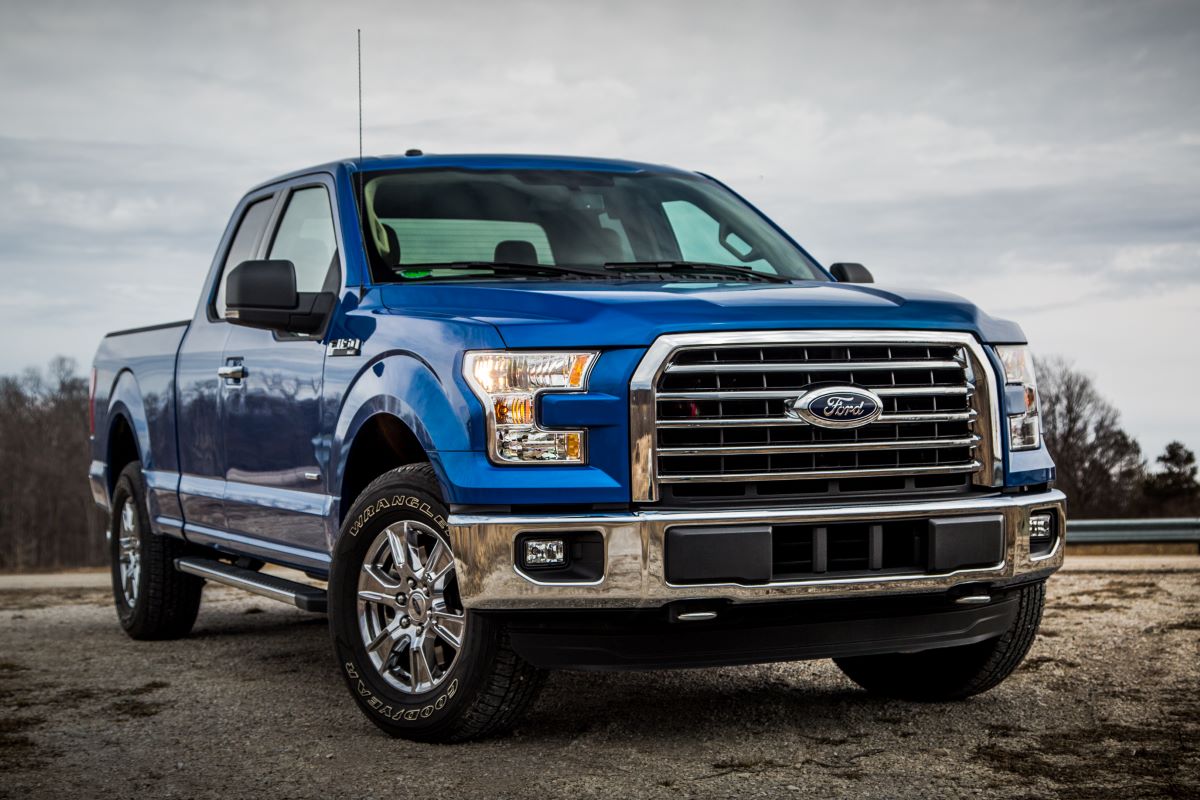
The Ford F-150 is among the most popular pickup trucks on the market, but its brake rotors have been reported to warp under regular driving conditions. Drivers frequently notice vibration in the brake pedal after extended highway use or during city traffic stops. The rotors on this model can heat unevenly due to their design and size, especially when paired with heavy loads. Some owners have found that aftermarket pads improve braking feel but do not eliminate rotor warping entirely.
Maintenance plays a critical role in extending rotor life on the F-150. Rotors should be checked for thickness regularly, and ensuring that wheels are torqued to specifications can reduce stress. Ford’s stock rotors are susceptible to uneven heat distribution, causing warping over time.
Rotors in trucks are particularly vulnerable because of the added weight of the vehicle and any cargo. Even moderate driving habits can cause the rotors to expand and contract repeatedly, leading to deformation.
Replacement rotors often come with upgraded venting or thicker designs to mitigate the issue. Some aftermarket options feature drilled or slotted surfaces to improve cooling. However, improper installation or mismatched brake pads can still lead to problems.
Drivers who frequently tow trailers or carry heavy loads may notice rotor warping sooner than others. Regular inspections, along with careful driving habits, help reduce the likelihood of rotor issues.
Owners who experience rotor warping may also notice increased brake dust or uneven wear patterns on brake pads. The vibration can affect steering and handling if left unchecked. In severe cases, the vehicle may pull slightly to one side when braking, signaling an urgent need for inspection.
Some mechanics recommend rotor resurfacing when the warping is minor, while replacement is necessary if the rotors have excessive deformation. Proper brake maintenance routines are essential for the longevity of the system.
The F-150’s rotor warping issues highlight the importance of understanding how vehicle weight and brake design interact. Not all trucks exhibit the same level of susceptibility, but this model has been cited frequently by owners. By monitoring rotor condition and adopting proactive maintenance habits, drivers can mitigate the effects and maintain a smooth braking experience. Recognizing the signs early can prevent further damage to the braking system.
2. Honda Accord
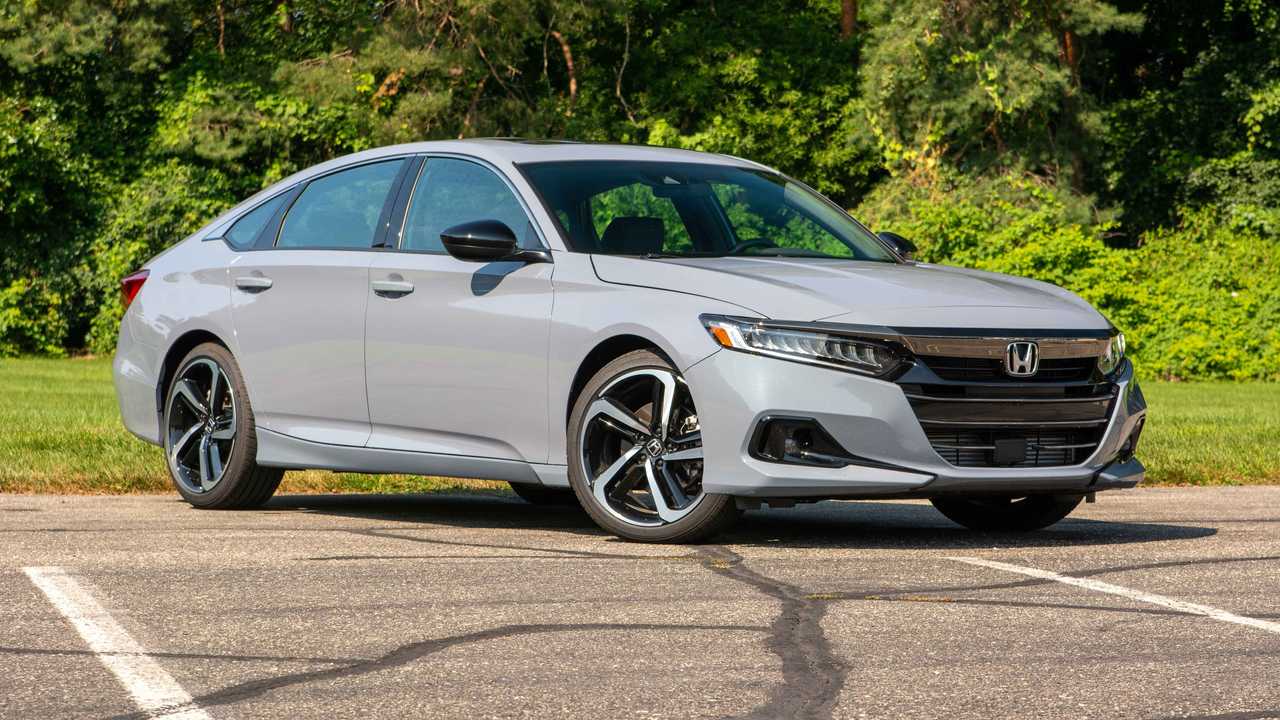
The Honda Accord is widely regarded for reliability, yet certain model years have been reported to experience warped brake rotors under typical driving. Drivers often notice a pulsation in the brake pedal at moderate speeds. This can occur even without aggressive braking because the rotors are relatively thin. Heat accumulation during city driving, with frequent stops, contributes to the issue.
The material used in some Accord rotors can exacerbate uneven expansion and contraction. While OEM rotors meet manufacturer specifications, they may not tolerate prolonged heat cycles efficiently. Brake pads play a role as well, and using harder aftermarket pads can sometimes worsen rotor warping. City drivers may encounter these symptoms more often due to repeated braking events.
Routine inspections help maintain rotor integrity on the Accord. Checking rotor thickness and replacing pads with compatible materials can extend their life. Torque specifications on wheels are also critical, as uneven clamping can distort the rotor. Even minor warping can produce noticeable vibrations that compromise driving comfort. Properly maintaining the braking system reduces the risk of serious damage.
Some drivers address the problem by upgrading to slotted or cross-drilled rotors. These designs promote better heat dissipation but can increase wear on brake pads. Rotors that are resurfaced must remain above the minimum thickness, or they may warp again quickly. Consistent monitoring is required to ensure braking performance remains smooth. Severe warping often necessitates full rotor replacement.
Despite these challenges, many Honda Accord owners maintain excellent braking performance with proper care. Being proactive about inspection schedules and pad replacements can prevent minor issues from becoming major problems. Understanding the vulnerabilities of this model allows drivers to make informed maintenance choices. The Accord demonstrates that even reliable vehicles can have subtle design weaknesses affecting brake components.
3. Chevrolet Silverado 1500
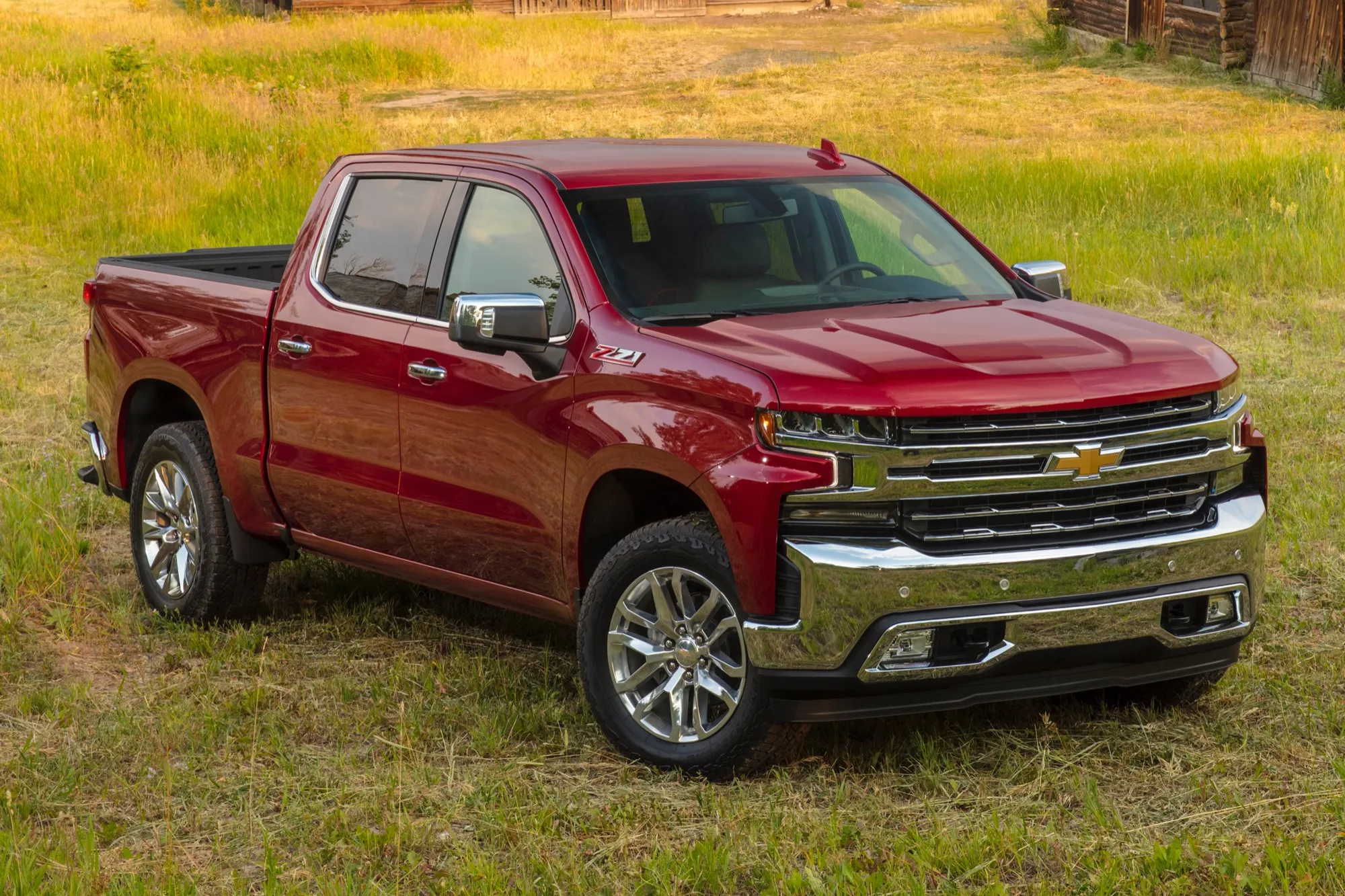
The Chevrolet Silverado 1500 is another heavy-duty pickup with reported rotor warping concerns. The stock rotors may not dissipate heat efficiently when towing or carrying cargo. Vibration during braking is a common symptom, especially during extended highway travel. Even moderate braking intensity can lead to uneven rotor wear over time. Drivers often feel pulsation in the brake pedal or steering wheel.
Rotor warping on this Silverado model is sometimes attributed to rotor thickness and material composition. Thinner rotors heat unevenly, causing expansion and contraction that leads to warping. Even daily driving without heavy loads can trigger the issue over time. Repeated braking cycles contribute to thermal stress on the rotors.
Proper maintenance can reduce the risk of rotor damage. Checking thickness, replacing pads, and adhering to torque specifications help maintain brake system integrity. Some owners upgrade to vented or slotted rotors to enhance cooling and longevity. However, mismatched pads or improper installation can accelerate wear and warping. Routine inspection is critical for long-term performance.
Aftermarket rotors with improved heat dissipation are often recommended for Silverado owners who frequently tow. These designs reduce warping and prolong rotor life. Resurfacing warped rotors is possible but must ensure minimum thickness is maintained. Severe deformation requires full replacement to restore braking efficiency. Proactive care improves both safety and comfort during braking.
The Silverado illustrates how pickup truck design impacts rotor performance. Heavy-duty vehicles face unique challenges due to weight and braking demands. Even reliable models like this one can develop issues under normal driving. Drivers who monitor rotor condition, maintain pads, and observe braking performance are less likely to experience serious problems. Understanding these vulnerabilities helps prevent costly repairs.

4. Toyota Camry
The Toyota Camry is celebrated for its reliability, yet certain 2015–2018 models have brake rotors that warp more easily than expected under everyday driving. Owners often notice vibrations through the brake pedal or slight pulsation when slowing from highway speeds.
The thin stock rotors in these models do not always distribute heat evenly, which makes them more susceptible to deformation during repeated braking. Even normal city driving with frequent stops can create enough thermal stress to cause minor warping over time.
Material quality plays a significant role in this issue. Some OEM rotors are made from lower-grade iron or lack sufficient venting to handle heat efficiently. When the brake pads press against the rotors repeatedly, the metal expands and contracts unevenly, gradually altering the rotor’s flatness.
Drivers who use harder aftermarket pads may unintentionally accelerate this process because the friction generates more heat. Even routine braking maneuvers, such as approaching traffic lights or gentle deceleration, can cumulatively affect rotor integrity over months of use.
Proper maintenance and inspection are essential to prolong rotor life on the Camry. Regularly checking rotor thickness, ensuring wheel lug nuts are torqued to specification, and replacing pads with compatible materials can prevent early warping.
Some owners find that resurfacing slightly warped rotors helps restore braking smoothness, but this solution is only temporary if the root cause, such as repeated high heat or low-quality pads, is not addressed. Failure to inspect rotors can lead to more severe vibrations and uneven brake wear over time.
Many drivers address this issue by upgrading to slotted or cross-drilled rotors, which enhance cooling and reduce the likelihood of thermal deformation. However, these designs require compatible brake pads and proper installation to avoid introducing new problems.
Excessively aggressive driving is not necessary for the stock rotors to warp; even moderate, repeated braking patterns during everyday commutes are sufficient. This makes it particularly important for Camry owners to monitor the condition of their rotors proactively.
Despite these challenges, the Toyota Camry remains a dependable vehicle when the braking system is properly maintained. Awareness of potential rotor warping allows drivers to take preventive measures and avoid costly replacements. With careful attention to rotor thickness, pad choice, and wheel torque, Camry owners can maintain smooth braking and extend the life of their brake components significantly. Observing subtle early signs of rotor wear can prevent more serious braking issues.
5. Nissan Altima
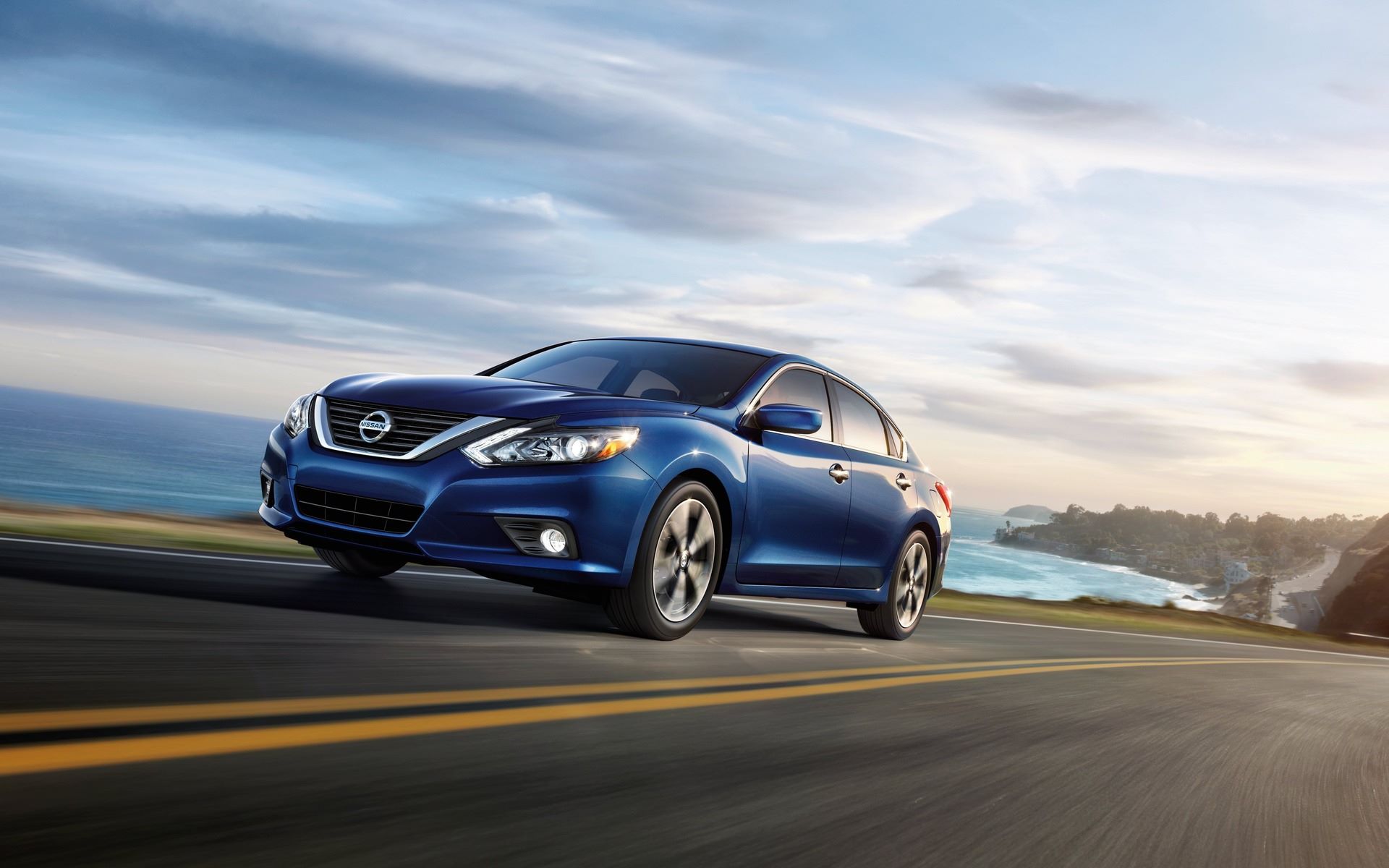
The Nissan Altima has become a popular mid-size sedan, yet some 2013–2018 models have rotors that warp under normal driving conditions. Owners report a pulsation in the brake pedal when braking from moderate speeds, particularly after extended city driving or highway stops.
The stock rotors are relatively thin and prone to uneven heating, which causes expansion and contraction cycles that gradually warp the rotor surface. Even standard commuting habits can create enough heat stress to trigger this problem over time.
Rotor material is a key factor in the Altima’s susceptibility. Factory-installed rotors may lack sufficient venting to disperse heat effectively during repeated braking cycles. The combination of thin rotors and higher-speed driving, even without heavy loads, can produce thermal stress points that eventually result in minor deformation.
Harder aftermarket pads increase friction and heat, which can accelerate warping if not carefully matched to rotor specifications. Consistent city driving, with frequent stops and starts, amplifies the risk of uneven rotor expansion.
Maintenance routines are critical for preventing or minimizing rotor warping. Checking rotor thickness, replacing pads on schedule, and ensuring wheel lug nuts are torqued correctly can extend rotor life significantly.
Resurfacing minor warping is sometimes possible, but this approach is only effective if the rotor remains above the minimum thickness. Drivers who ignore pulsation or vibration symptoms risk exacerbating rotor damage, leading to more noticeable braking problems and uneven pad wear.
Upgrading to higher-quality or vented aftermarket rotors can improve heat dissipation and reduce warping tendencies. Slotted and cross-drilled designs help maintain rotor flatness under repeated braking but require compatible pads to prevent accelerated wear.
Even careful driving cannot fully eliminate the possibility of warping, as the OEM design has inherent thermal limitations. Regular inspection and proactive replacement remain the most reliable strategies for ensuring consistent braking performance.
Understanding the Altima’s rotor characteristics helps drivers make informed maintenance decisions. Early recognition of subtle vibrations and proactive care of pads and rotors prevents small problems from turning into major issues.
While rotor warping is not catastrophic in most cases, addressing it promptly improves both comfort and safety during everyday driving. Awareness and proper care are the keys to preserving smooth, responsive braking in this model.
6. Volkswagen Passat
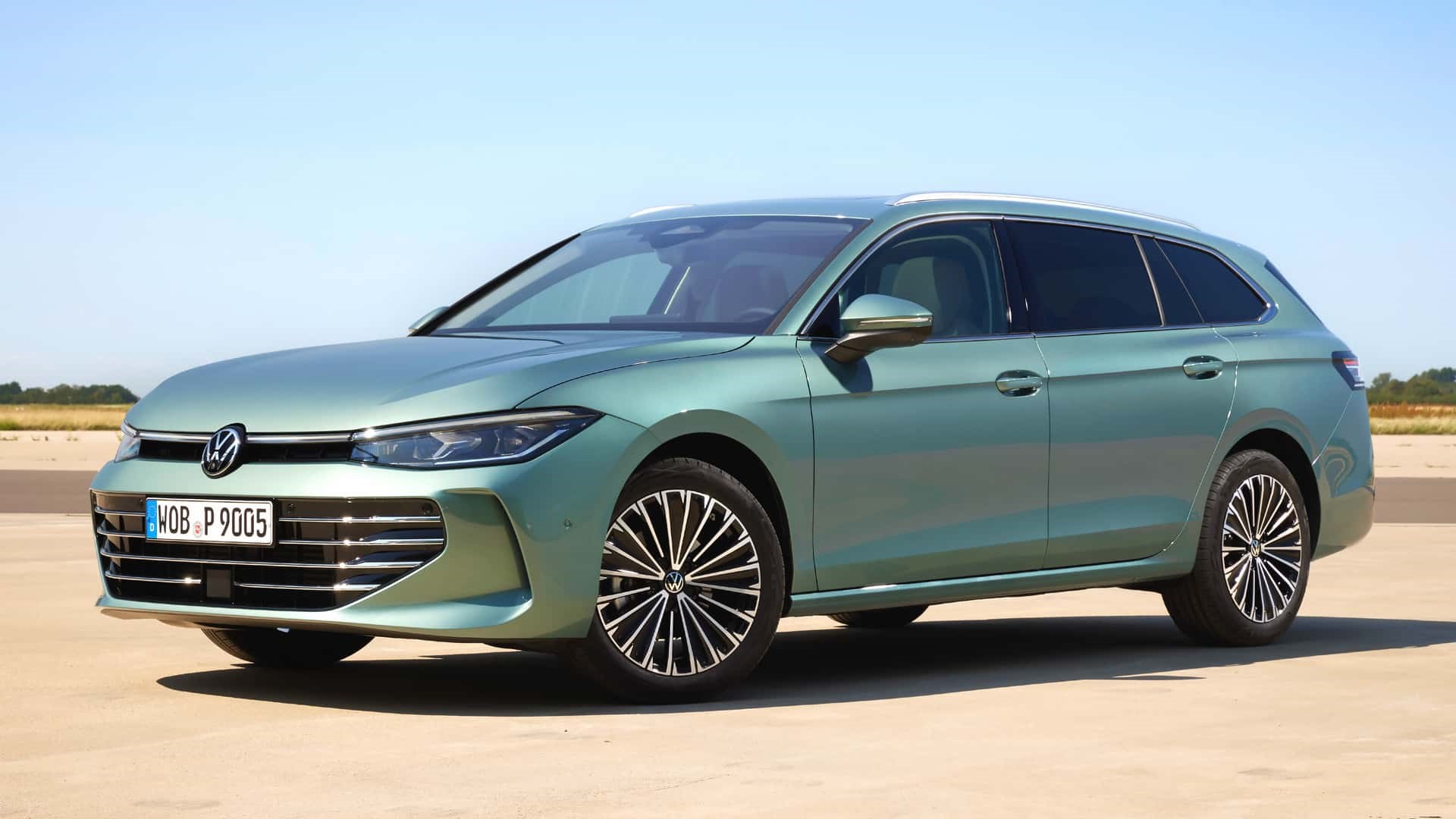
The Volkswagen Passat, especially in model years 2014–2019, is known to exhibit brake rotor warping under normal driving conditions. Drivers frequently report pulsations in the brake pedal or vibrations in the steering wheel when slowing from moderate to high speeds.
The stock rotors are often thin and can heat unevenly during repeated braking cycles, leading to gradual deformation. City driving, with frequent stops, and highway driving, with sustained high speeds, both contribute to thermal stress. Even drivers who avoid aggressive braking may notice early signs of rotor warping.
Rotor material and design affect the Passat’s vulnerability. Factory rotors may be made from lower-grade iron that does not dissipate heat efficiently. Uneven expansion and contraction during braking cycles create high-stress points on the rotor surface, eventually causing warping.
Aftermarket pads, especially harder compounds, increase heat generation and can accelerate the problem. Thermal stress is cumulative, meaning repeated braking events over months gradually affect rotor flatness.
Maintenance can reduce the risk of severe rotor warping. Regular inspections for thickness, replacement of pads with compatible materials, and adherence to proper wheel torque specifications all help extend rotor life. Some minor warping can be corrected with resurfacing, but only if the rotor remains above the minimum safe thickness. Neglecting these preventive measures may result in noticeable pulsation, uneven pad wear, and compromised braking comfort over time.
Upgrading to slotted or cross-drilled rotors is a common solution for Passat owners seeking improved cooling performance. These designs enhance heat dissipation and reduce the likelihood of uneven rotor expansion.
Correct installation and proper pad selection are critical to avoid accelerating wear or causing new issues. Even careful drivers may experience minor warping due to inherent OEM rotor limitations, making routine inspection and preventive care essential.
Recognizing the Passat’s rotor characteristics allows owners to take preventive measures before serious issues develop. Paying attention to early vibrations, maintaining brake pads, and monitoring rotor thickness ensures braking remains smooth and reliable.
While rotor warping is not unique to this model, awareness of potential vulnerabilities improves safety, comfort, and long-term maintenance outcomes. Regular care is key to maintaining consistent performance under everyday driving conditions.

7. Subaru Outback
The Subaru Outback has earned a reputation for safety and reliability, yet some 2015–2020 models have rotors that warp under normal driving conditions. Drivers often report a subtle vibration in the brake pedal when slowing from highway speeds, especially after extended city commutes.
The rotors tend to heat unevenly due to their relatively thin design and modest venting. Even standard, everyday braking without heavy loads can gradually affect rotor flatness.
Rotor material and construction play a major role in susceptibility. Stock rotors are often made from cast iron that can deform when repeatedly subjected to heat cycles. The expansion and contraction of metal during braking cause stress points, which over time lead to warping.
Owners using harder aftermarket pads may unintentionally accelerate this process, as increased friction produces more heat. Thermal stress accumulates, meaning even careful driving patterns can cause deformation over months.
Maintenance and inspection are essential to minimize rotor problems. Checking rotor thickness regularly, ensuring brake pads are compatible, and following wheel torque specifications help preserve rotor integrity.
Minor warping can sometimes be corrected with resurfacing, but this is only effective if the rotor remains above the minimum thickness. Ignoring pulsation or vibration symptoms can lead to uneven pad wear and reduced braking efficiency over time.
Some Subaru Outback owners upgrade to slotted or cross-drilled rotors to improve heat dissipation. These designs reduce the likelihood of uneven expansion, extending rotor life under repeated braking cycles. Correct pad selection and careful installation are crucial to avoid introducing new wear issues.
Despite careful driving, OEM rotor design limitations mean that proactive inspection and maintenance remain the most reliable solutions.
Understanding the Outback’s braking characteristics allows owners to take preventive steps and avoid costly rotor replacement. Paying attention to subtle vibrations and maintaining a proper inspection routine ensures braking remains smooth and reliable.
Although rotor warping is not catastrophic, addressing it early improves both driving comfort and safety. Regular care and monitoring preserve performance in everyday commuting and longer trips.

8. Hyundai Sonata
The Hyundai Sonata, particularly models from 2015–2019, is known for its smooth ride, but some owners report brake rotor warping under normal driving conditions. Vibrations in the brake pedal or steering wheel can appear when slowing from moderate speeds, often during city driving or after repeated braking on the highway.
Thin OEM rotors combined with the heat generated during regular braking make the system prone to minor deformation. Even light braking patterns repeated over weeks can create enough thermal stress to warp rotors.
Rotor construction and materials are significant contributors to this issue. Some stock rotors are manufactured with cast iron that lacks sufficient venting for even heat dissipation. Uneven expansion and contraction lead to stress points, gradually causing warping over time. Harder aftermarket pads can worsen this problem by increasing friction and heat. City drivers, who frequently stop and start, may notice vibration symptoms sooner than those who primarily drive on highways.
Proper maintenance is critical to prolong rotor life. Regularly checking rotor thickness, ensuring compatible brake pads, and maintaining correct wheel torque specifications all help prevent warping. Minor warping may be addressed with resurfacing if the rotor remains above minimum thickness, but failure to inspect rotors can lead to more noticeable braking problems. Ignoring subtle vibrations can also result in uneven pad wear and potential steering discomfort.
Many Sonata owners upgrade to vented, slotted, or cross-drilled rotors to improve cooling and reduce the likelihood of deformation.
These upgrades help rotors remain flat under repeated braking, although installation and pad compatibility must be correct to avoid accelerating wear. Even careful drivers may experience minor warping due to the limitations of OEM rotors, making consistent inspection and proactive maintenance essential.
Awareness of the Sonata’s rotor characteristics allows owners to manage brake maintenance effectively. Early detection of vibrations, paired with routine inspections and proper pad replacement, ensures braking performance remains consistent. Addressing minor warping promptly preserves both comfort and safety. Proactive care extends the life of rotors, avoiding expensive replacements and maintaining confidence during daily driving.

9. Mazda CX-5
The Mazda CX-5, particularly in model years 2016–2021, has brake rotors that may warp under normal driving conditions. Drivers commonly notice vibrations in the brake pedal during city traffic or after prolonged highway travel.
The OEM rotors are relatively thin for an SUV of this size, making them more prone to uneven heat accumulation. Even gentle braking, repeated over time, can produce enough thermal stress to slightly deform the rotors.
Rotor material and design contribute significantly to this problem. Factory-installed rotors are often made from cast iron without optimal venting, which results in uneven expansion during repeated braking cycles.
Stress points develop on the rotor surface over time, eventually causing warping. Harder aftermarket pads increase friction and heat, accelerating the process. Regular urban driving, with frequent stops and starts, can lead to earlier onset of vibration symptoms.
Routine maintenance reduces the risk of rotor warping. Checking thickness, replacing pads on schedule, and verifying proper wheel torque are essential steps. Minor rotor warping may be corrected by resurfacing if the rotor remains within safe thickness limits.
Ignoring early vibration signs can result in uneven pad wear, compromised braking performance, and an reduction in safety. Preventive inspection is critical for long-term rotor durability.
Some Mazda CX-5 owners install slotted or cross-drilled aftermarket rotors to improve heat dissipation. These upgrades maintain rotor flatness under repeated braking, but compatibility with pads and careful installation are necessary to avoid accelerated wear.
Even careful driving cannot fully prevent warping in susceptible models, so ongoing monitoring remains important. Upgrading rotors can extend life and enhance braking feel while minimizing vibration.
Understanding the CX-5’s rotor tendencies helps owners make informed maintenance decisions. Early detection of vibration, paired with proper inspections and pad management, ensures consistent braking performance.
Addressing minor warping promptly prevents more serious issues, improves comfort, and maintains safety. Routine care allows drivers to maintain a reliable braking system during everyday commuting and longer journeys.
10. BMW 3 Series
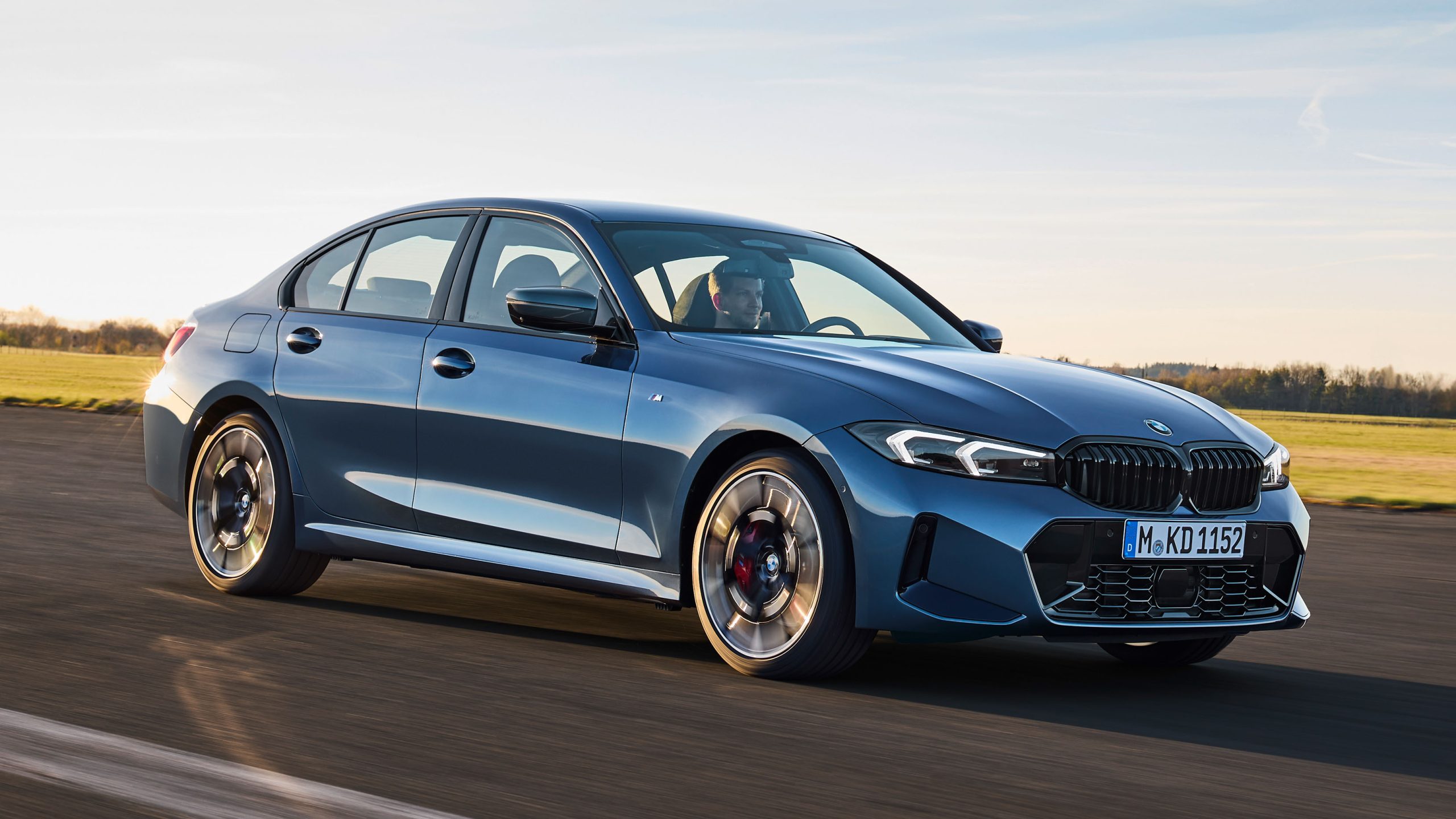
The BMW 3 Series, especially 2014–2019 models, is praised for performance, but its brake rotors are prone to warping under normal driving. Drivers often notice pedal pulsation or vibrations in the steering wheel during moderate braking.
The OEM rotors are relatively thin compared to the vehicle’s weight and braking demands, which increases susceptibility to uneven heating. Even daily commuting or gentle braking on highways can create enough thermal stress to warp rotors over time.
Rotor material and design are key contributors. Factory rotors are made from cast iron with limited venting in certain models, which leads to uneven expansion during braking cycles. Repeated heating and cooling create stress points, gradually warping the rotor surface. Harder aftermarket pads or spirited driving amplify friction and heat, accelerating deformation. Owners frequently notice vibrations after extended city driving or repeated stops at highway exits.
Proper maintenance is essential to prevent severe rotor warping. Regular inspection of rotor thickness, pad replacement with compatible materials, and adherence to proper wheel torque all help maintain rotor integrity.
Minor warping can be addressed with resurfacing if the rotor thickness remains above the minimum specification. Ignoring early signs may lead to uneven pad wear, reduced braking comfort, and a gradual decline in performance.
Some BMW owners upgrade to slotted or cross-drilled rotors to improve heat dissipation and reduce warping. These designs maintain rotor flatness under repeated braking but must be matched with suitable pads and proper installation. Even careful drivers may experience minor warping due to the design limitations of OEM rotors. Ongoing monitoring and proactive maintenance are key to preventing more serious braking issues.
Awareness of rotor vulnerabilities in the 3 Series allows owners to make informed maintenance choices. Detecting vibration early and performing routine inspections ensures braking remains consistent and safe. Addressing minor warping promptly improves comfort and preserves long-term rotor life. With careful attention, BMW 3 Series owners can maintain smooth braking performance, even under daily driving conditions.