When considering a used hybrid car, many buyers focus on fuel efficiency, safety features, and reliability. Most do not immediately think about long term maintenance costs, especially costly components unique to hybrid vehicles. Two of the most expensive parts to replace in any hybrid are the inverter and the electric motor.
The inverter acts as the brain that manages power flow between the battery, motor, and generator. When it fails, it can cost thousands of dollars to repair or replace, often rivaling the cost of engines in conventional vehicles. Hybrid motors, which convert battery energy into motion, are also costly when they fail. Over time, these parts can wear or fail due to heat, water exposure, or age.
Many hybrid owners never experience these failures, but when they happen, the cost can easily exceed what the car is worth. The economics of a used hybrid car become complex when buyers must consider potential future repairs. Unlike fuel pumps or timing belts in regular cars, inverters and motors are specialty parts with high labor costs and limited supply of affordable used replacements.
Both can take days or weeks to install while the car sits in a shop, adding to the ownership cost beyond the parts themselves. Some automakers built their hybrids with robust power electronics, while others had quality issues that now affect older models on the used market.
For a buyer seeking long term value, it matters greatly which hybrid they choose. Cars with a history of inverter or motor failure can end up costing more in repairs than they saved in fuel. That does not mean hybrids are bad vehicles, only that some models have reputations for high replacement costs.
Understanding which hybrids are expensive to maintain helps buyers make informed choices and avoid unpleasant surprises. In this article, we look at ten used hybrid models known for having high costs when inverters or electric motors need replacement. The list includes a range of makes and model years, giving readers a sense of which cars to research carefully before buying.
Each of the ten models we discuss has a documented track record of high replacement part costs when major hybrid system components fail. We describe what makes each car unique, why the parts cost so much, and the factors that contribute to expensive repairs.
This article aims to offer clarity for used car shoppers so they can weigh purchase price against future risks. By understanding these risks, buyers can negotiate better, plan for future expenses, and choose models with more manageable long term maintenance needs.
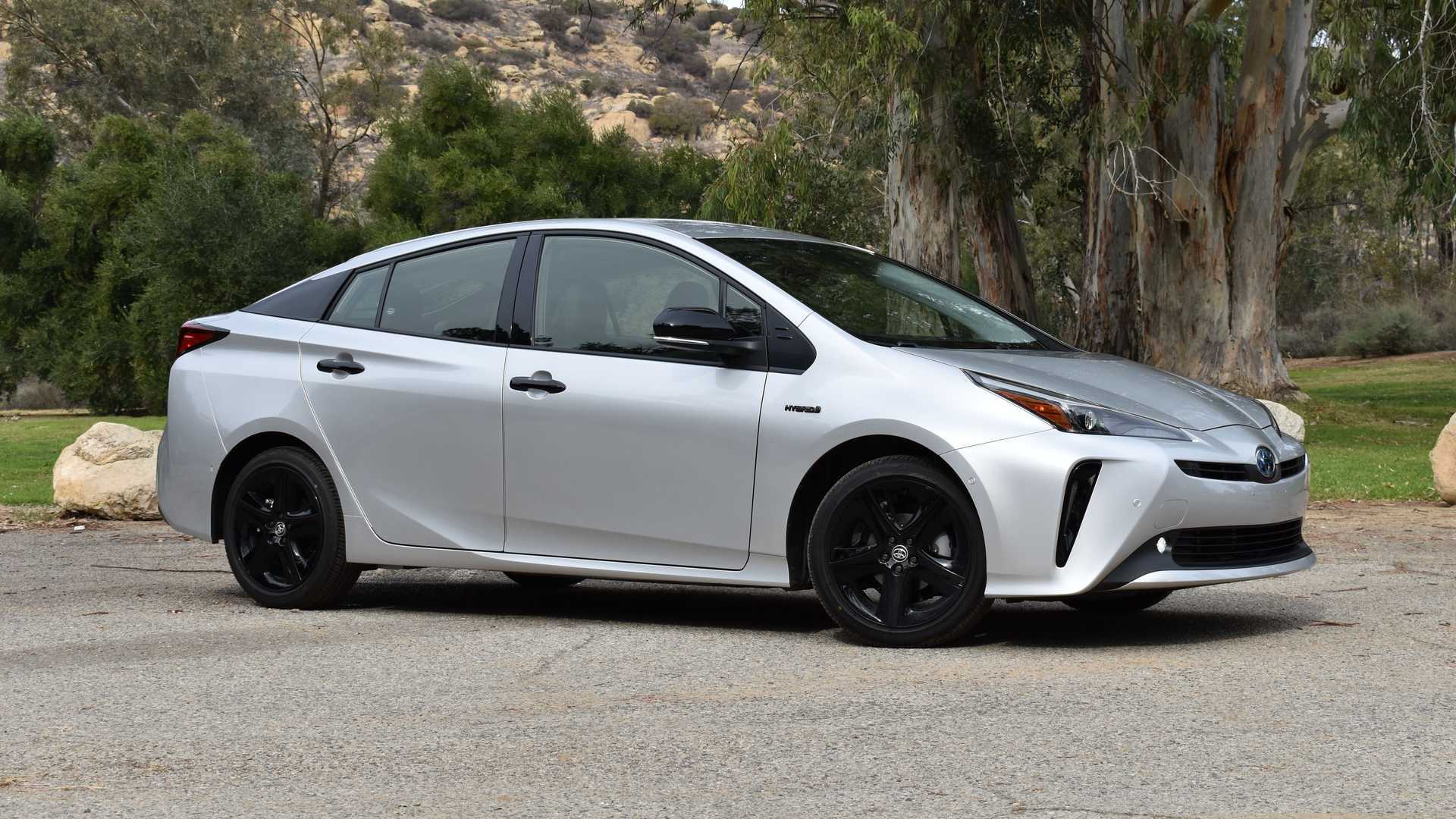
1. Toyota Prius
The second generation Toyota Prius made a huge impact on hybrid sales and remains one of the most recognizable used hybrids. It offers great fuel economy and reliability in many respects, yet it is known for costly inverter issues.
Unlike some later models, the inverter in these cars was not as robust in handling heat over many years of use. Replacement inverters can cost well into the thousands, especially if sourced new from a dealer. Labor time on this component is significant because of the complexity and packaging under the hood.
Electric motor failures are less common than inverter problems but not unheard of on high mileage examples. When the motor does fail, the part itself is expensive and typically must be ordered specially. Many shops charge premium rates for hybrid system diagnostics and repairs due to specialized training required.
Unlike standard cars, a Prius cannot simply be plugged into an OBD reader by most general mechanics. This raises the cost of finding and fixing issues related to the hybrid drive system. Buyers may find used aftermarket inverters cheaper, but quality and longevity vary.
Replacement prices for original Toyota parts are high because of limited supply and high demand for older Prius repairs. Toyota did produce many units, but second hand parts still command strong prices from resellers. Some used hybrids have inverter cooling system issues that contribute to failure if not maintained.
The combined cost of diagnostic procedures, parts, and labor often leads owners to reconsider the value of keeping the car long term. For a buyer looking at low initial price, these future expenses can mean a less economical choice.
Despite its reputation for reliability compared to many other early hybrids, the second generation Prius carries risk with aging electronics. Many owners simply continue driving without ever needing inverter work, but others find the cost to fix it significant.
Mileage, climate, and service history all play a role in predicting future problems. Prospective buyers should obtain detailed maintenance records and budget for possible inverter or motor work later. Knowing the high replacement cost ahead of time allows for smarter decision making.
In markets where labor costs are high and hybrid expertise is limited, these replacements become even more costly. Some regions have more hybrid trained mechanics, which can reduce labor cost but not necessarily parts cost. Used inverter cores may reduce cost if tested and certified, but availability varies widely.
Buyers must balance initial savings against potential repair bills. Research and inspection are crucial steps before purchasing a second generation Prius.
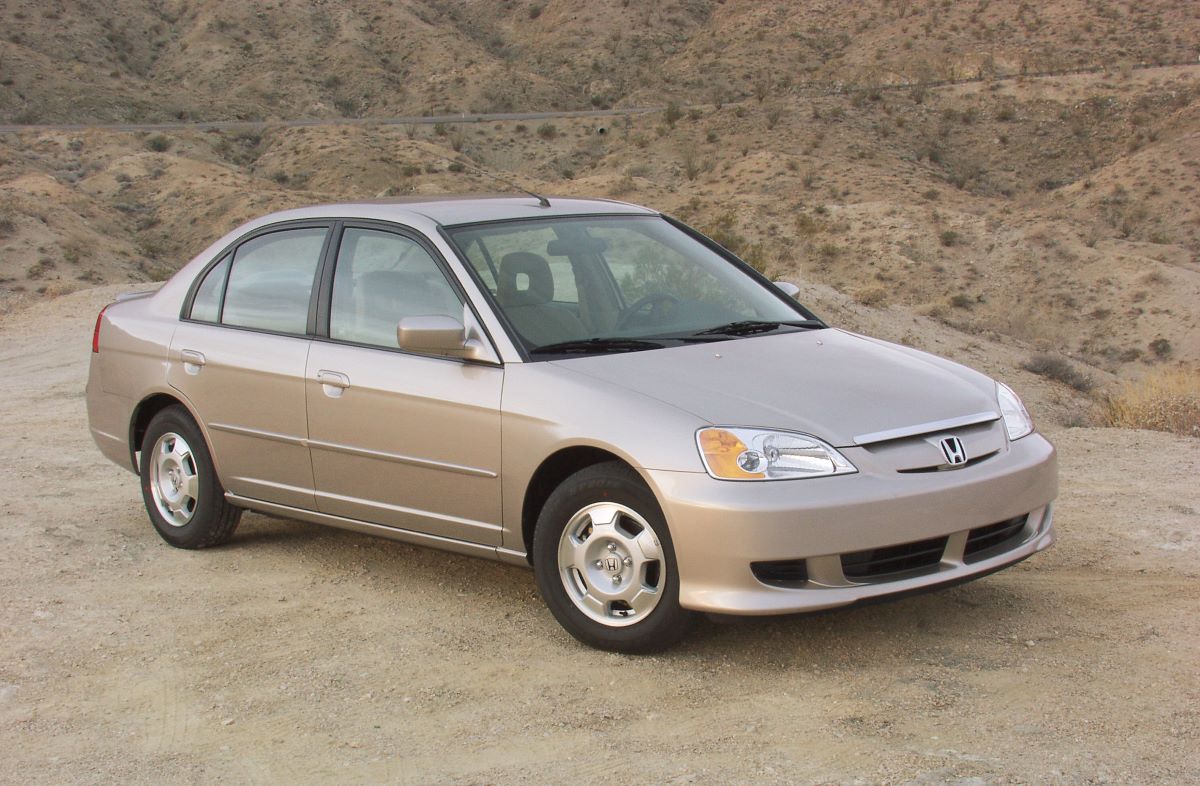
2. Honda Civic Hybrid (2003–2005)
The early Honda Civic Hybrid is one of the first non‑Toyota mainstream hybrids and holds appeal as a used option for fuel savings. However, its hybrid system components are known to have costly replacement parts for both inverter and motor assemblies.
Honda’s Integrated Motor Assist system is different from Toyota’s, yet shares similar complexity in repair. Replacement parts must often come from specialized suppliers or used parts sellers, increasing wait times and costs. Professional labor is also expensive because hybrid system repairs require specific safety precautions.
Battery related issues can sometimes be confused with inverter or motor problems, prolonging diagnosis time. Extra diagnostic hours translate into higher bills even before parts are ordered.
Inverters on these early Civics were not as durable as later iterations, leading to higher failure rates as mileage increases. The electric motor, although generally robust, can fail under heavy use or poor maintenance. When the motor fails, finding used or remanufactured cores is challenging and expensive.
Parts scarcity drives up costs because fewer of these early Civics remain in circulation compared to some other models. Enthusiasts may salvage parts, but their quality and lifespan vary greatly. Honda’s hybrid components have limited aftermarket support relative to Toyota’s, making replacements harder to source.
Purchasing a used Civic Hybrid without warranty coverage poses financial risk down the road. Hybrid system failures may deter some buyers who do not plan on long term ownership.
Owners who anticipate keeping a Civic Hybrid for many years must be prepared for these potential expenses. Regular maintenance can reduce the chance of failure but does not guarantee longevity of electronic modules.
Cooling system maintenance for the inverter is critical, yet some owners overlook it. Failure to maintain proper cooling could accelerate deterioration. A thorough pre‑purchase inspection should include hybrid system checks by a qualified technician.
The early Civic Hybrid blends excellent city fuel economy with a nimble sedan package, but carries hidden costs that few buyers consider at first. Budgeting for high replacement costs for inverters and motors helps avoid future financial strain.
Buyers may prioritize extended warranties or certified used programs that cover hybrid components. Understanding the full picture of maintenance and repair needs leads to wiser purchases.
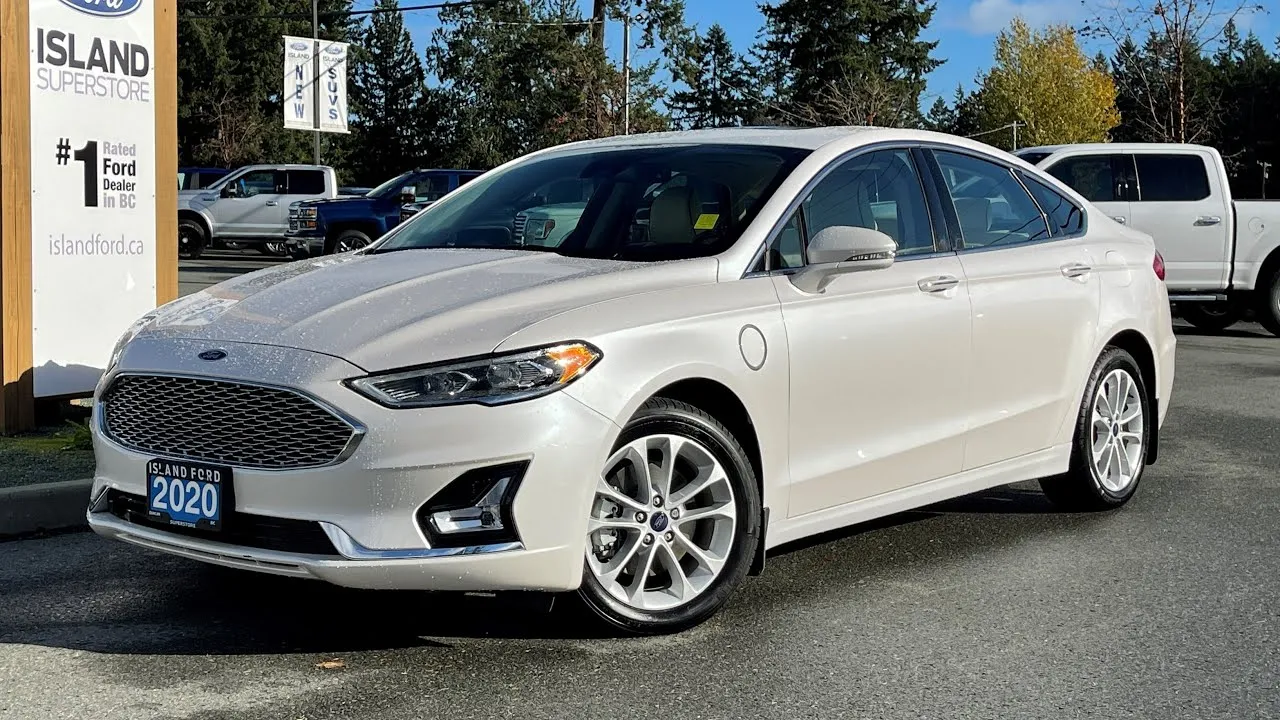
3. Ford Fusion Hybrid
The Ford Fusion Hybrid of this era offered an appealing combination of mid-size comfort and fuel efficiency, yet its hybrid components are notoriously expensive to repair. The inverter, which manages the flow of energy between the lithium-ion battery and the electric motor, is a frequent point of concern.
Replacement inverters are costly, often reaching several thousand dollars for OEM parts. Labor costs are significant because accessing the unit requires specialized knowledge and careful handling due to high voltage hazards. Many independent mechanics will not attempt this work, pushing owners toward dealership repairs.
Motor failures in the Fusion Hybrid are less common but not impossible, especially in vehicles with high mileage or those exposed to extreme climates. When the motor does fail, the part itself is expensive and rarely available as a standalone replacement.
Often, shops must source remanufactured units or purchase full assembly replacements. The combination of limited parts supply and specialized labor contributes to the high repair cost. Some owners attempt DIY solutions using aftermarket modules, but results are inconsistent and can compromise safety.
The Fusion Hybrid’s inverter cooling system is also prone to clogging or degradation over time. Insufficient cooling can accelerate inverter failure, particularly in warmer climates or for drivers who frequently experience stop-and-go traffic.
Routine maintenance, while helpful, cannot completely eliminate the risk of component failure. Dealers recommend inspection of coolant levels and system integrity, yet most used buyers overlook this requirement. This can lead to unexpected repair bills soon after purchase.
Early Ford hybrids also show signs of wear in wiring harnesses and connectors associated with the inverter and motor. Corrosion or loose connections may mimic total inverter failure, complicating diagnostics and prolonging repair time.
Diagnosing hybrid electrical issues requires advanced equipment and expertise, which few independent shops possess. This drives repair costs even higher and emphasizes the importance of pre-purchase inspection by certified hybrid technicians. Buyers who skip this step often underestimate future expenses.
Despite these challenges, the Fusion Hybrid remains a popular used option due to its style and fuel savings. Buyers must weigh the initial affordability against potential high-cost repairs of inverters or motors. Extended warranties or certified pre-owned programs can mitigate financial risk, but these programs themselves come at a premium.
Knowledgeable buyers can factor in replacement costs into negotiation, avoiding surprises and ensuring that the hybrid remains cost-effective in the long term.
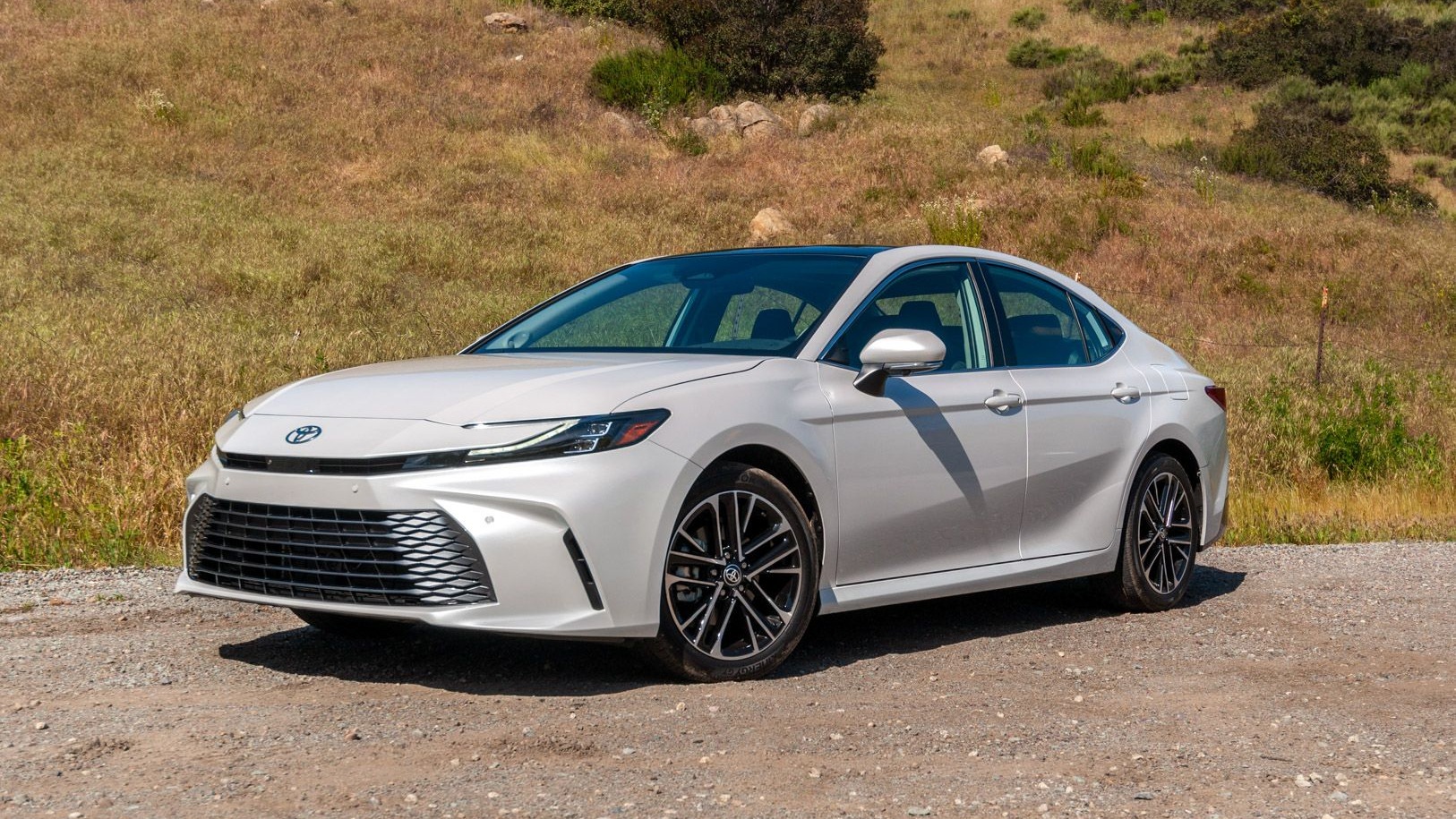
4. Toyota Camry Hybrid
The Toyota Camry Hybrid of the late 2000s is often praised for reliability, but its inverter and motor replacement costs are substantial. The inverter module is integrated with the cooling system, which makes repair more labor-intensive. Inverter failure is usually caused by overheating or age-related degradation of electronic components.
Replacement units from dealerships are expensive, and the complexity of installation adds hours of labor. Many used buyers fail to consider this hidden maintenance cost when evaluating price.
Hybrid motors in the Camry are generally robust, but high mileage or lack of proper maintenance can lead to failures. Motor replacements are challenging to source, as OEM parts are limited and remanufactured units are not always reliable. Labor costs for removal and installation are significant because of the hybrid system’s integration with the transmission. Unlike conventional cars, the motor cannot be easily swapped, and improper installation can lead to further damage.
The inverter’s cooling system is prone to corrosion or blockage if fluid changes are neglected. Over time, these issues can lead to electronic overheating and permanent inverter failure.
Routine inspection and maintenance of coolant levels are critical for long-term reliability, but many used owners overlook this step. Diagnosing hybrid component issues requires sophisticated tools, making DIY repairs largely unfeasible. This adds to the total cost of ownership.
Even with careful maintenance, replacement parts remain expensive due to limited supply. Dealership parts carry high prices, while third-party options may not offer the same longevity or warranty. Used Camry Hybrids often require inspection of inverter health and motor performance before purchase to avoid costly surprises.
Buyers who do not account for these factors may face repair bills exceeding the purchase price, undermining the economic advantage of a hybrid.
The Camry Hybrid’s balance of comfort, safety, and efficiency makes it desirable, but buyers need to understand potential pitfalls. Factoring in the likelihood of high-cost inverter or motor replacement allows more informed decisions. With careful selection, including checking maintenance history and hybrid component condition, buyers can minimize risk. However, the potential expense of these systems is always a critical consideration for older models.
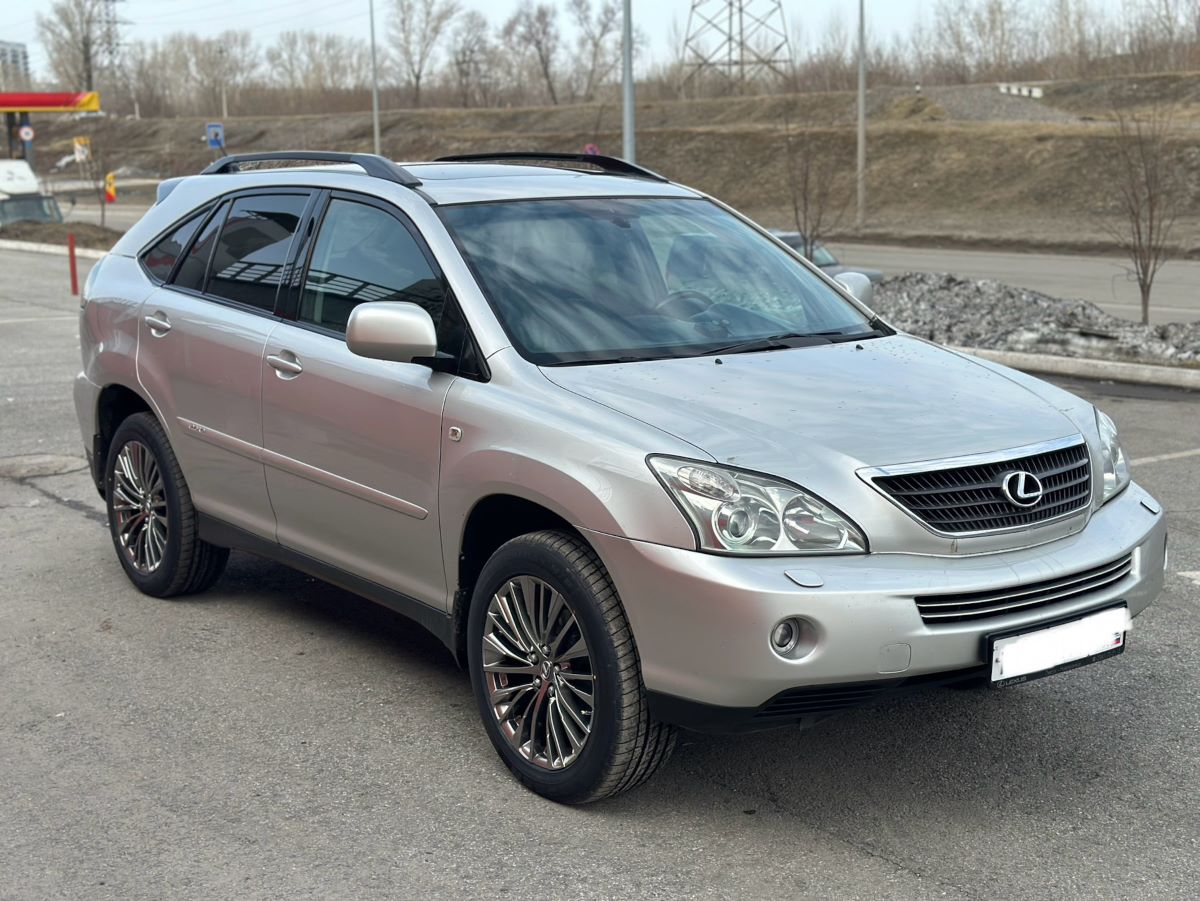
5. Lexus RX 400h
The Lexus RX 400h combines luxury and hybrid efficiency, yet its advanced hybrid system comes with high replacement costs for critical components. The inverter in this model manages complex power distribution between two electric motors and the gasoline engine.
Due to the integrated nature and luxury engineering, replacement parts are extremely expensive. OEM inverters can cost several thousand dollars, and labor is intensive because of the vehicle’s layout and sophisticated electronics.
Motor replacement in the RX 400h is rare but exceptionally costly. The dual-motor system requires precise calibration and specialized tools. Any error in installation can compromise hybrid performance and safety. Remanufactured motors are available but often carry limited warranty and uncertain longevity. The combination of cost and complexity makes repairs a significant concern for used buyers, especially those who plan to drive the vehicle extensively.
Cooling and electrical system maintenance are critical for the RX 400h. The inverter generates heat that must be managed continuously, and any neglect can lead to system failure. Owners must monitor fluid levels and ensure airflow is not blocked. Unfortunately, many used buyers are unaware of these requirements until a failure occurs. Preventative maintenance can reduce risk but cannot guarantee against costly replacement.
The RX 400h’s luxury hybrid components are tightly integrated, meaning even minor failures can necessitate significant disassembly. Electrical connectors, sensors, and hybrid wiring harnesses all add layers of complexity. This increases labor hours and total cost of repair. Finding hybrid-trained technicians familiar with Lexus models is essential to avoid improper repair or damage.
Owning an RX 400h requires acceptance of potential high repair bills. While the vehicle offers comfort, performance, and fuel efficiency, the expense of inverter or motor replacement can exceed the purchase price for older models. Buyers must plan for these risks or seek vehicles with warranty coverage that includes hybrid components. Informed ownership is key to managing long-term costs.
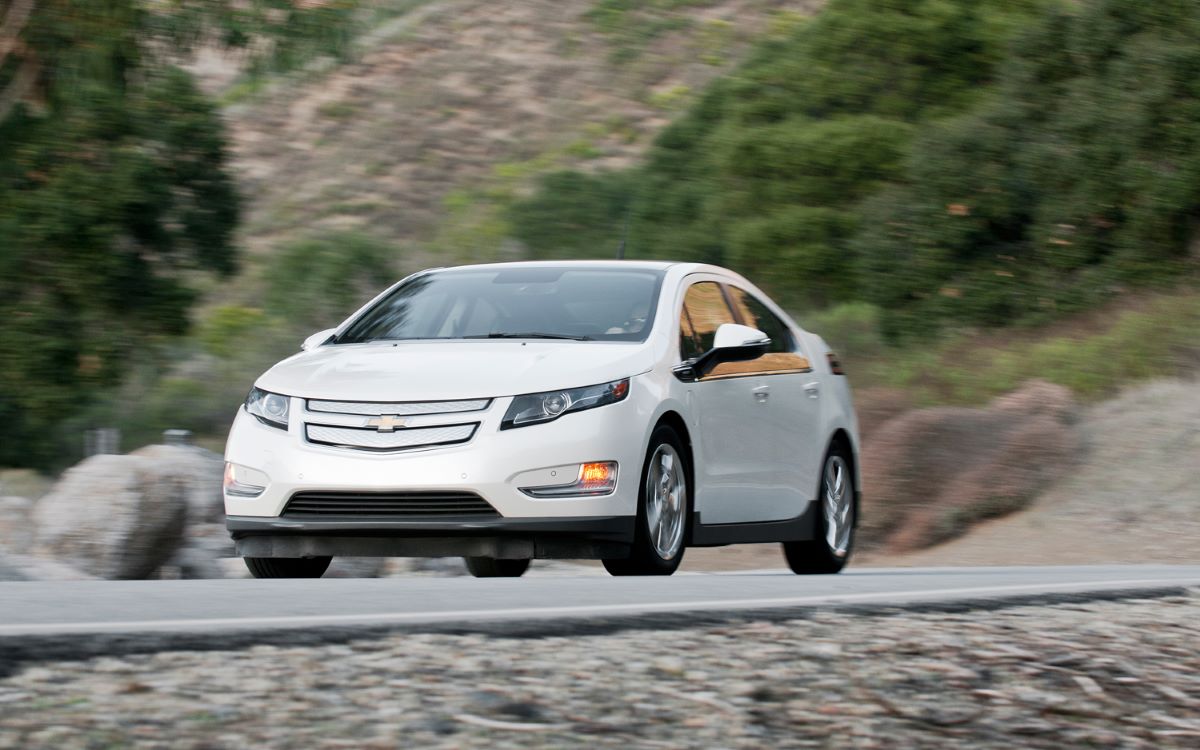
6. Chevrolet Volt
The Chevrolet Volt, as a plug-in hybrid, features a complex hybrid system that integrates a gasoline engine, electric motor, and power inverter. While the car is highly efficient, the inverter is one of the most expensive components to replace.
OEM inverters are costly, often reaching several thousand dollars, and require precise installation due to high-voltage wiring. Labor costs are elevated because technicians must follow strict safety protocols to work on the Volt’s high-voltage system. Independent mechanics may not attempt repairs, leaving dealerships as the primary service option.
The Volt’s electric motor is also costly to replace if it fails, although motor failures are less common than inverter issues. Due to the motor’s integration with the power-split transmission, replacement is a complicated process that can take several days.
Remanufactured motors are available, but availability is limited, and prices remain high. For used owners, a motor replacement can rival the vehicle’s residual value, making thorough inspection before purchase essential.
Battery-related issues can mimic inverter or motor problems, complicating diagnosis and driving up repair costs. Professional diagnostics often require specialized software, increasing labor fees. Additionally, the Volt’s hybrid cooling system requires careful maintenance to prevent overheating, which could damage the inverter. Any failure to monitor coolant levels and system performance can accelerate electronic deterioration and necessitate expensive repairs.
Used Chevrolet Volts in colder or hot climates may experience higher rates of hybrid component wear. Exposure to extreme temperatures can stress the inverter and motor, reducing lifespan. Long periods of inactivity can also affect system performance. Buyers should consider service history, mileage, and climate exposure when evaluating potential purchases, as these factors directly impact future repair costs.
Despite these potential challenges, the Volt remains a sought-after plug-in hybrid because of its low fuel consumption and smooth electric drive. However, buyers must anticipate high replacement costs for the inverter or motor, especially in vehicles over 80,000 miles.
Budgeting for such repairs ensures that ownership remains feasible and prevents unexpected financial strain. Extended warranties or certified pre-owned programs can offer additional protection for hybrid components.
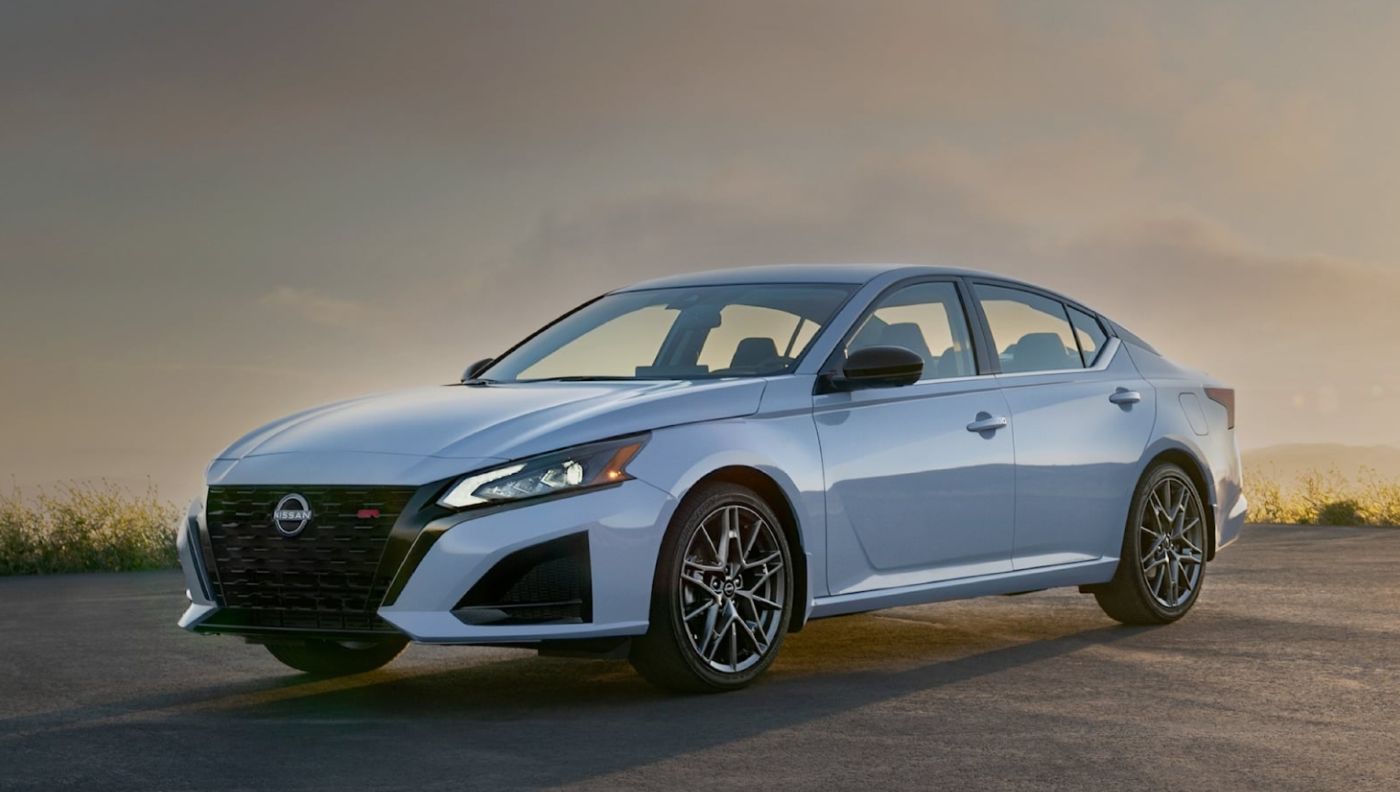
7. Nissan Altima Hybrid
The Nissan Altima Hybrid introduced a high-efficiency hybrid system but is known for expensive inverter and motor repairs. Its inverter converts energy between the battery and motor, and when it fails, replacement can cost several thousand dollars.
Labor is intensive because the inverter is integrated with the car’s engine compartment and requires specialized tools to remove. Independent shops are less likely to perform these repairs, meaning dealerships dominate service, which drives costs higher.
The Altima Hybrid’s electric motor is generally reliable, but failures do occur in high-mileage vehicles. Replacement motors are costly due to limited supply and complex installation requirements. Technicians must recalibrate the system after installation to ensure seamless operation, which adds time and expense. Remanufactured parts are sometimes available, but quality is inconsistent, and warranties are shorter than new parts.
The inverter’s cooling system is a critical point of failure. Inadequate maintenance or neglect of coolant levels can lead to overheating, electronic burnout, or permanent damage. Even routine maintenance may not prevent failure if the inverter has aged or experienced excessive heat exposure. This makes pre-purchase inspection essential for used Altima Hybrids, as repair costs are likely to be substantial if problems exist.
Electrical connections and wiring harnesses in the Altima Hybrid can also degrade over time, causing intermittent issues that mimic inverter or motor failure. Diagnosing these problems requires hybrid-specific diagnostic equipment, making repairs more expensive and time-consuming. Buyers without access to trained technicians may face unexpected and high repair bills.
The Altima Hybrid is efficient and comfortable, but high replacement costs for key hybrid components are a serious consideration for used buyers. Proper inspection, service history review, and budgeting for future inverter or motor repairs can prevent surprises. While the car offers fuel savings, these potential expenses may offset benefits if not carefully considered.

8. Hyundai Sonata Hybrid
The Hyundai Sonata Hybrid combines fuel efficiency with a mainstream sedan design, but its inverter and motor replacement costs are significant. The inverter manages energy flow between the lithium-ion battery and electric motor, and failure is expensive.
OEM replacements are costly, and labor is specialized due to the complexity of the hybrid system. Fewer independent mechanics are trained to handle these repairs, which increases service costs. Even minor errors during installation can compromise performance.
The electric motor in the Sonata Hybrid is robust but not immune to failure. Motor replacement is expensive due to limited supply and complex integration with the vehicle’s transmission. Remanufactured motors are sometimes available, but their longevity is uncertain. After replacement, the motor requires recalibration with the inverter to maintain efficiency and safety, further increasing labor costs.
Maintenance of the inverter’s cooling system is critical to preventing early failure. Blocked or degraded coolant lines can overheat the inverter, damaging expensive electronics. Hyundai recommends regular inspection and fluid replacement, but many used owners do not follow these schedules. This increases the likelihood of costly inverter replacement in older models. Regular checks can reduce risk but cannot guarantee avoidance of major repairs.
Electrical system degradation over time can create intermittent failures that appear as motor or inverter issues. Diagnosing these problems requires specialized equipment and experience with Hyundai hybrid systems. Labor costs for accurate diagnosis can be higher than the cost of parts alone, adding to total ownership expenses. Buyers often underestimate these hidden costs until repairs become unavoidable.
Despite these risks, the Sonata Hybrid is a desirable used option for fuel-conscious buyers. However, the potential high costs of inverter and motor replacement should be factored into ownership decisions. Pre-purchase inspection, extended warranty coverage, and service record verification can help mitigate financial surprises and ensure long-term reliability.

9. Mercedes-Benz S400 Hybrid
The Mercedes-Benz S400 Hybrid represents a luxury hybrid with advanced engineering but extremely high inverter and motor replacement costs. The inverter is integrated with sophisticated electronics that manage power distribution between the battery, motor, and engine.
Replacement parts are exceedingly expensive, often costing several thousand dollars, and labor is specialized due to the vehicle’s complexity. Independent shops rarely handle these repairs, forcing owners to use dealership services, which increases expense.
The electric motor in the S400 Hybrid is durable but replacement is rare and costly when needed. Mercedes parts for older models are limited in supply, and remanufactured units are often the only available option. Labor is intensive because installation requires precision alignment and system calibration. Failure to properly calibrate the motor can lead to system errors and reduced performance.
The inverter’s cooling system is a frequent concern in older S400 Hybrids. Heat stress over time can degrade electronic components, resulting in costly failure. Regular maintenance is necessary, yet the hybrid system’s complexity makes preventive servicing both difficult and expensive. Owners must monitor coolant levels and perform scheduled inspections to protect inverter longevity.
Electrical connections and sensors may fail over time, creating symptoms similar to inverter or motor problems. Diagnosing these issues requires advanced diagnostic equipment and Mercedes-specific knowledge. Labor costs alone can exceed part costs in some cases, emphasizing the importance of pre-purchase inspection. Many used buyers underestimate these hidden expenses until major repairs are required.
Owning a Mercedes-Benz S400 Hybrid offers luxury, performance, and hybrid efficiency, but buyers must accept potential high costs of inverter or motor replacement. Vehicles without comprehensive service history or extended warranty coverage carry significant risk. Proper budgeting and inspection can mitigate surprises, but owners should expect expensive maintenance when critical hybrid components fail.
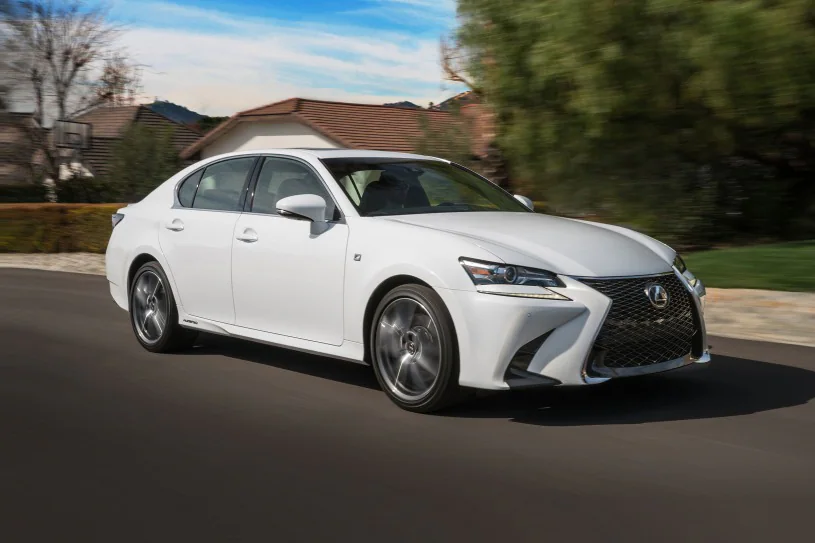
10. Lexus GS 450h
The Lexus GS 450h is a luxury hybrid sedan that combines performance with fuel efficiency, but its inverter and motor replacement costs are substantial.
The inverter is integral to the vehicle’s hybrid system, regulating energy flow between the battery and dual electric motors. OEM replacement parts are expensive, and labor is specialized because of the system’s complexity. Independent mechanics often cannot perform these repairs, leaving dealerships as the primary option.
Motor failure in the GS 450h is rare but costly when it occurs. The dual-motor system requires precise calibration and installation, making replacement both expensive and time-consuming. Remanufactured motors are available but carry uncertain longevity. Improper installation can reduce efficiency or lead to hybrid system errors, adding to costs.
The inverter cooling system is critical for long-term reliability. Neglect or degradation of coolant lines can lead to overheating and permanent electronic damage. Regular inspections and maintenance can help prevent failure, but many used owners overlook these procedures. A malfunctioning inverter can incapacitate the hybrid system entirely, creating a sudden, expensive repair need.
Hybrid system wiring and connectors in the GS 450h can also deteriorate with age, leading to intermittent errors that mimic motor or inverter failure. Proper diagnosis requires specialized equipment and hybrid expertise, which adds significant labor costs. Buyers without access to qualified technicians may face unexpected and expensive repairs if issues arise.
While the GS 450h offers a compelling mix of luxury and hybrid efficiency, potential high replacement costs for inverter and motors must be considered by buyers. Comprehensive inspection, service history review, and extended warranties are essential for mitigating risk. Understanding these potential costs ensures informed ownership and avoids financial surprises with aging hybrid technology.