
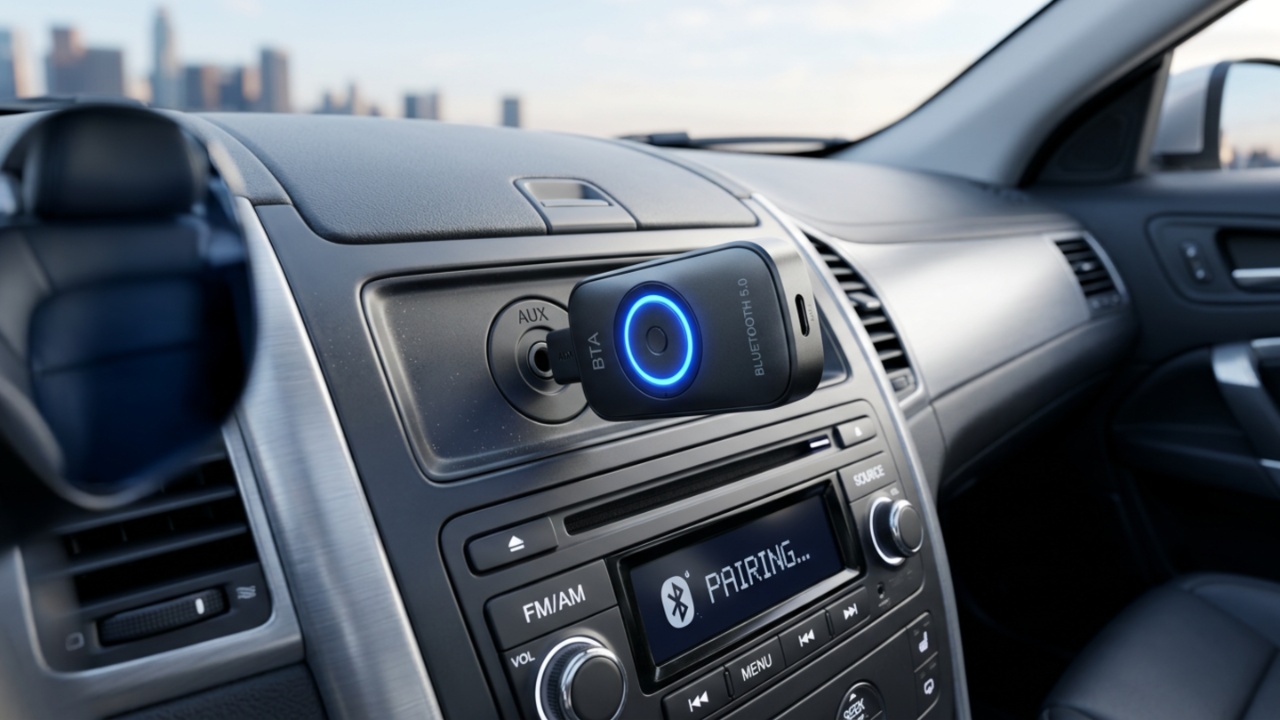
Classic cars have a timeless charm, but their vintage audio systems often struggle to keep up with modern technology. Many enthusiasts face a dilemma: upgrade to contemporary Bluetooth connectivity or preserve the car’s original dashboard and interior.
Fortunately, there are several innovative solutions that allow drivers to enjoy high-quality wireless audio without cutting, modifying, or damaging the classic dash. From hidden Bluetooth amplifiers to retro-styled head units, FM transmitters, Bluetooth cassette adapters, and factory port integration modules, each method offers a unique way to bridge the gap between nostalgia and convenience.
Whether you want a fully invisible installation, a period-correct appearance, or a simple plug-and-play option, these approaches maintain the vehicle’s authenticity while providing modern functionality. With the right setup, you can stream music, make hands-free calls, and charge devices without compromising the look or value of your vintage car.
1. The Hidden Bluetooth Amplifier: Modern Audio Without Changing Classic Style
For classic car enthusiasts who want to preserve a pristine original dashboard, the hidden Bluetooth amplifier is an excellent way to modernize the audio system. Instead of replacing the vintage head unit, a small amplifier is installed completely out of sight, usually under a seat, behind kick panels, or inside the glove box.
It connects directly to the car’s speakers, and with no physical interface, the smartphone becomes the control center. This setup maintains the factory look, leaving no visible wires, LEDs, or modifications to the dashboard.
Hidden amplifiers provide far more power than old factory radios, often producing 45 to 100 watts per channel, which makes music audible over engine noise or wind in convertibles.
Many units include a small wired remote that can be placed in the ashtray or center console for optional volume control. The system works independently of the original radio and reduces the need for complex wiring while delivering superior sound quality.
These amplifiers also support high-quality Bluetooth streaming and hands-free calling in many models. They work with both 6-volt and 24-volt electrical systems, making them versatile for classic cars, trucks, and hot rods. Hidden Bluetooth amplifiers allow enthusiasts to enjoy modern audio convenience while keeping the dashboard and interior completely original, making them an ideal solution for classic car restorations.
2. Retro-Styled “No-Cut” Head Units: Modern Technology with Classic Appeal
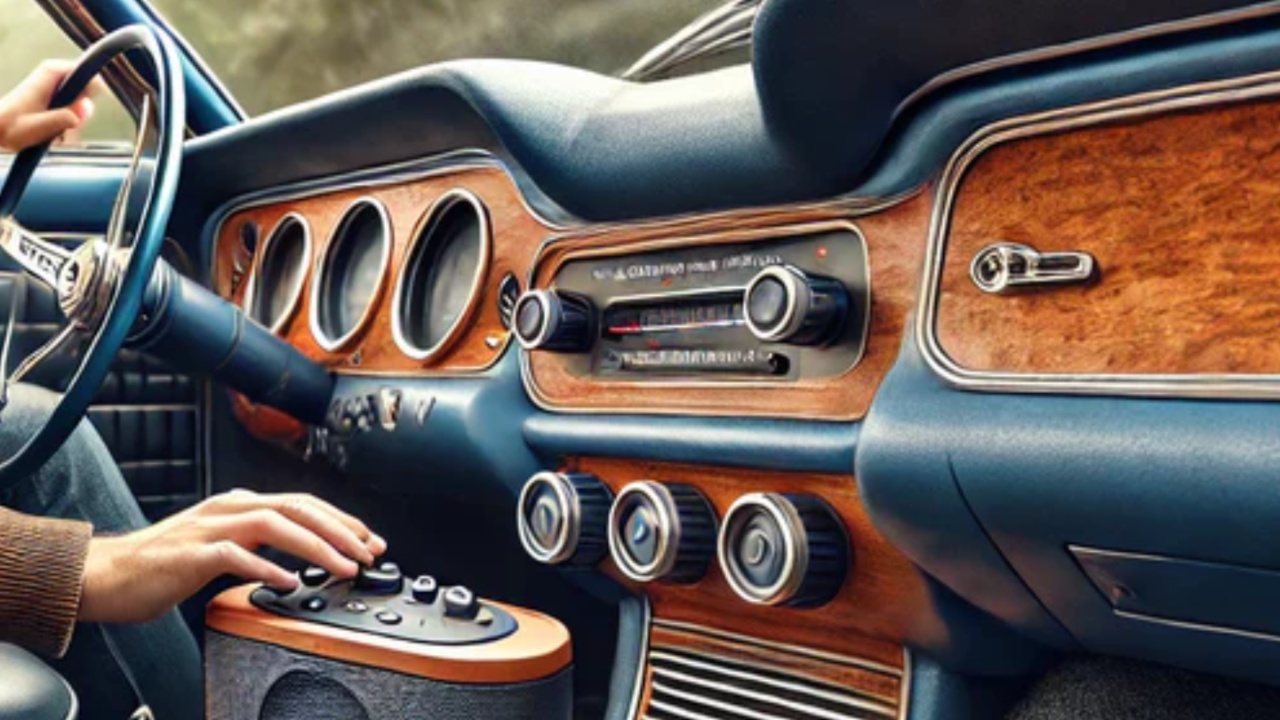
For classic car owners who want modern audio without altering the dashboard, retro-styled “no-cut” head units offer an ideal solution. Brands such as RetroSound and Custom Autosound specialize in radios that combine contemporary technology with vintage styling.
These units use adjustable modular brackets and shafts that match the original factory holes in the dash, allowing for a perfect fit in vehicles from the 1950s through the 1980s. The displays resemble old analog dials but are actually digital, providing Bluetooth streaming, hands-free calling, USB inputs, and high-power amplification, all while fitting seamlessly into the existing dash opening.
Installation is simple because the units mimic the depth and mounting style of classic radios. There is no need to cut metal or plastic to fit modern Single-DIN or Double-DIN units.
Many models allow customization of knobs and faceplates to match the car’s chrome, wood grain, or other interior finishes. This approach preserves the vehicle’s authenticity and value, which is crucial for collectors and enthusiasts who want a dashboard that looks original at car shows.
These radios provide a tactile, familiar user experience with push-buttons and dual rotary knobs instead of complex touchscreens. The modular design ensures that the unit fits the exact size and shape of the original opening, while offering all the conveniences of modern audio technology.
For true purists, some options hide the electronics in a glove box or under a seat, allowing the original radio to remain intact and non-functional while the system is controlled by a remote.
Retro-styled “no-cut” head units combine the best of both worlds by delivering modern functionality and wireless connectivity without compromising the classic aesthetic.4
They allow enthusiasts to enjoy high-quality sound and contemporary features while maintaining the period-correct appearance and integrity of their vintage dashboards. This makes them one of the most effective ways to upgrade audio in a classic car while keeping its original charm and value intact.
Also read: 5 Reasons to Invest in a Vintage Wagon vs a Traditional Muscle Car
3. FM Transmitters: The Easiest Plug-and-Play Bluetooth Solution
FM transmitters offer a simple and budget-friendly way to add modern Bluetooth functionality to a classic car. If the vehicle has a working FM radio and a 12-volt cigarette lighter or power socket, no additional installation is needed. The device plugs into the socket and pairs with a smartphone via Bluetooth.
It then broadcasts the phone’s audio over a short-range FM frequency, which the car’s original radio can tune into. Modern transmitters provide surprisingly clear sound and often include built-in microphones for hands-free calling and USB ports for charging devices, making them convenient all-in-one solutions for music, calls, and power.
The primary benefit of FM transmitters is that they require zero modification to the car’s interior. There is no cutting of the dash, no replacement of the original radio, and no running of wires. This preserves the vehicle’s original appearance and value while still providing modern functionality.
Installation is immediate: the transmitter simply plugs into the 12-volt socket, pairs with the phone, and the radio is set to an open FM frequency. Compatibility is extensive, as almost any classic car with a working FM radio can use the system. Unlike battery-powered adapters, FM transmitters draw power from the socket, ensuring reliable operation throughout a drive.
While performance can vary depending on the environment, higher-quality transmitters minimize static and improve signal clarity. Urban areas with crowded FM channels may require careful frequency selection, but the convenience and affordability of this solution make it ideal for enthusiasts who want a quick, non-invasive way to stream music or podcasts without altering the dashboard.
With prices often under thirty dollars, FM transmitters are the most accessible option for those looking to modernize audio in a vintage car while maintaining a fully original, factory-installed look.
4. Bluetooth Cassette Adapters: Modern Streaming Through Classic Tape Decks
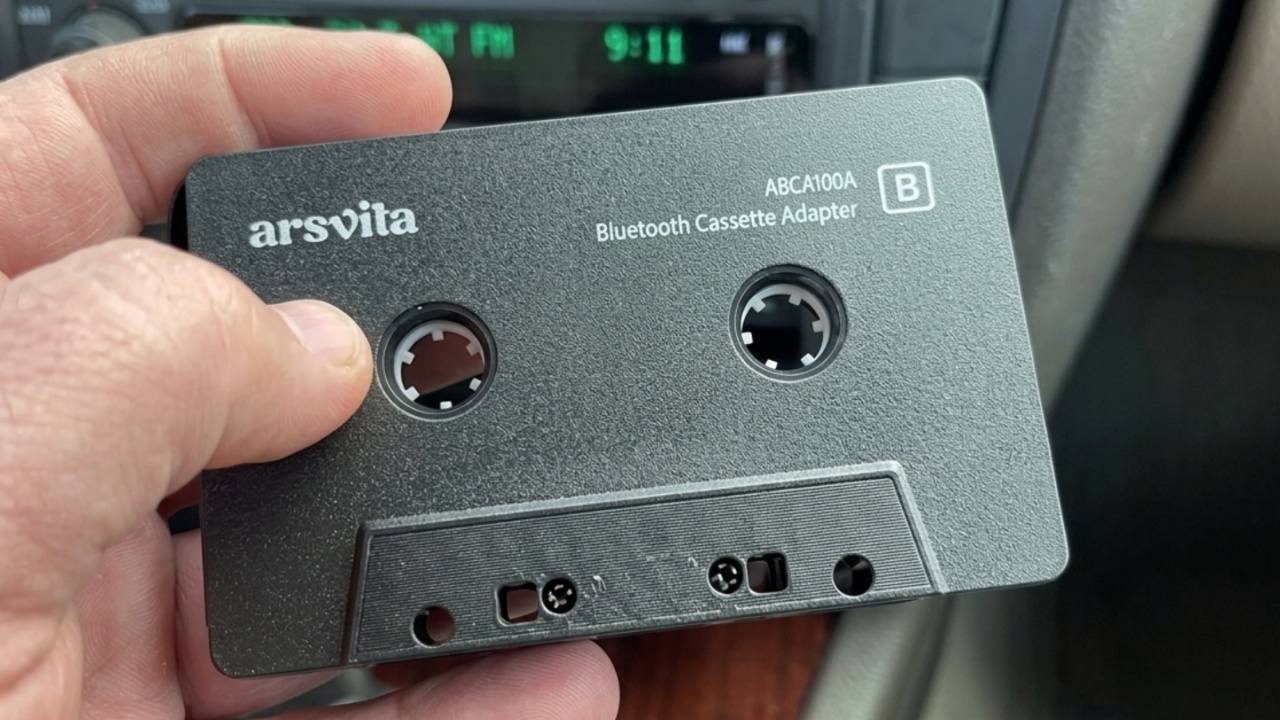
For vehicles from the 1970s through the early 2000s equipped with factory cassette decks, Bluetooth cassette adapters provide a simple and effective way to modernize the audio system while keeping the original hardware intact. These adapters look like standard plastic cassettes but contain a Bluetooth receiver and a rechargeable battery inside.
When inserted into the tape deck, the adapter tricks the player into thinking a tape is playing while wirelessly receiving audio from a smartphone. This allows the car’s existing volume and tone controls to remain fully functional, offering a nostalgic, tactile experience that bridges vintage hardware and modern technology. When not in use, the adapter can be removed, leaving the dashboard completely original.
The main advantage of Bluetooth cassette adapters is that they require no structural modifications. Unlike replacing a head unit, there is no need to cut the dashboard or rewire the car, preserving the vehicle’s aesthetic and value. Installation is plug-and-play and typically inexpensive, often costing less than twenty dollars.
Compared with FM transmitters, cassette adapters provide superior and more stable audio because they transmit directly through the tape head rather than relying on radio frequencies that can be prone to interference. Many modern adapters connect automatically to phones and include built-in microphones for hands-free calling, while rechargeable batteries eliminate the need for wires during playback.
For best performance, the tape head should be kept clean, heat exposure should be minimized, and compatibility with auto-reverse decks should be checked. While the sound quality may not perfectly replicate a real tape, it is generally more reliable and consistent than FM alternatives. Bluetooth cassette adapters offer a low-cost, non-invasive, and user-friendly solution for enthusiasts who want modern audio streaming while maintaining the original look and feel of a classic car’s interior.
5. Factory Port Integration Modules: High-Fidelity Bluetooth for Classic Cars
For classic cars from the 1990s and early 2000s that have pre-wired ports on the back of the radio for CD changers or satellite receivers, factory port integration modules offer a seamless way to add modern Bluetooth functionality. Companies such as GROM Audio and USA Spec produce small interface boxes that plug directly into these factory ports.
The car’s computer detects the module as a standard CD changer, but it actually functions as a Bluetooth gateway. This approach allows the original premium sound system to remain intact, preserving both the vehicle’s aesthetics and value.
Unlike FM transmitters or cassette adapters, these modules provide a high-quality digital audio signal. By connecting directly to the radio’s internal circuits, such as CD changer or auxiliary inputs, they deliver CD-quality sound free from interference, static, or alternator whine.
Many modules integrate with existing factory controls, allowing steering wheel buttons or radio seek buttons to skip tracks on a paired iPhone or Android device. Hands-free calling is also possible through a small built-in microphone, routing phone audio through the original speakers. The system often automatically switches to Bluetooth when audio is played, creating a fully modern experience while retaining classic hardware.
Installation is straightforward and vehicle-specific. The modules typically use T-harnesses that plug into the factory radio, eliminating the need for cutting, splicing, or modifying the dashboard panels.
Because they draw power from the car’s accessory 12-volt system, they turn on and off with the vehicle and do not drain the battery. The unit can be discreetly hidden behind the dashboard or in the glovebox, leaving the interior completely stock-looking.
Factory port integration modules combine the best of both worlds by maintaining the original radio and dashboard appearance while adding modern Bluetooth convenience. They provide superior sound quality, hands-free functionality, and seamless integration, making them one of the most effective solutions for updating a “youngtimer” classic without compromising its authentic look or value.
Adding Bluetooth to a classic car no longer means sacrificing originality or spending hours on complex installations. Hidden amplifiers deliver powerful, invisible audio upgrades, while retro-styled head units combine modern features with period-correct aesthetics.
FM transmitters and Bluetooth cassette adapters provide quick, budget-friendly solutions for vehicles with working radios or tape decks. For owners of 1990s-era “youngtimer” classics, factory port integration modules offer high-fidelity digital audio while retaining the factory stereo and dashboard appearance.
Each method preserves the car’s value, interior integrity, and nostalgic feel while allowing drivers to enjoy today’s streaming music, hands-free calling, and wireless convenience. With these five approaches, enthusiasts can modernize their audio systems in a way that respects the vehicle’s heritage, creating a perfect blend of classic charm and contemporary technology without ever cutting the dash.
Also read: 10 Reasons Why Your Timing Belt Replacement Cannot Be Delayed Another Day
