
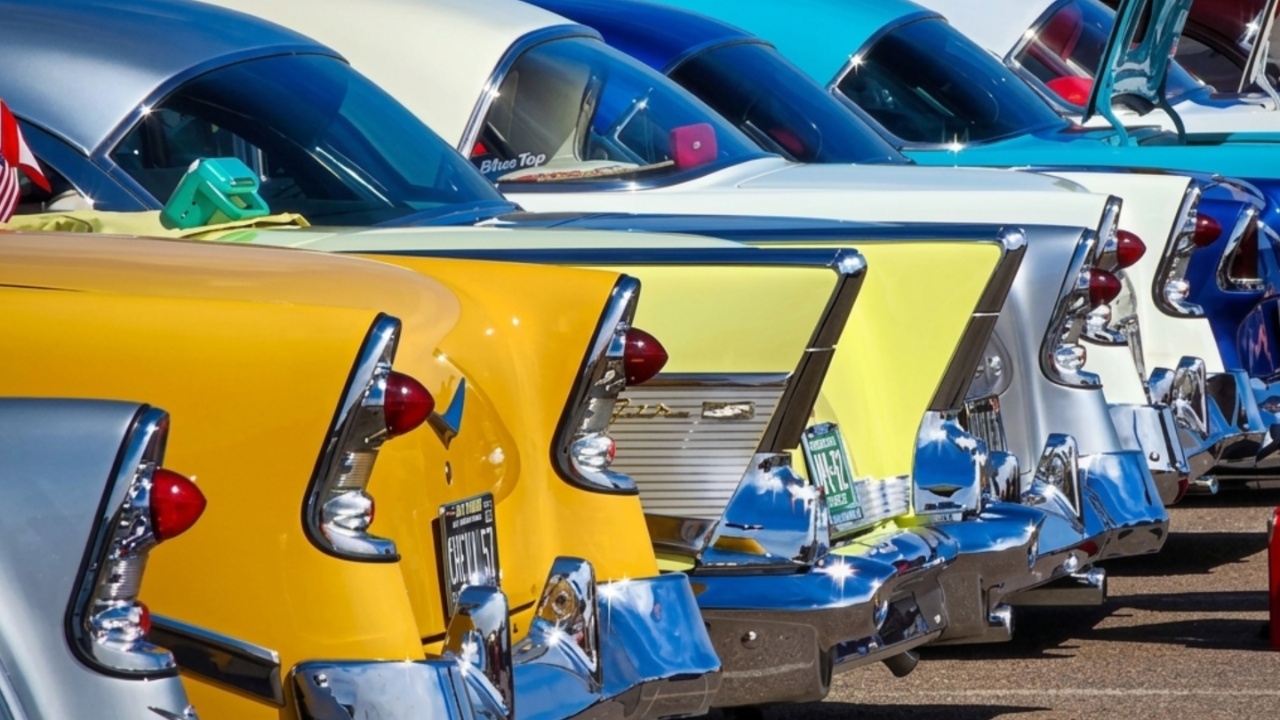
Finding a rust-free classic car in the US Southwest requires careful planning and knowledge. The region’s arid climate preserves structural metal in ways northern or coastal states cannot, but buyers must remain cautious to avoid hidden corrosion, sun-damaged panels, and vehicles transplanted from humid or snowy regions.
Targeting “sand, not salt” states such as Arizona, New Mexico, and Nevada, avoiding coastal and flood-prone areas, and inspecting sandblasted undersides, dust-filled cavities, and sun-facing metal are all essential steps.
Verifying provenance and checking local classifieds and neighborhoods can reveal authentic long-term stored vehicles that retain their original condition. By following these strategies, collectors increase the likelihood of finding cars that are genuinely rust-free, structurally sound, and full of investment potential while minimizing costly surprises.
1. Target “Sand, Not Salt” States for Rust-Free Cars
When looking for rust-free vehicles, focus on the “Sand, Not Salt” regions of the United States, mainly Arizona, New Mexico, Nevada, and West Texas. Unlike northern states that use chemical de-icers and salt brines on roads, these arid areas rely on gravel or crushed volcanic cinders to provide traction during rare winter weather.
This difference is important because salt causes steel to corrode from the inside, while sand and gravel only create minor surface scratches without affecting structural integrity.
High-desert cities such as Phoenix, Albuquerque, and El Paso are especially favorable because their low humidity prevents the formation of rust. Vehicles that have spent their entire lives in these climates rarely develop the severe rust that can destroy frames, floor pans, and body panels in snowy regions.
Southwestern states offer three major advantages. First, roads are free of salt. Second, rainfall is minimal. Third, dry conditions keep metal stable over decades. While desert cars may have sun-damaged paint or dry-rotted rubber, the steel underneath usually remains solid.
The “Sand, Not Salt” concept helps buyers prioritize cars from dry environments to avoid costly corrosion. Targeting vehicles from these regions increases the chance of finding clean, structurally sound, and more valuable classic cars.
2. Avoid Coastal and Flood Zones to Prevent Rust
Not all vehicles from Texas or California are rust-free. Coastal cities such as Houston, Corpus Christi, and San Diego expose cars to salt-laden air, which can cause “top-down” corrosion in areas like window channels and rain gutters.
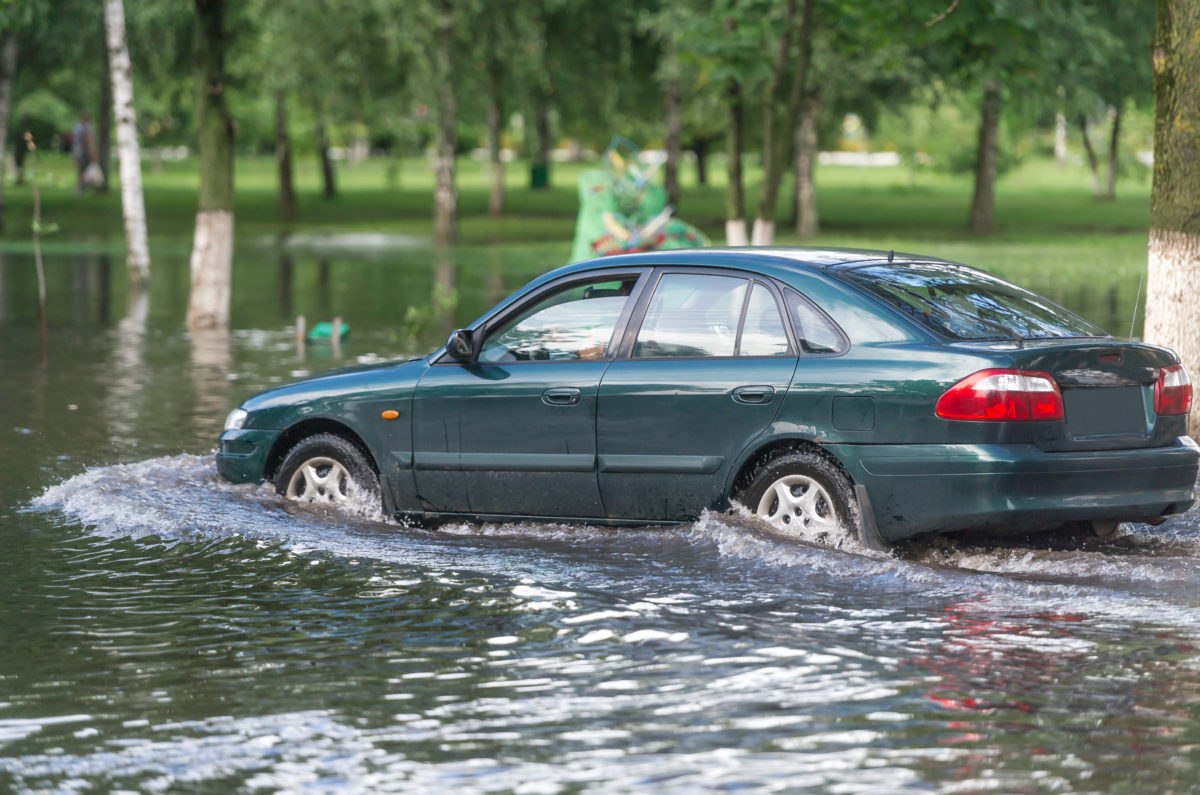
Even inland Southwest vehicles can be affected by flash flooding, leaving hidden damage. Signs such as a “silt line” inside the trunk or behind kick panels can indicate previous submersion. Cars that appear dry may still have rot trapped in boxed frames or rocker panels.
Avoiding coastal and flood-prone areas is critical because salt fog and high humidity accelerate corrosion, negating the desert climate’s natural rust protection. Salt carried by wind settles on vehicles, attracting moisture and triggering rapid oxidation even if the car never directly touches seawater. Coastal humidity provides the moisture necessary for rust to form, unlike the arid, low-humidity inland regions.
Flood zones pose additional risks. Cars in low-lying areas near the coast can experience saltwater flooding or persistent moisture in the undercarriage, leading to severe rust in hidden spots. These conditions make vehicles structurally unsafe and reduce long-term value.
The contrast is clear: the inland Southwest, with cities like Phoenix, Arizona or Albuquerque, New Mexico, offers dry air and minimal moisture exposure. Coastal and flood-prone regions expose vehicles to corrosive salt and high humidity, quickly degrading metal.
For collectors or buyers seeking rust-free classic cars, prioritizing inland desert locations over coastal areas ensures cleaner, structurally sound vehicles and preserves their long-term value.
3. Check for Sandblasted Undersides
Even in the dry Southwest, rust-free cars can face another threat: the natural abrasion caused by road grit and gravel. Over decades, this constant bombardment acts like a sandblaster, stripping away factory paint and undercoating, especially along the leading edges of frame rails and floor pans.
While the underlying metal may remain solid due to the arid climate, it becomes highly vulnerable to corrosion if the vehicle is moved to a more humid environment. Applying a high-quality rust inhibitor or epoxy primer is essential to prevent rapid “flash rust” once the car leaves the desert.
Inspecting sandblasted or freshly cleaned undersides is a top strategy for verifying a Southwest classic car’s structural integrity. A stripped or painted undercarriage provides a clear view of the original metal, making it easy to confirm the absence of pitting, deep scale rust, or hidden decay.
This transparency also helps identify vehicles that may have been misrepresented as desert cars, revealing any rust-belt fakes that hide corrosion under fresh undercoating.
Additionally, a clean undercarriage exposes past damage, including hidden weld repairs or filler on the floor pans and frame. It also creates the perfect surface for applying long-lasting protective coatings such as epoxy or wax, ensuring no moisture becomes trapped and prolonging the metal’s durability.
For collectors and buyers, verifying a sandblasted or well-prepared underside is one of the most reliable ways to ensure a classic car is structurally solid, genuinely rust-free, and ready for long-term preservation, even in climates outside the desert.
4. Beware of Dust Rust in Cavities
Desert dust is more than just surface dirt. It is a fine, alkaline silt that penetrates every crevice of a vehicle, including door bottoms, cowl vents, and quarter panels. This dust acts like a sponge, trapping moisture whenever the car is washed or exposed to rare rain.
Because these internal areas have little to no airflow, the metal can corrode from the inside out while the exterior paint remains flawless. Using a borescope camera to inspect inside rocker panels, floor pans, and cowl areas can reveal damp, muddy deposits that indicate active internal rust.
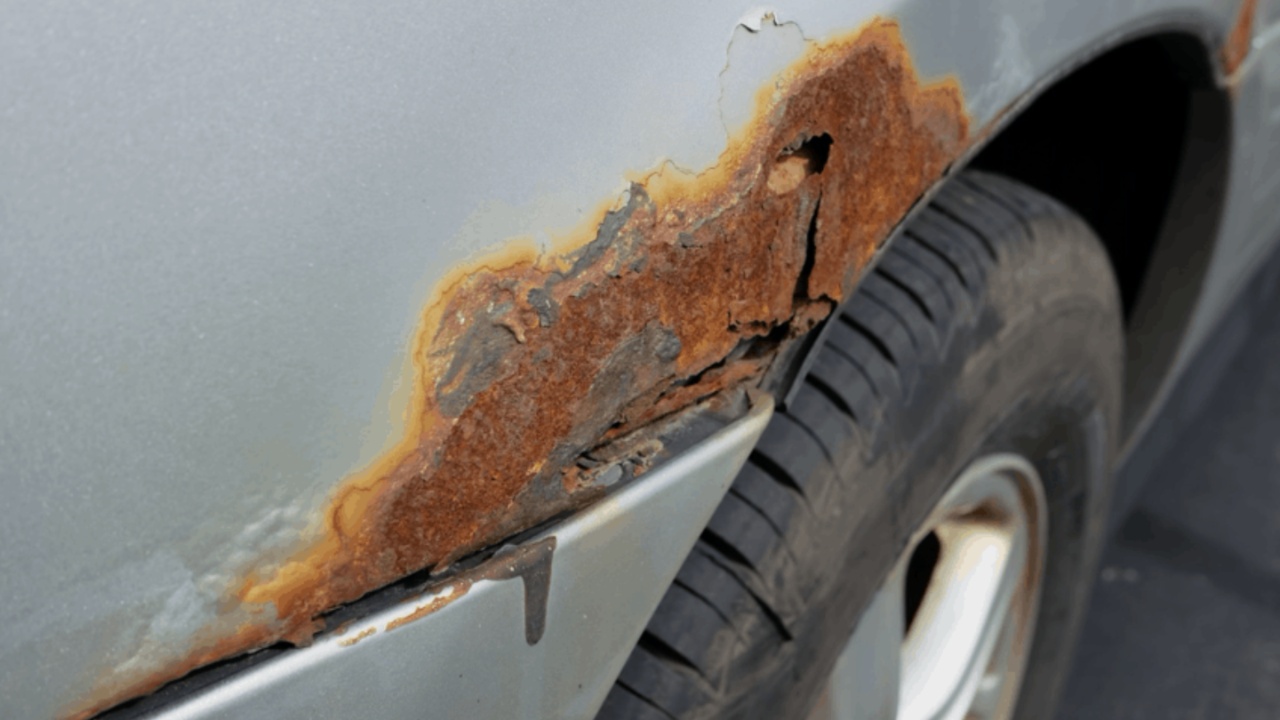
“Dust rust” is a hidden threat unique to Southwest classic cars. While the dry desert preserves external metal from structural rust, accumulated silt creates a highly corrosive slurry that persists in enclosed cavities. This trapped moisture allows corrosion to progress unnoticed, causing deep rust in critical structural components despite the car’s outwardly perfect appearance.
Southwest vehicles are often prized for their solid-looking sheet metal, but true damage can be deceptive. The fine dust ensures moisture remains against internal surfaces far longer than in wet climates, creating a persistent environment for rust. Hidden structural failure may exist within rocker panels, floor pans, and other enclosed cavities, undermining the vehicle’s integrity.
To prevent costly surprises, thorough inspections of these hard-to-reach areas are essential. Detecting dust rust early allows collectors and buyers to address corrosion before it compromises the car’s structure, ensuring that a Southwest classic car is genuinely rust-free both inside and out.
Also read: 5 Cars With Simple Interiors That Age Well vs 5 With Too Much Fragile Plastic
5. Budget for a Total Interior Restoration
While the dry Southwest preserves metal, it also accelerates the deterioration of a vehicle’s interior. Buyers should expect “sun-baked” dashboards that are cracked like dry lakebeds and upholstery so brittle it can shatter at a touch.
Prolonged UV exposure also damages rubber seals, making doors and windows prone to leaks, and hardens wiring harness insulation, increasing the risk of electrical shorts. Plastic trim, including internal door handles and knobs, often becomes chalky and breaks easily.
Budgeting for a complete interior restoration from suppliers like OPGI or Year One is a practical strategy when buying Southwest classic cars. This ensures that while the metal remains structurally sound and rust-free, the interior can be refurbished to safe and functional standards. Anticipating these costs avoids unexpected expenses, as basic preservation can range around $15,000, while show-quality restorations may exceed $100,000.
Focusing on interior replacement first allows buyers to prioritize what is most expensive to fix: structural rust. In dry climates such as Arizona and New Mexico, soft materials degrade long before the steel corrodes, so a car with a damaged interior is often a better investment than one with perfect upholstery hiding hidden rust. This approach ensures a solid foundation for restoration while managing costs and preserving value.
By budgeting for interior work upfront, collectors can secure a rot-free, structurally sound classic car and restore the sun-damaged components as needed. This strategy balances the Southwest’s advantage of preserved metal with the predictable downside of deteriorated interior materials.
6. Verify Provenance to Avoid Transplants
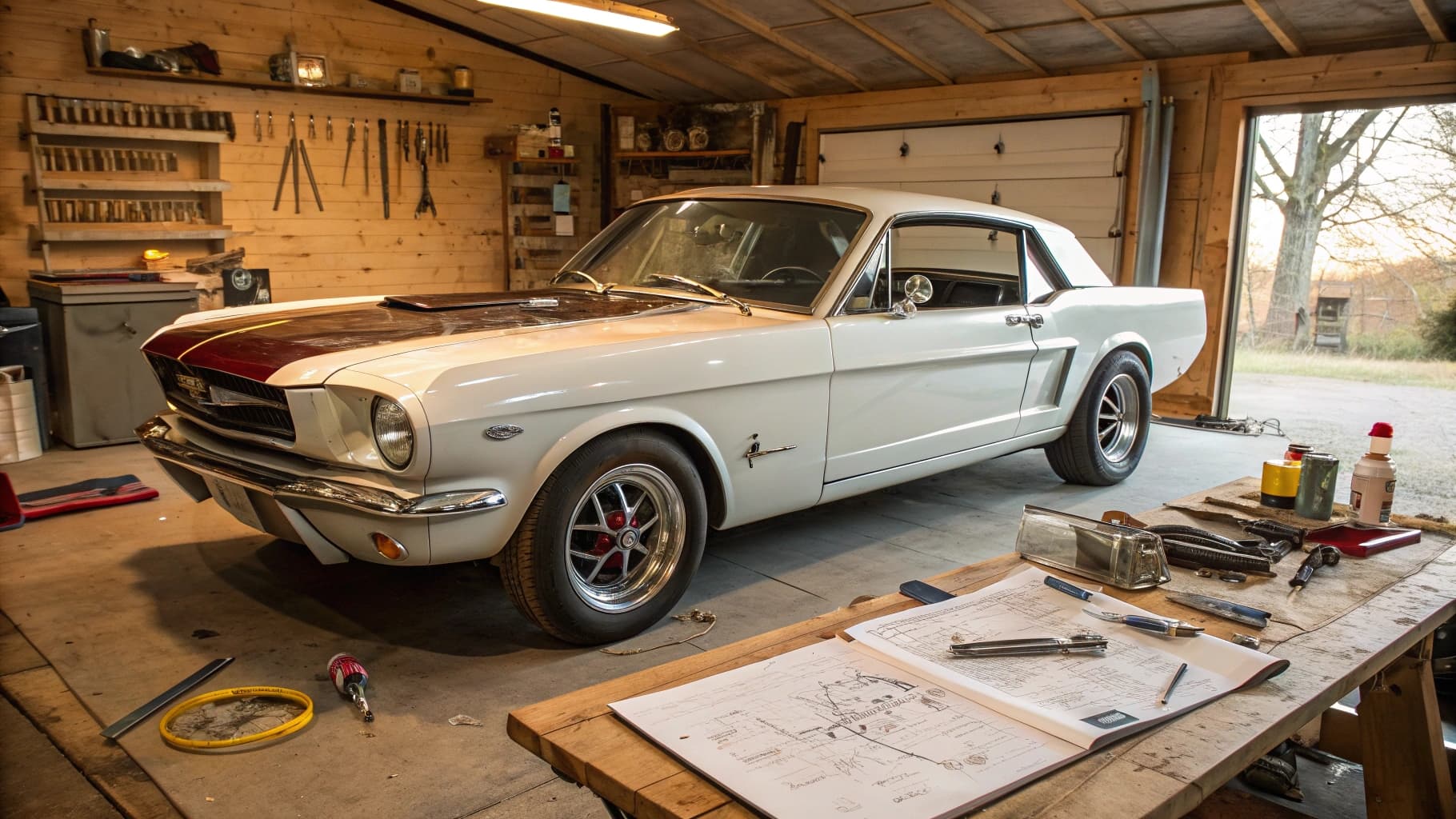
High demand for rust-free classic cars has created a market for “transplants.” These are vehicles from wet, rust-prone regions that are moved to the Southwest and sold as local survivors.
Sellers sometimes disguise these cars with a fresh paint job to make them appear as if they spent their lives in a dry desert climate. Despite a clean exterior, these vehicles can still hide deep structural corrosion from earlier exposure to salt and moisture.
Verifying provenance is critical to avoid hidden rust. Using services like Carfax and reviewing title history can reveal where the car spent its first decades. A vehicle that spent its early years in states such as Illinois or Michigan may still have significant salt damage in seams, floor pans, and other hidden areas.
Genuine Southwest cars often retain original factory tags or stickers on the frame, which would have disintegrated if exposed to salt or coastal moisture.
Service records, old registrations, and state titles provide a clear history of the vehicle, confirming that it spent most of its life in a dry, low-humidity environment. Cars from the desert Southwest, including Arizona and Nevada, benefit from minimal rainfall and low humidity, which preserves structural steel and prevents rust.
Verifying provenance ensures buyers avoid costly surprises. A transplanted car may appear pristine on the outside but can have hidden structural rust that compromises safety and value. By confirming long-term local ownership and examining documentation, collectors can secure authentic, rust-free Southwest classics with confidence.
7. Scour Local Classifieds and Barrio Neighborhoods
The best rust-free Southwest classic cars are often found outside national auction sites. Platforms like Craigslist Phoenix or Facebook Marketplace El Paso and older, established neighborhoods, commonly called “the barrio,” are excellent places to look.
Many families in these communities have kept vehicles under shade structures or carports for decades. These cars have been protected from moisture and heavy use, and the owners are often more interested in selling to someone who will care for the vehicle rather than maximizing profit.
The Southwest’s dry climate, including regions such as Arizona, New Mexico, West Texas, and parts of Southern California, helps preserve metal by preventing rust. Cars stored in barrio neighborhoods are usually untouched by restoration shops, meaning panels, paint, and components are often original. This allows buyers to see the true condition of the vehicle without hidden repairs or replacements.
Searching local classifieds and rural areas also avoids the competitive and high-priced online markets. Many vehicles in these neighborhoods have been parked for decades, creating a hidden inventory of well-preserved cars that national platforms rarely offer.
This approach prioritizes vehicles that have spent their entire lives in dry desert air rather than ones that have been discovered and restored for profit. By combining careful searches on local marketplaces with driving through older neighborhoods, collectors can find authentic, rust-free classic cars that are structurally sound, retain their originality, and are often available at lower prices.
8. Inspect Sun-Faced Metal for Pitting
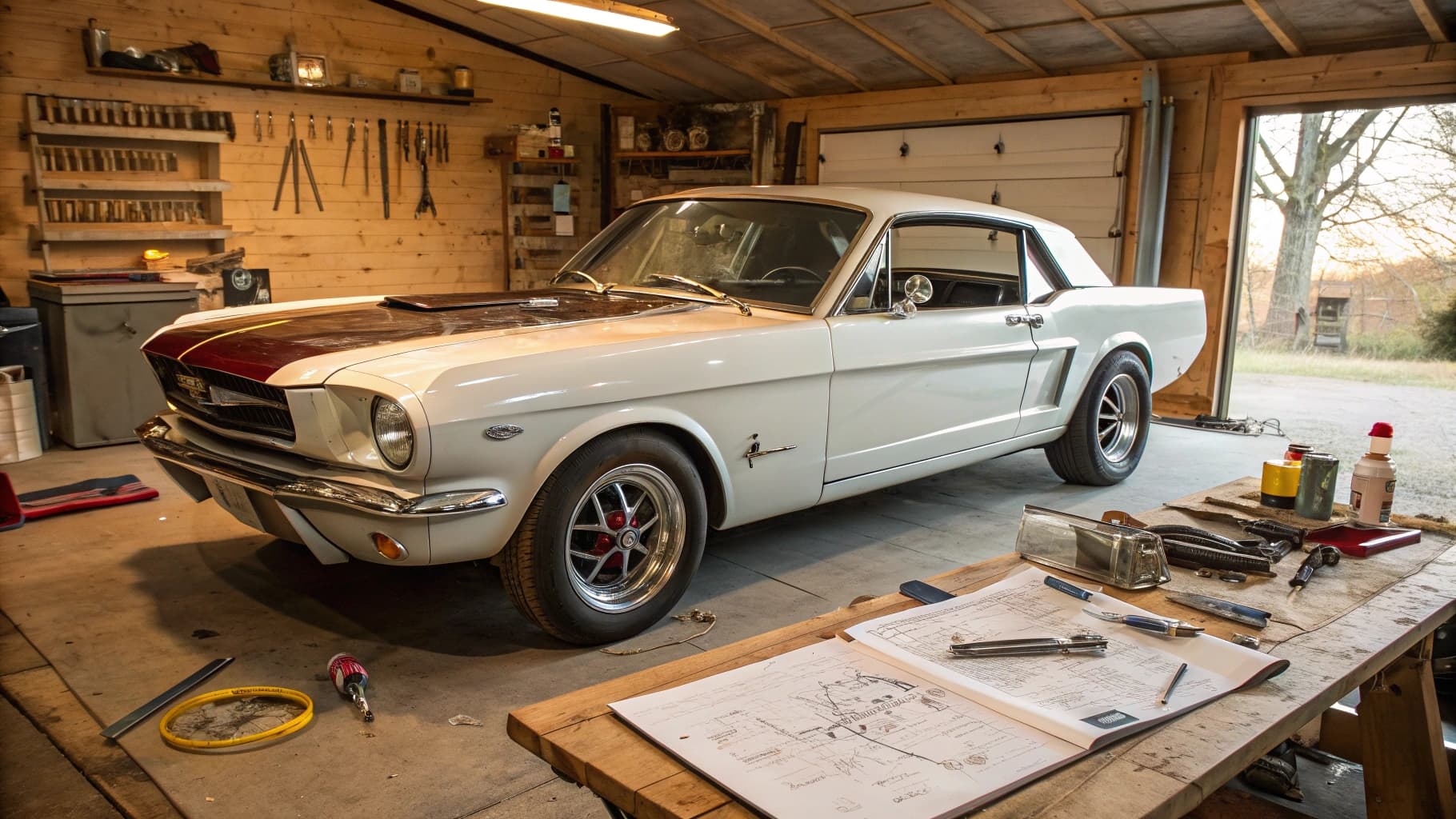
In the Southwest, intense heat and UV exposure can damage horizontal surfaces such as the hood, roof, and trunk lid. This exposure often causes “alligatoring” of the paint, which eventually fails and leaves the bare metal baked by the sun. Over time, this can lead to deep oxidation and surface pitting.
Unlike minor surface rust, these pitted areas may require grinding or metal fillers to restore a smooth finish. Using a magnet on these panels helps determine whether body filler has been applied to hide sun-damaged craters.
Inspecting sun-facing metal is an essential step for finding a rust-free classic car in the desert. While the arid climate preserves structural steel, the sun can create cosmetic damage that mimics rust. Focusing on horizontal panels allows buyers to differentiate between surface-level pitting and serious structural corrosion.
This method is effective for several reasons. Sun-baked pitting is usually localized and does not affect the frame, floor pans, or undercarriage, unlike rust in humid or snowy climates. Pitted areas are easier and less expensive to repair than penetrating rust. Examining these surfaces in bright sunlight makes bubbling, blistering, or tiny pinholes visible before they worsen. A magnet test confirms whether the metal underneath is solid.
By assessing sun-faced panels separately from structural components, buyers can confidently identify vehicles that need cosmetic attention only while ensuring the frame, floor pans, and undercarriage remain rust-free. This inspection helps preserve the value of the car and provides a clear understanding of its condition.
Buying a rust-free classic car in the Southwest requires research, thorough inspection, and attention to detail. Applying the eight tips, including targeting dry states, avoiding coastal and flood zones, checking undersides, assessing dust rust, budgeting for interior restoration, verifying provenance, checking local communities, and inspecting sun-exposed metal, provides a clear path to success.
These strategies help buyers distinguish cosmetic damage from structural problems and locate authentic, well-preserved vehicles. Careful evaluation ensures collectors acquire Southwest classics that retain value, originality, and durability for many years.
Also read: 10 Cars That Lose 50 Percent of Their Value the Moment You Drive Away
