
SUV buyers in the United States often focus on horsepower, technology, and fuel economy, but one of the most overlooked factors is step-in height. This measurement, how high you need to lift your foot to get into the cabin, has a direct impact on daily usability.
For families with small children, seniors with limited mobility, or anyone who values convenience, a lower step-in height can make everyday driving significantly easier. On the other end of the spectrum, some SUVs sit much higher off the ground for off-road capability or visual presence, often requiring running boards or side steps to make entry manageable.
This difference becomes especially noticeable during routine activities like school drop-offs, grocery runs, or frequent short trips where you are constantly getting in and out of the vehicle.
Below are five SUVs with low step-in heights that prioritize ease of access, followed by five that typically require running boards due to their elevated ride height.
SUVs With Low Step-In Heights
A lower step-in height reduces strain on the knees, hips, and back, particularly during frequent short trips or daily commuting. It also makes loading children, assisting passengers, or simply getting in and out in tight parking spaces much easier. This is especially relevant as many modern SUVs continue to grow in size, often increasing ride height in the process.
Automakers achieve easier access through a combination of design choices, including lower ground clearance, car-based platforms (unibody construction), and seat positioning that aligns more closely with a natural sitting motion rather than a climb. Crossovers, in particular, tend to excel in this area, blending the practicality of an SUV with the accessibility of a sedan.
In this article, we highlight SUVs that stand out for their low step-in heights, models that prioritize comfort, convenience, and everyday usability without compromising on space or capability.
Toyota Highlander
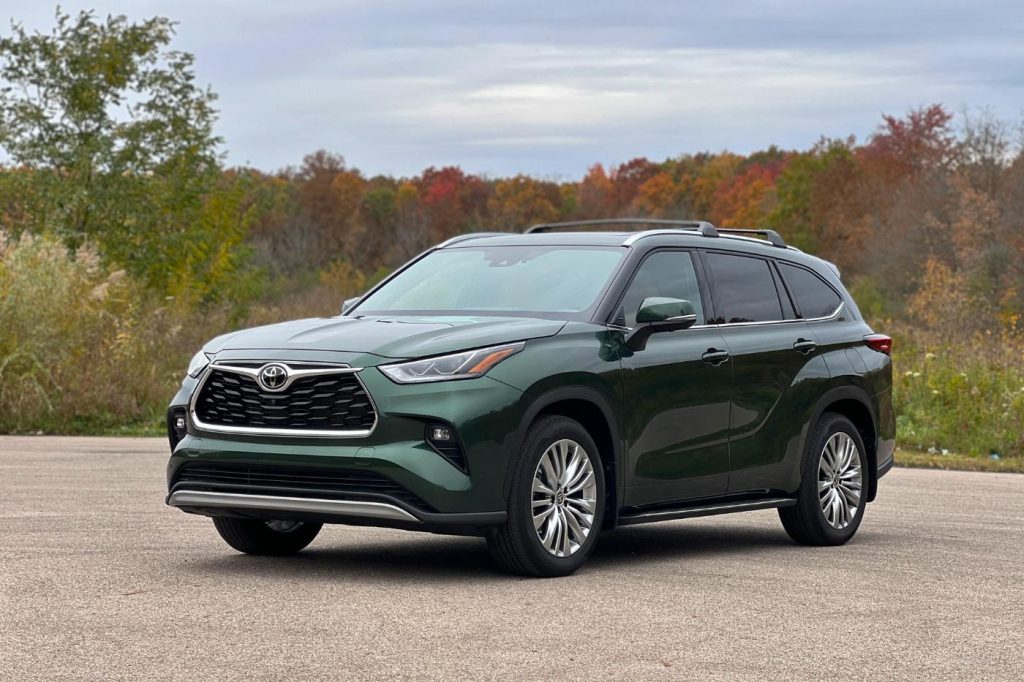
The Toyota Highlander stands out in the midsize SUV segment as one of the more accessible three-row options, particularly when it comes to step-in height.
Unlike truck-based SUVs that sit high off the ground, the Highlander uses a car-based unibody platform, which naturally lowers the floor and makes entry easier for a wider range of passengers. This design philosophy directly contributes to its inclusion among SUVs with low step-in heights.
With a ground clearance of around 8 inches, the Highlander strikes a careful balance between road usability and accessibility. While that figure may seem moderate on paper, the actual step-in height is influenced more by floor height and door sill positioning than raw clearance numbers.
The Highlander’s cabin sits lower than more rugged SUVs, meaning passengers don’t need to climb up or rely on running boards. This makes it particularly suitable for families with children, elderly passengers, or anyone who prioritizes convenience in daily use.
Another key factor is the door design. The Highlander features wide-opening doors and a relatively low hip point, allowing occupants to slide into the seat rather than step up aggressively.
This subtle ergonomic advantage becomes noticeable during repeated use, such as school drop-offs or grocery runs. Even the second row maintains easy access, while the third row, though tighter, remains more approachable than in taller, body-on-frame SUVs.
Interior packaging also plays a role. The Highlander’s seating position is slightly elevated compared to a sedan, giving drivers a commanding view without creating a tall climb. This “mid-height” seating is often considered ideal, as it reduces strain on knees and hips when entering or exiting. Families upgrading from sedans or crossovers will find the transition especially seamless.
From a usability standpoint, the Highlander avoids the need for running boards entirely. This not only simplifies entry but also improves aerodynamics and reduces visual bulk. Running boards, while helpful on taller SUVs, can sometimes interfere with natural foot placement or become slippery in wet conditions. By eliminating the need for them, Toyota enhances both safety and practicality.
However, it’s worth noting that the Highlander’s focus on accessibility comes with trade-offs. It is not designed for extreme off-road use, and its lower stance reflects that priority. Competitors with higher ground clearance may offer better trail capability but often require additional aids like side steps.
The Toyota Highlander exemplifies how thoughtful engineering can improve everyday usability. Its low step-in height, combined with a comfortable ride and family-oriented design, makes it a strong choice for buyers who value ease of access over rugged styling or off-road performance.
Honda CR-V
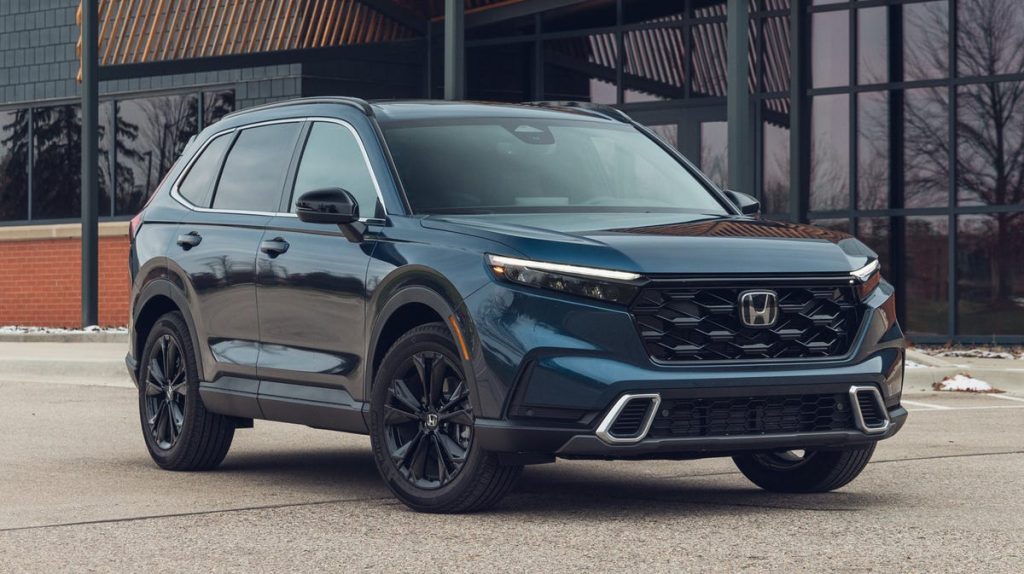
The Honda CR-V is one of the most user-friendly compact SUVs when it comes to entry and exit, making it a strong candidate for the “low step-in height” category. Built on a unibody platform similar to a sedan, the CR-V avoids the tall, truck-like stance that often makes larger SUVs harder to access.
With a ground clearance ranging between roughly 7.8 and 8.2 inches depending on drivetrain, the CR-V sits at a moderate height that balances accessibility with light off-road capability.
This figure is critical, but more important is how Honda positions the cabin relative to the ground. The CR-V’s floor is kept relatively low, meaning passengers don’t need to climb up significantly to get inside. Instead, entry feels closer to stepping into a lifted sedan rather than climbing into a traditional SUV.
One of the defining ergonomic strengths of the CR-V is its door and seat alignment. The doors open wide, and the seat height is positioned at a natural hip level. This allows occupants to slide in rather than step up or drop down, reducing strain on knees and hips. For daily usability, especially for families, older passengers, or frequent stop-and-go driving,this design is highly practical.
The CR-V’s compact size further enhances accessibility. Unlike larger three-row SUVs, its proportions are easier to manage in tight urban environments while still offering a spacious cabin. Despite being classified as a compact SUV, it provides generous interior room, making it suitable for small families without compromising ease of entry.
Another advantage is that the CR-V does not require running boards or side steps. These features are typically necessary in taller, body-on-frame SUVs but can become obstacles in everyday use. By keeping the step-in height low, Honda eliminates the need for such aids, resulting in a cleaner design and more natural foot placement when entering or exiting the vehicle.
However, this lower stance comes with limitations. The CR-V is not intended for rugged off-road conditions, and its ground clearance reflects a focus on on-road comfort and efficiency rather than trail performance. Buyers looking for serious off-road capability may prefer taller SUVs, but those vehicles usually sacrifice ease of access.
Subaru Forester
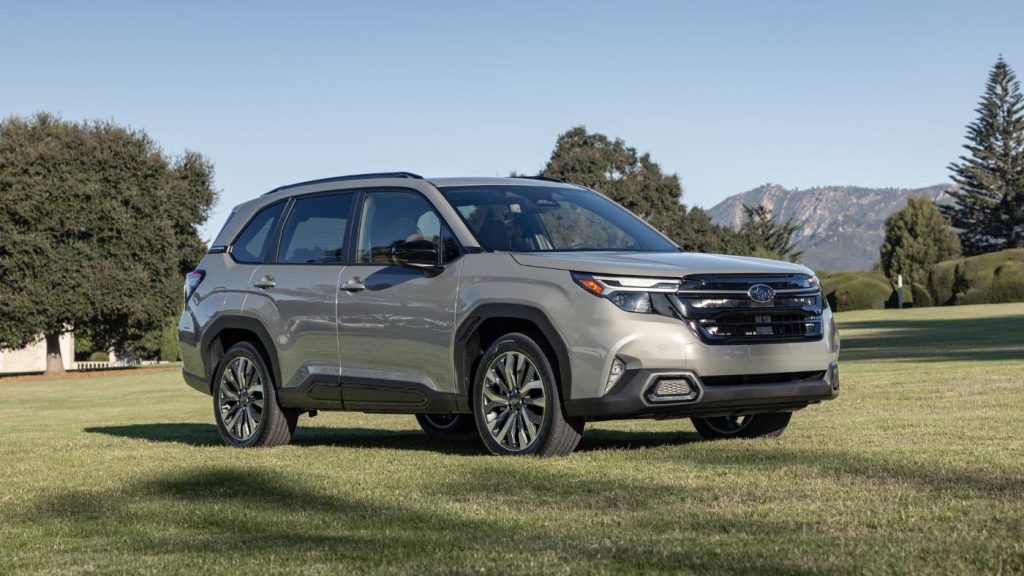
The Subaru Forester occupies an interesting middle ground in the step-in height discussion. Unlike lower, car-based crossovers such as the Honda CR-V, the Forester leans more toward capability, resulting in a noticeably higher step-in that can affect everyday accessibility.
From an ergonomic standpoint, the Forester’s entry experience is still well-designed, but it is not as effortless as segment leaders focused on accessibility. The doors open wide, and Subaru positions the seats at a relatively natural height, which helps reduce strain when getting in. However, because the entire vehicle sits taller, the motion becomes more of a step-up rather than a simple slide-in. For shorter passengers or elderly occupants, this difference becomes noticeable during repeated use.
One advantage of the Forester’s design is visibility and driving position. The higher seating point provides an excellent outward view, which many drivers prefer.
Subaru has historically emphasized this upright, greenhouse-style cabin, making the Forester feel airy and easy to maneuver. This stance contributes to driver confidence but comes at the cost of slightly reduced accessibility.
Another consideration is how the Forester compares to more rugged SUVs. While it is taller than many crossovers, it is still not as extreme as body-on-frame SUVs like the Toyota 4Runner or Jeep Wrangler.
As a result, it typically does not require running boards, though some users may find them helpful, especially on the Wilderness trim, where the added height pushes it closer to traditional SUV territory.
Interior practicality remains strong. The Forester’s boxy shape allows for easy ingress once inside, and its spacious cabin ensures that passengers don’t feel cramped. The rear doors also open nearly 90 degrees, which is a subtle but important advantage when loading child seats or assisting passengers.
Hyundai Santa Fe
The Hyundai Santa Fe sits in a transitional space between low-slung crossovers and taller, more rugged SUVs. In the context of step-in height, it does not lean as strongly toward accessibility as vehicles like the Honda CR-V, but it also avoids the excessive height that would require running boards in most cases.
A major factor is its ground clearance. Depending on the model and market, the Santa Fe typically offers around 7.0 to 8.2 inches (≈176–185 mm) of clearance. This places it slightly higher than many compact crossovers but still below more off-road-focused SUVs. The result is a moderate step-in height, noticeably higher than low-entry SUVs, yet not difficult for most users.
From a usability perspective, the Santa Fe’s unibody construction plays an important role. Like most modern crossovers, it is built more like a car than a truck, which helps keep the cabin floor relatively low compared to body-on-frame SUVs.
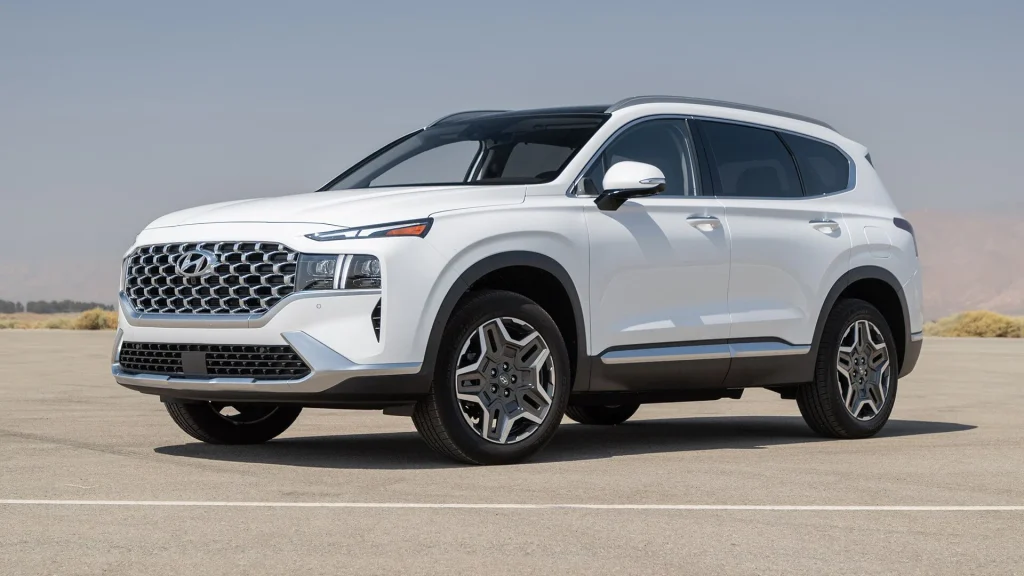
However, Hyundai has raised the overall stance slightly to give the vehicle a more rugged, SUV-like presence, especially in newer generations with boxier styling. This subtle increase in height translates into a more defined “step-up” motion when entering.
The door design and seating ergonomics help offset this. The Santa Fe features wide-opening doors and a well-positioned seat height, allowing occupants to slide in once they clear the initial step. The seating position is elevated enough to provide good visibility without forcing an awkward climb. For most adults, entry remains comfortable, though shorter passengers may notice the extra height compared to lower crossovers.
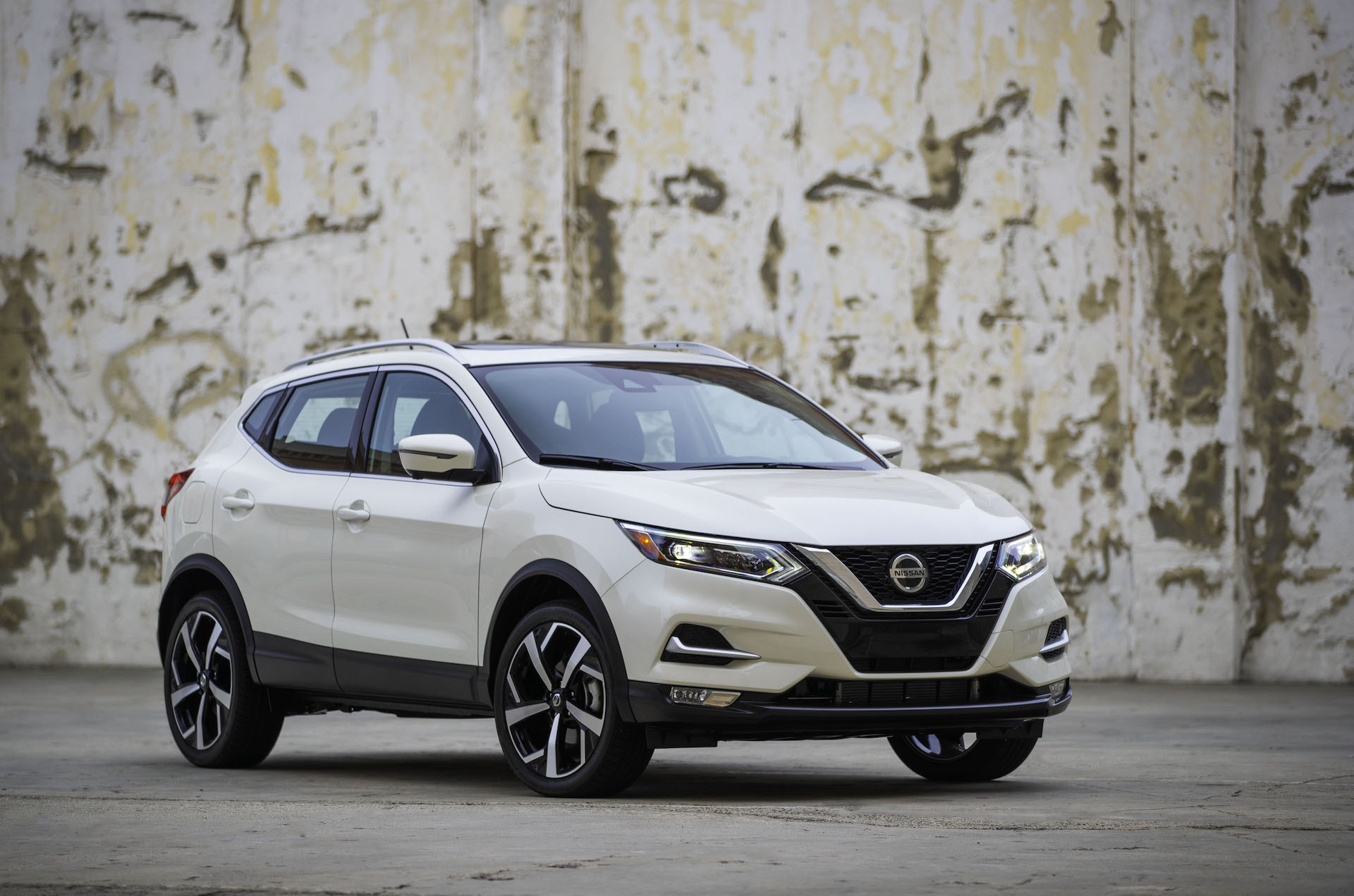
Nissan Rogue
The Nissan Rogue is one of the most balanced compact SUVs when it comes to step-in height, positioning itself firmly on the more accessible side of the spectrum without sacrificing everyday usability. For a list focused on entry ease, it fits comfortably among SUVs with relatively low step-in heights.
A key specification is its 8.2 inches of ground clearance, which has remained consistent across recent model years. This figure places the Rogue slightly above sedan-like crossovers but below more rugged SUVs. In practical terms, it means the vehicle sits high enough for visibility and light utility, yet low enough to avoid the need for climbing up during entry.
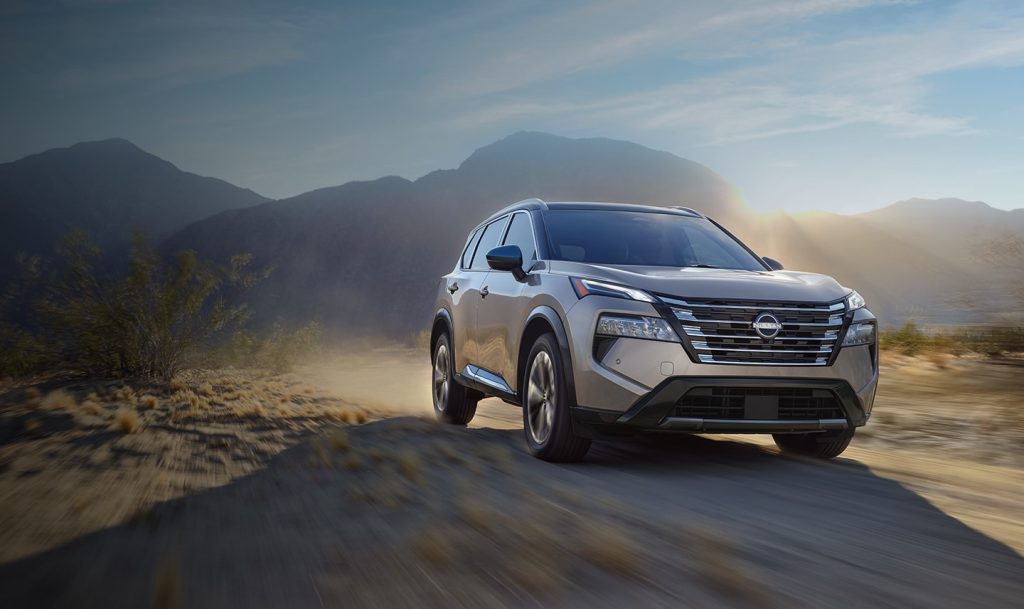
What matters more than raw clearance, however, is how Nissan has engineered the cabin height. The Rogue’s unibody construction keeps the floor relatively low, allowing for a more natural step-in motion. Instead of lifting yourself into the vehicle, most occupants can simply step across and settle into the seat. This is especially noticeable compared to taller SUVs, where entry becomes a more vertical movement.
The Rogue is well-optimized. The doors open wide, and the seating position is aligned close to hip height for the average adult. This creates a “slide-in” experience rather than a step-up or drop-down motion. For families, elderly passengers, or daily commuting scenarios with frequent stops, this design reduces fatigue over time.
SUVs That Require Running Boards
These vehicles are designed for capability and presence rather than accessibility, which is why manufacturers often include running boards as standard or optional equipment.
Off-road-focused SUVs take this even further. Models such as the Jeep Wrangler and Toyota 4Runner feature high suspension setups and rugged tires, increasing ground clearance to handle rough terrain, but also making entry more challenging.
In this article, we highlight SUVs that typically require running boards to use comfortably. These models prioritize toughness, height, and capability, often at the expense of easy access, making them important considerations for buyers who value both utility and everyday practicality.
Ford Expedition
The Ford Expedition is a clear example of an SUV that requires running boards for practical daily use. Unlike car-based crossovers, it is built on a body-on-frame platform derived from pickup trucks, which directly contributes to its tall stance and higher step-in height.
Unlike lower SUVs whe This elevated ride height significantly raises the cabin floor, meaning passengers must step up considerably to enter the vehicle. Unlike lower SUVs where you can slide into the seat, the Expedition requires a more deliberate climb.
This is exactly why running boards are either standard or commonly equipped. Ford even offers power-deployable running boards on higher trims, which extend outward when the doors open to assist entry.
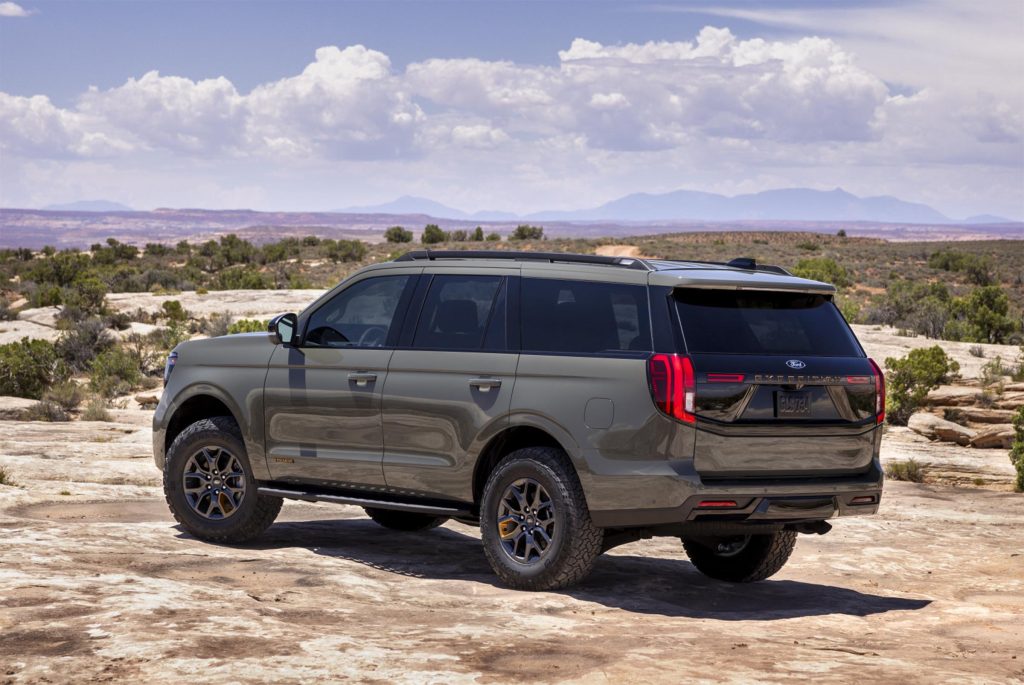
These aren’t just cosmetic additions, they are functional necessities. Without them, shorter passengers, children, or elderly occupants would find it difficult to enter and exit comfortably.
The vehicle’s sheer size amplifies this effect. Standing at roughly 78 inches tall, the Expedition sits much higher than midsize or compact SUVs. Combined with its wide body and truck-like proportions, the step-in motion becomes more vertical than horizontal. This makes it fundamentally different from crossovers like the Honda CR-V or Nissan Rogue, where accessibility is prioritized.
Chevrolet Tahoe
The Chevrolet Tahoe is a textbook example of a full-size SUV where running boards are essentially necessary for everyday usability. Like the Ford Expedition, it is built on a body-on-frame truck platform, which results in a tall ride height and a significantly elevated cabin floor.
In terms of dimensions, the Tahoe typically offers around 8 inches of ground clearance in standard form, with some off-road trims like the Z71 reaching up to 10 inches. While these numbers may not seem extreme on paper, they translate into a high step-in point because of the vehicle’s overall height and chassis design. At nearly 76 inches tall, the Tahoe sits well above most crossovers.
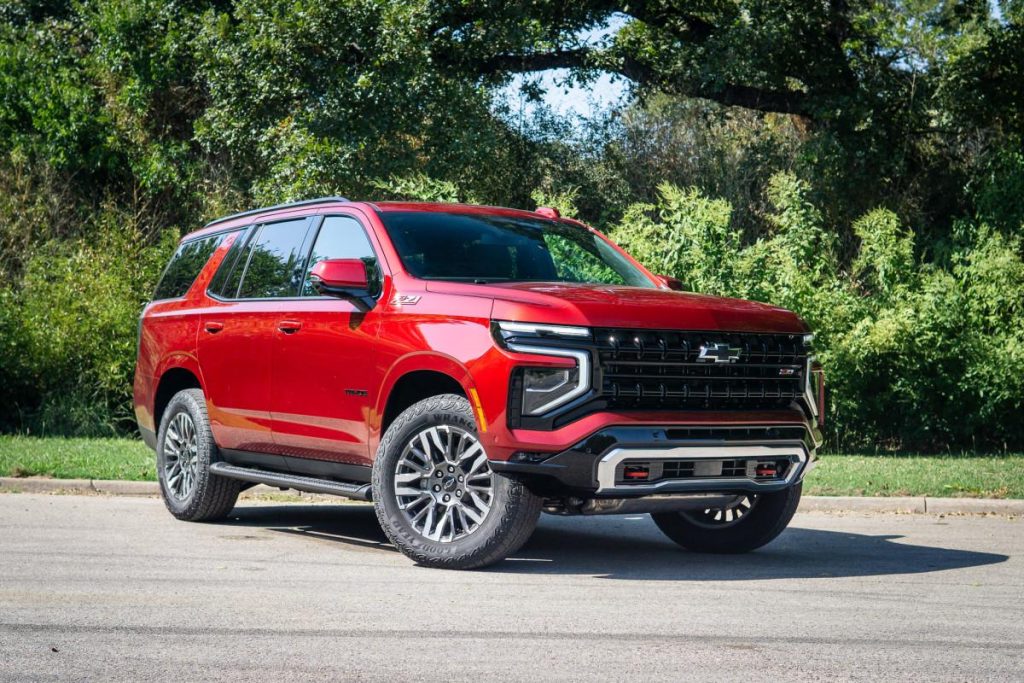
The real issue isn’t just clearance, it’s floor height and frame construction. Because the Tahoe shares architecture with full-size pickup trucks, the cabin sits higher off the ground than unibody SUVs. This creates a true “climb-in” motion, rather than the more natural step-across entry seen in vehicles like the Honda CR-V or Nissan Rogue.
This is why running boards (or side steps) are commonly equipped, and often standard on many trims. They serve as an intermediate step, breaking the climb into two manageable motions.
Without them, entry can be difficult, especially for shorter passengers, children, or older occupants. Higher trims even offer power-deployable running boards, which extend automatically when the doors open to improve accessibility.
Jeep Wrangler
The Jeep Wrangler is one of the clearest examples of an SUV that effectively requires running boards or side steps, especially in daily use. Unlike most modern crossovers, the Wrangler is engineered first and foremost for off-road performance, and that priority directly impacts its step-in height.
A defining characteristic is its body-on-frame construction and solid axle setup, which elevate the vehicle significantly off the ground. Ground clearance varies by trim, ranging from about 9.7 inches to over 12 inches on more extreme variants like the Rubicon 392.
This is substantially higher than typical SUVs and immediately translates into a tall step-in point. The Wrangler’s upright design further exaggerates this effect, as the cabin sits high relative to the ground.
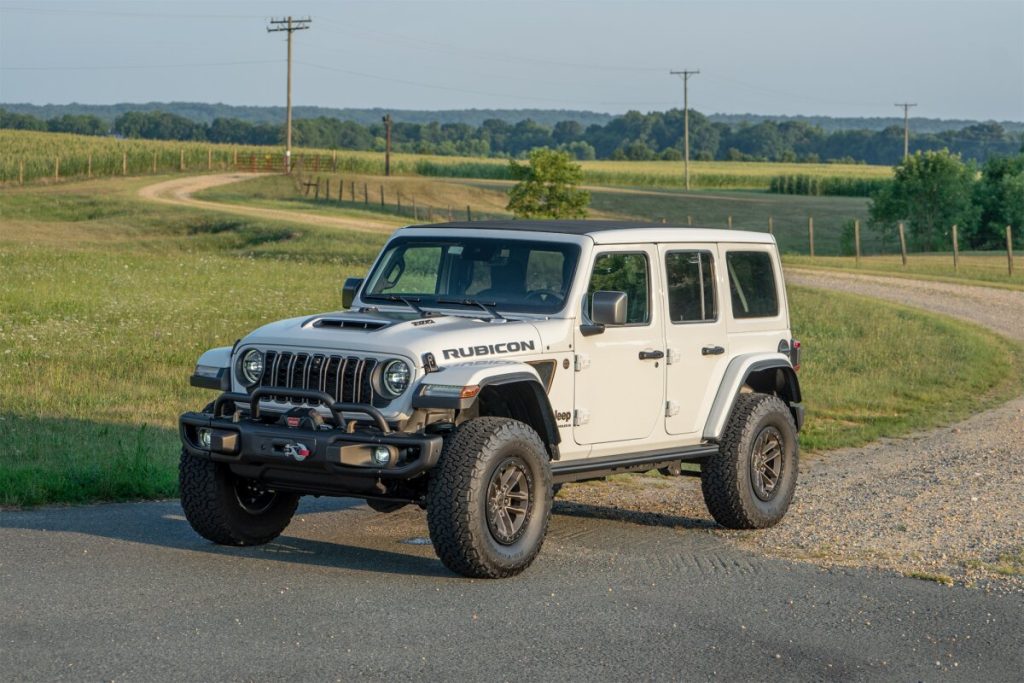
From a practical standpoint, entry into the Wrangler is a true climb rather than a step. The floor height is elevated, and the door openings, while wide, are not optimized for easy ingress like those of family-oriented crossovers. Instead of sliding into the seat, occupants must lift themselves up and then pivot inward.
This becomes especially noticeable for shorter passengers, children, or older adults.elevated, and the door openings—while wide, are not optimized for easy ingress like those of family-oriented crossovers. Instead of sliding into the seat, occupants must lift themselves up and then
Because of this, side steps or running boards are extremely common and often considered essential accessories. Many Wranglers are equipped with aftermarket rock rails, side steps, or factory-installed assist steps.
Toyota 4Runner
The Toyota 4Runner is a classic example of an SUV that requires running boards or side steps for comfortable daily use. Unlike modern crossovers, it retains a body-on-frame construction, which places it firmly in the category of traditional, truck-based SUVs with inherently higher step-in heights.
A major contributor is its 9.6 inches of ground clearance, with off-road-focused trims like the TRD Pro maintaining similar or slightly higher figures depending on setup. As a result, entering the 4Runner involves a noticeable step-up, especially compared to unibody SUVs like the Honda CR-V or Nissan Rogue.
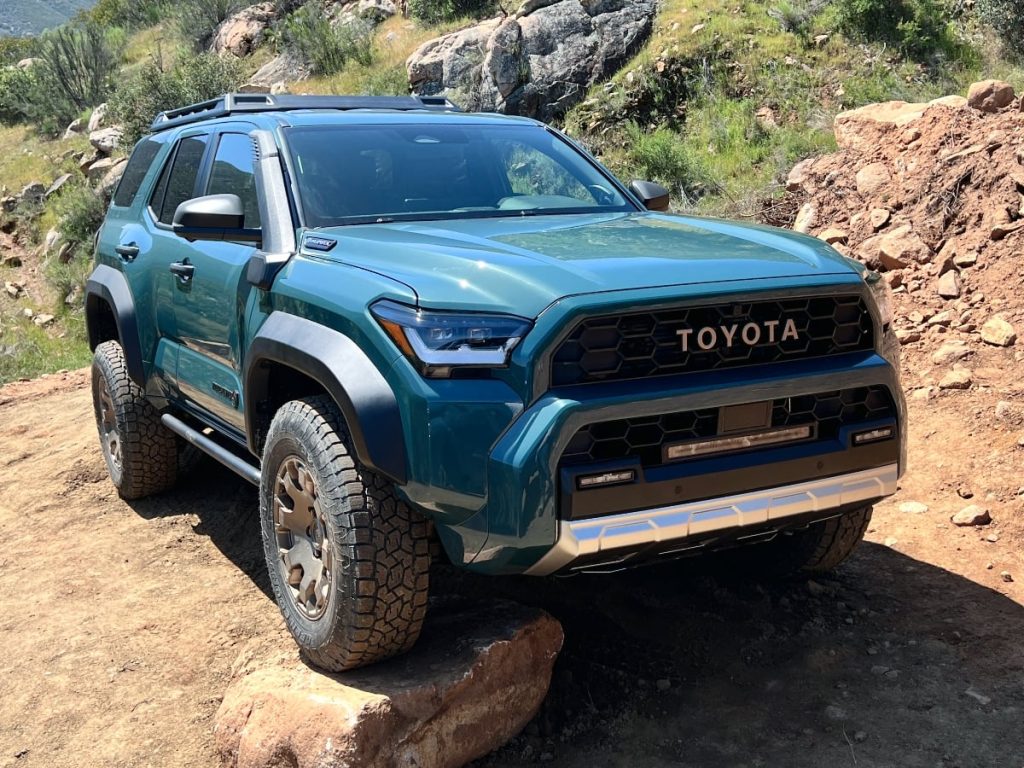
The step-in experience is further influenced by the vehicle’s design proportions. The 4Runner has a tall, boxy profile and a relatively high frame, meaning the door sill sits well above knee height for many passengers. This creates a climb-in motion, rather than a smooth step-across entry. For shorter individuals or older passengers, this can become inconvenient without assistance.
Because of this, running boards are extremely common and often factory-equipped on many trims. Toyota also offers fixed side steps and rock rails, depending on the variant. These additions act as a critical intermediate step, reducing the effort required to get inside. Without them, repeated entry and exit, such as during daily commuting or family use, can quickly become tiring.
GMC Yukon
The GMC Yukon is a full-size SUV that clearly falls into the category of vehicles that require running boards for practical daily use. Like its mechanical sibling, the Chevrolet Tahoe, the Yukon is built on a body-on-frame platform, which immediately results in a higher ride height and a significantly elevated cabin floor compared to unibody crossovers.
Ground clearance typically sits around 8 inches, but that number only tells part of the story. The Yukon’s height, approaching 76 inches or more depending on trim, and its truck-derived chassis mean the step-in point is substantially higher than in midsize or compact SUVs. The floor is positioned well above the ground, creating a pronounced vertical climb when entering the cabin.
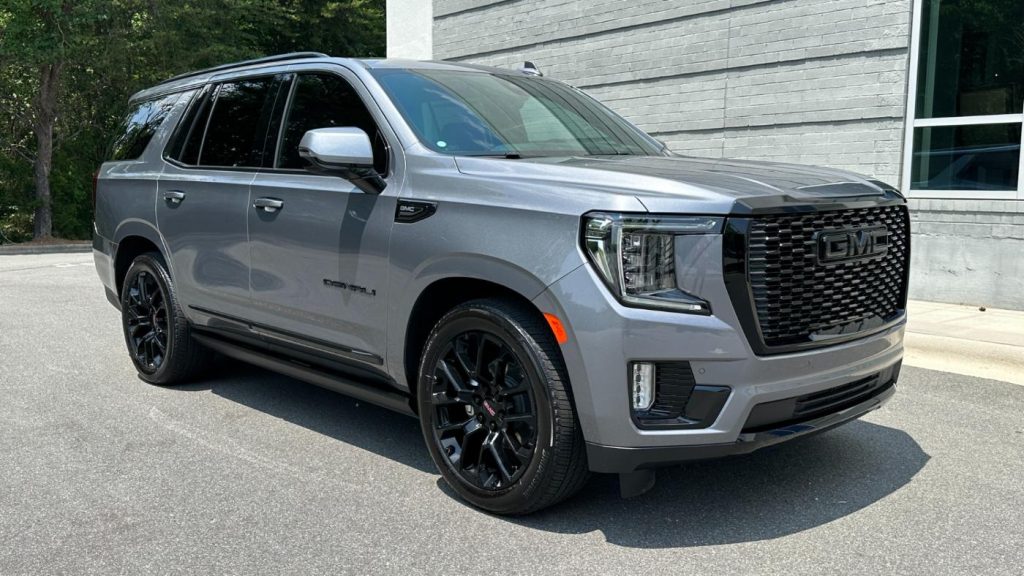
This is why running boards are standard or widely equipped across most Yukon trims, especially in premium variants like the Denali. GMC also offers power-retractable assist steps, which extend automatically when the doors open.
These are not merely luxury features, they are functional components that make the vehicle usable for a broader range of passengers. Without them, entry and exit can be difficult, particularly for children, shorter adults, or elderly occupants.
Choosing between a low step-in SUV and a taller, truck-based model depends on your priorities. If ease of access, comfort, and family usability are most important, crossovers like the Highlander, CR-V, and Rogue offer clear advantages. They simplify daily tasks and reduce physical strain.
On the other hand, if you need towing capability, off-road performance, or a commanding driving position, larger SUVs like the Expedition or Tahoe may be more suitable. However, these vehicles often require running boards to make them practical for everyday use.
Understanding this trade-off allows buyers to make a more informed decision, ensuring their SUV fits both their lifestyle and their comfort needs over the long term.
