
Water pump reliability is a critical but often overlooked factor in engine durability. The water pump circulates coolant through the engine, maintaining stable operating temperatures and preventing overheating. When it fails, especially if it seizes, the consequences can range from minor inconvenience to severe engine damage.
In modern vehicles, water pump longevity is largely determined by engineering design. Engines with externally mounted, belt-driven pumps are generally more reliable and easier to service. In contrast, internally mounted pumps or integrated cooling modules tend to fail with less warning and can be significantly more expensive to repair.
Below are five engines known for robust water pump designs, followed by five that are more prone to seizing or failure.
5 Engines With Robust Water Pumps
The water pump is a foundational component of any internal combustion engine, yet its importance is often overlooked until something goes wrong. Responsible for maintaining consistent coolant flow, it ensures the engine operates within safe temperature limits under all conditions.
A weak or poorly designed water pump can quickly lead to overheating, making it one of the most consequential single-point failures in an engine’s cooling system.
Durability in water pump design comes down to engineering discipline. High-quality bearings, reliable seals, and robust impeller construction all contribute to long service life.
Equally important is how the pump is integrated into the engine, whether it’s externally mounted for easier maintenance or buried within complex assemblies where failure can have cascading consequences. Engines with well-designed cooling systems tend to place less stress on the pump, further extending its lifespan.
Some engines have developed a reputation for exceptionally reliable water pumps, consistently lasting well beyond typical service intervals with minimal issues. These designs prioritize longevity, predictable performance, and serviceability, qualities that directly contribute to overall engine reliability.
In this article, we examine five engines known for their robust water pump designs, highlighting powertrains that minimize one of the most common and potentially costly failure points in modern vehicles.
Toyota 2GR-FE / 2GR-FKS V6
The Toyota 2GR-FE and 2GR-FKS V6 engines are widely recognized for their durability, and a key contributor to that reputation is their robust and well-engineered water pump system. Used across a broad range of vehicles, from the Toyota Camry and Highlander to Lexus models like the RX and ES, these 3.5-liter V6 engines have demonstrated consistent cooling reliability over long service lives.
Unlike some engines that suffer from premature pump failures or poorly integrated cooling components, the 2GR family benefits from a conventional, externally mounted water pump design.
This layout makes the pump easier to service and isolates it from critical internal engine components. In contrast to engines with internally driven water pumpswhere failure can lead to coolant contamination of engine oil, the 2GR setup reduces the risk of catastrophic damage if a leak develops.
The water pump itself is belt-driven and mechanically straightforward, which contributes to its long-term reliability. Toyota engineered the pump with durable bearings and seals that are designed to withstand continuous operation under varying thermal loads. In real-world conditions, many 2GR engines see well over 100,000 miles (160,000+ km) before any water pump-related service is required, which is above average for the segment.
Another strength is the engine’s efficient cooling system integration. The 2GR-FE and newer 2GR-FKS (which adds direct injection and updated thermal management) maintain stable operating temperatures even under demanding conditions such as heavy traffic, hot climates, or sustained highway driving. This stability reduces stress on the water pump, helping extend its lifespan.
The 2GR-FKS variant further refines cooling efficiency with improved thermal control strategies, including optimized coolant flow and faster warm-up times. These enhancements not only improve fuel efficiency and emissions but also reduce unnecessary strain on cooling components, including the pump.
Importantly, failure rates for these water pumps are relatively low and predictable. When wear does occur, it is typically gradual, manifesting as minor coolant seepage or bearing noise, rather than sudden, catastrophic failure. This gives owners ample warning and allows for preventative maintenance without risking severe engine damage.
Additionally, because of the engine’s widespread use, replacement parts are readily available and cost-effective, and servicing is straightforward compared to more complex or poorly packaged systems. This further reinforces the engine’s reputation for practical durability.
Honda K-Series (K20 / K24)
The Honda K-Series engines (K20 and K24) are widely regarded as some of the most reliable four-cylinder engines ever produced, and a significant part of that reputation comes from their durable and low-maintenance water pump design. Found in vehicles like the Honda Civic, Accord, CR-V, and Acura TSX, these engines have proven themselves across both performance and daily driving applications.
A key strength of the K-Series is its externally mounted, chain-driven water pump system. Unlike engines that rely on timing belts or internal pump placement, Honda engineered the K-Series with a timing chain and a separate, accessible pump layout. This reduces complexity and eliminates one of the major failure risks seen in engines where the water pump is integrated into the timing system.
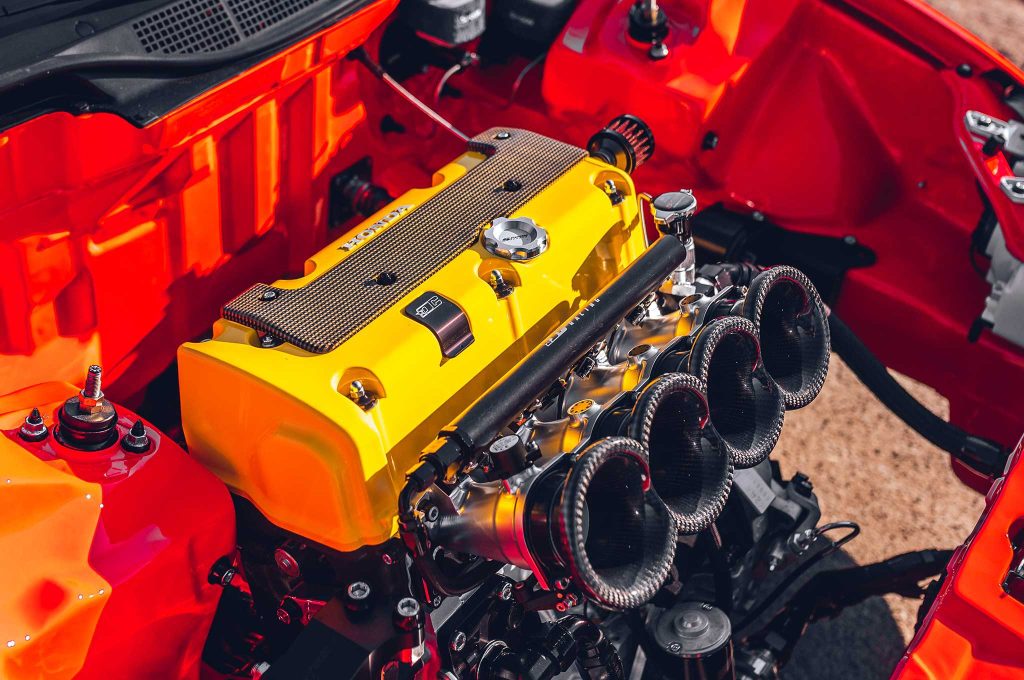
The water pump itself is designed with robust bearings and high-quality seals, allowing it to operate reliably under sustained high RPM and thermal stress. This is particularly important given the K-Series’ performance-oriented nature, especially in variants like the K20 used in Civic Si and Type R models. Despite this, water pump failures are relatively uncommon and typically occur only after extended mileage, often well beyond 100,000–150,000 miles (160,000–240,000 km).
Another advantage is the engine’s efficient cooling system design. The K-Series maintains stable operating temperatures even under aggressive driving conditions, which reduces strain on the pump. Consistent thermal regulation helps prevent premature wear, extending the lifespan of not just the water pump but the entire cooling system.
GM LS-Series V8
The GM LS-Series V8 is widely regarded as one of the most durable and straightforward engine families ever produced, and its water pump design is a key contributor to that reputation. Used across a vast range of vehicles, from Chevrolet Silverado trucks to performance icons like the Corvette, these engines prioritize simplicity, serviceability, and long-term reliability.
A major strength of the LS platform is its externally mounted, belt-driven water pump. Unlike more complex or internally integrated designs, General Motors engineered the LS cooling system with accessibility in mind. The pump is mounted at the front of the engine and driven by the serpentine belt, making it easy to inspect, service, and replace without invasive disassembly.
The pump itself is built with robust internal components, including durable bearings and high-quality seals designed to handle sustained load and temperature variation.
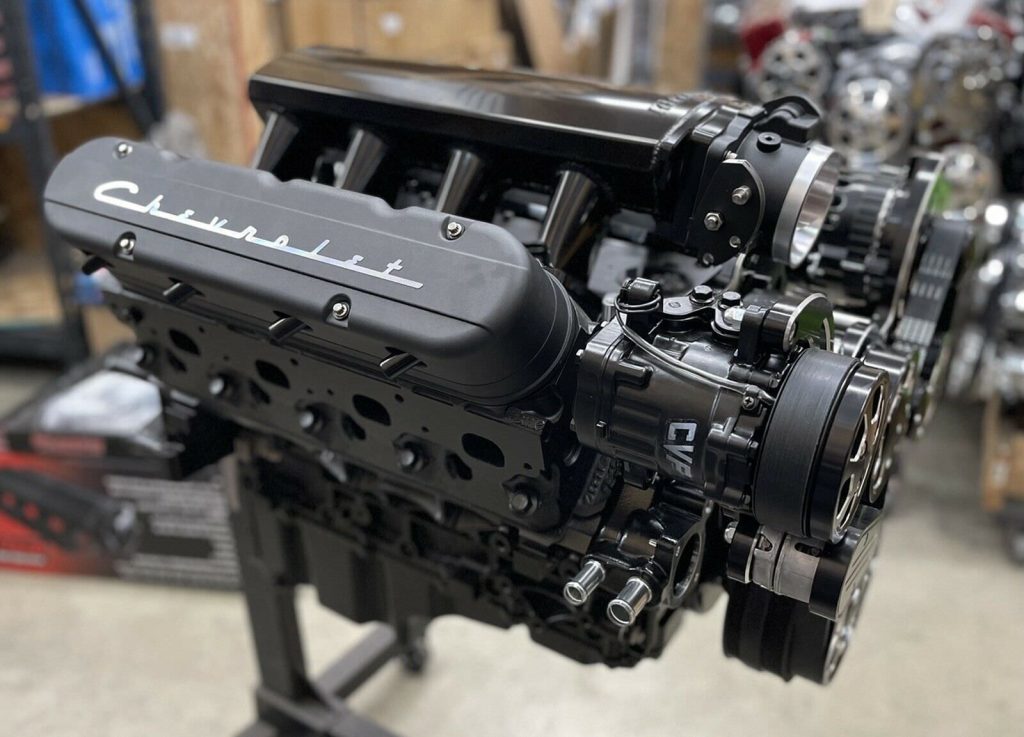
In real-world use, LS water pumps commonly last 100,000 miles (160,000 km) or more, and in many cases significantly longer depending on maintenance and operating conditions. This longevity is particularly notable given the wide range of applications, from heavy-duty towing in trucks to high-performance driving in sports cars.
Another advantage is the LS engine’s efficient and balanced cooling system layout. Coolant flow is well-managed, ensuring even temperature distribution across the cylinder heads and block.
This reduces localized hotspots that can stress the water pump and other cooling components. The relatively low complexity of the system also minimizes failure points compared to engines with auxiliary pumps or electronically controlled cooling circuits.
Ford 5.0L Coyote V8
The Ford 5.0L Coyote V8 is a modern, high-revving engine that balances performance with durability, and its water pump design plays a key role in maintaining reliable thermal control. Introduced in the Mustang GT and later used in the F-150, this engine reflects Ford’s approach to combining advanced engineering with practical serviceability.
A major strength of the Coyote’s cooling system is its externally mounted, belt-driven water pump. Positioned at the front of the engine and integrated into the accessory drive, the pump is easy to access and replace compared to more complex internal designs. This reduces labor time and avoids the risk associated with internally driven pumps, where failure can lead to severe engine damage.
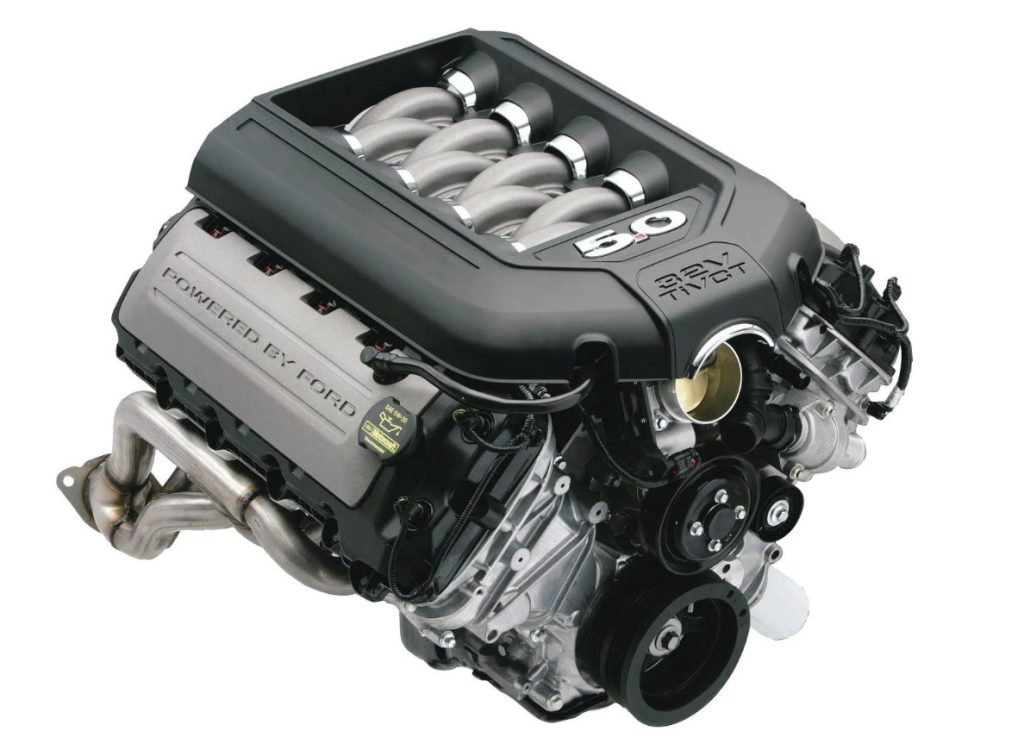
The water pump itself is engineered with high-quality bearings and seals, designed to handle the engine’s wide operating range. The Coyote V8 is known for its ability to rev beyond 7,000 RPM in performance applications, yet the cooling system remains stable under these conditions. This indicates strong durability in the pump’s internal components, which must maintain consistent coolant flow under both high-speed and high-temperature scenarios.
Toyota 1NZ-FE (Hybrid Applications)
The Toyota 1NZ-FE is a compact, efficient 1.5-liter inline-four engine best known for its use in models like the Yaris, Echo, and early Prius variants. Despite its small size and economy-focused design, it has built a strong reputation for reliability, partly due to its simple and durable water pump system.
A defining strength of the 1NZ-FE is its externally mounted, belt-driven water pump, a design choice that emphasizes ease of maintenance and long-term dependability. As with many engines from Toyota, the focus is on proven mechanical simplicity rather than complexity. The pump is driven by the accessory belt, making it accessible and relatively straightforward to replace when needed.
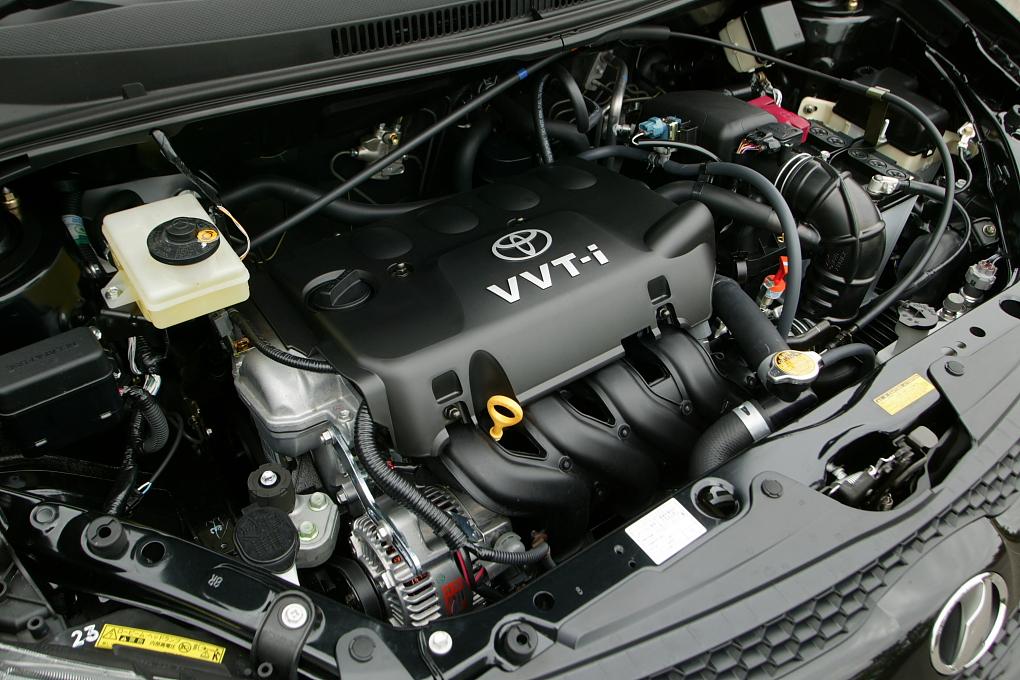
The pump itself is constructed with durable internal bearings and seals, capable of handling continuous operation under a wide range of driving conditions. In real-world use, the 1NZ-FE’s water pump typically delivers long service life, often lasting well beyond 100,000 miles (160,000 km) before showing signs of wear. This is particularly notable given that these engines are frequently used in urban environments with frequent stop-and-go driving, which can stress cooling systems.
Another advantage is the engine’s efficient thermal management. The 1NZ-FE operates at stable temperatures due to a well-balanced cooling system, reducing unnecessary strain on the water pump. Its relatively low output and conservative tuning also contribute to reduced thermal stress compared to higher-performance engines, further extending component lifespan.
5 Engines Prone to Water Pump Seizing or Failure
Heat load and maintenance also play a major role. Engines that operate at higher temperatures or rely on tightly integrated cooling systems tend to put more stress on the water pump. If coolant is not changed regularly or the correct type isn’t used, internal wear can accelerate, increasing the risk of seizing.
In this article, we examine five engines that are more prone to water pump failure or seizing. While not every engine will experience these problems, consistent patterns in real-world ownership and mechanical reports highlight potential risks that buyers and owners should be aware of.
Ford 3.5L / 3.7L Cyclone V6
The Ford 3.5L and 3.7L Cyclone V6 engines (also known as Duratec 35/37) are widely used across vehicles like the Ford Edge, Explorer, F-150, and Mustang. While these engines are generally reliable, their water pump design is more complex and less robust compared to simpler external systems, placing them in a more controversial position in discussions of cooling system durability.
A defining characteristic of the Cyclone V6 is its internally mounted, timing chain-driven water pump. Unlike traditional externally mounted pumps, Ford integrated the water pump inside the engine, where it is driven by the timing chain. This design reduces external components and can improve packaging efficiency, but it introduces significant long-term risk.
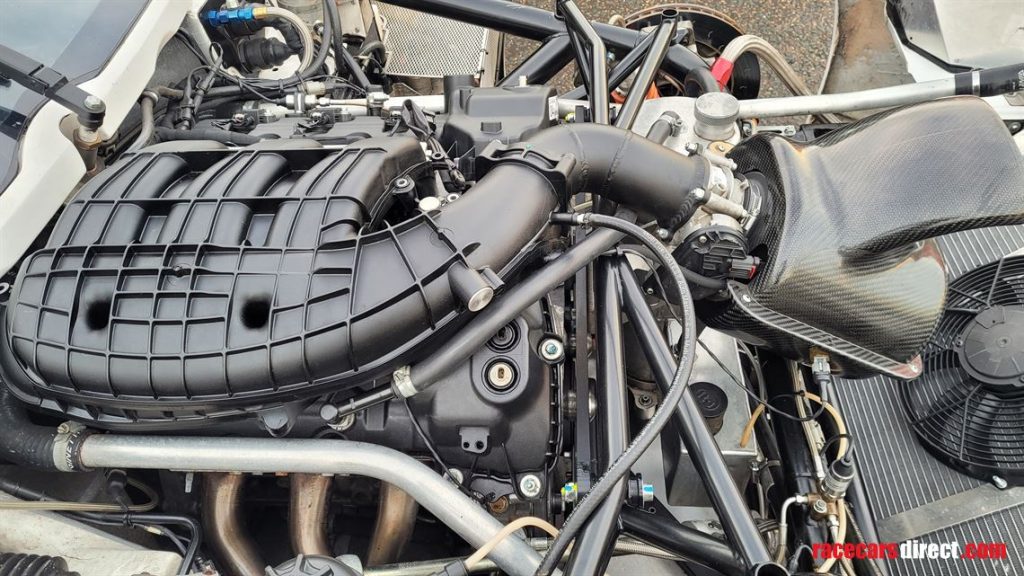
The primary issue is that water pump failure can become catastrophic. Because the pump is located inside the engine, a failed seal can allow coolant to leak directly into the crankcase, contaminating the engine oil. This can lead to rapid bearing damage and potential engine failure if not addressed quickly. Unlike external pumps, which typically leak outward and provide visible warning signs, internal failures can be harder to detect early.
Chrysler 2.7L V6
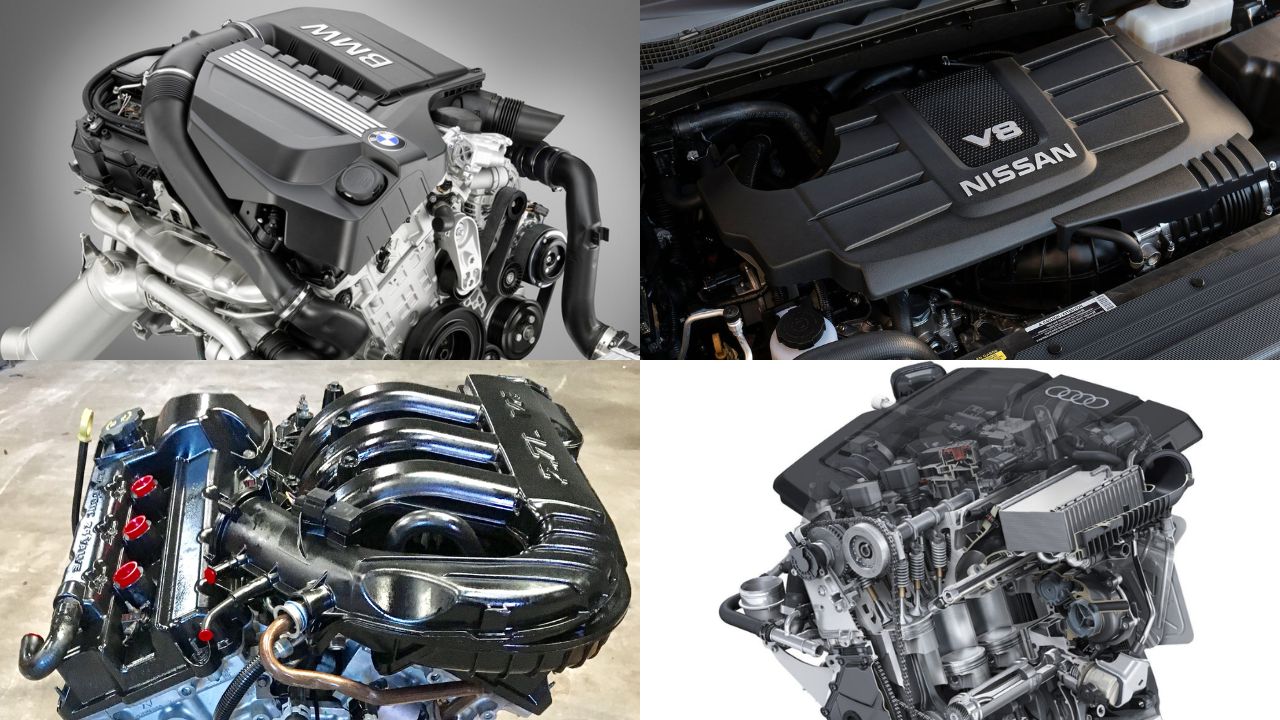
The Chrysler 2.7L V6 is often cited as a cautionary example in discussions of engine reliability, and its water pump design plays a significant role in that reputation. Found in vehicles like the Dodge Intrepid, Chrysler Sebring, and Concorde, this engine from Chrysler combined modern design elements with some critical engineering compromises.
A defining issue is the internally mounted, timing chain-driven water pump. Unlike conventional external pumps, the 2.7L V6 integrates the pump within the engine, where it is driven by the timing chain. While this layout can reduce external complexity and packaging space, it introduces serious risks when failures occur.
The primary concern is coolant leakage into the engine oil. When the water pump’s seals fail, a relatively common occurrence on this engine, coolant can mix with oil inside the crankcase.
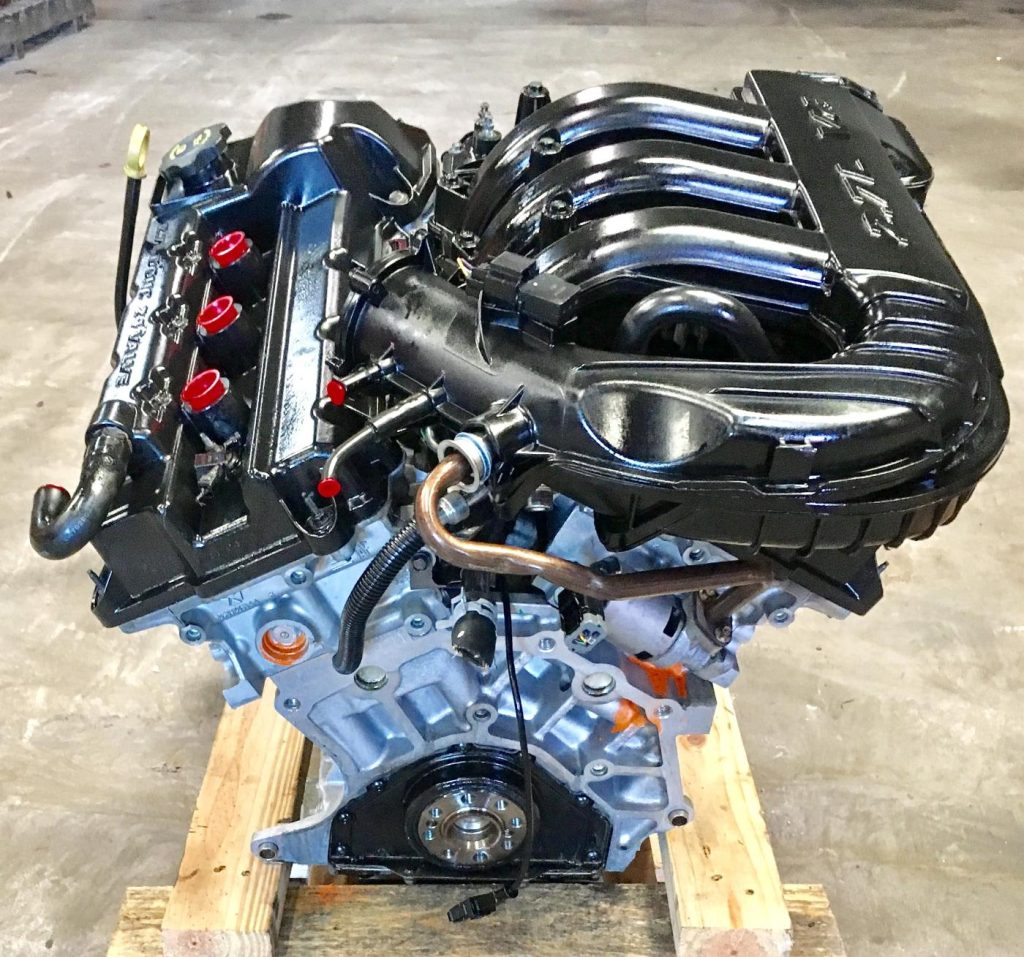
This contamination degrades lubrication, leading to accelerated wear on bearings, sludge formation, and in severe cases, complete engine failure. Unlike external leaks, which are visible and easier to address early, this internal failure can progress unnoticed until significant damage has already occurred.
Compounding the issue is the engine’s tendency toward oil sludge buildup, particularly if maintenance intervals are not strictly followed. Sludge can restrict oil flow and increase internal temperatures, placing additional stress on components like the timing chain and water pump. This creates a feedback loop where poor lubrication accelerates pump wear, and pump failure further damages the engine.
From a durability standpoint, the water pump itself is not exceptionally robust compared to industry standards. Failures have been reported well before 100,000 miles (160,000 km) in some cases, making it less reliable than many competing designs of the same era.
Nissan VK56 V8
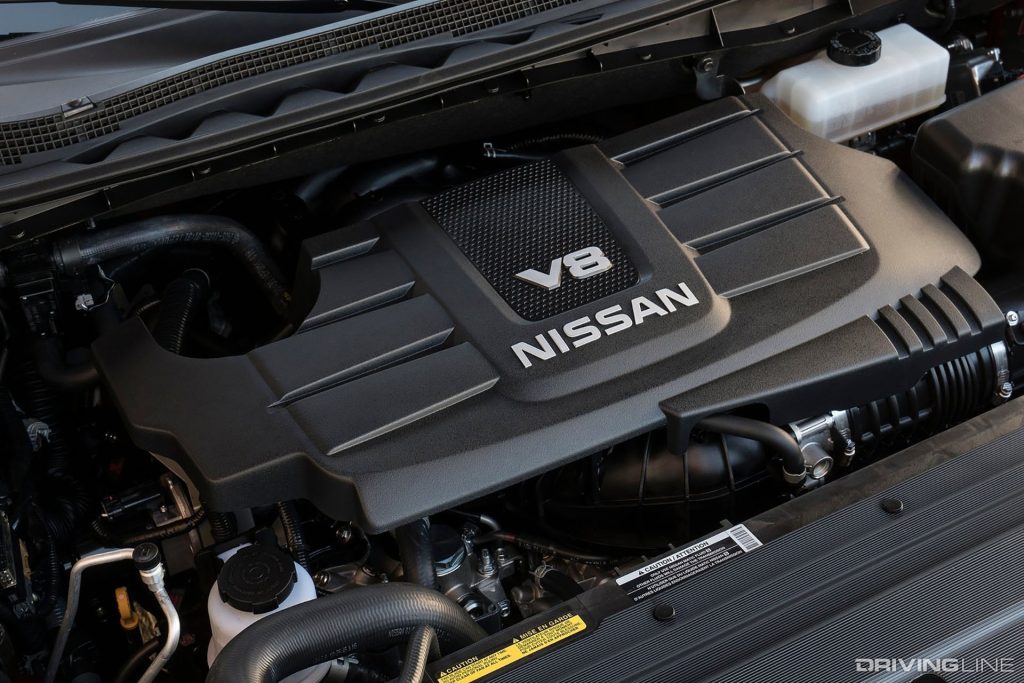
The Nissan VK56 V8 (VK56DE and later VK56VD) is a large-displacement, truck-oriented engine used in vehicles like the Nissan Armada, Titan, and Infiniti QX80. While the engine itself is known for strong performance and durability, its water pump design is less robust than the best-in-class systems, placing it in a more mixed category when evaluating cooling reliability.
One of the defining characteristics of the VK56 is its front-mounted, chain-driven water pump, integrated behind the timing cover. Unlike externally mounted pumps, this design, implemented by Nissan, places the pump inside the engine assembly. While this can improve packaging and reduce external complexity, it introduces additional risk and service challenges.
The primary concern is similar to other internal water pump designs: potential coolant leakage into the engine. If the pump’s seals begin to fail, coolant can escape into areas where it should not be, increasing the risk of contamination or overheating. Although the VK56 is not as notorious as some engines with internal pumps, the design still carries a higher failure consequence compared to external systems.
In terms of durability, the water pump itself is reasonably well-built, and many units last 100,000 miles (160,000 km) or more under normal conditions. However, longevity can vary depending on maintenance and usage, particularly in heavy-duty scenarios such as towing or off-road driving, where thermal loads are higher.
A significant drawback is service complexity. Because the pump is located behind the timing cover, replacement requires substantial disassembly, including timing chain components. This makes the job labor-intensive and expensive, often leading owners to delay replacement until symptoms become severe. In contrast, external pumps can be replaced quickly and at lower cost.
BMW N54 / N55 Turbo Inline-6
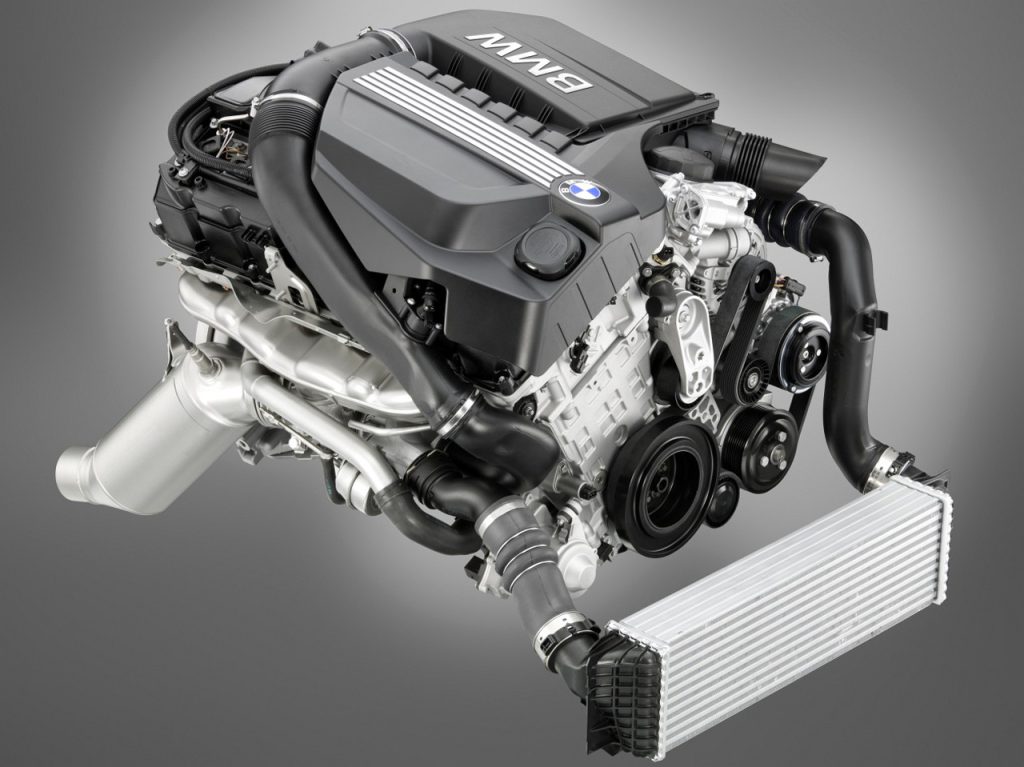
The BMW N54 and N55 turbocharged inline-six engines are well known for performance and refinement, but their water pump design represents a clear departure from traditional mechanical systems, and a notable weak point in long-term durability. Used in models like the 335i, 535i, and X5, these engines from BMW rely on an electric water pump rather than a belt-driven unit.
This electric design offers several advantages on paper. It allows precise, on-demand coolant flow control, independent of engine speed, improving efficiency and enabling better thermal management.
The system can adjust cooling dynamically, reducing parasitic losses and helping the engine warm up faster. In performance terms, this contributes to both fuel efficiency and emissions compliance.
However, the trade-off is reduced long-term reliability. Unlike traditional pumps with simple mechanical components, the electric unit integrates electronics, motors, and control modules, all of which are subject to heat and wear. Over time, these components can fail, often without much warning.
A key issue is that failure tends to be sudden rather than gradual. While mechanical pumps usually show early signs like leaks or bearing noise, the electric pump in N54/N55 engines can stop functioning abruptly, triggering overheating warnings and, in some cases, immediate limp mode. This lack of progressive warning increases the risk of unexpected breakdowns.
Volkswagen 2.0T EA888 (Early Generations)
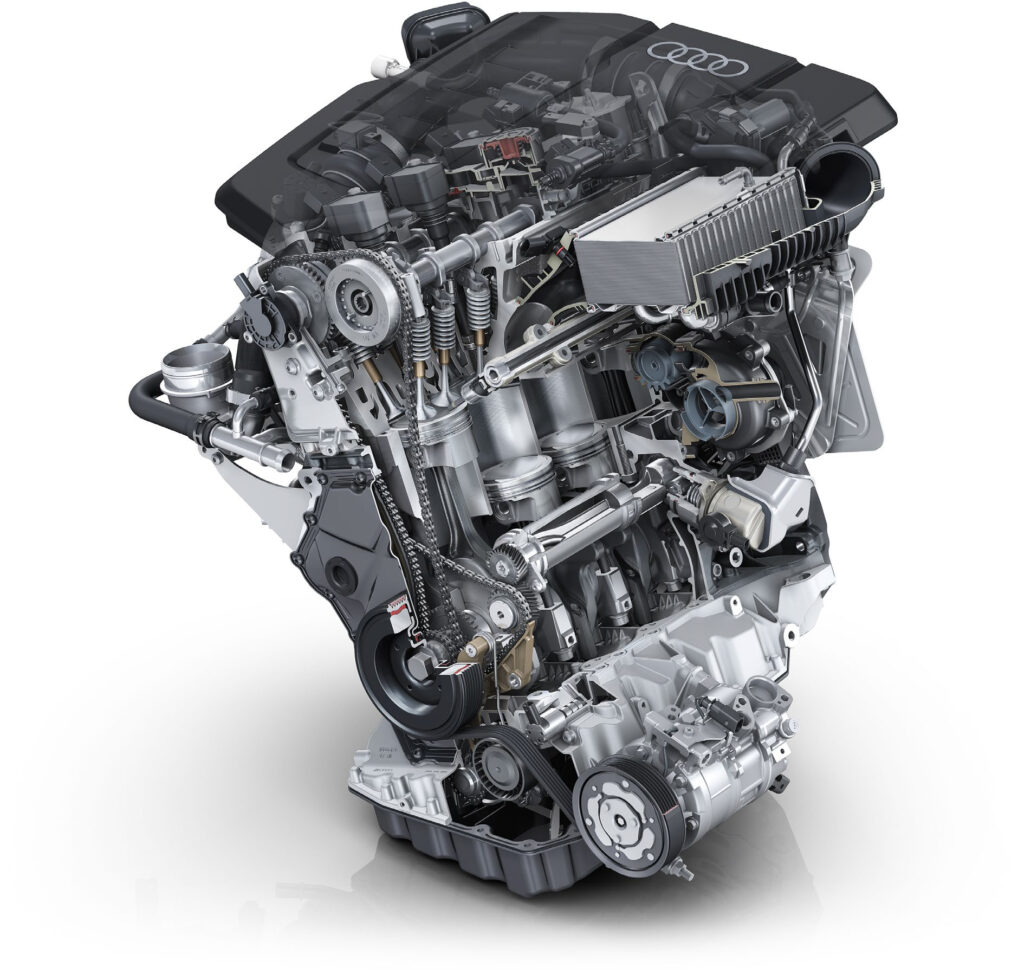
The Volkswagen 2.0T EA888 engine is one of the most widely used turbocharged four-cylinders in the industry, powering vehicles across Volkswagen, Audi, and other brands under the Volkswagen Group. While it is praised for performance and efficiency, its water pump and cooling module design is a known weak point, particularly in earlier generations.
A defining characteristic of the EA888 is its integrated water pump and thermostat housing assembly, often constructed from plastic composites. This compact module improves packaging efficiency and reduces weight, but it introduces durability concerns. Over time, the plastic housing is prone to cracking, warping, or gasket failure, leading to coolant leaks.
Unlike traditional metal, externally mounted pumps, the EA888’s cooling module combines multiple components into a single unit. While this simplifies manufacturing, it means that failure of one part often requires replacement of the entire assembly, increasing repair costs. The issue is not always the pump impeller itself, but the surrounding housing and seals.
Another concern is the frequency of failure. Many EA888 engines, particularly Gen 1 and Gen 2 variants, experience water pump or thermostat housing issues between 60,000 and 100,000 miles (96,000–160,000 km). Later Gen 3 versions improved materials and design, but reports of leaks and failures still occur, albeit less frequently.
From a performance standpoint, the system is thermally efficient and well-engineered. The EA888 uses advanced cooling strategies, including variable coolant flow and integrated thermal management, which help optimize engine temperature for both performance and fuel economy. However, these benefits come at the cost of increased system complexity.
For buyers and owners, the key consideration is not just whether a water pump can fail, but how it fails. A design that allows early detection and straightforward replacement can prevent a relatively minor issue from turning into a costly repair.
