The world of automobiles is filled with engines designed for performance, efficiency, or style, but few are celebrated for longevity the way iron block engines are. Vehicles equipped with cast-iron blocks are built to withstand extreme stress, heat, and wear, making them capable of lasting 400,000 miles or more with proper care.
From rugged trucks and off-road SUVs to everyday sedans and compact cars, these engines share a common philosophy: durability over flashy performance. Their heavy-duty materials, conservative tuning, and mechanical simplicity allow them to endure high mileage while remaining repairable and dependable.
In this list, we explore ten standout vehicles whose iron block engines have earned legendary reputations, including the Toyota Tundra 2UZ-FE V8, Jeep Cherokee XJ 4.0L inline-six, Mercedes-Benz 300D OM617 diesel, Volvo 240 B230 Redblock, Dodge Ram 5.9L Cummins, Ford F-150 4.9L inline-six, Toyota Land Cruiser 1HZ diesel, Chevrolet Suburban 5.7L Vortec V8, Honda Accord F22 SOHC, and Saturn S-Series 1.9L I4. Each exemplifies engineering built to last decades of daily driving and heavy-duty use.
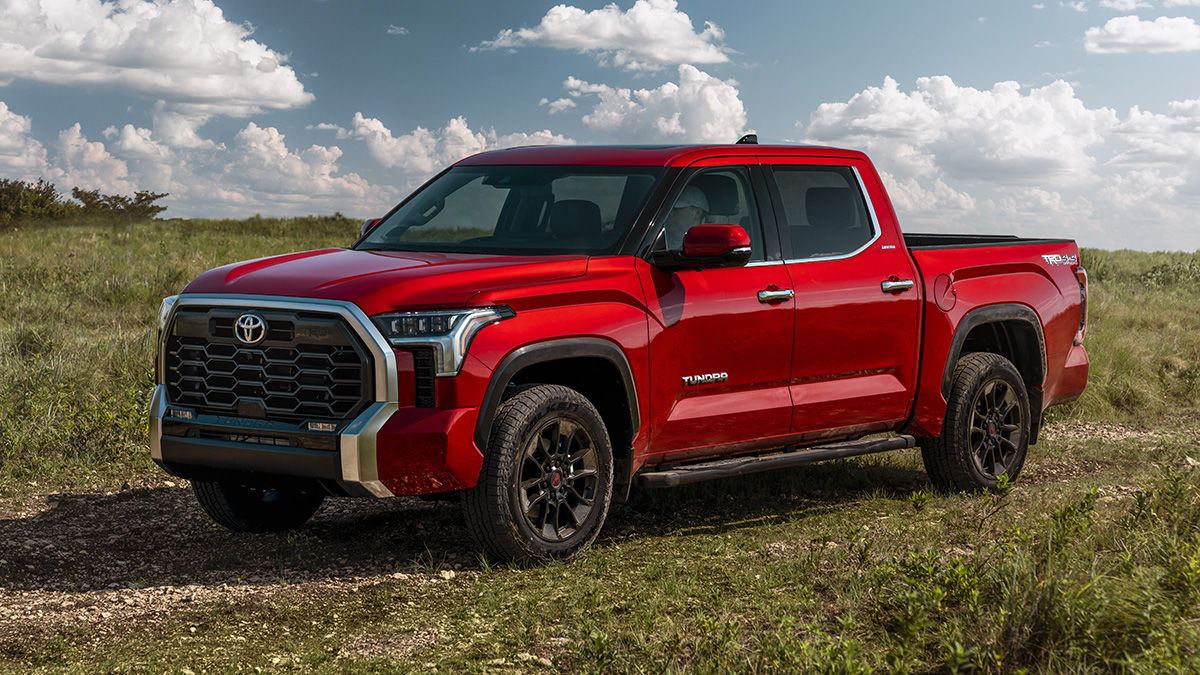
1. Toyota Tundra 4.7L 2UZ-FE V8: Reliability and Inspection Insights
The 4.7L 2UZ-FE V8 engine used in the first-generation Toyota Tundra from 2000 to 2006 is widely known for its exceptional durability and long service life. Built with a cast-iron block, this engine provides outstanding strength, heat resistance, and stability compared to later aluminum designs.
Its internal components are engineered with tight tolerances and high-quality materials, including a forged steel crankshaft, allowing it to handle heavy use over hundreds of thousands of miles. With consistent maintenance such as regular oil changes and timing belt replacement every 90,000 to 100,000 miles, this engine can exceed 300,000 miles and has even reached over one million miles in some documented cases.
Performance-wise, the 2UZ-FE produces around 245 to 282 horsepower and 315 to 325 lb-ft of torque. While it may not lead its class in raw power, it is known for smooth operation, dependable towing capability, and strong everyday usability. Many owners value its steady power delivery and ability to handle both work and daily driving without strain.
There are a few common issues to consider. The timing belt must be replaced at recommended intervals due to the engine’s interference design, as failure can cause major internal damage. Cracked exhaust manifolds may create a ticking sound during cold starts, though this issue is not usually severe.
Models from 2005 to 2006 with VVT-i can develop problems with the secondary air injection system, which can be expensive to repair. The starter motor is also located under the intake manifold, making replacement more difficult, although it rarely fails.
When evaluating older vehicles, especially those from dry regions like the southwestern United States, inspecting “sun-faced” metal surfaces is important. Areas such as the hood, roof, and trunk often show paint damage from intense sunlight.
This can lead to surface pitting that looks serious but is often only cosmetic. Checking these areas in direct sunlight and using a magnet to test the metal can help determine whether the damage is superficial or structural.
The 4.7L 2UZ-FE V8 Tundra remains a top choice for reliability, durability, and long-term value.
2. Jeep Cherokee XJ 4.0L AMC Inline-6: Legendary Durability and Off-Road Capability
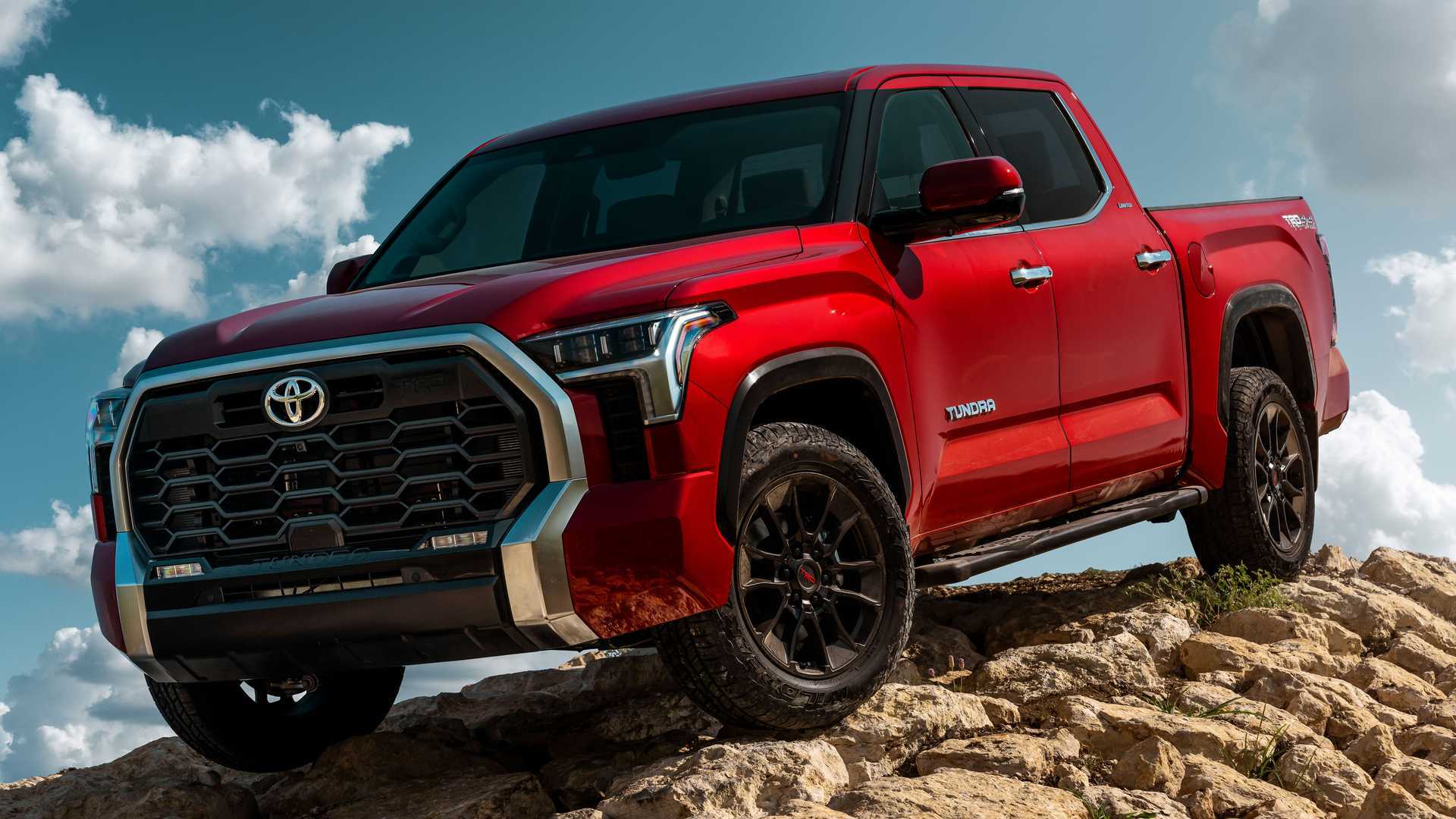
The Jeep Cherokee XJ equipped with the 4.0L AMC inline-six engine is widely regarded as one of the most durable and dependable powertrains ever produced. Designed with a cast-iron block and cylinder head, this engine is built to withstand extreme heat, heavy use, and even neglect. Its simple overhead valve design reduces the number of moving parts, which improves reliability and makes maintenance easier.
Often described as a “tractor engine,” it prioritizes low-end torque and longevity over high performance, allowing many examples to exceed 300,000 to 400,000 miles on original internals.
One of the key reasons for its long lifespan is its low-stress design. Producing around 190 horsepower and 225 to 232 lb-ft of torque, the engine delivers power at low RPMs, which reduces internal strain and wear over time.
The inline-six configuration is naturally balanced, minimizing vibration and mechanical stress. Combined with durable materials and strong internal components, this results in an engine that can handle years of demanding use, especially in off-road conditions.
The 4.0L engine also benefits from a simple and proven architecture rooted in older AMC designs. Its pushrod system and conventional fuel injection make it easy to repair and maintain, with widely available and affordable parts. Model years from 1995 to 1999 are often considered the most refined, offering improved fuel injection while retaining the engine’s strongest components.
In terms of vehicle characteristics, the Cherokee XJ features a compact, boxy design with unibody construction, providing a balance of maneuverability and interior space. It is especially popular for off-roading due to its durability, strong torque, and excellent aftermarket support. While not designed for speed, it offers smooth and predictable power delivery suited for trails and daily driving.
However, there are some common issues. The engine can run hot, and overheating should be monitored carefully. Cracked exhaust manifolds are frequent due to heat and engine movement, and rear main seal leaks may occur over time. Additionally, rust can affect body panels and floor areas.
The Jeep Cherokee XJ with the 4.0L inline-six remains an iconic SUV, valued for its rugged reliability, simplicity, and exceptional longevity.
3. Mercedes-Benz 300D OM617 Diesel: Built for Longevity Over Speed
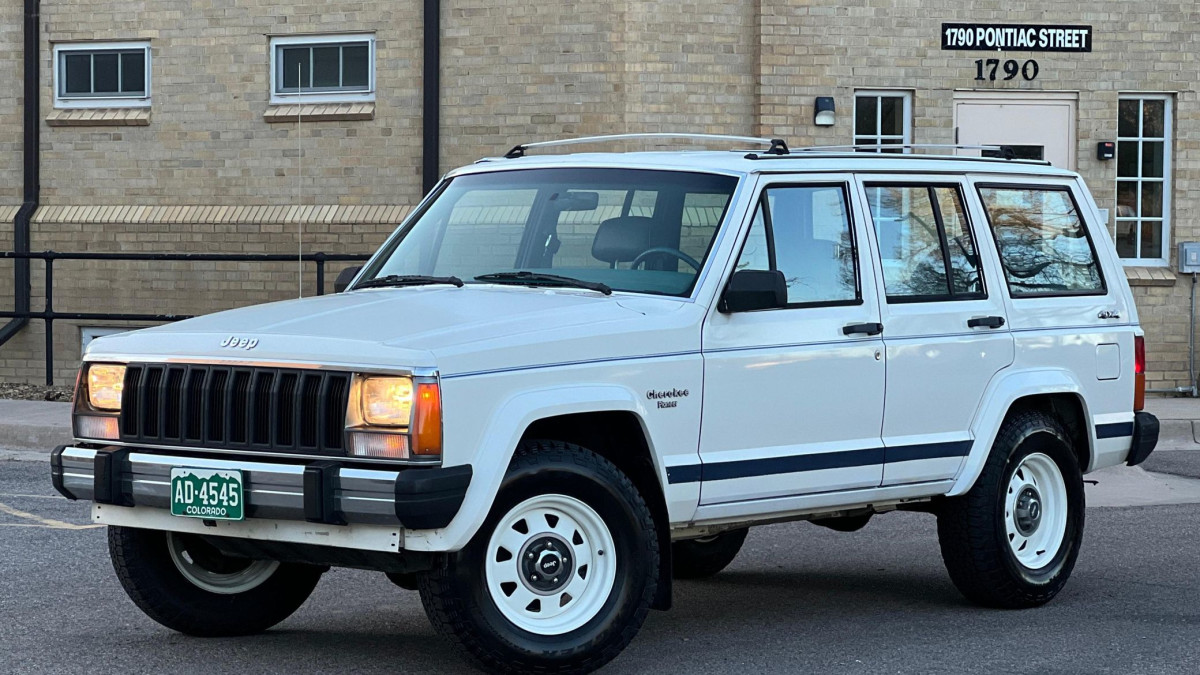
The Mercedes-Benz 300D, powered by the OM617 five-cylinder diesel engine, is widely considered one of the most reliable engines ever produced. Built during the 1970s and 1980s, this engine was designed with durability as its top priority, often achieving 400,000 to over 500,000 miles with proper maintenance.
Many examples have even reached “million-mile” status, earning recognition through Mercedes-Benz high-mileage awards. Its reputation comes from a combination of robust materials, conservative engineering, and mechanical simplicity.
At the core of the OM617’s durability is its heavy cast-iron construction. Both the engine block and cylinder head are made from thick, high-quality iron, which resists heat stress, warping, and long-term fatigue better than lighter aluminum designs.
The engine also features overbuilt internal components such as a massive crankshaft, strong connecting rods, and thick cylinder walls. These parts are designed to handle high compression and continuous use over decades without failure.
Another key factor is its low-stress operating design. The OM617 produces relatively low horsepower for its size, meaning internal components are never pushed to their limits. It operates at lower revolutions per minute, reducing wear on pistons, bearings, and rings. The use of indirect fuel injection creates a smoother and more gradual combustion process, which reduces shock and prolongs engine life.
Mechanical simplicity also plays a major role in reliability. The OM617 uses a fully mechanical fuel injection system with minimal electronics, eliminating many common failure points found in modern engines. Features such as piston cooling oil jets help regulate temperature and reduce internal wear, further extending service life.
The driving experience of the 300D reflects its engineering priorities. It is comfortable, smooth, and well-built, but notably slow, especially in non-turbo models. Despite modest performance, it offers good fuel efficiency for its time and a solid, predictable ride.
Common issues include rust, vacuum system leaks affecting door locks or engine shutdown, and aging interior components. However, these are generally minor compared to the engine’s durability. The Mercedes-Benz 300D with the OM617 diesel remains an iconic example of engineering focused on longevity, reliability, and ease of maintenance.
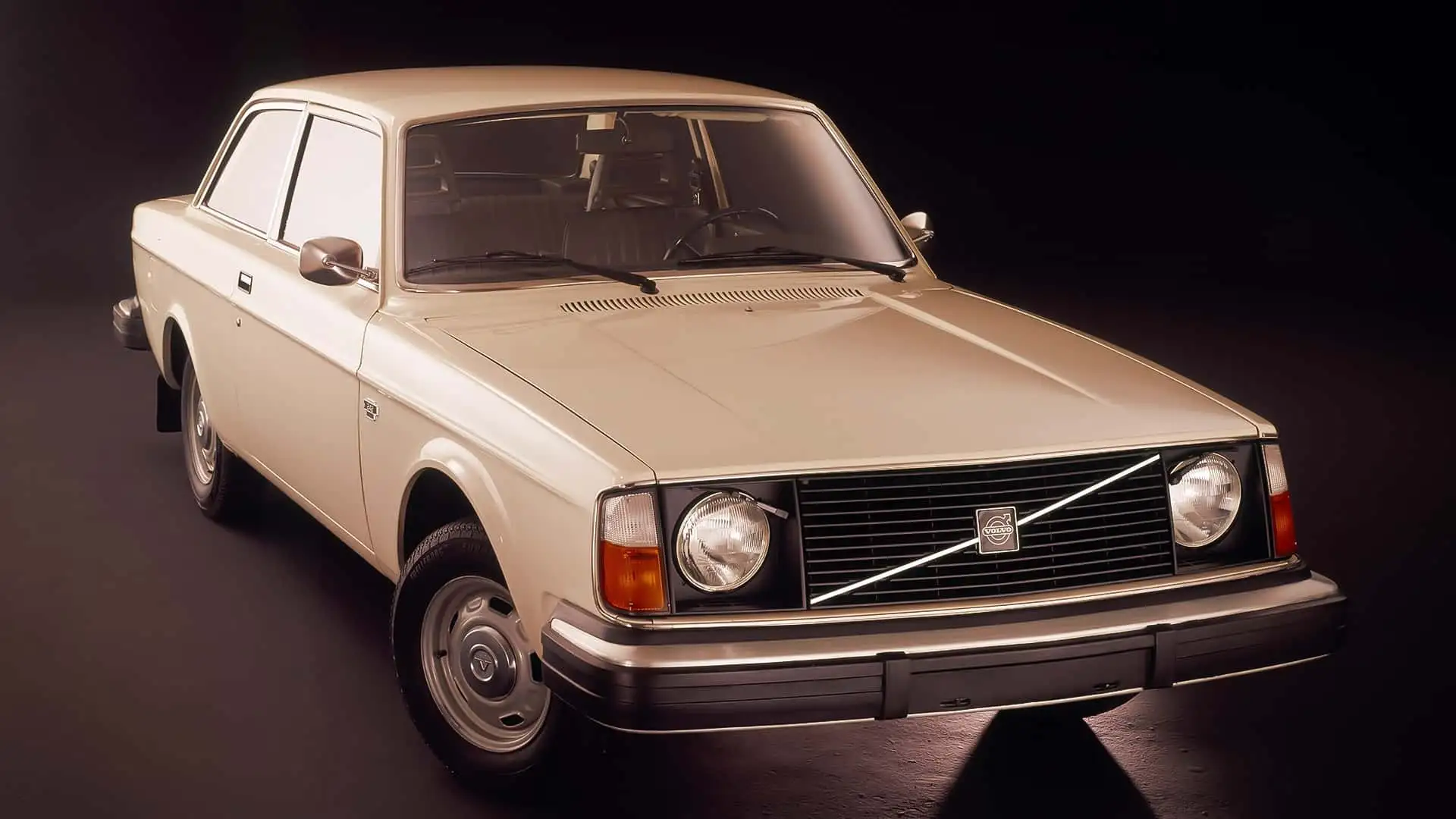
4. Volvo 240 B230 “Redblock”: Simple Engineering and Extreme Longevity
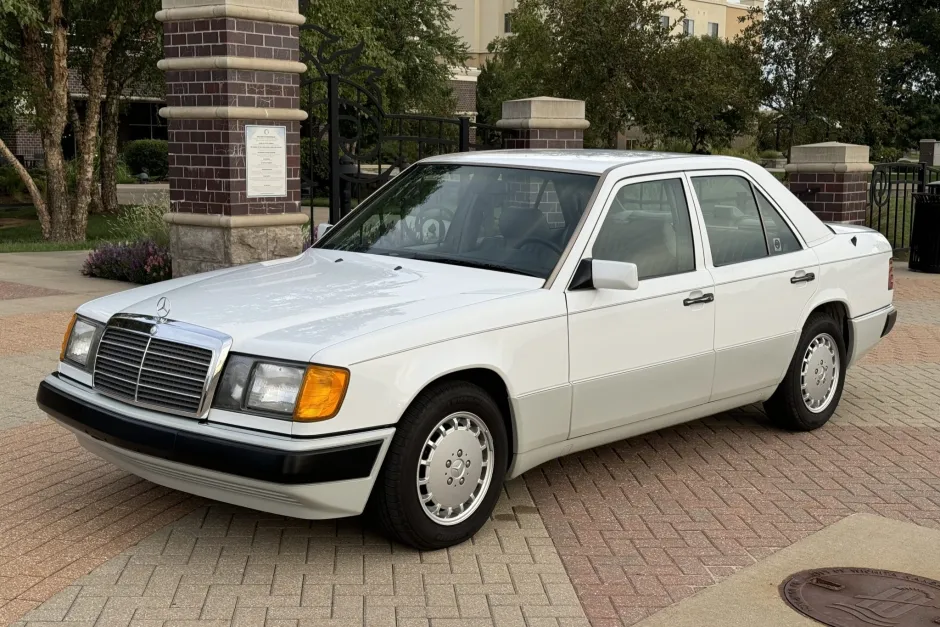
The Volvo 240 equipped with the B230 “Redblock” engine is widely recognized as one of the most durable and long-lasting passenger car powertrains ever built. Named after its distinctive red-painted cast-iron block, the engine was designed with reliability and resilience in mind, particularly for harsh climates such as Swedish winters.
Its heavy-duty construction, combined with conservative engineering, allows many of these engines to exceed 300,000 to 400,000 miles, with some even reaching close to one million miles under proper care.
A major factor in the Redblock’s longevity is its robust cast-iron block and strong internal components. Many versions feature forged crankshafts and connecting rods, giving the engine a solid bottom end capable of handling long-term wear and even increased power in turbocharged variants. The thick, durable materials resist heat, stress, and fatigue, ensuring consistent performance over decades of use.
The engine’s low-stress design also contributes significantly to its durability. Producing modest power, especially in naturally aspirated versions like the B230F, the engine avoids excessive strain on its internal parts.
This conservative tuning reduces cylinder pressure and mechanical wear, allowing the engine to operate reliably for extended periods. In addition, the single overhead cam design is simple and easy to maintain, reducing the likelihood of complex failures.
One of the most notable features of many Redblock engines is their non-interference valvetrain. This means that if the timing belt fails, the valves and pistons typically do not collide, preventing catastrophic engine damage. Combined with straightforward maintenance requirements and accessible components, the engine is easy to service and maintain, even for enthusiasts.
The Volvo 240 itself is known for its boxy design, spacious interior, and practical utility. While not a performance-oriented vehicle, it offers a comfortable ride and predictable handling. It also has a strong aftermarket community, with turbocharged variants like the B230FT capable of producing significantly higher power with minimal modifications.
Common issues include piston slap, aging wiring harnesses, and weaker connecting rods in earlier models. Despite these minor drawbacks, the Volvo 240 with the B230 Redblock remains an iconic, reliable vehicle known for its simplicity, durability, and long-term value.
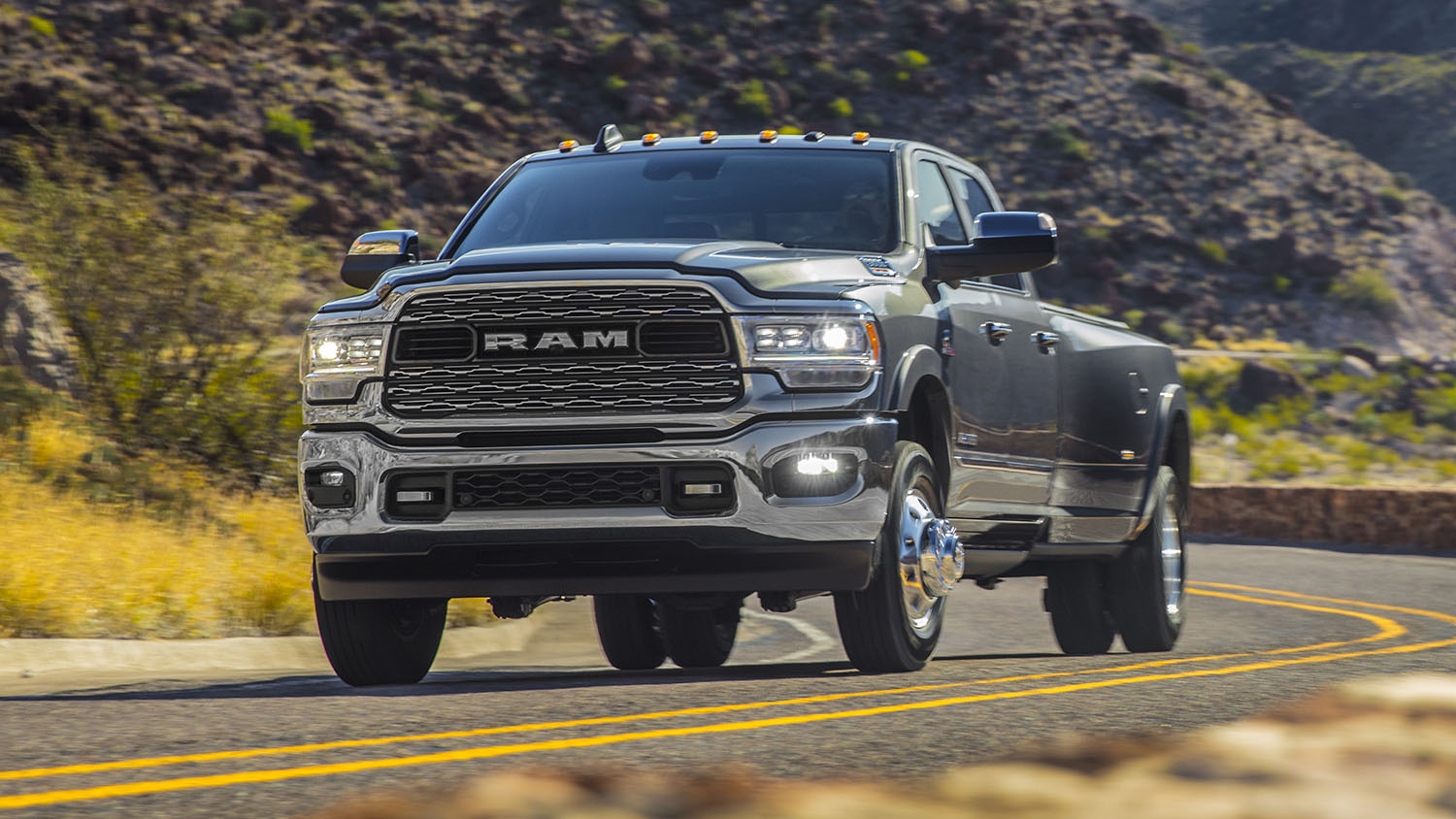
5. Dodge Ram 5.9L Cummins 12-Valve Diesel: Industrial Strength and Longevity
The Dodge Ram equipped with the 5.9L Cummins 12-valve diesel engine is widely regarded as one of the most durable and long-lasting truck powertrains ever built.
Originally designed for agricultural and industrial applications, this engine was over-engineered for use in a light-duty pickup, resulting in exceptional reliability and low internal stress. Many examples regularly exceed 300,000 to 500,000 miles, with some surpassing one million miles with proper maintenance.
A key factor in the engine’s durability is its heavy cast-iron construction. Both the block and cylinder head are made from strong iron, providing excellent resistance to heat, pressure, and long-term wear.
The internal components are equally robust, featuring a forged steel crankshaft, forged connecting rods, and seven main bearings that stabilize the rotating assembly under heavy loads. The use of six head bolts per cylinder further strengthens the engine, making head gasket failure extremely rare even under high stress.
One of the defining features of the 12-valve Cummins is its fully mechanical design. The Bosch P7100 injection pump, commonly known as the P-pump, is highly reliable and operates without electronic controls. This simplicity eliminates many common failure points found in modern engines.
The engine also uses a gear-driven timing system, removing the need for belts or chains and reducing maintenance concerns. With minimal electronics and no complex emissions systems, the engine is easy to maintain and highly resistant to failure.
The engine’s low-revving, high-torque nature also contributes to its longevity. Producing strong torque at low engine speeds, it avoids excessive strain on internal components. Its industrial origins mean it was designed to run continuously under load, making it ideal for towing and heavy-duty work.
Despite its strengths, there are some known issues. The “killer dowel pin” in the timing cover can dislodge and cause serious damage if not addressed. Additionally, the truck’s automatic transmissions and body components are often less durable than the engine itself, with rust and wear being common concerns.
The 5.9L Cummins 12-valve stands out as a legendary diesel engine, prized for its simplicity, strength, and unmatched longevity.
Also read:5 Cars With Simple Mechanical Cooling Fans vs 5 With Complex Electric Fan Modules
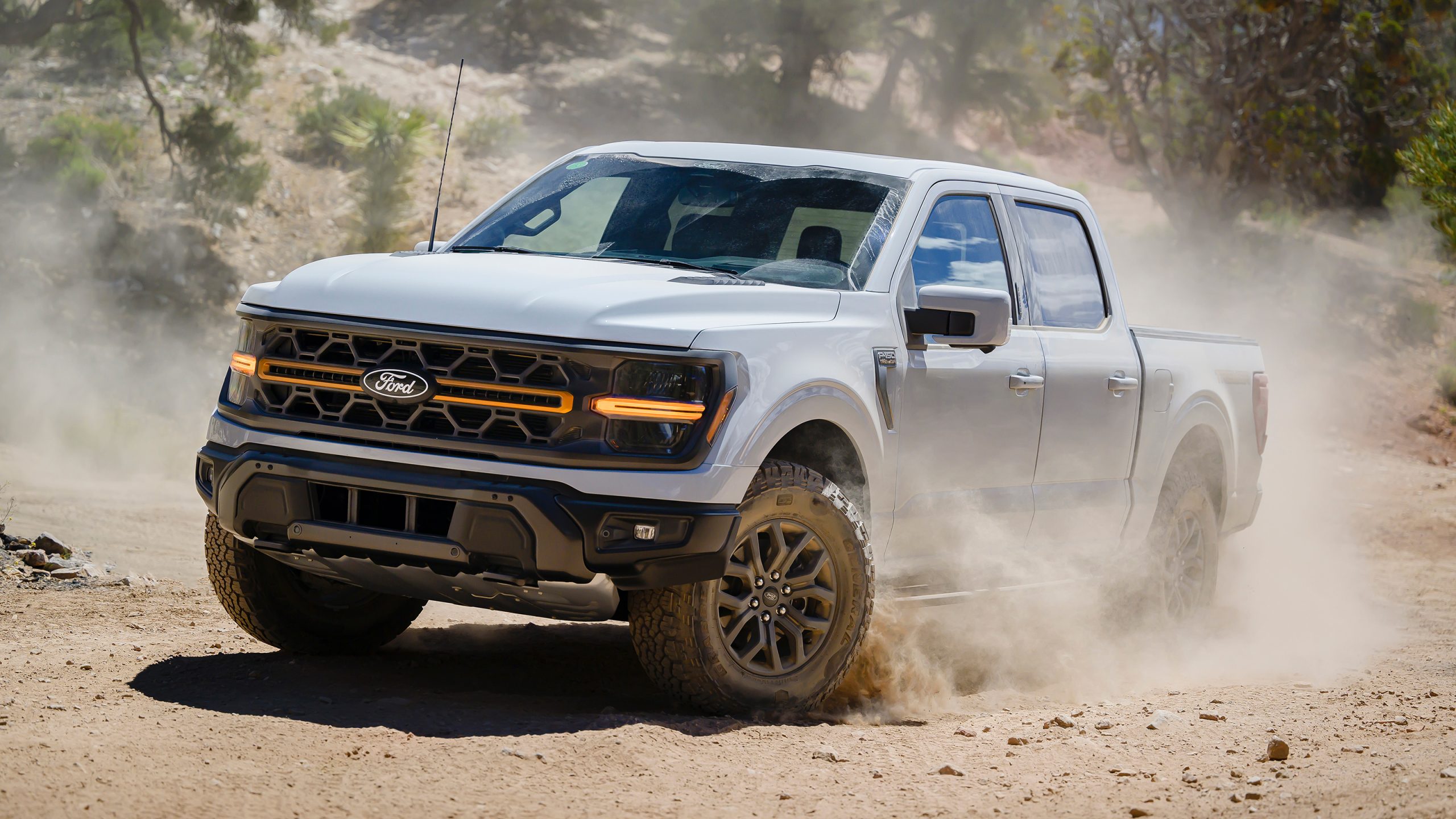
6. Ford F-150 4.9L Inline-6: Simple Design and Proven Durability
The Ford F-150 equipped with the 4.9L inline-six engine, also known as the 300 cubic inch “Big Six,” is widely regarded as one of the most reliable and long-lasting truck engines ever built.
Produced for decades and used in everything from pickup trucks to commercial vehicles, this engine was designed with durability and practicality as its primary goals. With proper maintenance, it is common for these engines to exceed 300,000 to 400,000 miles, with some lasting even longer.
A major reason for its longevity is its all-iron construction. Both the engine block and cylinder head are made from heavy-duty iron, which provides excellent resistance to heat, stress, and long-term wear.
The engine also features seven main bearings supporting the crankshaft, which improves stability and reduces vibration during operation. This contributes to smoother performance and helps extend the life of internal components.
One of the most distinctive features of the 4.9L inline-six is its gear-driven timing system. Unlike most engines that rely on timing belts or chains, this engine uses durable steel gears to synchronize the camshaft and crankshaft.
This design eliminates a common maintenance concern and significantly reduces the risk of timing-related failure. Combined with its simple overhead valve layout, the engine is easy to maintain and has fewer parts that can break over time.
The engine is also designed to operate at low revolutions per minute, producing strong torque at lower speeds. This low-stress operation minimizes internal wear and makes it ideal for towing, hauling, and heavy-duty work. Its inline-six configuration provides natural balance, resulting in smooth operation and less mechanical strain compared to other engine layouts.
While extremely durable, the engine does have minor weaknesses. Electronic fuel injection systems in later models can develop vacuum leaks, and the engine does not tolerate severe overheating well. Performance is also modest, as it is built for work rather than speed.
The Ford F-150 4.9L inline-six stands out as a legendary workhorse, valued for its simplicity, strength, and long-term reliability.
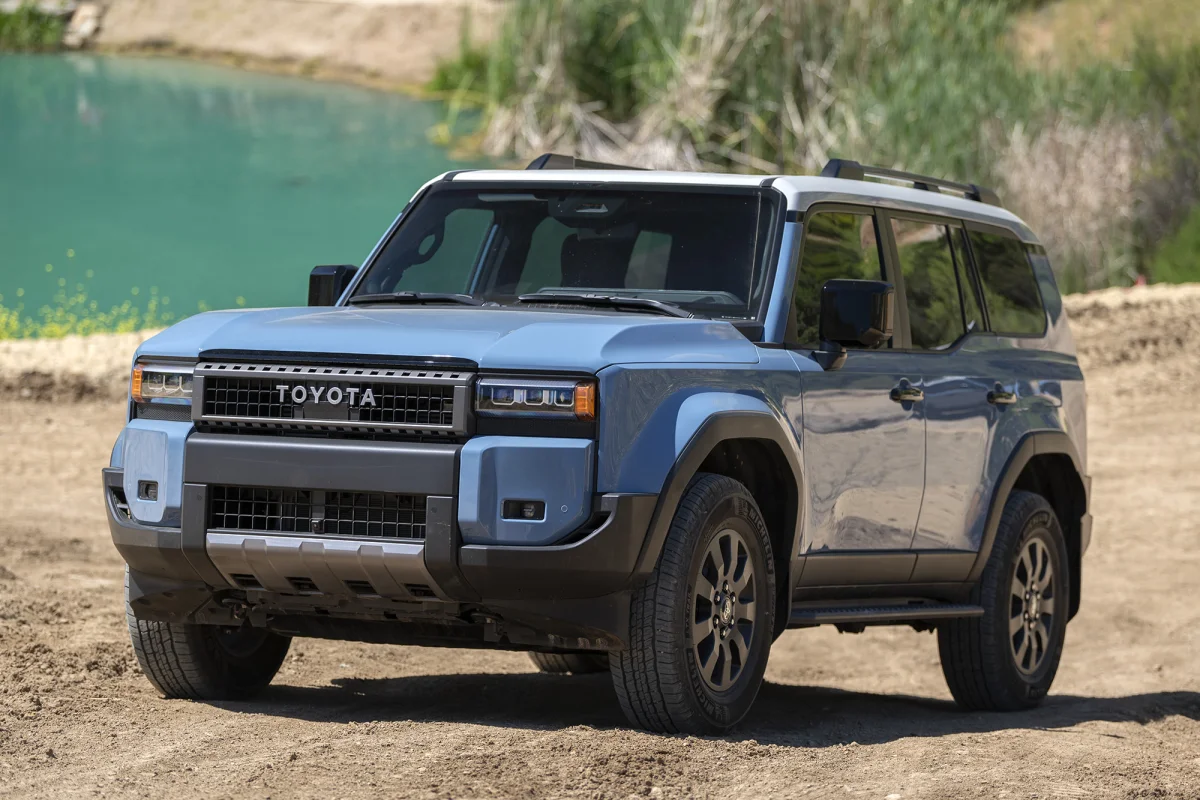
7. Toyota Land Cruiser 4.2L 1HZ Diesel: Built for Extreme Conditions and Longevity
The Toyota Land Cruiser equipped with the 4.2L 1HZ diesel engine is widely regarded as one of the most durable and long-lasting engines ever produced. Designed for reliability in the harshest environments, this naturally aspirated inline-six diesel has become the backbone of Toyota’s reputation in remote regions around the world.
Commonly found in the Land Cruiser 70 Series and other variants, the 1HZ is known to exceed 400,000 miles, with many examples reaching over one million kilometers when properly maintained.
A key reason for the engine’s longevity is its heavy-duty cast-iron construction. Both the block and cylinder head are made from strong iron, providing excellent resistance to heat, stress, and long-term wear.
The engine also features a forged crankshaft and seven main bearings, ensuring a strong and stable bottom end capable of handling continuous use under demanding conditions. Its low power output, around 129 horsepower from a large 4.2-liter displacement, keeps internal stress low and allows components to last significantly longer.
The 1HZ is also defined by its mechanical simplicity. It uses a naturally aspirated design, meaning there is no turbocharger to add heat or complexity. Its mechanical fuel injection system eliminates the need for electronic controls, making it highly reliable and capable of running on lower-quality fuel.
A gear-driven timing system further enhances durability by removing the need for timing belts or chains, which are common maintenance points in many engines.
This engine was specifically engineered for harsh environments such as deserts, mines, and remote regions. Its high compression ratio and robust lubrication system allow it to operate reliably under heavy loads and extreme temperatures.
Because of its simple design, it can also be repaired in basic workshops without advanced diagnostic tools, making it a favorite among aid organizations, mining companies, and off-road enthusiasts.
Despite its strengths, the 1HZ has some limitations. It is slow compared to modern engines and less refined, with higher noise levels and fuel consumption. Overheating can also become an issue if the cooling system is neglected.
The 4.2L 1HZ diesel stands as a legendary workhorse, valued for its unmatched reliability, simplicity, and ability to endure extreme conditions over decades.
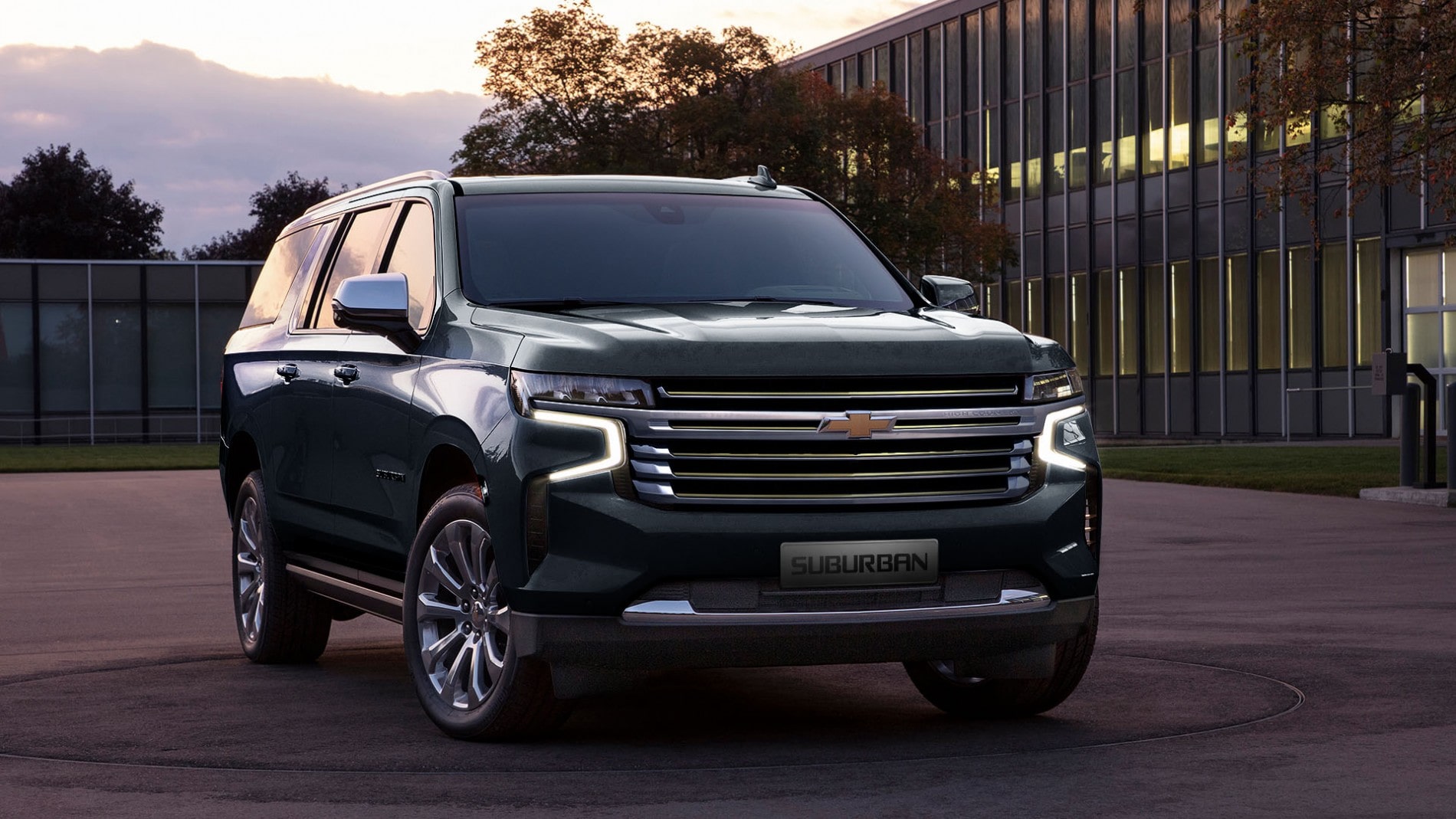
8. Chevrolet Suburban 5.7L Vortec V8: The Peak of Iron Small-Block Durability
The Chevrolet Suburban equipped with the 5.7L Vortec V8 (L31) represents one of the most refined and durable versions of the classic 350 small-block engine.
Found in late 1990s Suburbans and Tahoes, this engine is widely recognized for its ability to deliver long-term reliability, often exceeding 300,000 to 400,000 miles with proper maintenance. It marks the peak of the traditional cast-iron small-block era before General Motors transitioned to newer aluminum-based LS engines.
At the core of the L31’s durability is its high-nickel cast-iron block and cylinder heads. This construction provides excellent resistance to heat, wear, and warping, making it well-suited for heavy-duty applications such as towing and long-distance travel.
The engine’s internal components are designed for strength and longevity, allowing the bottom end to endure years of use without requiring major repairs. With regular oil changes and proper care, the engine can run reliably for hundreds of thousands of miles.
Another key factor is its low-stress engineering. The 5.7L Vortec is not tuned for extreme performance but instead focuses on consistent power and reliability. Producing around 255 horsepower and 330 lb-ft of torque, it offers strong pulling capability for hauling large loads and transporting passengers. This conservative tuning reduces strain on internal components, helping extend the engine’s lifespan.
The Vortec fuel injection system also contributes to improved efficiency and durability compared to earlier carbureted small-blocks. It delivers more precise fuel control, which enhances combustion and reduces engine wear over time. In addition, the engine’s simple and well-understood design makes it easy to maintain, with widely available and affordable replacement parts.
Despite its strengths, the L31 does have some common issues. The “spider” fuel injector system can be problematic, and fuel pumps may fail over time. Distributor gear wear can also affect oil pressure if not addressed. Fuel economy is relatively poor, which is typical for a large V8-powered SUV.
The 5.7L Vortec V8 in the Chevrolet Suburban stands as a proven and dependable workhorse, valued for its strength, simplicity, and long-lasting performance.
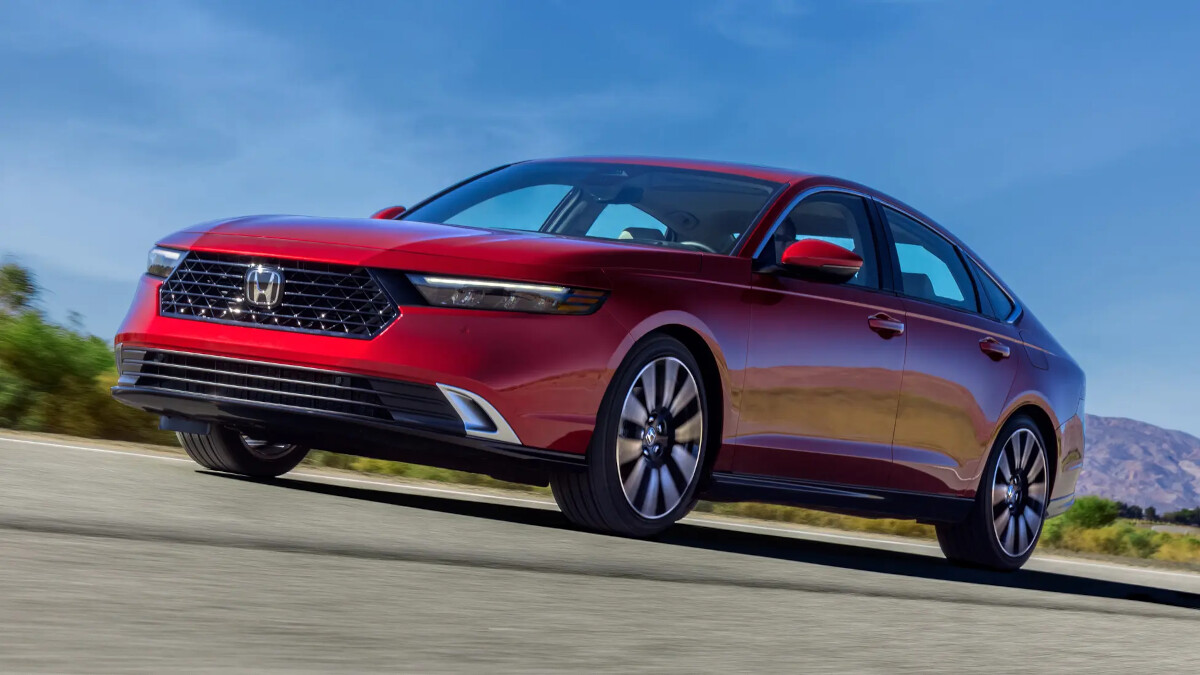
9. Honda Accord Early F22 SOHC: Reliable Engineering and Everyday Longevity
The early 1990s Honda Accord, particularly the CB7 generation, is well known for its exceptional reliability, largely due to the F22 SOHC engine. This 2.2-liter four-cylinder powerplant helped establish Honda’s reputation for building durable and long-lasting vehicles.
Designed with a focus on smooth operation and longevity rather than high performance, the F22 engine commonly reaches 300,000 to 400,000 miles, with some examples lasting even longer under proper maintenance.
One of the main reasons for its durability is its robust engine construction. While Honda is often associated with aluminum engines, the F22 uses durable iron cylinder sleeves within its design, offering excellent resistance to heat and wear.
Early versions also feature a closed deck structure, which increases block rigidity and helps maintain long-term structural integrity. Combined with strong internal components such as the crankshaft and connecting rods, the engine is capable of handling extended use with minimal wear.
Another key factor is its low-stress design. The F22 produces modest power, typically between 125 and 140 horsepower, which allows the engine to operate without pushing its internal components to their limits. This conservative tuning reduces heat buildup and mechanical strain, contributing to its long service life. The engine is also known for smooth and consistent power delivery, making it ideal for daily commuting.
Honda’s manufacturing quality during this era further enhances the engine’s reliability. The early 1990s are often considered a peak period for Honda’s quality control, resulting in engines that can withstand years of use even with less-than-perfect maintenance. Many owners report these engines continuing to run reliably despite high mileage or occasional neglect.
Maintenance plays an important role in achieving maximum lifespan. Regular oil changes, valve adjustments, and timely replacement of the timing belt and water pump are essential. Manual transmissions paired with the F22 are also known for their durability, while automatic transmissions can be a weaker point.
The Accord itself offers a comfortable and well-balanced driving experience, with a double wishbone suspension that provides good handling. Although not fast by modern standards, it remains practical and dependable.
The F22-powered Honda Accord stands as a classic example of simple, reliable engineering that delivers long-term value and everyday usability.
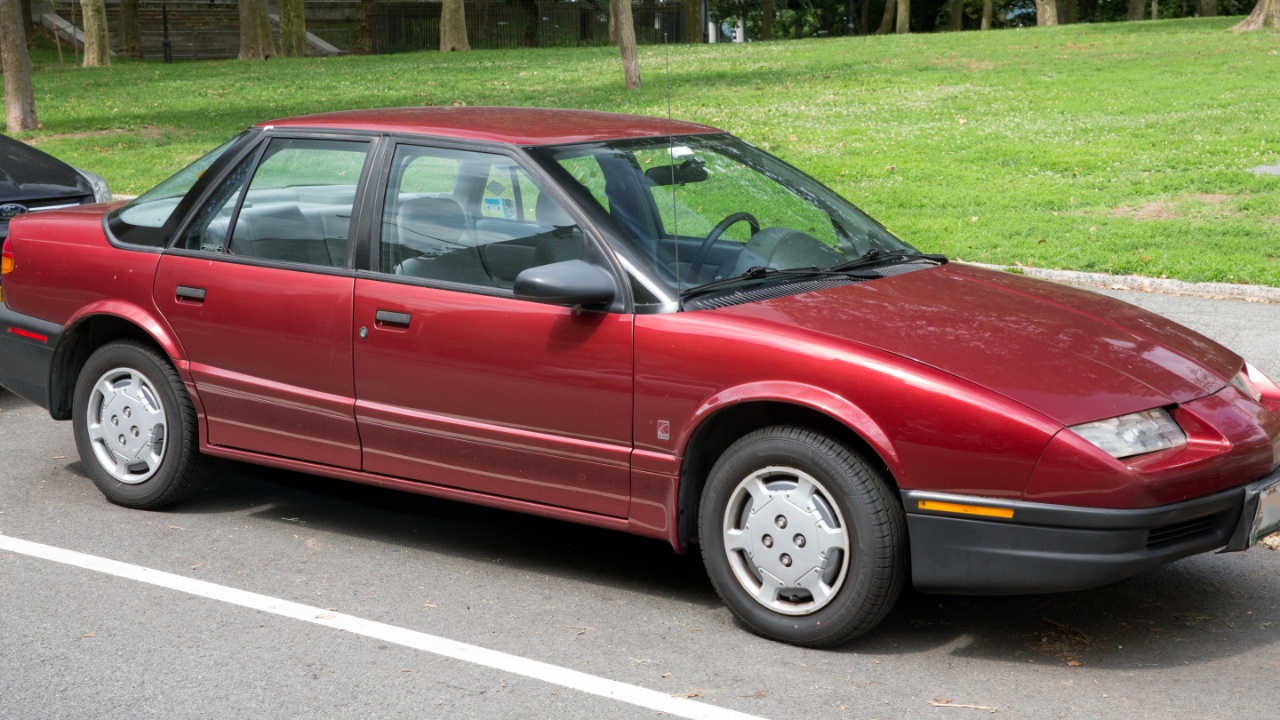
10. Saturn S-Series 1.9L I4: Lightweight Durability and High-Mileage Reliability
The Saturn S-Series, produced from 1991 to 2002, is a compact car known for its surprising mechanical resilience, largely due to its 1.9-liter inline-four engine. This engine, offered in both SOHC (LK0/L24) and DOHC (LL0) configurations, features a cast-iron block that is light yet very strong.
Combined with the S-Series’ lightweight polymer body panels and simple mechanical design, the 1.9L engine has earned a reputation for exceptional longevity, often surpassing 300,000 to 400,000 miles with proper maintenance.
The engine’s durability comes from its robust cast-iron block, which resists warping even after long-term use. Its overhead cam design keeps the mechanical layout simple and easy to service, while the low-stress operation, producing 100 horsepower in SOHC models and 124 horsepower in DOHC models, prevents excessive wear on internal components.
This combination of simplicity, conservative tuning, and strong materials allows the engine to remain functional far longer than many contemporary small car engines.
Routine maintenance is key to achieving high mileage. The engine tends to consume oil as it ages, so regular oil checks and changes are important. Beyond that, these engines rarely experience major mechanical failures, and most problems in high-mileage vehicles are caused by neglected maintenance rather than design flaws.
The Saturn S-Series body also contributes to durability. Its polymer doors, fenders, and panels reduce corrosion compared to steel-bodied cars, while the steel spaceframe provides structural strength. High fuel efficiency, often exceeding 35 miles per gallon on highways, also reduces stress on the engine and drivetrain over long distances.
Performance is modest, with slow acceleration and higher cabin noise, but the car remains functional, economical, and reliable for decades. The S-Series came in sedan (SL), coupe (SC), and wagon (SW) versions, providing practical cargo and seating options. Its simple interior and easy maintenance make it a budget-friendly choice for daily commuting.
The Saturn S-Series with the 1.9-liter I4 engine is a lightweight, high-mileage compact car. Its cast-iron engine, simple design, rust-resistant panels, and efficiency make it a strong example of durable engineering. With consistent care, these cars can exceed 400,000 miles, proving their long-term reliability.
These ten vehicles demonstrate the remarkable resilience of iron block engines. Their cast-iron construction, robust internal components, and simple mechanical designs ensure longevity far beyond what most modern engines achieve.
While performance and refinement may not always match contemporary standards, these engines excel where it counts: reliability, durability, and ease of maintenance. From heavy-duty diesels like the Dodge Ram 5.9L Cummins and Toyota Land Cruiser 1HZ to efficient and lightweight engines like the Saturn S-Series 1.9L, each powertrain proves that with proper care, exceeding 400,000 miles is not only possible but realistic.
For enthusiasts, commuters, and workhorse drivers alike, these vehicles remain iconic examples of automotive engineering designed to endure the test of time and distance.
Also read: 10 Cars With the Most Intuitive Physical Controls for Distraction Free Driving