
When shopping for a used SUV, one of the most important factors is the engine’s ability to stay clean and reliable over the long haul. Many modern vehicles use direct-injection systems that, while efficient, are prone to carbon buildup on intake valves, leading to expensive maintenance down the line.
The eight SUVs featured here all prioritize simplicity and durability through Multi-Port Fuel Injection (MPI) or hybrid systems that avoid carbon issues. From rugged off-roaders like the Toyota 4Runner and Lexus GX 460 to practical city and family SUVs like the Honda CR-V, Toyota Highlander, and Kia Soul, these vehicles combine reliability, longevity, and real-world functionality.
Whether you want a high-mileage commuter, a capable weekend adventure vehicle, or a family SUV that can last decades, these models represent some of the most dependable options on the used market, offering peace of mind without sacrificing performance or comfort.
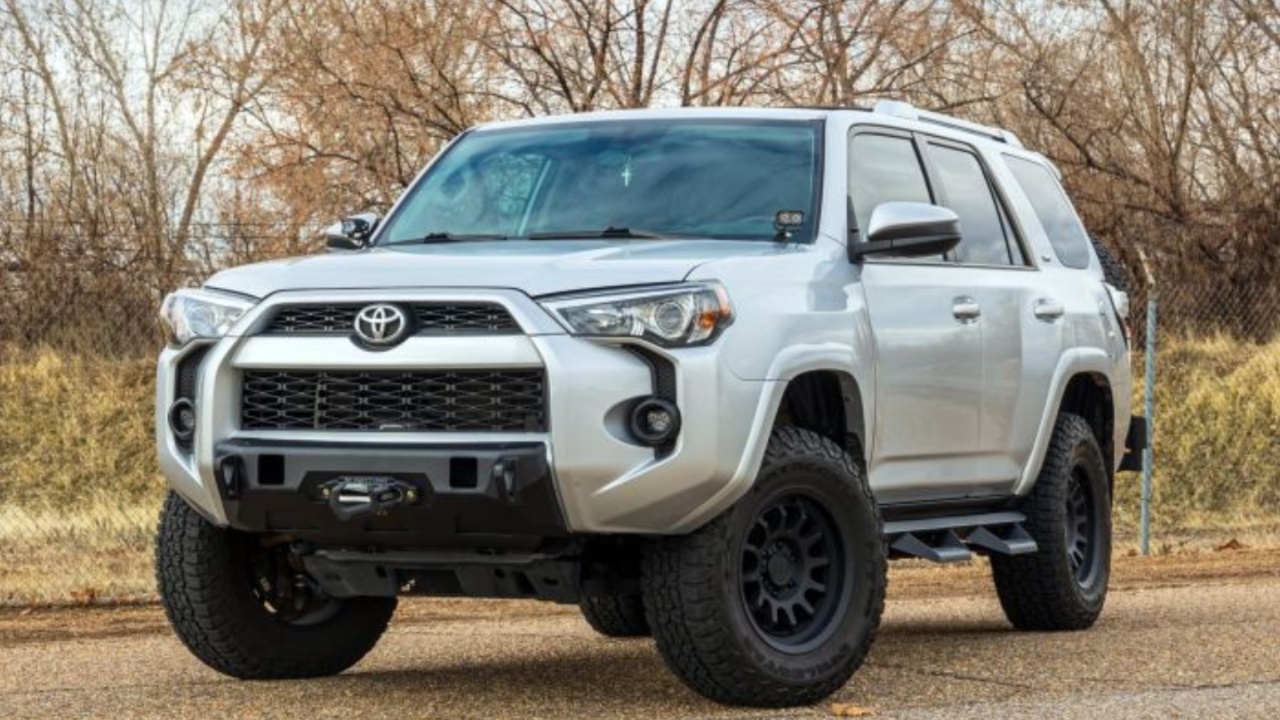
1. Toyota 4Runner (2010–2024): Rugged Reliability and Longevity
The Toyota 4Runner, particularly the 5th-generation models from 2010 to 2024, has earned legendary status for its durability, off-road capability, and long-term reliability.
Powered by the 4.0L V6 1GR-FE engine, the 4Runner employs a Sequential Multi-Port Fuel Injection system that sprays fuel behind the intake valves, keeping the engine cleaner over time. Combined with a conservative design philosophy, this has allowed many 4Runners to exceed 300,000 miles with minimal engine work, with documented cases surpassing 400,000 miles.
The 1GR-FE engine is engineered for longevity rather than performance. It features forged steel crankshafts, forged connecting rods, aluminum pistons with friction-reducing coatings, and cast-iron “spiny” cylinder liners that balance strength and thermal efficiency.
Its low compression and modest power output reduce stress on internal components, while the naturally aspirated design avoids the complications of turbocharging. Paired with a robust 5-speed automatic transmission, the drivetrain is virtually indestructible, supporting both towing and off-road adventures.
Beyond the engine, the 4Runner’s overbuilt body-on-frame construction enhances its durability. Unlike unibody SUVs, it resists structural fatigue and handles heavy loads and rough terrain with ease. TRD Off-Road and TRD Pro trims further improve off-road performance with features like rear lockers, crawl control, and KDSS suspension.
Achieving 400,000 miles requires routine maintenance. Recommended practices include 5,000-mile synthetic oil changes, timing chain tensioner checks around 150,000 miles, and regular cooling system and drivetrain fluid upkeep. Many owners report that even past 300,000 miles, the engine runs smoothly, though extreme wear may require a full engine replacement rather than a rebuild.
Inside, the 4Runner prioritizes functionality over luxury. The cabin is spacious and utilitarian, with straightforward controls and modest technology. Apple CarPlay and Android Auto became standard in 2020. Ride quality is truck-like, with noticeable body roll and braking nosedive, while fuel economy remains low at around 18 MPG combined.
The Toyota 4Runner (2010–2024) is an ideal choice for those seeking a dependable, off-road-capable SUV that retains value and offers analog, long-lasting engineering. Its combination of rugged construction, simple yet robust powertrain, and practical interior makes it a “do-anything” vehicle and a potential future classic.
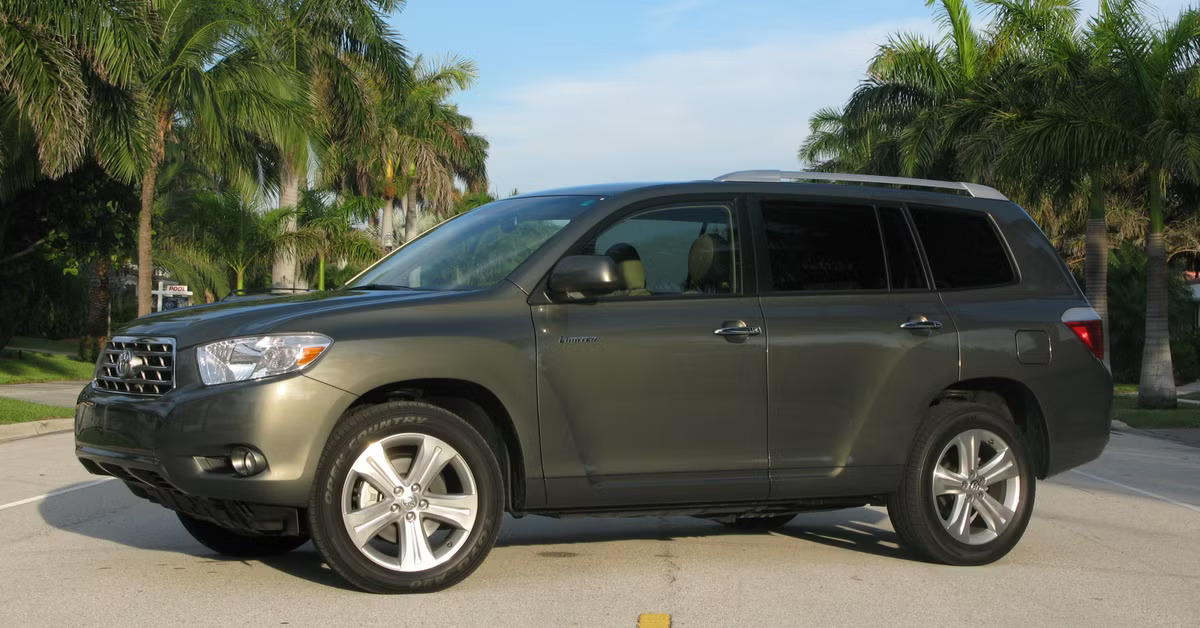
2. Toyota Highlander (2008–2016): Reliable Family SUV with Longevity
The 2008–2016 Toyota Highlander is widely recognized as a durable and dependable mid-size family SUV. Most models use the 3.5L 2GR-FE V6 engine, which relies on a multi-port fuel injection system. This design prevents the carbon buildup problems that affect newer engines with direct injection.
The naturally aspirated engine, combined with conservative tuning, allows many Highlanders to surpass 300,000 to 400,000 miles with regular maintenance.
The engine features an aluminum block with high-strength cast-iron cylinder liners, timing chains instead of belts, and a design that minimizes stress on internal components. The optional 2.7L 1AR-FE four-cylinder engine is also highly durable and capable of high mileage.
Toyota emphasized reliability over maximum performance. The 2GR-FE is paired with durable five- or six-speed automatic transmissions and, in many models, full-time all-wheel drive with heavy-duty drivetrain components. Regular maintenance is critical to achieving high mileage.
This includes oil changes, monitoring the water pump, and replacing early rubber VVT-i oil lines with updated metal ones. Toyota’s focus on quality parts and serviceability supports long-term vehicle longevity.
The Highlander provides a smooth, car-like ride with a spacious three-row interior. The cabin is quiet and practical, with padded surfaces, leather available in mid-level trims, and ample storage space.
The third generation, from 2014 to 2016, added advanced driver-assistance features such as blind-spot monitoring, lane-departure warning, rear cross-traffic alert, and adaptive cruise control. The hybrid version offers improved city fuel economy compared with the V6 all-wheel-drive model, although it comes at a higher price.
There are some compromises. Handling is soft and SUV-like, with noticeable body roll in corners. The third-row seating is small compared with some competitors, and the front-wheel-drive four-cylinder provides little fuel advantage. The hybrid’s braking feel may feel awkward due to energy recuperation transitions.
The 2008–2016 Toyota Highlander is an excellent choice for families seeking reliability, comfort, and a high-mileage SUV. Its durable engines, conservative engineering, spacious interior, and practical features make it ideal for long-term ownership while providing a smooth and quiet driving experience.
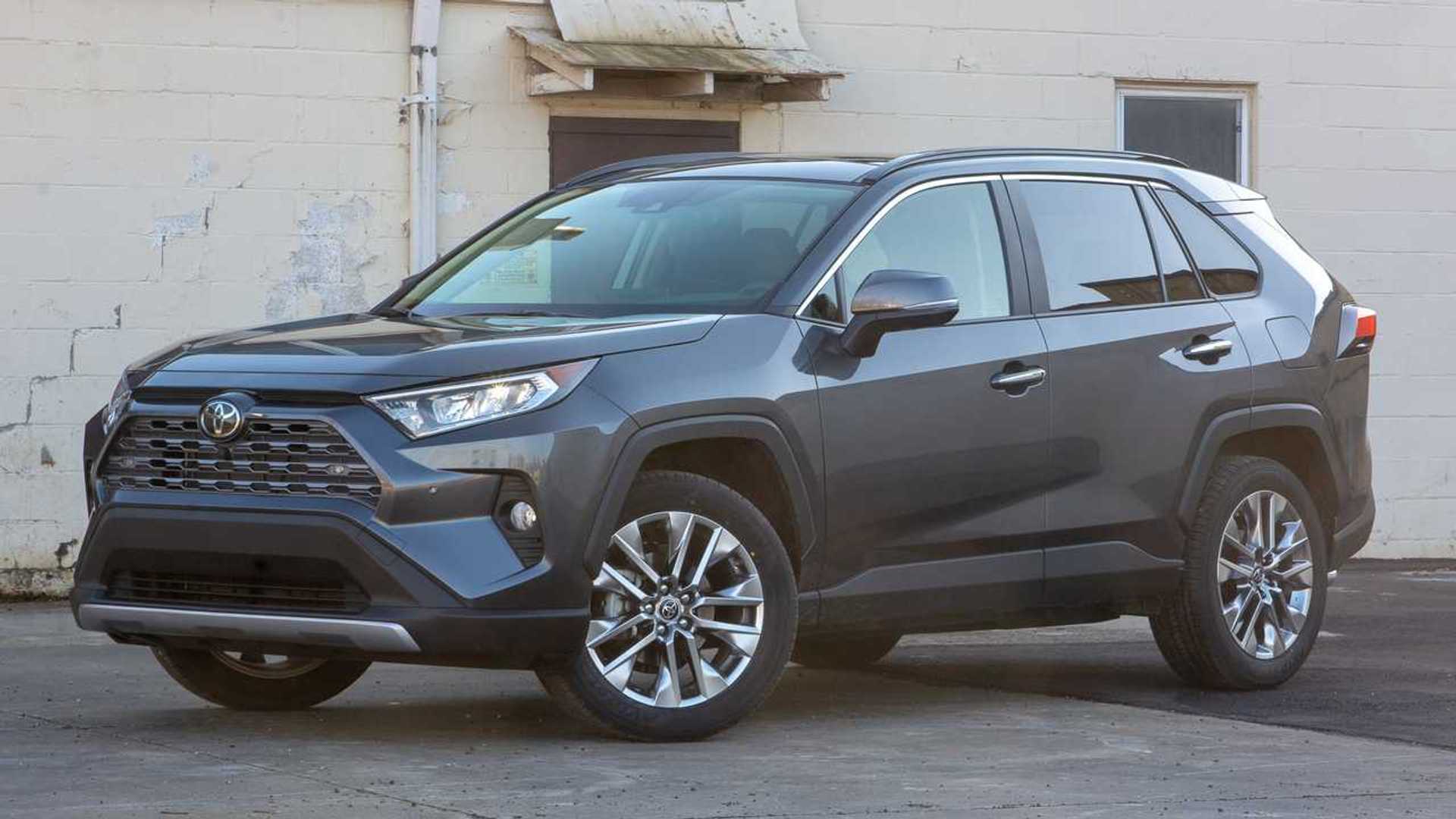
3. Toyota RAV4 (2019–Present): Efficient, Modern, and Reliable Crossover
The 2019–present Toyota RAV4 represents a major step forward for the compact crossover segment, combining long-term reliability, fuel efficiency, and modern technology. At the heart of this generation is the 2.5-liter Dynamic Force engine, paired with an 8-speed automatic transmission.
The engine features Toyota’s Dual Injection (D-4S) system, which uses direct injection for efficiency and port injectors to spray fuel over the intake valves. This self-cleaning cycle prevents carbon buildup, a common issue in modern engines, making the RAV4 both efficient and long-lasting.
The TNGA-K platform underpins the vehicle, providing improved structural rigidity and durability. Hybrid variants further enhance fuel economy and incorporate long-lasting electric motors and batteries.
Reliability is a key strength, with most models expected to reach 200,000 to 250,000 miles under normal conditions. Consistent maintenance, including oil changes and fluid checks, is essential to achieve high mileage, and driving in extreme climates may affect longevity.
Toyota’s focus on quality materials and robust engineering supports the vehicle’s long-term performance, reinforcing the RAV4’s reputation as a durable, practical crossover.
The RAV4 delivers a spacious and practical interior. Seating accommodates five passengers comfortably, and the rear cargo area is versatile, folding nearly flat to handle large items.
Upper trims, such as the LTD, feature premium touches such as eight-way power-adjustable driver seats, soft leather upholstery, panoramic moonroof, and well-placed storage cubbies. Ride comfort is smooth on both city streets and highways, though noise insulation can be improved at higher speeds.
Safety and technology are strong points. Standard features include seven airbags, ABS with EBD, hill assist, seatbelt reminders, and tire pressure monitoring. Higher trims add reverse parking cameras and proximity sensors.
The infotainment system supports Bluetooth connectivity, keyless entry, dual-zone climate control, and wireless phone charging. Some advanced driver-assistance systems are available but may not match all competitors in the segment.
Performance is adequate for daily driving. The 2.5-liter engine produces 203 horsepower and 243 Nm of torque, offering smooth acceleration.
The 8-speed transmission can be sluggish at times, especially in Sport mode, but the RAV4 remains stable and composed on highways and winding roads. Fuel efficiency is a highlight, with city driving averaging 8.6 km/L and highway performance reaching 20.5 km/L, a marked improvement over earlier generations.
The 2019–present Toyota RAV4 combines reliability, modern features, efficiency, and a stylish design. It is ideal for buyers seeking a practical, long-lasting, and technologically capable crossover, though it comes at a premium compared to some competitors.
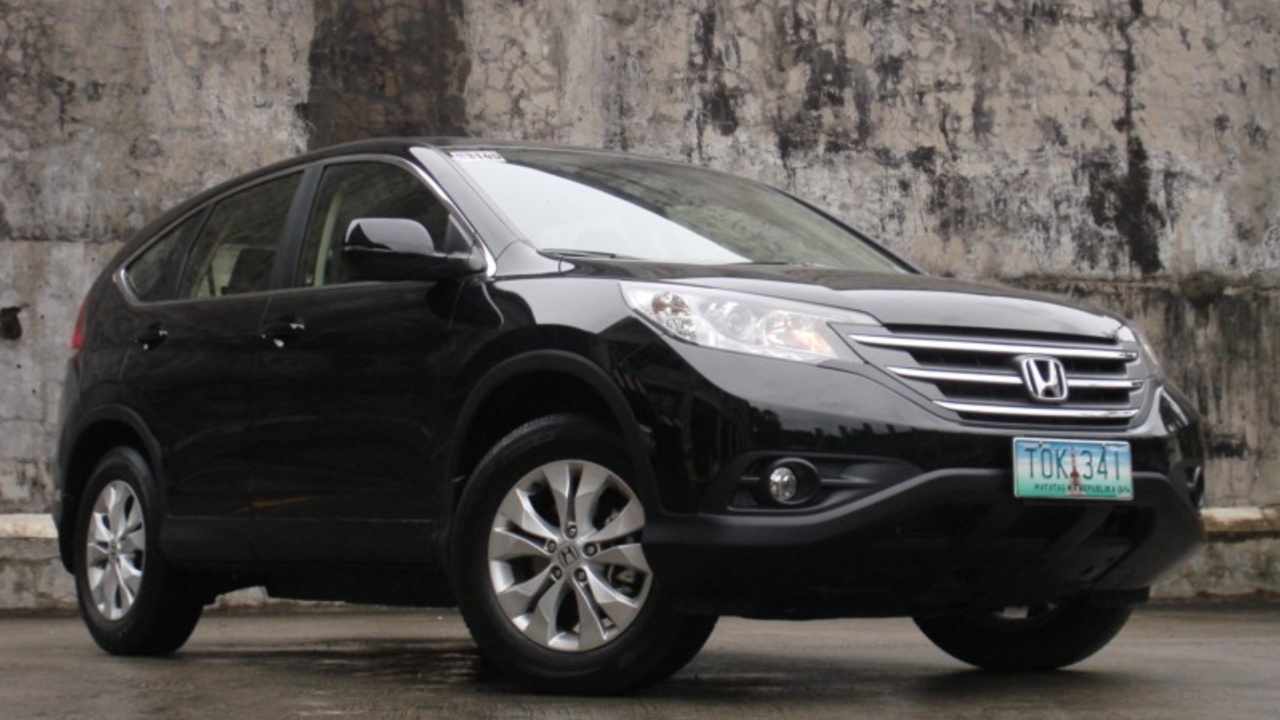
4. Honda CR-V (2012–2014): Durable and Family-Friendly Compact SUV
The 2012–2014 Honda CR-V represents one of the most reliable and practical mid-size SUVs, often considered the “sweet spot” for used buyers seeking long-term durability. This generation is powered by the 2.4L K24 engine with multi-port fuel injection, avoiding the complexities of high-pressure direct injection and turbocharging found in later models.
The engine features a die-cast aluminum block with cast-in iron cylinder liners, providing a lightweight yet strong structure capable of handling high mileage.
Its single-cast crankshaft carrier with ferrous-carbon bearing inserts further strengthens the engine, reducing internal friction and wear. The 5-speed automatic transmission is also robust, making it well-suited for high-mileage ownership and avoiding the early issues that plagued Honda’s CVTs.
The CR-V’s engine and transmission design support longevity, with many owners reporting over 250,000 miles with proper maintenance.
Meticulous care, including full synthetic oil and regular fluid changes, is recommended for extreme mileage, with some vehicles capable of reaching 400,000 miles. Conventional fuel injection also minimizes carbon buildup, keeping the intake and valves clean over years of city and highway driving.
Comfort and practicality are key strengths of this generation. The cabin is spacious, offering ample room for front and rear passengers, with rear air vents and a flat floor that allows three six-foot adults to sit comfortably. The cargo area provides 556 liters of space, expandable to 1,120 liters with the rear seats folded down.
Storage throughout the cabin is well thought out, with large door pockets, cup holders, and dedicated spaces for small items. Ride quality balances comfort and control, with the suspension absorbing bumps well, though some softness can result in light body bounce on rougher roads.
Driving dynamics are generally smooth, though the engine requires higher revs to access peak torque, making it feel less punchy at low speeds. Fuel economy averages around 10.0 liters per 100 km in mixed driving conditions. Safety features include six airbags, ABS with EBD, and a standard reverse-view camera, with Honda’s five-year capped-price service program providing predictable maintenance costs.
The 2012–2014 Honda CR-V is an ideal choice for families seeking a durable, spacious, and practical SUV. Its reliable engine, strong transmission, generous interior, and thoughtful design make it one of the most family-friendly and long-lasting options in the compact SUV segment.
Also read: 5 Cars With Simple Mechanical Cooling Fans vs 5 With Complex Electric Fan Modules
5. Subaru Forester (2013–2018): Rugged Heritage Meets Practicality
The 2013–2018 Subaru Forester carries forward the brand’s long-standing reputation for rugged, go-anywhere vehicles. Rooted in the 1995 concept based on the Impreza chassis, the Forester has always combined car-like handling with SUV toughness.
The 2013–2018 model refined this formula with a taller, chunkier body, improved ground clearance, and standard symmetrical all-wheel drive, appealing to buyers seeking both off-road capability and everyday practicality.
Subaru’s signature boxer engines continue in this generation, including a naturally aspirated 2.0-litre petrol, a 2.0-litre diesel, and a turbocharged 2.0-litre petrol for the range-topping XT. The diesel engine, particularly popular in Europe, received significant updates in 2015, including a high-pressure common-rail injection system, improved turbo settings, and a Lineartronic CVT option.
These refinements reduced noise, vibration, and harshness while boosting fuel economy, with the diesel returning over 40mpg in testing. All engines deliver power to all four wheels, using either a viscous limited-slip differential in manual models or an electronically controlled CVT in automatic versions, complemented by Subaru’s X-Mode for low-traction driving.
Inside, the Forester emphasizes space and practicality. A longer wheelbase improves rear legroom, while large windows and a panoramic sunroof make the cabin airy and bright. Boot capacity rises to 505 litres, expandable to 1,592 litres with seats folded. However, cabin materials are basic, the stereo interface is rudimentary, and connectivity options are limited, highlighting the model’s conservative interior approach.
Higher trims offer leather upholstery, dual-zone climate control, and Subaru’s Starlink infotainment system with a 7-inch touchscreen. EyeSight safety technology, including adaptive cruise control and autonomous braking, is standard on certain trims, enhancing driver assistance.
On the road, the Forester is competent but not dynamic. Ride comfort is adequate, but body control is approximate on rougher roads, and handling lacks the agility of rivals such as the Ford Kuga or Honda CR-V. Engine response can feel hesitant at low revs, particularly for the diesel. Off-road, however, the Forester excels, maintaining Subaru’s reputation for traction and stability in challenging conditions.
The 2013–2018 Subaru Forester is a functional, durable, and moderately likeable compact SUV with strong off-road ability and practical space. Yet, compared with contemporary rivals, it falls short in refinement, interior quality, and on-road dynamics, making it best suited for buyers prioritizing capability and reliability over modern features and styling.

6. Kia Soul (2020–Present): Reliable, Practical, and Fun to Drive
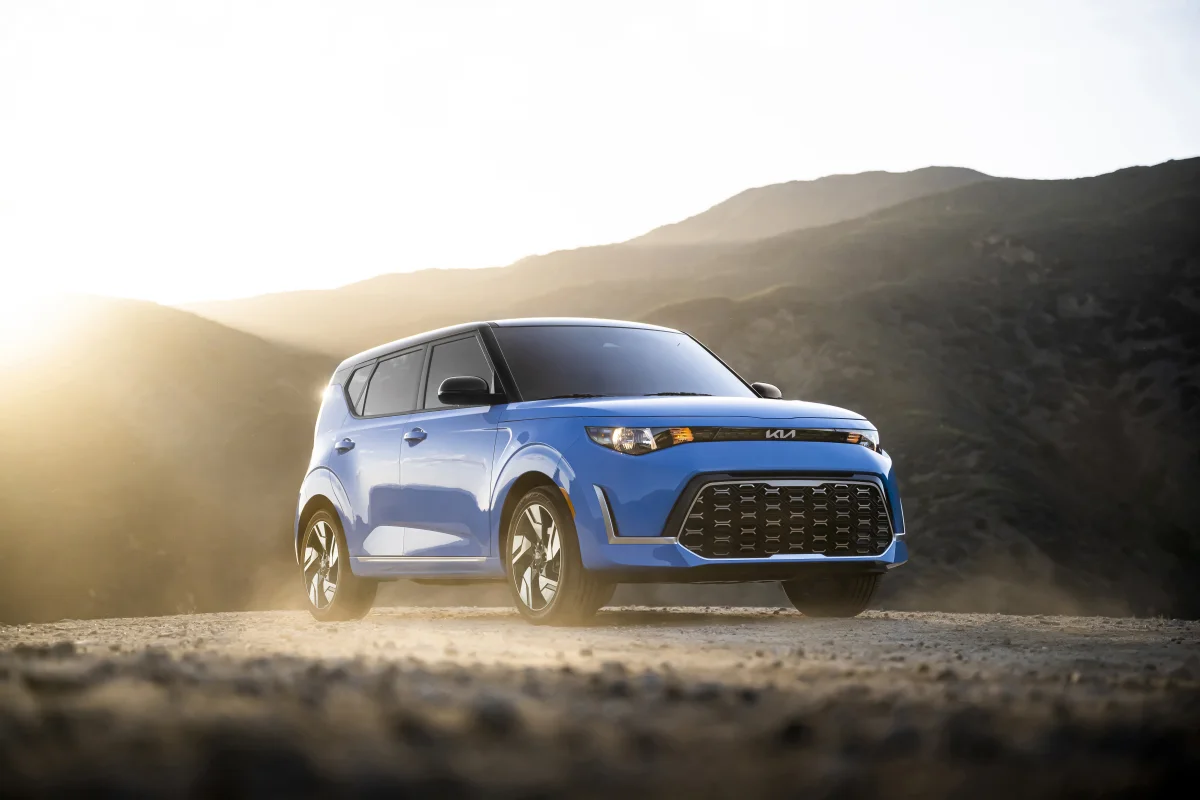
The 2020 to present Kia Soul is a refined version of the quirky, boxy hatchback that combines elements of a car and a compact SUV. Base models feature a 2.0-liter Nu four-cylinder engine with Multi-Port Injection (MPI), selected for its simplicity, durability, and cost-effective maintenance. Its iron block construction allows for long-term reliability, with many vehicles reaching 200,000 to 250,000 miles.
Some high-mileage examples exceed 300,000 miles, although severe oil consumption, piston ring wear, or engine knock can occur if maintenance is not followed carefully. The engine is paired with either a six-speed manual or a Continuously Variable Transmission CVT, providing smooth power delivery suitable for city traffic and longer highway trips.
The Soul’s styling has matured significantly from its earlier cute-ute appearance. The boxy silhouette remains, but slimmer wraparound headlights and a tapered profile give the vehicle a more modern and refined look.
Interior space is generous with easy access for passengers, large windows, and thoughtful, practical features. The light, manually operated liftgate, ergonomic key fob design, and manual parking brake contribute to convenience in everyday use. The optional 10.3-inch infotainment screen enhances technology usability, while larger wheels provide sharper handling but can reduce ride comfort on rough roads.
Driving dynamics are better than expected for a subcompact SUV. The Soul has precise steering and a competent chassis that allow confident lane changes, smooth acceleration, and composed handling on city streets and highways. Lower-spec wheels and tires improve ride comfort without significantly affecting stability or agility.
The 2020 and later Kia Soul balances practicality, reliability, and personality. Its durable iron-block engine, well-designed interior, and smooth CVT make it well-suited to stop-and-go urban driving, weekend trips, and longer journeys.
The Soul combines comfort, clever design, and enjoyable driving dynamics at an accessible price. It proves that a subcompact SUV can offer distinctive style and everyday practicality without requiring a premium budget.
7. Hyundai Tucson (2022–Present): Modern, Comfortable, but Not Built for Extreme Mileage
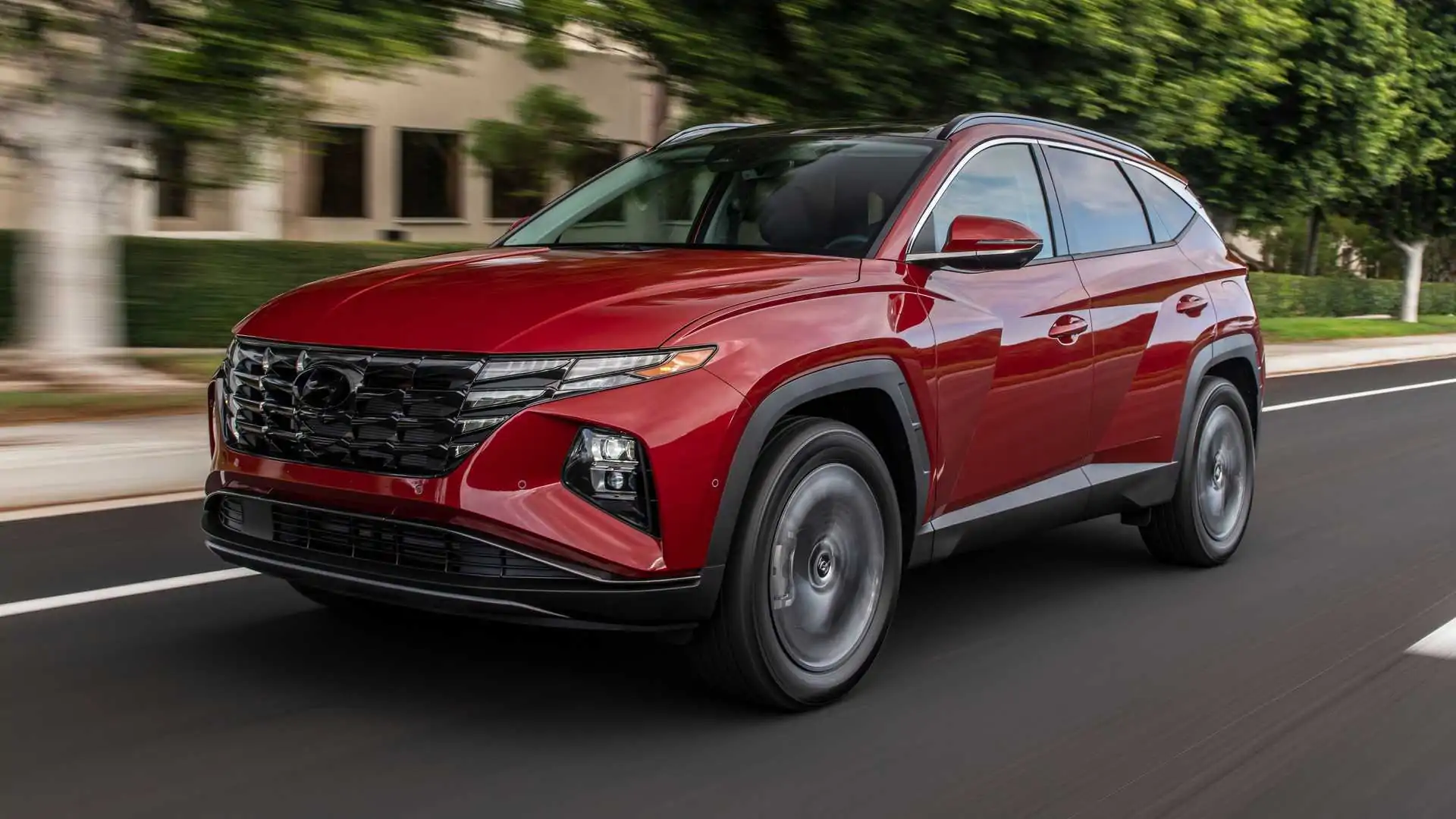
The 2022–present Hyundai Tucson introduces the Smartstream 2.5-liter four-cylinder engine, designed with a dual-injection system combining Gasoline Direct Injection (GDI) and Multi-Port Injection (MPI). This setup helps prevent the carbon buildup issues that plagued earlier Theta II engines, making the new Tucson more reliable for long-term ownership.
Unlike traditional heavy-duty iron-block engines, the Tucson’s Smartstream engines are aluminum-based and not engineered for extreme mileage, so claims of reaching 400,000 miles are unsupported. Some early reports have noted potential durability concerns, such as timing chain tensioner noise during cold starts and valve timing solenoid issues.
Performance comes from a standard 187-hp 2.5-liter engine paired with an eight-speed automatic transmission and either front-wheel or all-wheel drive. Acceleration is adequate for daily driving, with all-wheel-drive models reaching 60 mph in approximately 8.8 seconds.
Hybrid and plug-in hybrid variants offer slightly quicker performance but do not match competitors such as the Toyota RAV4 Prime. The Tucson is comfortable and quiet on the road, with confident handling, reasonably responsive steering, and a composed ride that gives it a near-luxury feel for the class.
Fuel economy for the nonhybrid Tucson is rated at 26 mpg city and 33 mpg highway by the EPA. Hybrid variants improve efficiency further. Interior design has evolved, featuring a modern dashboard with a digital gauge display, push-button shifter, and touch-sensitive climate and infotainment controls.
Rear seat space and cargo capacity have increased, offering practical storage solutions for families. Cargo behind the rear seats accommodates nine carry-on suitcases, expanding to 22 with seatbacks folded.
Technology is strong, with a standard 8.8-inch touchscreen supporting Apple CarPlay and Android Auto, and an optional 10.3-inch screen with navigation. Optional features include SiriusXM, a Bose stereo system, and Hyundai’s digital key app for remote access and starting.
Safety is emphasized, with standard automated emergency braking, lane-departure warning with lane-keeping assist, and available adaptive cruise control with lane-centering.
Hyundai offers one of the most competitive warranty and maintenance packages in the compact SUV segment. The Tucson includes a five-year/60,000-mile limited warranty, a 10-year/100,000-mile powertrain warranty, and three years or 36,000 miles of complimentary scheduled maintenance.
The 2022 Tucson is a stylish, comfortable, and well-equipped compact SUV that addresses previous engine concerns and delivers a refined driving experience. However, it should not be considered a long-term ultra-high-mileage vehicle, and potential owners should maintain it according to recommended schedules to ensure reliability.
8. Lexus GX 460 (2010–2023): Rugged Luxury with Legendary Reliability
The Lexus GX 460, produced from 2010 to 2023, is a luxury midsize SUV built for durability and off-road capability rather than cutting-edge technology. Essentially a luxury counterpart to the Toyota 4Runner and Land Cruiser Prado, it is constructed on a body-on-frame platform, giving it the ruggedness and longevity that make it a favorite for buyers prioritizing reliability over modern features.
At the heart of the GX 460 is a 4.6-liter V8 engine delivering 301 horsepower and 329 lb-ft of torque. This engine uses multi-port injection instead of direct injection, making it virtually immune to carbon buildup on intake valves and highly durable in markets with inconsistent fuel quality.
It is paired with a six-speed automatic transmission and a full-time four-wheel-drive system that includes a low-range transfer case and a lockable center differential. Higher trims or optional packages add Crawl Control and Multi-Terrain Select for advanced off-road capability.
The GX 460 can tow up to 6,500 pounds, making it suitable for trailers and boats. Fuel economy is a notable weakness, with EPA estimates around 15 mpg city, 19 mpg highway, and 16 mpg combined.
Inside, the GX 460 seats seven, although the third row is best suited for children due to limited space. Cargo volume is modest at 11.6 cubic feet with the third row up, expanding to 46.7 cubic feet when folded.
Early models (2010–2021) feature dated infotainment controlled via a Remote Touchpad, while the 2022 update introduced a 10.3-inch touchscreen with Apple CarPlay and Android Auto. The SUV retains a high driving position and excellent comfort in the first two rows, reinforcing its appeal for long trips and off-road adventures.
Reliability is a hallmark of the GX 460. Owners frequently report over 200,000 miles with only routine maintenance, earning it a 4.0 out of 5.0 reliability rating from RepairPal, placing it fifth among 29 luxury midsize SUVs. Common issues are relatively minor and include valley plate coolant leaks, secondary air injection pump blockages, timing cover oil seepage, and sunroof drain clogs, all of which are easily managed with routine maintenance.
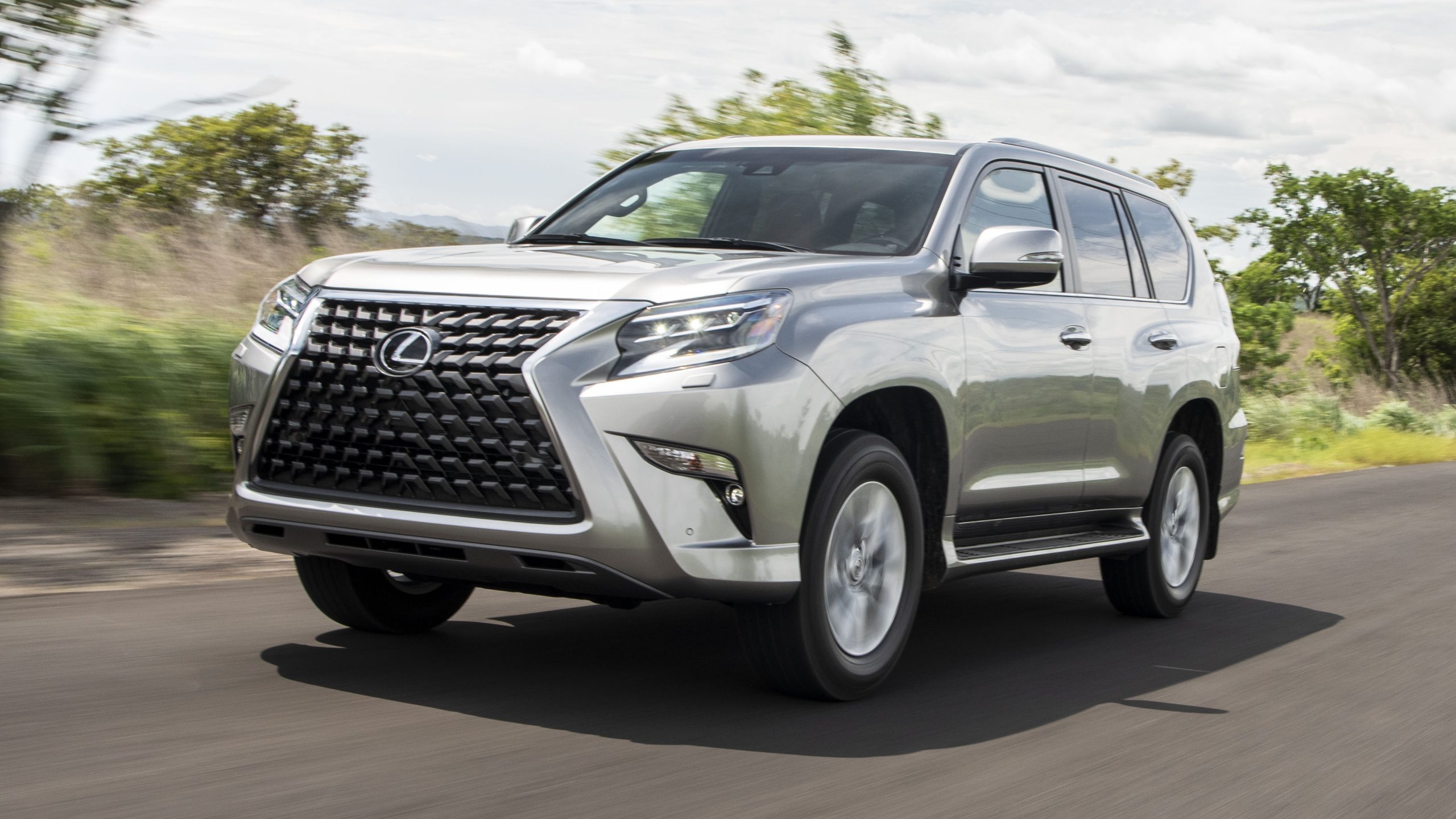
Over the years, the GX 460 has evolved in style and technology. The 2010 model featured a subtler grille, clear taillights, and basic infotainment, while the 2023 version boasts a bold Spindle grille, modern LED lighting, and standard Lexus Safety System+ features, including lane departure alert, adaptive cruise control, and pre-collision systems.
The Lexus GX 460 is a rugged, over-engineered luxury SUV that emphasizes longevity, off-road competence, and classic utility over flashy modern tech, making it a trusted choice for owners seeking a dependable, high-mileage vehicle.
Choosing a used SUV with a simple Multi-Port Fuel Injection system can be a smart investment for buyers focused on longevity and low maintenance. These eight vehicles prove that it is possible to enjoy modern conveniences, comfort, and capability while avoiding the carbon-related headaches of direct-injection engines.
From the off-road toughness of the Toyota 4Runner and Lexus GX 460 to the family-friendly practicality of the Toyota Highlander and Honda CR-V, and even the quirky, city-ready Kia Soul, there is a reliable option for every lifestyle.
Proper maintenance, including routine oil changes and fluid checks, is key to unlocking their long-term potential. By prioritizing tried-and-true engine designs, these SUVs offer a balance of performance, versatility, and peace of mind, making them some of the most sensible choices for high-mileage ownership.
Also read: 10 Cars That Are Cheap to Buy But Cost a Fortune to Insure for Young Drivers