Despite the automotive industry’s widespread shift toward electric power-assisted steering (EPS) for efficiency and convenience, several brands continue to rely on traditional hydraulic systems.
From high-performance supercars to rugged off-road vehicles and heavy-duty trucks, hydraulic steering remains a hallmark of precision, reliability, and tactile feedback. Brands like McLaren and Lotus prioritize driver engagement, maintaining a mechanical connection that communicates every nuance of road texture and tire grip.
Meanwhile, vehicles such as the Ineos Grenadier and heavy-duty trucks from Ram, Ford, and GM leverage hydraulics for durability, resilience, and consistent performance under extreme loads and challenging terrain.
Even the legendary Nissan GT-R demonstrates the benefits of hydraulic systems in maintaining analog feel and control at high speeds. Across these diverse applications, the decision to stick with hydraulic power steering underscores a shared philosophy: when reliability, feedback, and control are critical, traditional systems often outperform their modern electronic counterparts.
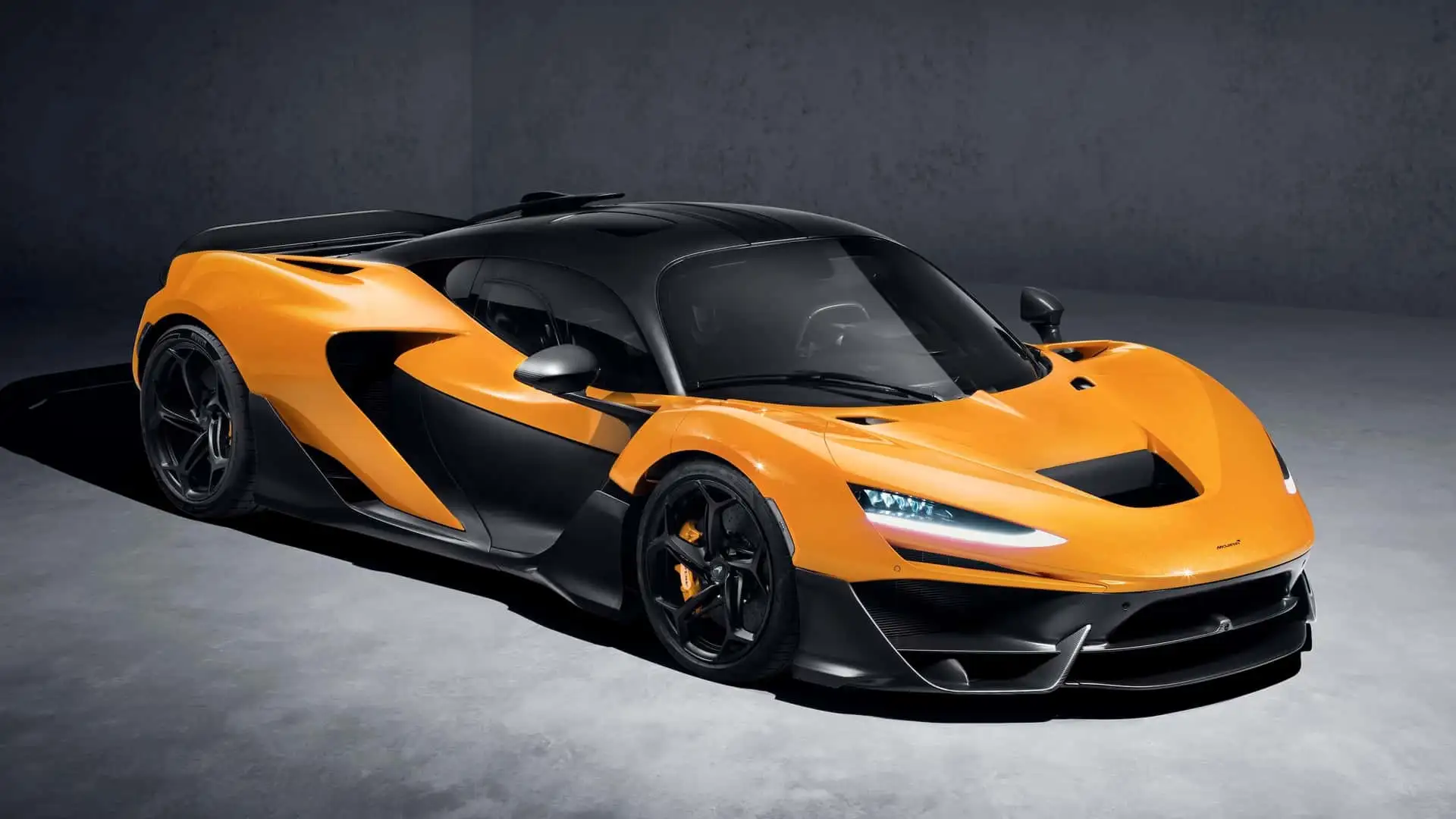
1. McLaren
McLaren Automotive remains one of the few supercar manufacturers to use hydraulic steering, specifically an electro-hydraulic system, while competitors like Ferrari and Porsche have adopted fully electric power steering. This choice reflects McLaren’s focus on “dynamic purity,” preserving a direct mechanical connection between the driver and the road.
The system uses an electric motor to operate a traditional hydraulic pump, keeping fluid in the steering rack so the driver can feel every change in road texture and tire grip. This is particularly important in cars capable of exceeding 200 miles per hour.
The advantages of hydraulic steering are widely recognized. It provides superior feedback and a natural feel, transmitting subtle road sensations that electric systems often filter out. McLaren’s system delivers linear and consistent steering weight, making handling predictable and increasing driver confidence.
It also avoids the “dead zones” or artificially light sensation that can occur with some electric setups, creating the precise and connected feel that enthusiasts call “telepathic,” especially in the McLaren 750S.
The electro-hydraulic approach allows McLaren to retain the benefits of hydraulic pressure while reducing power loss on the engine. Even the hybrid Artura continues to use this system, showing McLaren’s commitment to driver feedback over purely technical efficiency.
Hydraulic steering requires periodic fluid maintenance and has potential failure points, such as pump corrosion, but it avoids software-induced numbing that can affect electric systems over time. For McLaren, this is not just a mechanical choice but a defining part of the company’s engineering philosophy.
It ensures maximum communication and precision for drivers who value control and tactile feedback above all else. McLaren’s dedication to electro-hydraulic steering sets it apart as a brand that prioritizes a true driving experience.
2. Lotus
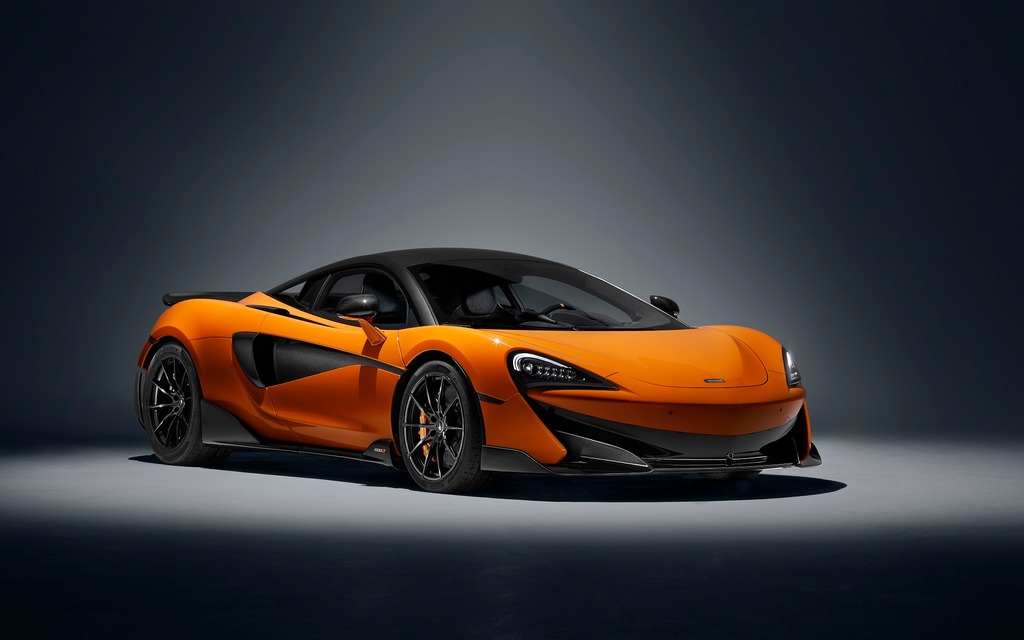
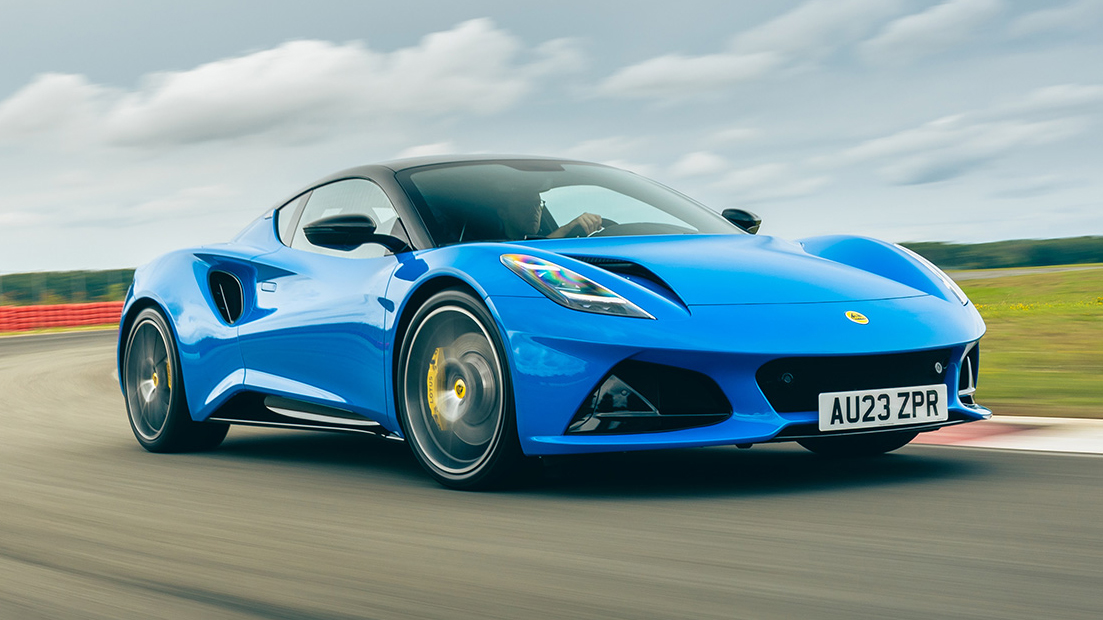
The Lotus Emira marks the brand’s final farewell to internal combustion engines, and for the flagship V6 manual variant, Lotus retained a traditional hydraulic steering rack. This choice reflects Lotus’ dedication to purist driving experiences, offering the “chatty” feedback the brand is known for.
Unlike electric power steering, which can feel light or vague, the Emira’s hydraulic system provides a direct, weighted connection to the front wheels. Every pebble, camber change, and road texture is transmitted through the steering wheel, creating a tactile driving experience that modern electronic systems struggle to replicate.
Reliability is another key advantage of this setup. Hydraulic systems are mechanically simple and proven, avoiding the overheating, software glitches, or sensor failures that can affect electronic power-assisted systems during intense driving.
The Emira’s rack delivers precise steering, making the car intuitive even at its performance limits. While the i4 engine version of the Emira uses an electronic setup, the V6 manual remains the preferred choice for drivers seeking mechanical longevity and the visceral feedback of a car that “talks” through its steering.
Lotus’ reliance on hydraulic steering embodies its brand philosophy of prioritizing driver engagement and mechanical purity over modern convenience. Hydraulic or entirely unassisted racks, as used in the Elise and Exige, deliver razor-sharp precision and a racecar-like feel that electronic systems cannot match. The system communicates tire grip and road texture directly, providing a sense of control and confidence at all speeds.
In keeping with Lotus’ “for the drivers” ethos, the company sacrifices some modern conveniences to maintain a classic sports car experience.
Even as some newer models transition toward electronic systems, the Emira and other petrol-powered Lotus sports cars remain celebrated for their direct, communicative steering. Hydraulic steering is central to ensuring the brand’s legendary sharp handling and immersive driving experience remain intact.
Also read: 5 Cars With Simple Mechanical Cooling Fans vs 5 With Complex Electric Fan Modules
3. Ineos Grenadier
The Ineos Grenadier is designed as a rugged, utilitarian successor to the original Land Rover Defender, prioritizing durability and off-road capability above all else. To achieve this, Ineos Automotive uses a heavy-duty hydraulic recirculating ball steering system instead of a modern rack-and-pinion electric power-assisted system (EPAS).
This system is exceptionally robust, able to withstand impacts from rocks, boulders, and rough terrain without risking delicate electronic sensors or small electric motors. It can also be repaired in remote locations using basic tools, reflecting the Grenadier’s purpose as a no-nonsense, adventure-ready 4×4.
The hydraulic steering reduces kickback, preventing sudden jolts to the driver’s hands during high-load off-road use. While the system produces heavier and slower steering compared to city cars, it ensures consistent reliability and mechanical feedback even in extreme conditions such as desert crossings or mountain trails.
For the 2026 model, Ineos refined the steering system to improve on-road precision while keeping the hydraulic setup intact, balancing ruggedness with usability.
The advantages of traditional hydraulic steering are clear. The recirculating ball system is highly durable under stress and provides a constant, predictable connection to the wheels.
Unlike electric systems, it does not lose effectiveness under heat or heavy use, and it remains easy to repair in areas without service facilities. Ineos intentionally prioritizes mechanical toughness over electronic convenience, giving the driver a direct and purposeful steering feel.
Although the system results in heavier low-speed steering and slower self-centering on highways, these trade-offs are acceptable for a vehicle built to survive in harsh environments where reliability is critical. For the Ineos Grenadier, hydraulic steering is not merely a technical choice but a vital feature that ensures strength, feedback, and dependability for serious off-road use.

4. Nissan GT-R
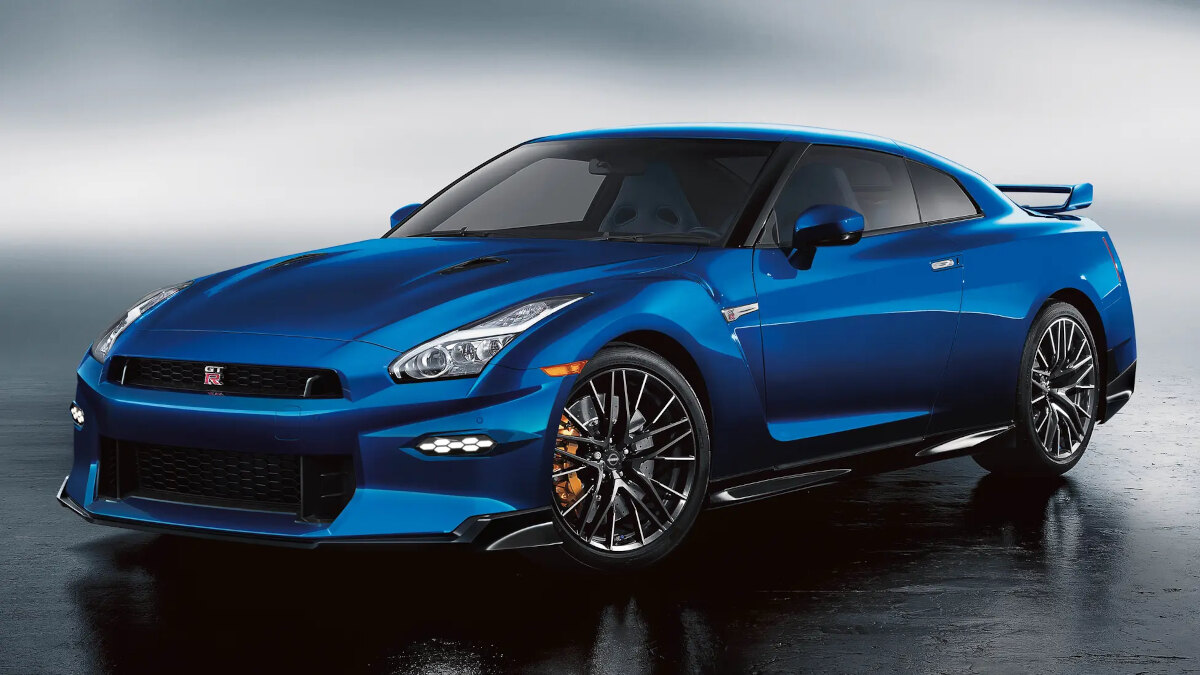
The Nissan GT-R (R35), nicknamed “Godzilla,” has remained in production for over 15 years, in large part due to its hydraulic power steering. Despite the car’s advanced all-wheel-drive system and tech-heavy design, Nissan kept the steering mechanical to maintain a direct connection between driver and machine.
This allows the driver to feel road texture and subtle changes in grip, a sensation often lost in modern electronic or “by-wire” systems. The hydraulic setup provides a heavy, analog steering feel that complements the GT-R’s aggressive, performance-focused character.
The system is exceptionally reliable. Thousands of GT-Rs have been modified to exceed 1,000 horsepower, yet the hydraulic steering rarely fails even under extreme G-forces on racetracks.
Unlike electric power steering, which can suffer from software glitches or sensor failures, the hydraulic system maintains consistent feedback and durability under intense use. This aligns with the car’s philosophy of proven, mechanical engineering over lightweight but less “connected” electronic solutions.
Hydraulic steering also works in harmony with the ATTESA E-TS all-wheel-drive system, delivering precise stability and sharp handling at high speeds. The direct, mechanical connection ensures the driver remains in full control, whether accelerating through corners or pushing the car to its limits on track.
While newer Nissan models, such as the Z, have transitioned to electric power steering for convenience, the GT-R continues to prioritize driver engagement, analog feedback, and robust performance. Its hydraulic system reinforces the car’s reputation as a reliable, high-performance “track tool” that balances advanced powertrain technology with the visceral, connected feel of traditional supercars.
In the final years of the R35, the GT-R remains a standout example of why hydraulic steering endures in high-performance vehicles, providing unmatched feedback, durability, and control that modern electronic systems often cannot replicate.
5. Heavy-Duty Trucks and the Endurance of Hydraulic Steering
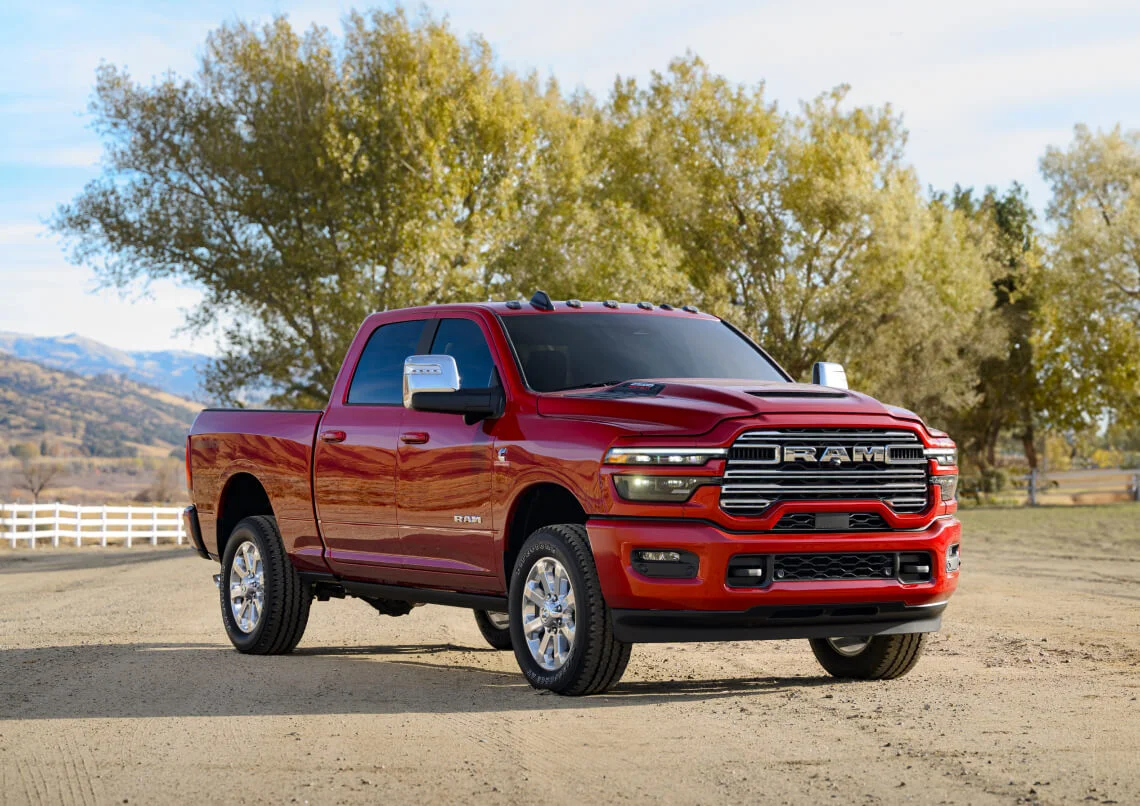
Heavy-duty trucks such as the Ram 2500/3500, Ford Super Duty, and Chevrolet Silverado/GMC Sierra 2500/3500 continue to rely on traditional engine-driven hydraulic power steering.
Unlike electric power-assisted systems (EPS), which can struggle under extreme loads and sustained torque, hydraulic systems provide the brute force, durability, and consistent feedback necessary to control massive vehicles, often towing loads exceeding 30,000 pounds. The hydraulic fluid also acts as a heat sink, keeping steering performance consistent during long hauls, high temperatures, or challenging terrain.
Hydraulic systems are valued for their reliability and ease of maintenance. Mechanical components such as pumps, hoses, and steering gears are simpler to diagnose and repair compared to electronic modules, which may require software recalibration or full replacement in the event of a failure.
For fleet operators, contractors, and farmers, this simplicity reduces downtime and ensures trucks remain operational even in remote or high-stress environments. The durability of hydraulic systems, developed and refined over decades, makes them resistant to overheating, sensor failure, or software glitches that can affect EPS under similar conditions.
Hydraulic steering also enhances driver control and feedback. It provides continuous communication between the road and the driver, allowing precise handling of heavy vehicles under load.
The direct connection to the wheels ensures predictable steering during towing, off-road use, or low-speed maneuvering, unlike some early electric systems that can feel vague or disconnected. Engine-driven pumps supply consistent assist regardless of speed or weight, preventing the “soggy” steering feel that can occur with electric setups.
Key heavy-duty brands emphasize hydraulics for their specific applications. Ram 2500 and 3500 models use robust hydraulic steering to manage high torque and towing tasks. Ford Super Duty trucks retain hydraulics to provide superior road feel and control for demanding drivers. GM Silverado and Sierra 2500/3500 models rely on hydraulic systems to ensure reliable performance under extreme loads.
While EPS has become common in light-duty vehicles for fuel efficiency, traditional hydraulic steering remains unmatched in heavy-duty applications for durability, control, and serviceability, allowing these trucks to perform reliably under the most demanding conditions.
Hydraulic power steering continues to prove its value across a wide spectrum of vehicles, from supercars to workhorses. McLaren and Lotus demonstrate that for drivers who demand precision, engagement, and “telepathic” steering feedback, hydraulic systems offer an unmatched connection to the road.
The Ineos Grenadier and heavy-duty trucks show that in extreme environments, mechanical robustness and serviceability outweigh the efficiency gains of EPS. Even the Nissan GT-R highlights the enduring importance of analog steering for high-performance vehicles, where durability and driver confidence are paramount.
Across all five brands, the commitment to traditional hydraulic systems reflects a consistent principle: engineering choices that prioritize reliability, control, and tactile feedback remain indispensable. While technology continues to evolve, these vehicles remind us that sometimes, the proven simplicity of hydraulics delivers the most satisfying and dependable driving experience.
Also read: 10 Cars With the Most Intuitive Physical Controls for Distraction Free Driving