
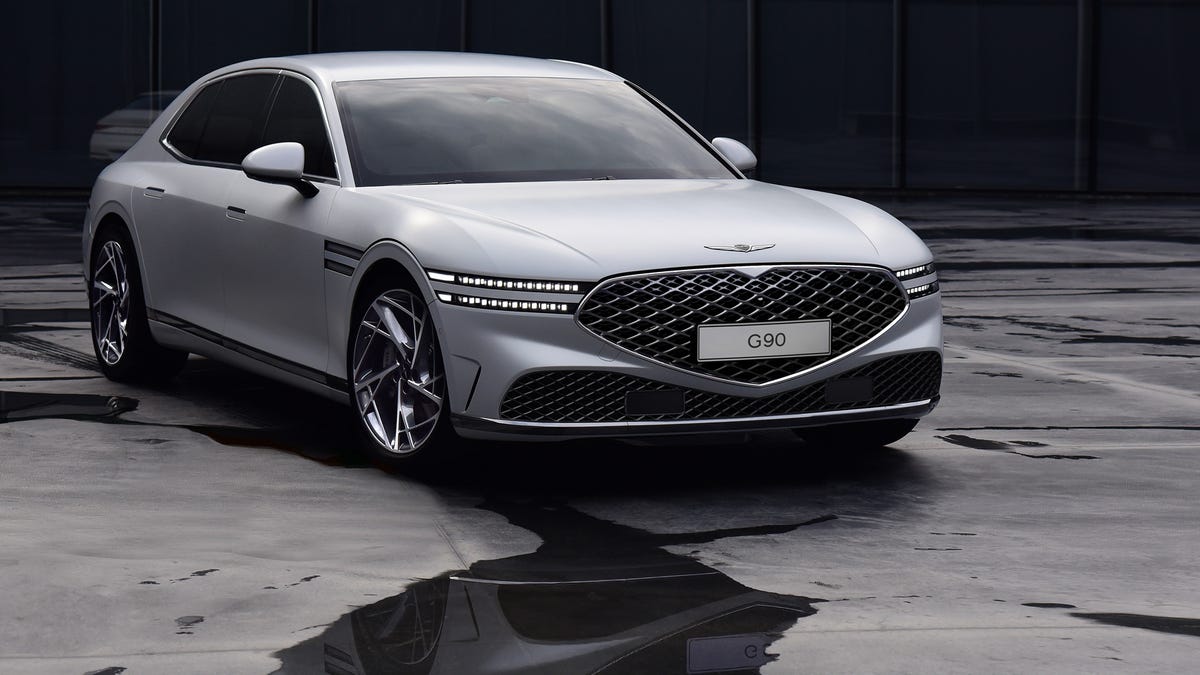
Picture this: you pull up to a red light in your weekend sports car, feeling good about the exhaust note, the low roofline, and the looks you are getting from the car next to you. Then you actually look at what is next to you. It is a four-door sedan. Silver, probably. Practical-looking tires.
Maybe a small dent in the rear bumper from a parking lot. Nothing about it suggests any reason for concern. The light turns green. That sedan is gone. This scenario plays out more often than sports car owners want to admit, because a growing number of thoroughly unremarkable-looking sedans have been quietly given powertrains that make performance car owners deeply uncomfortable at traffic lights.
Engineers at BMW, Mercedes-AMG, Dodge, Cadillac, and several other manufacturers have spent serious money and serious engineering hours hiding extraordinary performance inside bodies that read as completely ordinary to anyone not paying close attention.
Why do manufacturers do this? Some of it is market research showing that a segment of performance buyers actively prefers not to advertise their car’s capabilities. They want the satisfaction of quick acceleration without the attention that a sports car attracts.
Some of it is practical: four doors, a proper trunk, comfortable rear seats, and daily driver practicality genuinely matter to buyers who also want to embarrass sports cars on their morning commute. Some of it is pure engineering pride, the satisfaction of taking an ordinary platform and doing extraordinary things to it while keeping the result looking entirely forgettable.
This article covers ten sedans that excel at looking completely unremarkable while hiding performance numbers that put them ahead of cars that cost more, look far more dramatic, and attract considerably more attention. Read through all ten, and the next time a boring silver sedan pulls up beside you, you might want to think twice before assuming anything.
1. Dodge Charger SRT Hellcat Widebody (2019)
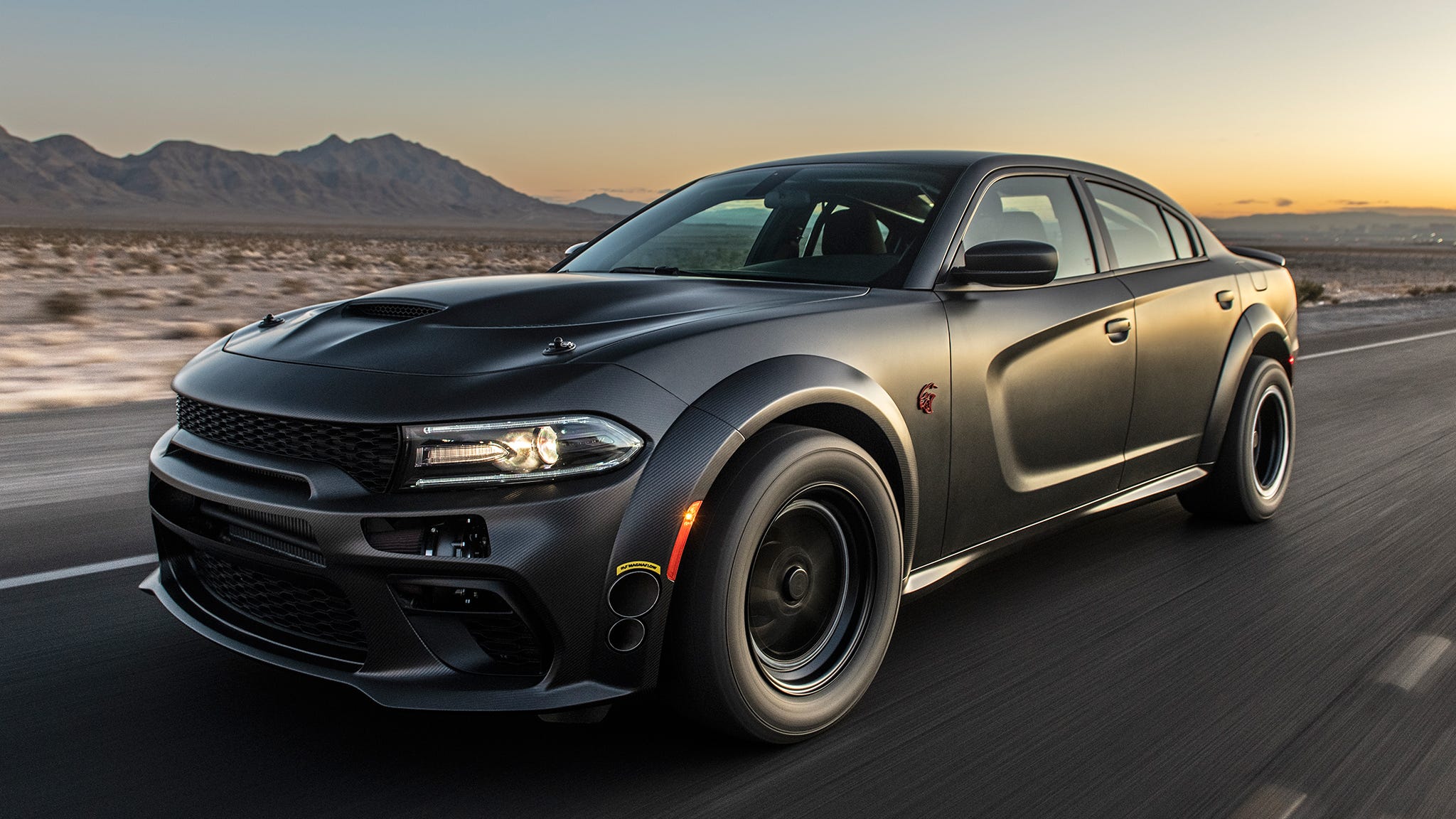
Starting this list with the Charger SRT Hellcat requires an honest admission: the Charger is not entirely invisible in the way some of the vehicles here are. The Widebody package’s broader fenders and the menacing front fascia give the game away to anyone who knows what they are looking at.
But to a casual observer pulling up at a light, a four-door charcoal gray Charger reads as a large American sedan before it reads as a 717-horsepower tire-destroying machine, and that gap between visual impression and actual capability is exactly what this list is about.
Dodge plants the supercharged 6.2-liter Hellcat V8 in the Charger’s engine bay with the kind of confidence that comes from not caring at all about subtlety in anything other than the body shape. Seven hundred and seventeen horsepower going to the rear wheels through an eight-speed automatic transmission produces acceleration numbers that require a specific recalibration of expectations.
Zero to sixty miles per hour arrives in under three seconds in optimal conditions. Quarter-mile times in the low 11-second range are achievable without any modification, which puts the Charger SRT Hellcat Widebody in territory that dedicated sports cars from manufacturers who consider themselves performance specialists take seriously.
What makes the Charger’s performance particularly relevant to this list is that it achieves these numbers in a vehicle with a full rear bench seat, a properly sized trunk, and enough interior room for four adults to travel in genuine comfort.
Sports cars that match the Charger in straight-line performance typically accommodate two people with luggage restrictions and compromise on passenger comfort in every dimension beyond the driver’s seat. Buying a Charger SRT Hellcat Widebody means choosing between a dedicated sports car and a practical family vehicle, and then discovering that you do not actually have to choose.
Highway merging in the Hellcat Charger produces a quality of acceleration that interstate driving rarely demands but continuously rewards. Floor the accelerator from 50 miles per hour and the supercharger whine builds over the V8’s own considerable noise contribution to produce an experience that occupies a different emotional category from what the car’s external appearance suggests is happening inside it.
Owners of the 2019 Dodge Charger SRT Hellcat Widebody frequently describe pulling away from modified sports cars driven by people who assumed the large American sedan was no competition, which is precisely the experience this vehicle was built to provide.
2. BMW M5 Competition (2018)
For several consecutive generations, BMW’s M5 has been the definitive answer to the question of what a four-door sedan can do when the people building it genuinely refuse to accept performance limitations based on body style.
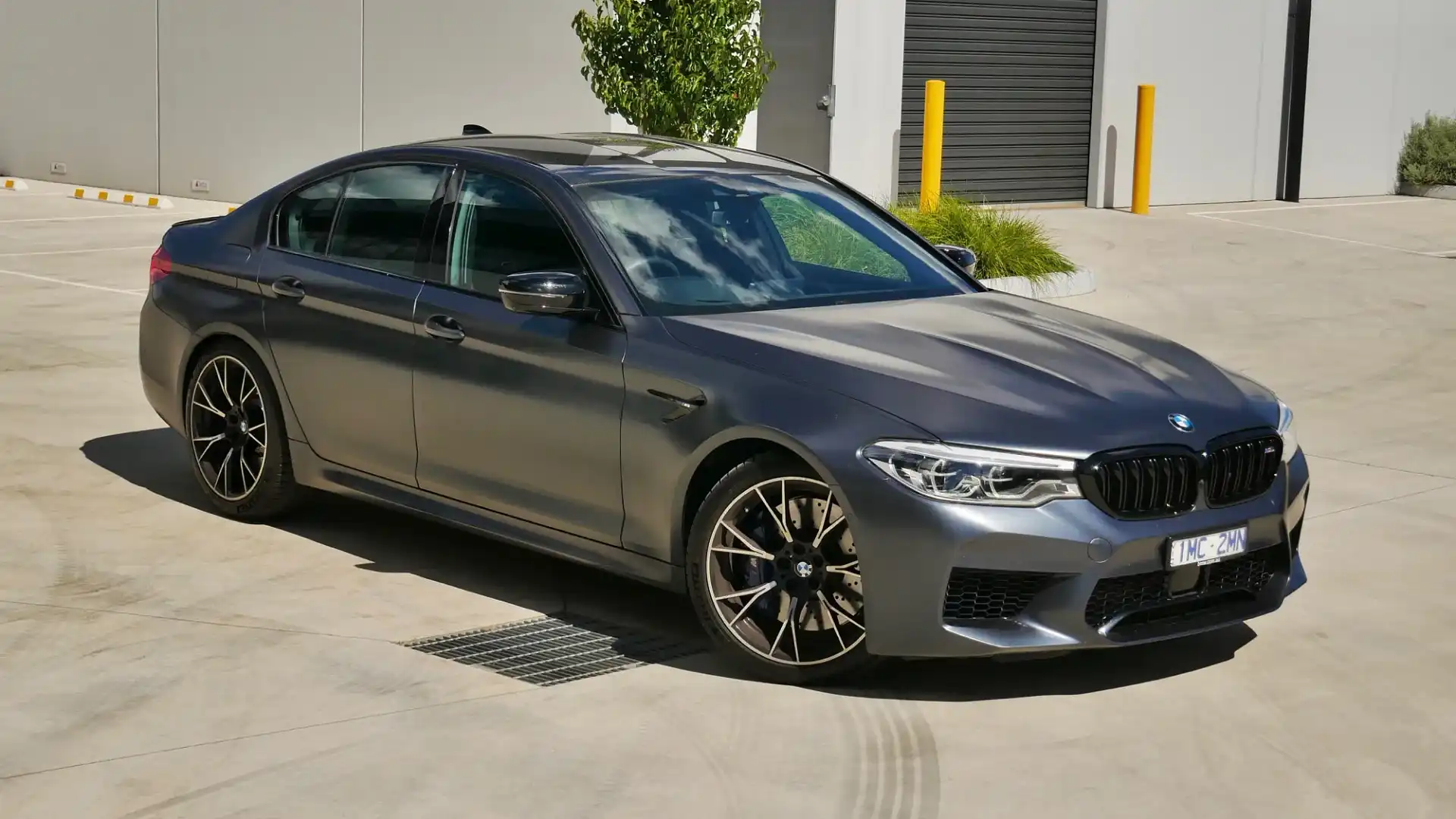
In the Competition specification for the 2018 model year, the M5 became arguably the most capable discreet-looking performance sedan available at any price, combining a 617-horsepower twin-turbocharged V8 with all-wheel drive and a body that, in darker metallic colors, reads as a well-appointed business sedan to anyone not specifically watching for the M badges and quad exhaust outlets.
S63 twin-turbocharged 4.4-liter V8 engine in Competition tune produces 617 horsepower and 553 pound-feet of torque through an eight-speed M Steptronic transmission and BMW’s M xDrive all-wheel drive system.
Zero to sixty miles per hour arrives in 3.1 seconds, which places this four-door family sedan in supercar acceleration territory. Quarter-mile times in the high 10-second range are achievable with stock hardware and an experienced driver, which means that at a traffic light, a 2018 M5 Competition has the mechanical capability to embarrass nearly every production sports car that pulls up alongside it.
What separates the M5 Competition from simple straight-line performance machines is its capability across all driving situations. Circuit driving reveals suspension, brake, and chassis tuning that produces cornering performance and driver confidence well beyond what straight-line numbers alone communicate.
BMW M engineers spent considerable development effort ensuring that the M5’s chassis matched the engine’s output at every point in a performance driving scenario, not just during acceleration events. Active rear-wheel steering, adaptive suspension, and precisely calibrated brake hardware contribute to a total performance package that enthusiast publications consistently rank among the most capable available in any body style.
Interior quality in the M5 Competition matches the performance specification with a completeness that some competitors do not achieve. Carbon fiber trim, M-specific instrumentation, and sport seats that provide genuine lateral support during aggressive driving sit alongside the practical four-door layout, standard infotainment features, and rear seat accommodation that make the car genuinely useful for everyday transportation in a way that dedicated sports cars do not attempt to be.
Also Read: Top 8 Most Elegant Hood Ornaments Ever Created for Classic Sedans
3. Cadillac CT5-V Blackwing (2022)
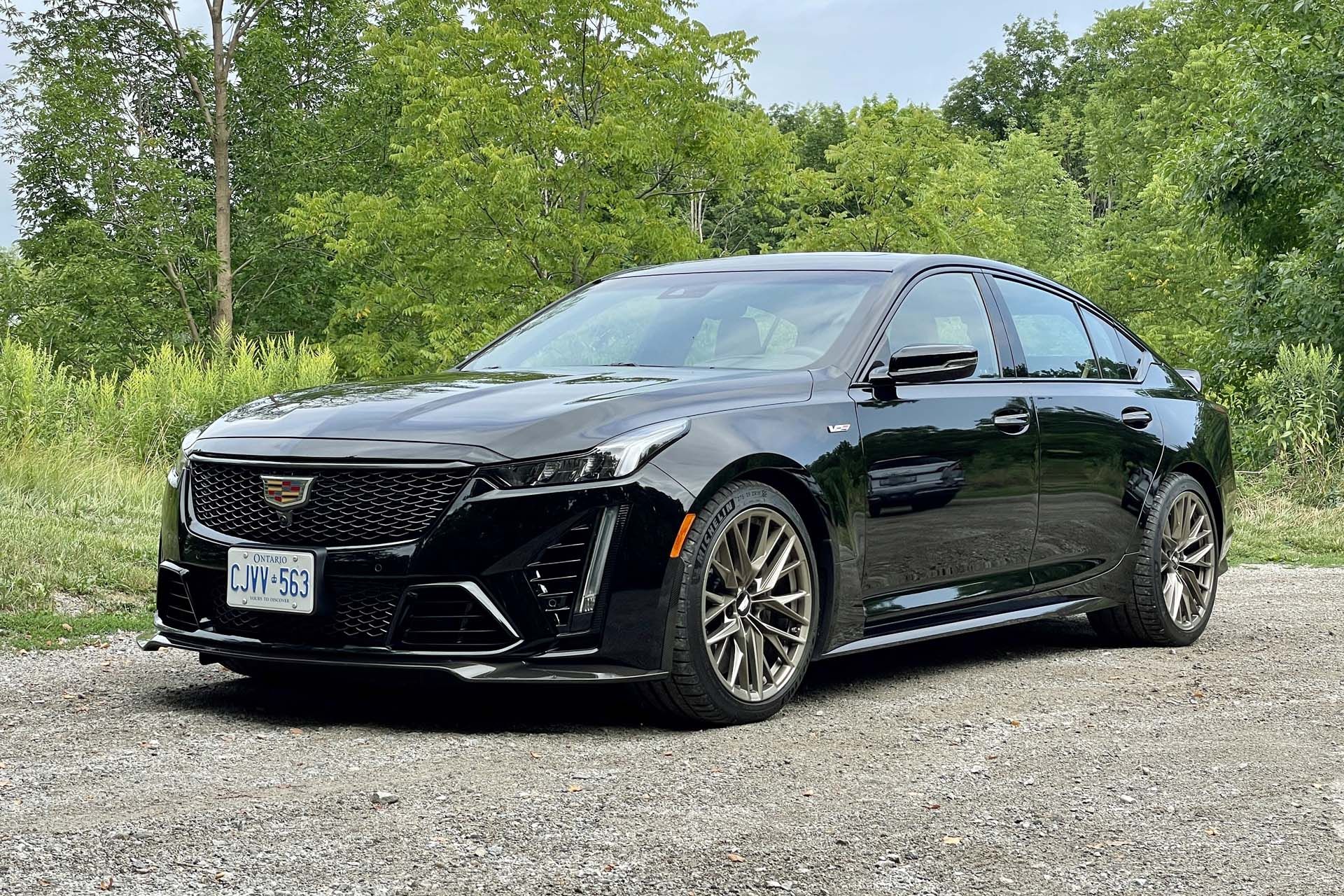
The 2022 Cadillac CT5-V Blackwing represents a decisive expression of American performance engineering within the structure of a refined executive sedan. Developed by General Motors, this model combines exceptional mechanical capability with a restrained exterior presentation. When finished in neutral colours without additional styling elements, it presents itself as a well-appointed luxury vehicle, concealing the level of performance available beneath its surface.
At the centre of the CT5-V Blackwing is a supercharged 6.2-litre V8 engine, identified as the LT4 unit originally associated with the Corvette Z06. This engine produces 668 horsepower, delivering power through either a six-speed manual transmission or a ten-speed automatic gearbox.
The availability of a manual transmission provides an uncommon level of driver involvement within this category, allowing for precise control and a more engaging driving experience. Acceleration from zero to sixty miles per hour is achieved in approximately 3.4 seconds, with quarter-mile performance recorded within the eleven-second range under standard conditions.
The suspension system employs Magnetic Ride Control, utilising advanced adaptive damper technology to adjust suspension characteristics continuously based on road conditions and driver input. This system enables the vehicle to maintain a comfortable ride during routine driving while delivering firm and controlled handling when driven with greater intent. The result is a balance between comfort and precision that supports both daily use and high-performance operation.
Braking performance is supported by Brembo components, including six-piston front calipers paired with large 15.4-inch rotors. This arrangement ensures that stopping capability aligns with the vehicle’s acceleration potential.
The brake system provides a consistent response and reliable performance, which is essential for maintaining control during demanding driving situations. Attention to such details reflects a comprehensive approach to engineering rather than a focus on isolated performance metrics.
The CT5-V Blackwing demonstrates a cohesive integration of its mechanical systems. The engine, transmission, suspension, and braking components operate in alignment, producing a vehicle that feels unified in its behaviour.
This level of coordination enhances driver confidence and contributes to a more controlled and predictable driving experience. A defining characteristic of this model lies in its understated appearance. Many observers may not immediately recognise its performance capability, allowing it to operate without attracting undue attention.
This quality enhances its practicality, as owners can utilise its full potential without the visibility often associated with high-performance vehicles. The CT5-V Blackwing, therefore, stands as a refined yet highly capable sedan, combining discretion with engineering depth.
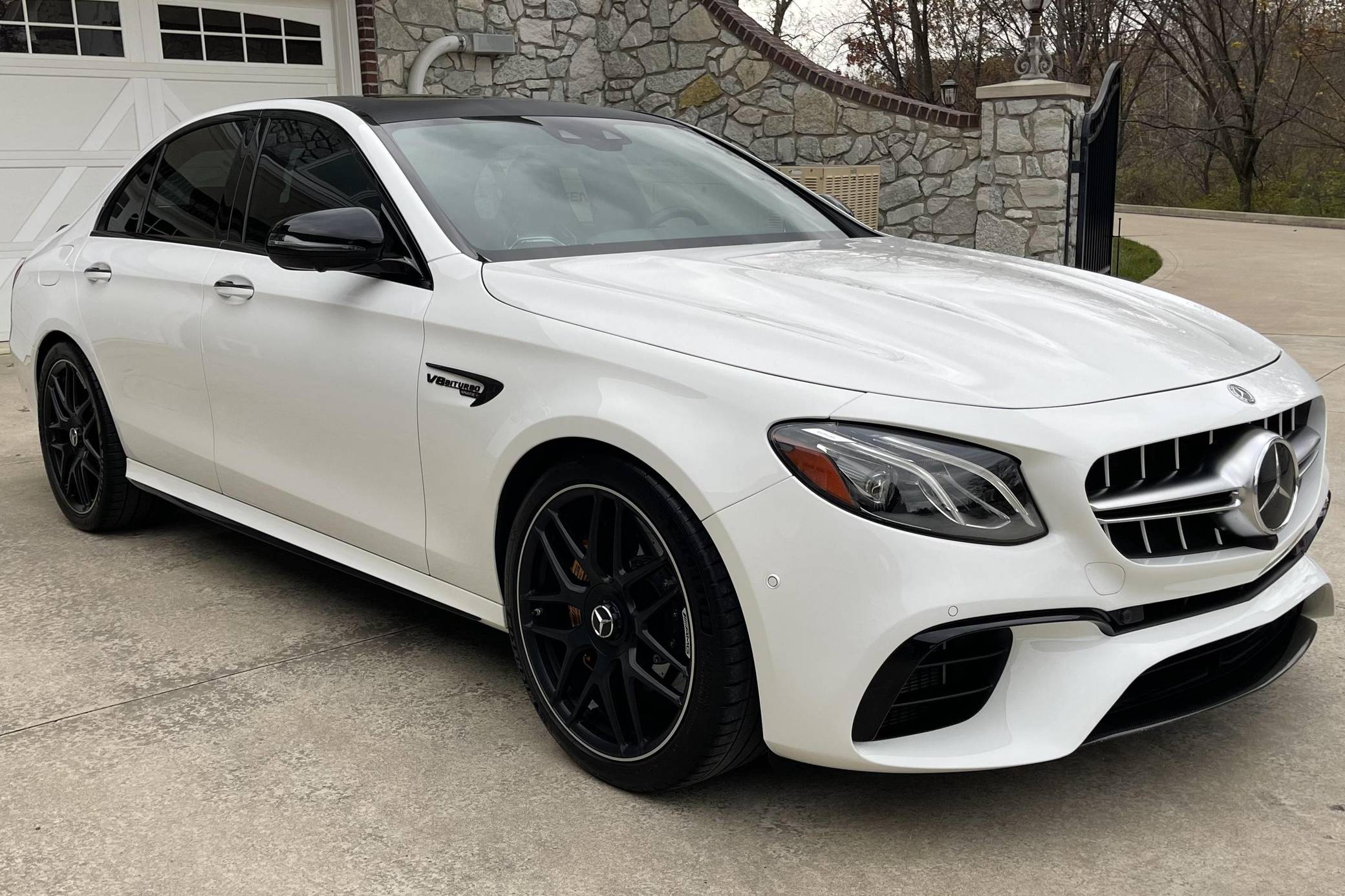
4. Mercedes-AMG E63 S (2018)
The 2018 Mercedes-AMG E63 S represents a careful transformation of a traditional executive sedan into a high-performance machine while retaining the comfort and practicality expected from the E-Class series. Developed by AMG, this model integrates advanced engineering solutions into a vehicle that maintains a composed and professional exterior appearance.
When presented in colours such as Obsidian Black Metallic or Selenite Grey Metallic, it appears as a refined German sedan, though its performance capabilities extend far beyond this initial impression. Power is provided by a hand-built 4.0-litre twin-turbocharged V8 engine producing 603 horsepower and 627 pound-feet of torque.
This engine is paired with AMG’s nine-speed MCT automatic transmission and the 4MATIC+ all-wheel-drive system. The drivetrain includes a selectable rear-wheel-drive mode, offering drivers the option of a more traditional performance configuration. Acceleration from zero to sixty miles per hour is achieved in approximately 3.3 seconds, a figure that places the vehicle within the performance range of dedicated sports cars.
The engineering challenges addressed in the development of this model extend beyond engine output. Consideration was given to thermal management, chassis balance, and packaging requirements to ensure that high performance could be delivered consistently without compromising reliability.
These factors contribute to the vehicle’s ability to perform under demanding conditions while maintaining everyday usability. One of the advanced features incorporated into the E63 S is its four-wheel steering system. This system operates differently depending on vehicle speed.
At lower speeds, the rear wheels turn in the opposite direction to the front wheels, reducing the turning radius and improving manoeuvrability in confined spaces. At higher speeds, the rear wheels turn in the same direction as the front wheels, enhancing stability and precision during cornering. This functionality operates seamlessly, requiring no direct input from the driver.
Fuel efficiency is addressed through cylinder deactivation technology, which allows the engine to operate on four cylinders during light-load conditions. This reduces fuel consumption during routine driving without affecting performance when full power is required. Such integration reflects a balanced approach to vehicle design, where performance and efficiency are considered together.
The Mercedes-AMG E63 S demonstrates how advanced engineering can be incorporated into a practical sedan without sacrificing comfort or convenience. Its ability to deliver high levels of performance while maintaining a refined driving experience positions it as a compelling option within the executive performance segment.
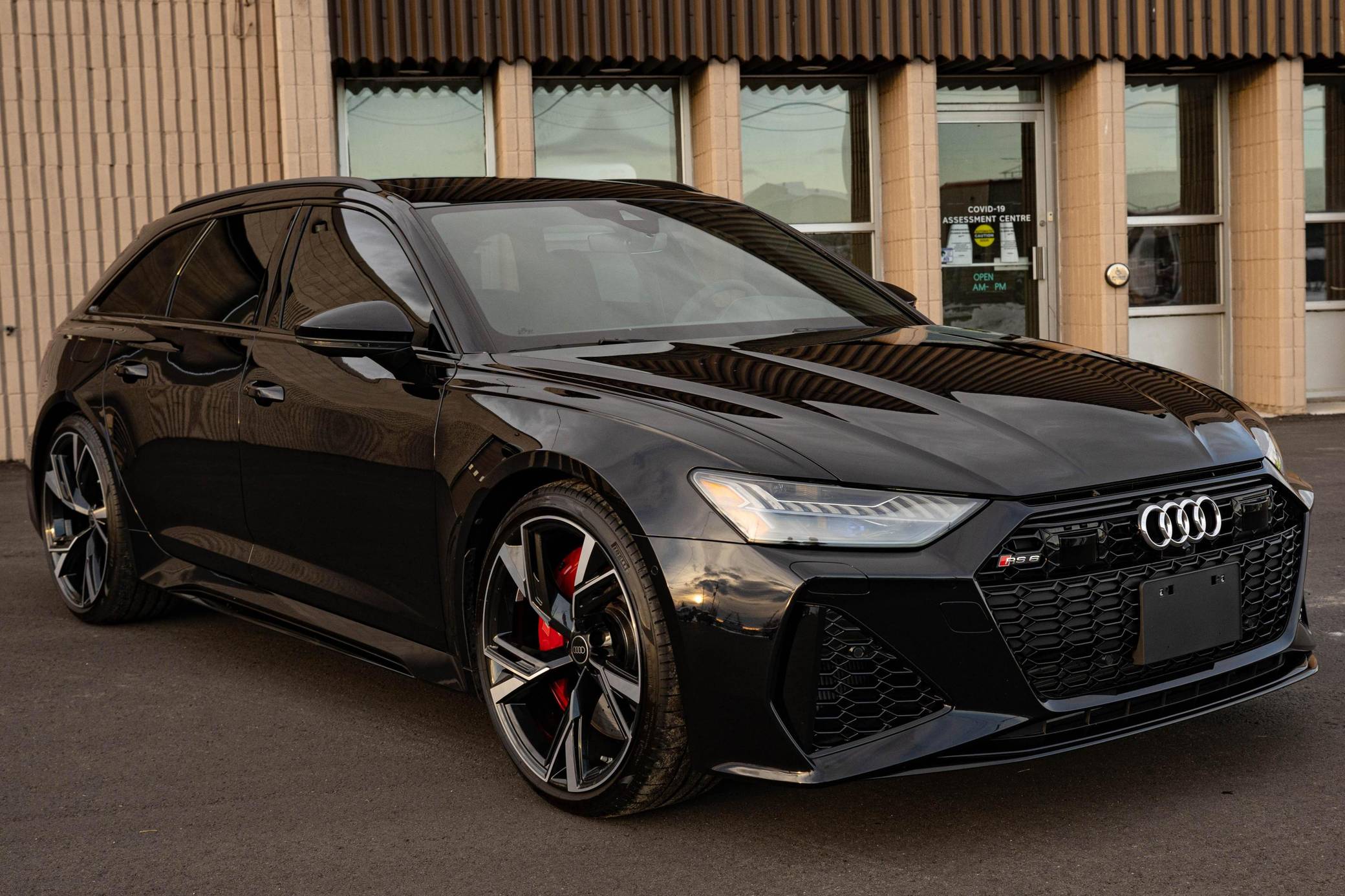
5. Audi RS6 Avant (2021)
Including the RS6 Avant requires acknowledging that it is technically a wagon rather than a sedan, but its visual profile in the US market, where station wagons have so thoroughly disappeared that many buyers simply perceive any long-roof vehicle as a variant sedan, earns it an honest place on this list.
Pulled up at a light in gray or silver, the RS6 Avant reads as a practical European family car. What it actually is involves a twin-turbocharged V8 and acceleration that makes sports car owners uncomfortable. Audi’s 4.0-liter TFSI twin-turbocharged V8 in RS6 specification produces 591 horsepower and 590 pound-feet of torque through an eight-speed torque converter automatic and Quattro all-wheel drive, producing zero-to-sixty times of 3.5 seconds from a vehicle with five seats, enormous cargo capacity, and every comfort feature that luxury family vehicle buyers require.
Quarter-mile performance falls in the low 12-second range with stock hardware, which means the RS6 Avant is genuinely quicker than many dedicated sports coupes that buyers consider performance vehicles. Mild hybrid assistance from a 48-volt electrical system improves both performance and efficiency by allowing cylinder deactivation at low loads and providing electrical boost during acceleration events where the additional torque contribution improves response at the point of maximum driver demand.
This hybrid integration reflects Audi’s engineering sophistication in combining performance capability with daily driver practicality in ways that standalone combustion engineering cannot achieve as efficiently.
Owners of the 2021 Audi RS6 Avant who have observed the reaction of sports car drivers at traffic lights describe the experience as uniquely satisfying, because the RS6’s wagon body shape adds a layer of visual surprise beyond what a conventional sedan would produce. Losing to an Audi wagon at a traffic light requires a specific recalibration of assumptions that performance car owners find particularly educational.
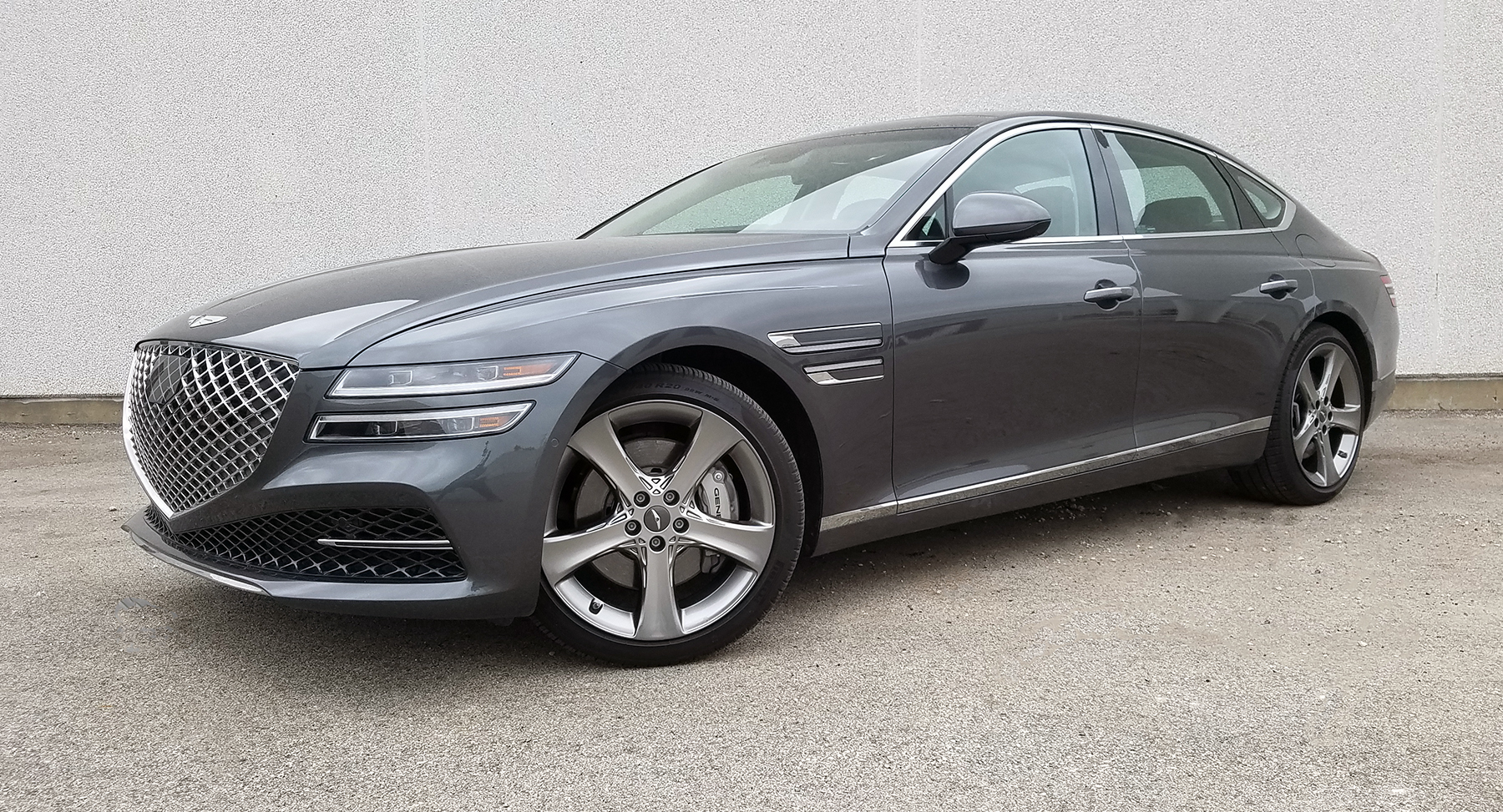
6. Genesis G80 Sport 3.5T (2021)
Genesis entered the American luxury market with a straightforward proposition: build vehicles with the quality and performance of established European luxury brands and price them at a level that reflects honest value rather than badge premium.
In Sport 3.5T specification for the 2021 model year, the G80 delivered a performance sedan whose power output and acceleration capability exceeded what its conventional executive appearance suggested, making it one of the most effective sleeper sedans available at its price point.
Turbocharged 3.5-liter V6 producing 375 horsepower and 391 pound-feet of torque connects to an eight-speed automatic transmission with paddle shifters and drives all four wheels through Genesis’s HTRAC all-wheel drive system.
Zero to sixty times in the four-second range from a vehicle that looks like a conservative business sedan represents a genuine performance achievement, particularly given the G80’s full-size interior dimensions and complete luxury equipment list that includes no concessions to practicality in exchange for the performance specification.
Genesis engineers calibrated the G80 Sport’s suspension for a balance between ride quality and handling capability that reflects how real buyers actually use performance sedans in daily operation. Electronically controlled dampers adjust stiffness based on selected drive mode and detected road surface conditions, providing genuine ride quality during normal commuting while stiffening appropriately during performance driving situations.
This adaptive quality is particularly relevant in a vehicle that serves as a daily driver, where the ability to be comfortable over imperfect road surfaces during the morning commute and engage on a preferred driving road during the same day represents a meaningful practical advantage.
Interior quality in the G80 Sport exceeds what the Genesis brand’s relative market youth might suggest, with genuine leather upholstery, real metal trim elements, and a touchscreen infotainment system whose responsiveness and interface quality compete with systems from manufacturers with decades of luxury market experience.
Rear seat accommodation is genuinely generous, with legroom suitable for adult rear passengers on extended trips, and trunk capacity remains practical despite the Sport specification’s focused performance engineering.
Buyers who chose the 2021 Genesis G80 Sport 3.5T over competing European alternatives frequently describe discovering a vehicle whose actual driving quality matched or exceeded their expectations while its purchase price provided financial headroom for option packages, maintenance costs, or simply retained savings that European competitors at comparable performance levels did not allow.
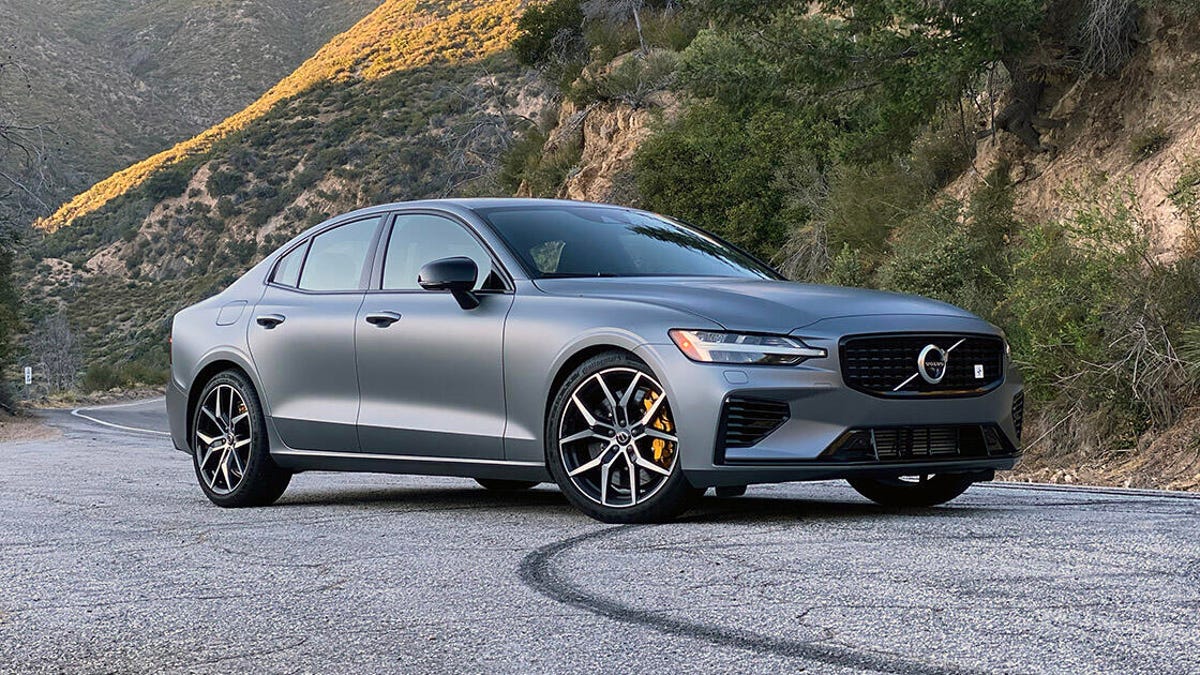
7. Volvo S60 Polestar Engineered (2020)
The Volvo S60 Polestar Engineered of 2020 represents a disciplined approach to performance engineering within the executive sedan category. Developed through a close partnership between Volvo and Polestar, the vehicle reflects a careful integration of mechanical refinement and understated design.
While the exterior remains largely identical to the standard S60, the internal systems reveal a comprehensive upgrade that touches nearly every aspect of performance. At the centre of this vehicle lies a highly advanced 2.0-litre four-cylinder engine equipped with both supercharging and turbocharging.
This arrangement delivers a combined output of 415 horsepower through an eight-speed Geartronic automatic transmission, supported by an all-wheel-drive system. A defining feature of the S60 Polestar Engineered is its suspension system. The inclusion of manually adjustable Öhlins dampers demonstrates a level of technical seriousness rarely found in production sedans.
These components, derived from motorsport applications, allow drivers to fine-tune the vehicle’s handling characteristics according to personal preference. Such direct mechanical adjustability provides a more engaging connection between driver input and chassis response.
The braking system further reinforces this performance focus. Brembo brakes with six-piston front calipers deliver strong and consistent stopping power. The pedal response is progressive and precise, ensuring that the driver receives clear feedback during deceleration. This harmony between braking, suspension, and steering systems reflects a unified engineering philosophy.
What distinguishes this model is the consistency across all performance-related systems. Each component operates with a shared objective, producing a vehicle that feels cohesive rather than fragmented. The subtle exterior styling conceals this engineering depth, placing the S60 Polestar Engineered firmly within the category of understated high-performance sedans.
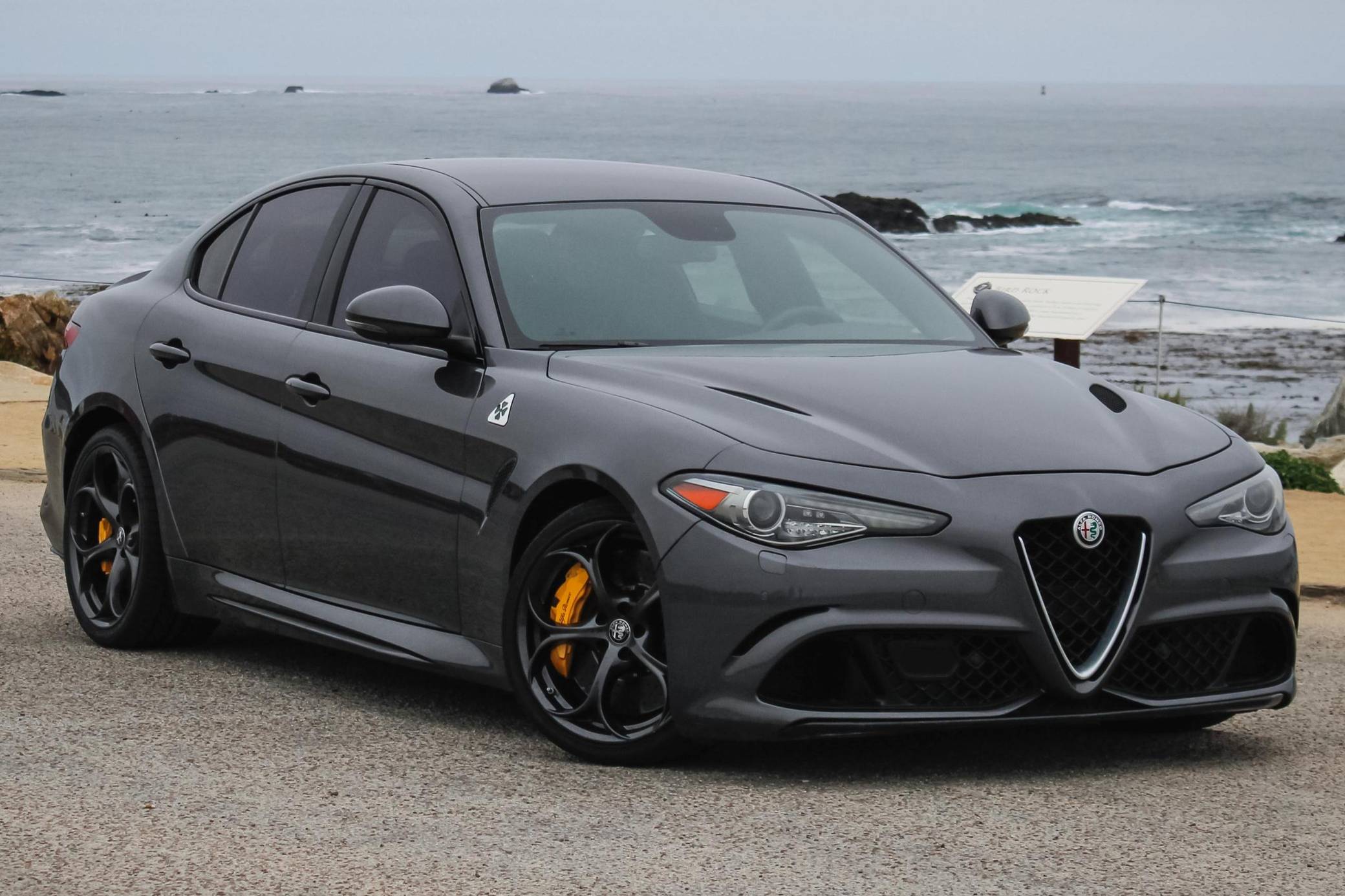
8. Alfa Romeo Giulia Quadrifoglio (2017)
The 2017 Alfa Romeo Giulia Quadrifoglio presents a compelling fusion of Italian sports-car engineering and executive-sedan practicality. Developed with input from Ferrari’s engineering team, the vehicle combines advanced performance technology with a four-door configuration that retains everyday usability. Its outward appearance suggests refinement and elegance, yet its mechanical composition reveals far greater capability.
The chassis incorporates active aerodynamic elements designed to enhance stability during high-speed operation. A front splitter and rear diffuser adjust to generate downforce when required, improving grip and cornering performance. These features remain unobtrusive during regular driving conditions, ensuring that the vehicle retains a refined appearance in everyday use.
An optional carbon ceramic braking system provides strong resistance to heat during extended performance driving. This setup also reduces unsprung weight, which contributes to improved responsiveness and handling precision. The benefits of this system become evident during demanding driving conditions, where consistent braking performance is essential.
The Alfa Romeo DNA Pro drive mode selector allows the driver to tailor the vehicle’s behaviour. The Race setting modifies throttle response, steering weight, transmission characteristics, and stability control calibration. This transforms the vehicle into a highly focused performance machine. In standard modes, the car remains comfortable and composed, suitable for routine travel.
Owners often describe the satisfaction derived from the vehicle’s performance capabilities, particularly when its true potential is revealed in situations where it is least expected. The Giulia Quadrifoglio demonstrates how advanced engineering can be integrated into a practical sedan without compromising either comfort or driving engagement.
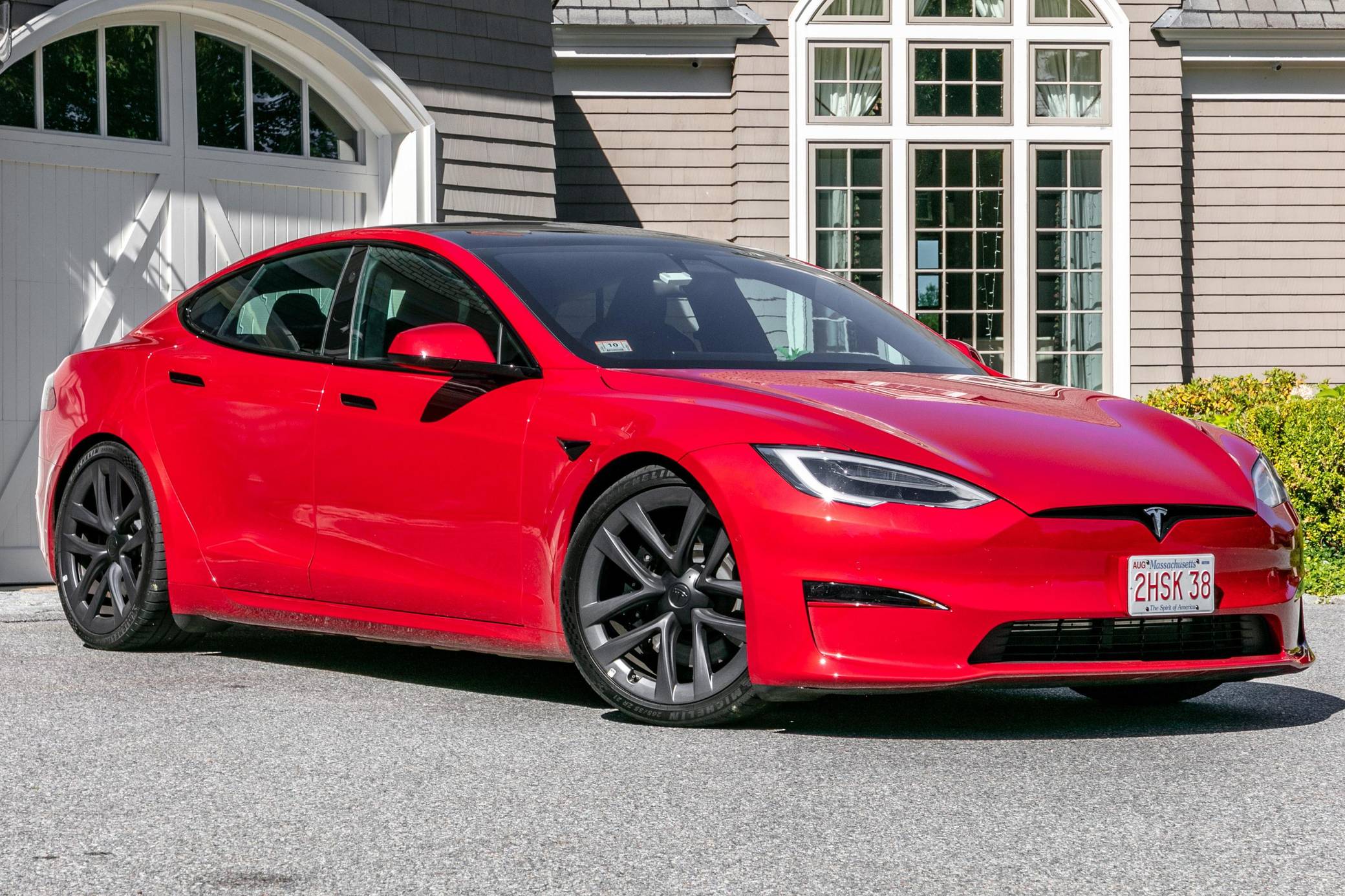
9. Tesla Model S Plaid (2021)
Performance sedan discussions that exclude the Tesla Model S Plaid are incomplete because this vehicle changed the reference point for straight-line acceleration in a way that combustion-powered vehicles are still working to match.
Wearing a body that reads as a clean, modern executive sedan, the Model S Plaid produces zero-to-sixty acceleration in under two seconds with the rollout subtracted, which is a number that requires a moment of consideration before its full implication registers.
Three electric motors producing a combined 1,020 horsepower through Tesla’s all-wheel drive system give the Model S Plaid torque availability from zero RPM in both directions simultaneously, which is the physical reason its acceleration numbers are unreachable by even the most powerful combustion sedans on this list.
Combustion engines must accelerate to their power band before full torque is available. Electric motors deliver their maximum torque immediately and maintain it through a broader speed range, which is a fundamental physical advantage at the traffic light scenario this list specifically addresses.
Drag mode configuration, available through the vehicle’s touchscreen interface, preconditions the battery pack, motors, and drivetrain for maximum acceleration performance, lowering the front suspension, adjusting cooling, and configuring all systems for peak launch conditions.
This performance at the high end of the speed range complements the launch performance to create a vehicle whose capabilities exceed what its understated appearance suggests across virtually every measurable performance dimension.
Interior quality and technology in the 2021 Tesla Model S Plaid match its performance specification with a large horizontal touchscreen controlling most vehicle functions, a yoke steering wheel option, and rear seat accommodation that makes the performance achievable without any passenger comfort sacrifice.
Also Read: 12 Used Performance Sedans That Still Feel Fast in 2026
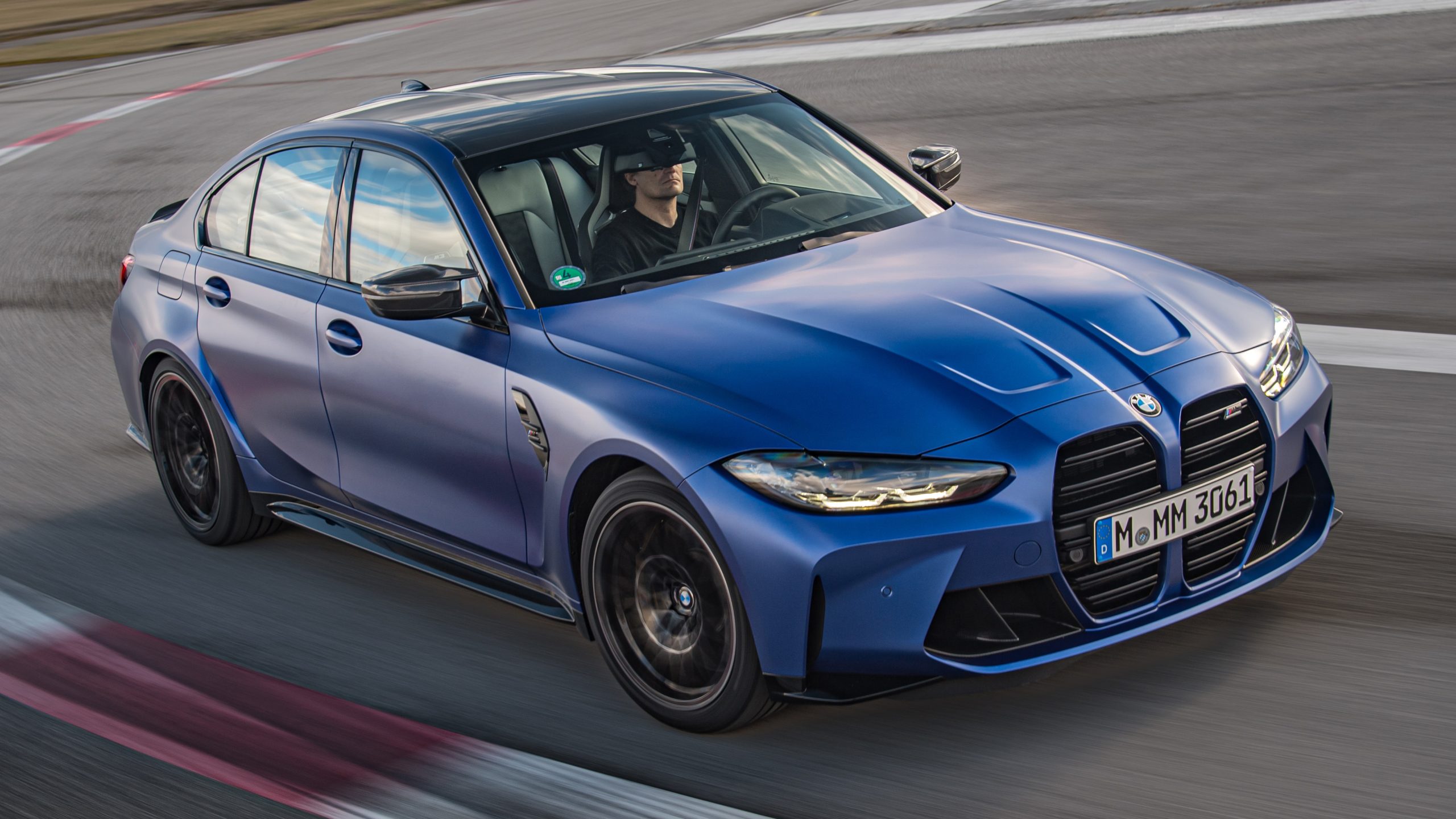
10. BMW M3 Competition xDrive (2022)
Closing this list with the 2022 BMW M3 Competition xDrive acknowledges a vehicle that occupies a specific position in the performance sedan category, one where the engineering ambition, the capability ceiling, and the gap between visual appearance and performance reality combine most completely.
In a conservative exterior color without optional M aerodynamic packages, the M3 Competition reads as a well-specified 3 Series to observers who do not know what the M badges and quad exhaust arrangement mean.
Active M rear differential manages torque distribution between rear wheels during cornering with a precision that mechanical limited-slip differentials cannot match, adjusting distribution continuously based on steering angle, vehicle speed, lateral acceleration, and throttle position.
This level of torque management sophistication allows the M3 to deploy its power during exit of corners in ways that maximize acceleration without the wheel slip that simpler rear axle arrangements produce, contributing to lap times that the engine output alone cannot account for.
Carbon bucket seat option reduces unsprung weight while providing lateral support during aggressive driving that standard M sport seats cannot match, and the carbon fiber roof standard across M3 Competition specification lowers the center of gravity by moving mass downward from the vehicle’s highest point.
These details reflect M division engineering that treats every measurable performance parameter as worth addressing rather than accepting the compromises that standard vehicle architecture imposes.
