
Premium fuel has a way of making performance cars feel like a luxury tax you pay twice, once at the dealership and again at every gas station for as long as you own the vehicle.
Most high-output engines demand 91 or 93 octane to deliver their rated power numbers, protect their aggressive compression ratios from knock, and keep their turbocharged or supercharged systems from pulling timing under load. That premium fuel bill adds up quickly for anyone who drives their performance car as an actual daily driver rather than a garage trophy.
What surprises most buyers is that several genuinely quick, genuinely capable performance engines were engineered specifically to run on regular 87-octane fuel without power loss, engine damage, or the kind of audible knock that makes you wince at every full-throttle pull.
Some of these engines achieved this through clever combustion chamber geometry that delivers efficient combustion at lower compression ratios.
Others used engine management systems sophisticated enough to extract strong performance from regular fuel without any compromise in real-world driving conditions. A few were simply designed by manufacturers who understood that their buyers drove their cars hard every day and could not always find or afford premium.
This is not about engines that technically tolerate 87 octane while quietly suffering reduced performance and pulling timing so aggressively that you might as well be driving a rental car.
Every engine on this list was specifically designed, rated, or widely recognized for delivering genuine performance on regular fuel without apology, qualification, or meaningful power reduction. These are engines that real owners drove hard on cheap gas for years and never once felt like they were making a compromise.
If you are shopping for a performance vehicle and the fuel cost question matters to your budget, this article gives you eight engines worth knowing about before you sign anything.
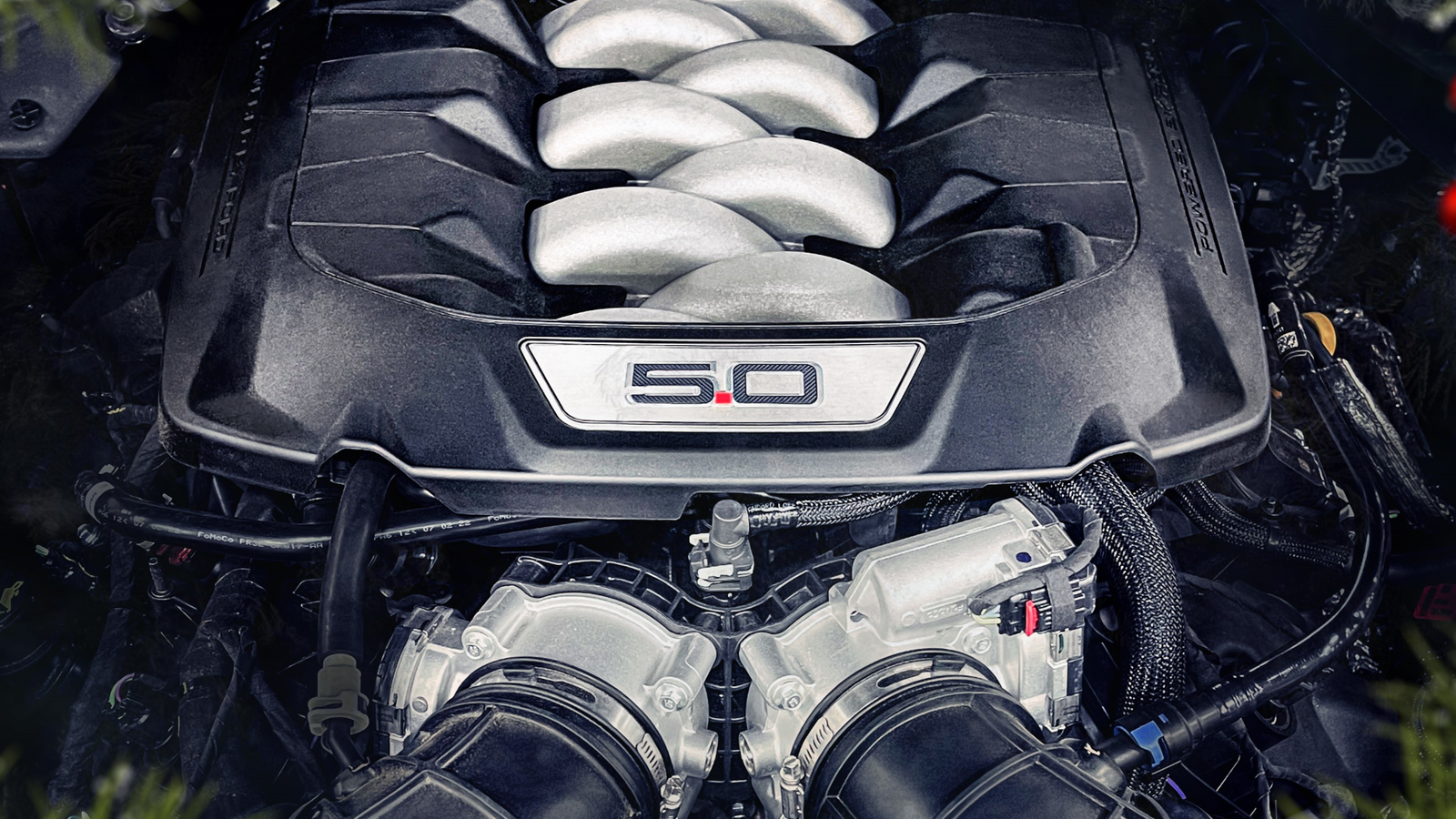
1. Ford’s 5.0-Liter Coyote V8 in the 2015 Ford Mustang GT Fastback (S550 Platform)
Ford’s decision to design the fifth-generation 5.0-liter Coyote V8 to operate efficiently on 87-octane regular fuel reflected a practical understanding of real ownership behaviour. The Mustang GT has long been positioned as a performance car that remains usable for daily transport, extended highway travel, and spirited weekend driving.
Owners do not treat it as a rare collector’s item reserved for controlled environments. Instead, it is driven frequently, refuelled at ordinary service stations, and expected to deliver consistent performance without imposing constant running costs. Engineering the Coyote engine around regular fuel addressed this expectation directly.
In the 2015 Mustang GT Fastback built on the S550 platform, the Coyote V8 produced 435 horsepower and 400 pound-feet of torque using 87-octane petrol as its intended operating grade. This output level was not achieved by reducing capability or limiting engine potential.
Rather, it represented the planned specification from the beginning of development. Ford combined an 11:1 compression ratio with a sophisticated engine management system to maintain stable combustion while preserving power delivery suitable for a modern performance vehicle.
A central contributor to this achievement is Ford’s Twin Independent Variable Camshaft Timing system. This arrangement allows independent control of intake and exhaust valve timing across varying engine speeds and load conditions.
By adjusting valve events dynamically, the engine management system maintains combustion stability while limiting knock tendency. Fixed camshaft designs cannot respond to changes in operating conditions with the same precision.
The flexibility of this system allows the Coyote to maintain strong output without relying on higher octane fuel to compensate for rigid valve timing. Real ownership feedback supports this design approach. Drivers who have compared fuel grades under normal road conditions frequently report that differences between regular and premium fuel are difficult to detect during daily use.
Independent testing by automotive publications has also shown power variations small enough to fall within normal measurement tolerances rather than presenting clear performance separation. Such consistency demonstrates that regular fuel operation was treated as the performance target rather than a fallback condition.
From a financial perspective, this engineering choice alters long-term ownership considerations. Drivers covering average annual mileage benefit from lower fuel expenditure year after year. When calculated across several years, savings accumulate meaningfully without reducing driving enjoyment or output.
The Coyote V8, therefore, stands as an example of performance engineering that balances capability, reliability, and ownership practicality through deliberate mechanical design rather than compromise.
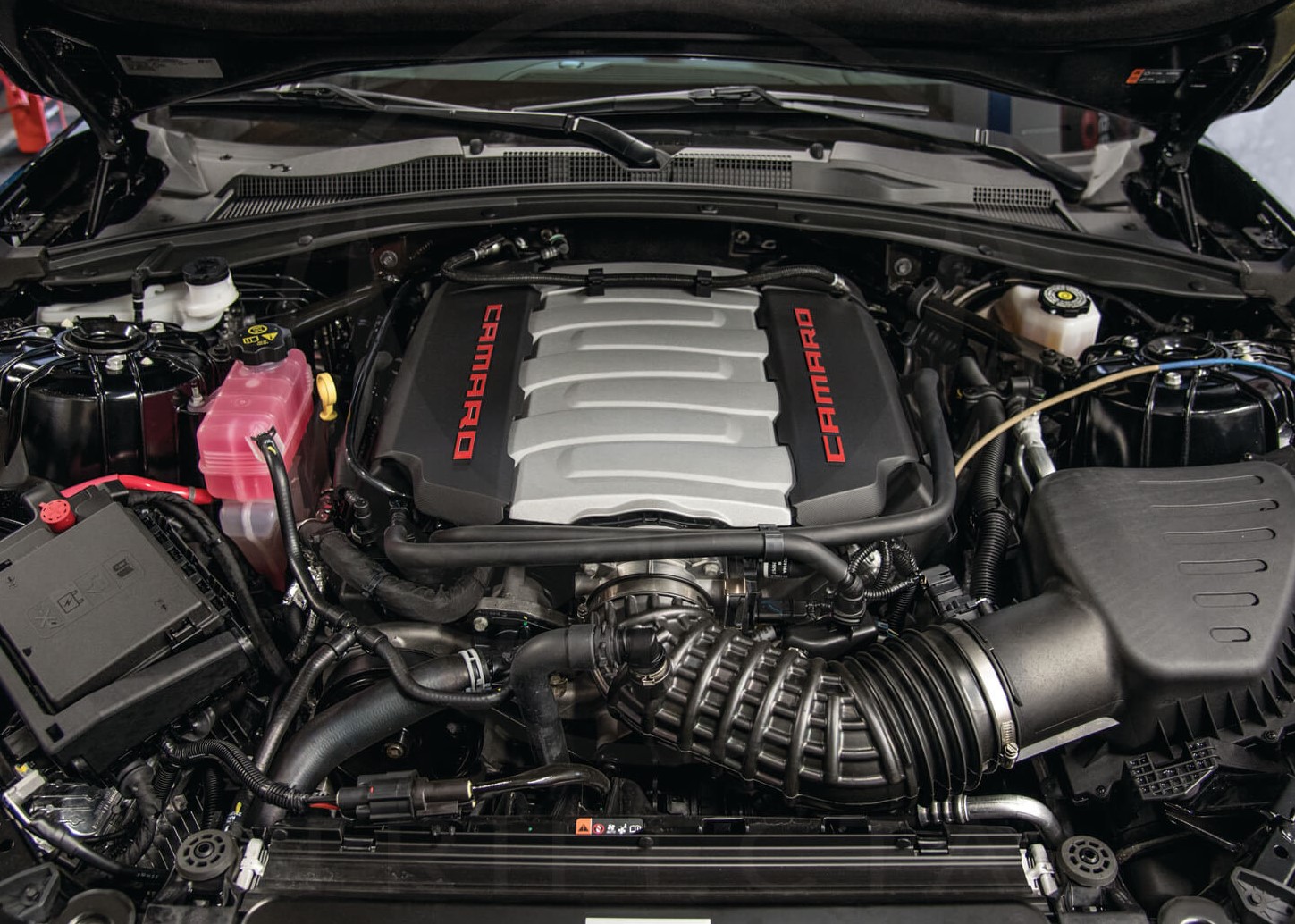
2. Chevrolet’s LT1 6.2-Liter V8 in the 2020 Chevrolet Camaro SS 1LE (Sixth Generation)
Chevrolet’s LT1 6.2-liter V8 represents a disciplined approach to high-output engine design, particularly through its ability to produce 455 horsepower while operating on 87-octane regular fuel. Many engines delivering similar figures depend on premium petrol to maintain combustion stability.
The LT1 demonstrates that careful combustion control and thermal management can achieve comparable output without imposing higher fuel costs on owners who use their vehicles regularly. A defining feature of the LT1 is its direct injection system.
Fuel is delivered directly into the combustion chamber rather than through the intake port, allowing more accurate control of fuel delivery timing and quantity. This method also improves charge cooling as fuel vaporises inside the chamber, lowering combustion temperatures and reducing the likelihood of knock. These characteristics allow the engine to sustain strong output while remaining tolerant of lower octane fuel.
Active Fuel Management also contributes to the LT1’s fuel flexibility. Under light load conditions, the system deactivates selected cylinders, reducing internal pressure and thermal stress. This operating mode aligns with typical cruising situations where knock sensitivity can increase.
By managing these conditions mechanically, the engine gains additional operating margin that supports reliable combustion on regular petrol. Variable valve timing further enhances this capability. By adjusting valve events dynamically, the LT1 alters effective compression depending on load and engine speed.
Techniques such as delayed intake valve closing reduce effective compression during lower load operation while retaining higher geometric compression for full power demand. This approach allows the engine to combine efficiency with output without requiring premium fuel to suppress detonation.
Feedback from Camaro SS 1LE owners supports the engineering intent. Many drivers use regular fuel for daily driving and reserve higher octane petrol for track use. Street performance remains consistent and predictable on regular fuel, while premium petrol supports sustained high-load conditions during circuit driving. Such real-world use patterns confirm that Chevrolet’s regular fuel rating reflects genuine mechanical capability rather than optimistic specification.
The LT1 engine, therefore, illustrates how advanced fuel delivery, valve control, and thermal management can produce a balanced performance package. It offers strong output, dependable daily operation, and reduced running costs without sacrificing the driving character expected from a modern performance coupe.
Also Read: 5 Engines With Robust Water Pumps vs 5 That Are Prone to Seizing
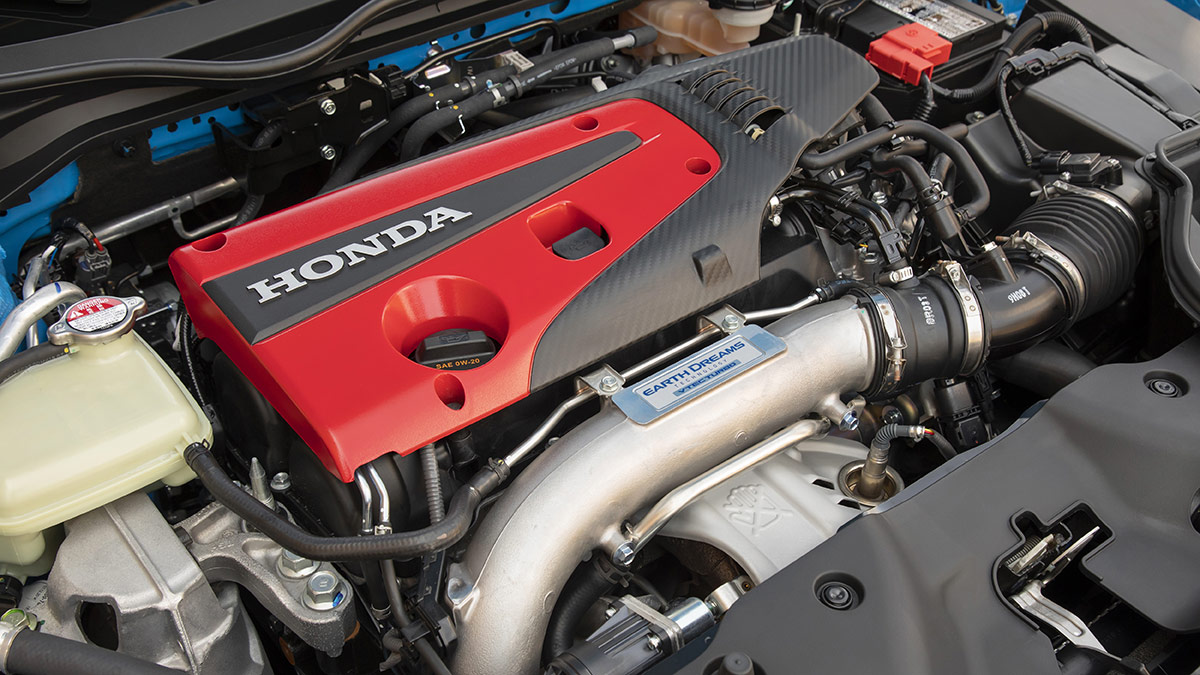
3. Honda’s K20C1 Turbocharged Four-Cylinder in the 2017 Honda Civic Type R (FK8 Generation)
Honda’s K20C1 engine in the FK8 Civic Type R is a 2.0-liter turbocharged four-cylinder that produces 306 horsepower in US specification on 91-octane premium fuel, which disqualifies it slightly from the pure 87-octane category.
However, its ability to operate on 87 octane without engine damage, delivering reduced but still genuinely strong performance, combined with its legendary durability at any fuel grade, earns it a place on this list for a reason that is more interesting than simple octane compliance.
Honda’s engine management system in the K20C1 adjusts boost pressure and ignition timing dynamically in response to the fuel grade it detects through knock sensor feedback. On 87 octane, the system reduces boost and retards timing to prevent knock, producing power output that is meaningfully lower than the premium-fuel rating but still strong enough for spirited driving without any risk of engine damage.
Honda’s conservative thermal and mechanical engineering margins in the K20C1 mean this adaptation occurs safely and consistently without the structural stress that some turbocharged engines experience when running reduced-octane fuel at reduced boost.
What makes the K20C1’s approach particularly interesting is its lineage from Honda’s motorsport engine development. Honda’s racing four-cylinder engines have historically been designed with combustion efficiency as a primary engineering priority, and that efficiency focus carries into the K20C1’s combustion chamber geometry and injection system design.
Efficient combustion produces more useful work from each fuel charge, which means the engine needs less octane buffering against knock than a less efficient combustion system would require for equivalent power output.
For owners who use their FK8 Type R as a genuine daily driver in markets where premium fuel pricing represents a substantial ongoing cost, the option to run 87 octane during normal commuting while reserving premium for spirited weekend or track use is a practical flexibility that Honda’s engine management system supports safely.
This adaptability is characteristic of Honda’s engineering philosophy and contributes to the K20C1’s reputation as one of the most well-rounded turbocharged four-cylinders in its performance category.
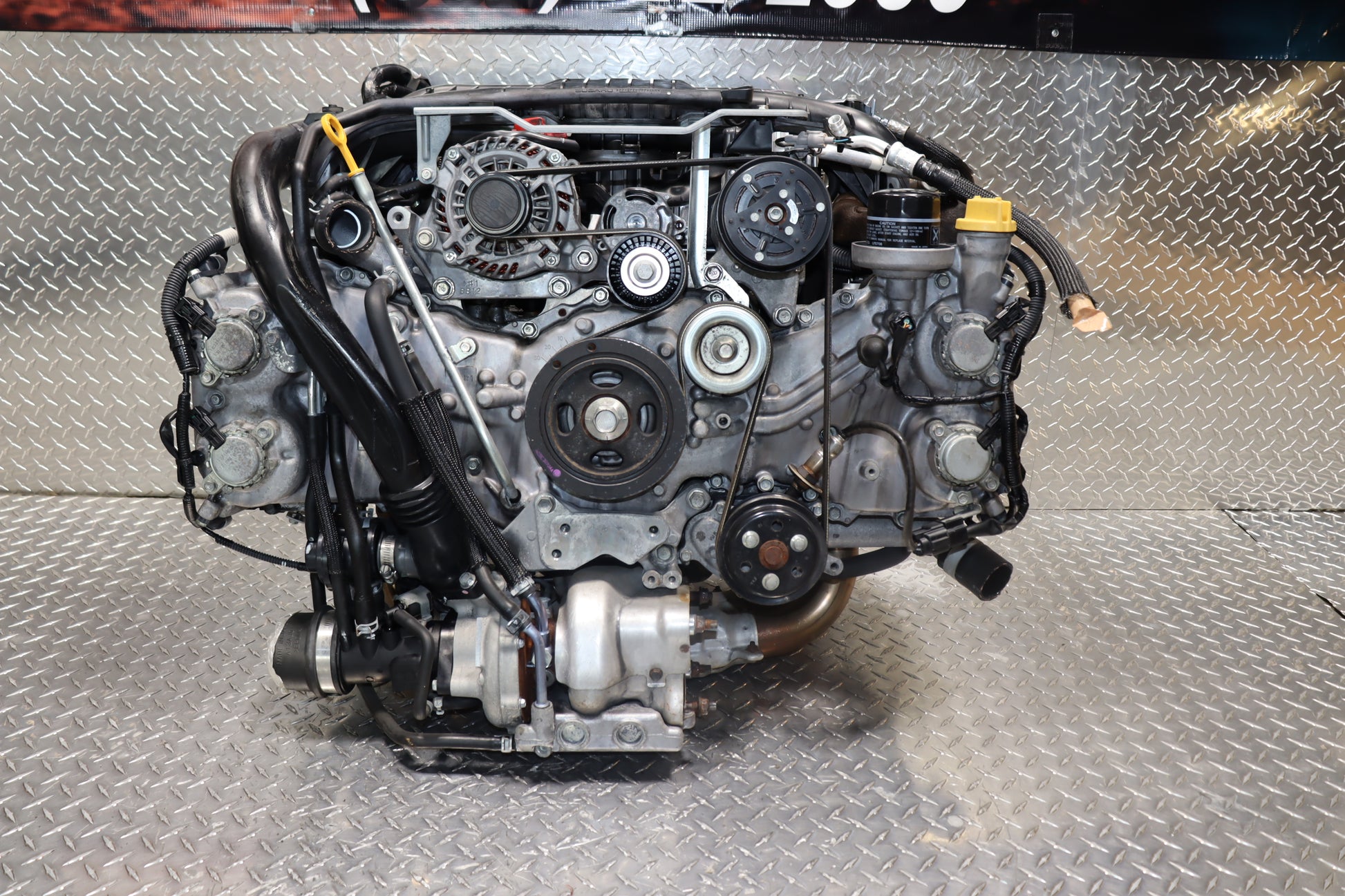
4. Subaru’s FA20DIT Turbocharged Flat-Four in the 2018 Subaru WRX Sport (VA Body)
Subaru’s FA20DIT engine in the 2018 WRX Sport is a 2.0-liter turbocharged horizontally opposed four-cylinder that officially recommends premium fuel for its rated 268 horsepower output, but whose real-world behavior on 87 octane has been documented extensively by the WRX owner community in ways that make this engine relevant to the cheap gas conversation.
Subaru’s engine management system, like Honda’s K20C1 approach, adjusts boost and timing dynamically in response to fuel grade, and WRX owners who have systematically compared the two fuel grades report smaller real-world performance differences than the engineering might suggest.
Subaru’s Dual AVCS variable valve timing system, applied to both intake and exhaust camshafts on the FA20DIT, provides the engine management system with sufficient flexibility to optimize combustion phasing for the fuel grade present.
By adjusting cam timing in response to knock sensor feedback and throttle position, the system creates combustion conditions that are more tolerant of lower octane fuel than a fixed-cam-timing equivalent engine would achieve.
This active adaptation is one of the reasons WRX owners find 87 octane more acceptable than the official recommendation would suggest. Boxer engine architecture contributes indirectly to the FA20DIT’s fuel flexibility through the specific combustion chamber geometry that the horizontally opposed cylinder layout produces.
Flat-four combustion chambers have a characteristic shape that influences flame front propagation patterns in ways that differ from inline and V-configuration engines, and Subaru’s engineering of the FA20DIT’s specific chamber geometry reflects decades of refinement with this configuration.
WRX owners who switched from premium to regular fuel for extended periods and then conducted back-to-back comparisons consistently report that the difference is perceptible on a dyno or in timed performance testing but not meaningfully felt in normal or spirited street driving.
This feedback from an ownership community that understands performance and pays close attention to their vehicles’ behavior is the most reliable real-world validation of an engine’s genuine fuel grade flexibility.
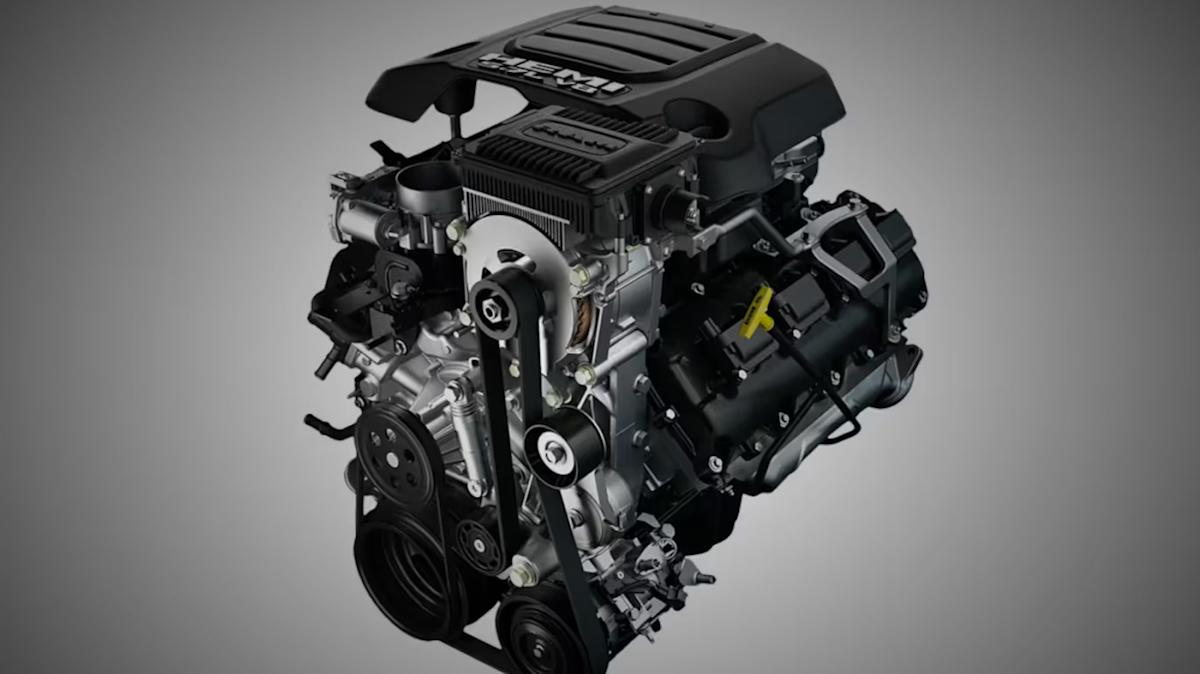
5. Dodge’s 5.7-Liter HEMI V8 in the 2019 Dodge Challenger R/T Scat Pack
Dodge’s 5.7-liter HEMI V8 earns attention for a clear engineering reason that extends beyond common fuel discussions. From its earliest production stage, this engine was configured to deliver strong output while recommending 89-octane mid-grade petrol, with day-to-day operation on 87 octane showing only minor differences during normal driving.
At a time when many high-output engines demand premium fuel, a 375-horsepower V8 that operates comfortably on regular or mid-grade petrol reflects careful mechanical planning rather than compromise. The defining factor behind this tolerance lies in the HEMI combustion chamber layout.
The centrally positioned spark plug within a domed chamber supports even flame travel across the cylinder. This balanced ignition pattern allows the air and fuel mixture to burn more quickly and evenly, reducing the exposure of unburned mixture to rising pressure and heat.
That mechanical behaviour directly limits knock tendency, even when compression levels remain suitable for strong output. As a result, the engine achieves robust power without demanding higher octane petrol for protection. Another contributing system is Dodge’s Multi-Displacement System, which deactivates four cylinders during light load operation.
During steady cruising or gentle throttle use, this system reduces cylinder pressure and thermal load, conditions where knock risk is usually higher. By lowering stress during these phases, the engine management system gains additional margin, allowing stable operation on lower octane fuel without sacrificing smoothness or reliability.
Owners of the Challenger R/T Scat Pack who routinely use 87 octane commonly report that the engine’s character remains unchanged for daily use. Acceleration feel, throttle response, and sound remain consistent across regular driving situations.
While controlled testing shows small output variations between 87 and 89 octane, the difference is subtle enough that most drivers cannot identify fuel grade by feel alone during street use. For a car producing this level of output, such flexibility offers practical daily advantages, especially during periods of rising fuel prices.
This approach is not limited to one variant. The wider HEMI V8 family across Dodge’s lineup reflects the same combustion principles, showing that fuel tolerance was designed into the platform rather than applied as an afterthought.
Owners of vehicles equipped with the 5.7 HEMI can therefore rely on fundamental mechanical design rather than marketing reassurance when choosing regular petrol for consistent use.
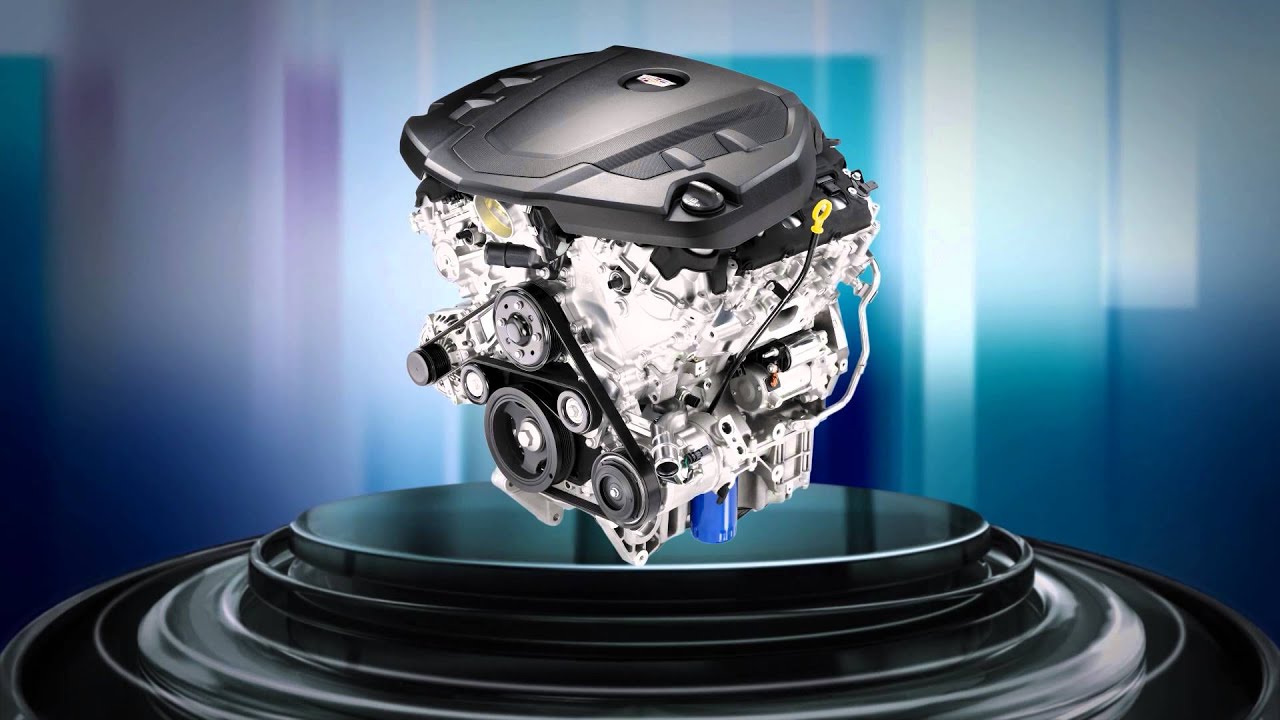
6. General Motors’ LFX 3.6-Liter V6 in the 2016 Chevrolet Camaro V6 Coupe
Performance discussions often prioritise V8 engines, leaving many capable V6 platforms undervalued despite their balanced output and ownership benefits. General Motors’ LFX 3.6-liter V6 fitted to the sixth-generation Camaro produces 335 horsepower on regular 87-octane petrol, delivering strong acceleration within a lighter and more economical package than its eight-cylinder counterpart.
This configuration supports an ownership experience that aligns power, efficiency, and running costs in a way many buyers underestimate. The LFX achieves this output through an efficiency-focused mechanical strategy.
High-flow cylinder heads, dual overhead camshafts, and variable valve timing on both banks allow precise control of air movement across the operating range. Rather than relying on extreme compression that would require premium petrol, the engine produces output through breathing efficiency and combustion control.
This approach demands careful design and calibration, yet it rewards owners with dependable performance on regular fuel. Drivers who approach the Camaro V6 without preconceived bias often find the LFX delivers engaging behaviour. The engine revs freely, provides steady power delivery, and responds confidently during highway acceleration.
These characteristics create a driving experience that challenges assumptions tied solely to cylinder count. Achieving such output from a naturally aspirated V6 on regular petrol places the LFX in a distinct technical position within its class.
Comparative testing against turbocharged rivals that require premium fuel highlights another advantage. When fuel costs are calculated across several years of ownership, the difference between regular and premium petrol accumulates into substantial savings.
These savings add to the lower purchase price and insurance costs already associated with the V6 model. Buyers who calculate ownership expenses carefully often discover that fuel requirements influence long-term cost more than expected.
The LFX engine demonstrates that careful engineering can deliver balanced performance without demanding specialised fuel. For buyers who value strong output, manageable ownership costs, and dependable daily operation, the sixth-generation Camaro V6 presents a technically sound alternative that rewards informed decision-making grounded in mechanical reality rather than perception.
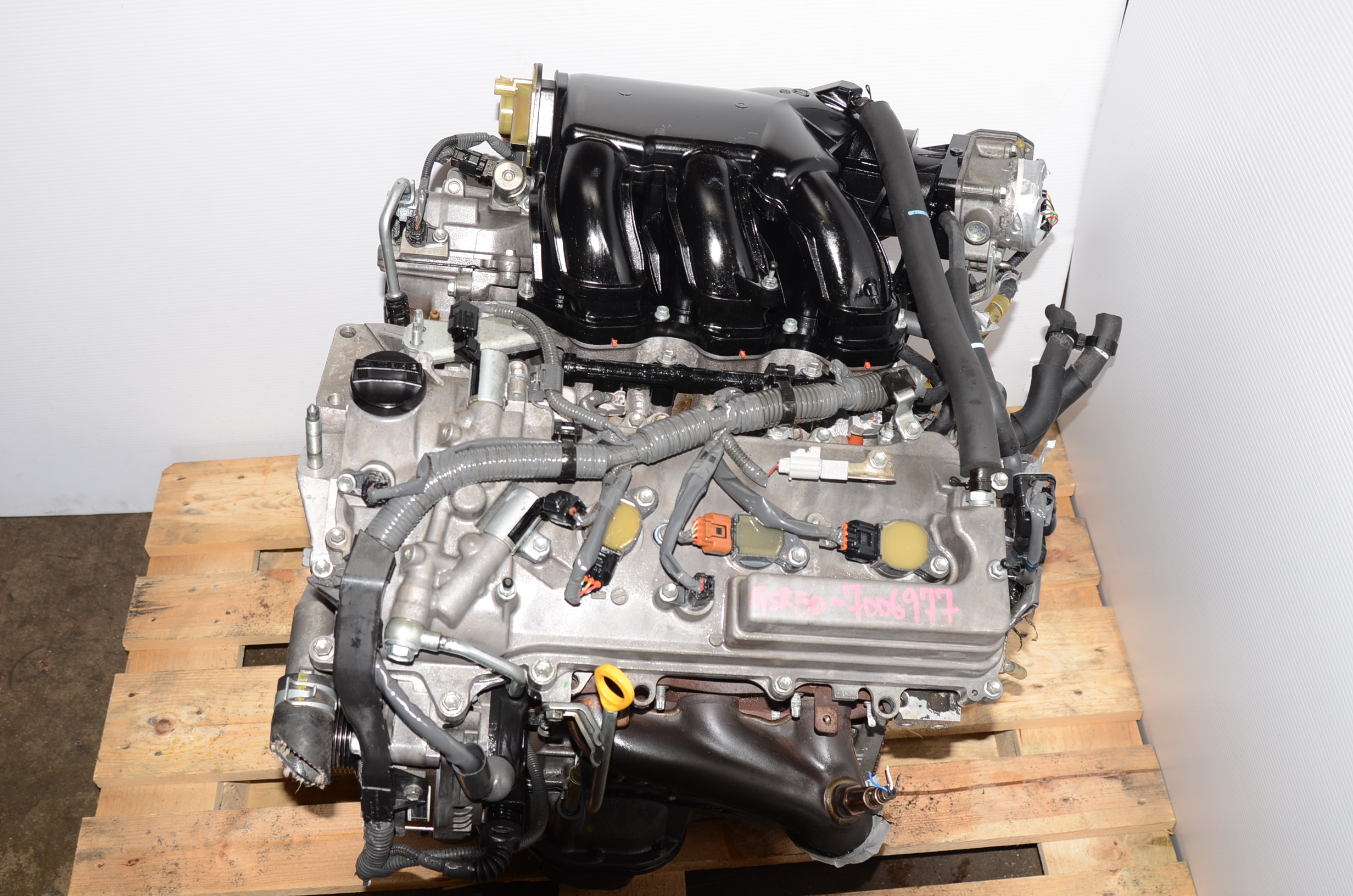
7. Toyota’s 2GR-FE 3.5-Liter V6 in the 2015 Toyota Camry XSE V6 (XV50 Platform)
Performance sedan engineering does not always announce itself with aggressive styling or turbocharged output figures, and Toyota’s 2GR-FE 3.5-liter naturally aspirated V6 in the 2015 Camry XSE V6 is one of the automotive industry’s most consistently underestimated performance-capable regular-fuel engines.
Producing 268 horsepower on 87-octane regular fuel, this engine prioritizes the combination of strong performance, long-term reliability, and cheap fuel tolerance in a way that buyers who need a practical performance sedan find genuinely compelling.
Toyota’s D-4S dual injection system on later 2GR-FE applications combines port injection and direct injection in a system that uses each delivery method under different operating conditions to optimize fuel atomization, charge cooling, and combustion quality.
Under high-load conditions where performance is the priority, direct injection delivers fuel precisely into the combustion chamber for optimal charge cooling that reduces knock tendency. Under light-load conditions where efficiency matters more, port injection provides cleaner combustion chamber surfaces that reduce carbon buildup.
This dual-injection strategy contributes directly to the engine’s ability to produce strong output on regular fuel by optimizing every aspect of the combustion process for the specific operating condition present. VVT-i on both intake and exhaust camshafts allows the 2GR-FE to dynamically phase valve events across its full operating range, maintaining combustion timing conditions optimized for regular fuel without compromising peak power output.
Variable cam timing’s contribution to knock reduction is measurable and direct: by advancing or retarding valve events in response to load, temperature, and RPM conditions, the system can create combustion phasing that is thermally favorable at regular fuel octane levels across conditions where a fixed-cam engine at equivalent compression would require higher octane buffering.
For buyers who want genuine performance sedan capability without the fuel-cost penalty that German and American competitors at similar performance levels impose, the 2015 Camry XSE V6’s 2GR-FE engine offers a value proposition that becomes more apparent as ownership mileage accumulates and fuel savings compound over years of regular driving.
Also Read: 10 Engines Famous for Never Leaking Oil Even After 150000 Miles
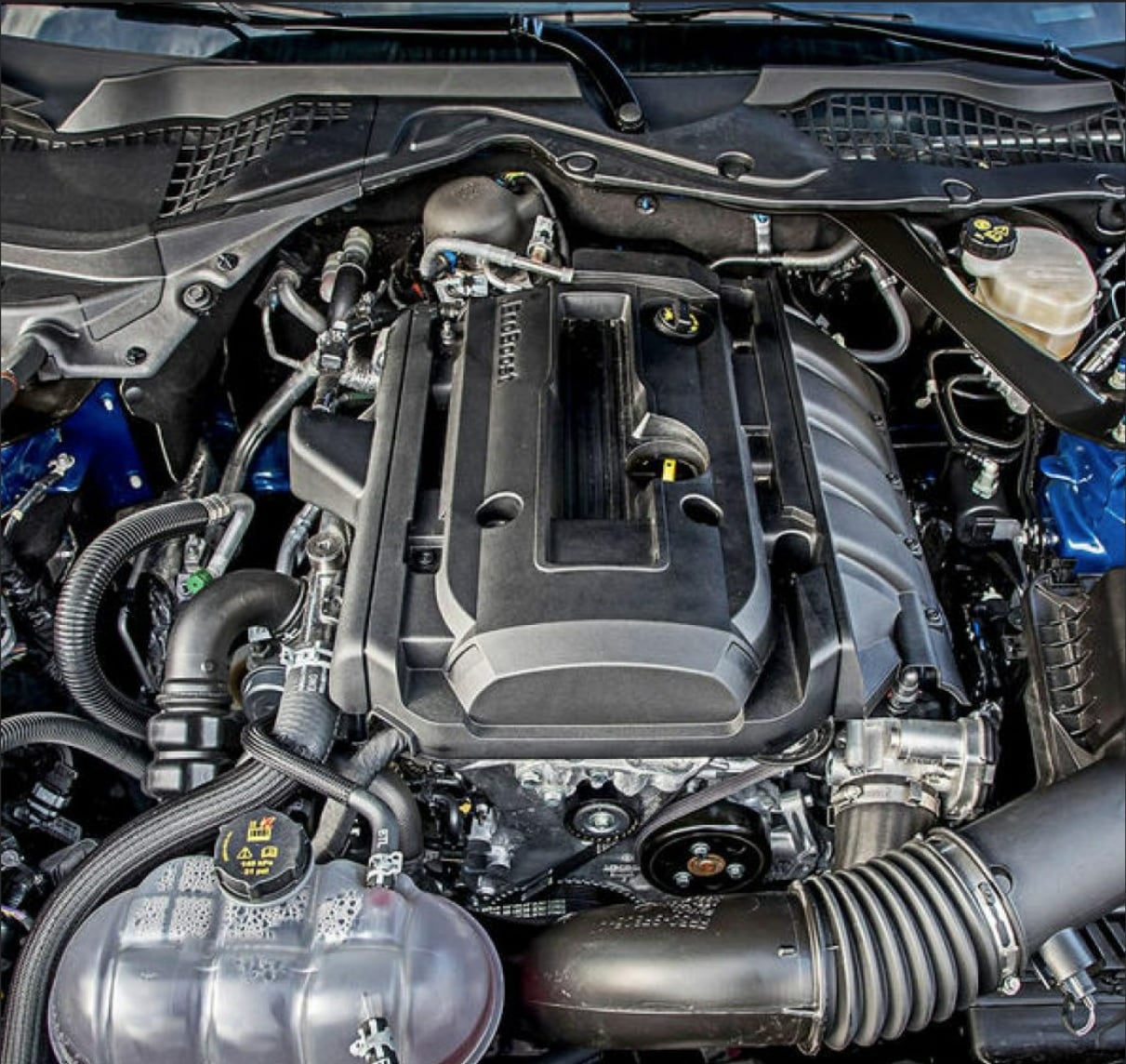
8. Ford’s 2.3-Liter EcoBoost Four-Cylinder in the 2019 Ford Mustang EcoBoost High Performance Package (S550)
Ford’s 2.3-liter EcoBoost turbocharged four-cylinder in the S550 Mustang EcoBoost High Performance Package deserves a place on this list for an honest and somewhat counterintuitive reason: its recommended fuel is 87 octane in standard tune, and its engine management system delivers the full 310 horsepower rating on that regular fuel without any technical compromise or power reduction.
For buyers who want a genuinely quick Mustang at a lower purchase price and lower fuel cost than the V8 Coyote, the EcoBoost’s regular-fuel capability changes the ownership cost equation in ways that V8 proponents often fail to acknowledge.
Ford’s EcoBoost technology pairs turbocharging with direct injection and variable valve timing in a system that was engineered from the beginning to maximize what regular fuel can deliver rather than using premium fuel to compensate for a combustion system that was not designed for efficiency first.
Twin independent variable cam timing allows the system to create optimal combustion phasing for 87-octane fuel at every operating condition, while direct injection provides charge cooling that allows the turbocharger to operate at boost levels that deliver strong output without exceeding the anti-knock limits of regular fuel.
Turbocharged engines and cheap fuel seem like a counterintuitive combination because high boost pressures and low octane fuel are generally in tension with each other in less sophisticated systems. Ford’s approach in the EcoBoost manages this tension through active knock control, dynamic boost management, and combustion phasing optimization that continuously adjusts the engine’s behavior to stay within the stable combustion envelope for whichever fuel grade is present.
On 87 octane, this management delivers the full rated output at the boost levels the system targets for regular fuel. On 91 or 93 octane, the same management system allows a bigger boost for additional power beyond the regular-fuel rating.
High Performance Package specification adds a specific Mustang EcoBoost tune that includes sportier throttle response, revised suspension, Brembo brakes, and a unique intake and exhaust that contribute to driving dynamics that enthusiasts consistently describe as more engaging than the standard EcoBoost Mustang’s setup.
Getting this level of refinement and performance on 87-octane regular fuel, in a car whose purchase price sits well below the Coyote V8 Mustang, makes a compelling case for buyers who want performance car ownership with one fewer financial obligation built into every tank of fuel they ever put in the car.
