Engine size used to be the easiest way to judge towing capability. Larger displacement usually meant more pulling power, and smaller engines were often dismissed as unsuitable for serious work.
That simple rule no longer holds true. Modern engineering has changed what small engines are capable of achieving, especially with the use of turbocharging, improved cooling systems, and smarter transmission pairings.
Today, some four cylinder and small V6 engines can tow loads that would have required a V8 in the past. Torque delivery has become more important than displacement alone. With forced induction and advanced fuel management, smaller engines can now produce strong low RPM pulling power, which is exactly what towing requires.
However, not every small engine benefits from this progress equally. Some are tuned primarily for fuel efficiency and daily commuting rather than sustained load work.
When these engines are pushed near their limits, they may show signs of strain such as overheating, excessive gear hunting, or rapid fuel consumption. This does not mean they are poorly built. It simply means they were not designed with heavy towing as a priority.
This comparison looks at both sides of this modern reality. First are small engines that genuinely perform well when towing within their ratings. These engines succeed because of strong torque curves, effective cooling, and thoughtful engineering support.
Second are small engines that may feel adequate during normal driving but show clear limitations when asked to pull weight regularly.
Understanding this difference matters because buyers are increasingly choosing smaller engines expecting them to do everything. Marketing numbers sometimes hide the difference between occasional towing ability and true load carrying confidence.
Knowing which small engines can truly handle towing duties and which ones struggle helps prevent disappointment, mechanical stress, and unrealistic expectations. The right match between engine design and intended use always matters more than raw specifications alone.
Also Read: 8 Performance Engines That Are Famous for Running on Cheap Gas
5 Small Engines That Can Actually Tow
The idea that only large engines can tow is slowly becoming outdated. Modern small engines can now perform impressive towing tasks when properly engineered. The key difference is not just horsepower but how torque is delivered and how the entire powertrain supports load conditions.
Engines that succeed in towing usually share several traits. They often use turbocharging to increase low RPM torque. They may also include strengthened cooling systems to manage heat during sustained load. Most importantly, they are paired with transmissions programmed to hold gears instead of constantly chasing fuel economy.
Another important detail is durability testing. Manufacturers that expect their small engines to tow often reinforce internal components and validate them under load conditions. This type of preparation separates engines that can tow confidently from those that simply have a towing number on paper.
The five engines listed here were chosen because they demonstrate how thoughtful design allows smaller engines to perform serious work. Some are found in midsize trucks. Others appear in crossovers that surprise owners with their capability.
Each one tells a different story. Some rely on turbo torque. Others benefit from strong gearing. A few succeed because they were designed from the start with multi purpose capability.
These examples show that small engines can be more than just efficiency tools. When properly engineered, they can become dependable work partners.
1. Ford 2.3L EcoBoost (Ford Ranger)
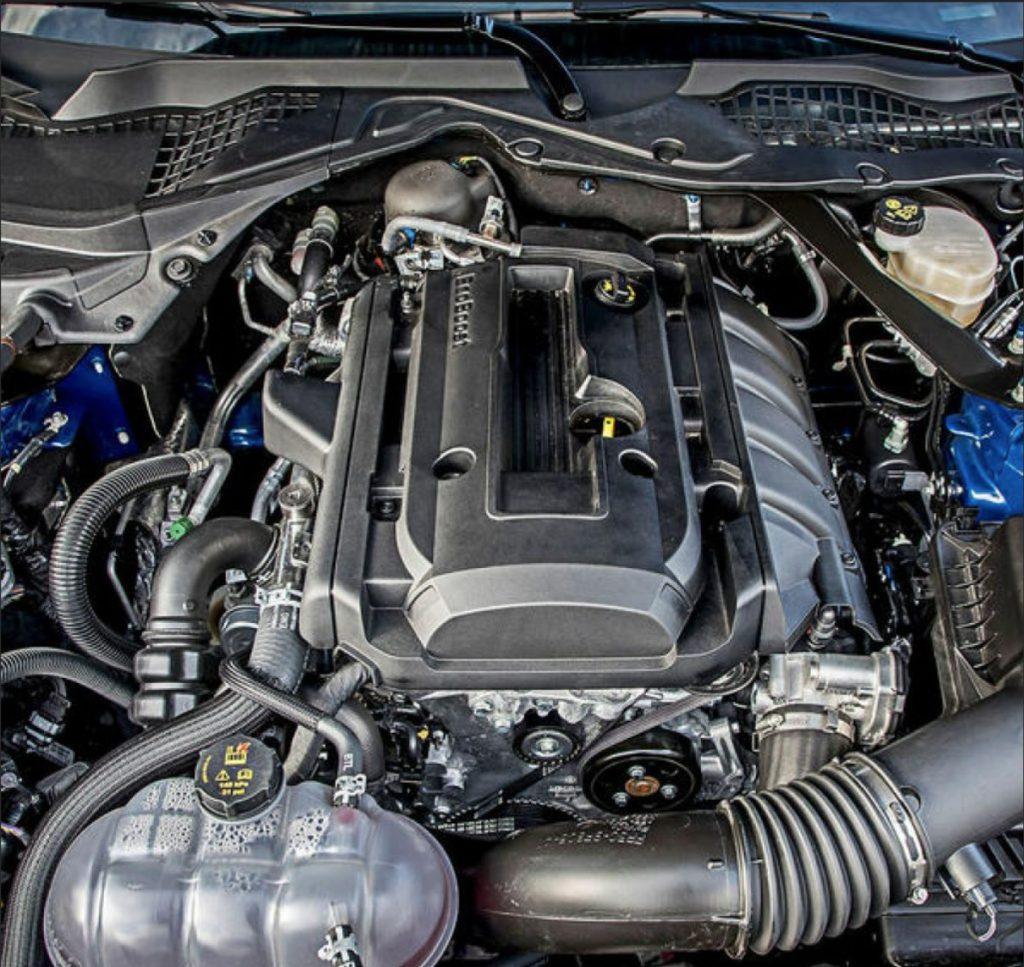
At first glance, a four cylinder engine in a pickup truck may sound like a compromise. The Ford 2.3 liter EcoBoost changes that perception quickly once towing begins. This engine relies on turbocharging to deliver strong torque much earlier than traditional naturally aspirated engines of similar size.
The important detail is not peak power but how the torque arrives. Because the turbo builds boost at relatively low engine speeds, the Ranger does not need to rev excessively to begin pulling a load. This reduces stress and improves control when towing trailers or equipment.
Another reason this engine deserves recognition is its cooling strategy. Ford knew this engine would be asked to perform truck duties, so it received stronger thermal management than similar engines used in passenger cars. Heat management is often the hidden difference between engines that tow occasionally and those that can do it regularly.
This engine appears here because it represents how modern turbocharging can replace displacement when done correctly. Instead of making the engine larger, Ford made it more efficient at delivering usable torque.
There is also a structural reason it belongs here. The engine block and internal components were designed with truck usage in mind rather than simply adapted from a small car. That distinction often determines whether a small engine survives repeated towing cycles.
It is included because it shows how engineering intention matters. This is not a small engine pretending to be strong. It is a small engine designed to be strong.
2. GM 2.7L Turbo High Output (Chevrolet Silverado 1500)
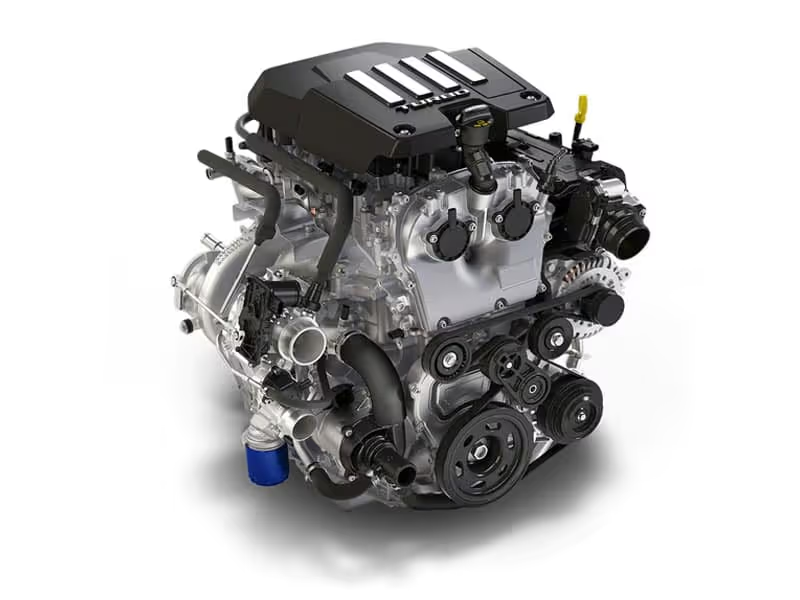
General Motors took a bold approach by offering a four cylinder engine in a full size truck. The 2.7 liter turbocharged engine surprised many skeptics by delivering torque figures usually associated with larger engines. This was achieved through a focus on durability rather than just output.
One of the most interesting features is the use of a stiff engine block design intended to handle high cylinder pressures. Turbo engines that produce strong torque must also survive that pressure over time. GM reinforced key areas to ensure the engine could tolerate truck duty.
Another factor that helps this engine tow effectively is its torque curve. Instead of chasing high RPM horsepower, it focuses on mid range strength. That is exactly where towing engines spend most of their time.
This engine is included because it shows how a company can rethink traditional truck formulas. Rather than relying on V8 size, GM proved that careful engineering could allow a smaller engine to perform similar tasks within rated limits.
There is also a real world reason for its inclusion. Owners who tow moderate loads often report stable performance without the constant high revving that many expect from small engines. That confidence is what separates capable engines from those that only look good on paper.
This example demonstrates that small engines can succeed in large vehicles when the entire design supports the mission.
3. Toyota 2.4L Turbo (Toyota Tacoma)
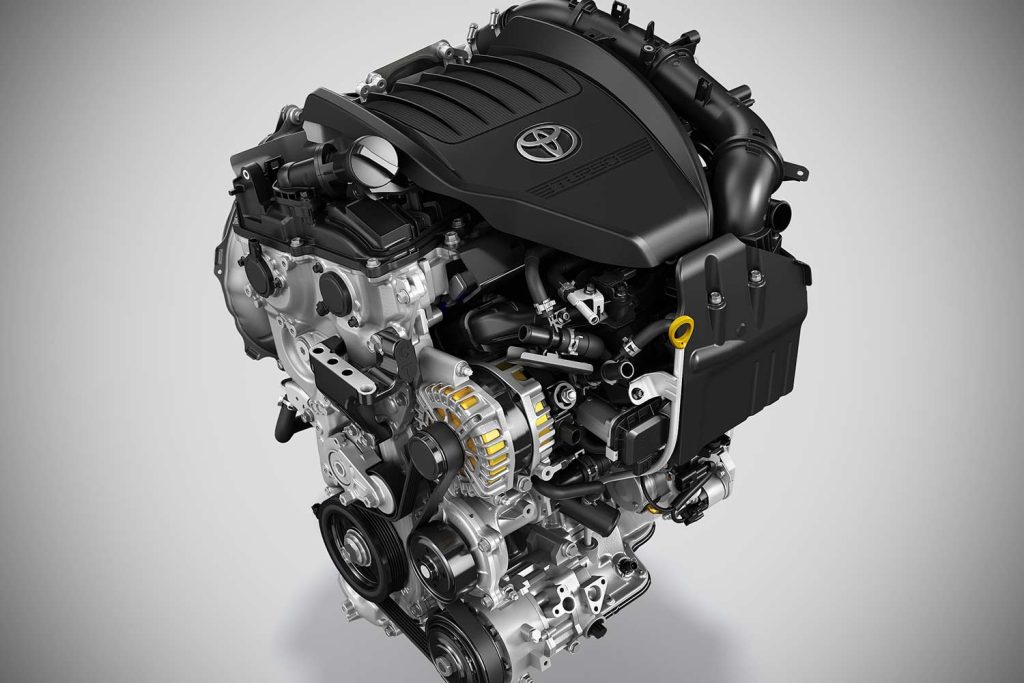
Toyota approached the small engine towing question from a durability first perspective when introducing the 2.4 liter turbocharged engine in the latest Tacoma.
Instead of focusing only on power numbers, the company focused on making sure the engine could survive repeated load cycles without losing consistency. That approach explains why this engine feels controlled rather than dramatic while towing.
A major strength comes from how the turbo is calibrated for steady pulling rather than aggressive bursts. Some small turbo engines feel strong initially but become stressed when the load continues. Toyota tuned this engine to maintain stable torque output over longer periods, which is exactly what towing demands.
Another factor worth noting is how the transmission pairing supports the engine. Gear spacing allows the engine to remain within its effective torque range instead of constantly searching for the right ratio. This reduces unnecessary heat buildup and helps the powertrain feel composed instead of strained.
This engine deserves discussion because Toyota rarely rushes new powertrains without extensive durability validation. The company has built its reputation on long term dependability, and this engine reflects that philosophy.
Reinforced cooling passages and careful fuel mapping show that the design considered towing as part of everyday usage rather than a rare task.
The reason this engine appears here is not because it is the most powerful small engine. It belongs here because it shows consistency. Towing is not about short demonstrations of strength. It is about maintaining performance mile after mile without signs of fatigue.
There is also a practical lesson here. Many buyers still assume downsized turbo engines cannot replace older V6 units. This Tacoma engine exists to challenge that assumption by proving that proper engineering can allow smaller displacement to perform traditional truck duties.
It earns its place because it reflects a balanced philosophy. Efficiency matters, but not at the expense of durability. That balance is what makes this small engine genuinely capable instead of merely impressive on paper.
4. Honda 2.0L Turbo (Honda Passport)
The Honda 2.0 liter turbo engine found in larger Honda crossovers represents a different path to towing competence. Instead of focusing on truck style brute force, Honda concentrated on smooth torque delivery and mechanical refinement.
The result is an engine that feels controlled and predictable when pulling moderate loads such as small campers or utility trailers.
One aspect that makes this engine suitable for towing is how gradually it builds power. Sudden torque spikes can make towing uncomfortable and mechanically stressful. This engine avoids that behavior by delivering power in a linear way, helping drivers maintain control when accelerating with a trailer attached.
Another reason this engine earns a place here comes from Honda’s focus on friction reduction. Lower internal friction helps engines maintain efficiency under load while also reducing heat generation. Heat is one of the biggest enemies of small engines during towing, and reducing it through internal efficiency is a smart approach.
This engine is included because it represents how towing capability does not always require aggressive design. Sometimes stability and predictability matter more than raw numbers. Honda’s approach reflects an understanding that many owners tow occasionally rather than constantly, and they need confidence more than maximum ratings.
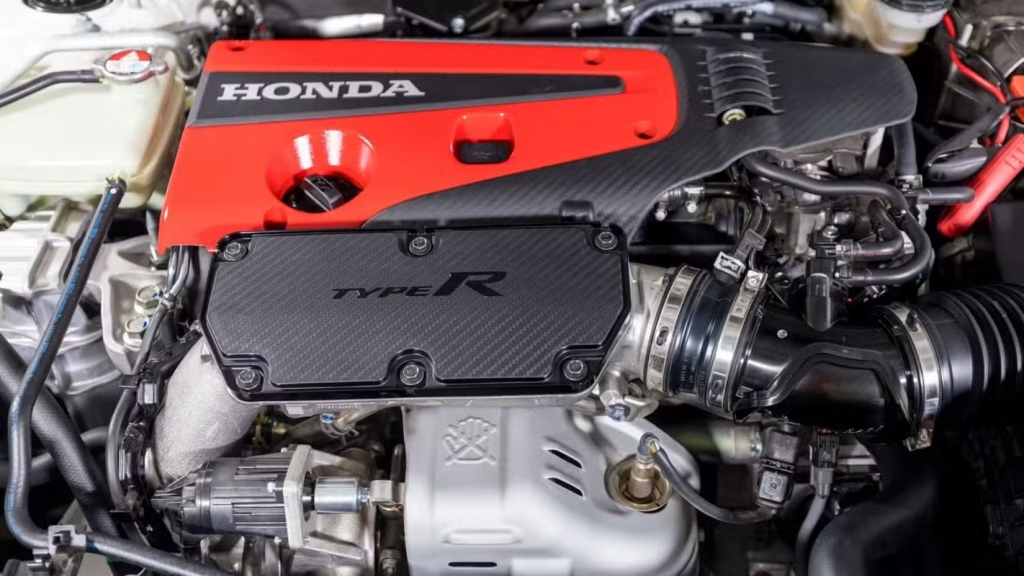
There is also a structural reason for its inclusion. The engine benefits from strong integration with Honda’s transmission logic, which avoids unnecessary gear changes when load is detected. This keeps the engine operating in its optimal range instead of forcing constant adjustments.
The Passport example shows how small engines can succeed in towing when refinement becomes part of durability. Smoothness is not just about comfort. It can also be a sign of well managed mechanical stress.
This engine belongs here because it proves that engineering maturity can allow smaller engines to handle real responsibilities without feeling overwhelmed.
5. Mazda 2.5L Turbo (Mazda CX 50)
Mazda has always followed a slightly different engineering philosophy compared to many competitors. Instead of chasing extreme horsepower numbers, the company often focuses on how power is delivered in everyday situations.
The 2.5 liter turbo engine used in the CX 50 reflects this thinking, particularly when it comes to handling moderate towing tasks.
What makes this engine interesting is its emphasis on usable torque rather than peak performance. The turbocharger is tuned to provide strong mid range pulling strength, which is exactly where towing performance matters most. This allows the vehicle to move loads confidently without constant high RPM operation.
Another reason this engine earns a place in this discussion comes from Mazda’s approach to structural strength. The engine uses a robust bottom end design intended to tolerate higher cylinder pressures.
This matters because sustained load creates continuous internal stress, and durability depends on how well the engine handles those forces over time.
Cooling efficiency also contributes to its towing capability. Mazda paid attention to airflow management and thermal stability, helping the engine maintain performance consistency instead of losing efficiency as temperatures rise.
Stable temperature behavior often separates engines that can tow occasionally from those that can do it repeatedly without concern.
This engine is included because it shows how intelligent calibration can allow a smaller displacement engine to perform tasks traditionally reserved for larger units. Mazda did not try to turn this engine into a heavy duty workhorse. Instead, it made sure the engine could comfortably handle realistic crossover towing expectations.
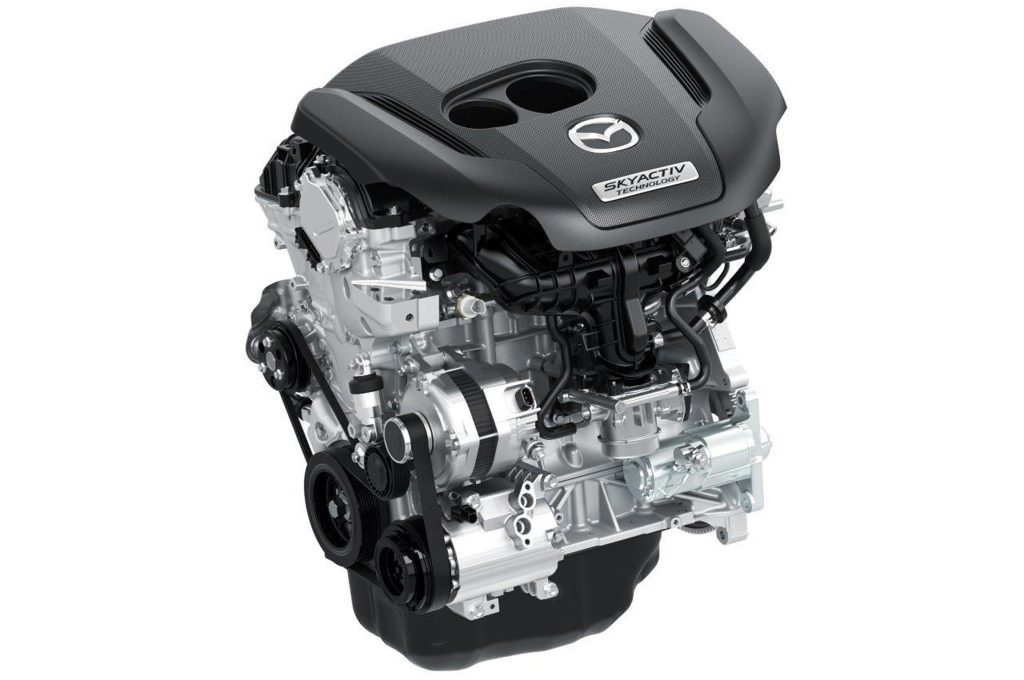
Another important reason for its inclusion is driver confidence. Owners often mention that the engine does not feel overwhelmed when pulling small trailers. That sense of mechanical reserve is exactly what buyers hope to feel when selecting a vehicle expected to handle multiple roles.
This example belongs here because it demonstrates how careful engineering priorities can turn a relatively small engine into a dependable multi purpose performer. It proves that towing capability is not defined by size alone but by how well the engine is prepared for the task.
5 Small Engines That Struggle Under Load
Not every small engine is built with towing or sustained load performance as a priority. Many modern engines are designed primarily to meet fuel economy targets and emissions regulations.
While these engines can perform extremely well in daily commuting, they may show clear limitations when asked to operate near their maximum capacity for extended periods.
One common issue among small engines that struggle under load is how they produce power. Some rely heavily on high RPM performance instead of low end torque. This means they must work harder and rev higher to maintain speed while towing, which increases heat and mechanical strain.
Another factor is cooling capacity. Engines intended mainly for light duty use may not include the larger radiators, oil coolers, or transmission support needed for sustained load work. Without these protections, temperatures can rise quickly when the engine is pushed beyond its comfort zone.
The next five engines are included not because they are bad designs, but because they are often misunderstood. Many buyers see modern power figures and assume capability that may not match real world usage.
These engines perform well within their intended purpose but may struggle when expectations exceed their design goals.
Understanding this difference helps buyers avoid pushing vehicles beyond their intended role. Matching engine design with realistic use remains one of the most important ownership decisions.
1. Nissan 2.5L Naturally Aspirated (Nissan Rogue)
The Nissan 2.5 liter naturally aspirated engine used in the Rogue serves as a good example of an engine designed primarily for efficiency and smooth commuting rather than pulling weight. It performs reliably in daily driving situations, but its characteristics reveal clear limits when additional load is introduced.
One of the main reasons this engine struggles under towing conditions is its torque delivery pattern. Without turbocharging, the engine depends on higher RPM ranges to produce meaningful pulling power. When towing, this often results in the engine working harder than drivers might expect from its specifications.
Another challenge comes from how the engine interacts with the CVT transmission commonly paired with it. CVTs are excellent for maintaining fuel efficiency, but under heavy load they can sometimes allow the engine to remain at sustained high RPM levels. This can create noise, heat, and a feeling of mechanical strain.
This engine appears here because it highlights how design purpose matters more than raw output numbers. It is not weak in daily use. It simply was not built with repeated load work as a primary mission.
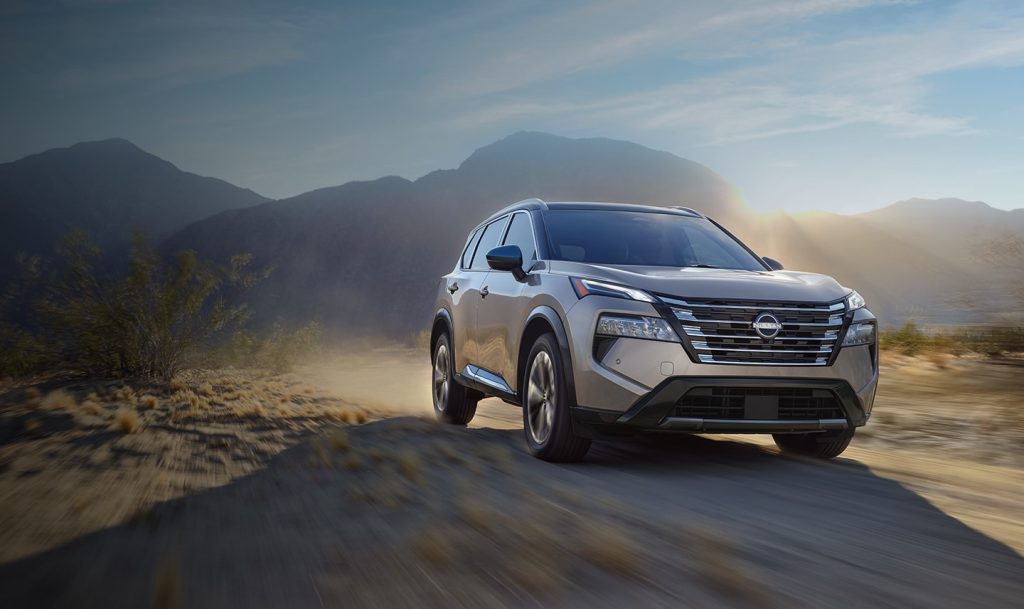
There is also a practical ownership lesson involved. Buyers sometimes assume any SUV can tow comfortably because of its shape and marketing. In reality, crossover engines like this are often optimized for urban efficiency instead of heavy duty performance.
This example belongs here because it demonstrates how expectations can create disappointment when they exceed engineering intent. The Rogue remains a comfortable and practical vehicle, but towing is not where this engine feels most comfortable.
2. Hyundai 1.6L Turbo (Hyundai Tucson Base Turbo Variants)
The Hyundai 1.6 liter turbo engine shows how even turbocharging cannot fully compensate when an engine is primarily tuned for efficiency. While it provides good responsiveness for city driving, its smaller displacement means sustained load quickly uses most of its available performance reserve.
One noticeable behavior when towing is how frequently the engine must remain in boost to maintain speed. Continuous turbo operation increases heat generation, and smaller engines have less thermal buffer compared to larger designs performing the same task.
This engine is included because it illustrates how peak power figures can sometimes mislead buyers. While the engine produces respectable horsepower for its size, towing depends more on sustained torque and thermal stability than short bursts of performance.
Another reason for its inclusion comes from real usage patterns. Drivers attempting to tow near the vehicle’s limits often report increased fuel consumption and a sense that the engine is constantly working. That feeling usually reflects how close the engine is operating to its maximum capability.
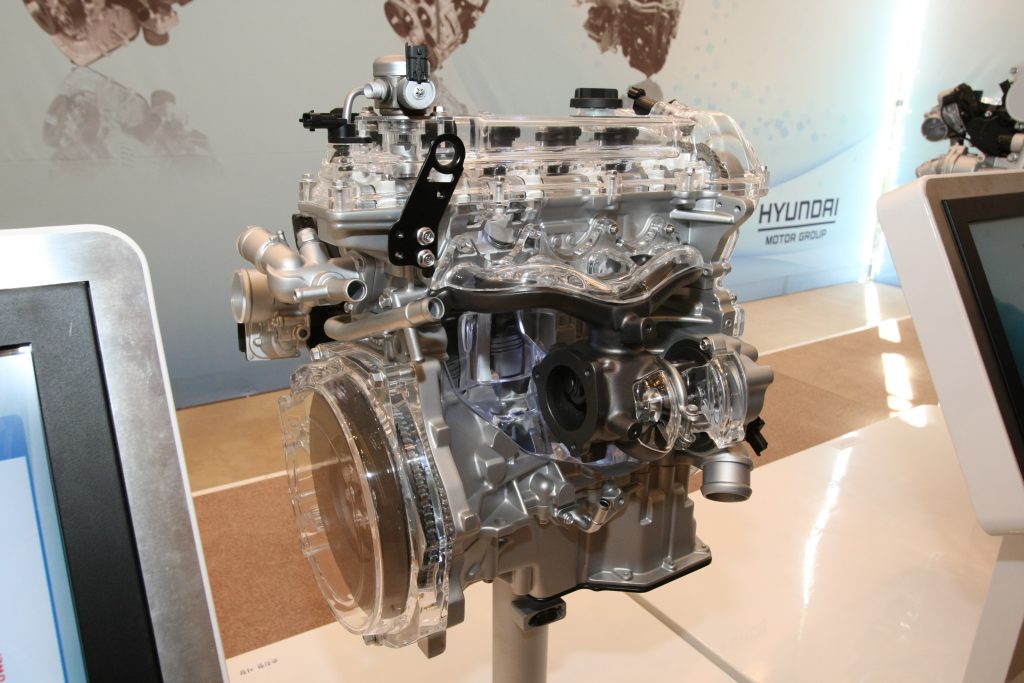
This example highlights the importance of mechanical margin. Engines that tow comfortably usually operate well below their maximum output during towing. Smaller efficiency focused engines often operate much closer to their limits in the same situation.
The Tucson engine belongs here because it reminds buyers that turbocharging alone does not guarantee towing confidence. Engineering purpose still determines whether an engine feels relaxed or stressed under load.
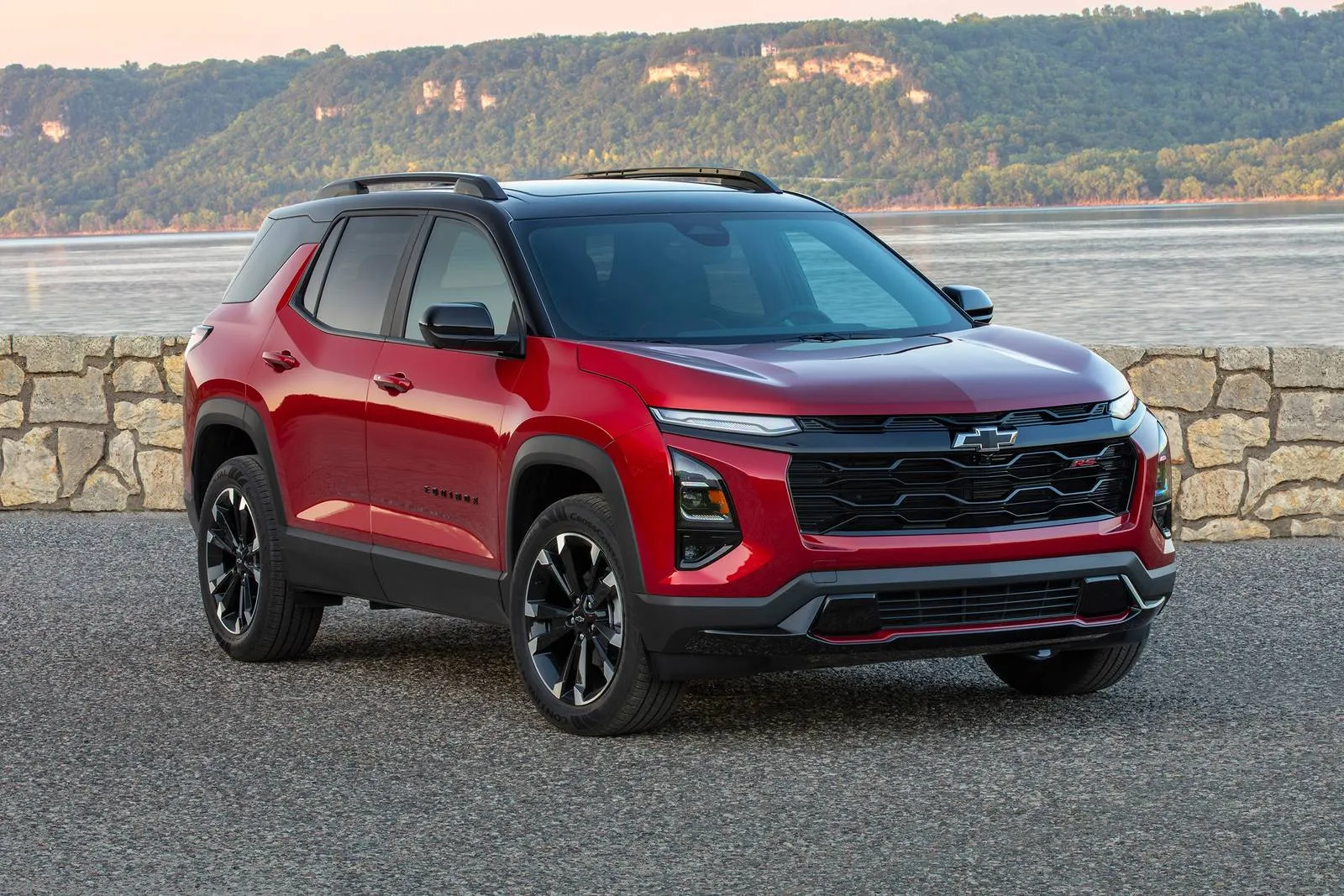
3. Chevrolet 1.5L Turbo (Chevrolet Equinox)
The Chevrolet 1.5 liter turbo engine represents a very common modern design strategy. It is built to provide acceptable acceleration while keeping fuel consumption low. For daily commuting, this balance works well. The problem appears when the same engine is expected to perform tasks that demand sustained pulling strength.
A useful way to understand this engine is to look at how it responds when extra weight is introduced. The vehicle remains capable of moving the load, but the engine often needs to stay in higher boost ranges to maintain highway speeds.
When a small displacement engine must constantly rely on boost pressure, heat buildup becomes unavoidable.
Another observation involves throttle response under load. Instead of effortless acceleration, the engine may require deeper throttle input to maintain momentum. This is not a failure. It simply reflects how the engine was designed for efficiency first and reserve strength second.
This engine is included because it highlights the difference between occasional capability and comfortable capability. A vehicle may technically meet its towing rating, yet still feel mechanically busy while doing the job. That distinction matters for long term durability.
There is also a calibration factor involved. Efficiency focused transmissions often try to reach higher gears quickly. Under load, this can cause frequent downshifts when power is needed again. That repeated adjustment increases mechanical work compared to engines with stronger low speed torque reserves.
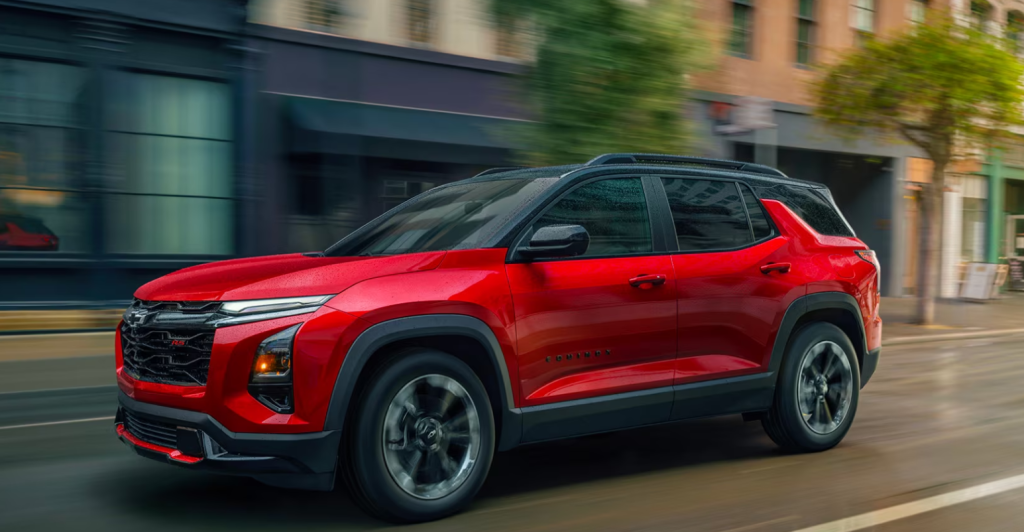
This example deserves a place here because it shows how modern downsizing can sometimes go too far for buyers expecting multi purpose performance. The engine is dependable when used as intended. It simply reveals its limits when asked to behave like a larger powerplant.
The Equinox engine serves as a reminder that fuel efficiency improvements sometimes come with tradeoffs. Understanding those tradeoffs helps buyers match expectations with reality.
4. Ford 1.5L EcoBoost (Ford Escape)
Small turbo engines often look impressive on specification sheets. The Ford 1.5 liter EcoBoost is one such example. It delivers strong responsiveness for everyday driving and provides the kind of quick acceleration many buyers appreciate in city traffic.
The challenge appears when this type of engine is expected to maintain performance while carrying sustained loads.
Unlike larger turbo engines designed for trucks, this engine focuses heavily on efficiency and compact packaging. When towing or carrying heavy cargo, the available torque reserve becomes limited. This results in the engine needing to operate closer to its upper performance range more often than ideal.
One interesting behavior under load is how the engine balances power and temperature. To protect itself, modern engines may reduce output when temperatures rise. This protective behavior can sometimes be felt as reduced responsiveness during demanding conditions.
This engine appears here because it represents how engineering priorities define capability. Ford designed this engine to make the Escape competitive in fuel economy and urban drivability. Towing strength was not the central design goal.
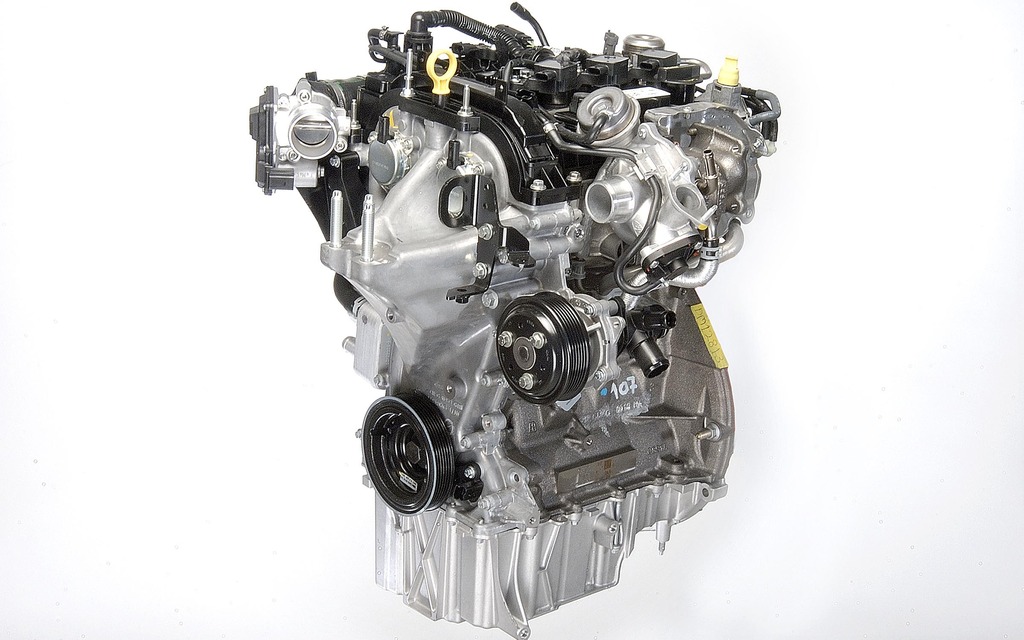
Another reason for its inclusion is educational. Buyers often assume all EcoBoost engines share the same capability simply because they share a name. In reality, different displacement versions are built for very different purposes.
The Escape engine belongs here because it shows how a well engineered small engine can still struggle when asked to perform outside its intended role. It performs well in normal use, but sustained load reveals the limits of its design focus.
5. Volkswagen 1.4L TSI (Volkswagen Taos)
The Volkswagen 1.4 liter TSI engine represents one of the clearest examples of how modern efficiency engineering can sometimes be misunderstood as universal capability.
This engine performs very well in daily transportation. It feels smooth, responsive, and refined during normal use. The difficulty begins when additional weight asks the engine to operate outside its comfort zone.
One of the main limitations comes from the small displacement itself. Even with turbo assistance, there is only so much sustained torque a small combustion chamber can produce without increasing thermal stress.
During extended load situations, the engine often needs to maintain boost pressure longer than ideal, which gradually increases operating temperature.
Another point worth examining is how this engine is tuned. Volkswagen designed it to deliver a balanced driving experience with strong fuel economy numbers.
That usually means the engine is optimized for light throttle efficiency rather than continuous heavy pulling. When pushed near its limits, the smooth character can turn into a feeling of effort rather than confidence.
This engine appears here because it reflects a common buyer misunderstanding. Turbocharging often creates the expectation that any small engine can perform like a larger one. In reality, turbocharging helps temporarily but does not fully replace the mechanical advantage of displacement during long duration work.
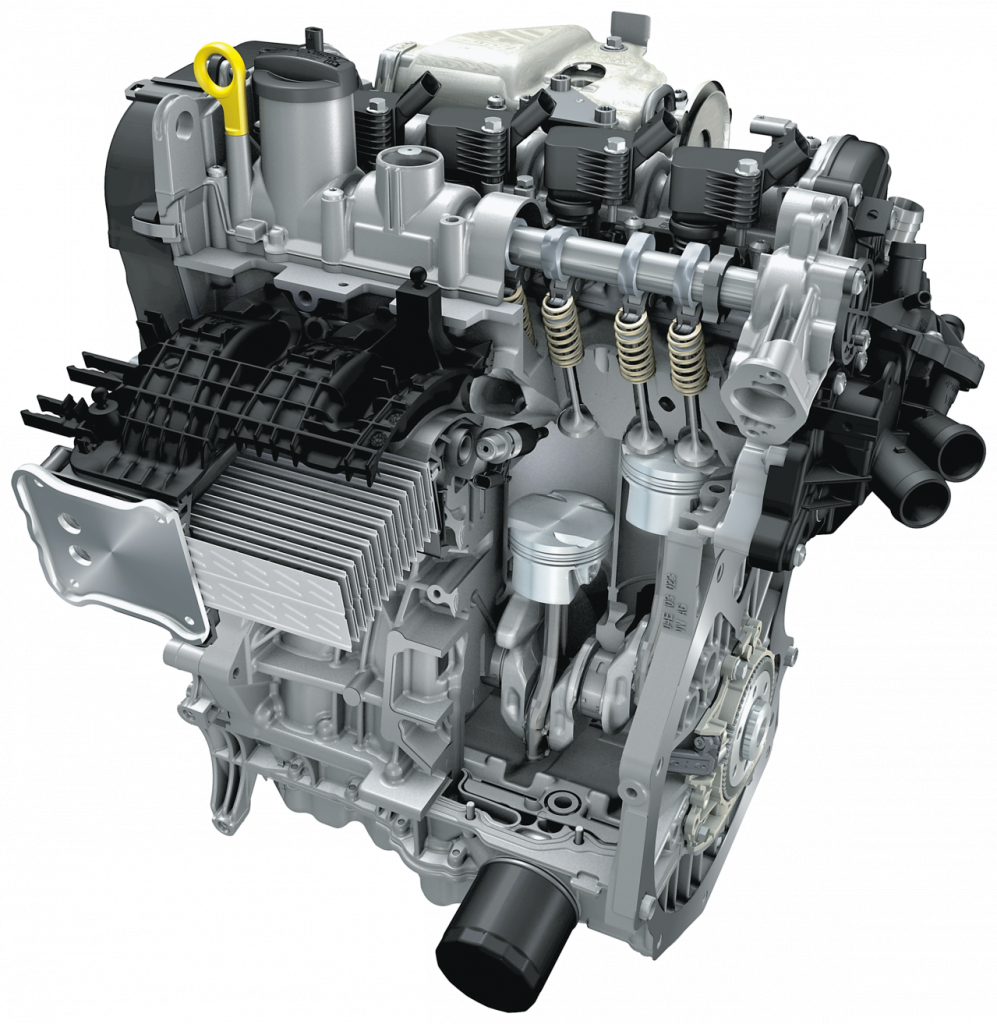
There is also a drivability reason for its inclusion. Under load, drivers may notice more frequent downshifts as the transmission attempts to keep the engine within its effective power range. This behavior is normal but reveals how hard the engine must work compared to larger alternatives performing the same task.
The Taos engine belongs here because it demonstrates how design focus shapes real capability. It is excellent for efficiency, comfortable commuting, and light duty use. It simply was not built to serve as a regular load carrying powerplant.
Including this example completes the picture that small engines can be impressive, but only when expectations match their intended purpose.
Also Read: 10 Engines Famous for Never Leaking Oil Even After 150000 Miles