
Mileage is one of the most honest measures of a car’s true quality. Marketing claims, launch reviews, and showroom impressions only tell part of the story.
The real test begins after years of commuting, weather exposure, rough roads, and thousands of engine heat cycles. Some vehicles continue to feel tight and dependable even after crossing 200,000 miles, while others begin showing serious wear long before reaching that point.
Longevity usually comes from a combination of factors rather than one single strength. Engine design, transmission durability, electrical system stability, and interior material quality all contribute to how well a car ages.
Manufacturers that focus on long term durability often prioritize proven technology and conservative engineering over constant experimentation.
Maintenance culture also plays a role, but even well maintained vehicles can show different aging patterns. Some cars simply tolerate wear better because they were built with higher safety margins in their mechanical components. Others may perform well early in life but develop expensive problems as mileage increases.
This comparison looks at two very different ownership experiences. The first group highlights cars known for aging gracefully and continuing to deliver dependable transportation well beyond 200,000 miles when properly maintained.
These vehicles often become favorites among high mileage drivers such as commuters, taxi operators, and delivery fleets.
The second group focuses on cars that may offer appealing design, performance, or technology when new but tend to show significant mechanical or structural wear as mileage accumulates. These vehicles are not necessarily bad when new, but they often require more repairs to remain dependable at high mileage.
Understanding which cars age well and which struggle with long term durability helps buyers make smarter decisions. True value is not just about how a car performs in its first years, but how it holds together after a decade of real world use.
Also Read: 5 Trucks With the Most Reliable Transfer Cases vs 5 Known for Leaks
5 Cars That Handle 200,000 Miles Gracefully
Cars that survive beyond 200,000 miles rarely achieve that milestone by accident. They usually share several important design traits. These include engines that avoid extreme stress levels, transmissions tuned for durability, and electronics that prioritize stability over complexity.
Another important factor is how manufacturers approach long term testing. Brands known for longevity often validate their vehicles through extended durability programs. This kind of testing reveals weak points before production and allows engineers to reinforce critical systems.
Material choice also plays a role. Durable interior plastics, corrosion resistant metal treatments, and well designed suspension components help vehicles maintain structural integrity long after the warranty period ends.
The five cars listed here have earned reputations for surviving high mileage with fewer major failures than average. Some are known for simple mechanical designs. Others benefit from careful engineering evolution across multiple generations.
Each one demonstrates that longevity comes from consistency rather than flash. These cars may not always be the most exciting when new, but they often become the most appreciated after years of dependable service.
1. Toyota Camry
Few cars are mentioned more often in high mileage discussions than the Toyota Camry. Its reputation did not come from advertising. It came from decades of real world ownership where drivers discovered that the car simply continues to function with minimal drama.
One of the key reasons the Camry survives high mileage is Toyota’s conservative engine tuning. Instead of pushing maximum output, the engines are often designed to operate comfortably below their stress limits. This approach reduces long term fatigue on internal components.
Another important strength is transmission reliability. Toyota traditionally favors proven automatic designs rather than experimental technology. This reduces the chances of unexpected failures as mileage increases.
This car appears here because it represents the idea that dependability often comes from avoiding unnecessary risk. Toyota rarely introduces complex systems unless they have been thoroughly validated.
There is also a maintenance advantage. Because the Camry is so widely used, parts are affordable and mechanics are familiar with common service needs. This makes it easier to keep the car in good condition over time.
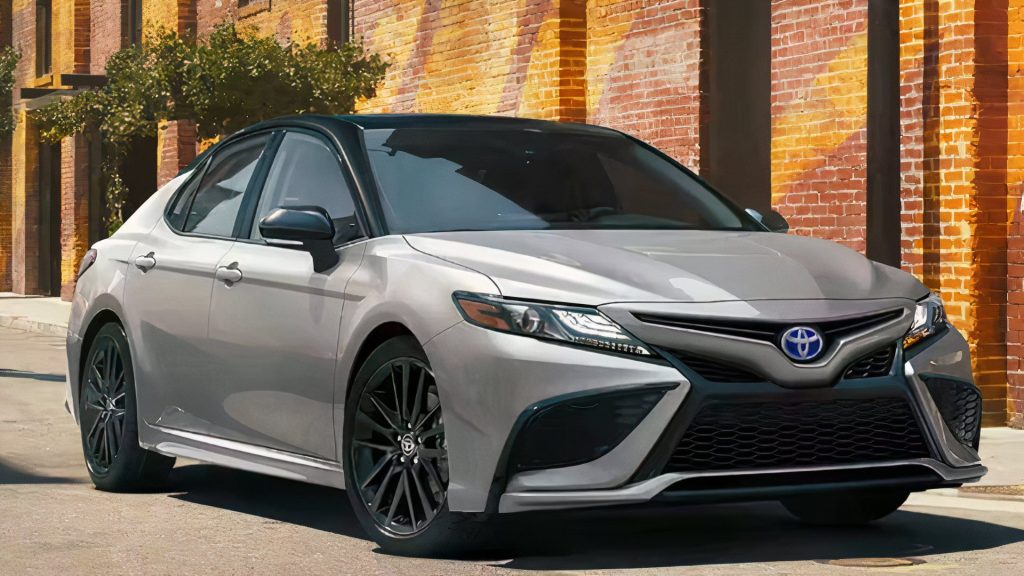
The Camry belongs in this discussion because it demonstrates how thoughtful engineering can turn an ordinary sedan into a long term ownership success story.
2. Honda Accord
The Honda Accord earns its place through a slightly different path. While also known for durability, it combines that strength with a more engaging driving character. This shows that long life does not require sacrificing driving enjoyment.
Honda engines have long been known for strong internal construction and efficient design. Many Accord engines are capable of extremely high mileage when basic maintenance is followed. Careful machining and quality control contribute to this durability.
Another reason the Accord performs well over time is chassis balance. Suspension components are designed to handle everyday impacts without excessive wear. This helps maintain ride quality even as mileage increases.
This car is included because it shows how engineering balance can produce both reliability and driver satisfaction. It is not simply a durable machine. It is a durable machine that remains pleasant to use.
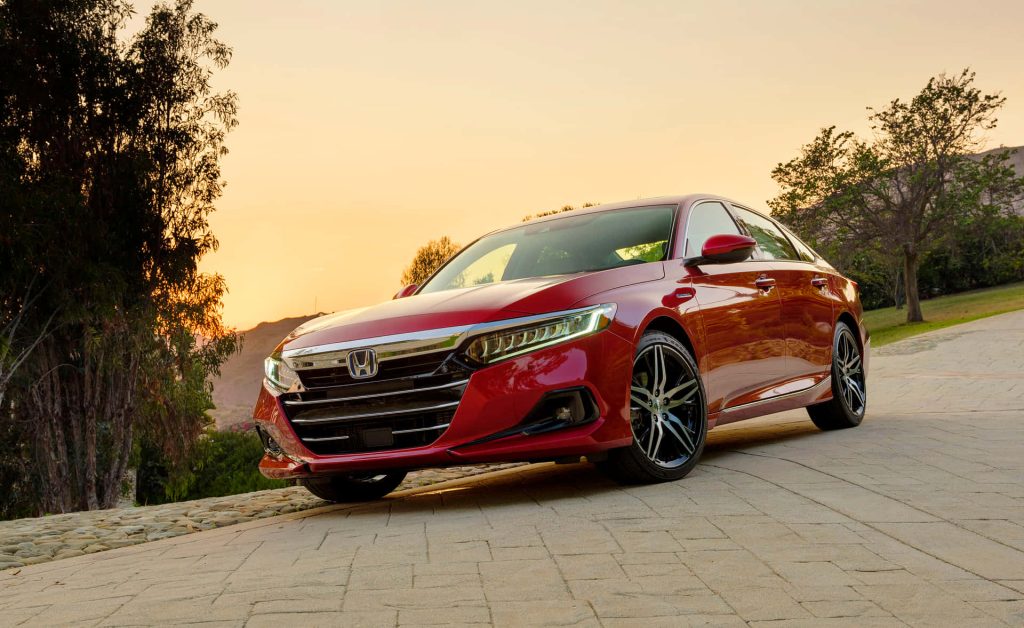
There is also a long term ownership culture around the Accord. Because many examples reach high mileage, a strong knowledge base exists among technicians and owners. This helps keep repair strategies effective and affordable.
The Accord deserves mention because it proves longevity does not have to mean compromise. A car can be both enjoyable and extremely durable when engineering priorities are aligned correctly.
3. Lexus RX
Longevity sometimes comes not from simplicity alone but from refinement done correctly. The Lexus RX is a good example of how luxury does not automatically mean fragility. Built on Toyota engineering principles, this SUV benefits from the same durability mindset while adding higher quality materials and quieter operation.
A major reason the RX survives high mileage is how carefully its powertrain is tuned. The engines are rarely pushed to their limits, and the transmission behavior is designed to prioritize smoothness rather than aggressive response.
This reduces internal stress and helps the mechanical components last longer than many competitors in the luxury segment.
Interior durability also deserves attention. Many high mileage vehicles begin to feel old because of worn interiors rather than mechanical failure.
The RX often maintains solid switchgear, durable seat materials, and stable electronics even after years of use. That consistency contributes to the feeling that the vehicle is aging with dignity rather than simply wearing out.
This SUV is included because it demonstrates that luxury and longevity can coexist when engineering discipline remains strong. Lexus did not try to reinvent every system. Instead, it refined proven technology and improved comfort around it.
Another factor that helps the RX reach high mileage is owner behavior. Many Lexus buyers follow recommended service schedules carefully. This creates a cycle where the vehicles receive proper maintenance and therefore continue to build strong durability reputations.
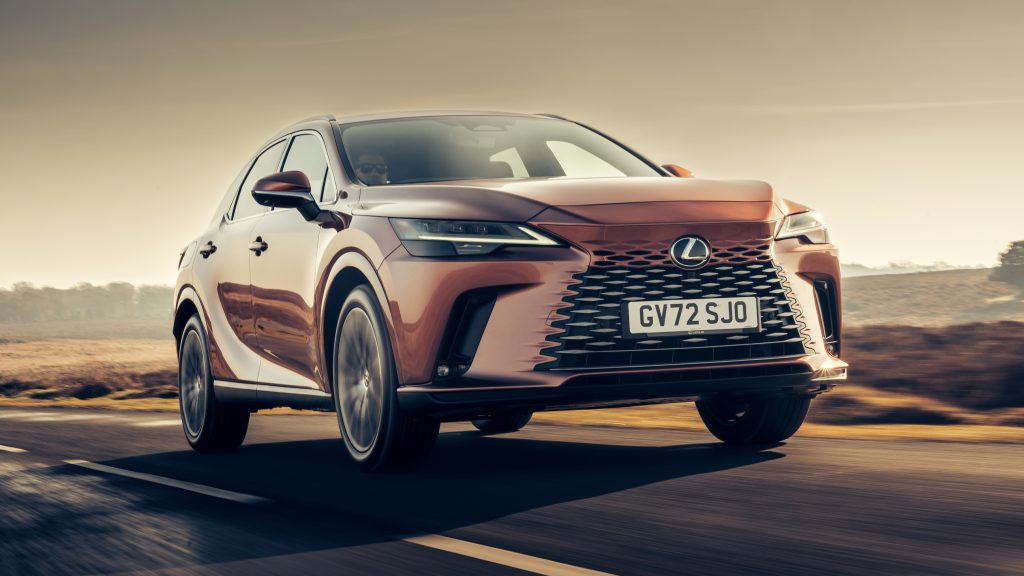
The RX deserves its place because it shows how thoughtful luxury engineering can result in a vehicle that still feels composed even after extensive mileage. It proves that refinement can support durability instead of working against it.
This example highlights a valuable ownership lesson. A car that feels well built when new often continues to feel well built years later if the underlying engineering is sound.
4. Toyota Corolla
If the Camry represents midsize durability, the Toyota Corolla represents compact efficiency combined with exceptional long term survival. This car has become almost symbolic of reliable transportation because of how frequently it appears in high mileage ownership stories around the world.
One of the Corolla’s greatest strengths is mechanical simplicity. Smaller engines operating under moderate loads often last longer because they are not constantly pushed to produce high output. Toyota’s careful calibration allows these engines to operate within safe limits for most of their lifespan.
Another important reason for its inclusion is cost efficiency. Because Corolla parts are widely available and affordable, owners are more likely to keep up with maintenance. Affordable upkeep often leads to longer vehicle life because necessary repairs are not delayed.
This car appears here because it represents durability through practicality. It may not offer the most powerful performance or the most advanced features, but it consistently delivers dependable operation year after year.
There is also a global usage factor. The Corolla is used in extremely demanding environments including taxi fleets and delivery services. Vehicles that survive these duty cycles often prove their engineering strength in ways private ownership cannot fully demonstrate.
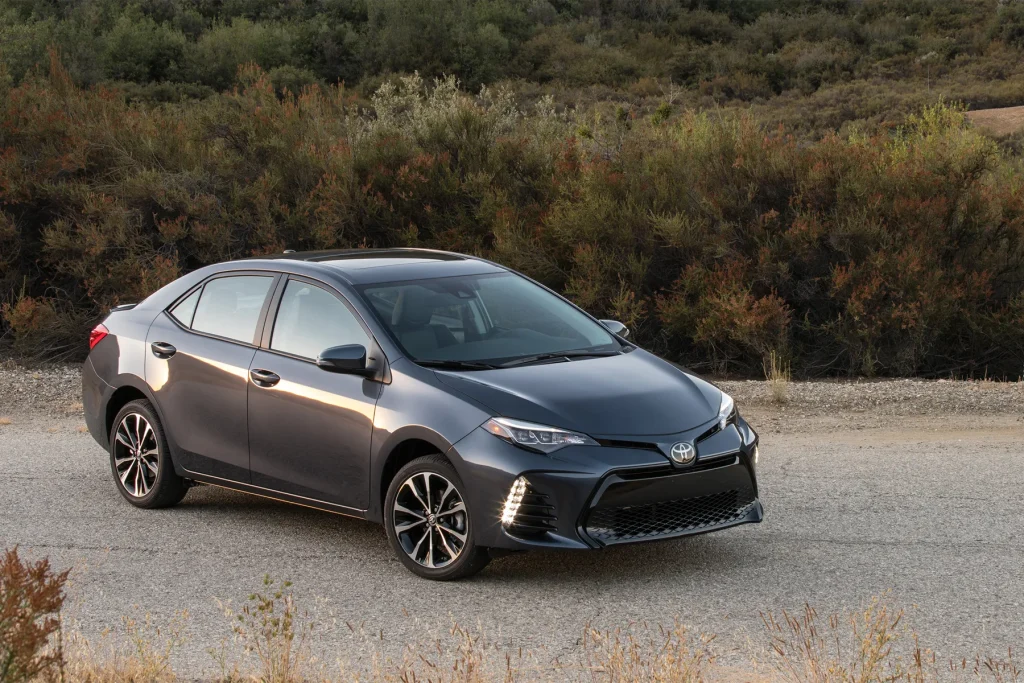
The Corolla belongs here because it shows how consistency can be more valuable than excitement. A car that performs its job well every day often becomes more valuable over time than one that impresses only when new.
This example proves that long life often comes from doing simple things extremely well rather than chasing complexity.
5. Mazda MX 5 Miata
Not every high mileage success story comes from conservative family sedans. The Mazda MX 5 Miata shows that even a lightweight sports car can reach impressive mileage when engineering simplicity and balance are priorities. Its success comes from a completely different philosophy compared to the other vehicles in this category.
The Miata benefits from a design focused on low weight and mechanical balance rather than brute force. Because the car is light, the engine and transmission do not experience the same stress levels seen in heavier performance vehicles. Lower stress often translates into longer mechanical life when maintenance is consistent.
Another reason this car ages well is its naturally aspirated engine design in most generations. Without the added heat and pressure of forced induction, these engines often maintain internal stability over long periods.
This does not make them immune to wear, but it does reduce some of the stress factors that shorten engine life in more complex performance cars.
This vehicle is included because it challenges the idea that sports cars must have short lifespans. Mazda focused on driver engagement through balance rather than extreme output. That approach helped create a car that can remain enjoyable even after many years of use.
There is also a cultural factor. Miata owners often maintain their cars carefully because of the enthusiast community surrounding the model. Strong owner support networks often contribute to better long term survival through shared maintenance knowledge.
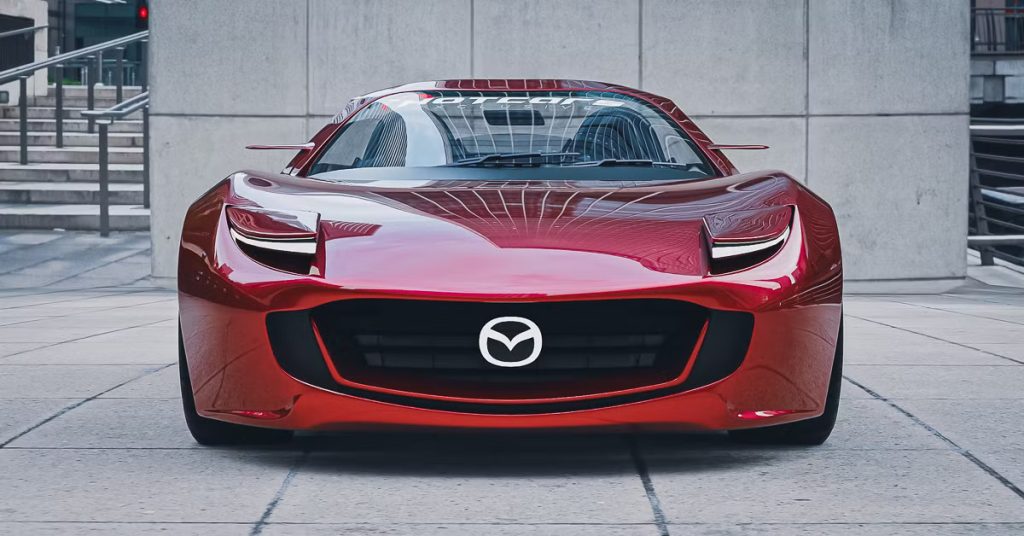
The Miata deserves recognition because it proves that durability is not limited to practical vehicles. Even a fun weekend car can become a long term companion when engineering simplicity and balanced performance guide the design.
This example completes the durable group by showing that longevity can come in many forms. Practical sedans, luxury crossovers, and lightweight sports cars can all achieve high mileage when built with care.
5 Cars That Fall Apart
Not every vehicle is designed with extreme longevity as a primary goal. Some cars focus heavily on performance, technology, or cost reduction. While these priorities may create strong early impressions, they can sometimes lead to increased wear or expensive repairs as mileage rises.
One common pattern among cars that struggle at high mileage is complexity. Advanced technology can improve comfort and performance, but it also introduces more potential failure points. Electronics, sensors, and specialized mechanical systems often require more attention as vehicles age.
Another factor is aggressive engineering. Engines tuned for maximum output sometimes operate closer to their mechanical limits. Over time, this can increase wear compared to engines designed with larger durability margins.
Material choices can also affect long term quality. Lower grade interior components or cost cutting in hidden areas may not be obvious when the vehicle is new. These decisions often become visible only after years of use.
The following five cars are included because they have developed reputations for becoming expensive to maintain as mileage increases. They may offer appealing features when new, but they often require more attention to remain dependable beyond average ownership periods.
Understanding these examples helps buyers recognize that initial appeal and long term durability do not always align.
1. BMW 7 Series (Older High Technology Generations)
The BMW 7 Series appears here not because it lacks engineering quality but because it represents how technological ambition can create long term complexity.
As a flagship luxury sedan, it often introduces advanced systems years before they reach mainstream vehicles. These innovations improve comfort and performance but also increase maintenance demands over time.
One important factor is the sheer number of electronic systems. Features such as adaptive suspension, complex climate control systems, and advanced infotainment units create an ownership experience filled with convenience when new. As mileage increases, however, each additional system becomes another potential repair point.
Another reason this car is included comes from repair cost patterns. When high end luxury components require replacement, the cost often reflects their specialized design. Even routine aging items such as suspension components can become expensive compared to simpler vehicles.
This car belongs here because it illustrates how flagship luxury vehicles often age differently than simpler cars. They do not necessarily fail completely, but maintaining their original performance level often requires significant investment.
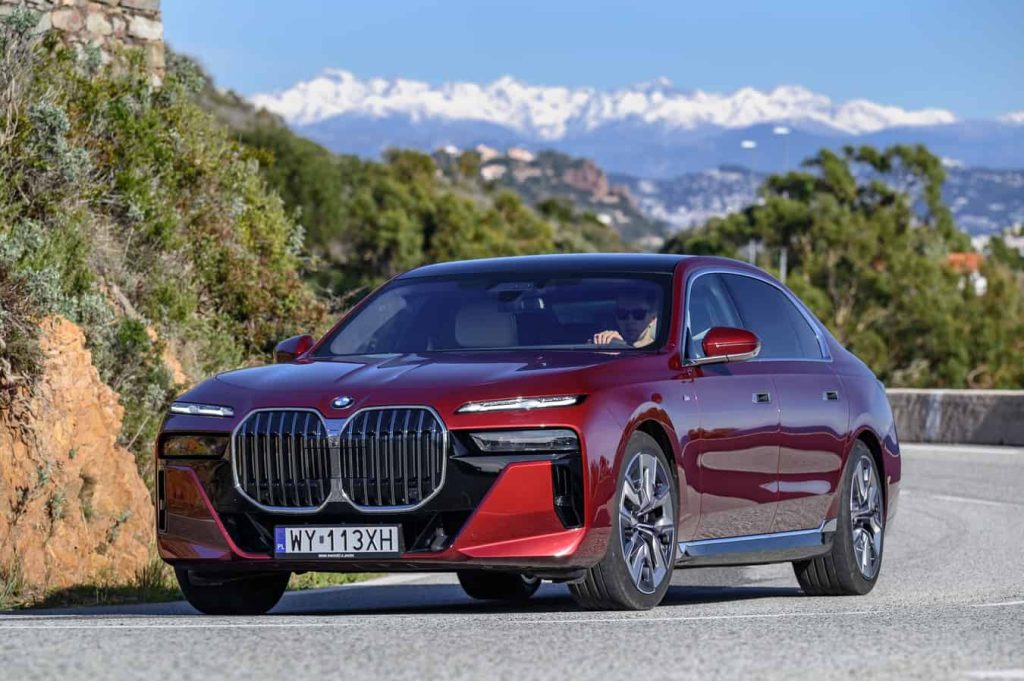
There is also a depreciation factor. As these cars become older, repair costs may exceed the remaining market value. This sometimes leads to deferred maintenance, which can accelerate visible aging.
The 7 Series deserves mention because it highlights the difference between engineering excellence and ownership practicality. It remains an impressive machine, but high mileage ownership often demands financial commitment beyond what many buyers expect.
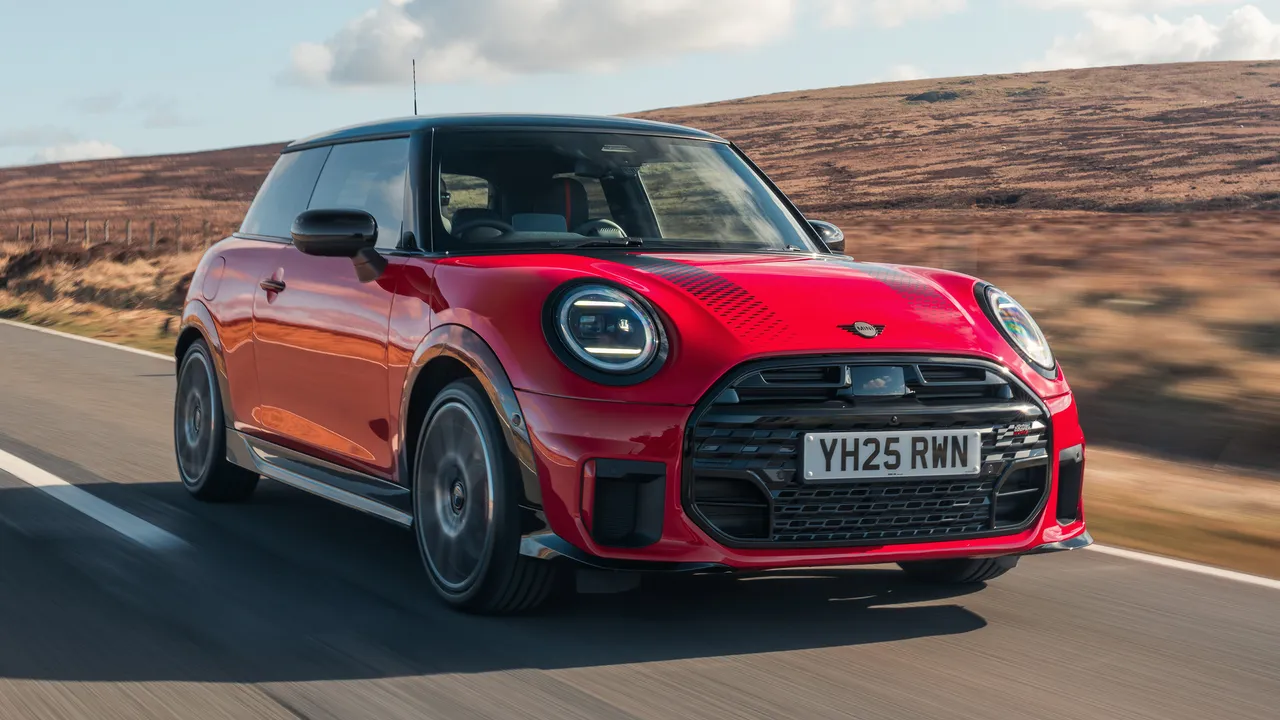
2. Mini Cooper (Turbocharged Modern Generations)
The Mini Cooper tells a different story about high mileage challenges. Instead of luxury complexity, the concern here often comes from packaging density and small turbocharged engine stress.
Modern Minis are engineered to deliver strong performance from compact mechanical spaces, which can create maintenance challenges as mileage increases.
One issue often discussed involves how tightly packed engine bays can complicate repairs. When components are difficult to access, even routine service can become more labor intensive. Increased labor time often means higher repair cost as the vehicle ages.
Another factor is how small turbocharged engines operate. Producing strong performance from a small displacement requires higher internal pressures and temperatures. Over long periods, these stresses may increase the likelihood of component wear compared to less aggressively tuned engines.
This car is included because it demonstrates how design priorities influence aging behavior. The Mini focuses on driving character and distinctive design rather than long term simplicity. That focus helps create a fun driving experience but can make high mileage ownership more demanding.
There is also a usage pattern factor. Many Minis are driven enthusiastically because of their sporty character. Driving style can influence long term wear, especially when combined with high performance tuning.
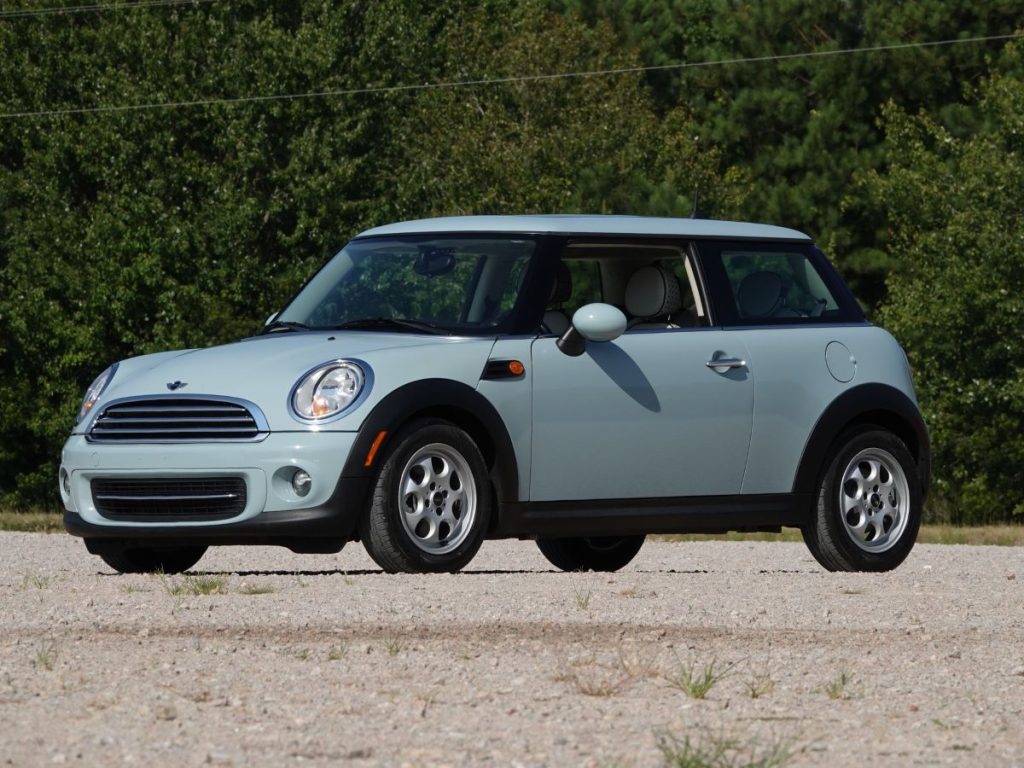
The Mini Cooper belongs here because it shows how personality driven cars sometimes trade long term simplicity for character. It remains an appealing vehicle, but reaching very high mileage often requires more attention than average.
3. Fiat 500
The Fiat 500 represents a very different type of high mileage challenge. Rather than performance stress or luxury complexity, the concerns here often come from durability of small components and long term structural aging.
When new, the car offers charm, efficiency, and urban convenience. Over extended mileage, however, small weaknesses can begin to appear more quickly than in more conservatively engineered competitors.
One area that often receives attention is electrical reliability. Compact city cars often rely on tightly packaged wiring systems, and over time minor electrical faults can begin to appear. These are rarely catastrophic, but repeated small issues can slowly change the ownership experience from simple to frustrating.
Another reason this car appears here involves material aging. Some interior plastics and trim components may show wear earlier than expected under heavy daily use. While this does not prevent the car from functioning, it can affect how well the vehicle feels preserved after many years.
This example is included because it shows how design priorities influence longevity. The Fiat 500 was designed primarily as an affordable and stylish urban vehicle rather than a high mileage endurance machine. That difference in mission often becomes visible after extended use.
There is also a maintenance pattern worth mentioning. In some markets, parts availability and specialist knowledge are not as strong as for larger global brands. When parts take longer to source, minor problems may remain unresolved longer, which can compound wear.
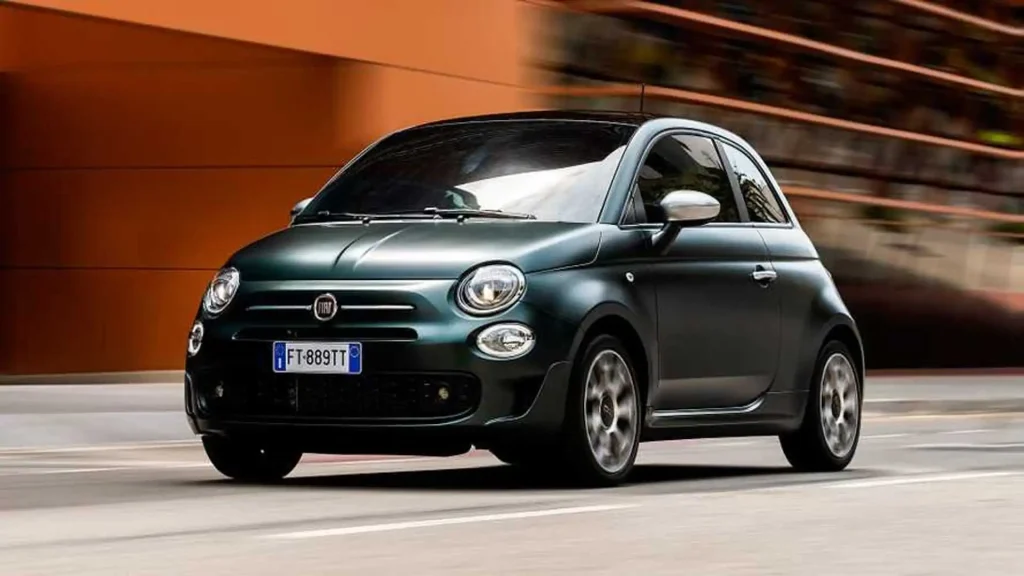
The Fiat 500 belongs here because it demonstrates how smaller lifestyle focused vehicles sometimes sacrifice long term durability margins in favor of design appeal and cost targets. It remains a good city car, but pushing toward extreme mileage often requires patience and careful upkeep.
This example highlights a useful lesson. A vehicle designed for short urban trips may not always be the best candidate for extremely high mileage expectations.
4. Dodge Dart (Modern Generation)
The Dodge Dart provides another example of how promising designs can struggle with long term consistency. When introduced, it offered attractive styling, modern technology, and competitive pricing.
As mileage increased, however, some owners reported patterns of mechanical and electronic issues that made long term ownership more demanding.
One of the most discussed concerns involves transmission behavior in certain versions. Some automatic and dual clutch variants developed shifting irregularities as mileage increased. While not universal, these reports affected long term ownership confidence.
Another reason this car appears here involves engine option complexity. Offering multiple engine choices can be a strength, but it can also complicate maintenance when reliability varies between configurations. Some engines proved more durable than others, which created mixed ownership experiences.
This vehicle is included because it illustrates how consistency matters as much as initial design quality. A car can feel competitive when new, but long term reputation depends on how reliably it performs across many years of use.
There is also a resale factor that contributed to its inclusion. As reliability concerns became more widely discussed, resale values dropped faster than some competitors. Lower values sometimes lead to reduced maintenance investment, which can accelerate visible wear.
The Dodge Dart deserves mention because it highlights how long term durability is not only about engineering but also about sustained product support. Vehicles that do not remain in production long sometimes struggle to build the strong service ecosystems that support high mileage ownership.

This example reinforces an important ownership lesson. A good first impression does not always guarantee a strong long term experience.
5. Chevrolet Cruze (Early Turbo Models)
The Chevrolet Cruze represents a case where strong sales numbers and attractive pricing created high expectations, but certain early turbocharged versions developed reputations for requiring more attention as mileage increased.
This does not mean every Cruze performs poorly, but some early models showed patterns that made very high mileage ownership more demanding compared to simpler competitors.
One of the main reasons this car appears here involves cooling system related concerns reported in earlier versions. Small issues such as thermostat housing failures or coolant component wear sometimes appeared as mileage climbed.
While individually these are manageable repairs, repeated cooling related maintenance can affect long term ownership confidence.
Another factor comes from the small turbocharged engine strategy. Like many early downsized turbo engines, the goal was to balance efficiency and performance.
Over extended mileage, however, these engines sometimes required careful maintenance to prevent issues related to heat and pressure management. Owners who followed strict maintenance schedules often had better outcomes than those who delayed service.
This example is included because it shows how early generation downsizing efforts sometimes required refinement. As the industry pushed toward smaller turbo engines, some early designs revealed areas that later improvements addressed. The Cruze reflects that transitional period in engine development.
There is also a structural ownership reason behind its inclusion. Because many Cruzes were sold as affordable transportation, some eventually entered the used market with inconsistent maintenance histories. Vehicles with irregular service naturally face more durability challenges at higher mileage.
The Cruze belongs here because it highlights how reliability depends not only on design but also on how forgiving a car is when maintenance is less than perfect. Some vehicles tolerate neglect better than others. The Cruze often required more careful attention to reach extremely high mileage without issues.
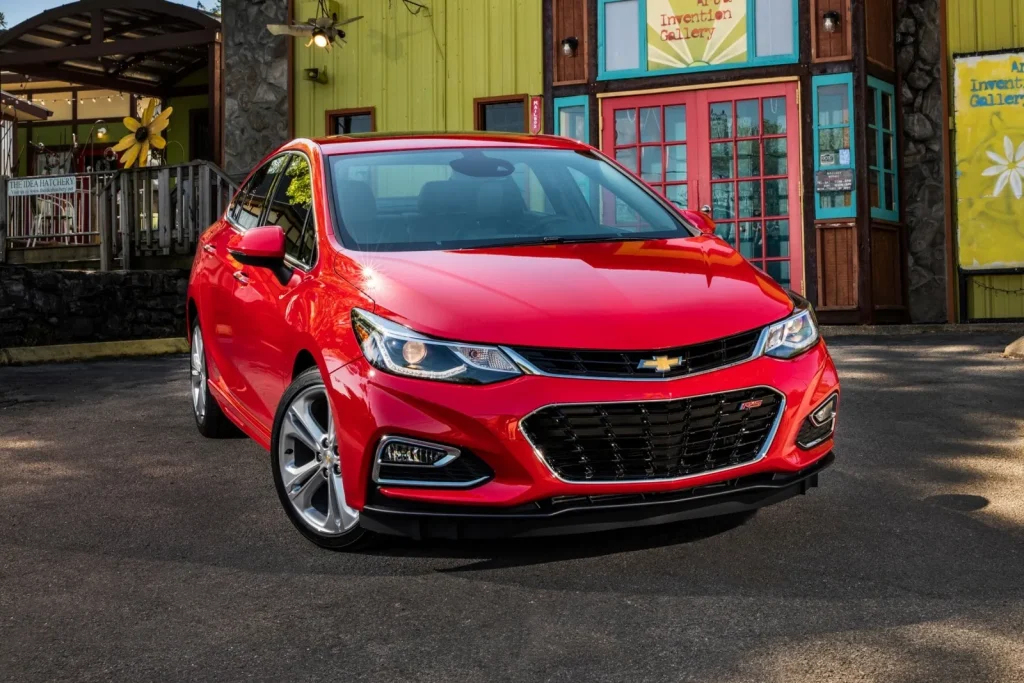
This example completes the list by showing that cars designed for affordability can still require disciplined care if they are expected to last far beyond average mileage expectations.
The difference between cars that age gracefully and those that struggle often comes down to engineering philosophy. Vehicles that reach 200,000 miles with fewer problems usually share a focus on mechanical balance, proven technology, and durability margins.
Cars like the Camry, Accord, RX, Corolla, and Miata show how thoughtful design can support extremely long service life.
On the other side, vehicles that become difficult to maintain at high mileage often reveal the tradeoffs behind their original design priorities. Luxury flagships may introduce complex systems that become expensive to maintain.
Small performance oriented cars may place more stress on compact engines. Budget focused vehicles may show the effects of cost decisions as they age.
The most important lesson is not that any car is perfect or hopeless. It is that every vehicle is built with a purpose. Cars designed for durability often sacrifice excitement. Cars designed for excitement sometimes sacrifice simplicity.
Buyers who understand this tradeoff can make better decisions. Choosing a car that matches long term expectations is more important than choosing one that only feels impressive when new.
In the end, the true test of a car is not how it performs in the first year. It is how confidently it continues to perform after many years when the excitement of purchase has been replaced by the reality of ownership.
Also Read: 5 Used Luxury Bargains Cars That Are Reliable vs 5 That Are Financial Risks
