
Hybrid vehicles have built a strong reputation for delivering excellent fuel efficiency while also reducing emissions and lowering long term running costs. However, one area that many buyers rarely consider is the cooling system complexity inside these vehicles.
While all hybrids rely on cooling to manage battery temperatures, power electronics, and gasoline engines, not all systems are designed equally. Some are engineered with simplicity and durability in mind, while others introduce complicated multi loop systems that can increase maintenance demands over time.
Cooling systems in hybrids do much more than regulate engine temperature. They often manage battery packs, inverters, converters, and electric motors. When these systems are simple, they tend to use fewer pumps, fewer valves, and straightforward coolant routing.
This often translates into fewer failure points and easier servicing after high mileage. These designs are often found in hybrids built with long term ownership reliability as a priority.
On the other hand, some hybrids use highly advanced thermal management designs meant to maximize efficiency, fast warm up times, and performance optimization.
While these systems can improve fuel economy and emissions performance, they may also include multiple electric water pumps, electronic valves, and separate cooling circuits. This can make repairs expensive once the vehicle ages and components begin to fail.
Understanding which hybrids use simple cooling layouts versus those with complex maintenance requirements can make a major difference for used car buyers and long term owners.
A hybrid that saves a small amount of fuel but introduces expensive cooling repairs may not be the best ownership decision compared to a slightly less efficient but more durable design.
This comparison highlights hybrids known for straightforward cooling durability and contrasts them with those known for complicated service requirements.
The goal is to help buyers understand which vehicles prioritize long term simplicity and which prioritize engineering complexity that may require deeper maintenance planning as the years go by.
Also Read: 10 Used Hybrid cars With High Replacement Costs for Inverters and Motors
5 Hybrids With Simple Cooling Systems
Not all hybrid vehicles are complicated machines that require specialized maintenance knowledge. Some of the best hybrids ever built actually achieved their reliability because engineers intentionally kept supporting systems like cooling as simple as possible.
While hybrid technology itself may sound complex, the way manufacturers manage heat inside these vehicles often determines how reliable they become after years of use.
Simple cooling systems usually mean fewer components that can fail. These designs often avoid excessive electric valves, complicated coolant switching pathways, or multiple interconnected temperature loops.
Instead, they rely on clear separation of duties, where the engine, battery, and power electronics are cooled through predictable and well proven layouts. This approach reduces stress on components and also makes diagnostics easier when problems eventually appear.
Another advantage of simpler cooling architecture is cost stability over time. Hybrids with straightforward thermal management usually need only routine coolant changes, occasional pump replacements, and normal hose maintenance.
Vehicles with complicated systems may require expensive electronic valve assemblies or integrated thermal modules once they age. That difference becomes very important after 8 to 12 years of ownership.
I am writing about these particular hybrids because they represent vehicles where engineers prioritized durability and real world ownership rather than chasing small efficiency gains through complicated thermal optimization.
These cars often became favorites among taxi drivers, commuters, and long distance drivers because they proved they could handle mileage without constant attention.
This list focuses on hybrids known for practical engineering choices rather than technical complexity. These are vehicles where the cooling systems quietly contribute to reliability instead of becoming hidden maintenance risks.
Buyers looking for dependable used hybrids often benefit more from these conservative designs than from newer systems designed primarily to maximize laboratory efficiency numbers.
The following vehicles show how simplicity can sometimes be the smartest engineering decision when the goal is long term hybrid ownership.
1. Toyota Prius (2010–2015)
The third generation Toyota Prius represents one of the best examples of hybrid engineering focused on long term reliability rather than unnecessary complexity. Toyota built this car during a time when the company prioritized proven solutions over experimental designs. That philosophy clearly shows in its cooling architecture.
Instead of creating an overly complicated network, Toyota used separate but very straightforward cooling loops for the engine and hybrid components. The inverter cooling system uses a simple electric pump and a dedicated coolant reservoir.
This layout avoids excessive electronic valve management and keeps failure points limited. Many Prius models have crossed extremely high mileage with only basic coolant service and occasional pump replacement.
Another reason this system stands out is accessibility. Components are placed logically, allowing technicians to service coolant pumps and hoses without major disassembly.
This may not sound exciting, but it becomes extremely important once a car reaches ten or fifteen years of age. Designs that prioritize service access usually age better than those designed only for packaging efficiency.
I am including the Prius here because it represents the benchmark for hybrid durability. It is not just about fuel economy. It is about how Toyota intentionally avoided over engineering the thermal systems. Owners frequently report minimal cooling related repairs even after heavy taxi and rideshare use, which says a lot about design priorities.
The Prius also benefits from Toyota using long proven coolant pump designs rather than experimental variable flow designs seen in some newer hybrids. Simplicity here means predictable aging behavior. That predictability is exactly what long term owners need.
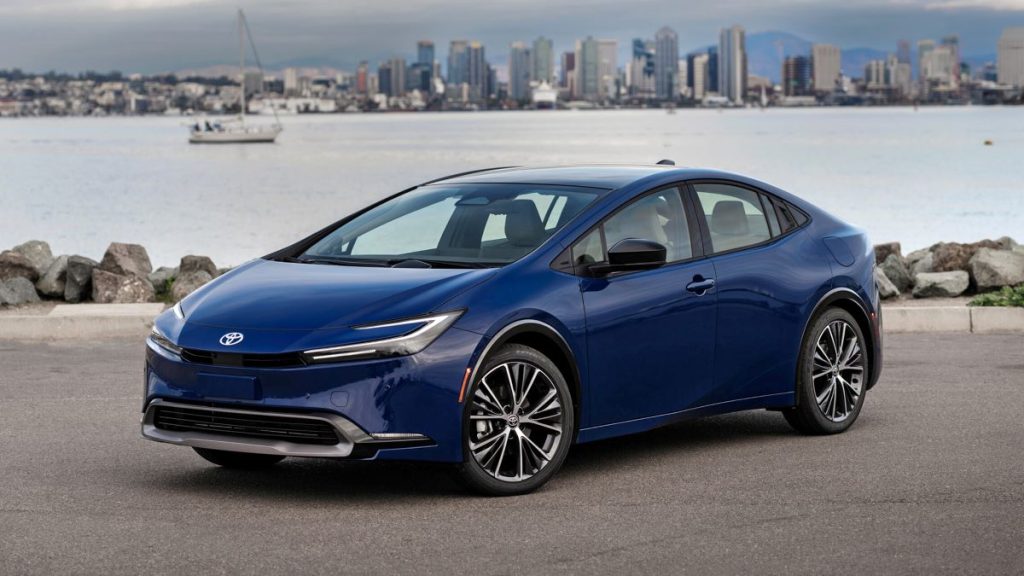
This car deserves mention because it shows how conservative engineering often wins over complicated innovation when the goal is durability. The cooling system is not flashy, but it quietly contributes to why the Prius remains one of the longest lasting hybrids ever built.
2. Toyota Camry Hybrid (2012–2017)
The Camry Hybrid from this generation shows how hybrid systems can be scaled into midsize cars without dramatically increasing maintenance complexity. Toyota essentially adapted Prius hybrid technology but packaged it in a more conventional sedan layout.
What makes this system notable is how Toyota avoided adding unnecessary thermal management layers despite the larger vehicle size. The cooling design remains easy to understand, with clear separation between engine cooling and hybrid electronics cooling. Each system does its job without excessive cross integration.
This model is worth discussing because many midsize hybrids moved toward more aggressive thermal efficiency strategies. Toyota instead stayed conservative, choosing durability over squeezing out marginal efficiency gains. That decision helped this car develop a strong reputation among high mileage commuters.
Unlike some competitors that added multiple electronically controlled coolant valves, this Camry keeps things more mechanical and predictable. Less electronic complexity usually means fewer surprise failures as vehicles age. That matters more after 150,000 miles than buyers often realize.
Another reason I am highlighting this vehicle is the consistency of owner experiences. Reports of cooling system failures are relatively rare compared to some competitors. When repairs are needed, they usually involve standard service parts rather than exotic hybrid specific thermal modules.
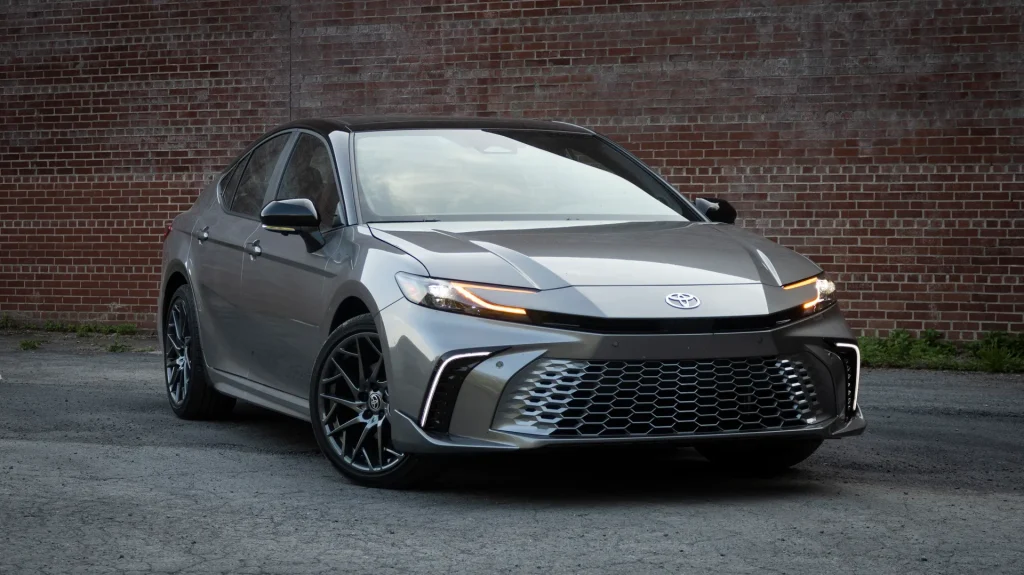
The Camry Hybrid belongs on this list because it shows that hybrid reliability is not just about the battery. Supporting systems like cooling often determine whether ownership stays affordable. Toyota clearly understood this and kept the system practical.
It stands as a good example of a hybrid designed for people who plan to keep their cars for many years rather than lease cycles. That philosophy shows clearly once the vehicle reaches higher mileage ranges.
3. Honda Accord Hybrid (2014–2017)
Honda took a very different engineering route compared to Toyota when it introduced this generation of the Accord Hybrid.
Instead of copying the typical power split design, Honda developed a two motor hybrid system that behaves more like an electric vehicle at lower speeds. Despite this different philosophy, Honda managed to keep the cooling layout surprisingly manageable.
What makes this Accord worth discussing is how Honda resisted turning the thermal system into an engineering experiment. The company focused on making sure the battery and inverter cooling remained conventional in design.
Instead of adding several layers of active thermal routing, Honda used a practical structure that mechanics could understand without needing specialized hybrid diagnostics for basic cooling service.
One reason this car earns a place here is because it demonstrates balance. Honda was clearly trying to innovate with drivetrain behavior, but they did not allow that innovation to create unnecessary complications in support systems. That separation of priorities often leads to better long term ownership experiences.
Another factor that makes this hybrid stand out is the durability of its electric coolant pump systems. While some manufacturers experimented with variable speed multi stage pumps that sometimes created reliability concerns, Honda stayed with more predictable designs.
Owners who maintain coolant intervals properly rarely report major failures tied to the hybrid cooling network.
I am writing about this vehicle because it shows how thoughtful engineering decisions often happen behind the scenes. Buyers usually focus on horsepower or fuel economy numbers. Very few realize that the simplicity of something like coolant routing may determine whether the car becomes expensive later.
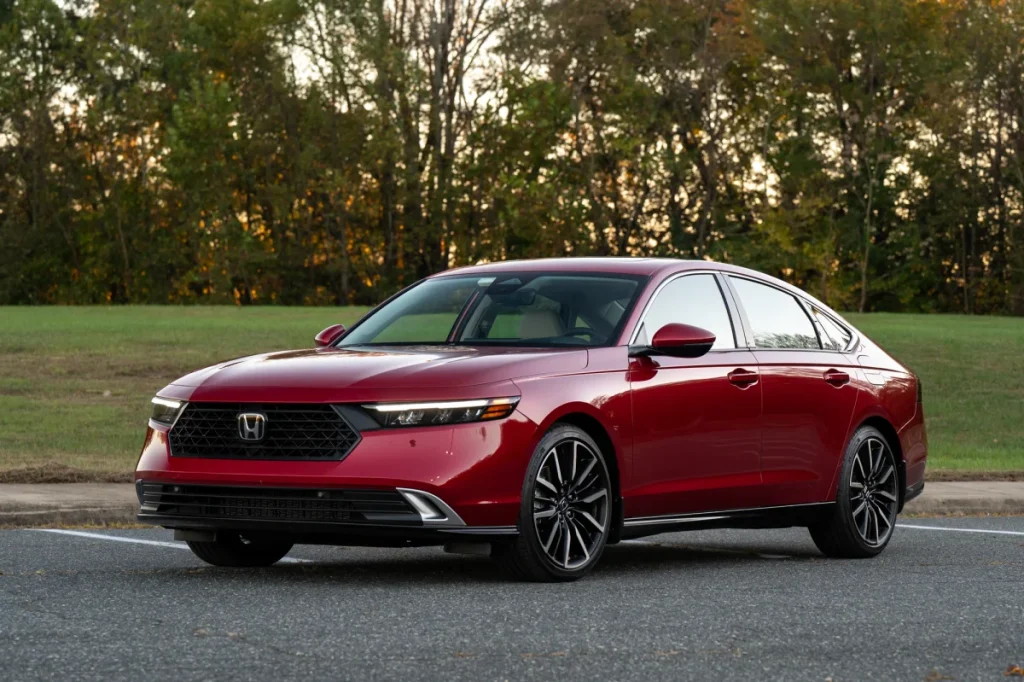
Service technicians often describe this generation Accord Hybrid as logical to work on compared to some later hybrids that tried to combine too many thermal tasks into single assemblies. Logical layouts often age better simply because they remain understandable.
This Accord deserves recognition because it proves that innovation does not always have to mean complication. Honda showed that even with a unique hybrid drivetrain, supporting systems could remain sensible and durable.
4. Ford Fusion Hybrid (2013–2020)
The Ford Fusion Hybrid deserves attention because it represents one of the few American hybrids that emphasized straightforward engineering rather than excessive experimentation. Ford licensed key hybrid technology concepts earlier in its development history, which helped it avoid some early design mistakes seen elsewhere.
What makes the Fusion Hybrid interesting is how Ford chose to keep cooling system design relatively traditional. The vehicle uses a clear separation between gasoline engine cooling and hybrid electronics cooling, without attempting aggressive integration that might complicate repairs later.
This car is included because it highlights how borrowing proven ideas sometimes produces better long term results than trying to reinvent every component. Ford focused on making the system dependable rather than revolutionary. That decision helped keep maintenance expectations realistic for owners.
Another reason this hybrid earns its place is because of parts availability and service familiarity. Many of the cooling components are based on Ford’s conventional vehicle parts supply. This helps reduce long term ownership anxiety because parts sourcing tends to remain easier compared to limited production hybrid components.

I chose to include this vehicle because it represents a practical ownership case. Many Fusion Hybrids entered fleet service, which is often the toughest test of durability.
Vehicles used in taxi or corporate fleets quickly expose weak engineering. The Fusion Hybrid generally performed well in this environment, particularly regarding thermal management reliability.
The layout also avoids excessive coolant switching valves that became common in later efficiency focused hybrids. Fewer electronically controlled pathways often means fewer unexpected repair bills once the vehicle gets older.
This car deserves discussion because it proves hybrids do not have to be complicated to be effective. Its cooling system reflects a philosophy of doing the job properly without unnecessary complication.
For buyers looking at used hybrids, this kind of engineering mindset often matters more than small differences in fuel economy ratings. The Fusion Hybrid shows how simplicity can quietly become a major ownership advantage.
5. Lexus CT 200h (2011–2017)
Some hybrids earn their place on reliability lists not because they introduce new ideas, but because they refuse to change what already works.
The Lexus CT 200h is one of those vehicles. Underneath its luxury branding sits a hybrid system closely related to the Toyota Prius, and that decision plays a major role in why its cooling system remains relatively simple.
Lexus could have easily complicated the design in order to justify the premium badge. Instead, the company focused on refinement rather than reinvention.
The cooling system follows a familiar Toyota pattern with separate loops and clear functional roles. That decision avoided creating additional long term risks just to make the car appear more technically advanced.
This hybrid deserves attention because luxury vehicles often introduce extra complexity that increases ownership risk after the warranty period. The CT 200h took a different route. It kept the proven Prius based thermal layout and simply improved insulation, noise control, and material quality. That choice helped preserve reliability while improving comfort.
Another reason this car belongs here is the predictability of its aging pattern. Mechanics who understand Prius systems already understand this Lexus. That familiarity lowers diagnostic difficulty and reduces the chance of expensive trial and error repairs. Familiar engineering often becomes a hidden advantage as vehicles age.
I am including this car because it represents a smart engineering philosophy that does not always get recognition. Lexus proved that making a car better does not always mean making it more complicated. Sometimes improvement comes from refinement rather than redesign.
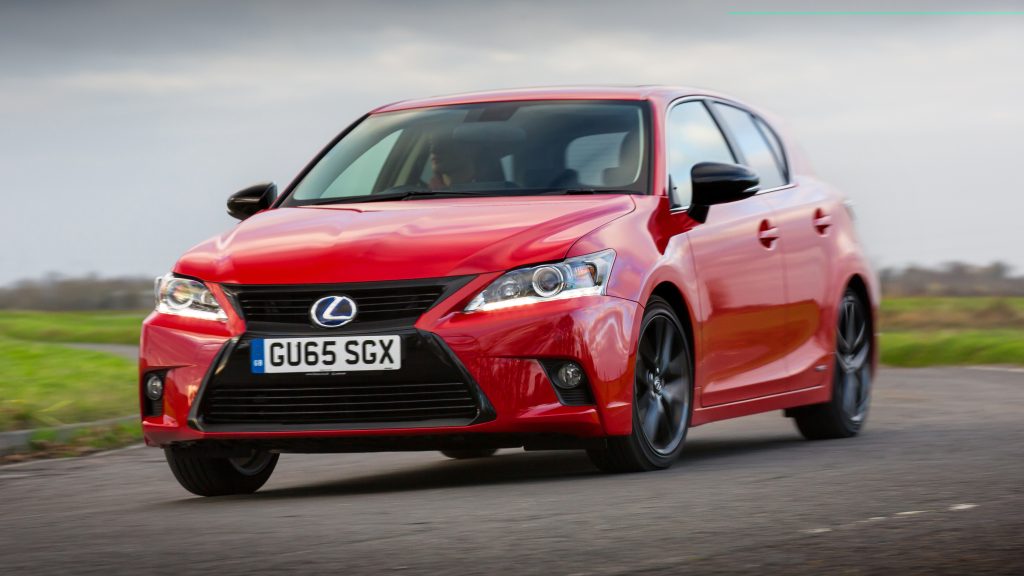
Owners often report that aside from scheduled coolant replacement, the hybrid cooling system rarely becomes a major concern. That type of ownership experience is exactly what buyers hope for when choosing a hybrid known for durability.
The CT 200h closes this list because it shows how proven engineering can successfully move into the luxury space without sacrificing long term simplicity. It is a reminder that good engineering is often about restraint rather than complexity.
5 Hybrids With Complex Maintenance
While some hybrids gained reputations for durability through simple designs, others became known for complicated maintenance due to highly advanced cooling strategies.
These vehicles are not necessarily bad. In many cases, they represent impressive engineering achievements. However, their complexity can make ownership more demanding once the vehicles move beyond their early life cycle.
Modern hybrid efficiency often depends heavily on precise temperature control. Some manufacturers introduced multiple cooling circuits, active grille shutters, electronic coolant valves, battery conditioning loops, and integrated heat recovery systems.
These technologies can improve fuel efficiency and emissions performance, but they also increase the number of components that must continue working perfectly.
I am writing about these hybrids because many buyers only see the fuel economy numbers and overlook the engineering tradeoffs behind them.
Some of these cars were designed to reach strict efficiency targets or showcase technical innovation. That sometimes resulted in systems that require more careful maintenance planning than simpler hybrid designs.
Another important reason to discuss these vehicles is transparency. Complexity is not automatically a bad thing, but it should be understood. Buyers who know what they are getting into can plan maintenance properly and avoid surprise repair costs later. Knowledge helps owners make informed decisions rather than reactive ones.
These hybrids demonstrate how advanced engineering can sometimes introduce long term service challenges. Understanding these designs helps explain why some hybrids remain inexpensive to maintain while others require more attention as they age.
The following vehicles highlight hybrids where thermal system complexity became part of the ownership conversation, especially as they accumulated mileage.
1. BMW ActiveHybrid 3 (2013–2015)
The BMW ActiveHybrid 3 represents a very different hybrid philosophy compared to reliability focused Japanese designs.
BMW approached hybridization from a performance perspective first, which meant the cooling system had to manage not just efficiency demands but also heat generated by aggressive driving characteristics. That goal naturally resulted in a much more layered thermal management system.
Unlike simpler hybrids that rely on clearly separated cooling loops, BMW integrated multiple temperature management priorities into a tightly packaged system. The car uses several heat exchangers, electric pumps, and electronically controlled coolant routing components.
This allows the vehicle to maintain performance consistency, but it also creates more parts that must function correctly as the vehicle ages.
This car deserves mention because it highlights how performance hybrids often accept complexity as part of the design tradeoff. BMW was less concerned about minimizing parts count and more focused on keeping temperatures optimized for both power delivery and emissions compliance.
That kind of engineering focus often leads to impressive driving results but more demanding long term service requirements.
Another reason I am including this hybrid is because it shows how European luxury brands often prioritize technical capability over long term simplicity. The cooling system interacts with the turbocharged engine, hybrid battery, and power electronics in ways that require specialized diagnostic tools when problems occur.
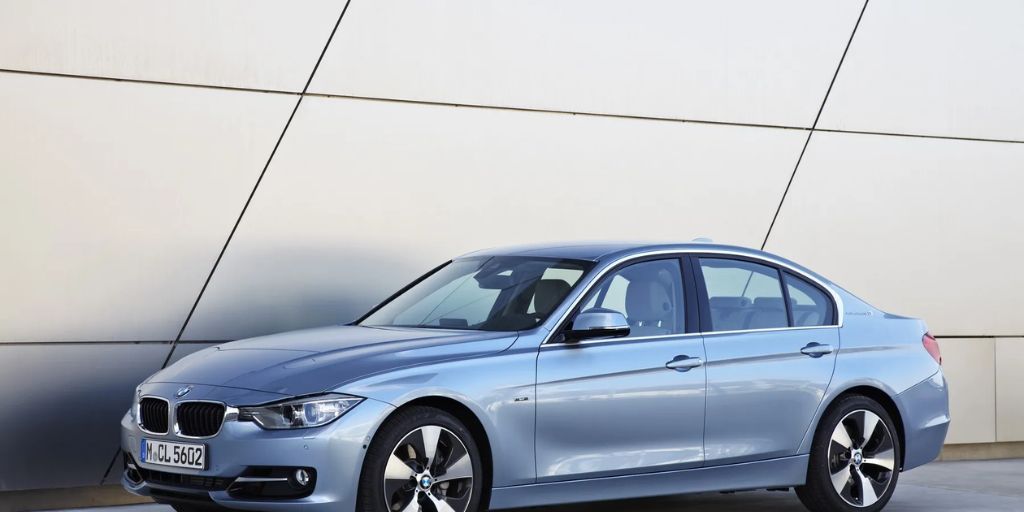
Technicians often point out that access to certain cooling components can require removal of surrounding parts due to tight packaging. This does not necessarily mean the system is unreliable, but it does mean repairs can become labor intensive compared to simpler hybrid layouts.
I am writing about the ActiveHybrid 3 because it serves as a reminder that hybrid technology can be used for very different purposes. In this case, the hybrid system supports performance rather than just efficiency. That shift in purpose explains why the cooling system became more complicated.
This vehicle makes the list because it demonstrates how engineering priorities directly shape maintenance expectations. Buyers considering used luxury hybrids should understand that performance oriented designs often require more attention as they age.
2. Ford Escape Hybrid (2020–Present)
The newer generation Ford Escape Hybrid shows how modern efficiency regulations have pushed manufacturers toward highly sophisticated thermal management. Compared to older Ford hybrid systems, this design uses a far more interconnected approach to temperature control.
What makes this system complex is the integration of engine heat recovery strategies, active thermal routing, and electronically managed coolant distribution. These features help the vehicle warm up faster and maintain optimal efficiency in varying climates. However, these benefits also introduce more sensors, valves, and control modules.
I am including this vehicle because it represents the direction many modern hybrids are taking. Instead of simple cooling loops, manufacturers now design thermal networks that function almost like climate systems for the drivetrain. This can improve efficiency but also means more potential failure points over very long ownership periods.
Another factor worth mentioning is how these modern systems depend heavily on software coordination. Cooling components now operate as part of a managed network rather than as independent mechanical systems. When something goes wrong, diagnosis often involves electronic troubleshooting rather than simple mechanical inspection.
This hybrid belongs on the list because it reflects the reality of modern automotive engineering. The push for emissions reduction has made thermal systems more advanced than ever. That does not mean the car is unreliable, but it does mean maintenance may require more specialized knowledge compared to earlier hybrids.

I am writing about this Escape Hybrid because it shows how even mainstream vehicles are becoming technically dense. Buyers who plan to keep vehicles beyond warranty periods should understand how this complexity may influence future repair experiences.
This vehicle illustrates how the newest generation of hybrids often trades simplicity for optimization. Understanding that tradeoff helps owners decide whether advanced efficiency or long term simplicity better fits their ownership goals.
3. Chevrolet Volt (2016–2019)
The second generation Chevrolet Volt is often praised for its engineering ambition, but it is also a perfect example of how technical sophistication can translate into complex maintenance demands.
Unlike conventional hybrids, the Volt operates as a plug in hybrid with extended electric driving capability. That design required a much more advanced cooling strategy than typical hybrids.
Instead of relying on a basic two loop system, the Volt uses multiple thermal circuits to manage the battery, power electronics, cabin heating integration, and gasoline engine.
Each of these systems must maintain very specific temperature ranges. This resulted in a network of pumps, sensors, and switching valves working together rather than independent simple cooling paths.
This car deserves a place here because it shows what happens when engineers try to maximize electric driving capability while also preserving long battery life.
Battery temperature stability is critical in plug in hybrids, and Chevrolet designed the Volt with very precise thermal control as a priority. That precision came at the cost of simplicity.
Another reason I am writing about the Volt is because it highlights how advanced engineering often brings hidden service considerations.
For example, coolant service procedures can be more involved due to the multiple circuits that must be properly filled and bled. Incorrect servicing can even trigger warning systems if temperatures are not properly regulated.
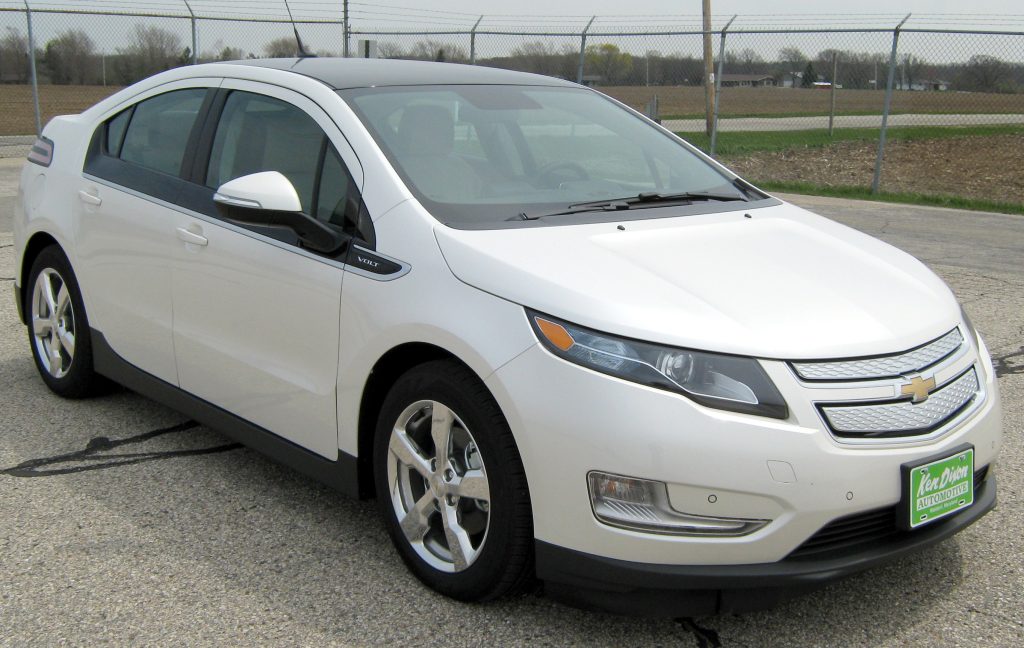
From a technical perspective, the Volt is impressive. Few vehicles from its era managed such smooth transitions between electric and gasoline operation. However, that refinement required a very managed thermal environment that adds complexity compared to simpler hybrids designed mainly for fuel savings.
Technicians often mention that understanding the Volt cooling layout requires careful study of service diagrams. That is not necessarily a flaw, but it shows how much more intricate the system is compared to basic hybrid designs.
I included this vehicle because it represents the engineering reality that pushing boundaries usually increases system complexity. The Volt is a strong example of how technological ambition can sometimes make long term maintenance more involved.
4. Hyundai Ioniq Hybrid (2017–2022)
The Hyundai Ioniq Hybrid deserves discussion because it demonstrates how modern efficiency focused hybrids can become surprisingly complex beneath their economical image. Hyundai engineered this car to compete directly with the most efficient hybrids on the market, and that goal led to detailed attention on thermal optimization.
Unlike older hybrids that focused mostly on keeping components within safe temperature limits, the Ioniq attempts to keep everything operating at ideal efficiency temperatures.
That means more active thermal management rather than passive durability focused design. Additional sensors and electronically managed coolant paths help the vehicle maintain peak efficiency under different driving conditions.
I am including this hybrid because it shows how the industry shifted from durability first design toward optimization first design. The cooling system interacts closely with emissions control strategies, transmission behavior, and hybrid power delivery. This kind of integration improves test cycle performance but can increase service complexity later.
Another reason this vehicle belongs here is because of packaging density. Hyundai used tight component placement to maximize interior space and aerodynamics. While that helps daily usability, it can make certain cooling components harder to access during repair situations.
This car is worth mentioning because it represents how even affordable hybrids now include engineering approaches once found mainly in premium vehicles. That shows how industry expectations have changed. Complexity is no longer limited to luxury brands.
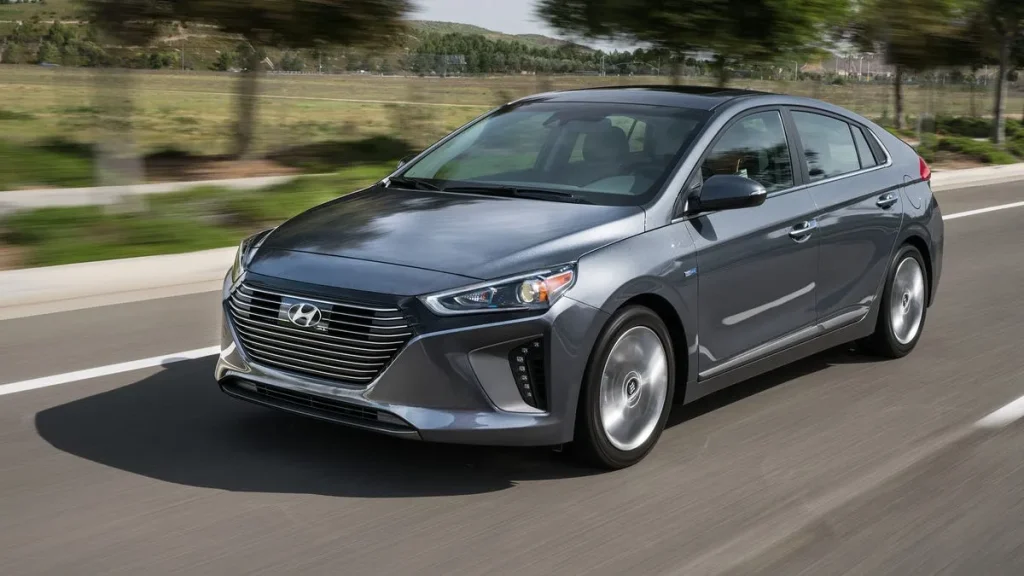
I chose to write about the Ioniq because it helps explain why newer hybrids sometimes require more specialized maintenance awareness even if they appear simple on the surface. Buyers often assume newer equals easier to own, but engineering trends sometimes move in the opposite direction.
The Ioniq earns its place because it demonstrates how efficiency competition has quietly increased hybrid system complexity across the industry.
5. Toyota RAV4 Hybrid (2019–Present)
The Toyota RAV4 Hybrid may surprise some people by appearing in the complex maintenance category because Toyota has a strong reputation for reliability. However, this inclusion is not about unreliability. It is about how even Toyota has had to adopt more sophisticated thermal management strategies to meet modern efficiency and emissions goals.
Compared to earlier Toyota hybrids, this generation uses a more integrated thermal strategy that coordinates engine temperature, hybrid battery conditioning, and climate efficiency. The system is designed not just to prevent overheating but to actively manage warm up timing, fuel efficiency optimization, and emissions reduction during cold starts.
I am including this vehicle because it shows how industry pressure has forced even conservative manufacturers to accept additional complexity. The RAV4 Hybrid uses more electronic coolant control strategies than older Toyota hybrids.
This helps it achieve excellent fuel economy for an SUV, but it also increases the number of supporting components involved.
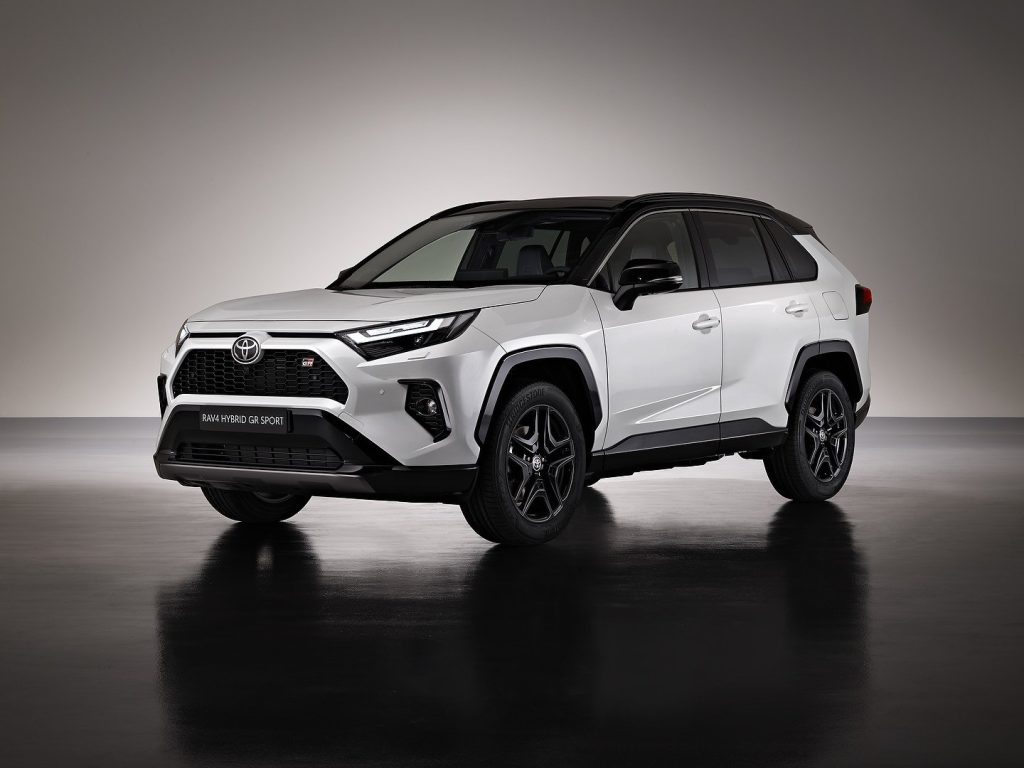
Another important reason this vehicle belongs here is its popularity. Because the RAV4 Hybrid is one of the best selling hybrids globally, many future used buyers will encounter it. Understanding that it uses more advanced thermal coordination than older Toyota hybrids helps set realistic maintenance expectations.
Unlike earlier Toyota designs that emphasized simplicity above all else, this model reflects Toyota balancing reliability with modern performance requirements. The result is still dependable, but no longer as mechanically simple as early Prius based systems.
I am writing about this car because it represents the transition point in hybrid engineering. It shows how even the most reliability focused companies must sometimes introduce complexity to remain competitive in efficiency and emissions performance.
This vehicle completes the list because it clearly demonstrates how hybrid cooling systems have evolved. The RAV4 Hybrid is not difficult to own, but it does represent the modern reality that advanced efficiency often comes with more complicated supporting systems.
Also Read: 5 Trucks With the Most Reliable Transfer Cases vs 5 Known for Leaks
