

Compact SUVs have become the default choice for many buyers because they offer a balance of practicality, fuel efficiency, driving comfort, and modern technology. However, one factor that rarely gets the attention it deserves is cabin noise.
While horsepower numbers and infotainment features often dominate marketing discussions, the quietness of a vehicle can have a much bigger impact on daily driving satisfaction.
A quiet cabin changes the entire ownership experience. Long highway drives become less tiring, conversations become easier, and music sounds clearer without needing high volume levels. Automakers achieve this through better insulation, acoustic glass, improved door seals, and suspension tuning designed to reduce vibration transfer into the cabin.
Some manufacturers invest heavily in these areas, while others focus more on cost savings, which can result in noticeable road and tire noise.
On the other side of the spectrum, some compact SUVs struggle with noise isolation. This does not always mean they are bad vehicles. Sometimes the cause is aggressive tire choices, lighter insulation to reduce weight, or suspension setups that prioritize sporty handling instead of comfort.
However, over time, excessive road noise can make a vehicle feel less refined than competitors even if reliability and performance remain strong.
I am writing this comparison because many buyers only discover cabin noise issues after purchase. Test drives are often short and may not include rough pavement or highway speeds where noise differences become obvious.
Understanding which vehicles are known for quiet interiors and which tend to allow more road sound can help buyers make better long term decisions.
This comparison highlights compact SUVs recognized for strong cabin isolation and contrasts them with models often criticized for allowing too much road noise. The goal is to provide practical insight into comfort differences that spec sheets rarely explain but owners experience every day.
Also Read: 5 SUVs With Clear Blind Spot Visibility vs 5 With Dangerous Sightlines
5 Compact SUVs With Quiet Cabins
Cabin quietness is one of the most underrated measures of vehicle quality. When a compact SUV feels calm and insulated from outside noise, it often signals careful engineering and attention to detail.
Manufacturers that invest in sound insulation usually focus on long distance comfort, premium feel, and driver fatigue reduction rather than just basic transportation needs.
Quiet SUVs typically include thicker floor insulation, acoustic laminated windshields, extra door sealing layers, and carefully tuned suspension bushings.
Some brands also use noise canceling technology or special body structures that reduce vibration. These details are rarely advertised loudly, but they often separate average vehicles from truly refined ones.
I am focusing on these vehicles because they demonstrate how thoughtful engineering can transform daily driving comfort. These SUVs are frequently praised by owners who value smooth and peaceful travel rather than just performance numbers.
Many of these models also show how manufacturers can bring near luxury level quietness into the compact SUV category.
Another reason for highlighting these models is real world usability. People who commute long distances or regularly travel on highways often benefit more from a quiet cabin than from small differences in acceleration. Comfort over time becomes more important than quick first impressions.
The following compact SUVs stand out because they consistently receive positive feedback for their interior quietness. They show how sound control can become a major advantage in ownership satisfaction even if it is not the headline feature.
1. Mazda CX-5 (2017–Present)
Mazda approached the CX-5 with a very clear philosophy. Instead of competing only on price or fuel economy, the company wanted the vehicle to feel more refined than typical compact SUVs. One of the ways Mazda achieved this was through a strong focus on noise reduction.
Unlike many competitors that improved insulation gradually, Mazda made a noticeable improvement during the 2017 redesign. Engineers increased body rigidity, added more sound absorbing materials, and improved door sealing. These changes significantly reduced road and wind noise compared to the earlier generation.
I am including the CX-5 because it represents a case where a mainstream brand decided to compete with premium vehicles in terms of refinement. The difference becomes especially noticeable at highway speeds where many compact SUVs begin to allow noticeable tire noise into the cabin. The CX-5 tends to remain composed and controlled in these conditions.
Another reason this vehicle deserves recognition is its suspension tuning. Mazda did not just add insulation. The company also tuned the chassis to reduce harsh vibration transfer. This matters because some vehicles try to hide noise with insulation while still allowing vibration to enter. Mazda worked on both aspects together.
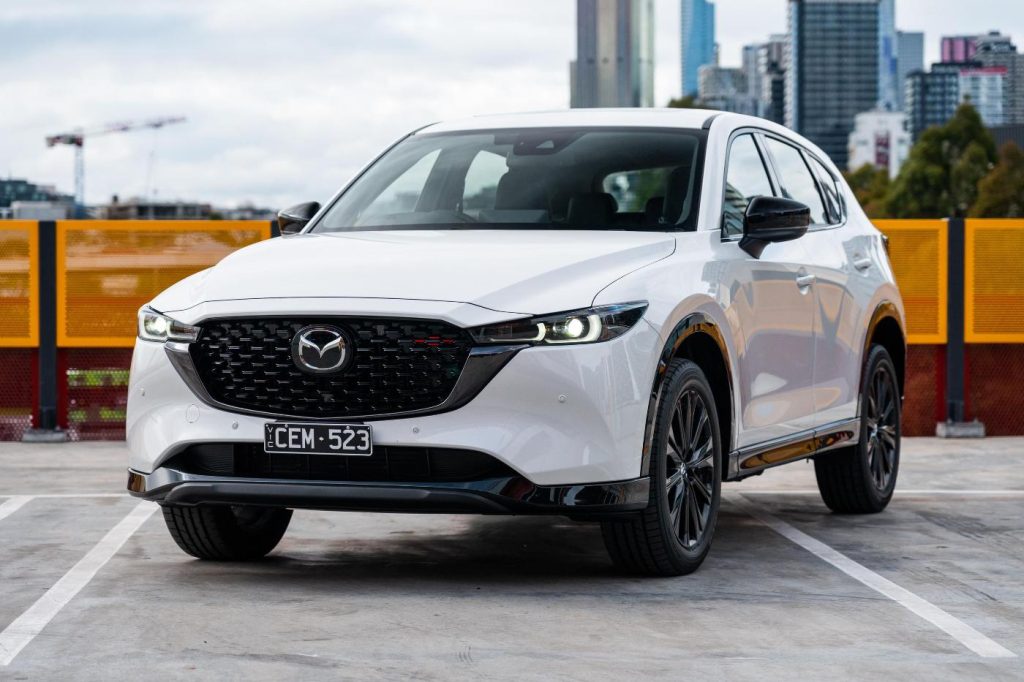
This SUV also demonstrates how material quality plays a role. Softer interior materials help absorb sound reflections rather than allowing noise to bounce around the cabin. Small details like this contribute to the overall quiet feeling.
I am writing about this SUV because it shows how careful engineering priorities can reshape a vehicle’s character. The CX-5 is often chosen by buyers who want a near luxury driving feel without moving into premium price ranges.
Its quiet cabin is not an accident. It is the result of Mazda deliberately trying to make everyday driving feel more refined than what buyers normally expect from this segment.
2. Honda CR-V (2017–2022)
The Honda CR-V built its reputation on practicality, but this generation also made noticeable gains in ride comfort and noise control. Honda understood that compact SUV buyers were beginning to expect more refinement, especially as this segment matured.
One of the biggest improvements in this CR-V came from structural changes. Honda strengthened the body frame to reduce vibration transfer. Less vibration often means less noise because panels move less and produce fewer resonance sounds while driving on rough pavement.
This model earns a place here because it shows how incremental improvements can create meaningful comfort gains. Honda did not rely on one major change. Instead, it used better carpet insulation, improved wheel well liners, and thicker glass in key areas. Together, these small changes helped reduce outside noise significantly.
Another important reason I am highlighting this SUV is its consistency. Some vehicles feel quiet on smooth roads but become loud on coarse asphalt. The CR-V generally maintains a balanced noise level across different surfaces, which is something owners frequently appreciate during daily use.
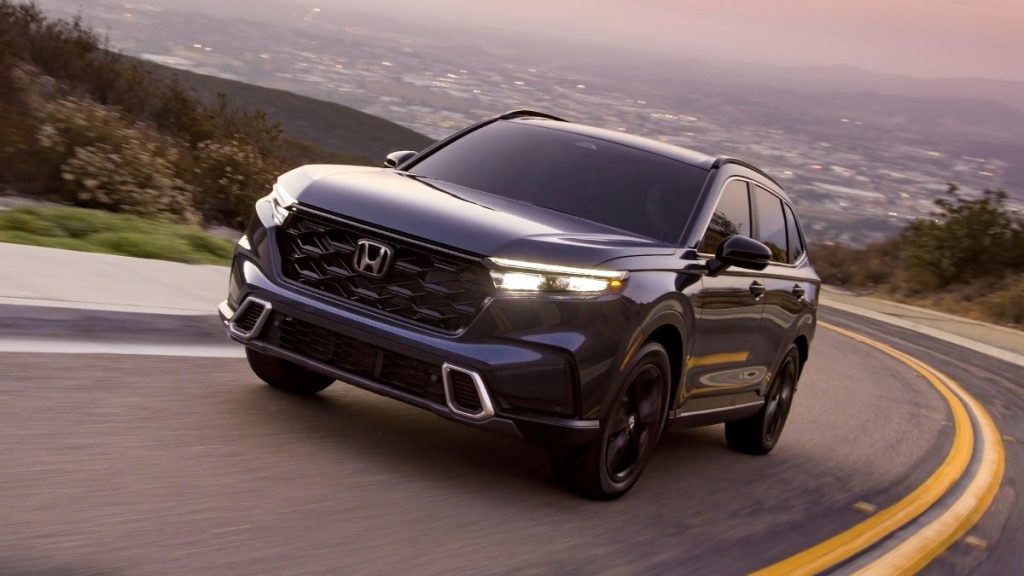
From another perspective, this vehicle also shows how family oriented design influences refinement. Honda knows many CR-V buyers use the vehicle for commuting and long trips. Reducing noise helps reduce fatigue, which becomes important for drivers who spend many hours behind the wheel.
I chose this SUV because it represents practical refinement rather than luxury focused engineering. It does not try to be the quietest vehicle ever built. Instead, it focuses on making everyday driving calmer and more comfortable.
That approach is worth recognizing because many buyers benefit more from consistent comfort than from flashy features. The CR-V proves that refinement can be achieved through steady engineering improvements rather than dramatic redesigns.
3. Toyota RAV4 (2019–Present)
When Toyota redesigned the RAV4 for 2019, one of the less discussed improvements was the effort to make the vehicle feel more solid and refined from the inside. Earlier versions of the RAV4 were sometimes criticized for allowing noticeable road noise, but this generation shows clear progress in how Toyota approached cabin isolation.
Instead of relying on a single solution, Toyota addressed noise from multiple angles. The company improved underbody insulation, strengthened the platform, and paid closer attention to sealing points around the doors and firewall. These improvements reduced the amount of tire and wind sound entering the passenger area.
This vehicle makes this list because it reflects how manufacturers evolve based on customer feedback. Toyota clearly understood that buyers wanted more comfort along with durability. The result is a compact SUV that feels more mature on long drives than some of its earlier versions.
Another reason I chose this SUV is because of how it handles highway travel. Many compact SUVs begin to feel noisy once speeds increase, especially due to wind resistance around mirrors and rooflines. The RAV4 manages airflow well enough that wind noise usually stays controlled, which contributes to relaxed highway driving.
There is also something worth mentioning about Toyota’s material strategy here. The company used improved floor padding and cargo area insulation that helps reduce the hollow sound some SUVs develop over rough pavement. This helps the vehicle feel more planted rather than echo prone.
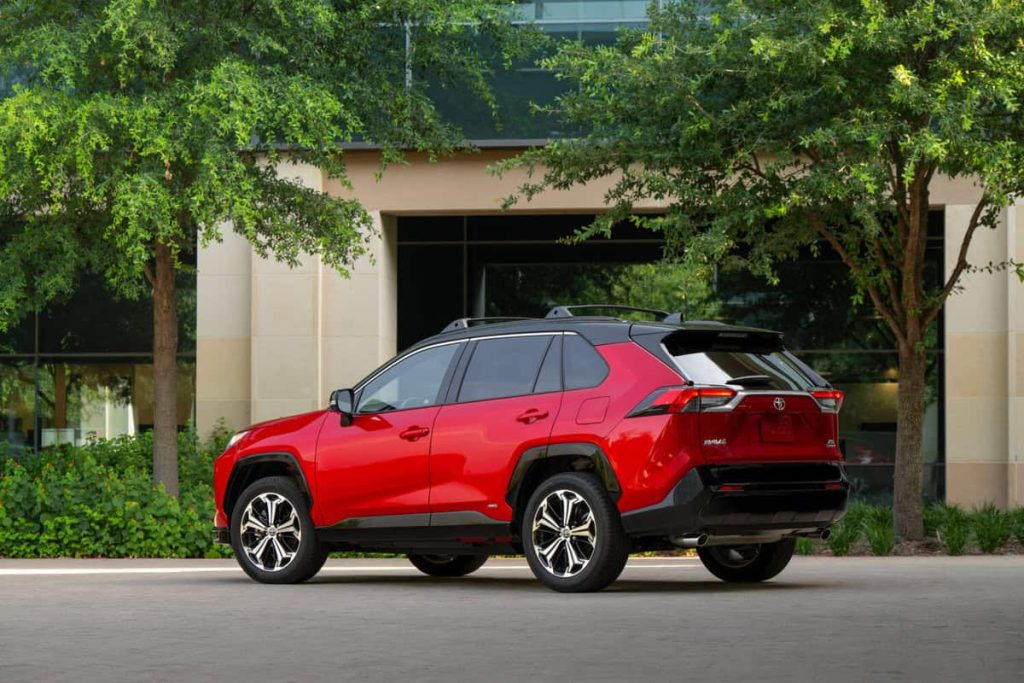
I am including the RAV4 because it shows how a high volume vehicle can still receive meaningful refinement improvements. Toyota did not try to turn it into a luxury SUV, but it did focus on making the cabin calmer for everyday use.
This SUV deserves recognition because it demonstrates how steady engineering improvements can improve ownership comfort. It proves that refinement does not always require premium branding. Sometimes it simply requires listening to what drivers actually experience over years of use.
4. Subaru Forester (2019–Present)
Subaru took a different path to achieving a quieter cabin in the Forester. Instead of focusing only on insulation materials, Subaru worked heavily on structural rigidity through its global platform. A stronger structure often reduces flex, and less flex means fewer vibrations entering the cabin.
The Forester is worth discussing because it shows how platform engineering influences noise levels just as much as insulation thickness. Subaru increased chassis stiffness significantly compared to the previous generation. This helped reduce small rattles and road vibration that can gradually make vehicles feel less refined.
Another reason this SUV belongs here is how Subaru improved the fit and sealing of body panels. Better alignment of doors and panels helps reduce wind intrusion. While this sounds minor, these details often separate average vehicles from those that feel carefully engineered.
I am writing about the Forester because it represents a practical example of comfort improvement without abandoning brand identity. Subaru vehicles are known for all wheel drive capability and safety. In this generation, Subaru showed it could also improve refinement without compromising those strengths.
There is also a usability angle worth mentioning. Drivers who regularly travel on mixed surfaces such as highways, rural roads, and uneven pavement often report that the Forester remains composed rather than noisy. That balance between capability and comfort is not easy to achieve.
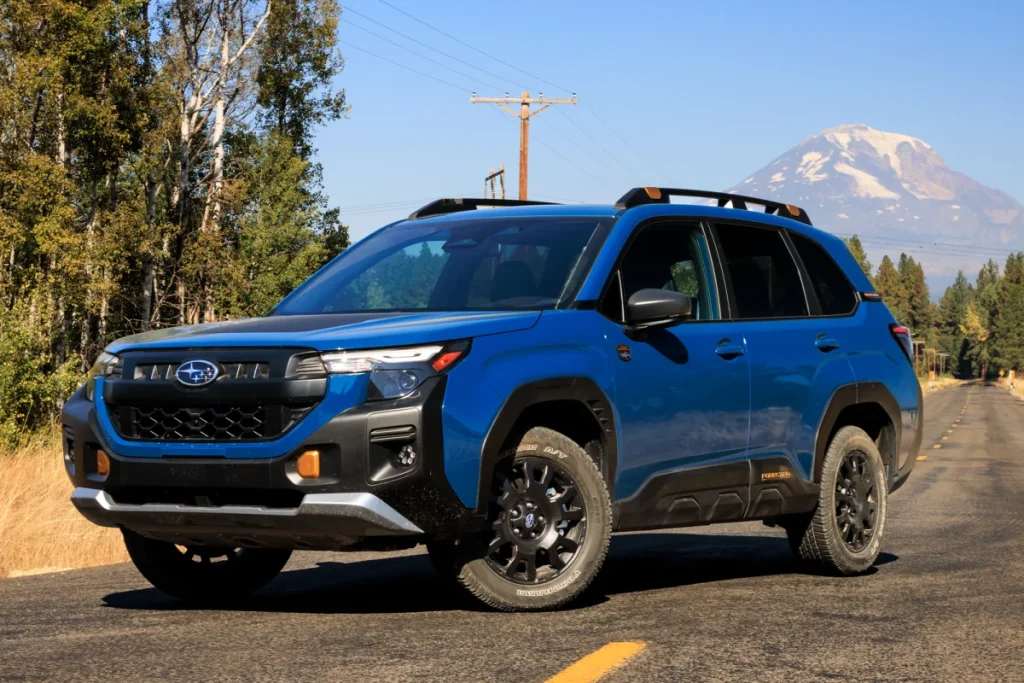
Another interesting aspect is Subaru’s approach to glass thickness and interior absorption materials. Small improvements in these areas helped reduce high frequency noise such as wind whistle and fine tire hum.
This SUV makes the list because it shows that refinement does not always come from adding weight. Sometimes it comes from smarter structural engineering. The Forester demonstrates how thoughtful design can reduce noise without sacrificing the rugged character buyers expect.
5. Hyundai Tucson (2022–Present)
Hyundai made a very deliberate attempt to move the Tucson toward a more premium feel with the latest generation. While the bold exterior design attracted most of the attention, one of the more meaningful improvements happened where drivers spend their time, inside the cabin.
Hyundai clearly focused on reducing unwanted sound to make the vehicle feel more expensive than its price suggests.
What makes the Tucson interesting is how Hyundai combined several small improvements instead of relying on one major change.
The company added extra sound insulation in the floor and dashboard area while also improving door insulation layers. These changes help block the low frequency rumble that often enters compact SUVs on highways.
I am including this vehicle because it shows how newer competitors are raising expectations in this segment. Hyundai understood that buyers now compare compact SUVs not just on price but on how refined they feel. A quieter interior helps create that impression immediately.
Another reason this SUV deserves recognition is the way Hyundai tuned the suspension to complement the insulation improvements. A suspension that absorbs sharp impacts more smoothly naturally reduces the sound energy entering the structure. This approach shows that ride comfort and sound comfort often go together.
From another angle, the Tucson also benefits from aerodynamic improvements that help reduce wind turbulence. This becomes noticeable during longer highway drives where the vehicle maintains a steady sound environment rather than developing increasing wind noise.
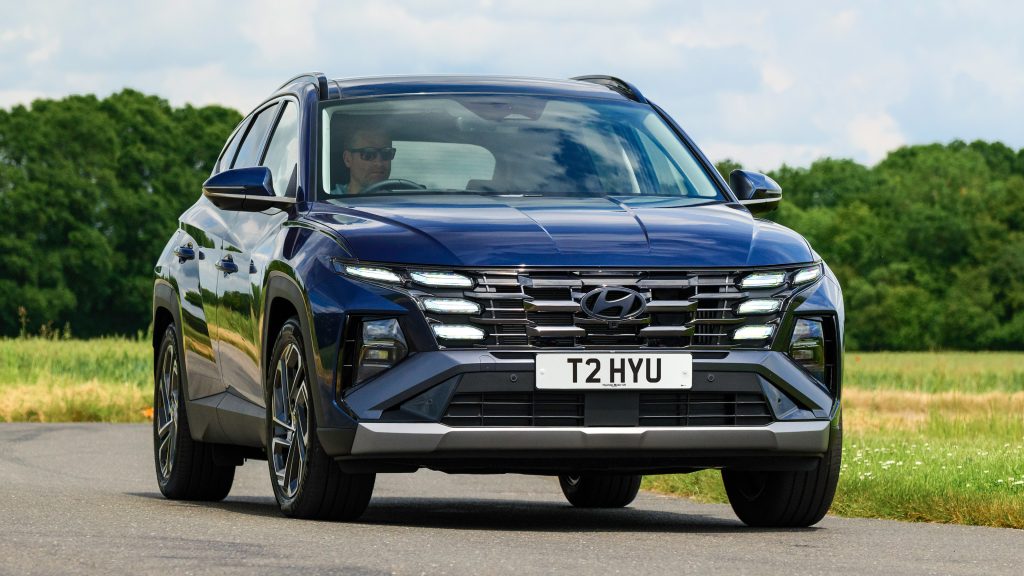
I am writing about the Tucson because it represents how newer designs are changing buyer expectations. Vehicles that once competed mainly on warranty coverage now also compete on refinement. Hyundai clearly wanted this model to feel calm and composed during daily driving.
This SUV completes the quiet list because it shows how modern engineering focus can improve comfort without pushing the vehicle into luxury pricing territory. It highlights how the compact SUV category continues to evolve toward higher refinement standards.
5 Compact SUVs With Too Much Road Noise
Not every compact SUV manages to achieve the same level of cabin quietness. Some vehicles allow more road and tire noise to enter due to cost saving decisions, sport oriented tuning, or design priorities that place performance and weight reduction above insulation.
This does not automatically make these vehicles poor choices, but it does mean buyers should understand the tradeoffs.
Road noise usually enters through tires, wheel wells, and the vehicle floor. If insulation is limited or if suspension tuning is firm, more of this sound can reach the cabin. Some manufacturers accept this because reducing weight improves fuel economy. Others accept it because a firmer suspension improves handling response.
I am writing about these vehicles because buyers often misunderstand why some SUVs feel louder than others. It is not always poor engineering. Sometimes it is a deliberate decision based on cost targets or driving character. However, buyers who prioritize comfort should know which models may not meet their expectations in this area.
Another important reason for this list is long term ownership satisfaction. A vehicle that feels acceptable during a short test drive may become tiring during daily commuting if road noise remains consistently noticeable. Understanding these differences helps buyers avoid surprises later.
The following compact SUVs are often mentioned in discussions about road noise. Some of them offer strong value or good driving dynamics, but they may not match the refinement levels of the quieter models discussed earlier.
1. Jeep Compass (2017–Present)
The Jeep Compass offers strong styling and brand appeal, but cabin noise is one area where it sometimes falls behind competitors. The vehicle was designed with a focus on affordability within the Jeep lineup, and some of the cost balancing decisions are noticeable in sound insulation levels.
One reason this SUV is included is because of how road surfaces affect its cabin experience. On rough pavement, tire noise can become more noticeable compared to some rivals. This is partly related to insulation choices and partly related to tire selection depending on trim level.
I am highlighting the Compass because it shows how brand character sometimes takes priority over refinement. Jeep vehicles often emphasize rugged image and capability. While the Compass is not a hardcore off road vehicle, its tuning still reflects some of that brand influence rather than a pure comfort focus.
Another factor worth mentioning is suspension firmness. While not overly harsh, the setup can allow more road texture to be felt and heard compared to comfort focused competitors. Some drivers may even prefer this because it gives a more connected driving feel.
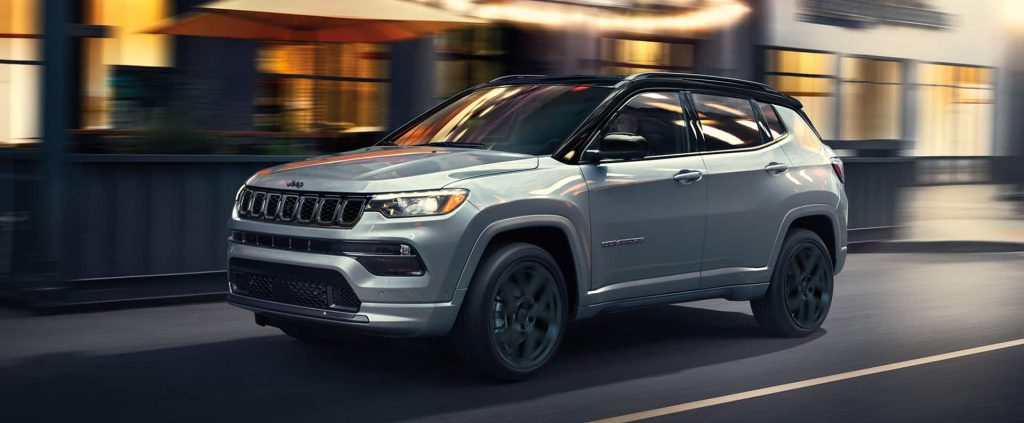
This SUV also demonstrates how price positioning affects refinement decisions. To remain competitive in its segment, Jeep had to balance material costs. Some competitors simply allocate more budget toward noise reduction materials.
I am writing about this vehicle because it represents a realistic buying decision scenario. Many buyers choose vehicles based on styling or brand preference. Understanding where refinement compromises exist helps create realistic expectations.
The Compass makes this list not because it is a poor vehicle, but because buyers who prioritize quietness may want to compare it carefully with more comfort focused alternatives.
2. Nissan Rogue Sport (2017–2022)
The Nissan Rogue Sport entered the market as a smaller and more affordable alternative to the standard Rogue. While it offered good maneuverability and urban practicality, one area where it sometimes received criticism was interior noise levels on highways.
This SUV deserves discussion because it shows how platform size can influence sound behavior. Smaller vehicles often have less space for insulation materials. This can sometimes result in more noticeable road sound compared to slightly larger competitors.
Another reason I am including this vehicle is its tire and suspension combination. The Rogue Sport tends to use setups that prioritize efficiency and light handling. While this helps city driving, it can allow more highway noise to enter compared to more heavily insulated vehicles.
I chose this SUV because it reflects how design compromises shape ownership experience. Nissan positioned this vehicle as an accessible entry point into the SUV market. That positioning sometimes means fewer premium refinement features.
From another viewpoint, this vehicle also shows how expectations matter. Buyers moving from small sedans may find the noise level acceptable. Buyers comparing it directly with the quietest compact SUVs may notice the difference more clearly.
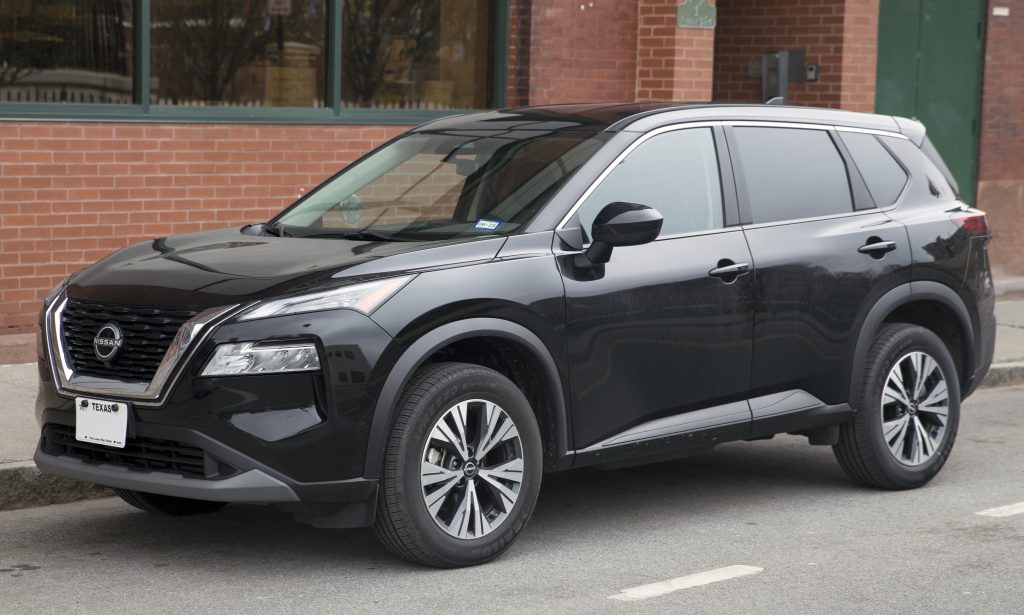
This SUV earns its place here because it illustrates how segment positioning affects refinement investment. It reminds buyers that not all compact SUVs target the same comfort level.
3. Toyota Corolla Cross (2022–Present)
The Toyota Corolla Cross was developed to fill the gap between the C-HR and the RAV4, focusing strongly on affordability and fuel efficiency.
While it succeeds in practicality and dependability, one area where some drivers notice compromise is cabin isolation on certain road surfaces. This is not unusual for vehicles positioned as entry level compact SUVs.
One reason this vehicle appears on this list is because Toyota clearly prioritized efficiency and cost balance rather than heavy sound insulation.
On coarse highways, some owners report that tire noise becomes more noticeable than expected from the Toyota brand. This mostly reflects where the vehicle sits in the lineup rather than poor engineering.
I am including the Corolla Cross because it demonstrates how platform sharing affects refinement. Since it shares roots with the Corolla sedan, it inherits some of its lighter structure characteristics. While this helps fuel economy and responsiveness, it can also mean less natural sound damping compared to heavier SUVs.
Another factor worth mentioning is how expectations influence perception. Buyers stepping up from a small hatchback may find the noise perfectly acceptable. However, drivers comparing it directly with more expensive compact SUVs may notice that competitors invest more heavily in sound deadening materials.
This SUV is worth discussing because it represents practical compromises many manufacturers make. Keeping a vehicle affordable often means limiting premium touches such as thicker acoustic glass or additional wheel well insulation.
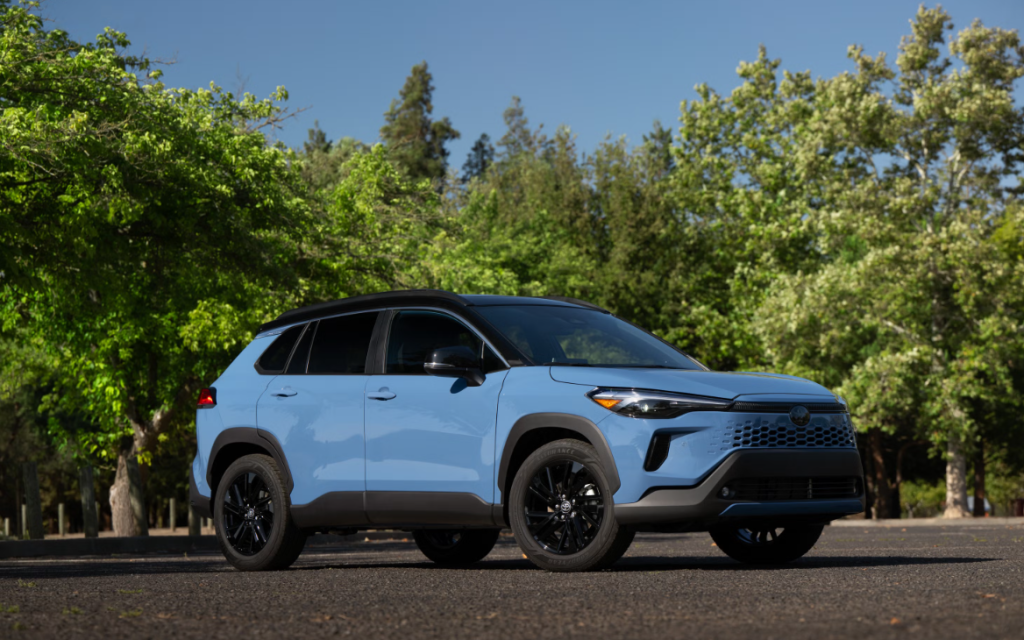
I am writing about this vehicle because it shows how understanding vehicle positioning helps buyers make smarter choices. The Corolla Cross offers strong reliability potential, but buyers who value a very quiet highway experience may want to evaluate it carefully during longer test drives.
4. Kia Sportage (2017–2022)
The previous generation Kia Sportage built a strong following due to its styling and feature rich packages, but some drivers noticed that it did not always match the quietness of the most comfort focused rivals. This difference becomes more noticeable during extended highway travel rather than short city trips.
One reason this SUV is included is the way its suspension was tuned. Kia gave the Sportage a slightly firmer character compared to some competitors to improve handling feel. While this can make the vehicle feel more responsive, it can also allow more road texture to be heard inside the cabin.
I am highlighting this model because it reflects how driving personality affects refinement. Some manufacturers deliberately allow a bit more road feedback to avoid a completely isolated driving feel. This approach can appeal to drivers who prefer feedback but may disappoint those seeking maximum quietness.
Another aspect worth mentioning is tire variation. Some trims equipped with larger wheels can generate more road sound than versions with smaller wheels and thicker tire sidewalls. This shows how even trim choice can affect cabin experience.
This vehicle belongs on this list because it demonstrates how competitive pricing sometimes requires tradeoffs. Kia invested heavily in technology and interior features, which may have limited how much could be allocated toward additional sound insulation at the time.
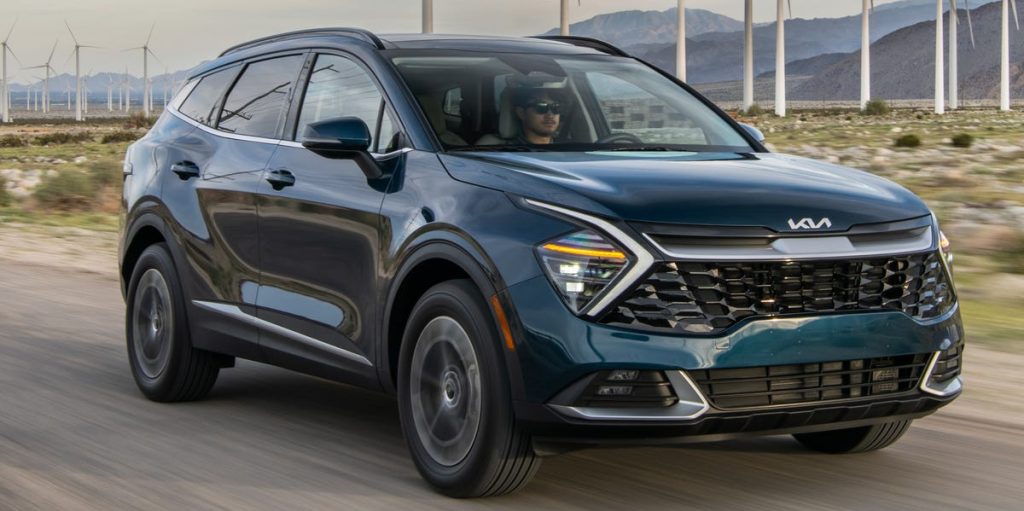
I am writing about the Sportage because it shows how buyers should look beyond features and consider daily comfort factors. A vehicle can be very well equipped and still differ in refinement compared to segment leaders.
5. Mitsubishi Eclipse Cross (2018–Present)
The Mitsubishi Eclipse Cross is an interesting example of a compact SUV that focuses heavily on value and distinctive styling but does not always compete strongly in cabin refinement.
While it offers good visibility and practical space, some drivers notice that road and wind noise become more present compared to segment leaders, especially during highway use.
One reason this vehicle appears in this comparison is because Mitsubishi positioned it as a value oriented product. Vehicles in this category often prioritize affordability and basic durability over premium insulation materials. As a result, more sound from tires and pavement can sometimes be heard inside the cabin.
I am including the Eclipse Cross because it reflects how smaller manufacturers often have to carefully balance development budgets. Larger brands may have more resources to invest in additional sound deadening layers, while smaller companies may focus more on core reliability and pricing competitiveness.
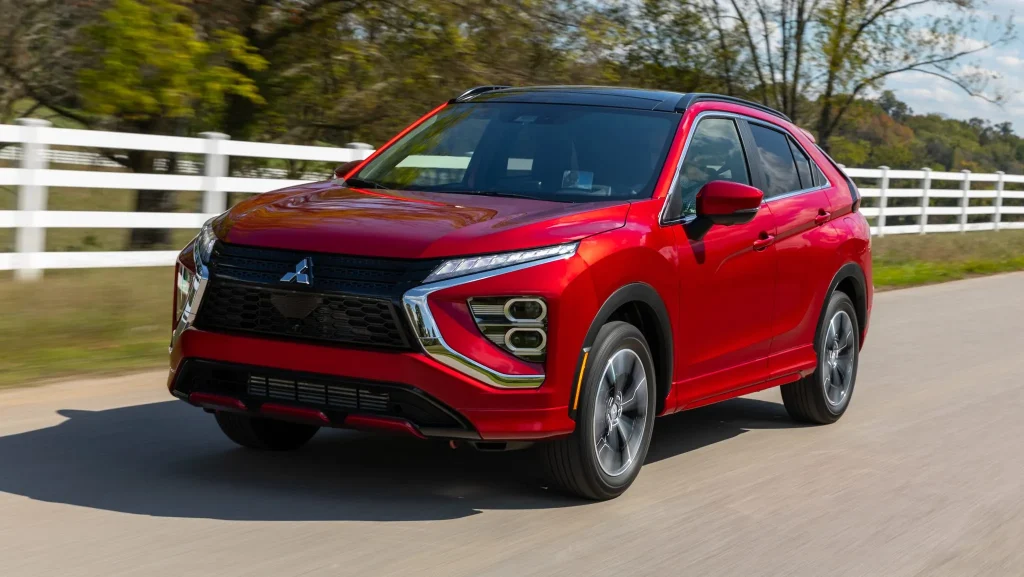
Another factor worth noting is how the vehicle behaves on different road types. Around the city the noise levels may not stand out much, but at sustained highway speeds some drivers report more noticeable background sound compared to the quietest compact SUVs. This difference becomes clearer during longer trips rather than short drives.
This SUV is worth discussing because it shows how buyer priorities should guide decisions. Someone focused on affordability and basic SUV practicality may find it perfectly acceptable. Someone looking for near luxury quietness may want to compare alternatives.
I am writing about this vehicle to highlight how refinement differences often come from design priorities rather than simple quality differences. Understanding those priorities helps buyers choose vehicles that match their expectations instead of relying only on specifications.
Also Read: 5 SUVs With Stain-Resistant Seats vs 5 That Show Every Spill
